So should curtains touch the floor? Designers say yes, almost always. Floor-length curtains make a room look taller, richer, and more finished, while curtains that stop mid-wall tend to look like a measuring mistake.
But "touch the floor" is not one single look. There is kissing, breaking, puddling, and floating, and each one fits a different room and lifestyle. These 12 rules will help you pick the right length for every window in the house.

Photo via Pexels
Table of Contents
- 1. The Short Answer: Yes, Almost Always
- 2. Kiss the Floor: The Clean Classic
- 3. The Slight Break: Tailored, Like Good Trousers
- 4. Puddling: The Romantic Extra Inches
- 5. Floating Just Above: The Practical Choice
- 6. Sill Length: For Windows Over Furniture
- 7. Apron Length: Just Below the Sill
- 8. Hang the Rod High and Wide First
- 9. Bedrooms: Kiss or Break for Better Sleep
- 10. Pets, Kids, and Robot Vacuums
- 11. The Simple Measuring Math
- 12. Too Short? Three Fixes That Work
1. The Short Answer: Yes, Almost Always
Interior designers agree on this one more than almost any other rule: curtains look best when they at least touch the floor. Full-length panels draw the eye upward, make ceilings feel higher, and give the whole room a finished, intentional look. Short curtains that hover halfway down the wall usually read as a mistake.
The one real exception is a window with furniture hard against it, like a radiator or a desk tucked under the sill. In that case a shorter length is the honest choice. Pair your new panels with the rest of the room using our living room wall decorating ideas so the windows and walls work as one.
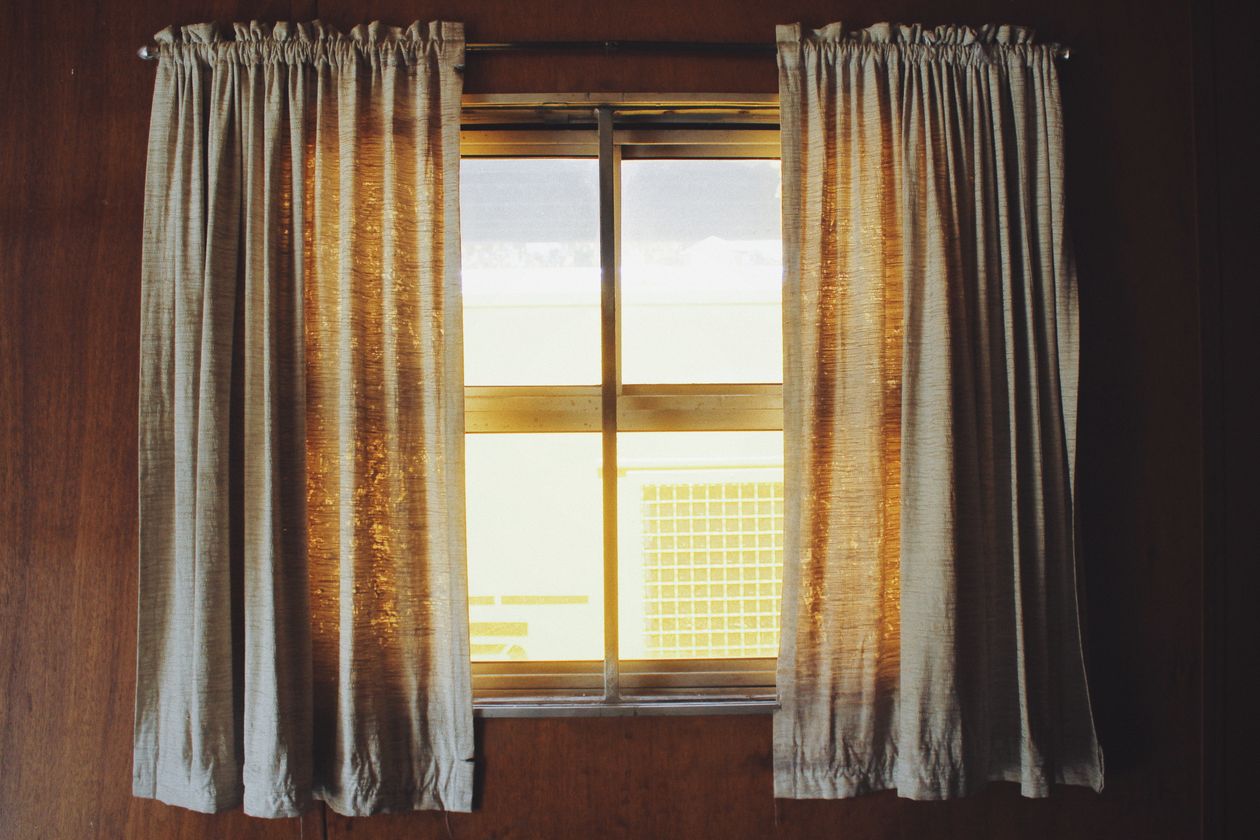
Photo via Pexels
2. Kiss the Floor: The Clean Classic
"Kissing" means the hem just grazes the floor with no extra fabric piling up. It is the safest, most versatile length: tailored enough for modern rooms, soft enough for traditional ones, and easy to vacuum around.
This is the length to choose when you are unsure. It never looks sloppy, it works with every fabric from linen to velvet, and it photographs beautifully if you ever list the home.

Photo via Pexels
3. The Slight Break: Tailored, Like Good Trousers
A "break" adds one to two extra inches, so the fabric bends softly where it meets the floor. Think of how well-cut trousers rest on a shoe: relaxed, not sloppy. Designers love this length for formal living and dining rooms.
The extra inch also forgives uneven floors, which most older homes have. Just keep the break small; more than two inches crosses into puddling territory.
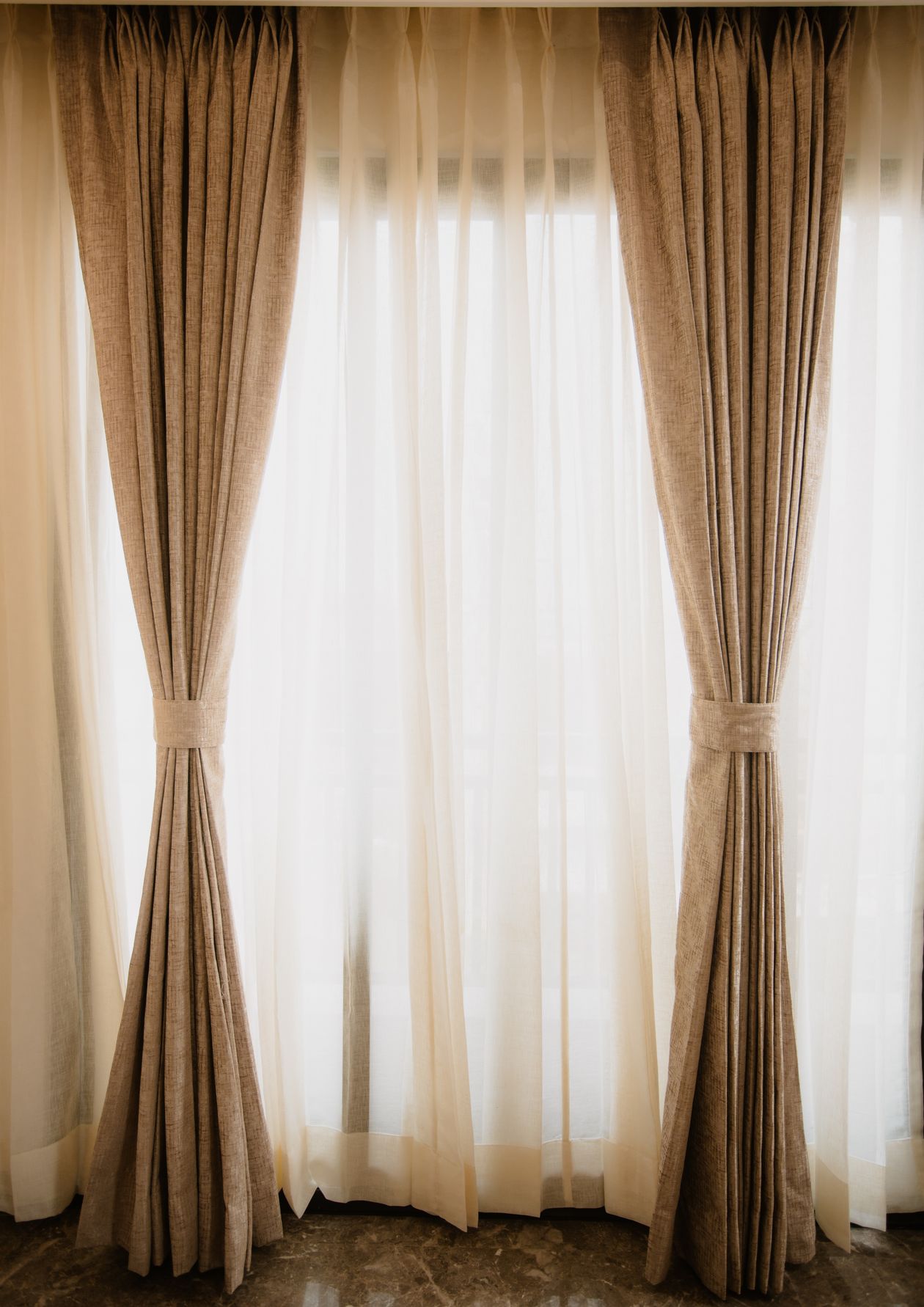
Photo via Pexels
4. Puddling: The Romantic Extra Inches
Puddling adds three to six extra inches so the fabric pools on the floor in soft folds. It is dramatic, romantic, and very European, and it looks stunning in lightweight fabrics like linen or silk that drape gracefully.
Save this look for low-traffic, adult-only rooms. Puddled hems collect dust and pet hair, snag on vacuum cleaners, and turn into a playground for toddlers. A plush accent nearby, like a round leather pouf ottoman, keeps the romance grounded in comfort.
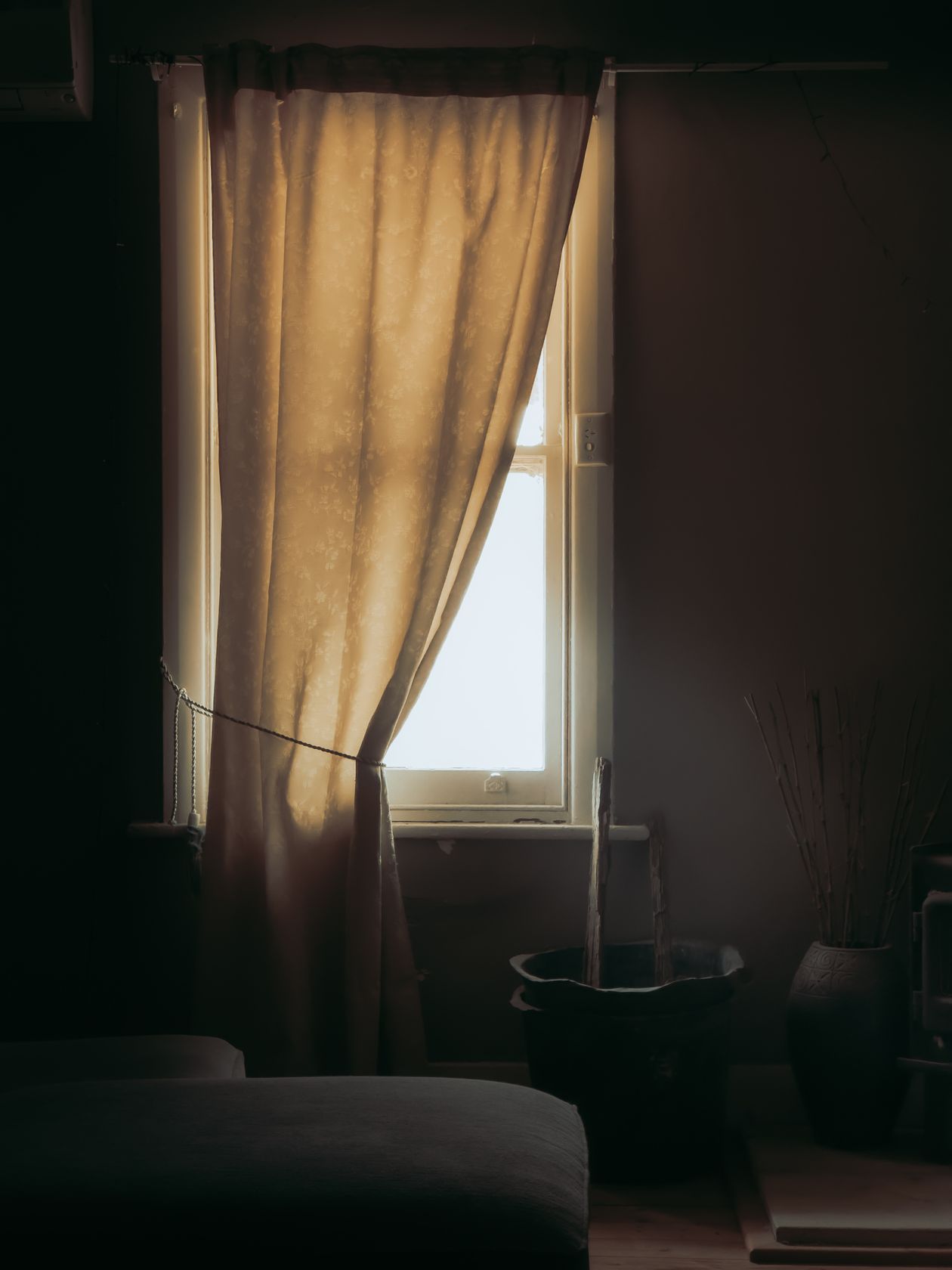
Photo via Pexels
5. Floating Just Above: The Practical Choice
"Floating" means the hem hovers about half an inch to one inch above the floor. It looks crisp and intentional, and it is the most practical length of all: mops glide under, robot vacuums pass freely, and hems stay clean.
Minimalist and modern rooms love this precision. Measure carefully, though, because anything more than an inch off the floor starts to look like the curtains shrank in the wash.

Photo via Pexels
6. Sill Length: For Windows Over Furniture
Sill-length curtains end right at the window sill. This is the right call when a radiator, built-in bench, or desk sits directly under the window and full-length panels would bunch up behind it or block heat.
Keep the fabric tailored and the hem exactly at the sill; a wavy, uneven sill-length hem looks homemade. This length also uses less fabric, so it is a good place to splurge on a nicer material.
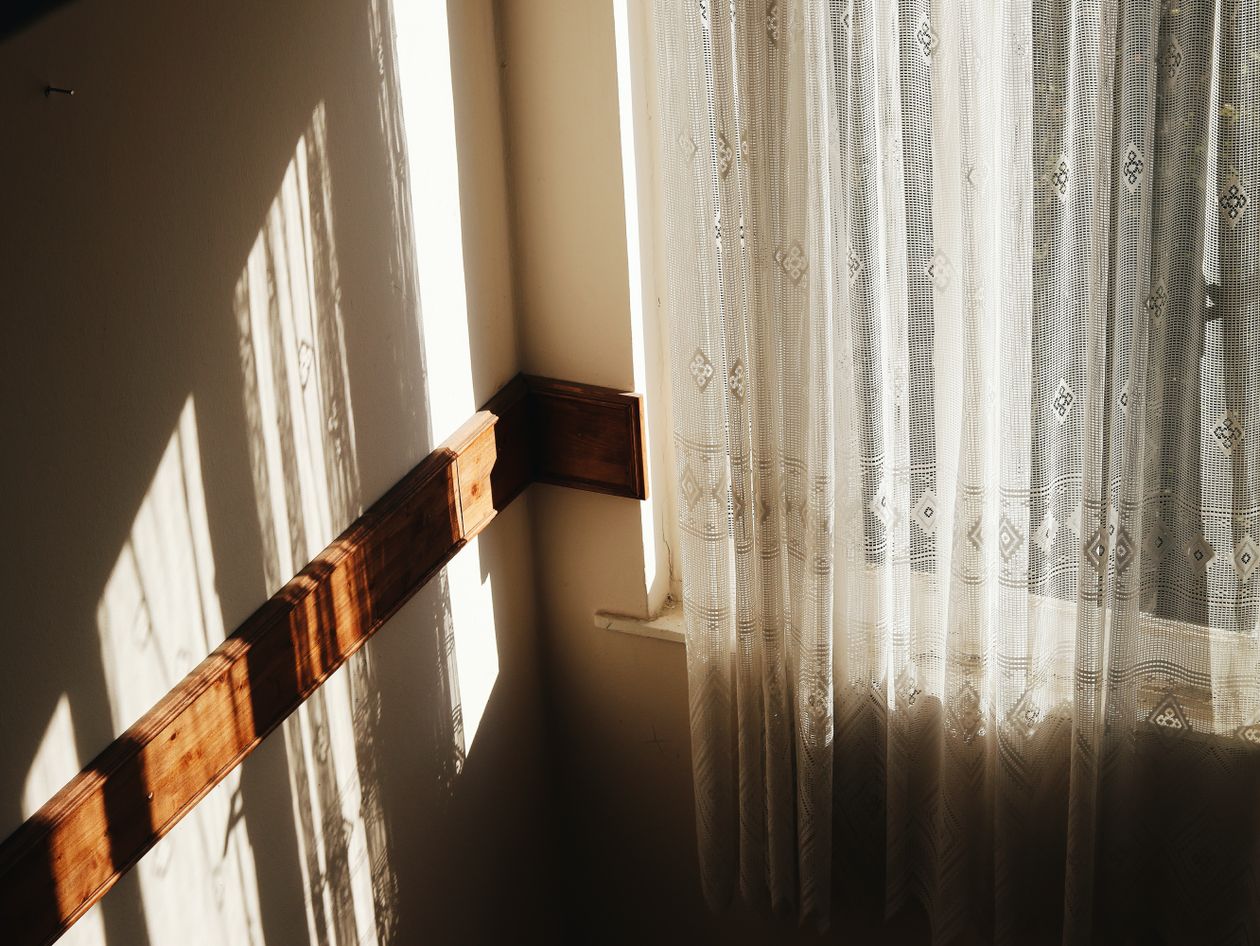
Photo via Pexels
7. Apron Length: Just Below the Sill
Apron length drops about four inches below the sill, covering the window's bottom trim (the "apron"). It looks a touch more finished than sill length and works well in kitchens and bathrooms where full-length curtains would get splashed or stay damp.
This is the least common length in living spaces, so use it where it makes practical sense. In a kitchen, it keeps fabric safely away from the stove and the sink spray.

Photo via Wikimedia Commons
8. Hang the Rod High and Wide First
Length starts at the rod, not the window. Mount the rod four to six inches above the frame, and extend it three to six inches past each side. This one move makes windows look bigger and lets you buy standard long panels instead of awkward custom sizes.
High mounting also means you can almost always reach the floor with ready-made 84-inch or 96-inch panels. If your ceilings are tall, see our guide to high ceiling curtains for rod placement that keeps the proportions right.
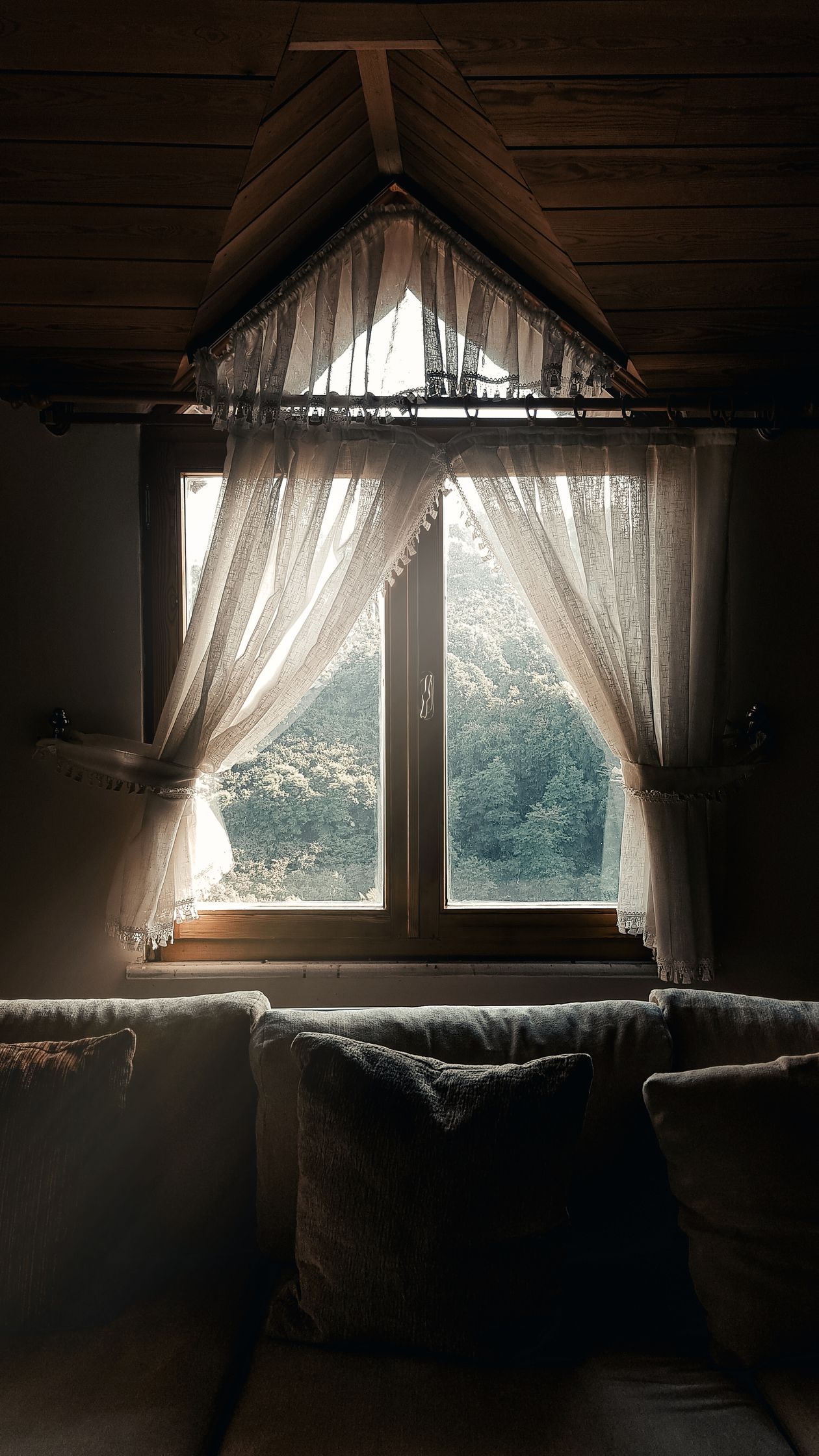
Photo via Pexels
9. Bedrooms: Kiss or Break for Better Sleep
In bedrooms, length does more than decorate: floor-length panels block the light leaking under the window and add a layer of insulation on cold nights. Kissing or a slight break both work, and both beat sill length for darkness.
Pair full-length curtains with a blackout liner if you are sensitive to morning light. The liner does the darkening while the face fabric delivers the style.

Photo via Wikimedia Commons
10. Pets, Kids, and Robot Vacuums
Real life gets a vote. Cats climb curtains, toddlers yank them, and robot vacuums eat puddled hems for breakfast. In busy households, floating just above the floor is the smart compromise between style and survival.
Choose washable fabrics like cotton or polyester blends, and skip puddling entirely until the chaos years pass. Your future self, mop in hand, will thank you.

Photo via Pexels
11. The Simple Measuring Math
Measure from the top of the rod (or the bottom of the rings) straight down to where you want the hem to land. For a kiss, measure to the floor exactly; for a break, add one to two inches; for a puddle, add three to six.
Always measure each window separately, since floors and rods are rarely perfectly level. Write the numbers down before you shop, and buy one panel first to test the length if you are between sizes.
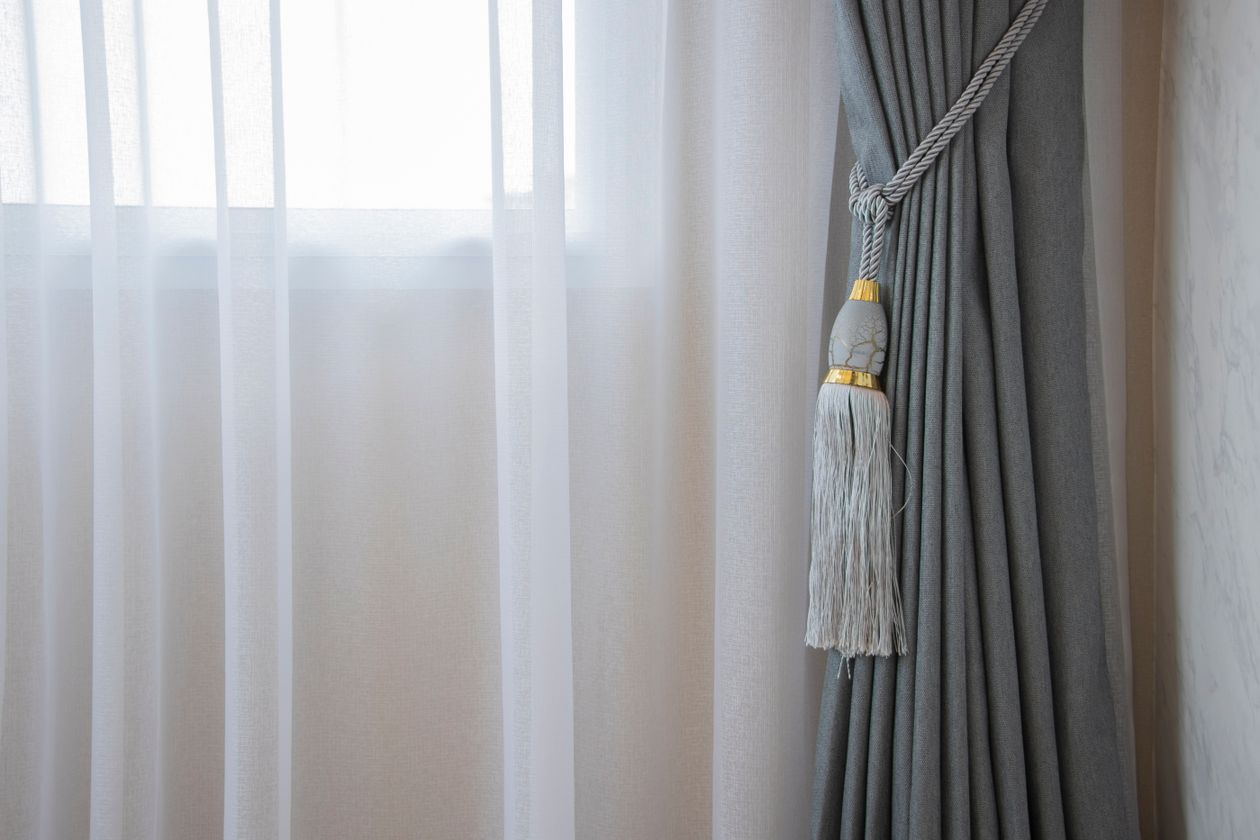
Photo via Pexels
12. Too Short? Three Fixes That Work
If your curtains already hang too short, you have options before buying new ones. Lower the rod a few inches, add a contrasting fabric band or trim to the hem to gain length, or switch to clip rings, which drop the panel about two inches lower than rod pockets.
When none of those close the gap, replace rather than suffer. Curtains that are visibly too short drag the whole room down with them, and ready-made panels are cheaper than the daily irritation.
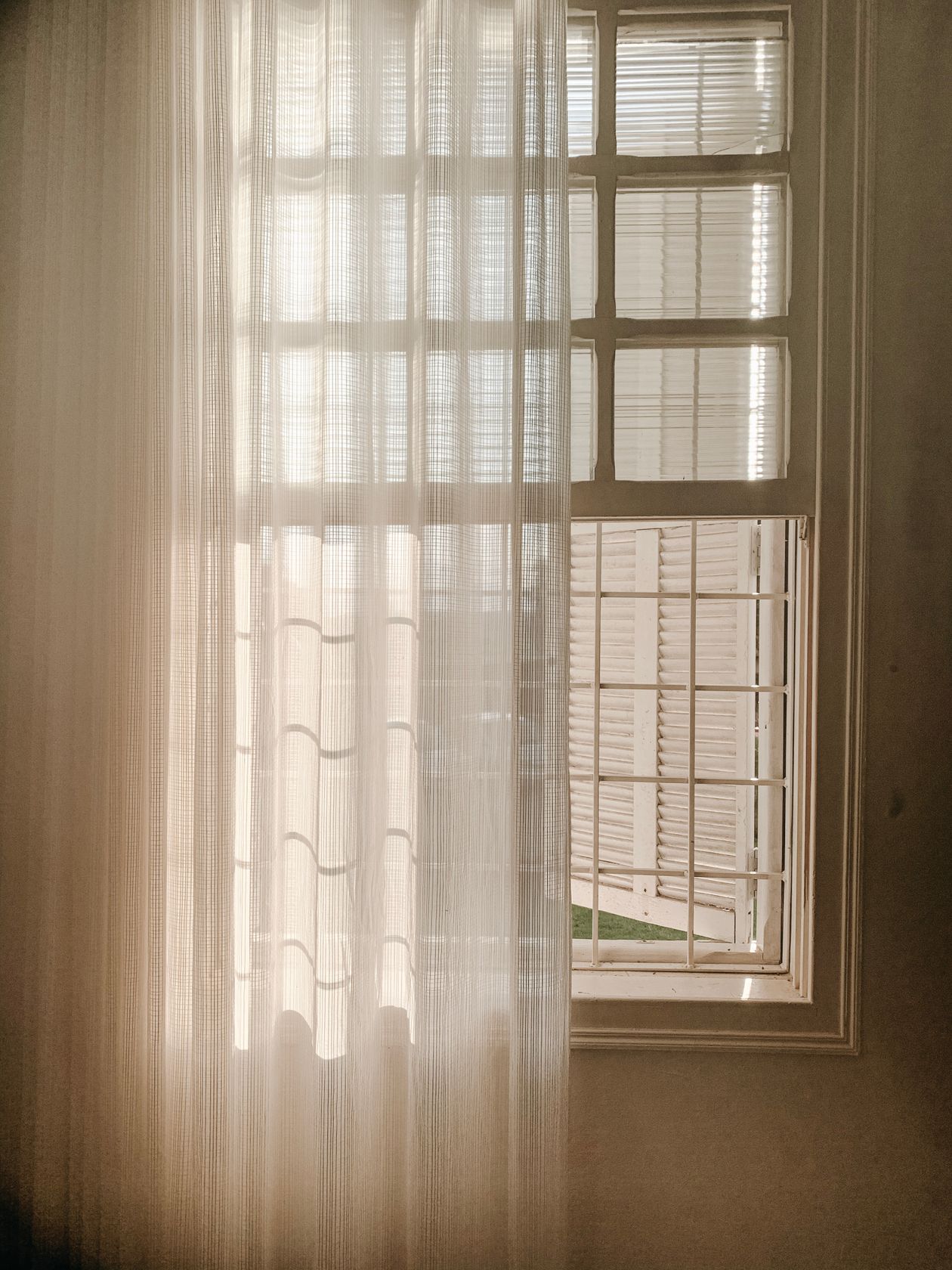
Photo via Pexels
Should curtains touch the floor in the bedroom too?
Yes. Full-length panels block more light and insulate better, which helps you sleep. A kiss or slight break works best.
How far off the floor can curtains be?
About half an inch to one inch reads as intentional floating. More than that starts to look like a measuring error.
Is it okay if curtains puddle on the floor?
It is a deliberate style choice for formal, low-traffic rooms. Skip it with pets, toddlers, or robot vacuums in the house.
Should kitchen curtains touch the floor?
Usually not. Sill or apron length is safer and more practical around stoves, sinks, and splashes.
Do floor-length curtains help with drafts?
Yes. Heavy full-length panels trap a layer of still air against the glass, which noticeably cuts the chill near windows in winter.
Final Thoughts
When in doubt, let them touch. Kissing the floor is the length that works in the most rooms for the most people, with floating a close second for busy households and puddling reserved for romantic, low-traffic spaces.
Remember that length is only half the equation: hang the rod high and wide first, measure twice, and choose a fabric you can live with. Get those three right and the hem will take care of itself.
Sources
- Ideal Home: Curtain Length Mistakes That Ruin a Room
- Bridge Contract Interiors: What Length Should My Curtains Be?
Gallery
Photo via Pexels

Photo via Wikimedia Commons

Photo via Pexels

No comments:
Post a Comment