Are your garden beds blending into your lawn? Messy borders can make even a beautiful yard look untidy. The right edging is the secret to a crisp, low-maintenance garden: it stops grass from invading your flowers, holds mulch in place, and gives every bed a sharp, finished outline.
Below you will find 30 flower bed edging ideas for a clean garden look, from natural stone and brick to modern metal, living plant borders, and clever recycled finds. There is an option here for every budget and every style, and many can be done in a single weekend.
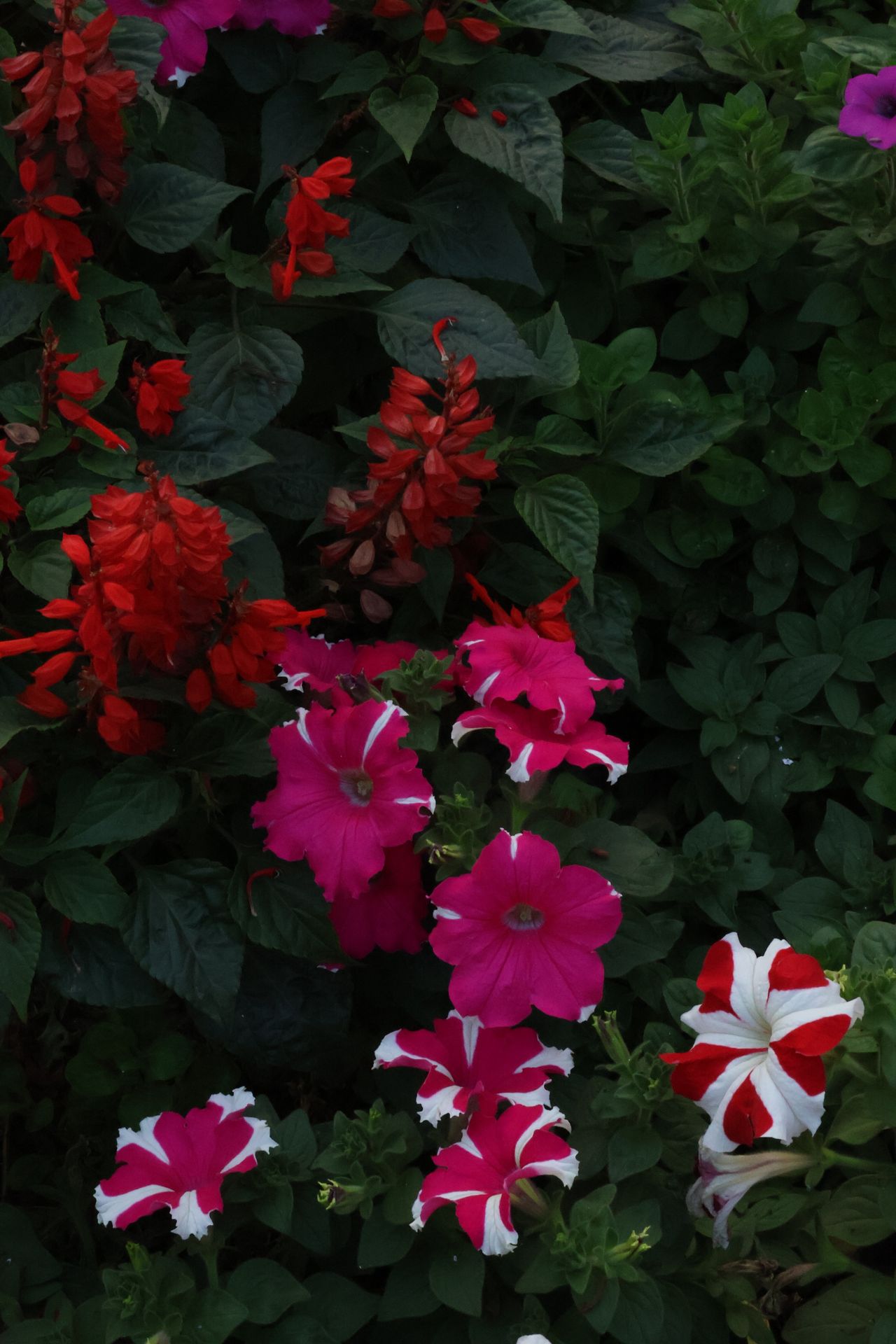
A colorful flower bed with a clean, defined edge. Photo via Pexels (free license).
1. Stacked Fieldstone Edging

Stacked stones show how natural rock defines a border (representative photo). Photo via Pexels (free license).
Fieldstone gives your yard a charming, rustic feel. You simply stack flat stones along the border, and because there is no mortar involved, the edge is very easy to adjust or rebuild later.
Tip: sort your stones by size first, then place the largest, flattest pieces at the bottom for a stable, long-lasting wall.
2. Classic Cobblestone Pavers
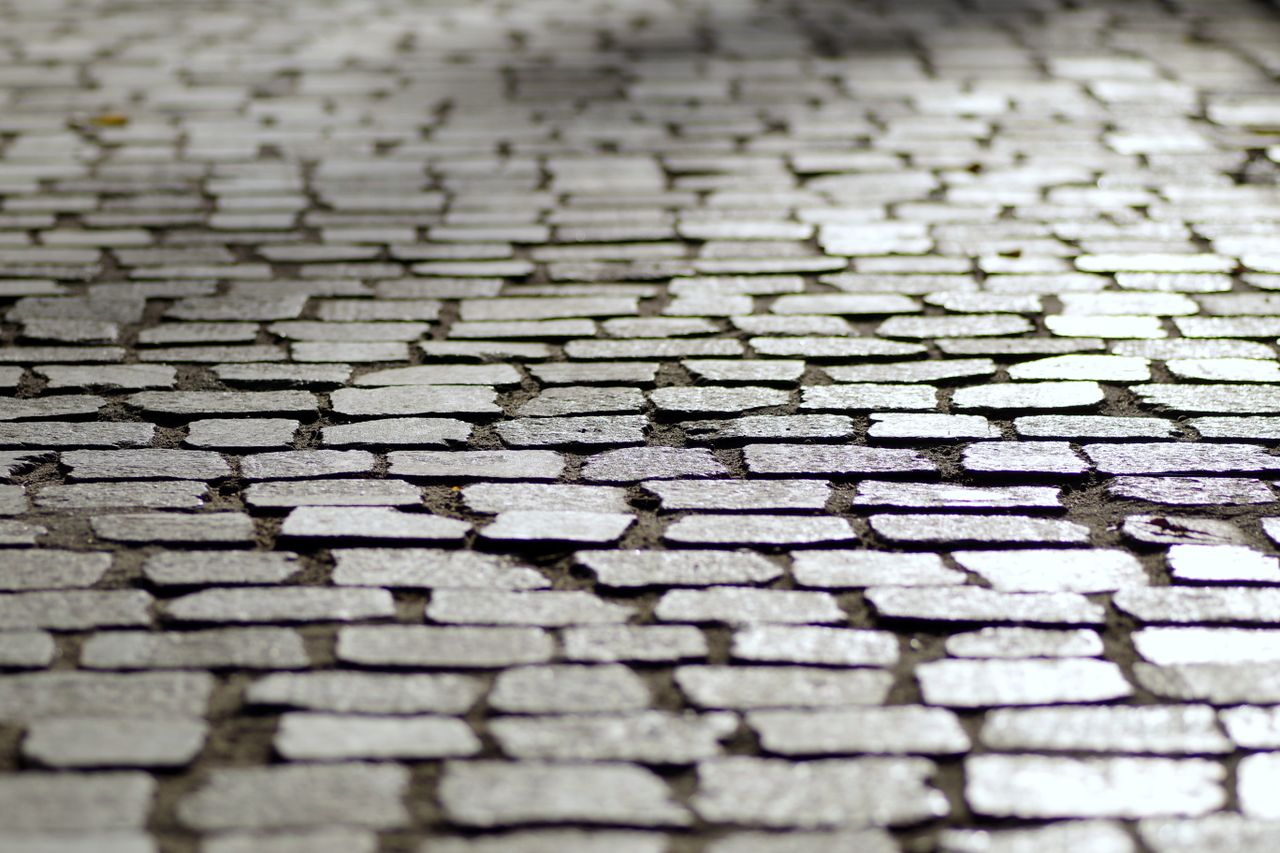
Classic cobblestones edging a pathway. Photo via Pexels (free license).
Cobblestones add an elegant, old-world touch to any garden. They are highly durable, withstand harsh weather easily, and create a neat, solid barrier against invading grass when placed side-by-side.
Tip: set cobblestones on a shallow bed of sand or crushed stone so they sit level and stay put through frost and rain.
3. Large Boulders
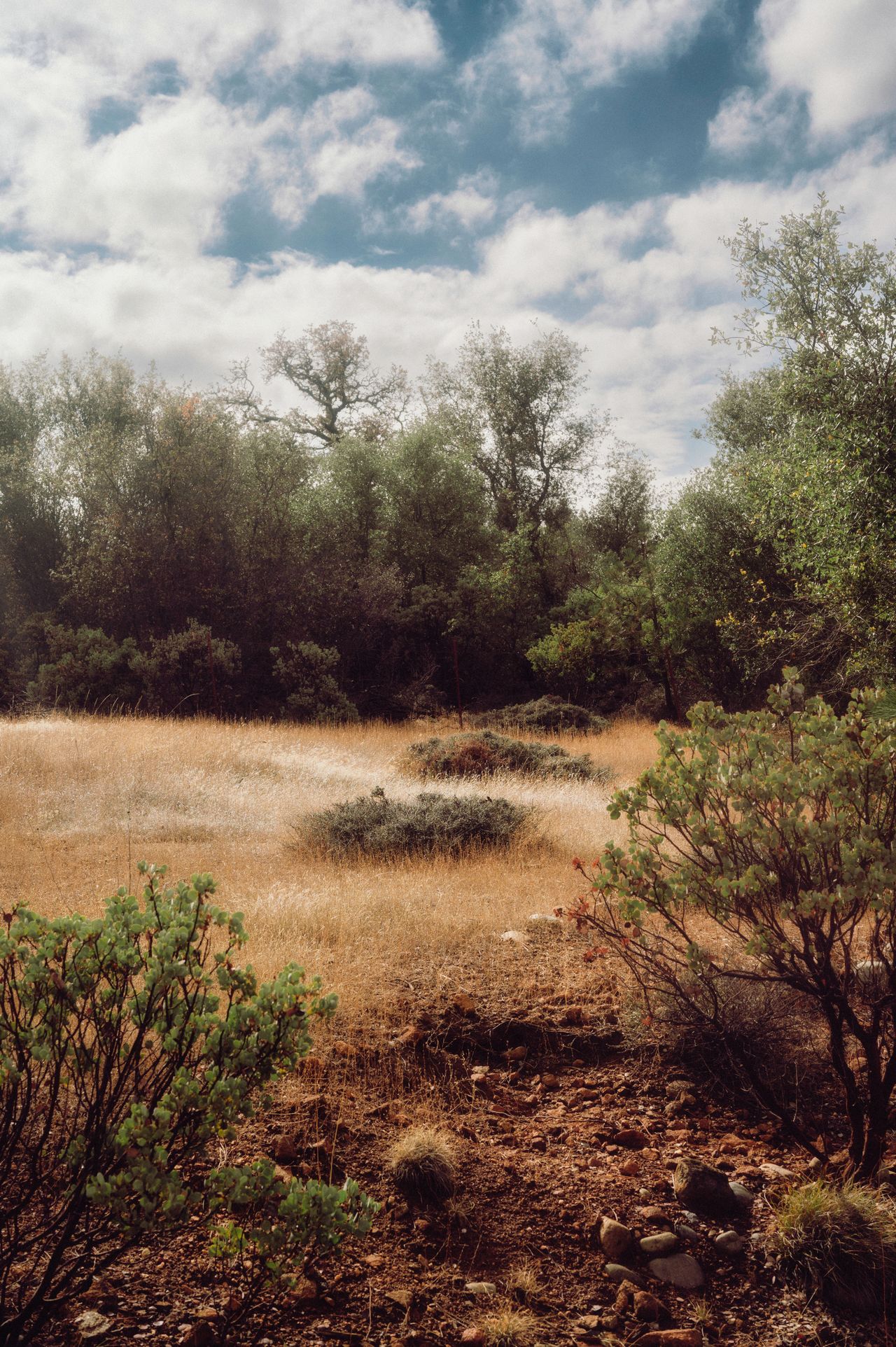
Large boulders in a natural landscape (representative photo). Photo via Pexels (free license).
If you have a big yard, small stones can get lost visually. Large boulders create a dramatic, eye-catching border that looks completely natural, holds back a lot of soil, and never needs replacing.
Tip: bury the bottom third of each boulder so it looks naturally placed rather than perched on the grass.
4. Rustic Landscape Timbers

Wooden raised beds with thick timber frames. Photo by Burkhard Mücke via Wikimedia Commons (CC BY-SA 4.0).
Landscape timbers are thick, treated wooden beams, perfect for straight garden borders and raised beds. They offer a clean, geometric look that fits both modern and traditional homes.
Tip: pin timbers together with rebar stakes driven through pre-drilled holes so the rows cannot shift over time.
5. Woven Willow (Wattle)

A woven wattle hurdle fence with ivy. Photo by Acabashi via Wikimedia Commons (CC BY-SA 4.0).
For a fairy-tale garden vibe, woven willow branches are stunning. This natural, eco-friendly option keeps small pets out of your flowers and brings a soft, textured look to your yard.
Tip: weave with freshly cut or soaked willow while it is still flexible, and line the soil side with landscape fabric to slow rot.
6. Cedar Log Rolls

Birch logs edging a mulched path. Photo by Rowan Adams via Wikimedia Commons (CC BY-SA 4.0).
Cedar log rolls are half-logs attached to a flexible wire backing, so they are incredibly easy to install even around curved flower beds. Cedar naturally resists rot and bugs, making it a smart investment.
Tip: dig a shallow trench before unrolling so the logs sit slightly below lawn level and the mower can glide over the top.
7. Corten Steel Strips

A rusted corten steel surface shows the signature patina (representative photo). Photo via Pexels (free license).
Corten steel is a top trend in landscape design. It develops a beautiful, protective rust layer over time, and the ultra-thin strips bend easily around curves for a sleek, minimalist finish.
Tip: wear gloves during installation; the developing patina can stain hands and light-colored paving until it fully sets.
8. Decorative Wrought Iron
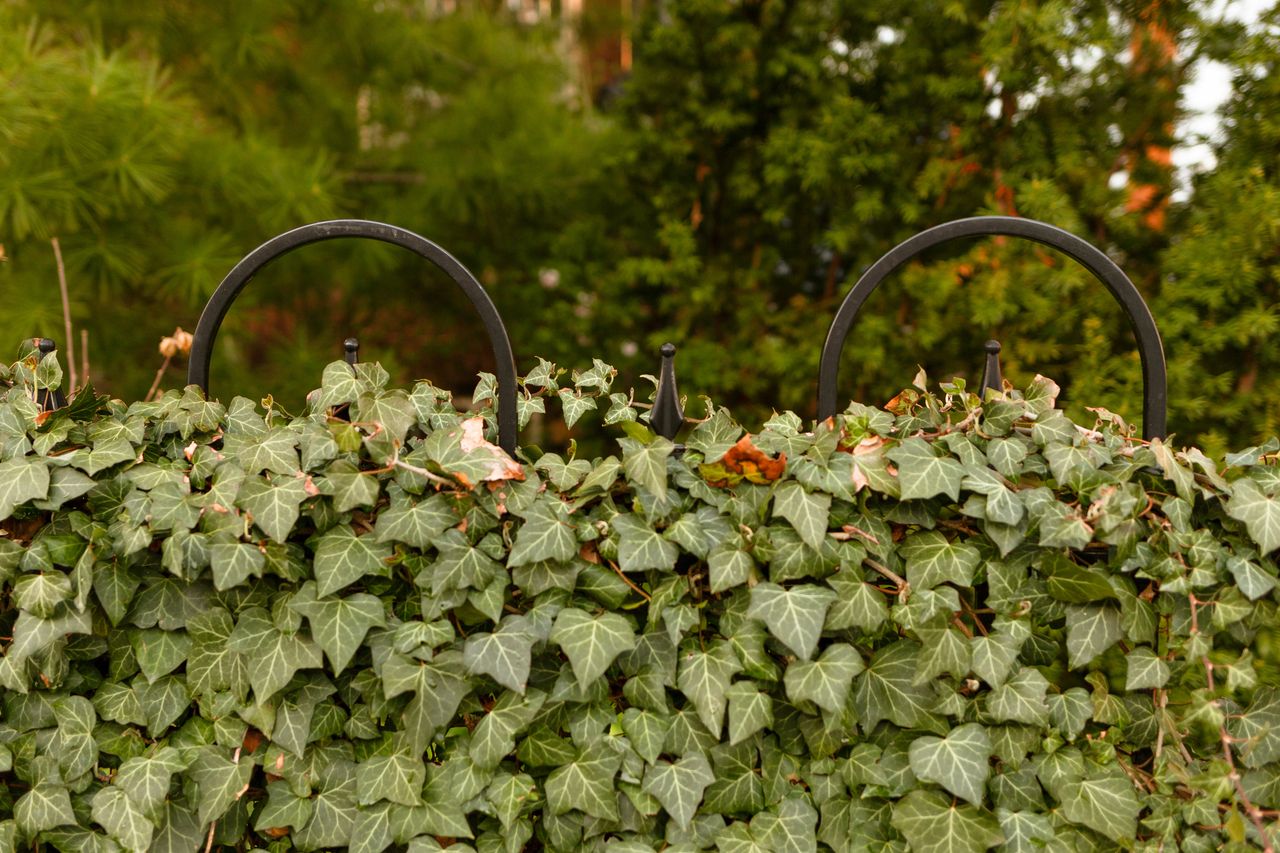
A wrought iron fence draped with ivy in a garden. Photo via Pexels (free license).
Short wrought iron fences add a formal, classic touch. They do not hold back mulch well, but they beautifully frame your plants, which makes them perfect for rose gardens and front yard displays.
Tip: pair iron edging with a hidden steel strip at soil level to get the formal look plus real grass blocking.
9. Aluminum Landscape Edging

A neatly defined ornamental garden border (representative photo). Photo by Acabashi via Wikimedia Commons (CC BY-SA 4.0).
Aluminum is lightweight, rust-proof, and very easy to install. It comes in colors like black, silver, or green, and creates an almost invisible barrier that keeps grass roots completely out of your beds.
Tip: connect the sections with the manufacturer's interlocking tabs and drive the anchoring stakes straight down for a line that stays crisp.
10. Classic Red Bricks
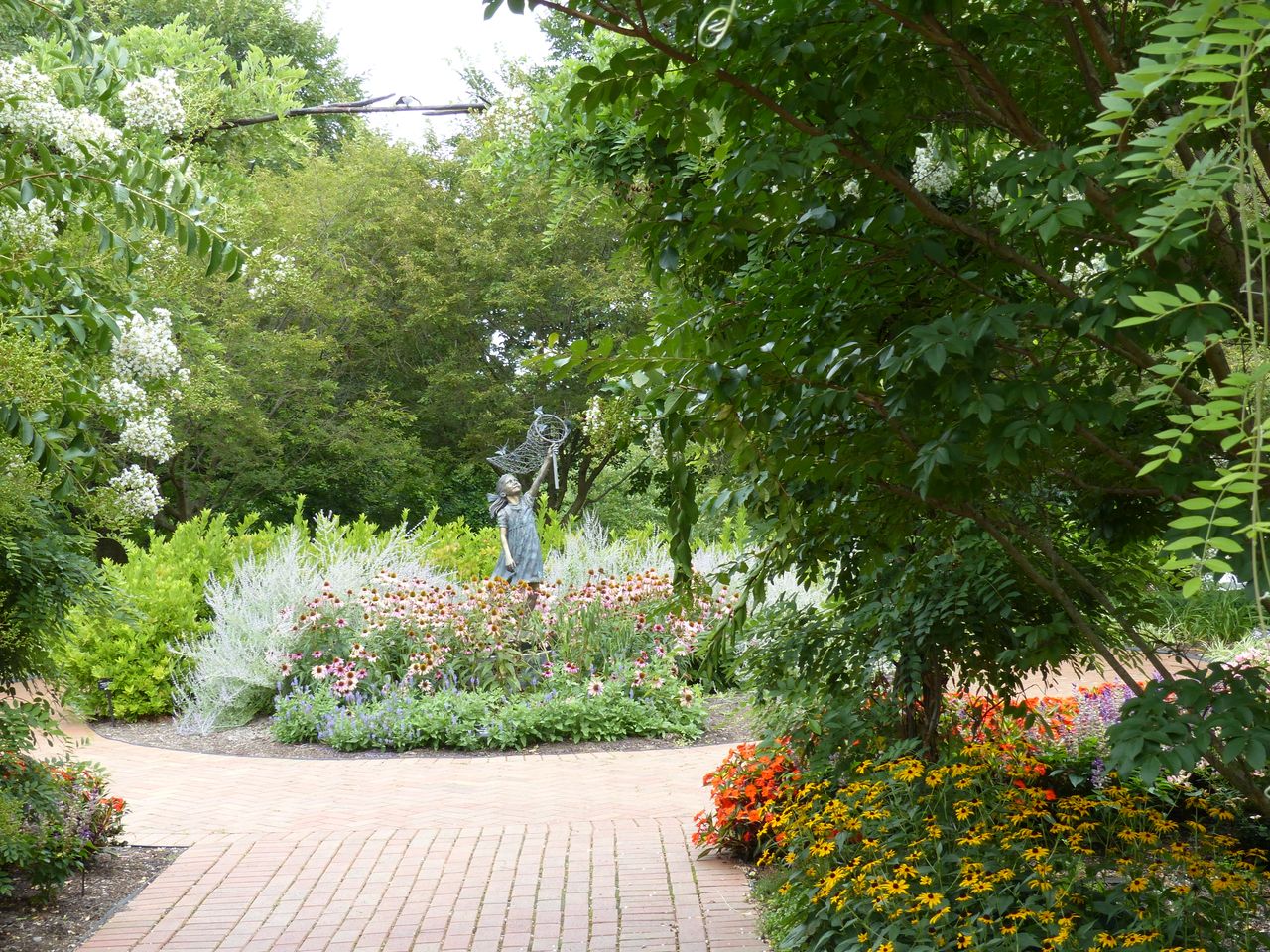
Brick paving alongside a flower garden. Photo via Pexels (free license).
Old bricks are cheap and widely available. Lay them flat so the lawnmower wheels can rest on top, or angle them for a jagged "sawtooth" look. Either way, bricks provide a warm, traditional feel.
Tip: for the sawtooth style, dig a narrow V-trench and pack soil firmly around each tilted brick to lock it upright.
11. Recycled Glass Bottles

Glass bottles catching the light in a garden (representative photo). Photo via Pexels (free license).
Want a unique, artistic garden? Bury empty wine or soda bottles upside down along the edge. The colorful glass catches the sunlight beautifully, and it is a brilliant, zero-cost way to recycle.
Tip: group bottles by color — a run of all-green or all-amber bottles looks far more polished than a random mix.
12. Poured Concrete Curbing

A concrete path between garden beds (representative photo). Photo via Pexels (free license).
If you want a permanent solution, poured concrete is ideal. Professionals can stamp and color it to look like stone or brick, and it forms a solid, weed-proof barrier that lasts for decades.
Tip: ask for a continuous curb profile that rolls slightly above the soil so mulch cannot spill over onto the lawn.
13. The Victorian Trench Edge
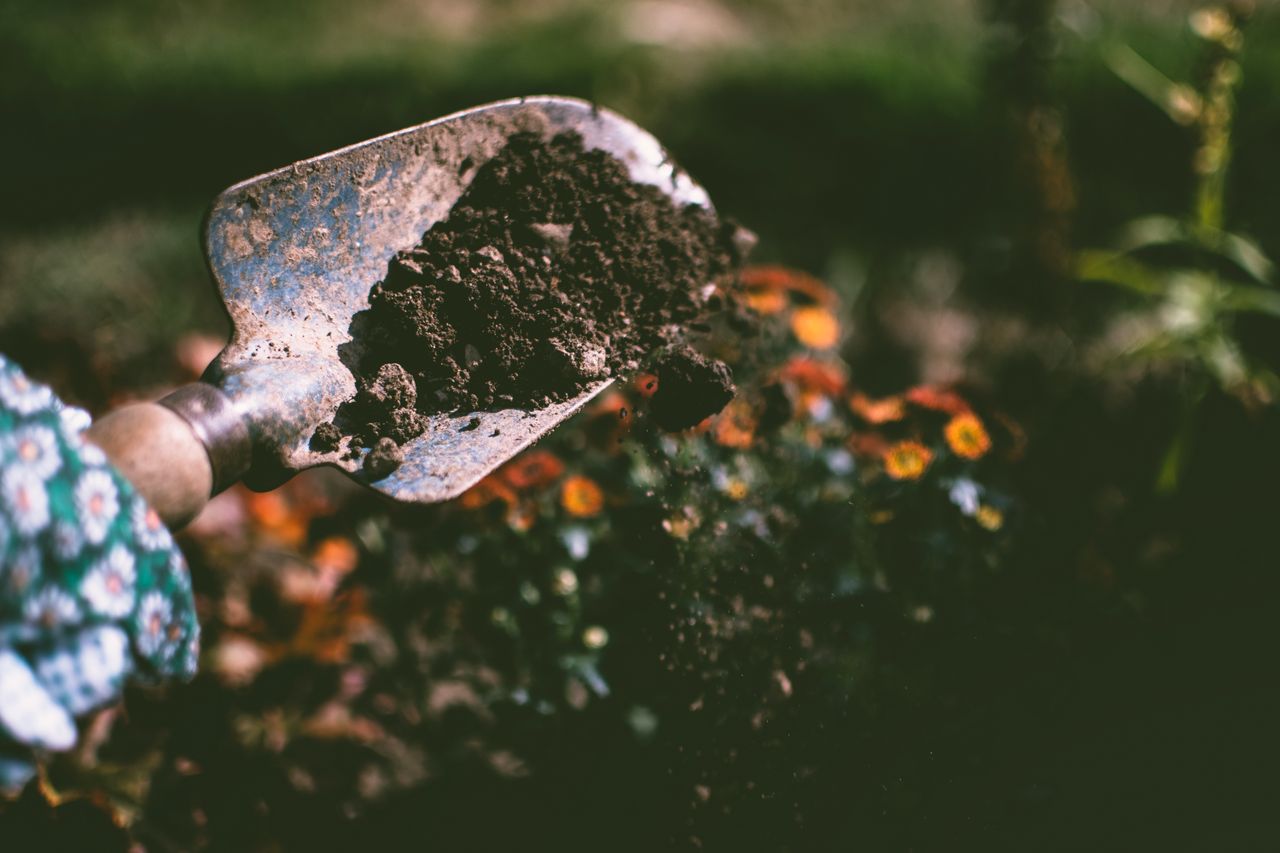
Cutting a clean trench with a garden spade (representative photo). Photo via Pexels (free license).
The cheapest option is the classic trench edge. Simply use a spade to cut a deep, V-shaped trench between the grass and the bed. It provides a highly crisp, professional look with zero materials needed.
Tip: re-cut the edge every few weeks during the growing season — it takes minutes and keeps the line razor sharp.
14. Living Plant Edging (Liriope)

Liriope (monkey grass) edging a border. Photo by Michael Rivera via Wikimedia Commons (CC BY-SA 4.0).
Why use hard materials when you can use plants? Low-growing plants like Liriope (monkey grass) or hostas create a lush "living edge." They naturally block weeds and soften the lines of your yard.
Tip: plant Liriope in a single, evenly spaced row about 6 inches apart so it knits into one continuous ribbon quickly.
15. Seashell Borders

Seashells that can form a coastal border. Photo via Pexels (free license).
If you live near the coast, seashells make a gorgeous, free garden border. Large conch or clam shells placed side-by-side look stunning, and they slowly add healthy calcium to your garden soil over time.
Tip: rinse shells well and press them into the soil at a slight backward tilt so they shed rain instead of collecting it.
16. Upcycled Terra Cotta Pots
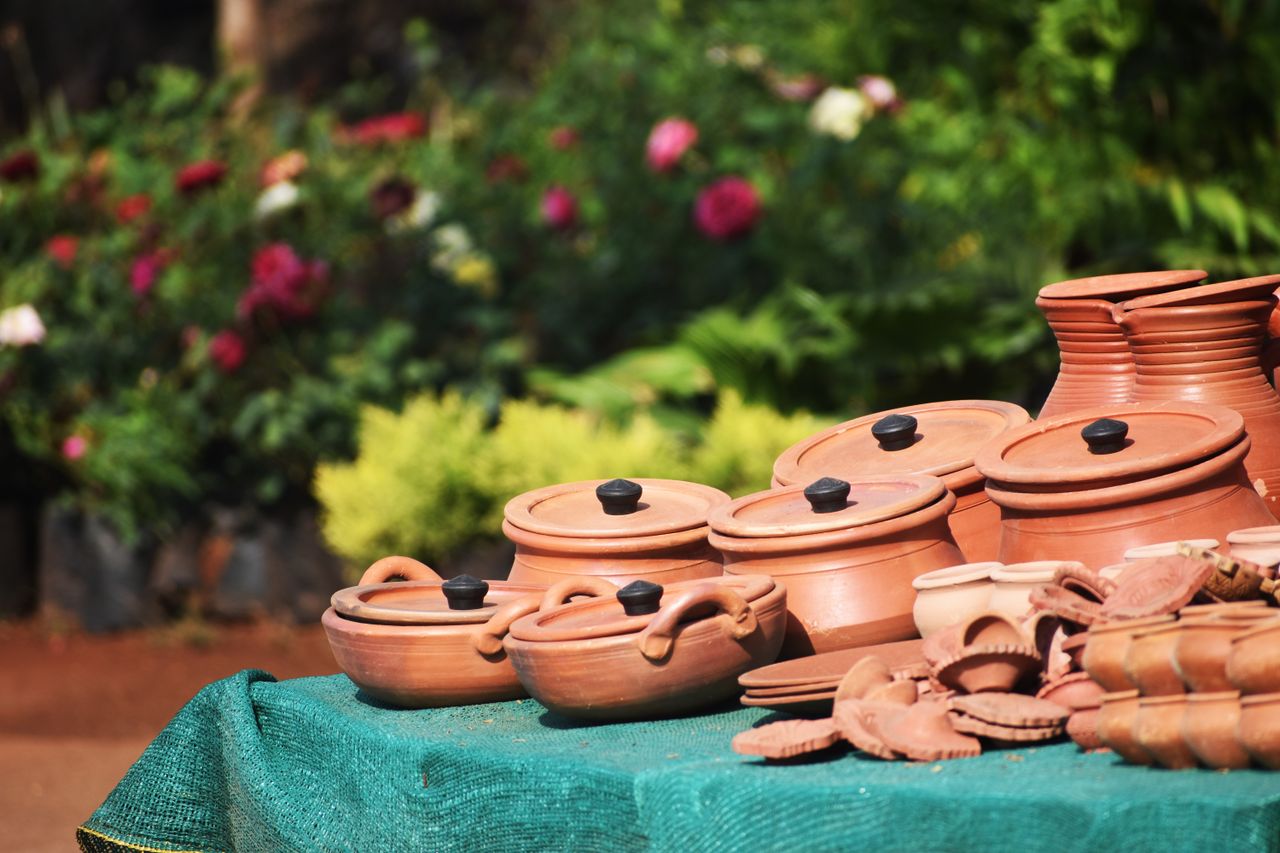
Terracotta pots ready for garden projects. Photo via Pexels (free license).
Do not throw away old or slightly chipped terra cotta pots. Bury them halfway into the ground, either upright or slightly tilted, to create a charming, cottage-style border. You can even plant tiny succulents inside the exposed half of the pots.
Tip: match pot sizes along the run; one uniform size reads as intentional design, while mixed sizes can look accidental.
17. Painted Cinder Blocks

A concrete cinder block. Photo by katorisi via Wikimedia Commons (CC BY 2.5).
Cinder blocks are incredibly cheap and durable. Place them side-by-side along your flower bed and paint them a bright color. The best part? You can use the holes in the blocks as mini planters for herbs or trailing vines.
Tip: use exterior masonry paint and seal the blocks first — the color will last years instead of one season.
18. Broken China or Mosaic Tiles

Colorful mosaic tiles. Photo via Pexels (free license).
If you drop a plate, save the pieces! Press broken china, colorful ceramic tiles, or sea glass into a small trench of wet concrete. This creates a stunning, one-of-a-kind mosaic border that shines beautifully in the sun.
Tip: set the pieces close together with no sharp edges poking up, and grout with sanded outdoor grout for a safe, smooth finish.
19. Pallet Wood Planks
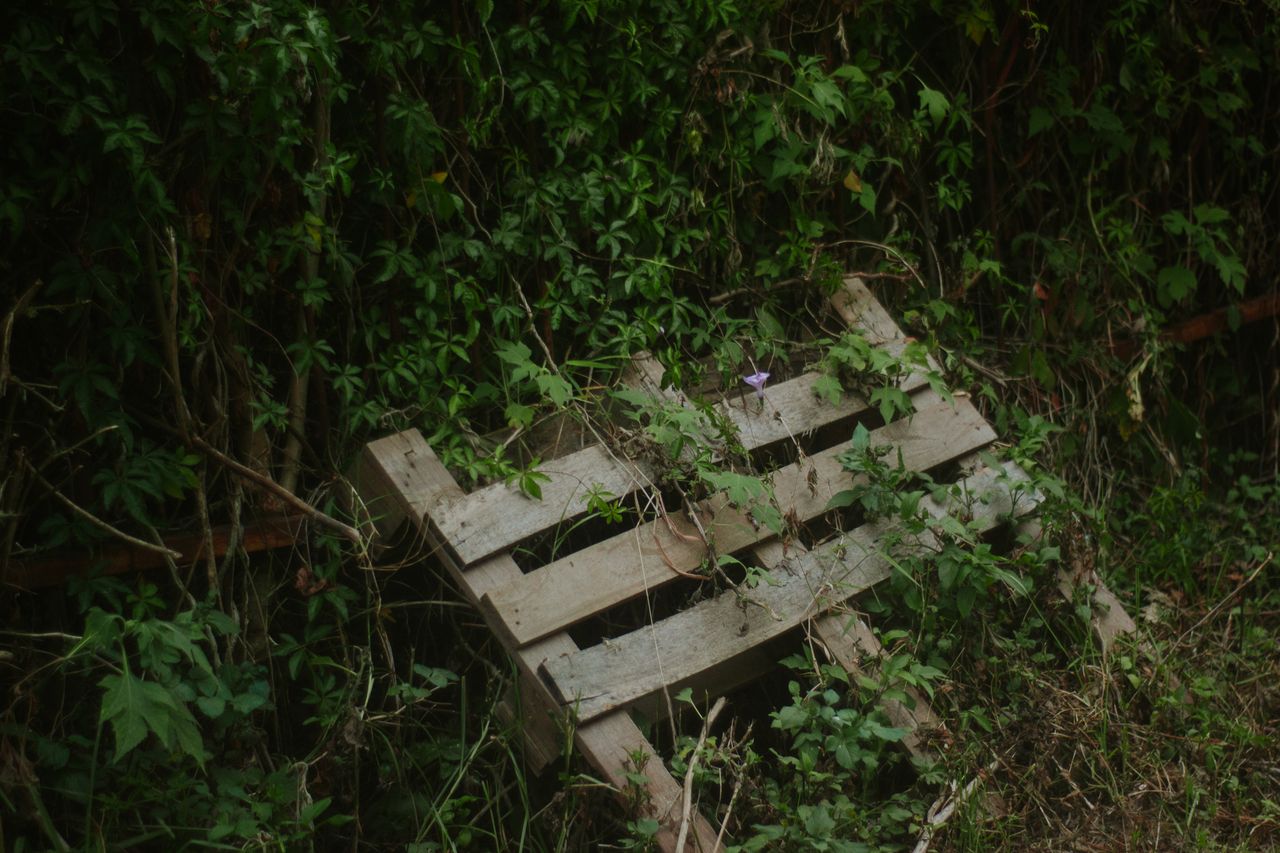
A wooden pallet among plants. Photo via Pexels (free license).
Wooden shipping pallets are often free and easy to find. Take the pallets apart and cut the wood into short planks, then hammer them vertically into the soil for a beautifully rustic, farmhouse-style flower bed edge.
Tip: sand the tops and brush on an exterior wood sealer so the planks survive several seasons instead of one.
20. Pre-cast Scalloped Concrete

A neatly edged flower and shrub border (representative photo). Photo by Acabashi via Wikimedia Commons (CC BY-SA 4.0).
Walk into any home improvement store, and you will see scalloped concrete edging. It is a classic for a reason: these curved concrete blocks are cheap, easy to line up, and give your garden a very traditional, neat finish.
Tip: level the ground first and tap each block with a rubber mallet so the scallops line up in one smooth, even row.
21. Gabion Wall Borders

A gabion wall filled with stones. Photo by Encik Tekateki via Wikimedia Commons (CC0).
Gabion walls are wire baskets filled with rocks. Using mini gabion baskets as an edge gives your yard an ultra-modern, industrial look. They are incredibly sturdy and provide excellent drainage for your garden beds.
Tip: place the prettiest, flattest stones against the visible outer faces and fill the middle with cheaper rubble.
22. Flagstone Path Edging
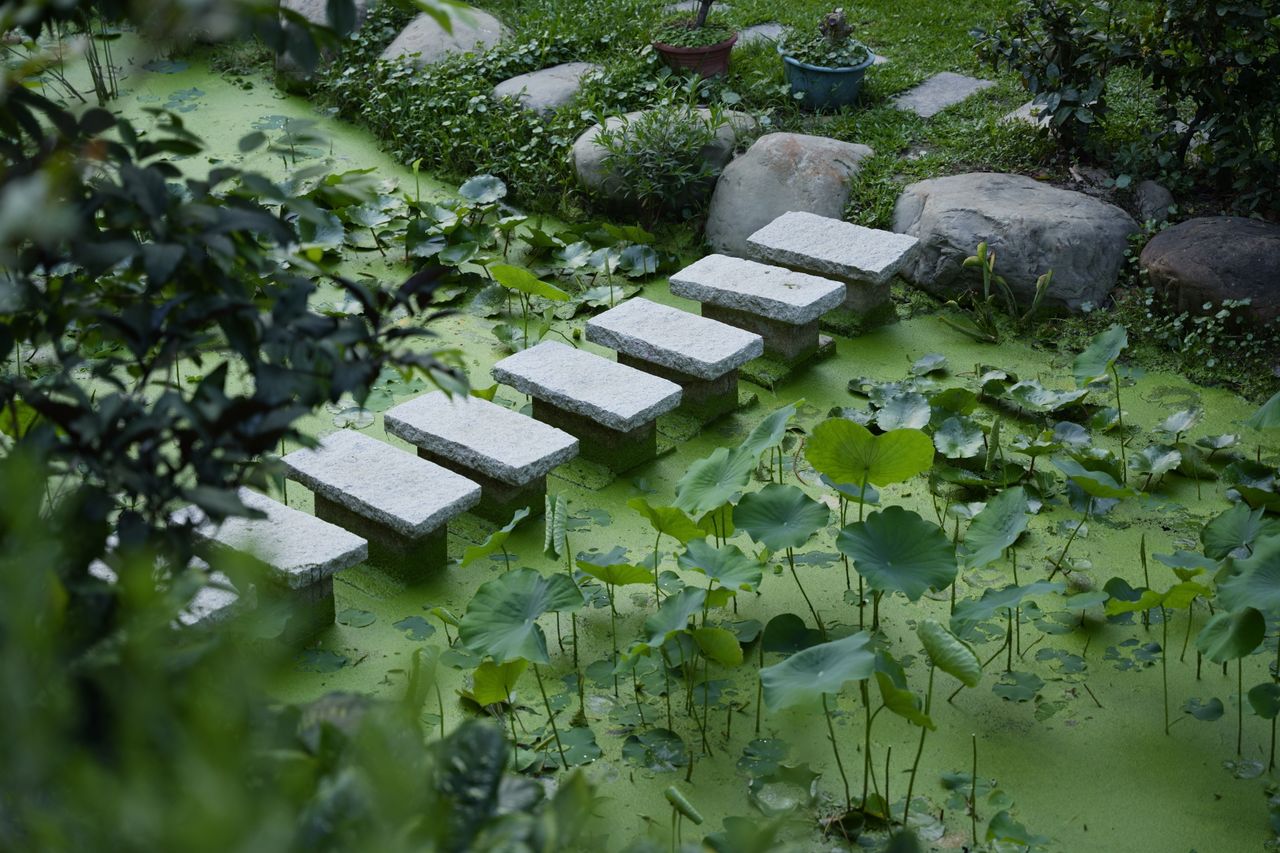
Stepping stones through a garden. Photo via Pexels (free license).
If you have a flower bed next to a walkway, use flat flagstones. Laying wide, irregular flagstones creates a natural transition from the grass to the garden, and it also gives you a safe place to step while weeding.
Tip: keep the gaps between flagstones narrow and fill them with soil or low groundcover so weeds cannot take hold.
23. Gravel and Resin Mix

A gravel path through a garden. Photo by Acabashi via Wikimedia Commons (CC BY-SA 4.0).
For a super sleek, contemporary look, mix small pea gravel with clear epoxy resin. You can pour this mix into a trench to create a solid, weed-proof border that looks like loose stone but never washes away in the rain.
Tip: pour on a dry day and mask the lawn edge with tape so the resin line comes out perfectly straight.
24. Corrugated Metal Sheets

Weathered corrugated metal sheet (representative photo). Photo via Pexels (free license).
Cut strips of corrugated roofing metal and bury the bottom half in the dirt. This creates a wavy, textured border that looks amazing in modern or rustic, western-themed gardens, and it naturally blocks grass roots from spreading.
Tip: fold or sand the top edge smooth so nobody gets scratched while gardening, and choose galvanized metal to slow rust.
25. Braided Nautical Rope
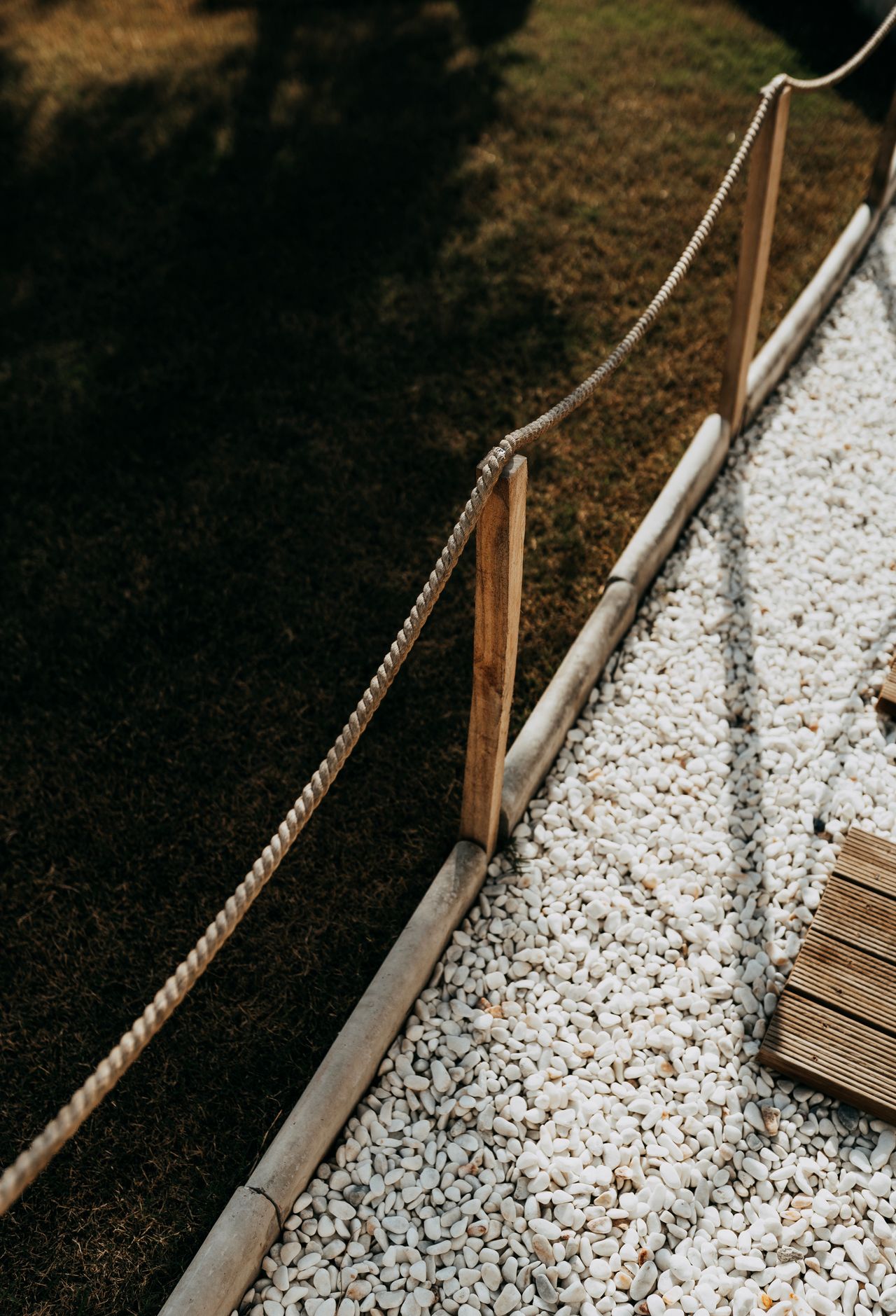
A rustic rope fence along a garden path. Photo via Pexels (free license).
For a coastal or beach-themed yard, use thick, braided nautical rope. String the heavy rope through short wooden posts driven into the ground. It does not hold back mulch, but it creates a beautiful visual boundary.
Tip: choose marine-grade rope and set the posts in concrete so the line stays taut through wind and weather.
26. Bamboo Poles
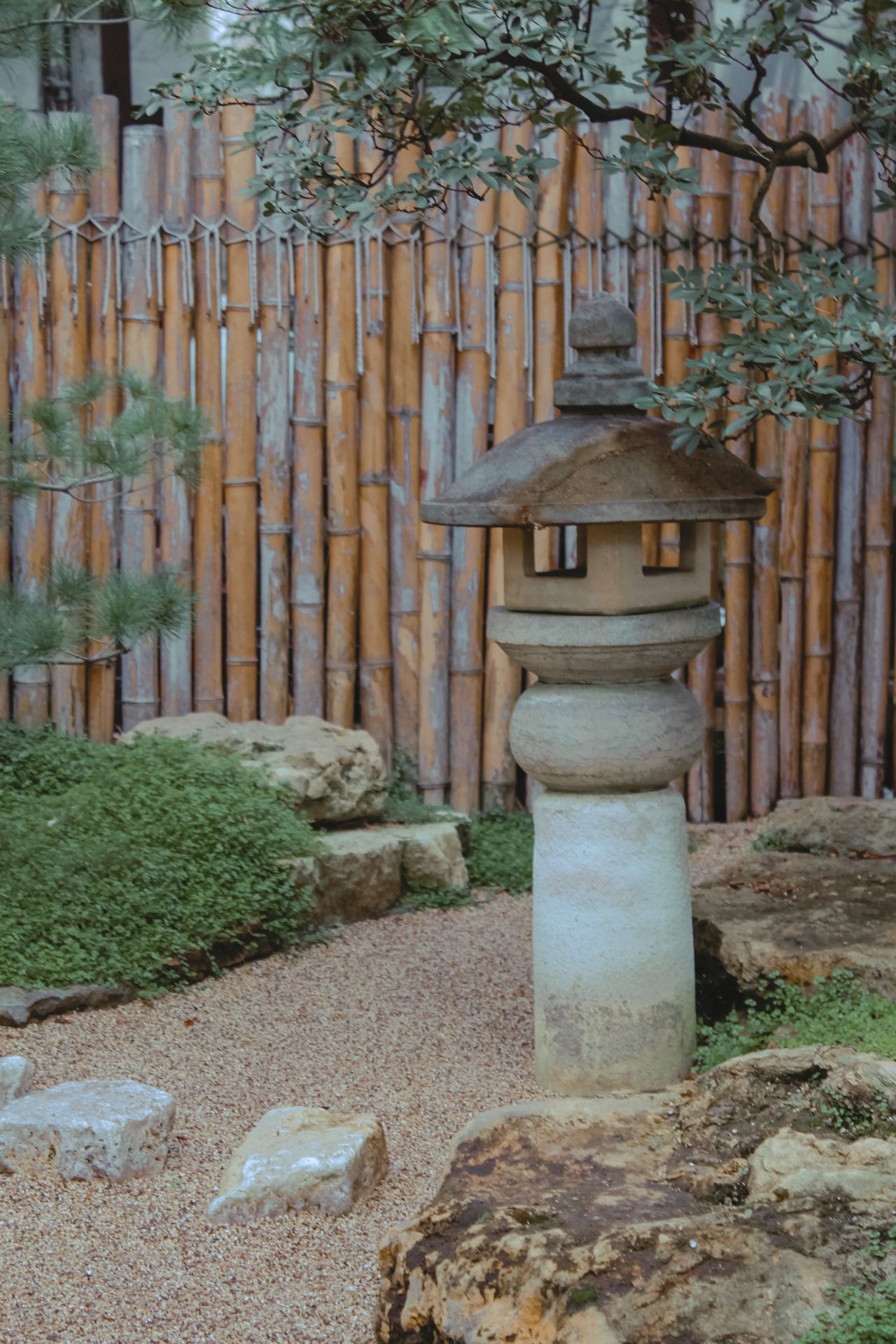
A bamboo fence in a Japanese garden. Photo via Pexels (free license).
Bamboo is eco-friendly and brings a relaxing, Zen garden vibe to your yard. Lay thick bamboo poles horizontally on the ground, or cut them into short pieces and stand them vertically to create a textured wooden wall.
Tip: seal bamboo with an exterior spar varnish and keep the poles off bare soil to extend their life by years.
27. Copper Pipe Edging
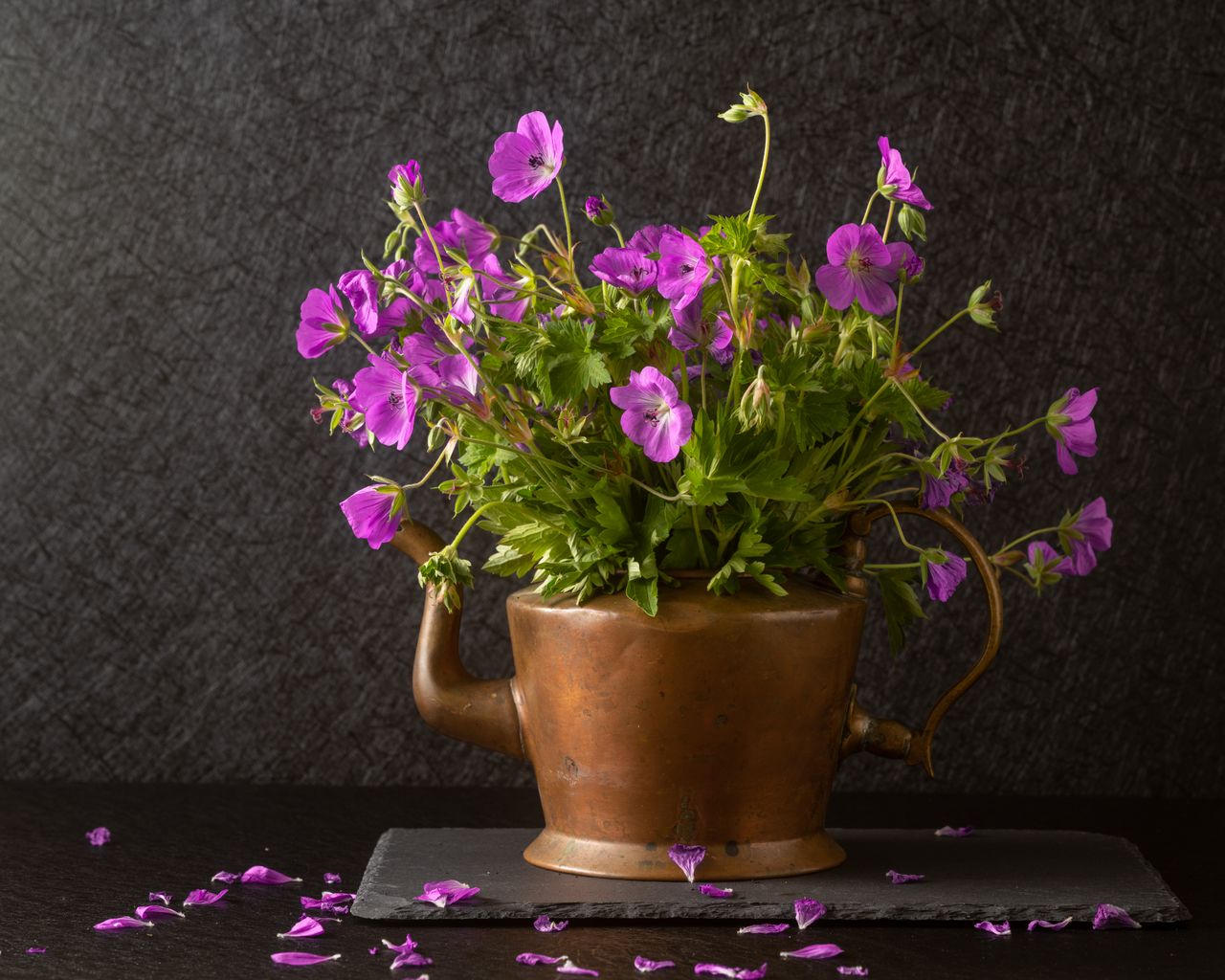
Geraniums in a copper pot. Photo via Pexels (free license).
Copper pipes are a luxurious and unique choice. Drive short copper pipes into the ground side-by-side. Over time, the shiny copper will weather and develop a stunning green-blue patina that looks incredibly high-end.
Tip: cut all pipes to the same height and cap the tops so water cannot collect inside and stain the bed.
28. Rubber Mulch Edging Rolls

A tidy cottage garden border (representative photo). Photo by Acabashi via Wikimedia Commons (CC BY-SA 4.0).
If you want something flexible and eco-friendly, try recycled rubber edging. It comes in long rolls that look just like natural stone or wood, but it bends easily around sharp curves and lasts for years without fading.
Tip: unroll it in the sun for an hour before installing — warm rubber is far easier to shape around tight curves.
29. LED Strip Light Borders
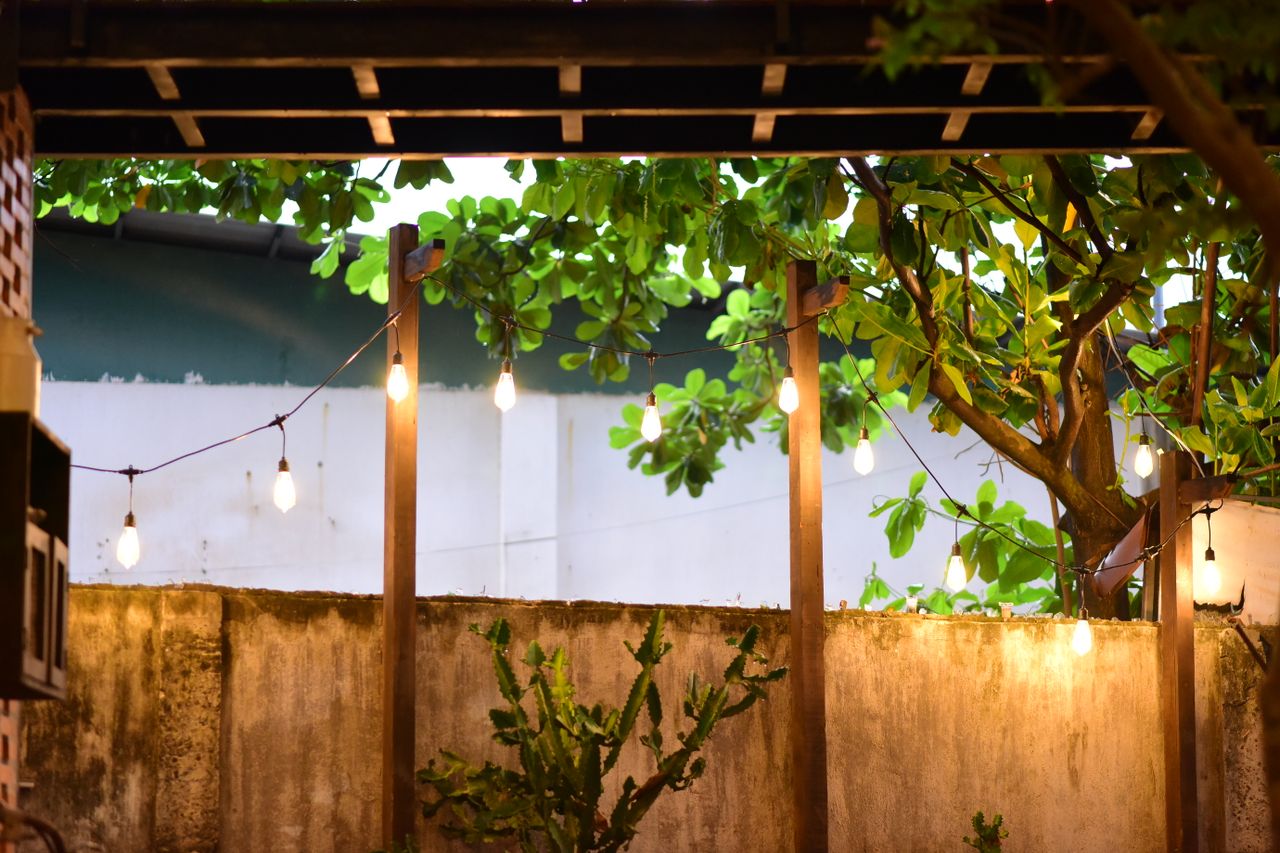
String lights glowing over a garden at dusk. Photo via Pexels (free license).
Combine edging with outdoor lighting! Install a hard border like plastic or metal, and attach waterproof LED strip lights under the lip. This creates a glowing, futuristic edge that makes your garden look magical at night.
Tip: choose warm-white, low-voltage strips rated for outdoor use, and hide the transformer inside a weatherproof box.
30. Bowling Ball Borders

Bowling balls that can be upcycled into edging (representative photo). Photo by Brocken Inaglory via Wikimedia Commons (CC BY-SA 3.0).
For the truly quirky gardener, upcycled bowling balls make an amazing, heavy-duty edge. You can often find them cheaply at thrift stores. Line them up for a colorful, spherical border that is guaranteed to start conversations!
Tip: nest each ball in a shallow soil divot so they sit level and cannot roll out of line.
Conclusion
Adding a border to your garden is the easiest way to upgrade your yard's appearance. The right flower bed edging ideas for a clean garden look will save you hours of weeding and trimming. Whether you choose natural fieldstone, cheap recycled bricks, or a simple cut trench, your yard will instantly look more organized.
Take a weekend to pick your favorite material and get started. Good landscaping adds value to your home and brings joy every time you step outside. Happy gardening!
Garden Edging Inspiration Gallery
Colorful blooms in a well-defined bed. Photo via Pexels (free license).
Tulip buds filling a spring border. Photo via Pexels (free license).

Red tulips in full bloom. Photo via Pexels (free license).

Flower beds in the English Flower Garden of Hamilton Gardens. Photo by Pseudopanax via Wikimedia Commons (public domain).

A mixed cottage garden border. Photo by Acabashi via Wikimedia Commons (CC BY-SA 4.0).

A conservatory beside a landscaped flower bed. Photo by Acabashi via Wikimedia Commons (CC BY-SA 4.0).
Frequently Asked Questions (FAQs)
What is the easiest flower bed edging to install?
The easiest edging to install is a simple cut trench. You only need a sharp landscape spade to cut a clean line between the lawn and the soil. No heavy lifting or bought materials are required.
How do I keep grass from growing into my flower beds?
To stop grass, use a solid border like poured concrete, metal strips, or tightly placed bricks. Make sure the edging goes down a few inches into the dirt to block underground grass roots.
What is the cheapest way to edge a garden?
The cheapest methods are the cut dirt trench or upcycling old materials. You can use free items like large rocks from your yard, empty glass bottles, or leftover bricks from a construction project.
Does metal garden edging rust?
It depends on the metal. Aluminum and galvanized steel generally will not rust. Corten steel, however, is specifically designed to rust on the surface, which creates a beautiful, protective, earthy brown layer.

No comments:
Post a Comment