A round dining table is one of the friendliest shapes you can own. It fits into corners, keeps conversation easy, and never has a head of the table. But learning how to select dining chairs for a round table starts with two numbers: the table's diameter and the seat height of the chairs.
Get those two right and almost any style works, from farmhouse wood to modern molded plastic. The twelve tips below walk you through measuring, spacing, comfort, and style, so every seat at your table feels like the good one.

Photo via Wikimedia Commons
Table of Contents
- 1. Measure the Diameter First
- 2. Follow the 10 to 12 Inch Drop Rule
- 3. Do the Circumference Math
- 4. Armchairs Need Extra Clearance
- 5. Match the Visual Weight
- 6. Curved Backs Echo the Round Shape
- 7. Pick One Style Lane
- 8. Choose Materials for Your Real Life
- 9. Size the Rug So Chairs Stay On It
- 10. Leave 36 Inches for Traffic
- 11. Try Two Armchairs With Side Chairs
- 12. Test-Sit and Check the Return Policy
1. Measure the Diameter First
Grab a tape measure before you fall in love with any chair. A 36-inch round table seats four comfortably, a 42 to 48-inch table seats four to six, and a 54 to 60-inch table seats six to eight. Allow roughly 24 inches of table edge per diner.
Write the diameter on a sticky note and keep it in your pocket while shopping. It stops you from buying chairs that are too wide to fit around the table or too few to fill it out.
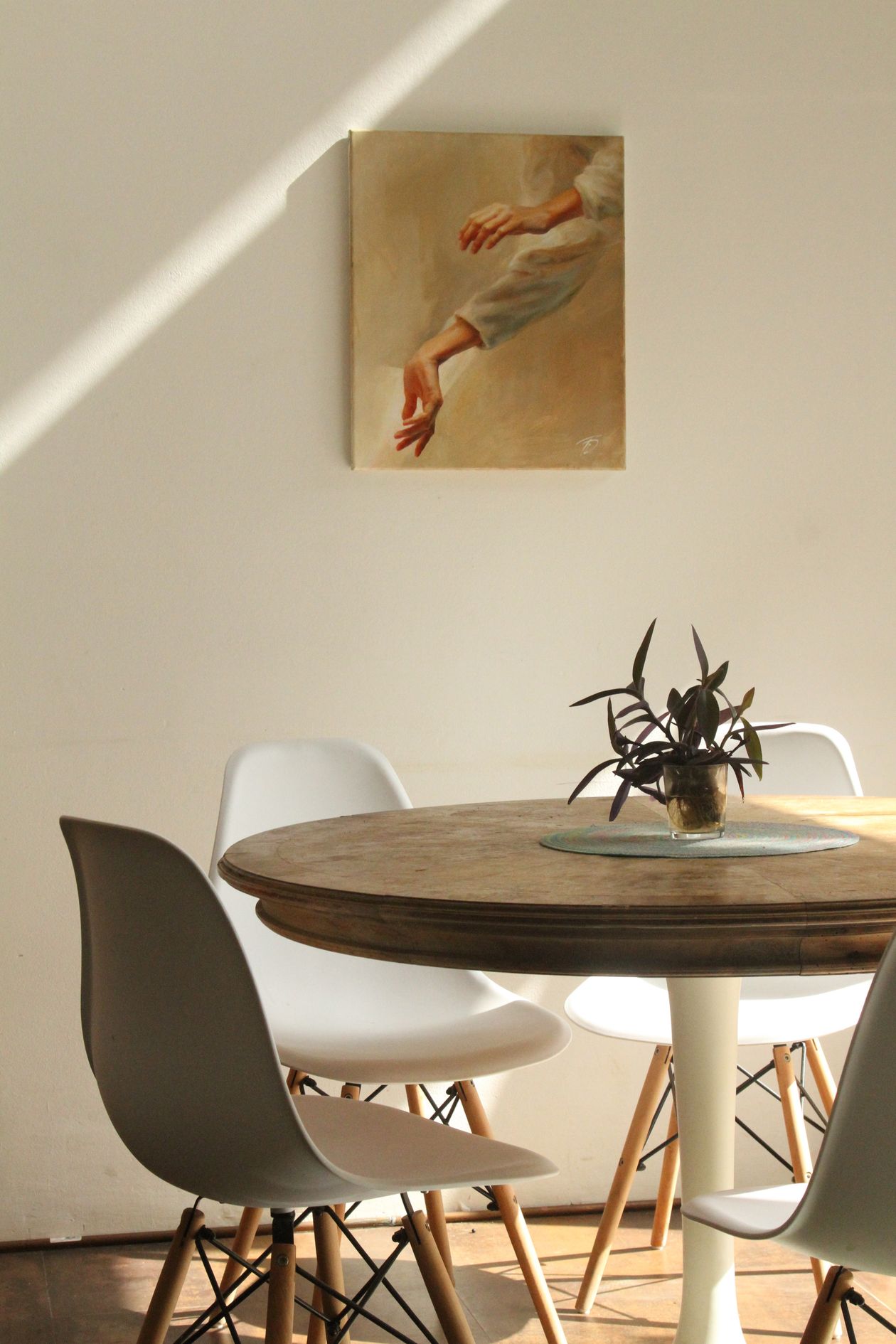
Photo via Pexels
2. Follow the 10 to 12 Inch Drop Rule
Comfort lives in the gap between the seat and the tabletop. Most dining tables are 28 to 30 inches tall, which pairs best with a seat height of 17 to 19 inches. That 10 to 12 inch drop gives your legs room without making you feel like a kid at the grown-up table.
If your table is counter height at 36 inches, look for counter stools with 24 to 26 inch seats instead. The same drop rule applies, just shifted up.
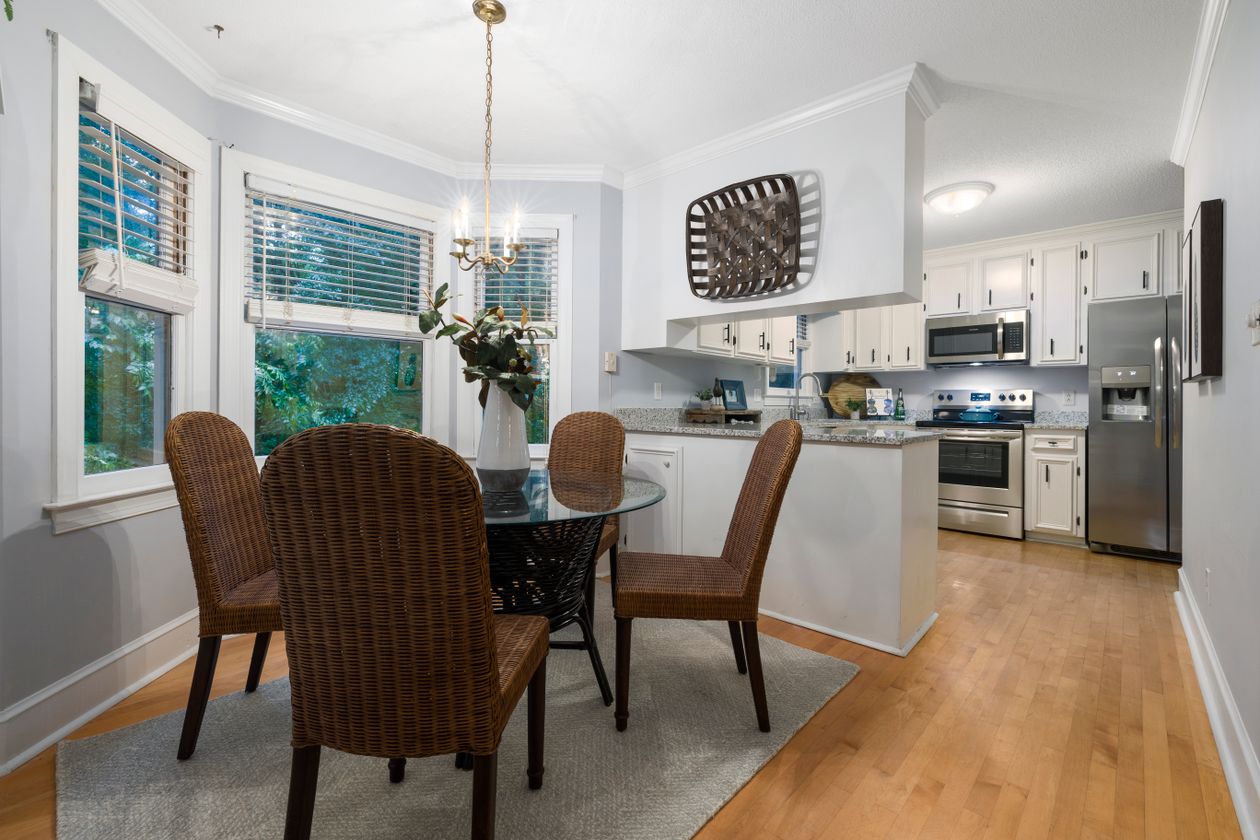
Photo via Pexels
3. Do the Circumference Math
A round table's seating capacity is really about its circumference. Measure each chair's width at its widest point, usually the back or the arms, then add 6 to 8 inches of elbow room between chairs. Divide the table's circumference by that number and you have your chair count.
This quick math explains why slim side chairs let you squeeze in an extra guest while wide armchairs cut capacity fast. It also keeps chairs from bumping each other every time someone scoots in.
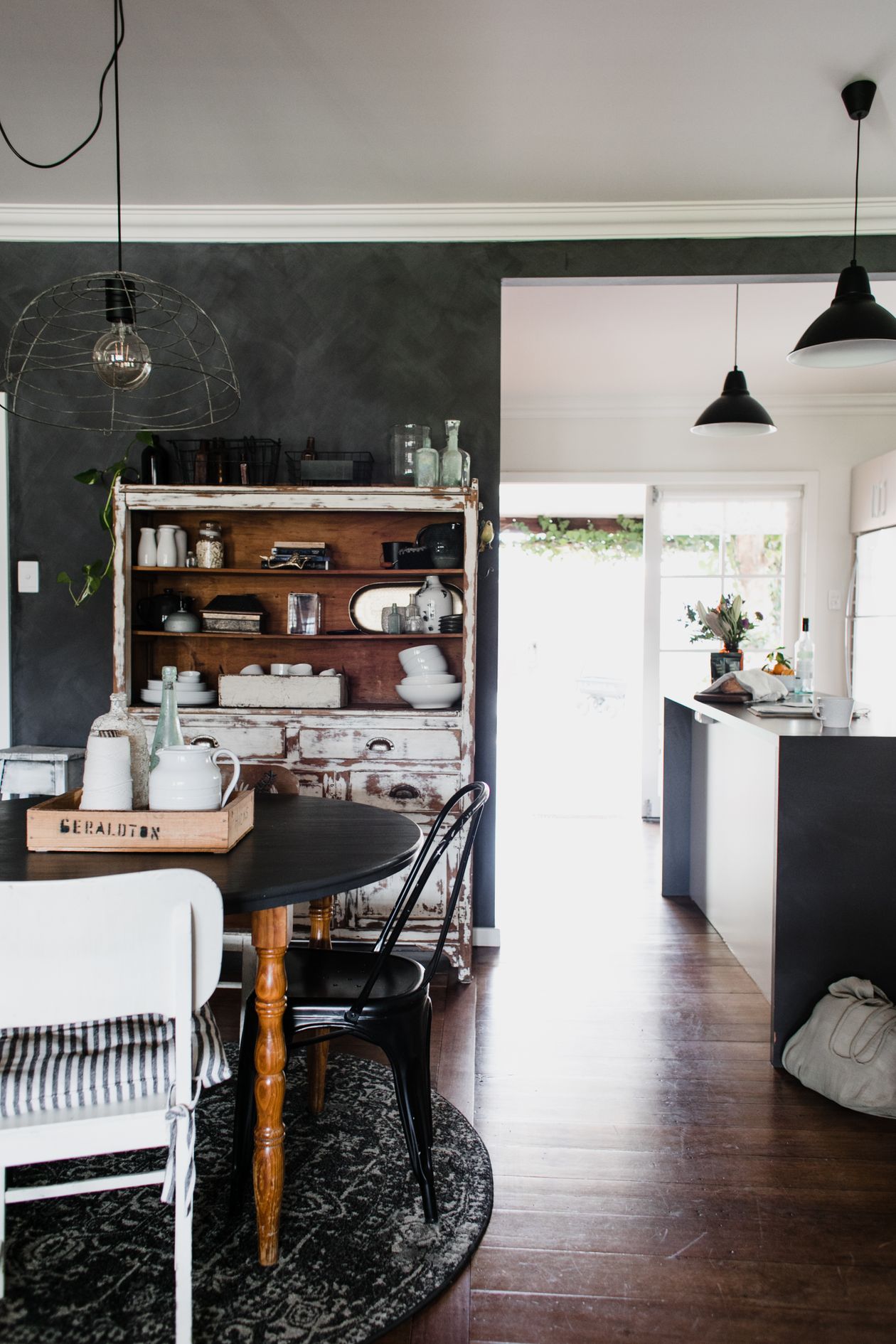
Photo via Pexels
4. Armchairs Need Extra Clearance
Armchairs look inviting around a round table, but they need about 26 inches of width each and enough room for the arms to slide under the table apron. Check the apron height too: you want at least 7 inches between the armrest top and the apron underside.
A smart compromise is using captain dining chairs only where you have the space, and slimmer side chairs everywhere else. You get the comfort of arms without crowding the circle.
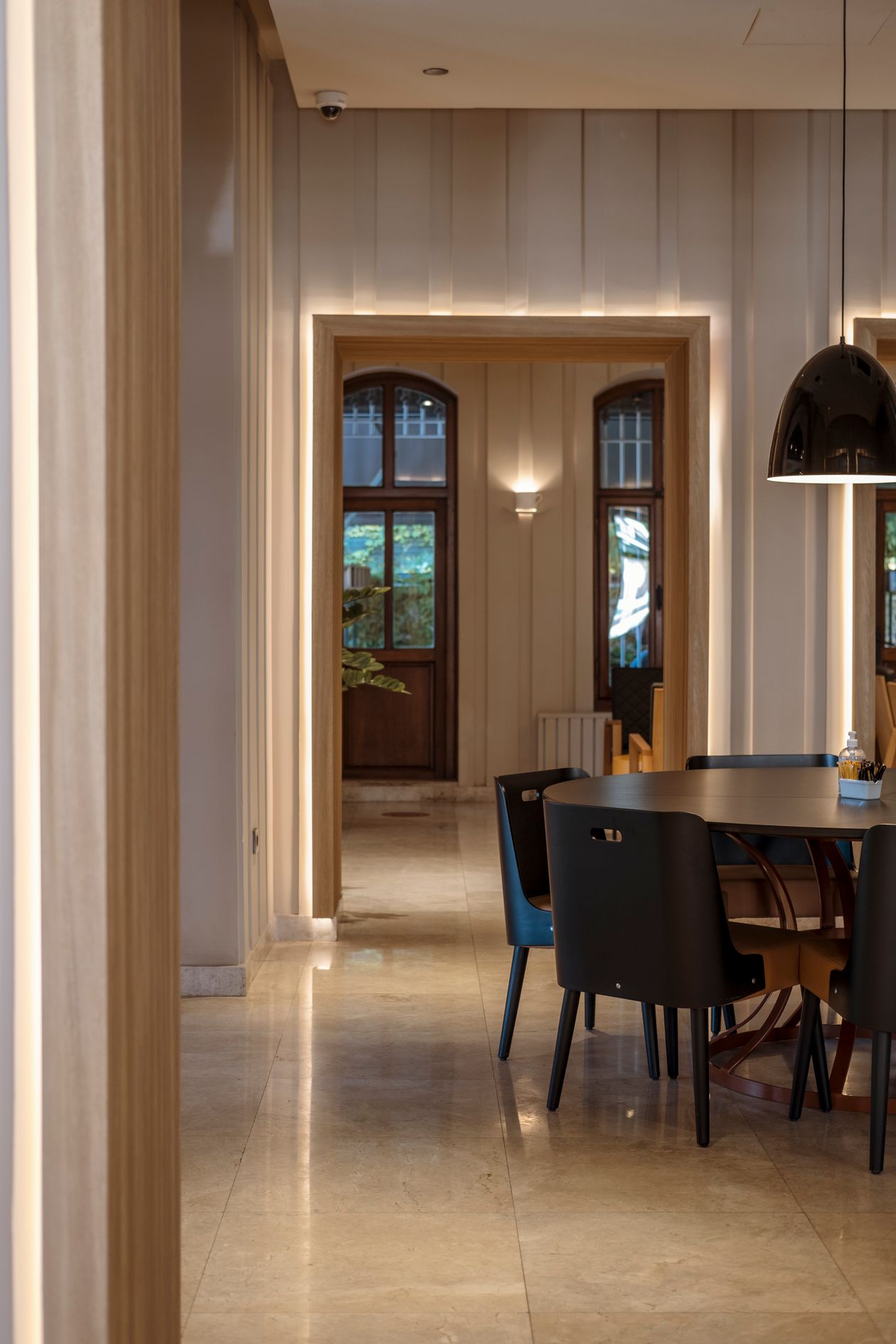
Photo via Pexels
5. Match the Visual Weight
A chunky farmhouse pedestal table can swallow delicate wire chairs whole, while a slim glass-top table looks overwhelmed by heavy leather club chairs. Aim for chairs whose visual bulk roughly matches the table's.
When in doubt, echo one material: a wood table with wood chairs, or a metal base with metal chair frames. Shared materials make different shapes feel like they belong together.

Photo via Wikimedia Commons
6. Curved Backs Echo the Round Shape
Designers love pairing round tables with chairs that have curved or rounded backs. The repeating curves make the whole arrangement feel intentional, like the chairs were drawn from the same circle as the table.
Windsor chairs, barrel-back chairs, and molded shell chairs all do this well. It is a small detail that makes a big difference in photos and in person.
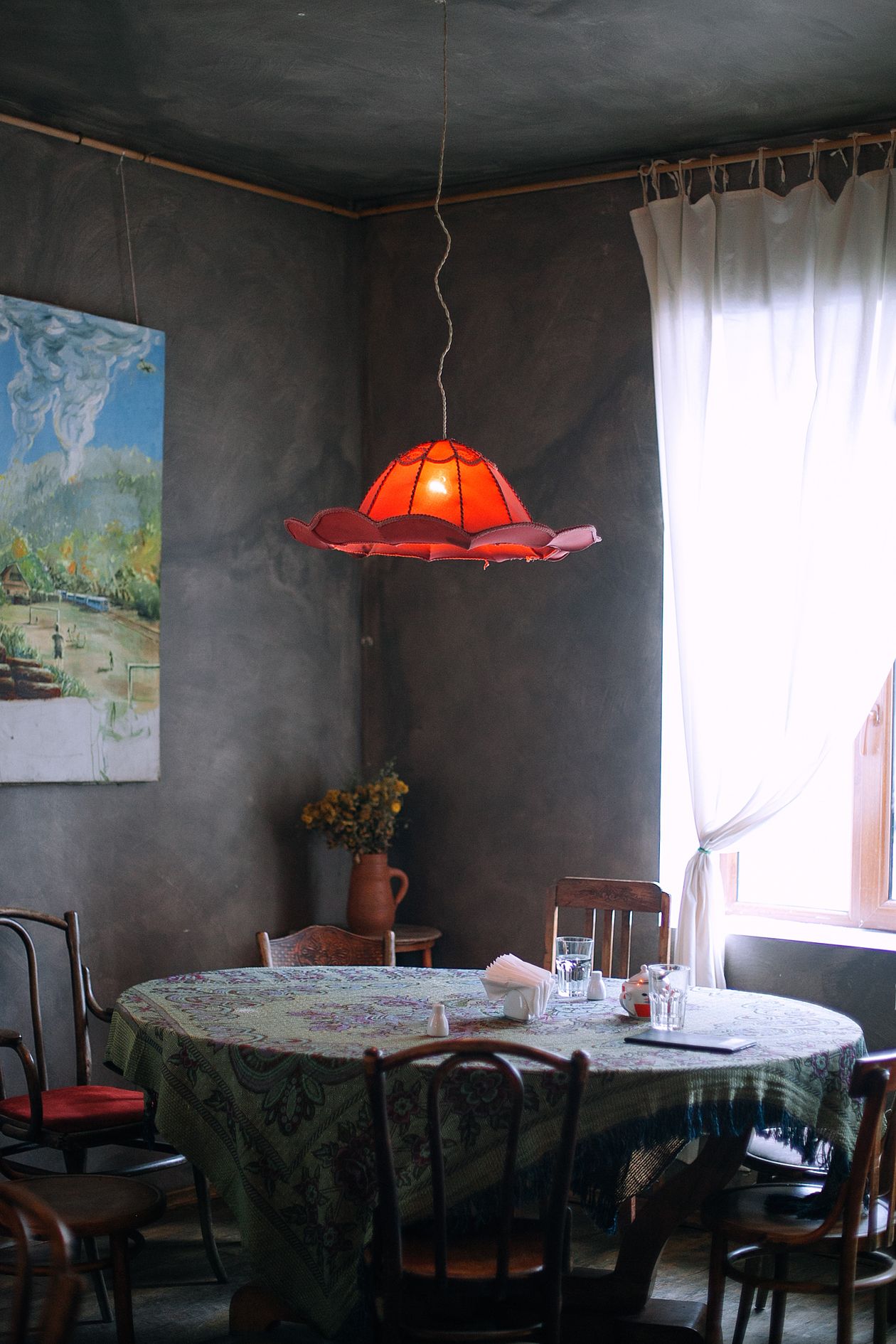
Photo via Wikimedia Commons
7. Pick One Style Lane
Round tables suit almost every style, so the risk is mixing too many at once. Decide whether your room leans modern, farmhouse, traditional, or eclectic, then keep at least two chairs in that lane. Our guide on how to style a dining table can help you lock in the look.
A walnut dining room table with mid-century chairs reads modern, while the same table with ladder-back chairs reads farmhouse. The table stays put; the chairs set the mood.

Photo via Wikimedia Commons
8. Choose Materials for Your Real Life
Be honest about who sits at the table. With kids or pets, wipeable seats like leather, faux leather, or molded plastic save you from years of stain anxiety. Save linen and velvet for low-traffic dining rooms.
Solid wood chairs are the workhorses of family dining: they take a beating, touch up easily, and look better with a little wear. Whatever you choose, sit in it before you commit.

Photo via Wikimedia Commons
9. Size the Rug So Chairs Stay On It
If you use a rug, it should be big enough that chairs stay on it even when pulled out. For a 48-inch round table, that usually means a rug at least 8 feet across, giving you roughly 24 inches of rug beyond the table edge on every side.
A rug that is too small looks like a postage stamp and makes chairs wobble on the edge. Measure from the table edge outward, not from the center, to get it right.

Photo via Wikimedia Commons
10. Leave 36 Inches for Traffic
Chairs need room to pull out, and people need room to walk behind them. Leave at least 36 inches between the table edge and the nearest wall or furniture. In a tight corner, 30 inches can work if nobody passes behind seated diners.
Measure with the chairs pulled out, not pushed in, since that is how the room actually gets used. This one check prevents the daily annoyance of a chair wedged against the wall.

Photo via Wikimedia Commons
11. Try Two Armchairs With Side Chairs
A popular answer to the round-table question on design forums is the mixed set: two upholstered armchairs placed opposite each other, with simpler side chairs filling the gaps. It breaks up the circle and gives two lucky diners extra comfort.
Keep the seat heights identical across both chair types so nobody sits noticeably higher or lower. Matching the wood tone or fabric color ties the mix together.

Photo via Wikimedia Commons
12. Test-Sit and Check the Return Policy
No spec sheet replaces sitting in the chair. Visit a showroom when you can, and pay attention to the seat depth, the back angle, and whether the front edge digs into your legs. If you are ordering chairs online, read the return policy before you click buy.
Knowing what a sideboard is matters less than knowing you can send back chairs that do not fit. A 30-day return window turns a risky online order into a safe experiment.

Photo via Wikimedia Commons
Frequently Asked Questions
How many chairs fit a 48-inch round table?
Four to six, depending on chair width. Four wide armchairs or six slim side chairs both work at 48 inches.
What seat height works with a 30-inch table?
Look for seats 17 to 19 inches tall, which gives you the comfortable 10 to 12 inch drop from tabletop to seat.
Can I use armchairs with a round table?
Yes, as long as each armchair has about 26 inches of width and the arms clear the table apron when pushed in.
Should the chairs match the table exactly?
No. Coordinating is better than matching: repeat one material or color and keep seat heights consistent.
Do I need a rug under a round dining table?
Not required, but if you use one, make it big enough that chairs stay on the rug when pulled out, usually 8 feet or wider.
Final Thoughts
A round table is forgiving, but the chairs still have to earn their place. Measure the diameter, honor the 10 to 12 inch drop, and give everyone elbow room. Do that and your round table will host everything from quick breakfasts to long holiday dinners in comfort.
Sources
- The Spruce: Why Are People Choosing Mismatched Dining Room Chairs?
- Sierra Living Concepts: How to Select Dining Chairs for a Round Table
- I Spy Fabulous: Wood Dining Chairs Guide
Gallery

Photo via Wikimedia Commons

Photo via Wikimedia Commons

Photo via Wikimedia Commons

No comments:
Post a Comment