If you have ever sat down at a table where the two end chairs had arms and the rest did not, you already know the look. That is the whole idea behind captain dining chairs: sturdy armchairs that give the people at the heads of the table a little more comfort and a little more presence. The style started on ships, where the captain needed a chair he could brace himself in, and it ended up in dining rooms because it makes an ordinary meal feel like an occasion.
The good news is you do not need a formal dining room or a big budget to pull this off. Captain's chairs work in farmhouses, apartments, and modern spaces alike, and they mix well with the side chairs you may already own. Below are ten simple styling ideas, each with a real photo, plus answers to the questions people ask most — like how many to use, whether the arms will fit under your table, and how to measure before you buy.
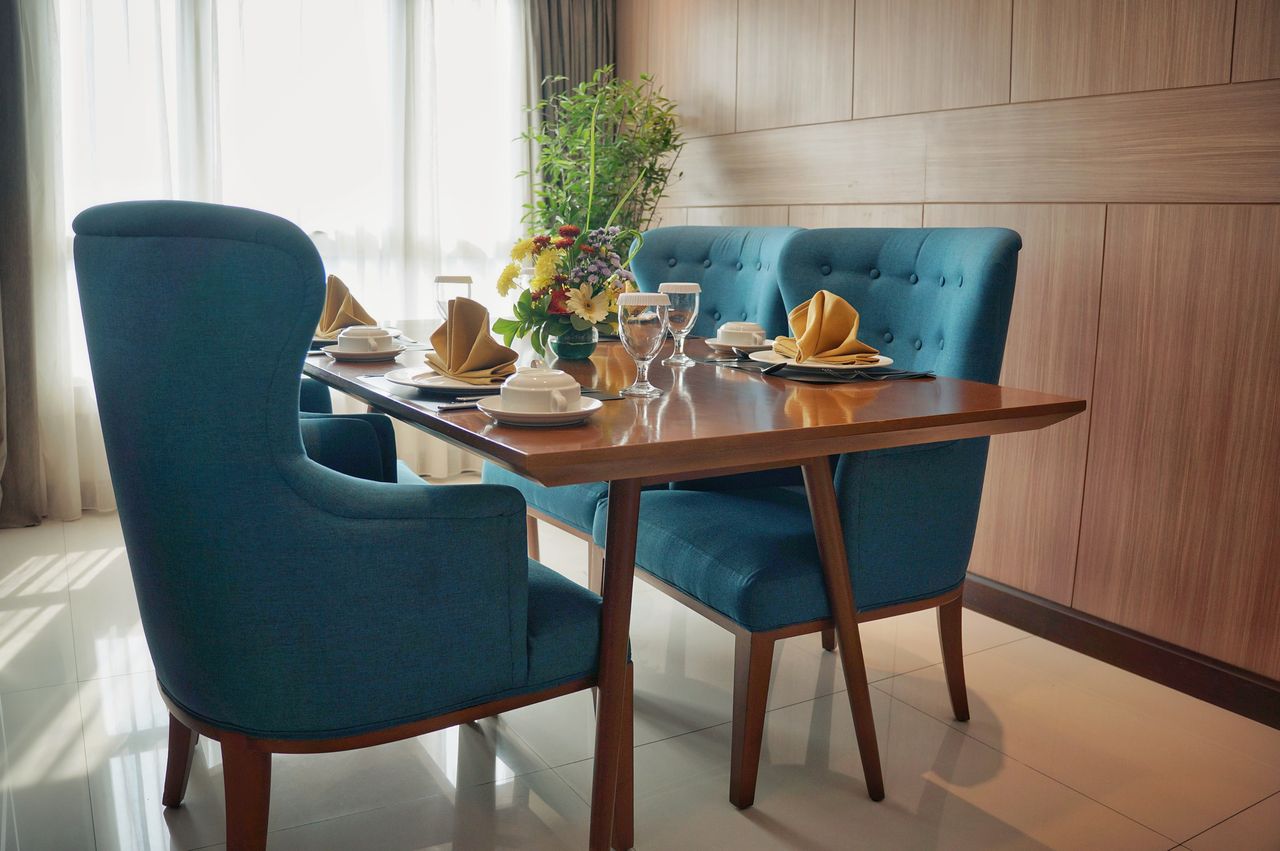
Photo via Pexels
Table of Contents
- 1. Place Two at the Heads of the Table
- 2. Try Mid-Century Walnut with Dark Cushions
- 3. Go Casual with Rattan and Wood
- 4. Choose a Spindle-Back Wood Captain's Chair
- 5. Use Matching Armchairs All the Way Around
- 6. Pair Armchairs with a Round Table
- 7. Pick Leather for a Cozy, Lived-In Look
- 8. Make Them Work in a Small Dining Room
- 9. Measure the Arm Fit Before You Buy
- 10. Mix Light Wood and Soft Fabric for Modern Warmth
1. Place Two at the Heads of the Table
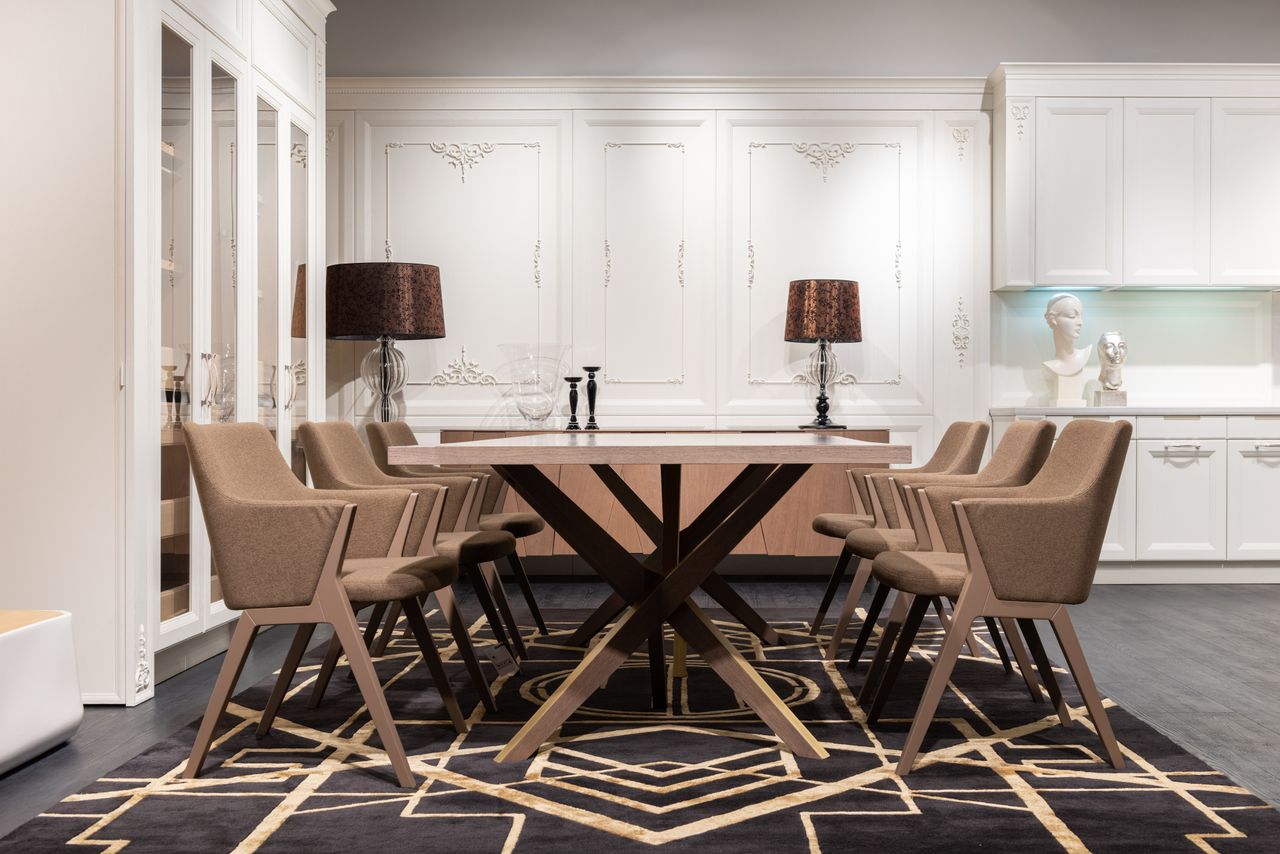
Photo via Pexels
This is the classic move, and it works in almost every dining room. Put one armchair at each end of the table and simpler side chairs along the sides. It gives the room a natural focal point, and the people at the heads get a little extra comfort for long dinners. If you only buy two captain's chairs, this is how to use them.
Keep the finishes in the same family so the mix looks planned instead of random. The same wood tone on all the chairs, or one shared fabric color, is enough to tie the whole set together.
2. Try Mid-Century Walnut with Dark Cushions
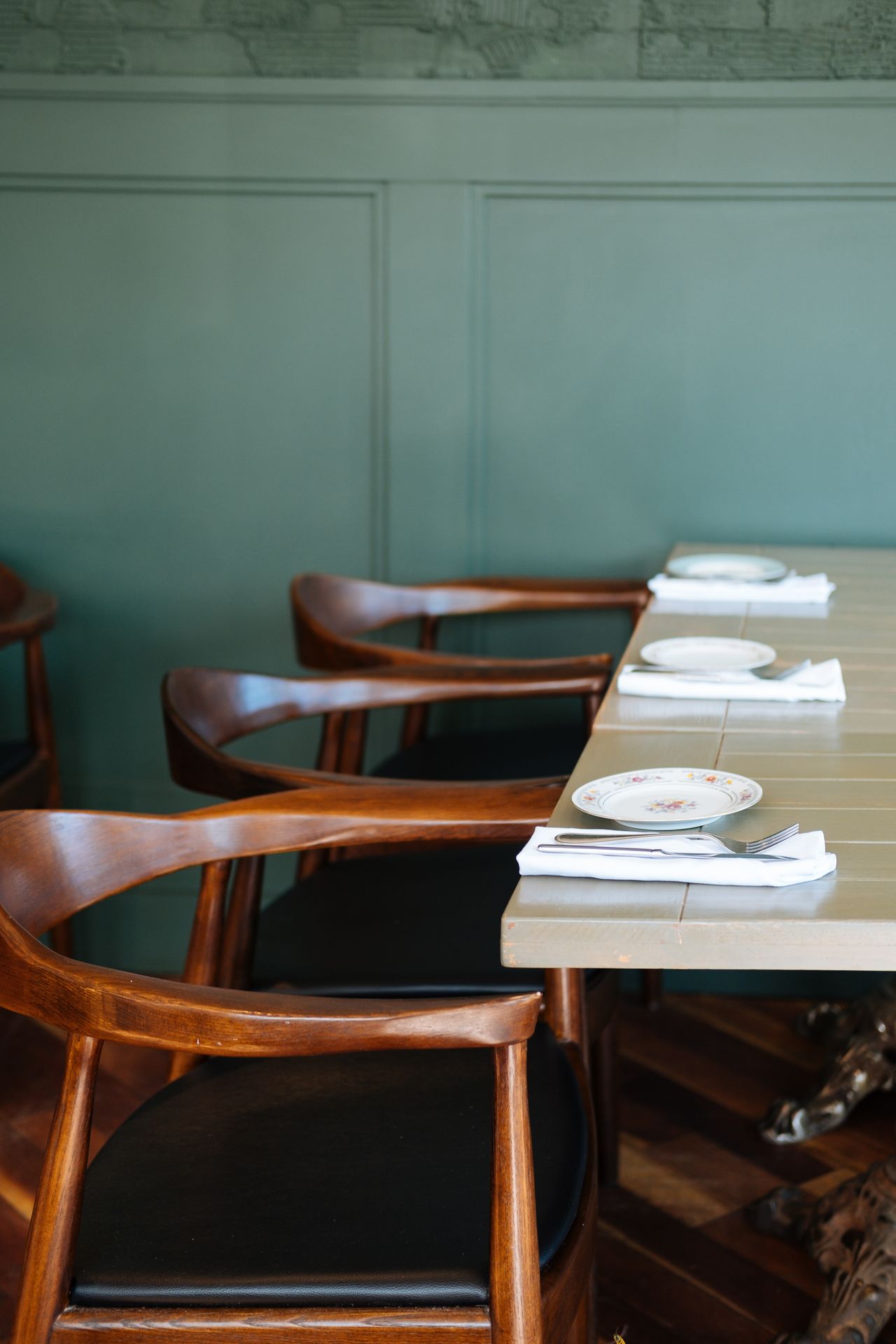
Photo via Pexels
Mid-century armchairs are a sweet spot for this style. Their arms curve low and stay close to the frame, so they slide under most tables without a fight, and the clean lines look current without trying too hard. Walnut frames with dark cushions read warm and a little bit dressy.
Set the table simply when the chairs have this much character. Plain white plates, a folded napkin, and one low centerpiece let the wood do the talking.
3. Go Casual with Rattan and Wood

Photo via Pexels
Rattan tub chairs with wrap-around arms bring a relaxed, coastal feel to a wood table. They are light, they breathe, and they make a heavy rustic table look friendlier. This pairing works especially well in breakfast nooks and open kitchens where the dining area flows into the rest of the house.
Add washable seat pads if you eat here every day. Rattan seats can feel hard after an hour, and a two-inch cushion fixes that without hiding the weave.
4. Choose a Spindle-Back Wood Captain's Chair
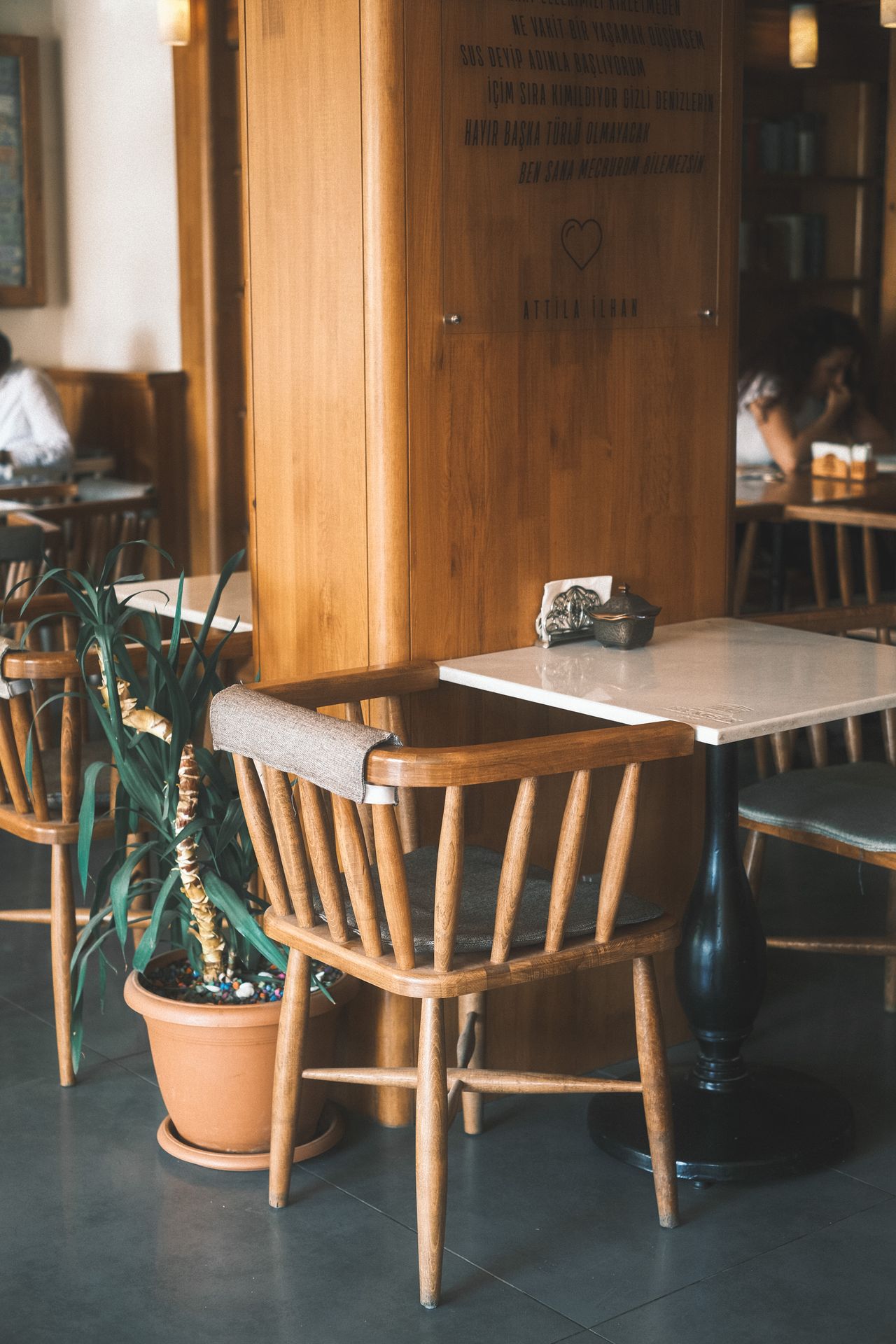
Photo via Pexels
The spindle-back captain's chair is the old workhorse of this category — solid wood, real arms, built to survive decades of family dinners. It fits farmhouse, colonial, and traditional rooms, and it ages gracefully because every scratch just adds character. The narrow spindles also keep it from looking bulky.
Because these chairs are fully wood, think about seat comfort. Tie-on cushions in a washable cotton work well and can be swapped out when you want a new color for the season.
5. Use Matching Armchairs All the Way Around
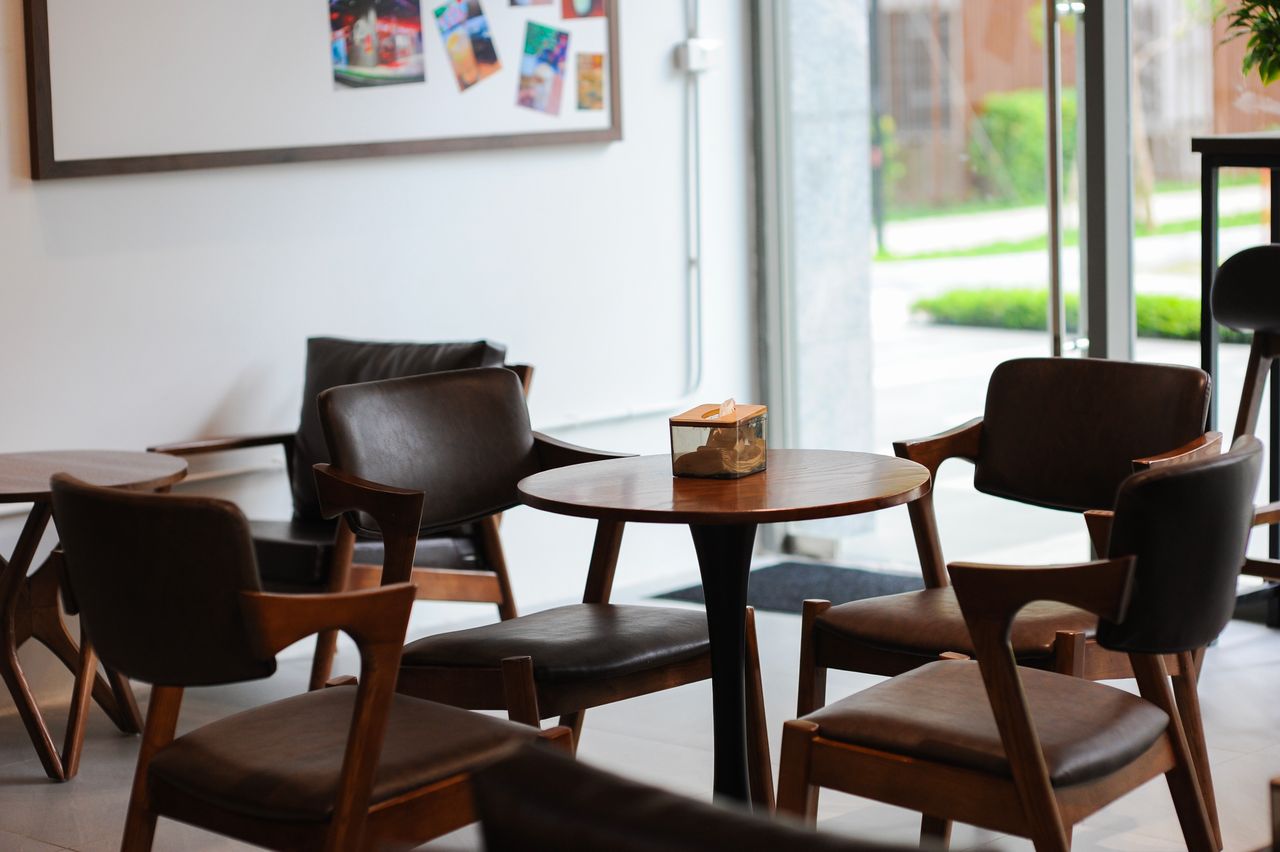
Photo via Pexels
Who says the arms are only for the ends? Putting the same armchair at every seat gives the room a confident, restaurant-like feel, and every guest gets the comfortable seat. Dark leather with wood frames is a strong choice for this because it reads rich without needing patterns or color.
The catch is space. Arms add a few inches of width per chair, so plan about 24 inches of table edge for each seat and leave room to pull the chairs out. In a tight room, this full set-up can feel crowded fast.
6. Pair Armchairs with a Round Table
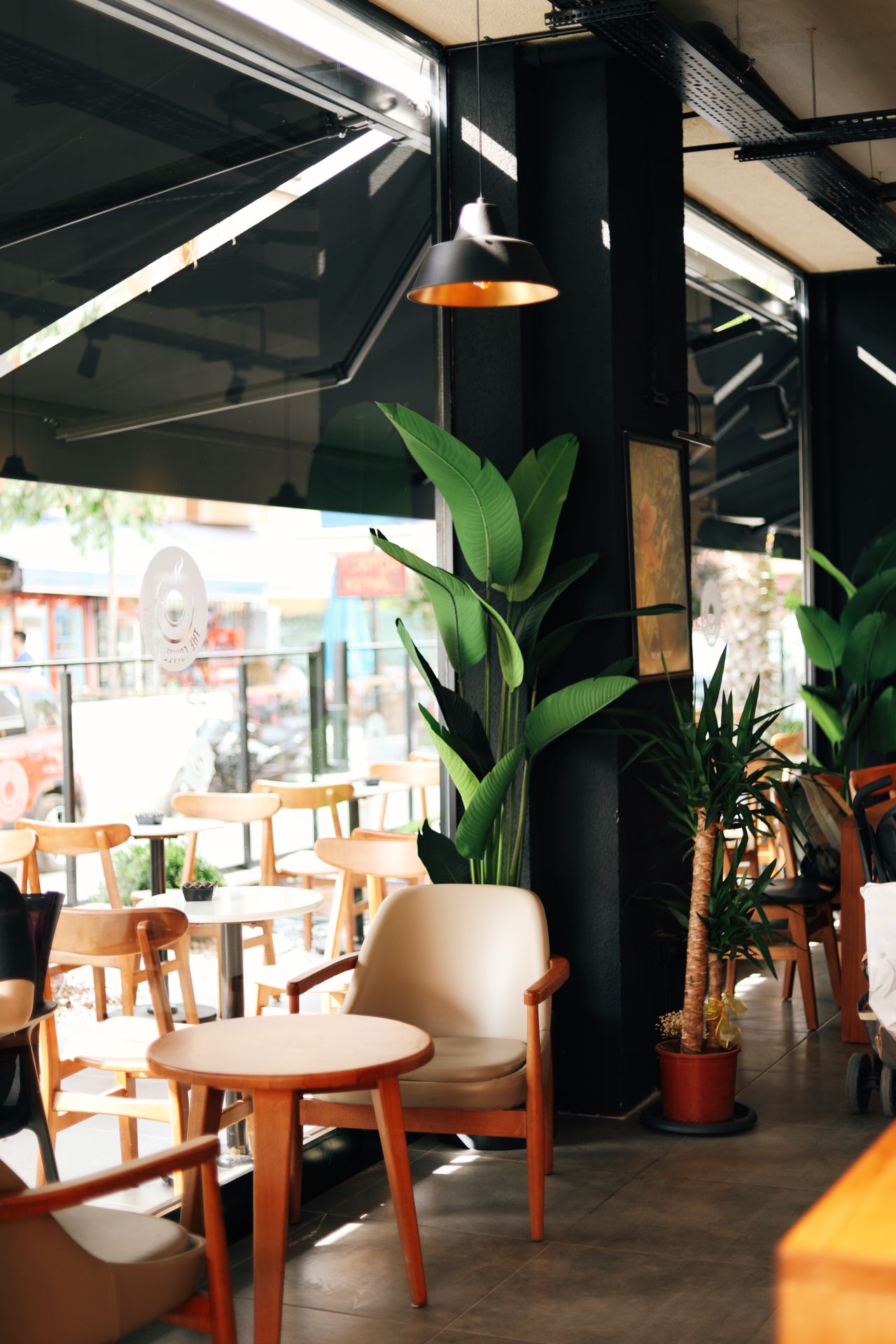
Photo via Pexels
Round tables and armchairs are a natural pair. Everyone faces the middle, nobody gets stuck in a corner seat, and the curved edge means no sharp corners digging into the arms. A single statement armchair with a small round table can also turn an empty corner into a breakfast spot for two.
A pedestal base helps here because there are no table legs to bump into the chair arms. If you are planning a round setup, see our guide to dining chairs with a round table for sizing rules that keep elbows off the table edge.
7. Pick Leather for a Cozy, Lived-In Look
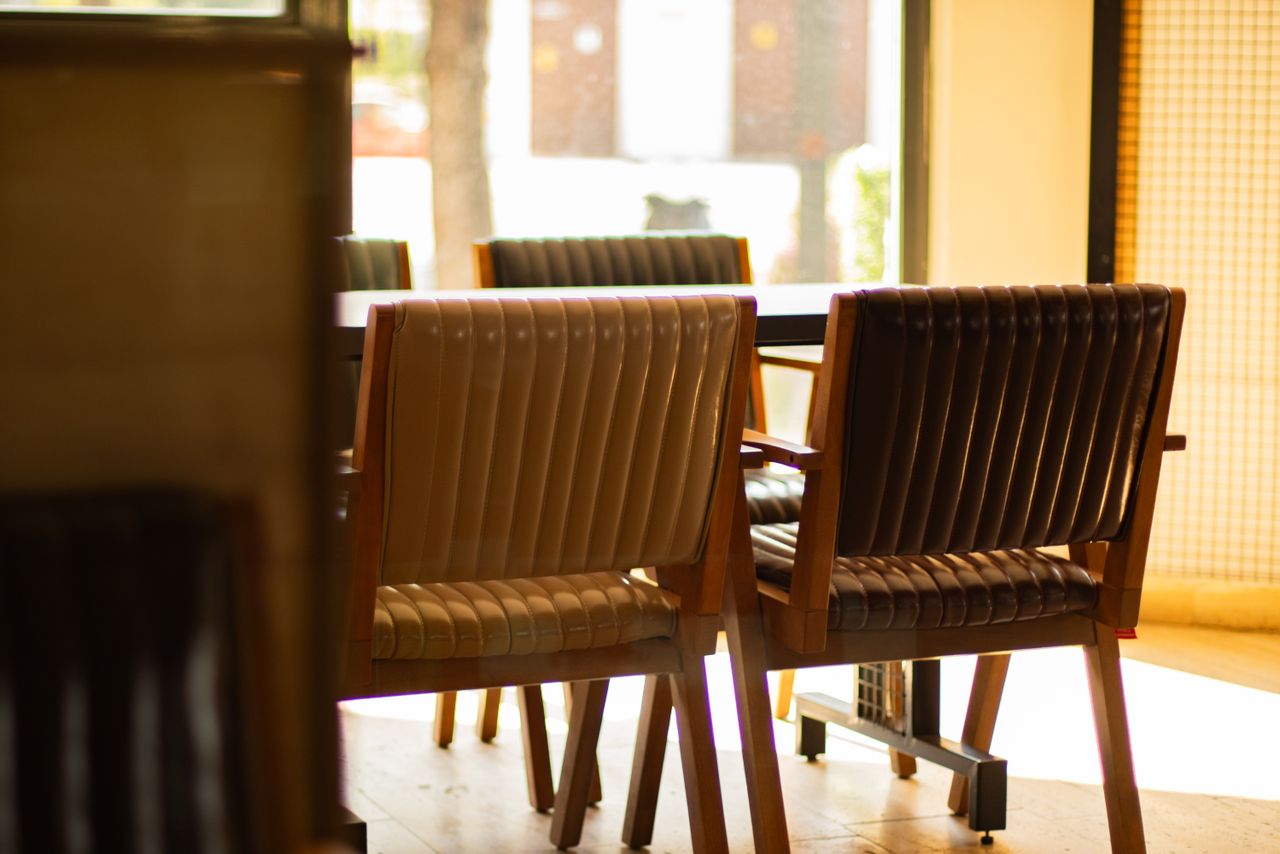
Photo via Pexels
Leather armchairs only get better looking with use. The ribbed, worn-in style in this photo shows why: the material picks up a soft sheen where hands rest, and the color deepens over time. Wood frames keep the chairs from feeling heavy, and leather wipes clean after spills — a real plus at a busy table.
One honest warning: leather scratches, so it is not the pick for homes with cats that claw furniture. For warm brown and rust tones that pair beautifully with leather, browse our rust dining chair ideas for color inspiration.
8. Make Them Work in a Small Dining Room
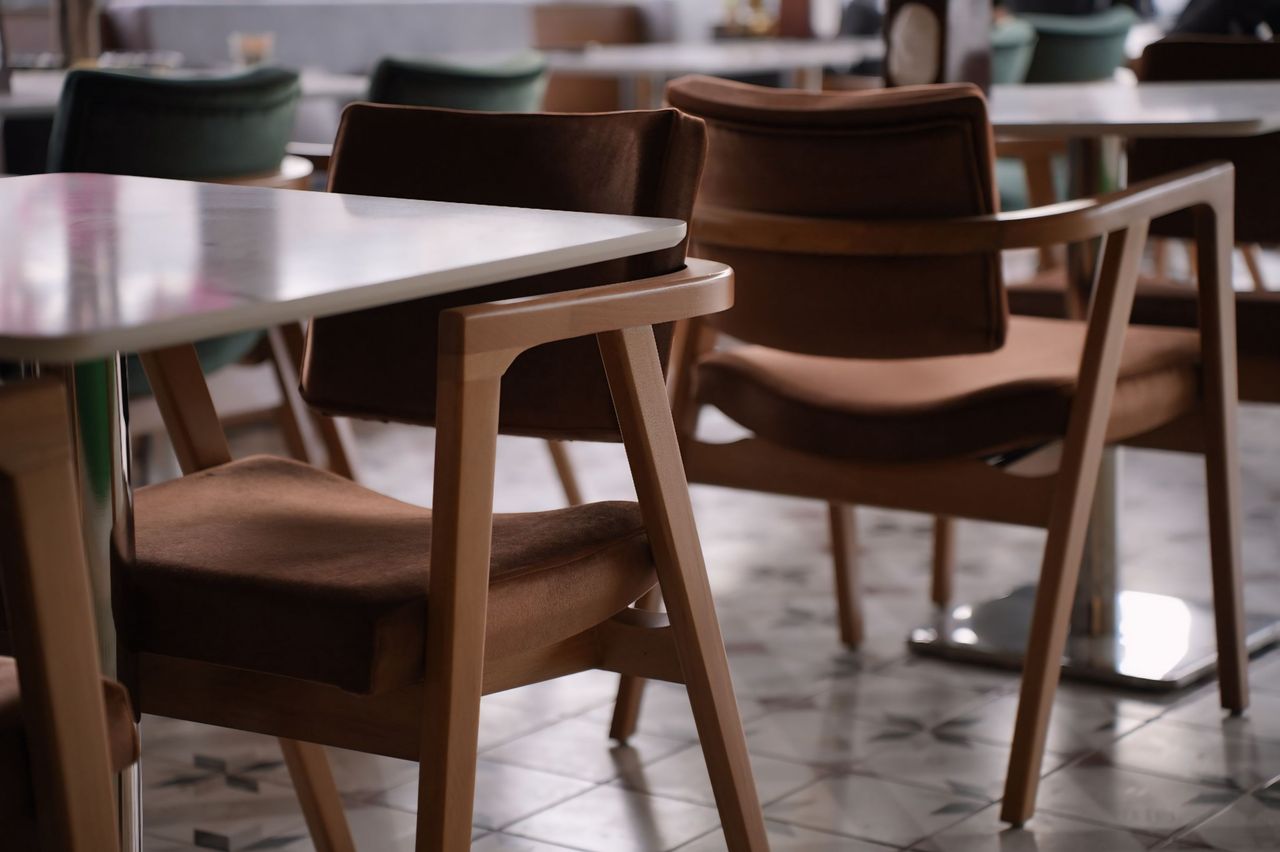
Photo via Pexels
Small rooms do not have to give up on arms. Look for slim, low arms and chairs that push fully under the table when not in use — that tucked-in look in the photo is exactly what saves floor space. Lightweight chairs you can pull out with one hand make daily life easier, too.
Leave at least 24 inches between the table edge and the wall so chairs can slide back comfortably. For more small-space layouts, our small pedestal dining table ideas show tables that pair well with armchairs in tight rooms.
9. Measure the Arm Fit Before You Buy
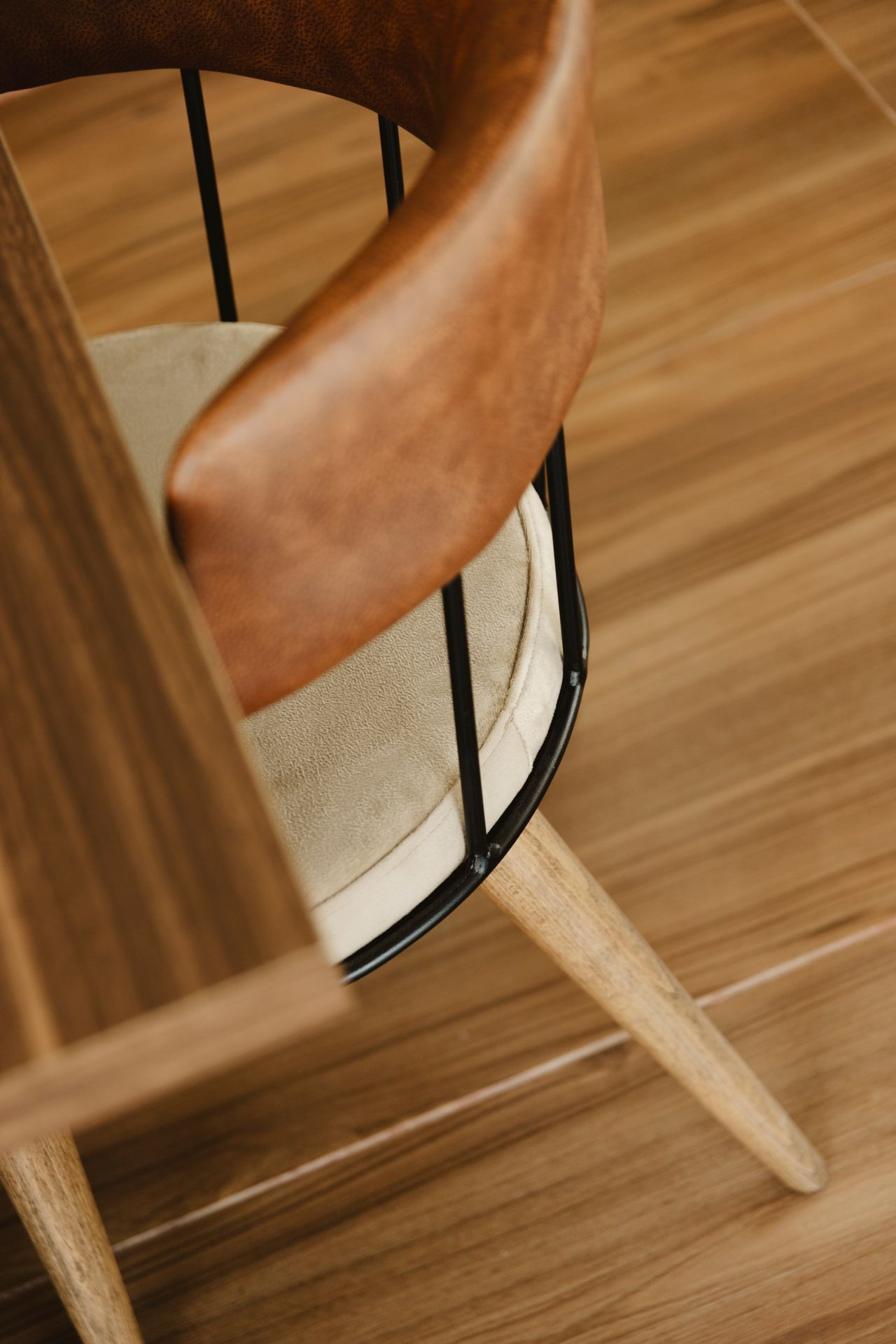
Photo via Pexels
This is the step most people skip, and it causes the most returns. The top of the chair's arm needs about 7 inches of clearance below the table's apron — that is the wooden skirt under the tabletop. Without that gap, the chair cannot slide in and you will bang the arms every time you sit down.
Also check the seat height against the table: about 18 inches from floor to seat pairs with a standard 28 to 30 inch table, leaving roughly 12 inches of knee room. If you are still shopping for the table itself, our guide on how to choose the right kitchen table walks through the measurements that matter.
10. Mix Light Wood and Soft Fabric for Modern Warmth
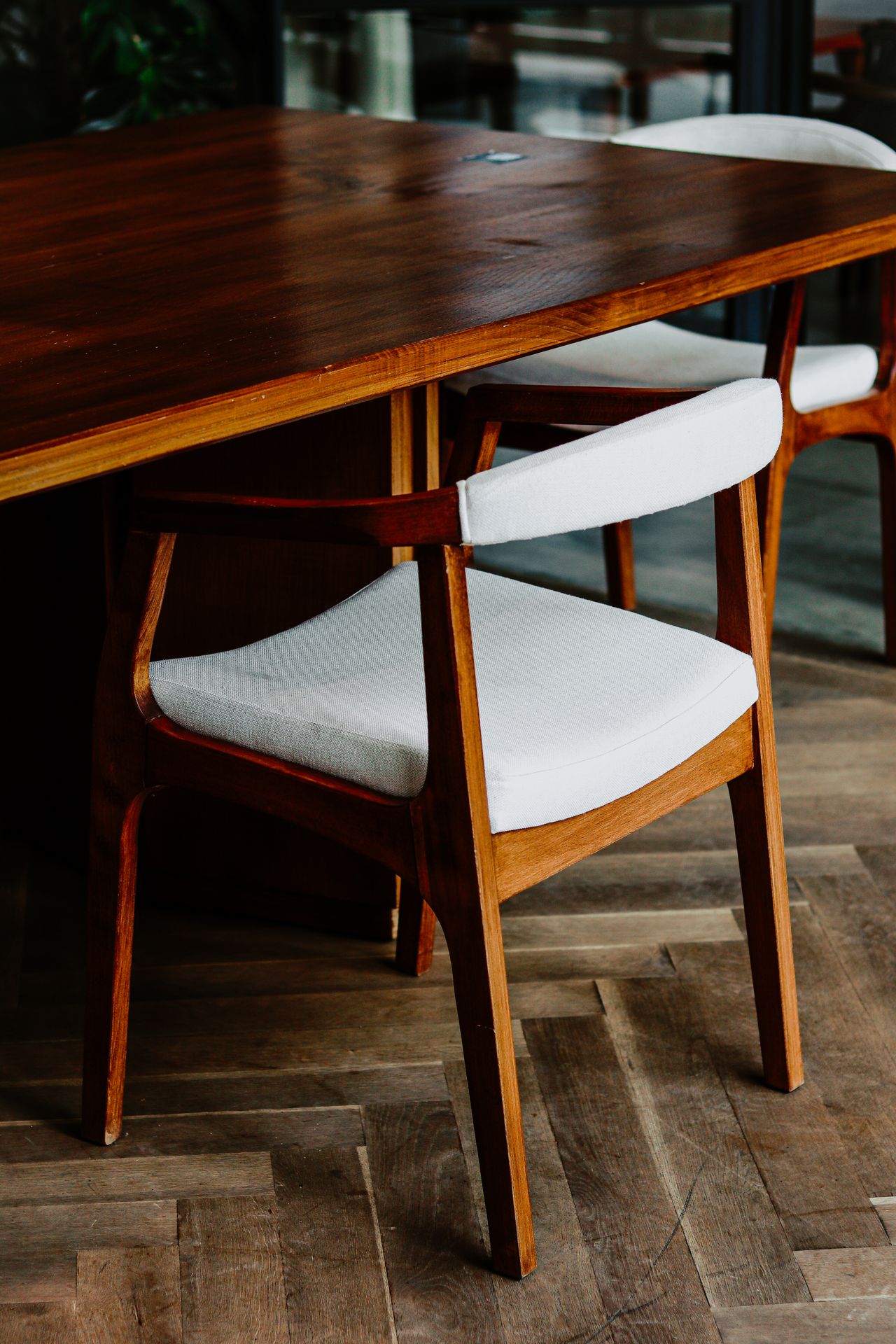
Photo via Pexels
A mid-century style armchair with a pale wood frame and a light cushion keeps a walnut table from feeling dark and heavy. The open arm design lets light pass through, so the chair reads airy even though it has full arms. This is a good formula for rooms that get limited daylight.
Pick a performance fabric for the cushion if this is your everyday table. Cream looks elegant, but only a stain-resistant weave will still look cream in a year.
Frequently Asked Questions
What exactly is a captain's chair?
A captain's chair is a dining chair with arms and usually a higher, sturdier back than a standard side chair. It traditionally sat at the head of the table as the host's seat, but today the term covers any solid dining armchair.
How many captain's chairs should I use at one table?
Two at the heads is the classic look and the most common setup. For a long table you can use four, or even armchairs at every seat, but allow about 24 inches of table edge per chair so elbows do not collide.
Will the arms fit under my table?
Measure first. The top of the arm needs about 7 inches of clearance below the table's apron, and the seat should sit about 12 inches below the tabletop. Tables without an apron are the easiest match since most standard chairs slide right under.
Can I mix captain's chairs with my existing side chairs?
Yes — that is the most popular way to use them. Match the wood finish or one fabric color across both chair types, and keep all seat heights within an inch of each other so the table line looks even.
Are captain's chairs too bulky for a small dining room?
Not if you choose slim-armed styles that tuck fully under the table. A pair at the heads of a small table adds comfort without crowding, and chairs that push all the way in free up floor space between meals.
Final Thoughts
Captain's chairs earn their place at the table by doing two jobs at once: they look a little more special than plain side chairs, and they are genuinely more comfortable for long meals. Start with two at the heads of your table, keep the finishes coordinated, and measure the arm clearance before anything gets delivered.
Once you see how much more inviting the table feels, you may find yourself reaching for the armed seats too — guests always do. Browse the blog's dining room ideas for more ways to finish the room around your new chairs.
Sources
- Homestyler — Captain's Chairs in Hospitality Design
- Wayfair — How to Choose the Right Size Dining Chairs
Gallery
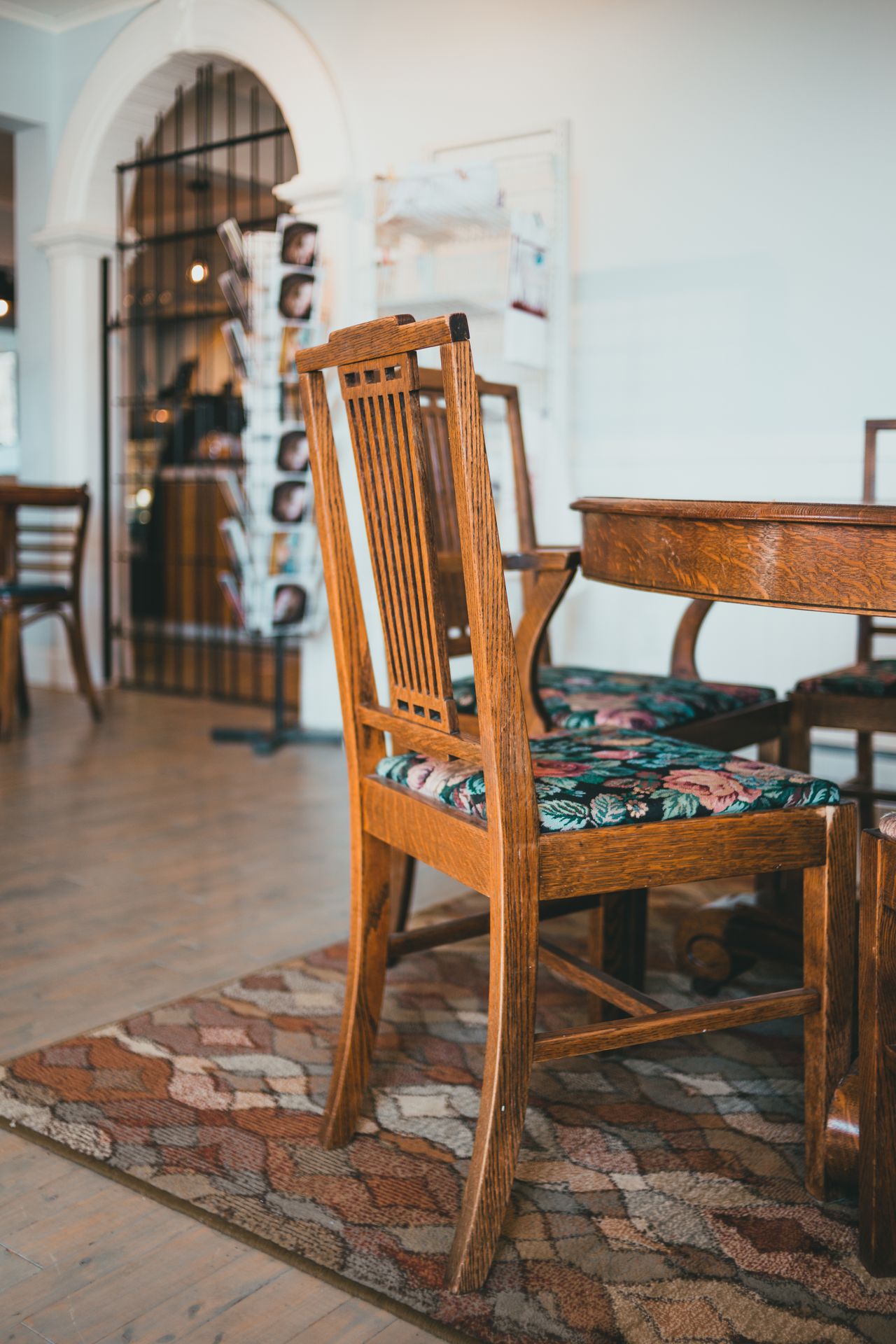
Photo via Pexels
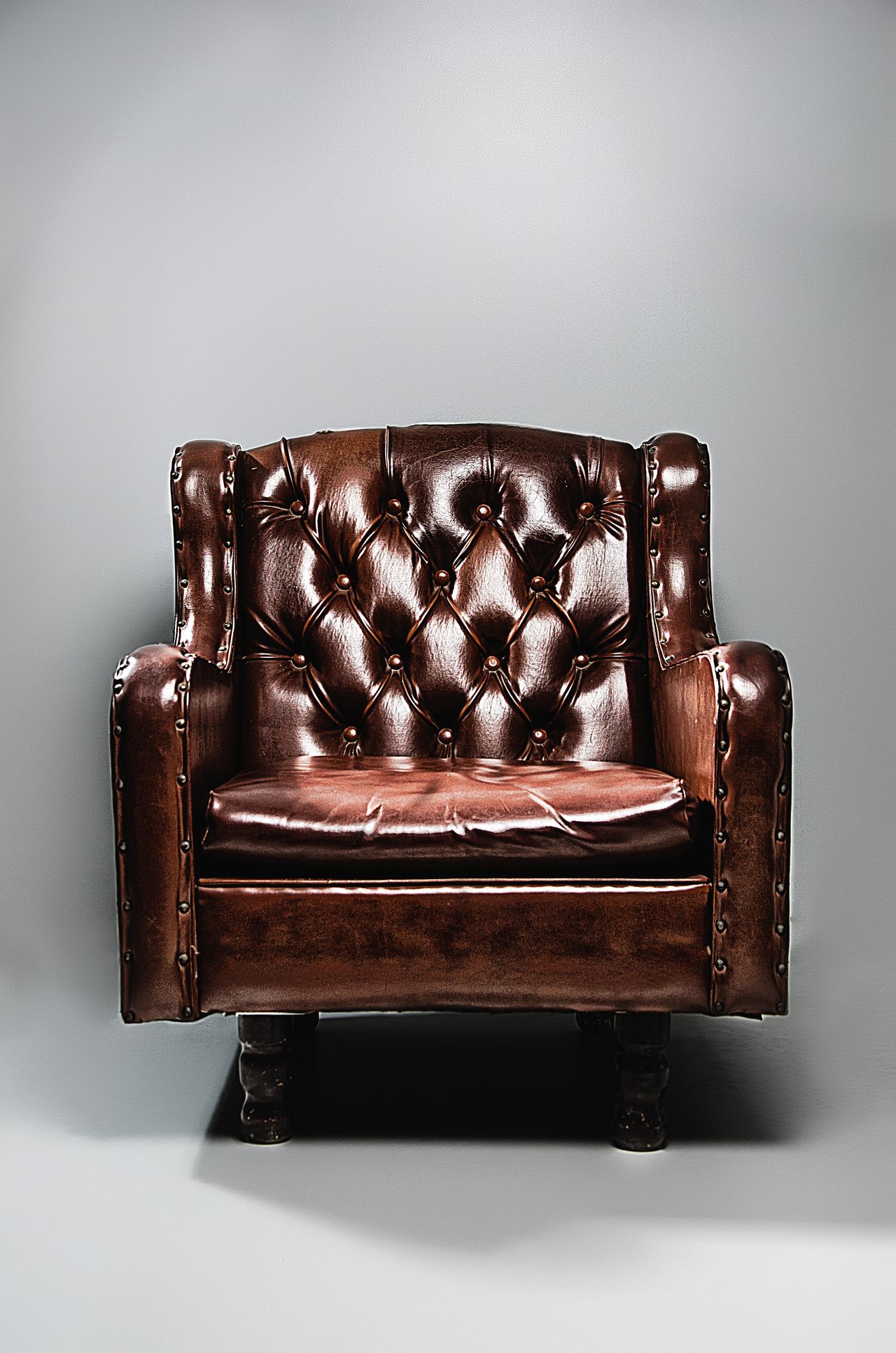
Photo via Pexels

Photo via Wikimedia Commons

No comments:
Post a Comment