Getting a tooth pulled is never fun, but the right food can make recovery feel a lot easier. The first few days are all about gentle, soft, and soothing meals that do not disturb the healing socket. This guide walks you through exactly what to eat after tooth extraction, day by day, so you can heal comfortably and get back to normal food sooner. As always, your dentist's personal instructions come first, and this guide supports them.
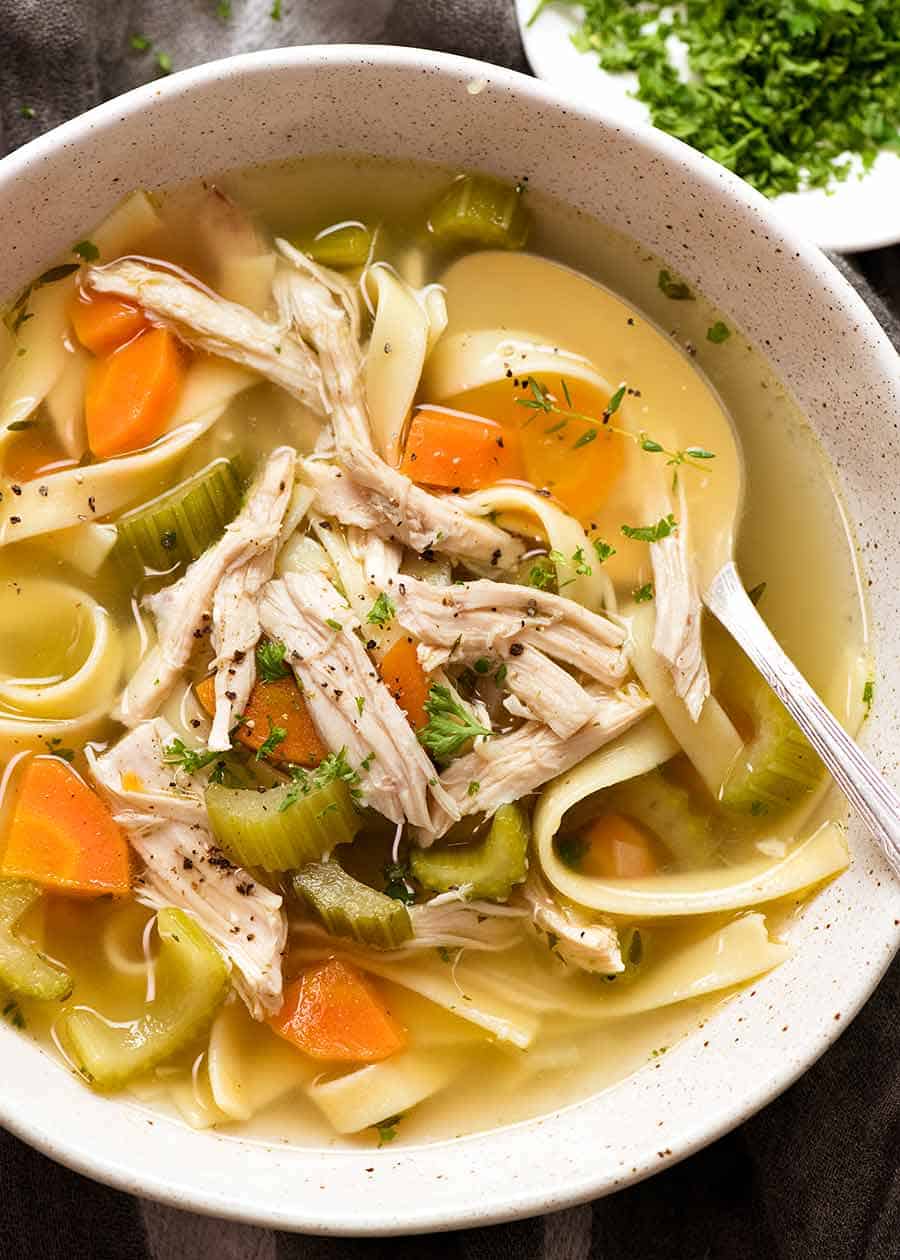
A warm bowl of chicken noodle soup is one of the most comforting soft foods after a tooth extraction. Photo by Nichijyou123 via Wikimedia Commons (CC BY-SA 4.0).
Why Soft Foods Matter So Much After a Tooth Extraction
When a tooth is removed, a blood clot forms in the empty socket. That clot is your body's natural bandage. It protects the bone and nerves underneath while new tissue grows. Hard, crunchy, or chewy food can break that clot loose, reopen the wound, or push food particles into the socket, and that slows healing and raises the risk of infection.
Soft foods solve this problem. They need little or no chewing, they glide past the sore area, and they keep you full and nourished while the socket closes. Eating well also matters because your body needs energy and nutrients to repair tissue. Skipping meals can make you feel dizzy, weak, and slower to heal, so gentle eating is part of good aftercare.

Soft oatmeal porridge needs almost no chewing and is gentle on a healing socket. Photo by UserTwoSix via Wikimedia Commons (CC BY-SA 4.0).
What Is Dry Socket, and How Do Food Choices Prevent It?
Dry socket is the most talked-about complication after a tooth extraction. It happens when the protective blood clot comes out or dissolves too early, leaving the bone and nerves exposed. It usually starts two to four days after the procedure and brings a deep, throbbing pain that painkillers barely touch.
Food and drink choices play a real role in preventing it. The biggest rule is to avoid anything that creates suction in the mouth, because suction can pull the clot right out of the socket. That is why dentists tell you not to use straws, not to spit forcefully, and not to smoke during the first week. Crunchy foods like chips, nuts, and toast are also risky because sharp bits can lodge in the socket and disturb the clot. Lukewarm foods are safer than very hot ones, since heat can irritate the wound and increase bleeding.

Straws create suction that can pull the protective blood clot out of the socket, so avoid them for at least a week. Photo by Horia Varlan via Wikimedia Commons (CC BY 2.0).
The Healing Timeline: What to Expect
Knowing the timeline helps you plan your meals with confidence. In the first 24 hours, the clot is forming and the area is at its most fragile, so stick to liquids and very soft foods. By days two and three, swelling usually peaks and then starts to ease, and you can add slightly thicker soft foods. During days four to seven, the socket is closing over and most people feel much better, so soft solids become comfortable. After about a week, most people can return to a normal diet, adding regular foods back gradually and chewing on the opposite side of the mouth.
Everyone heals at a slightly different pace, and wisdom tooth removal can take a little longer. If pain gets worse instead of better after a few days, or you notice a bad taste or fever, call your dentist. Otherwise, let the timeline below guide your plate.

Lukewarm herbal tea is soothing during recovery. Keep drinks warm, not hot. Photo by PagesAndPathsPH via Wikimedia Commons (CC0).
Dairy-Based Soft Foods
Dairy foods are some of the easiest wins after an extraction. They are naturally soft, cool, and filling, and many contain protein and calcium that support healing. Plain or flavored yogurt is a top pick because it needs no chewing at all, and the cool temperature can soothe a sore mouth. Cottage cheese is another good option, soft, mild, and easy to eat in small spoonfuls.
Milk is useful in smoothies and shakes, and soft puddings like rice pudding or custard feel like a treat while staying gentle. Ice cream counts too, in moderation, and many dentists say a small serving can feel comforting on the first day.
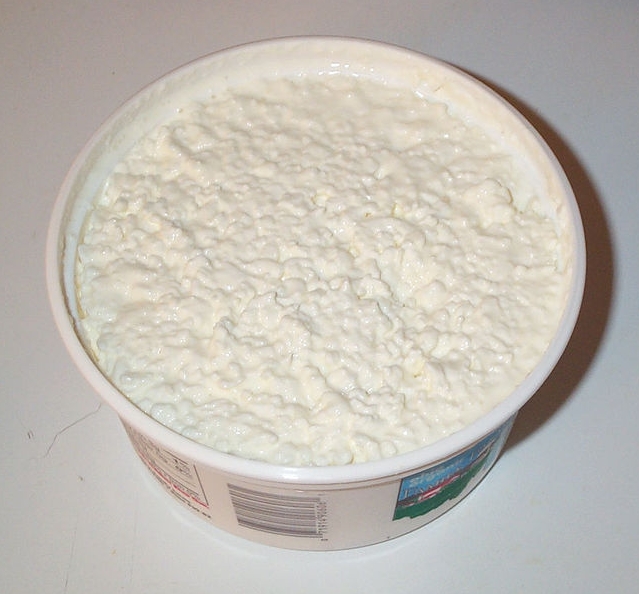
Cottage cheese is soft, mild, and easy to eat in small spoonfuls while you heal. Photo by Stu Spivack via Wikimedia Commons (CC BY-SA 2.0).
Protein-Rich Soft Foods
Protein helps your body rebuild tissue, so it is worth keeping on your plate even when chewing is hard. Scrambled eggs are a perfect fit. They are soft, warm, quick to make, and full of protein. Mash them lightly with a fork for an even gentler texture.
Other good protein choices include soft flaked fish, silken tofu, and smooth hummus thinned with a little olive oil or water. Bone broth and chicken broth also carry some protein and minerals, and they are easy to sip from a mug. If you eat meat, very tender slow-cooked chicken or fish that flakes apart with a fork works from about day four onward.

Scrambled eggs are soft, warm, and full of protein that helps tissue repair. Photo by Marc via Wikimedia Commons (CC BY-SA 4.0).
Fruits and Vegetables That Are Gentle on Your Mouth
Fruits and vegetables bring vitamins that support healing, but texture is everything. The safest forms are mashed, pureed, or very ripe. Mashed avocado is a favorite because it is creamy, filling, and full of healthy fats. Mashed banana works the same way and is easy on the stomach.
Applesauce is a classic for good reason: smooth, cool, and comforting. Mashed sweet potato is naturally sweet and soft, and well-cooked, mashed carrots or pumpkin blend into gentle purees. Fruit smoothies are another easy route, just skip the seeds and small bits, and remember to drink them from a cup, never through a straw.

Mashed avocado is creamy, filling, and needs no real chewing. Photo by Jami430 via Wikimedia Commons (CC BY-SA 4.0).
Comfort Foods That Still Feel Like a Treat
Recovery food does not have to be boring. Mac and cheese, made soft and creamy, is a comfort-food hero after an extraction. Warm mashed potatoes with a little butter feel like a hug in a bowl. Soft pancakes with honey, thin porridge, and smooth custard all scratch the comfort-food itch without any crunch.
The trick is temperature and texture. Serve everything lukewarm rather than steaming hot, and make sure nothing has crispy edges, hard bits, or chewy lumps.

Soft, creamy mac and cheese is comfort food that stays gentle on a healing mouth. Photo by Andy Li via Wikimedia Commons (CC0).
A Simple Day-by-Day Diet Plan
First 24 Hours
The socket is fresh and the clot is still forming, so keep things liquid and very soft. Sip water often, and try cool broth, plain yogurt, applesauce, or a small serving of ice cream. Rest as much as you can, keep your head raised, and let the clot settle undisturbed. Avoid hot drinks, alcohol, and anything that needs chewing.

A small serving of ice cream can feel soothing on the first day. Keep it moderate and not too sugary. Photo by Mitchellhobbs via Wikimedia Commons (CC BY-SA 4.0).
Days 2 to 3
Swelling usually peaks around now, so cold and lukewarm foods are your friends. Add thicker soft foods like oatmeal, mashed banana, smoothies (from a cup, not a straw), mashed avocado, and lukewarm soup. Chew gently on the opposite side of your mouth and keep rinsing gently with warm salt water if your dentist advised it. Do not poke the socket with your tongue or fingers.
Days 4 to 7
Most people turn a corner here. Pain fades, swelling goes down, and the socket starts to close. You can move to soft solids: scrambled eggs, mashed potatoes, soft pancakes, well-cooked pasta, flaked fish, and soft-cooked vegetables. Chew slowly, keep food on the other side of your mouth, and keep everything lukewarm. Crunchy, spicy, and very hot foods are still off the menu.

Mashed sweet potatoes are soft, sweet, and filling as healing moves into days four to seven. Photo by Missvain via Wikimedia Commons (CC BY 4.0).
After 1 Week
By now, most people can start returning to a normal diet. Reintroduce regular foods gradually rather than jumping straight to steak and crusty bread. Start with softer versions of your usual meals, cut food into small pieces, and keep chewing away from the extraction site until it feels fully comfortable. If anything still hurts, give it a few more days and check with your dentist if you are unsure.
Foods to Avoid While You Heal
Some foods are worth skipping for at least a week, and a few for longer. Crunchy and hard foods like chips, popcorn, nuts, raw carrots, and hard bread can break the clot or get stuck in the socket. Sticky foods like caramel and chewy candy can pull at the wound. Spicy foods and very acidic foods like citrus juice can sting and irritate the healing tissue.
Very hot drinks and soups can increase bleeding and irritate the socket, so let everything cool to lukewarm. Alcohol can interfere with healing and with any medication you were given. And the straw rule deserves repeating: no straws, no vigorous spitting, and no smoking, because suction is one of the fastest ways to lose the clot and develop dry socket.

Crunchy foods like chips can break the clot or lodge sharp bits in the socket. Save them for later. Photo by Evan-Amos via Wikimedia Commons (Public domain).
3 Quick and Easy Recipes
1. Banana Smoothie
This takes five minutes and needs no chewing at all. Blend one ripe banana, one cup of milk or yogurt, one tablespoon of honey, and a few ice cubes until completely smooth. Pour into a glass and drink slowly. For extra nutrition, add a spoonful of peanut butter or a scoop of protein powder. Remember: no straw. Sip from the cup.

A banana smoothie needs no chewing and keeps you full. Sip from the cup, never through a straw. Photo by Ourlibrary via Wikimedia Commons (CC0).
2. Creamy Mashed Potatoes
Peel and chop two large potatoes, boil until completely tender, about 15 to 20 minutes, then drain. Mash with a fork or potato masher while adding a splash of warm milk and a tablespoon of butter. Keep mashing until silky smooth with no lumps. Season lightly with salt. Serve lukewarm, not hot. For a twist, swap in sweet potatoes.

Silky mashed potatoes with butter and warm milk are pure comfort and need almost no chewing. Photo by Renee Comet via Wikimedia Commons (Public domain).
3. Soft Scrambled Eggs
Beat two eggs with a splash of milk and a pinch of salt. Melt a small knob of butter in a pan over low heat, pour in the eggs, and stir slowly and gently until just set and creamy, about three minutes. Do not overcook: soft, slightly moist curds are the goal. Serve lukewarm with a spoon. Mashed avocado on the side makes it a complete gentle meal.

Soft, creamy scrambled eggs cook in minutes and pack healing protein. Photo by OmegaFallon via Wikimedia Commons (CC BY 4.0).
Common Mistakes to Avoid
The most common mistake is eating solid food too soon because the mouth feels okay. The socket is still fragile even when pain fades, so follow the day-by-day plan rather than your appetite for crunch. Another frequent slip is drinking hot coffee or tea on day one, heat can restart bleeding, so let drinks cool to lukewarm.
Skipping meals is another mistake. An empty stomach plus pain medication is a recipe for nausea, so eat small, frequent soft meals even if you are not hungry. Rinsing too hard, poking the socket with your tongue, and lying flat right after eating can all disturb healing too. Gentle habits make a real difference.

Steaming hot drinks can irritate the socket and increase bleeding. Let everything cool to lukewarm. Photo by epSos.de via Wikimedia Commons (CC BY 2.0).
Tips for Faster Healing
Food is only half the story. Drink plenty of water throughout the day to stay hydrated, since dehydration slows healing. Rest for the first day or two and avoid heavy exercise, which can raise blood pressure and disturb the clot. Keep your head slightly raised when you sleep.
Follow your dentist's instructions on rinsing, usually a gentle warm salt-water rinse starting after the first 24 hours keeps the area clean. Take any prescribed medication exactly as directed, and eat before taking painkillers if your stomach is sensitive. Small, frequent meals beat one big meal, and patience beats rushing. Your mouth will thank you.

Drinking plenty of water throughout the day supports faster healing. Photo by Hasan Hagi via Wikimedia Commons (CC BY 3.0).
Soothing Food Inspiration
A few more gentle ideas to keep your recovery menu interesting:

Smooth butternut squash soup. Photo by Missvain via Wikimedia Commons (CC BY 4.0).

Creamy rice pudding. Photo by Silar via Wikimedia Commons (CC BY-SA 4.0).

Lukewarm chamomile tea. Photo by Coffeevore via Wikimedia Commons (CC BY-SA 4.0).

Smooth chocolate pudding. Photo by Aliva Sahoo via Wikimedia Commons (CC BY-SA 4.0).
Final Thoughts
Recovering from a tooth extraction is mostly about patience and gentle choices. Stick to soft, lukewarm foods, skip the straws and the crunch, and give your mouth the full week it needs. Eat small meals often, drink plenty of water, and follow your dentist's aftercare instructions closely. If you want more trusted reading on dental care, the American Dental Association's patient resource MouthHealthy.org is a helpful place to start. Heal well, and enjoy getting back to your favorite foods one comfortable bite at a time.
Frequently Asked Questions
Can I eat rice after tooth extraction?
Yes, but only after a few days when healing has started. Ensure the rice is soft and not sticky.
Can I eat ice cream after tooth extraction?
Yes, ice cream can be soothing, but avoid very cold or sugary options in excess.
When can I eat solid food again?
Most people can start eating soft solids after 3–5 days and return to a normal diet within a week.

No comments:
Post a Comment