A round leather pouf ottoman is one of the hardest-working small pieces you can own. It works as a footrest, an extra seat for guests, and even a soft coffee table, all in about 20 inches of floor space. Most are handmade from goat or camel leather, ship flat and unstuffed to keep shipping cheap, and sell for roughly $70 to $190.
Most guides on this topic stop at "put it by the sofa." This one goes further: ten real styling ideas, honest sizing advice, how to stuff one yourself, and how to keep the leather looking good for years. Everything is in plain words with US measurements.

Photo via Wikimedia Commons
Table of Contents
- 1. Use It as a Footrest
- 2. Pull It Out as Extra Seating
- 3. Style It as a Coffee Table
- 4. Buy It Unstuffed and Fill It Yourself
- 5. Let It Soften a Modern Room
- 6. Warm Up Neutrals with Cognac
- 7. Tuck One into the Entryway
- 8. Double It as a Laptop Desk
- 9. Care for the Leather So It Ages Well
- 10. Know the Difference: Pouf vs. Ottoman
1. Use It as a Footrest
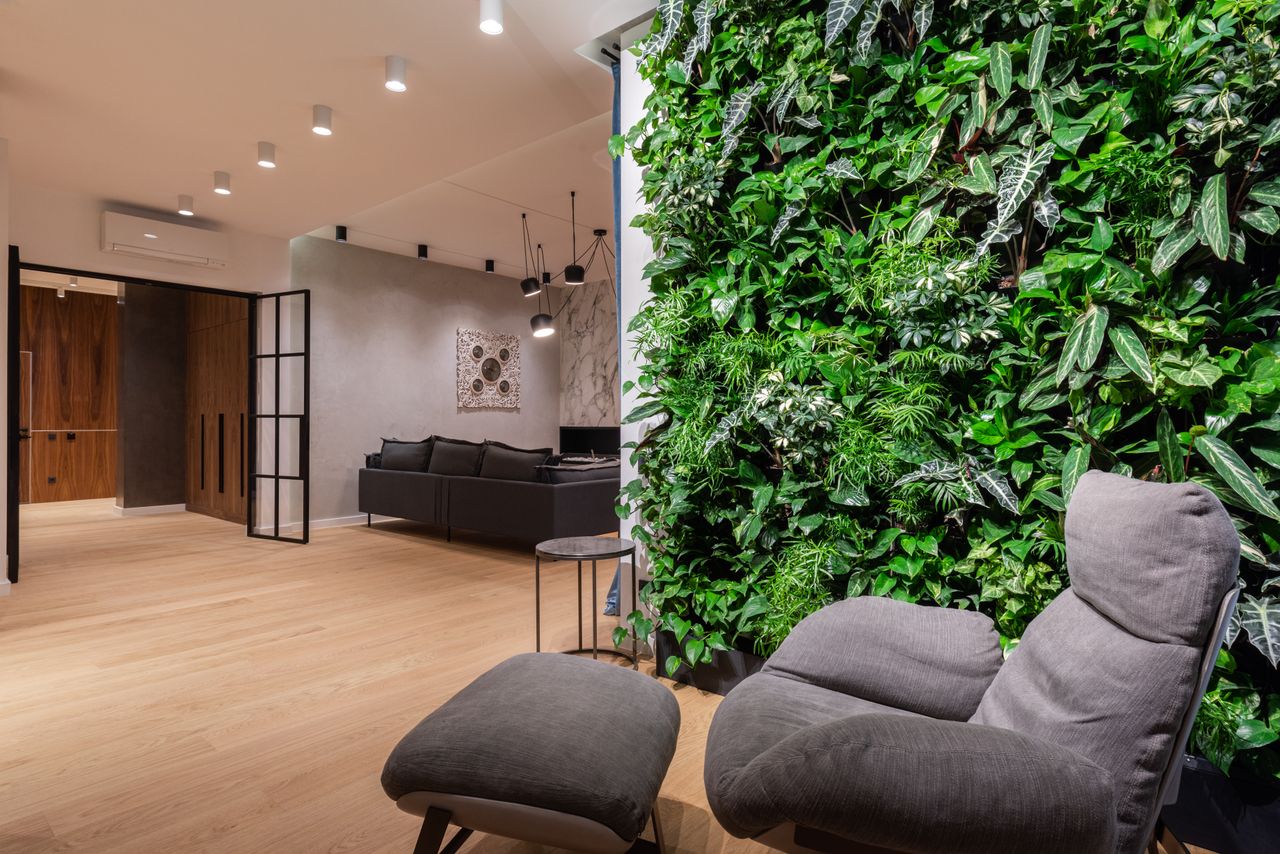
Photo via Pexels
The simplest job for a leather pouf is also the one you will use most: a place to rest your feet. Set it in front of your favorite chair. At 12 to 14 inches high, it lines up with most standard seat heights. Leather wipes clean, so kicked-off shoes and snack crumbs are a non-issue.
In a small living room, a pouf beats a bulky recliner footrest because you can kick it aside when you need the floor space. For more compact seating ideas, see our guide to 2-seat sofas for small living rooms.
2. Pull It Out as Extra Seating

Photo via Wikimedia Commons
A 20-inch round pouf seats one adult comfortably, which makes it the easiest extra chair you will ever own. Keep it tucked in a corner and pull it out when friends stop by. It weighs far less than a wooden stool once stuffed with old clothes or foam.
It also works at the foot of the bed as a spot to sit while putting on shoes. For more ideas in that vein, browse our warm aesthetic cozy bedroom guide.
3. Style It as a Coffee Table
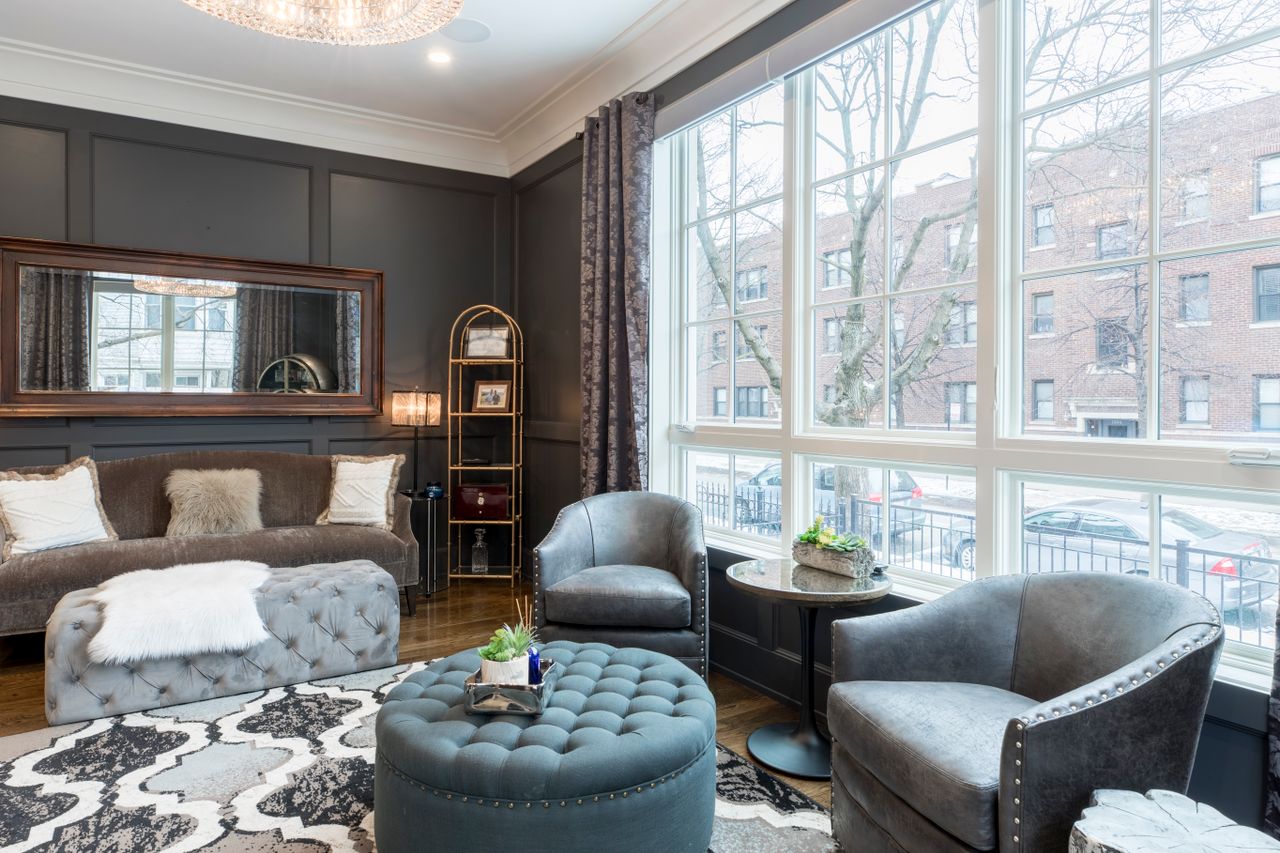
Photo via Pexels
Top a firmly stuffed pouf with a large tray and it becomes a soft coffee table. The tray keeps drinks and remotes steady, since a pouf top gives a little under weight. Round trays suit the shape best, and wood or metal both look great against leather.
Measure first: a standard coffee table is 16 to 18 inches high, and most poufs land right in that zone. If you would rather have a real table, read how to choose the right kitchen table — the sizing logic works for living rooms too.
4. Buy It Unstuffed and Fill It Yourself

Photo via Wikimedia Commons
Most Moroccan-style leather poufs ship flat with a zipper on the bottom, and you add the filling at home. Old clothes, towels, blankets, or shredded foam all work. Pack it tight for a firm seat, or leave it a little soft for a relaxed footrest.
This is also the cheapest route. Unstuffed covers often cost half what a pre-stuffed pouf does, and you recycle linens you were going to toss anyway. It takes about 15 minutes and no tools.
5. Let It Soften a Modern Room
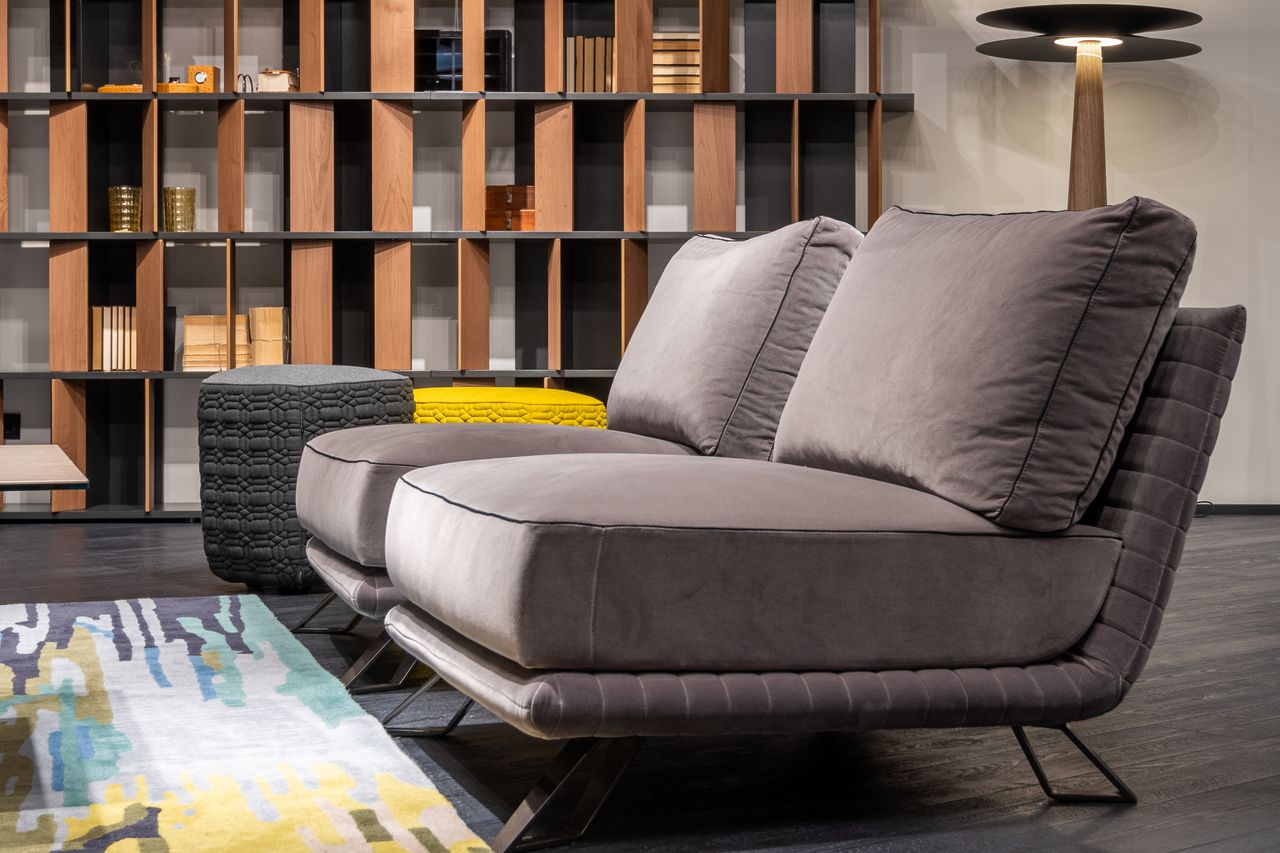
Photo via Pexels
Leather poufs are a natural fit for boho and rustic rooms, but they also warm up crisp modern spaces. One round shape among all the straight lines of a contemporary sofa and shelving breaks up the geometry in a good way.
Stick with one pouf in a modern room rather than a matching set. A single organic shape reads as intentional, while two or three can tip the look back toward boho.
6. Warm Up Neutrals with Cognac
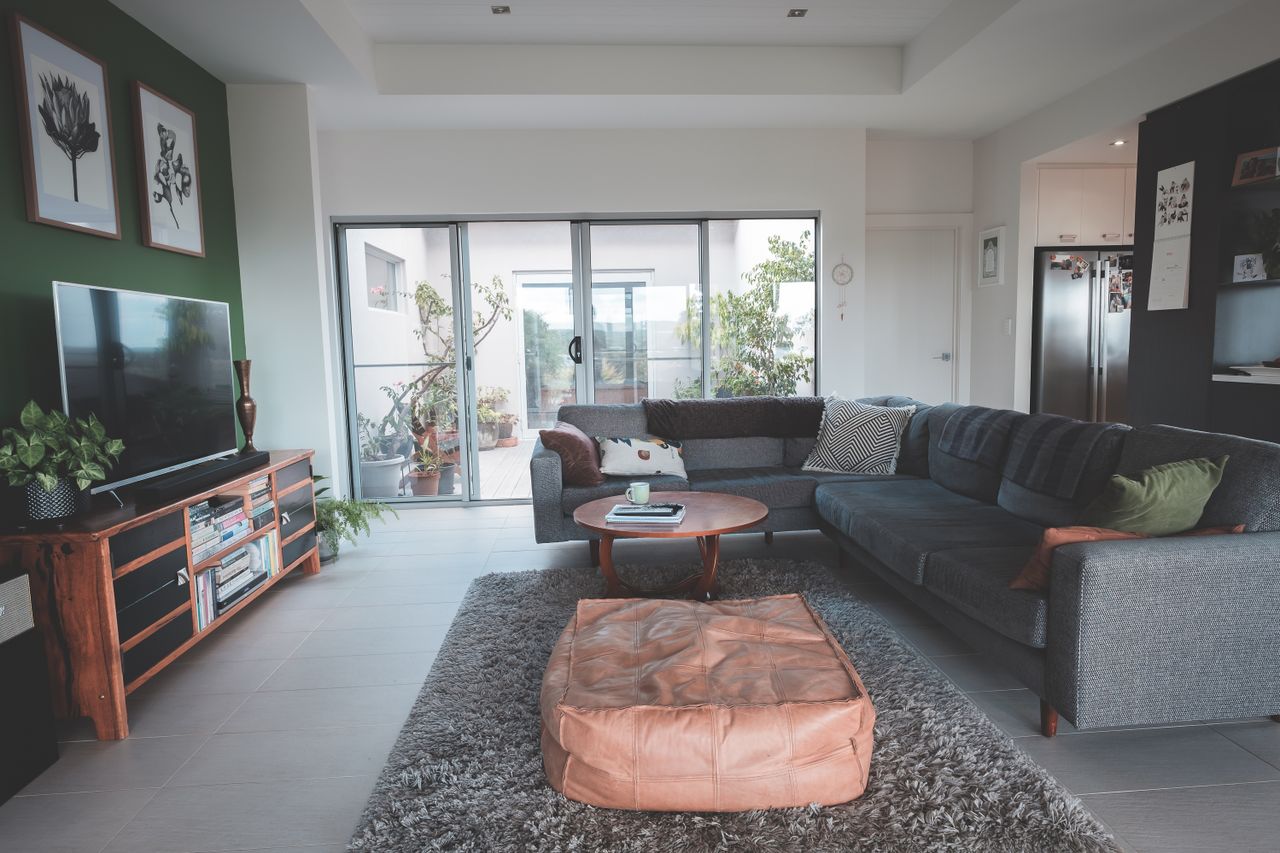
Photo via Pexels
Gray and beige rooms are calm, but they can feel flat. A cognac or tan leather pouf adds warmth without introducing a loud color. The leather's natural grain catches the light, which keeps the piece from looking like a flat brown blob.
Cognac works with almost every neutral: light gray, charcoal, cream, even navy. It is the safest "color" choice if you are nervous about bold hues.
7. Tuck One into the Entryway
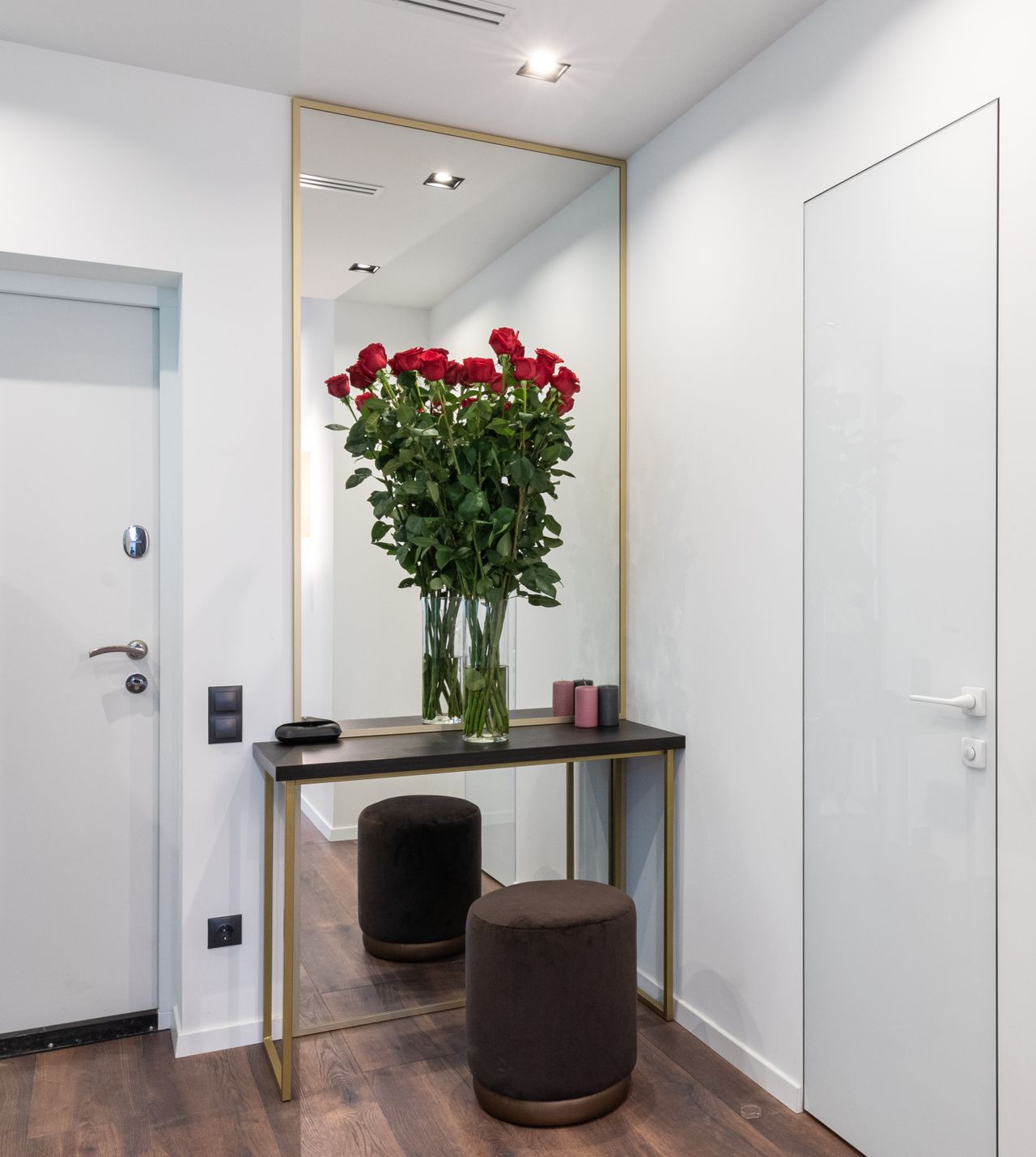
Photo via Pexels
A small round pouf under a console table turns an entryway into a place where you can actually sit to tie your shoes. It fills the dead space under the table and adds texture to the first thing guests see.
Style the console top the way you would a dresser: a mirror or art above, a small tray for keys. Our dresser decor ideas translate well to entryway consoles.
8. Double It as a Laptop Desk
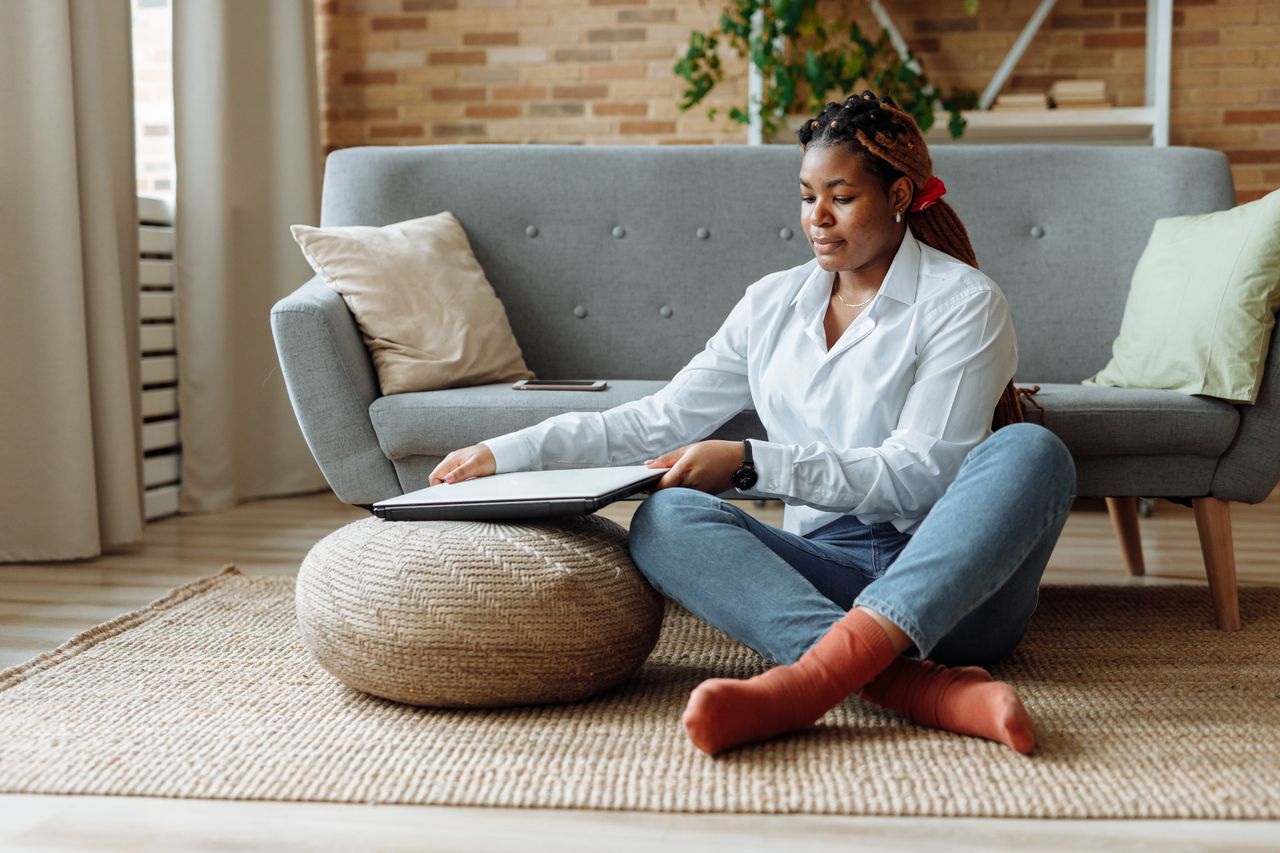
Photo via Pexels
Working from the couch? A firmly stuffed pouf makes a surprisingly good laptop stand. It sits at a comfortable height when you are on the floor or in a low chair, and the soft top will not scratch your device.
Stuff it extra firm for this job, since loose fill lets the laptop wobble. A hard tray on top makes it even steadier for typing.
9. Care for the Leather So It Ages Well

Photo via Wikimedia Commons
Real leather gets better with age if you give it basic care. Dust it with a dry cloth, blot spills right away instead of rubbing, and keep it out of harsh direct sun, which fades the dye. Condition it once or twice a year with a quality leather conditioner.
That soft sheen on old Moroccan leather comes from years of use, not neglect. It is called patina. The hides behind pieces like these are dyed in centuries-old tanneries, so a little maintenance protects genuine craftsmanship.
10. Know the Difference: Pouf vs. Ottoman

Photo via Wikimedia Commons
People mix up the words, but there is a real difference. A pouf is soft, light, and legless — basically a stuffed cushion you can move with one hand. An ottoman is structured, often with legs or a frame, and sometimes opens for storage.
The round leather pieces in this guide sit in the middle: structured enough to hold a tray, soft enough to double as a seat. Both names go back centuries, and both are still earning their floor space today.
Frequently Asked Questions
How do I fill an unstuffed leather pouf?
Unzip the bottom and pack in old clothes, towels, blankets, or shredded foam until it feels firm. Most 20-inch poufs need about a large laundry basket of fill, and the whole job takes around 15 minutes.
What is the difference between a pouf and an ottoman?
A pouf is a soft, lightweight cushion with no legs, made for flexible seating. An ottoman is firmer and more structured, often with legs or hidden storage, and works better as a coffee-table substitute.
Can I use a leather pouf as a coffee table?
Yes, with a tray on top. The tray gives drinks and remotes a steady surface. Stuff the pouf firmly so it does not sag under weight.
How do I clean a leather pouf?
Wipe it with a soft dry cloth for dust, blot spills immediately without rubbing, and condition the leather once or twice a year. Keep it away from direct sunlight and never soak it in water.
Are leather poufs pet-friendly?
Mostly yes. Pet hair wipes right off leather, which beats fabric. The catch is claws: they can scratch the surface, so keep nails trimmed and condition the leather regularly to keep it supple.
Final Thoughts
A round leather pouf ottoman earns its place by doing three jobs in one small footprint: footrest, guest seat, and side table. Buy it unstuffed to save money, stuff it firm, and give the leather a little care twice a year.
Start with one in a color you love — cognac if you want safe, a rich blue or red if you want character — and live with it for a month. Chances are it becomes the piece guests ask about.
Sources
Gallery

Photo via Wikimedia Commons

Photo via Wikimedia Commons
Photo via Pexels

No comments:
Post a Comment