If you are wondering what size rug for king bed looks best, start with a 9x12. It is the size designers reach for most, because it frames a king beautifully while leaving a generous border of soft landing space on both sides.
A rug that is too small is the number one mistake in bedrooms: it makes even a gorgeous bed look disconnected from the room. These 12 tips will help you size it right the first time, whether your bedroom is cozy or grand.
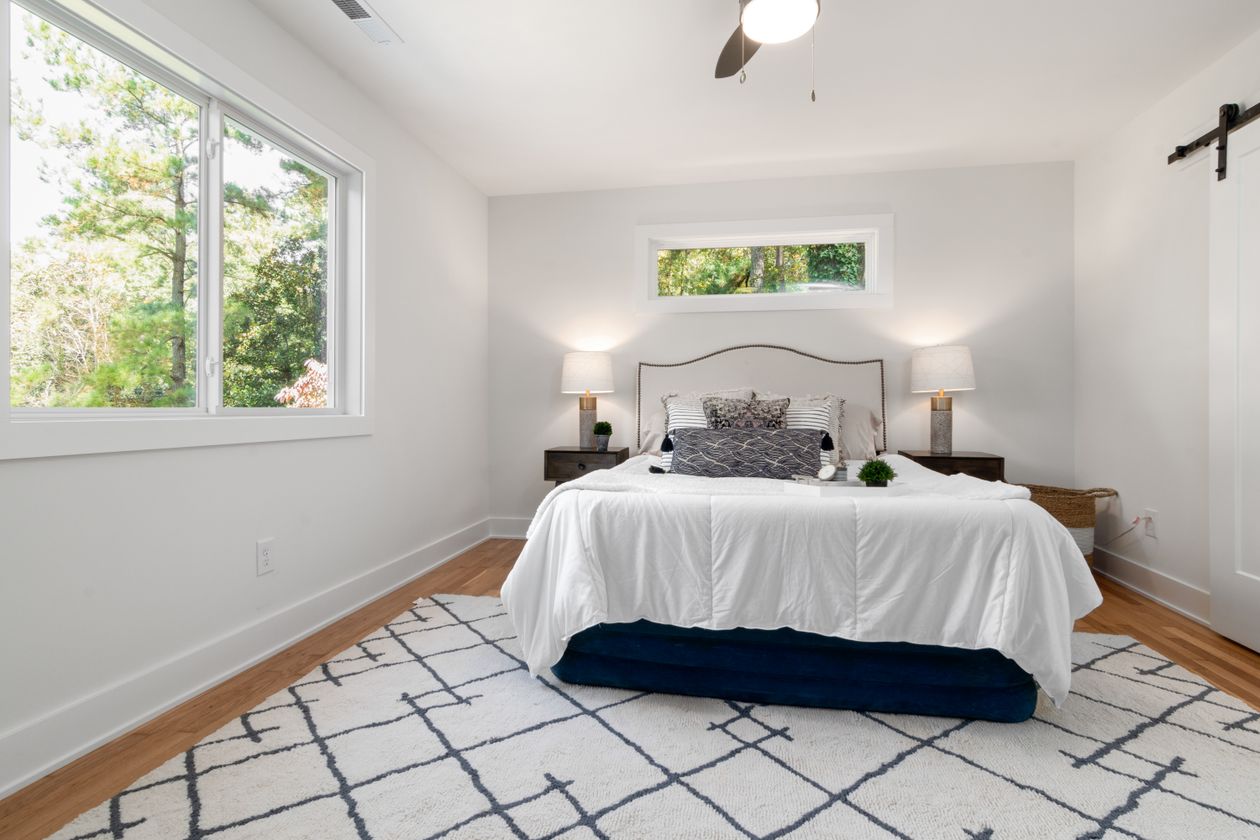
Photo via Pexels
Table of Contents
- 1. 9x12: The Sweet Spot
- 2. 8x10: The Small-Room Answer
- 3. 10x14 and Larger: For Grand Bedrooms
- 4. King vs. California King: Know Your Bed
- 5. The Two-Thirds Rule
- 6. Nightstands: On the Rug or Off?
- 7. Leave 18 to 24 Inches of Bare Floor
- 8. The Runner Trick: Two Rugs Instead of One
- 9. Match the Rug to the Room, Not Just the Bed
- 10. Go Low-Pile for Real Life
- 11. The Painter's Tape Test
- 12. Round Rugs: A Bold Move
1. 9x12: The Sweet Spot
A 9x12 rug under a king bed gives you roughly two feet of rug on each side and at the foot, which is exactly the soft landing your feet want every morning. It is big enough to anchor the bed, the nightstands, and even a bench without swallowing the room.
This size works in most master bedrooms and is widely stocked, so you will find the most styles and the best prices here. When in doubt, 9x12 is the answer.
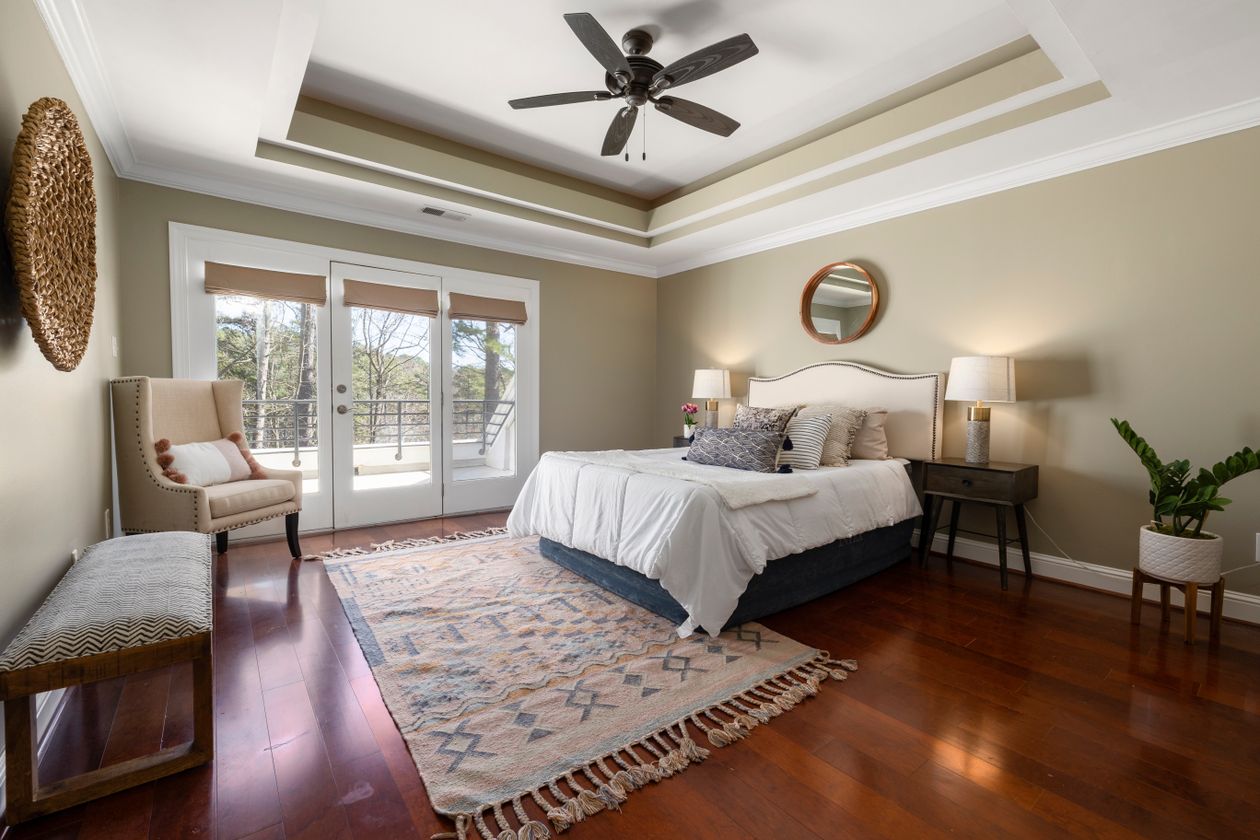
Photo via Pexels
2. 8x10: The Small-Room Answer
If your bedroom is around 10x12 feet, a 9x12 would leave almost no bare floor showing, and the room would feel cramped. An 8x10 is the right compromise: still generous beside the bed, but with breathing room at the edges.
Place it so it starts about a third of the way down from the headboard. That way the visible rug frames the foot and sides of the bed, where you actually see and feel it.
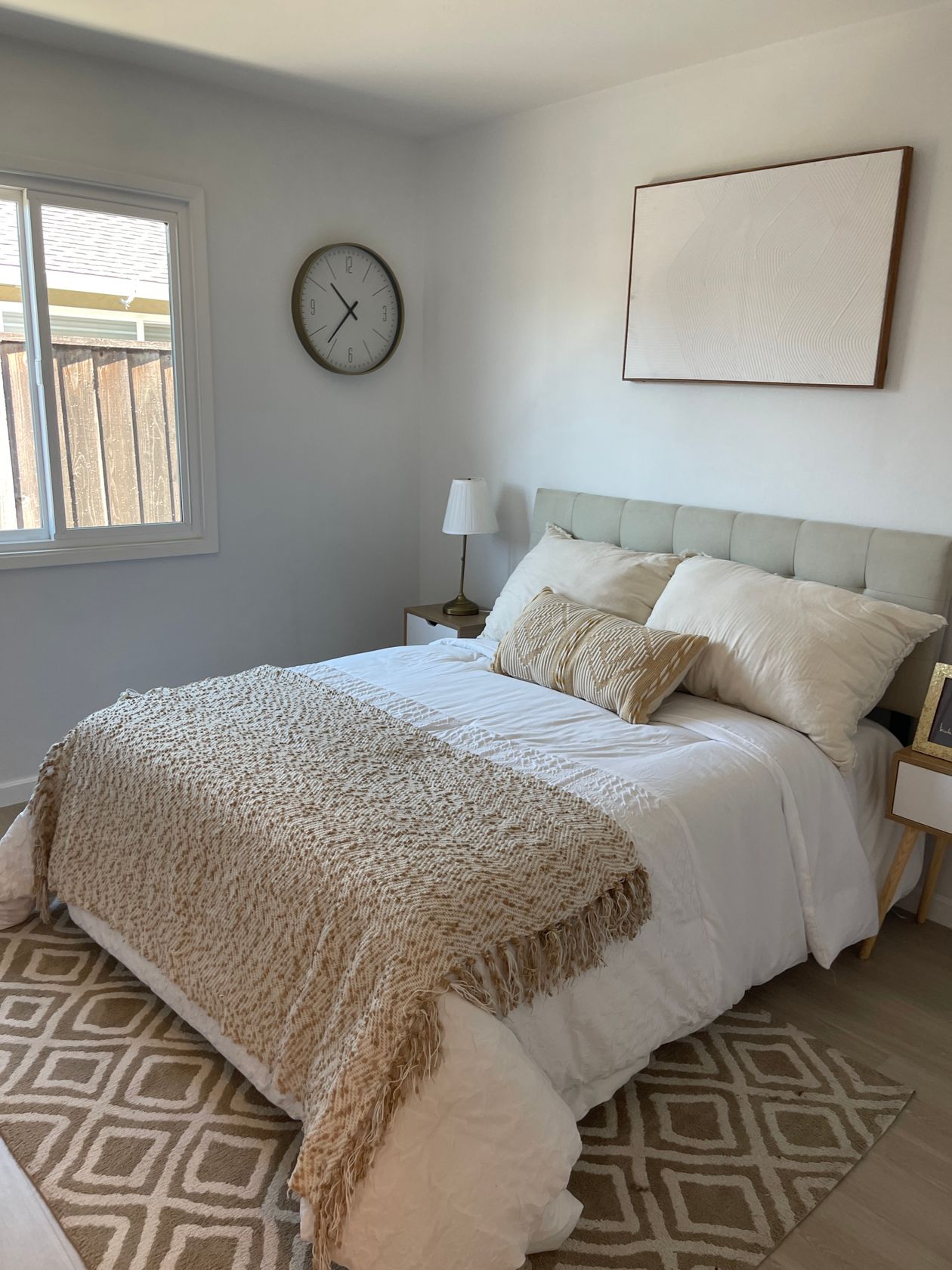
Photo via Pexels
3. 10x14 and Larger: For Grand Bedrooms
In a big master suite, a 9x12 can look oddly small, like a postage stamp under a large bed. Step up to 10x14 or even 12x15 so the rug holds its own against the scale of the room and any extra furniture.
Oversized rugs also let you float a seating area or a reading chair partly on the rug, which makes a large bedroom feel connected instead of empty. For more large-room inspiration, browse our mid-century modern bedroom ideas.
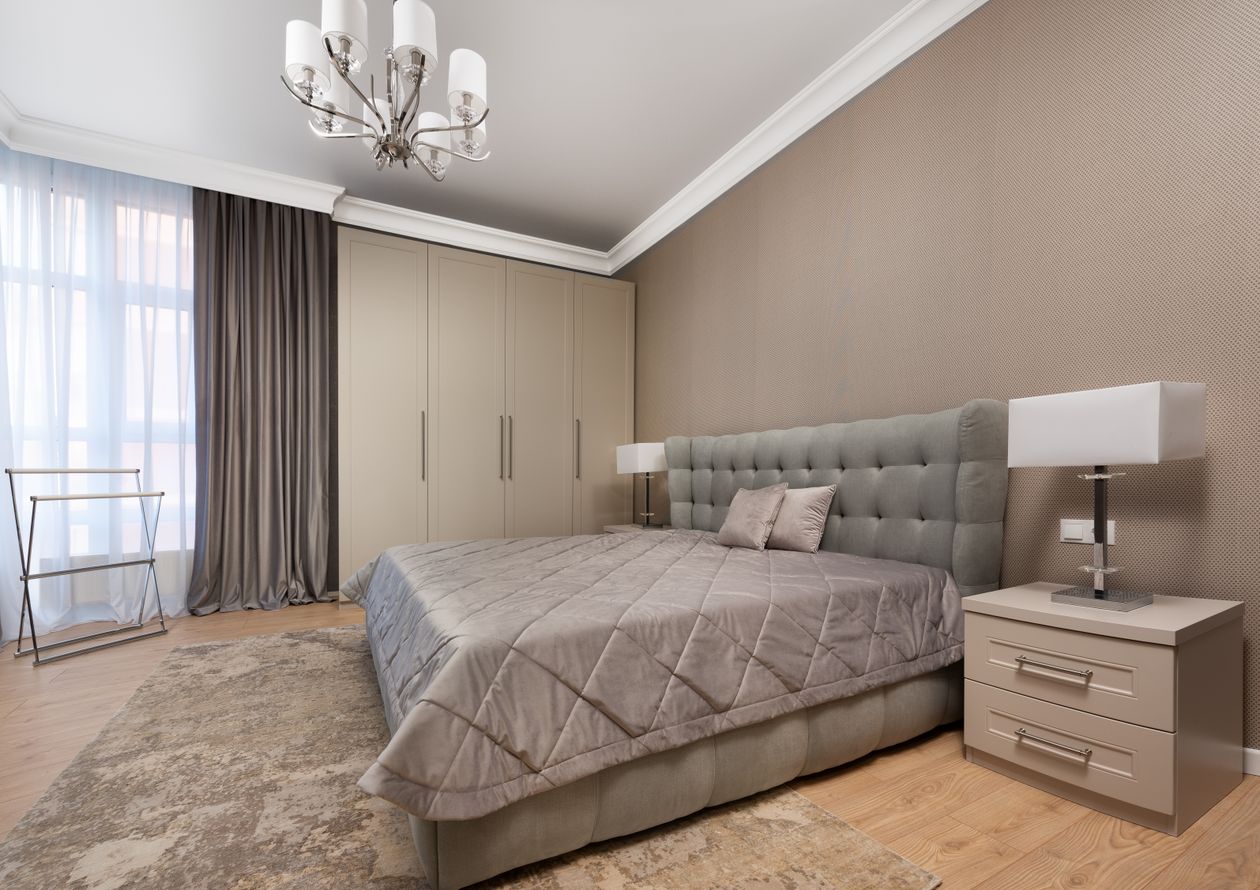
Photo via Pexels
4. King vs. California King: Know Your Bed
A standard king is about 76 inches wide and 80 inches long, while a California king is narrower at 72 inches but four inches longer at 84. That extra length matters: a rug sized for a standard king can come up short at the foot of a Cal king.
Measure your actual bed frame, not just the mattress, since frames and footboards add inches. If you own a Cal king in a big room, lean toward 10x14 or 12x15.

Photo via Wikimedia Commons
5. The Two-Thirds Rule
You do not need the rug to start at the headboard. The classic placement slides the rug under the bottom two-thirds of the bed, so it begins somewhere around the nightstands and extends well past the foot.
This trick saves you from paying for rug that hides entirely under the bed, and it leaves the headboard wall feeling grounded. It also makes the rug easier to center, since you are aligning it with the visible part of the bed.
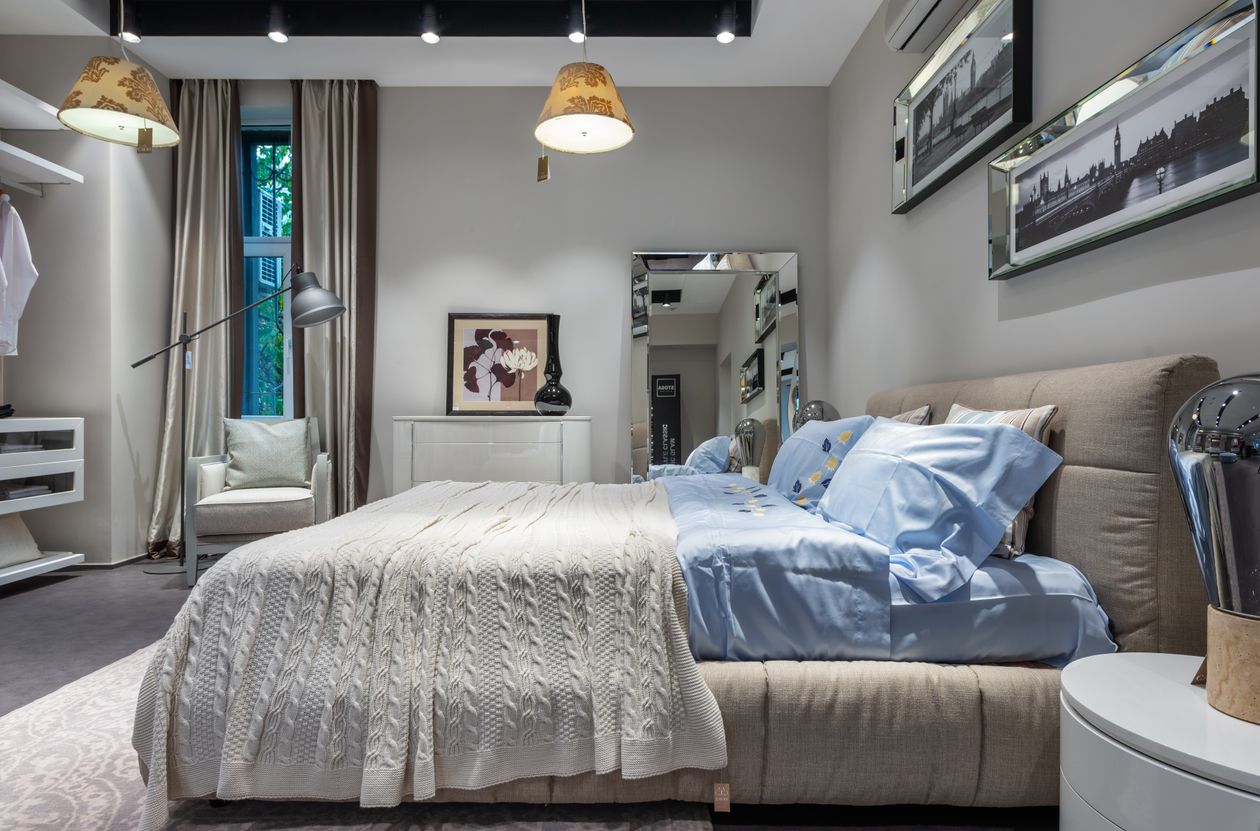
Photo via Pexels
6. Nightstands: On the Rug or Off?
Both work, so choose based on your rug size. With a 9x12 or larger, let the front legs of the nightstands rest on the rug; it locks the whole sleep zone together. With an 8x10 in a tight room, keep nightstands off and let the rug start just in front of them.
What looks wrong is a nightstand straddling the rug's edge at an angle, wobbling on the border. Pick on or off and commit. A sturdy bedside chest sits happily either way as long as it is level.
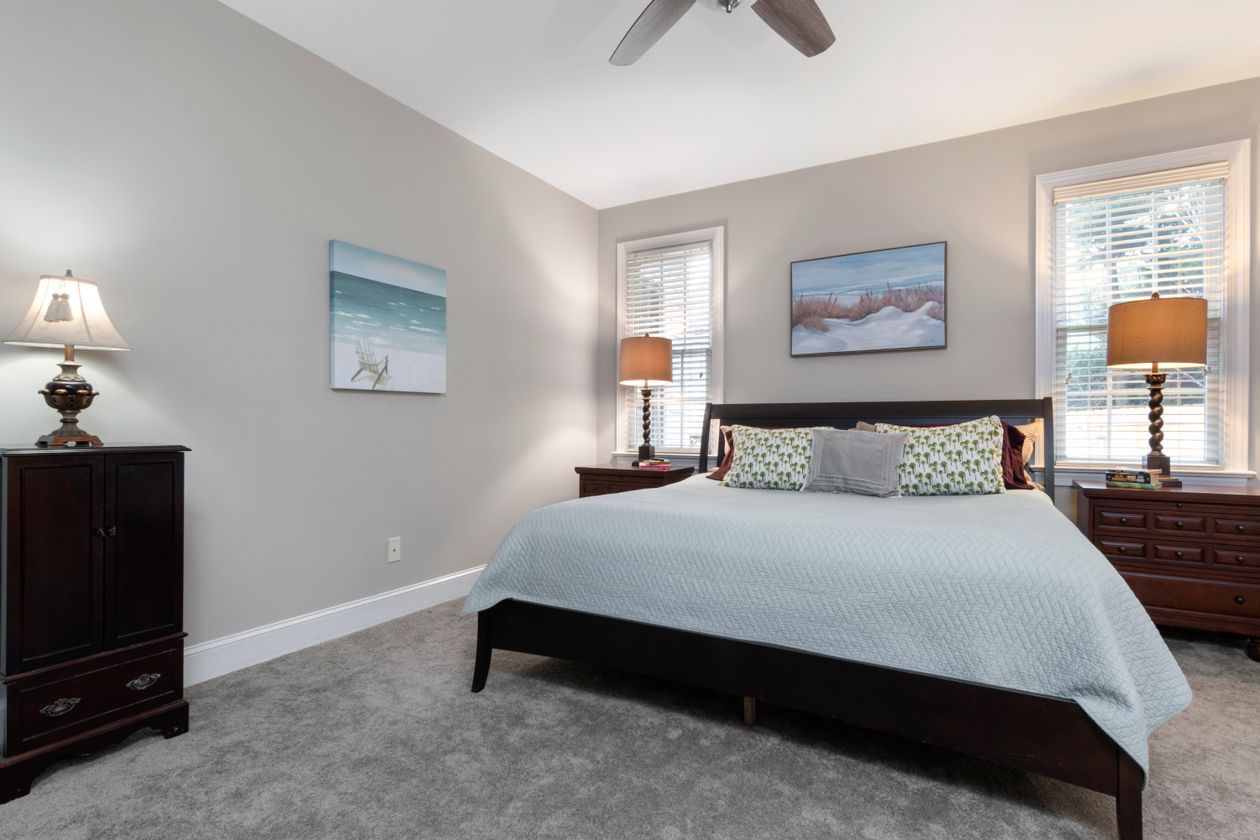
Photo via Pexels
7. Leave 18 to 24 Inches of Bare Floor
The rug should extend 18 to 24 inches beyond the sides and foot of the bed. Less than that and your feet land half on rug, half on cold floor; more than that in a small room and the rug crowds the walls.
Equally important, leave 10 to 20 inches of bare floor between the rug's edge and the walls. That border of hard flooring is what makes the rug look like a deliberate layer rather than wall-to-wall carpet.
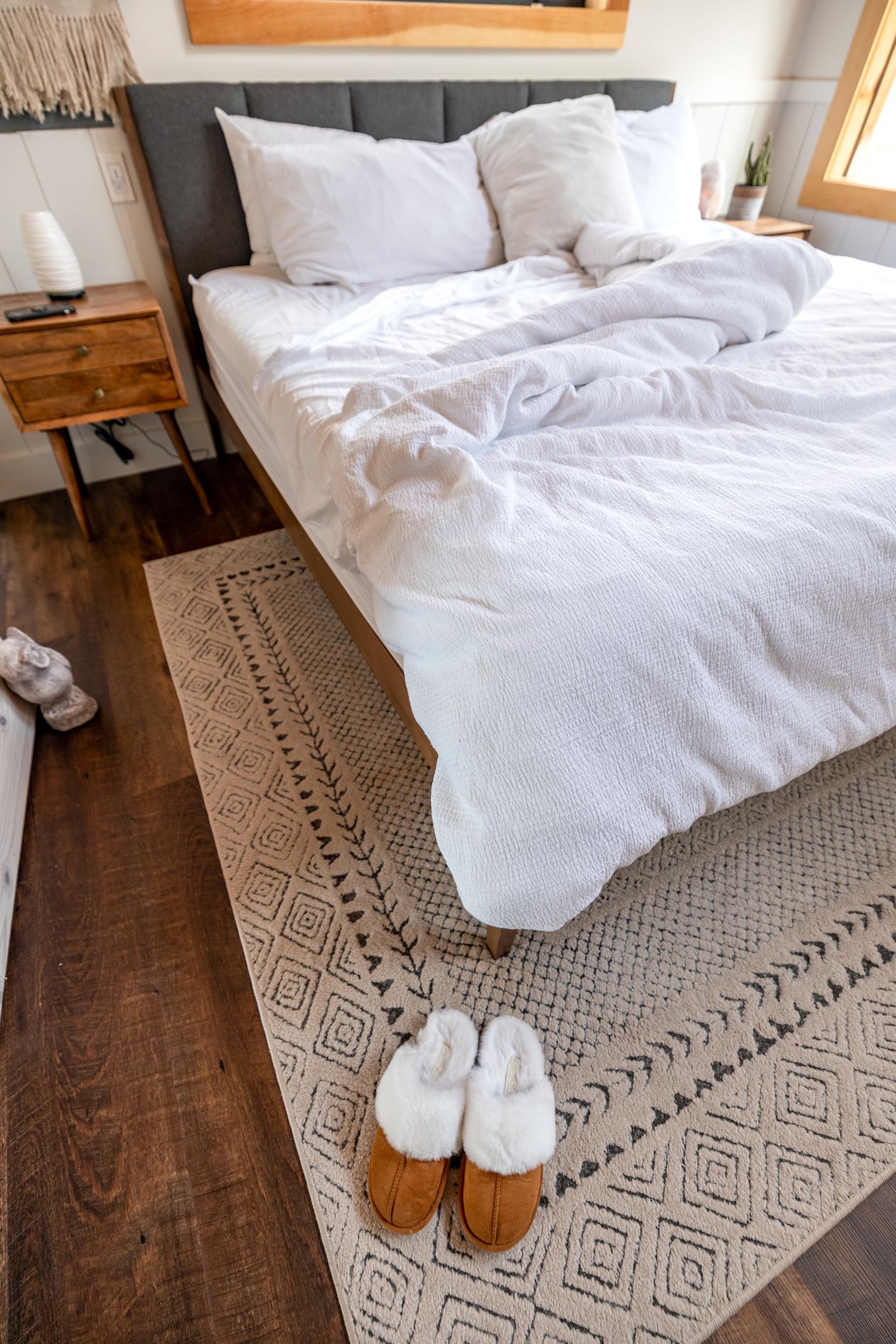
Photo via Pexels
8. The Runner Trick: Two Rugs Instead of One
Not ready to commit to a giant rug? Place a runner on each side of the bed instead. You get the soft landing where it matters, spend far less, and gain flexibility if you rearrange the room later.
Choose runners at least 30 inches wide and long enough to run most of the bed's length. Add a third small rug at the foot if the floor there feels bare.
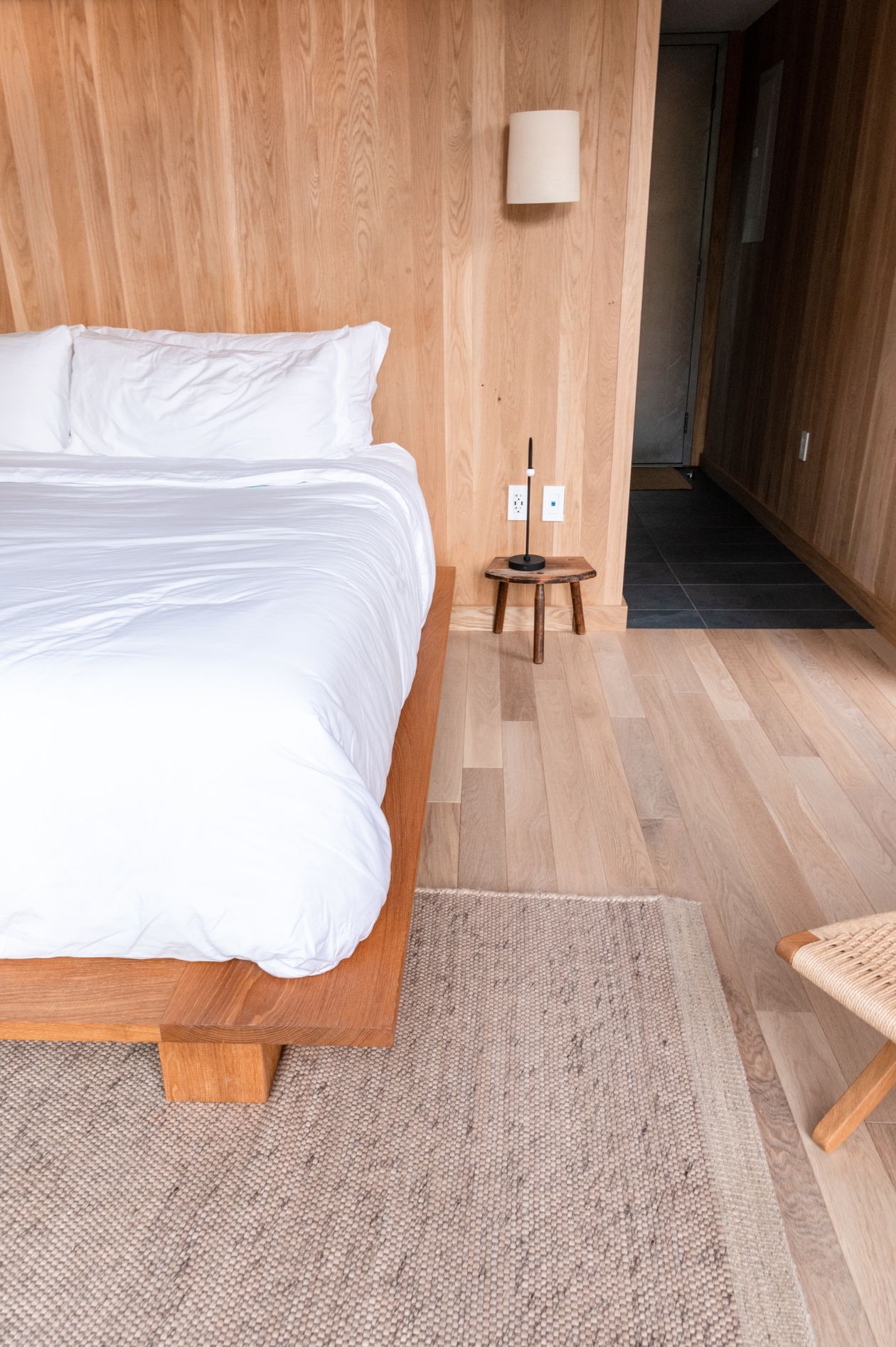
Photo via Pexels
9. Match the Rug to the Room, Not Just the Bed
A king bed in a 12x14 room and the same bed in a 16x20 room need different rugs. Always size for the room first: the rug should relate to the walls and doorways, with the bed simply sitting well inside it.
Watch the door swing too. An oversized rug that bunches under a bedroom door will drive you mad daily. If storage and layout are part of the puzzle, our bedroom design with wardrobe ideas can help you plan the whole footprint.
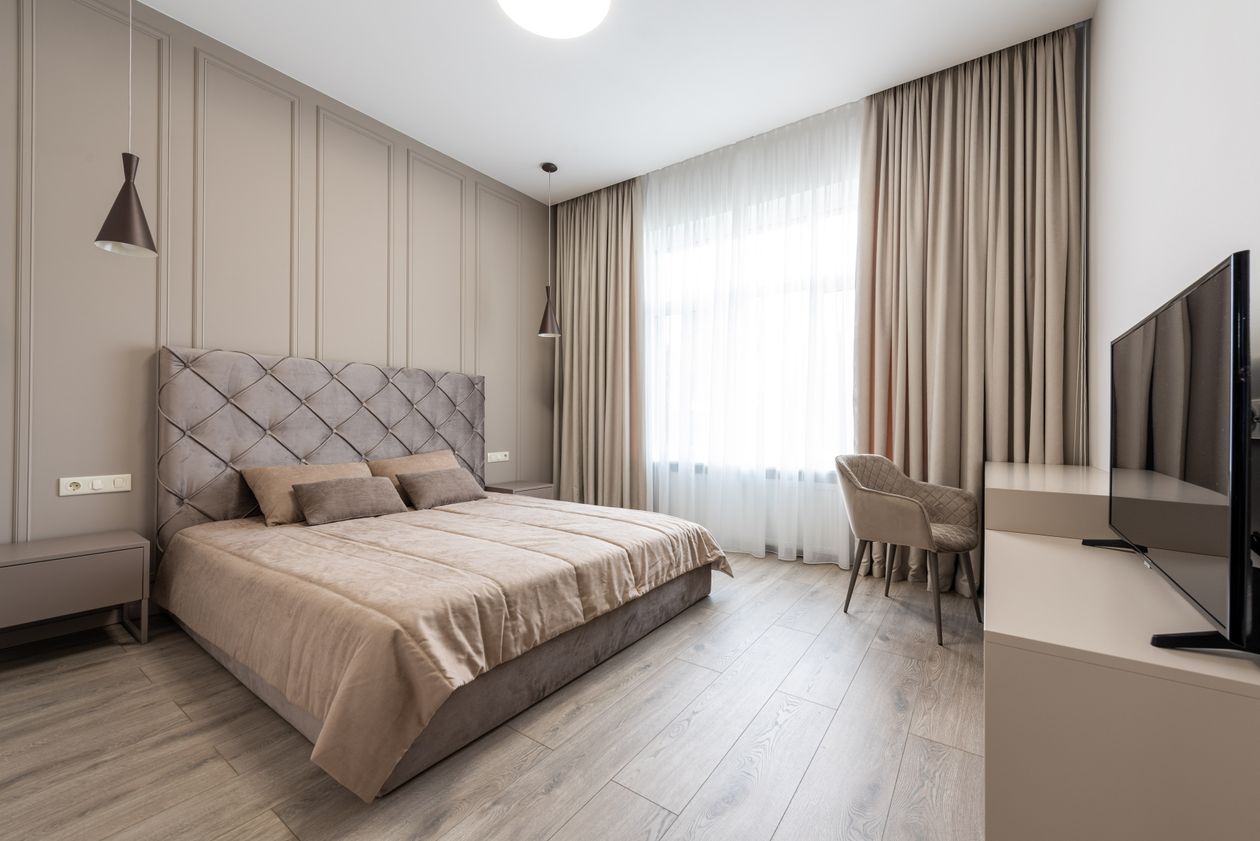
Photo via Pexels
10. Go Low-Pile for Real Life
Bedroom rugs take daily foot traffic in the same two spots, so choose a low-pile or flatweave rug that vacuums easily and does not trap dust. High, shaggy piles feel luxurious for a month and then show every footprint.
Low pile also slides under the bed frame without bunching and makes the room easier to keep allergy-friendly. Save the plush textures for a small accent rug you can shake out.
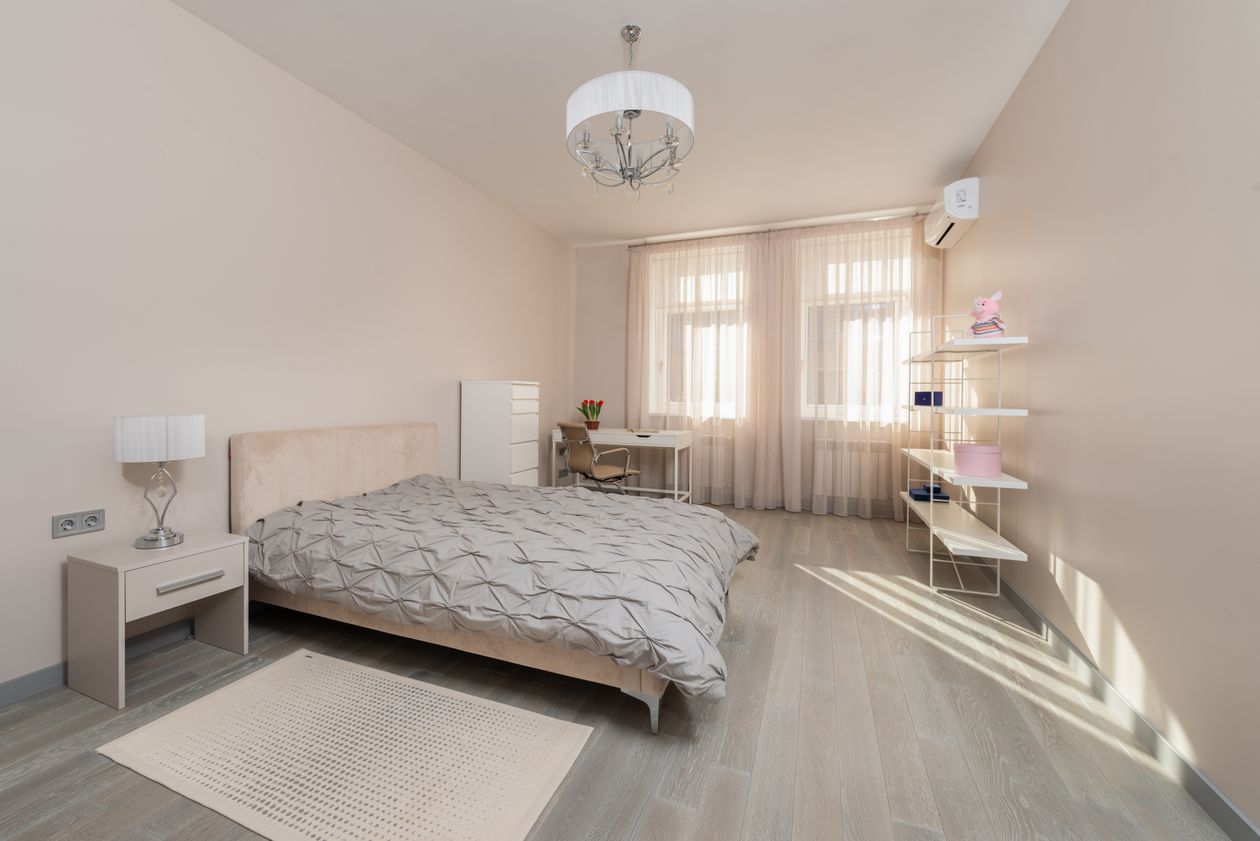
Photo via Pexels
11. The Painter's Tape Test
Before spending a dollar, outline your shortlisted rug size on the floor with painter's tape. Walk around it for a day, open the doors, and see how the size feels in real life.
This five-minute test prevents the most expensive mistake in rug shopping: guessing. Tape does not lie, and it has saved countless buyers from a rug that looked right online and wrong in the room.
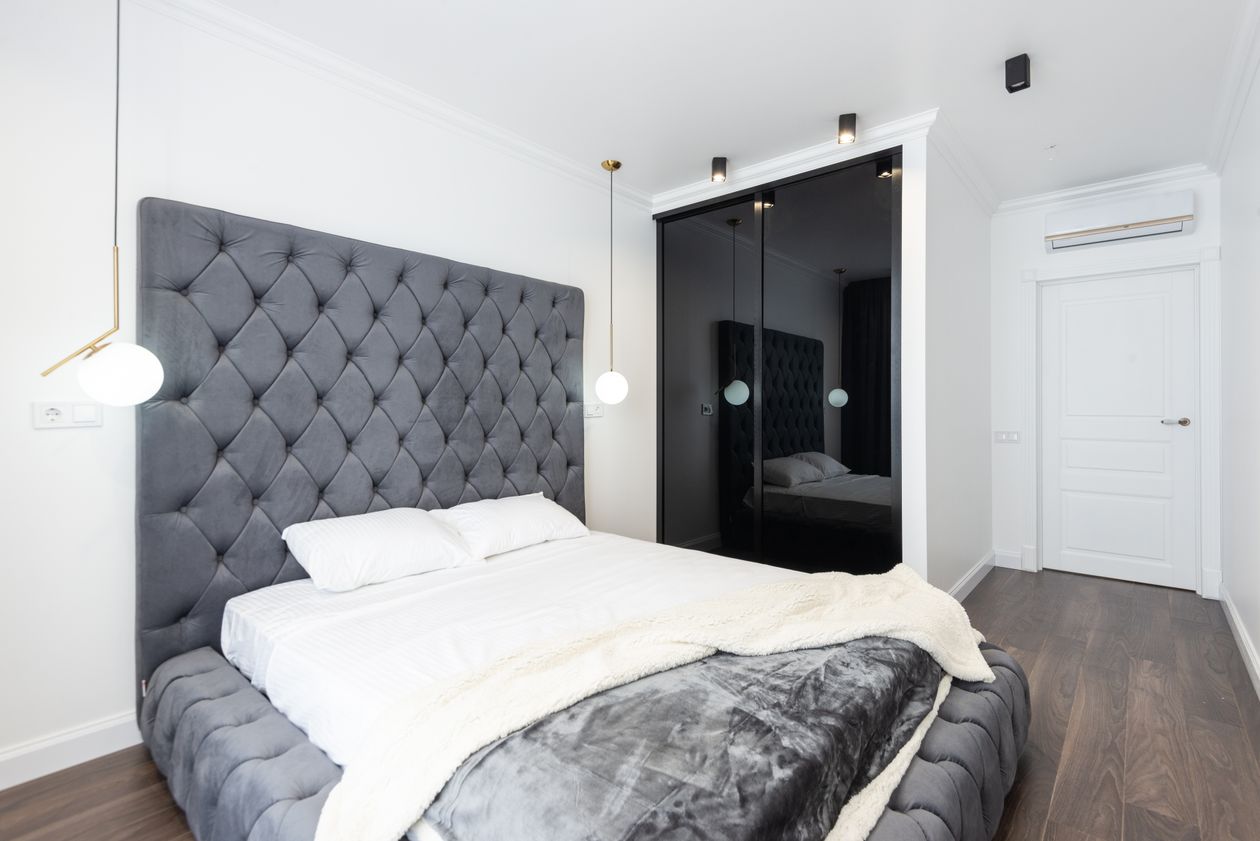
Photo via Pexels
12. Round Rugs: A Bold Move
A large round rug under a king bed is unconventional, but in the right room it softens all the rectangle edges and becomes a real talking point. It works best in square bedrooms where a round shape echoes the room's proportions.
Go big, at least 10 feet across, or the bed will swallow it visually. And pair it with curved furniture, like a luxury bed table with soft lines, so the round theme feels intentional.

Photo via Wikimedia Commons
What size rug for king bed works in a 10x12 room?
An 8x10 is your best bet. A 9x12 would leave almost no bare floor and make the room feel cramped.
Should the rug go under the whole king bed or just part of it?
Just the bottom two-thirds is the classic placement. It looks intentional and saves you from buying rug that hides under the bed.
How far should a rug extend past a king bed?
Aim for 18 to 24 inches beyond the sides and foot, with 10 to 20 inches of bare floor between the rug and the walls.
Can I put nightstands on the rug?
Yes, if the rug is 9x12 or larger. With an 8x10 in a small room, keep them off the rug and start the rug just in front of them.
Is 8x10 too small for a king bed?
Not in a small bedroom. It is the minimum sensible size; anything smaller, like a 5x8, will look lost under a king.
Final Thoughts
For most king bedrooms, a 9x12 rug placed under the bottom two-thirds of the bed is the sweet spot. It gives you soft landings, balanced proportions, and room for nightstands without overwhelming the space.
Small room? Drop to 8x10. Grand suite? Go 10x14 or larger. And when in doubt, outline it in painter's tape first. The right size makes the bed look like it belongs, and the whole room calmer for it.
Sources
- Rug Gallery: Perfect Rug Size for King Bed
- Vocal Media: What Size Rug Is Best for a King Bed
- Decosurfaces: How to Choose the Perfect Area Rug Size for Your Bedroom
Gallery
Photo via Pexels
Photo via Pexels
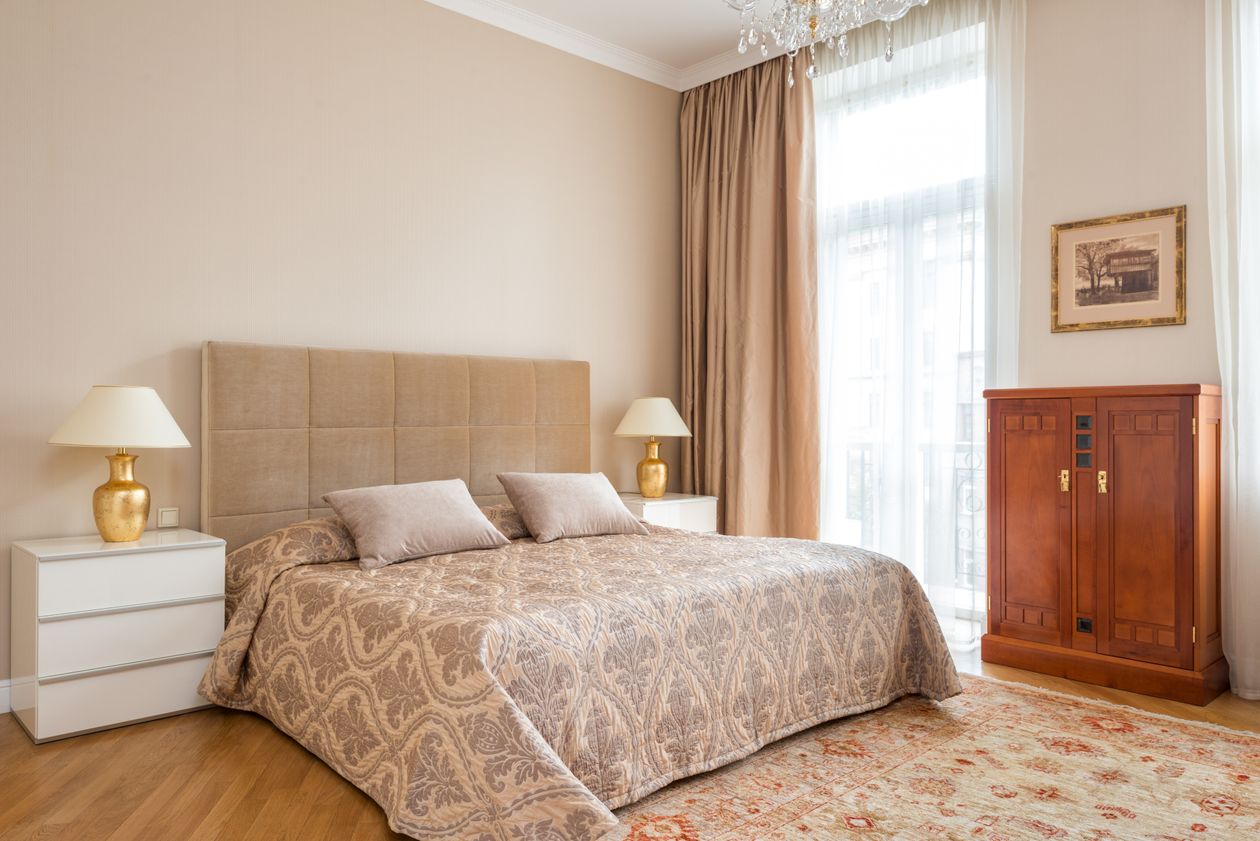
Photo via Pexels

No comments:
Post a Comment