Benches bring a relaxed, gather-round feel to a dining room, and they are brilliant for squeezing in extra guests. But learning how to pair dining chairs with benches takes a little planning: the heights must match, the lengths must work, and the styles should look like they chose each other.
The twelve ideas below cover the classic bench-on-one-side layout, comfort upgrades, sizing rules, and styling tricks. Whether your room is farmhouse, modern, or somewhere in between, you will find a combination that fits.
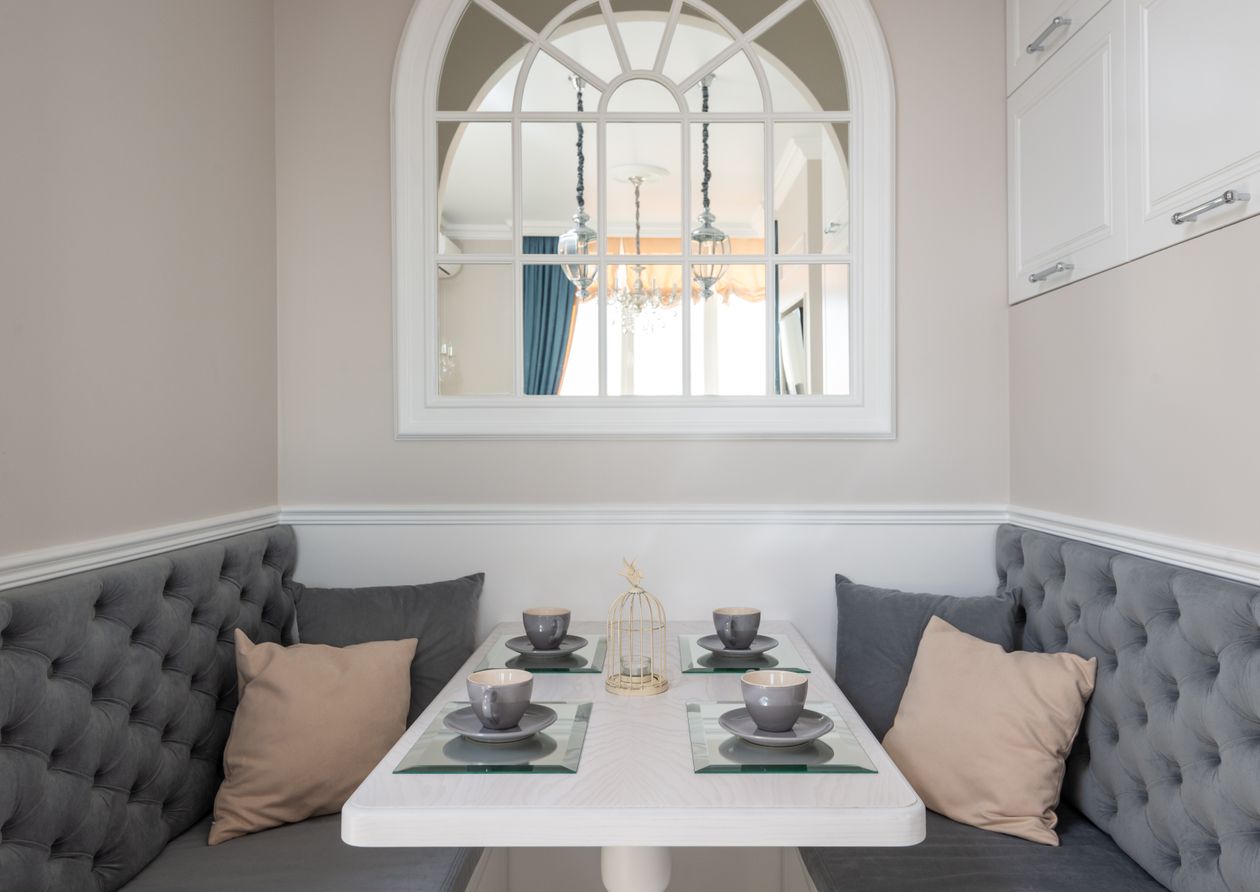
Photo via Pexels
Table of Contents
- 1. Start With the Classic: Bench One Side, Chairs the Other
- 2. Match the Seat Heights
- 3. Keep the Bench Slightly Shorter Than the Table
- 4. Cushion the Bench for Long Dinners
- 5. Try Two Benches With Two Head Chairs
- 6. Mix Materials on Purpose
- 7. Backless Benches Belong Against Walls
- 8. Use a Storage Bench in Small Rooms
- 9. Repeat One Element to Tie It Together
- 10. Give the Kids the Bench Side
- 11. Yes, Benches Work With Round Tables
- 12. Style the Bench Like a Sofa
1. Start With the Classic: Bench One Side, Chairs the Other
The most reliable layout puts a bench along one long side of the table and chairs on the other. It balances the room visually and gives you the best of both worlds: structured seats on one side, flexible squeeze-in seating on the other.
This arrangement also keeps the walkway clear on the chair side, which matters in narrow dining rooms. Slide the bench fully under the table when it is not in use and the room opens right up.
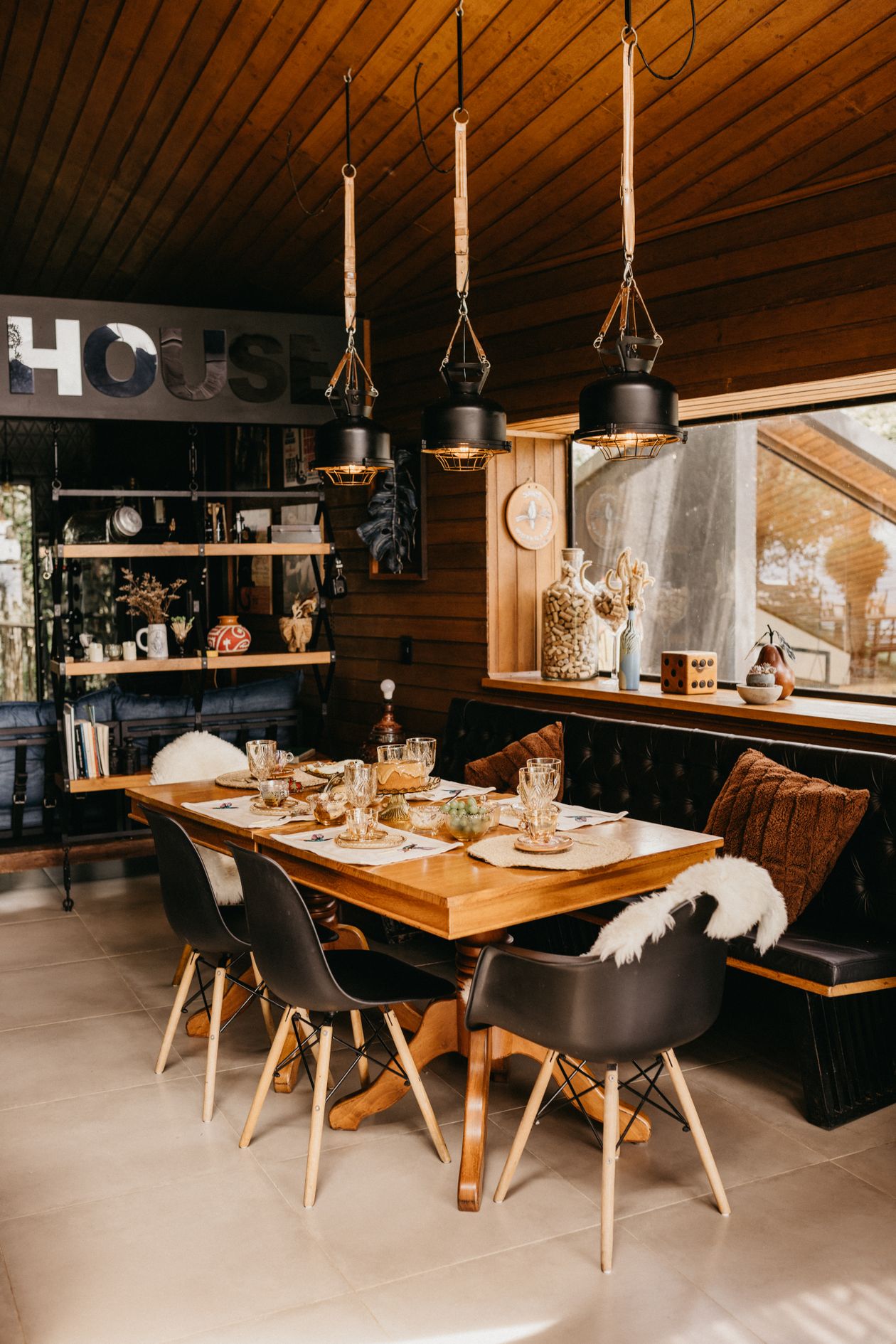
Photo via Pexels
2. Match the Seat Heights
Chairs and benches must share the same seat height, usually 17 to 19 inches for a standard 28 to 30 inch table. Even a one-inch difference is visible and makes the lower side feel like the kids' table.
Measure both pieces before buying, since bench heights vary more than chair heights. If you are adding a cushion to the bench, measure with the cushion on.
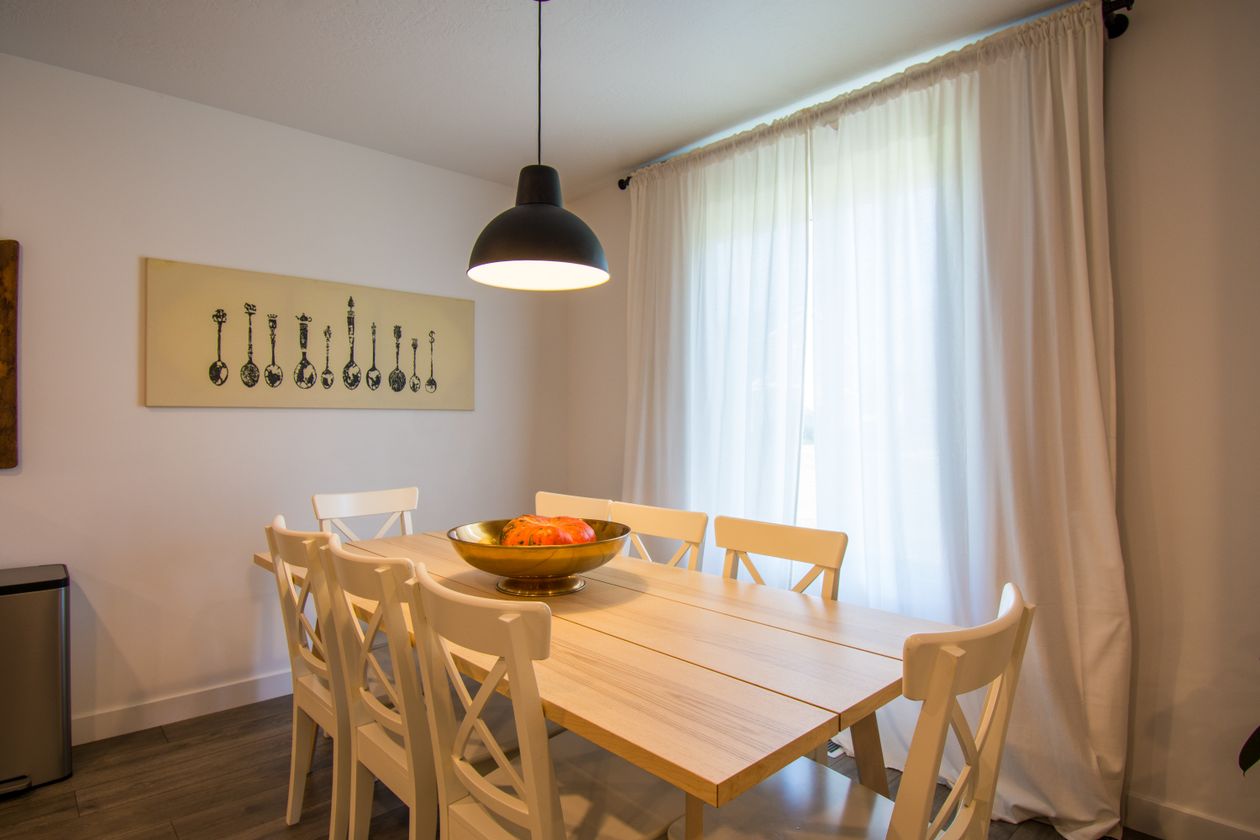
Photo via Pexels
3. Keep the Bench Slightly Shorter Than the Table
A bench that runs the full length of the table crowds the corners and blocks chairs at the heads. Aim for a bench about 6 to 12 inches shorter than the table edge it sits along, so it tucks neatly underneath.
For a 72-inch table, a 60 to 66-inch bench is the sweet spot. This also leaves room for a chair at each end without anyone's elbows colliding.

Photo via Wikimedia Commons
4. Cushion the Bench for Long Dinners
The number one complaint about dining benches is comfort, and the fix is simple: a proper cushion. Plan for 3 to 4 inches of high-density foam with a tailored cover cut to the exact bench length.
Thin pads turn a bench into a perch that guests escape after thirty minutes. A real cushion, like the tufted ones in this breakfast nook, makes the bench a seat people fight over.

Photo via Wikimedia Commons
5. Try Two Benches With Two Head Chairs
For a long table, flank both sides with benches and put proper dining chairs at the two ends. The heads of the table get back support and a sense of occasion, while the benches keep the long sides casual and flexible.
This setup shines at holidays: the benches absorb extra cousins while the end chairs stay reserved. Choose end chairs with a little more presence to anchor the composition.

Photo via Wikimedia Commons
6. Mix Materials on Purpose
A wood bench with metal chairs, or an upholstered bench with wooden chairs, looks deliberate when one material repeats. Pick a shared finish, a shared color, or a shared level of rusticity, and let the other elements contrast.
What looks accidental is mixing three unrelated materials with nothing in common. Two materials with a clear relationship, like the black chairs and warm wood in this distressed dining table setting, always reads as a choice.
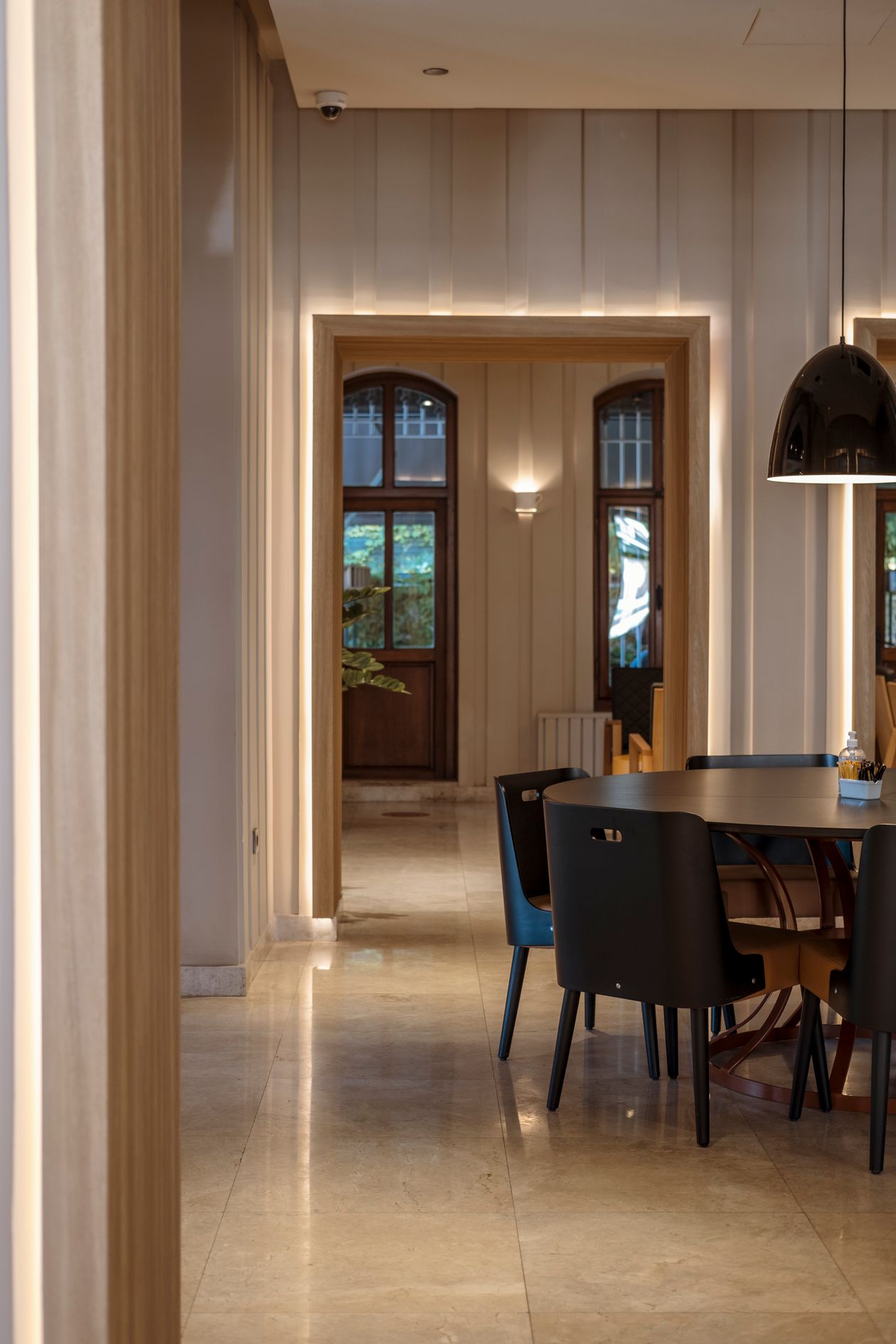
Photo via Pexels
7. Backless Benches Belong Against Walls
Backless benches are the easiest to tuck under a table, but sitters need something to lean on. Place a backless bench against a wall so the wall becomes the backrest, and add a couple of throw pillows for comfort and color.
If the bench floats in the middle of the room, choose one with a back instead. Guests should never feel like they might topple backward mid-meal.
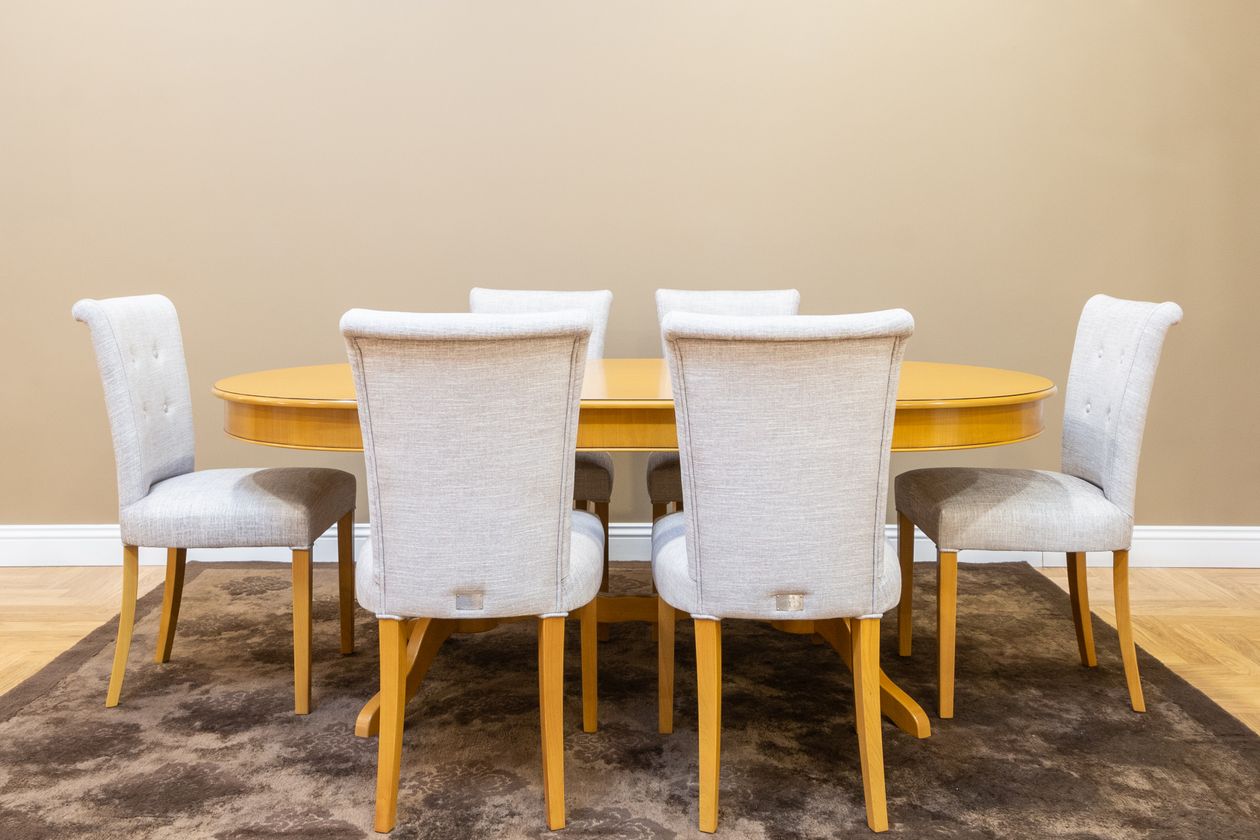
Photo via Pexels
8. Use a Storage Bench in Small Rooms
In a small dining room, make the bench earn its footprint. A storage bench with a lift-up seat or cubbies underneath swallows table linens, placemats, and the board games nobody wants to store elsewhere.
Pair it with a white oak table and the whole corner stays light and uncluttered. Hidden storage is the difference between a tidy nook and a crowded one.
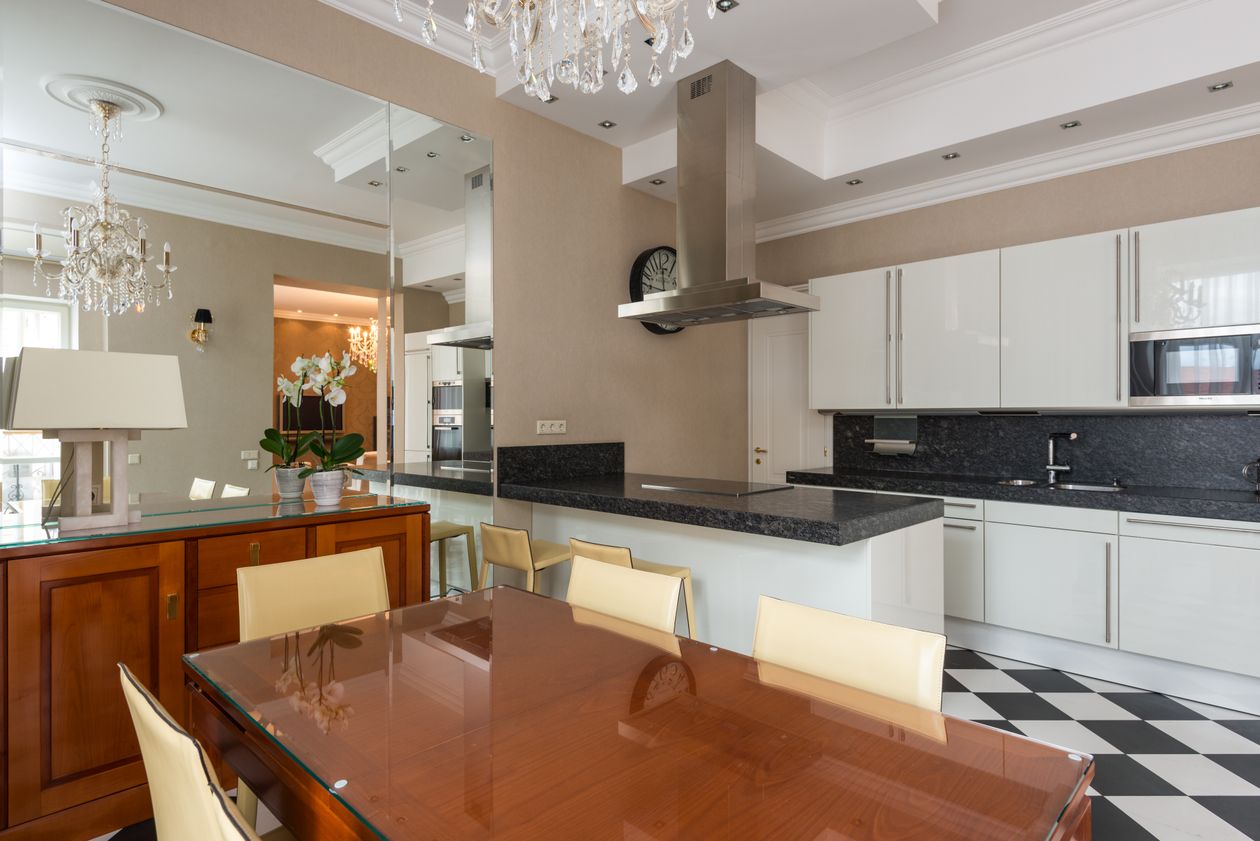
Photo via Pexels
9. Repeat One Element to Tie It Together
The secret to a mixed set that looks designed rather than collected is repetition. Repeat the wood tone, the fabric, or the leg style between the bench and the chairs, and the eye reads the whole group as one set.
An artistic dining room can get away with more contrast, but even there, one repeated color keeps the mix from tipping into chaos. Start with the safest repeat: the same wood finish.
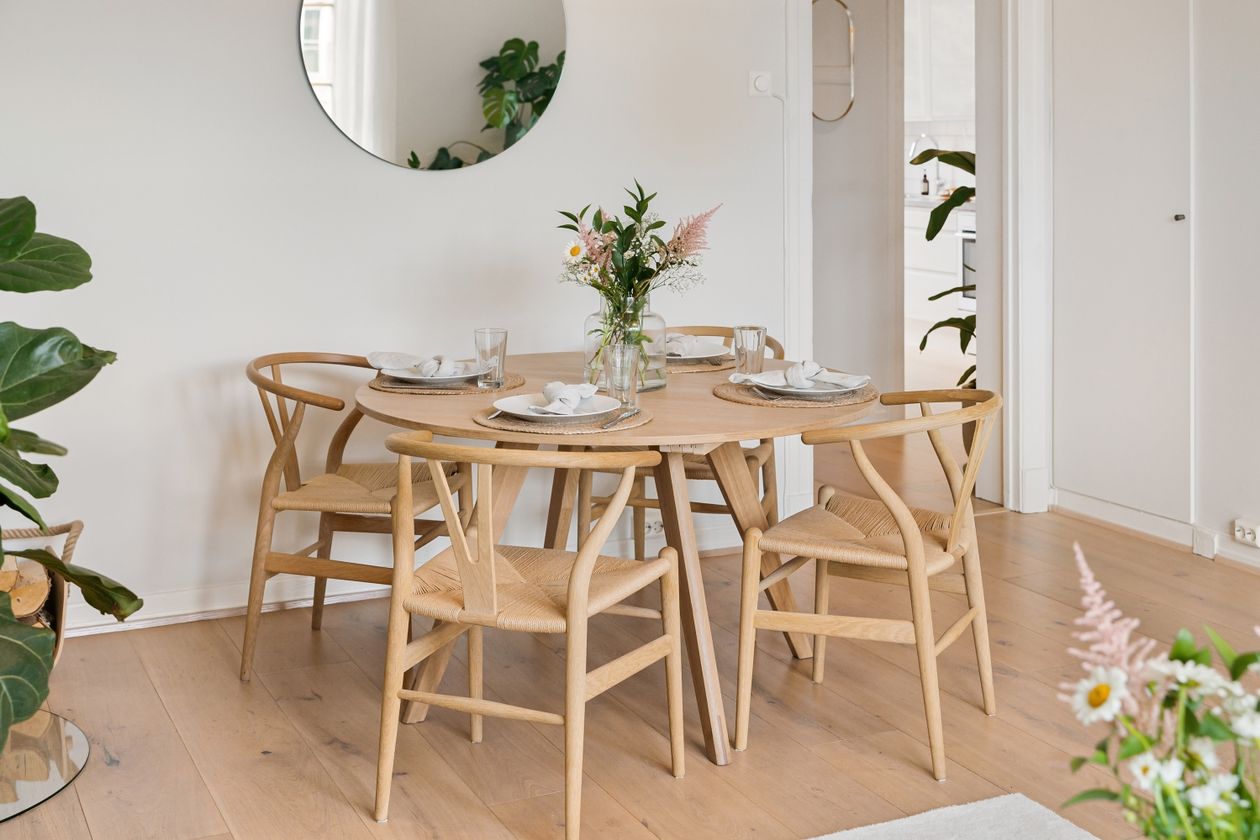
Photo via Pexels
10. Give the Kids the Bench Side
Parents on design forums swear by this trick: put the bench on the kids' side of the table. Children slide in and out without dragging chairs across the floor, and there are no chair legs to tip over during wiggly meals.
Choose a wipeable bench top or a machine-washable cushion cover, because the kids' side earns its messes. The adults keep their proper chairs and their dignity.
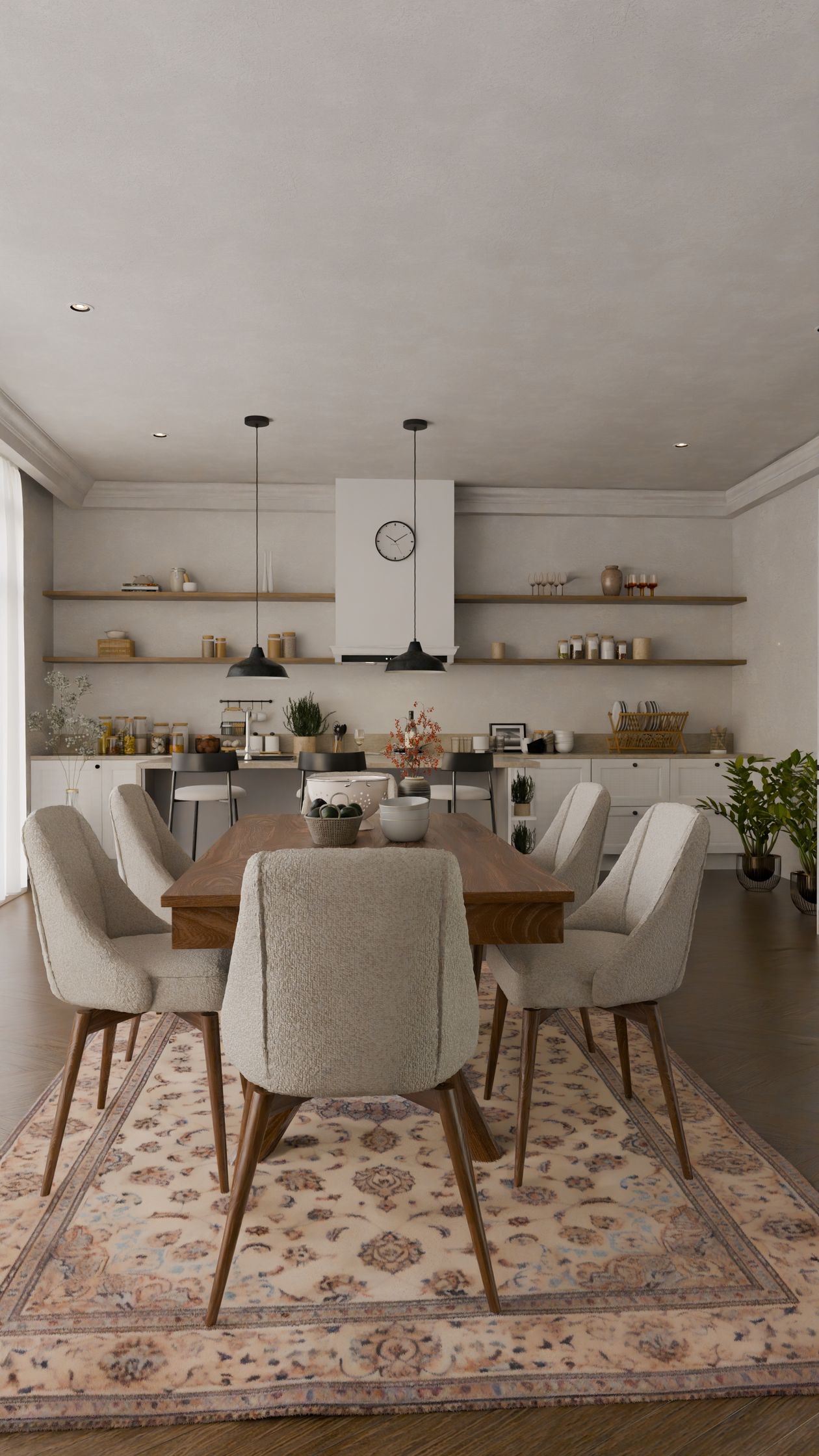
Photo via Pexels
11. Yes, Benches Work With Round Tables
A common forum question is whether a bench can pair with a round table at all. It can: use a short bench or a curved banquette on one arc of the circle, with chairs filling the rest. Keep the bench length under half the table's circumference.
A farmhouse entry table style bench in a weathered finish suits the casual spirit of a round table. Just confirm everyone can still pull the bench out without hitting a wall.
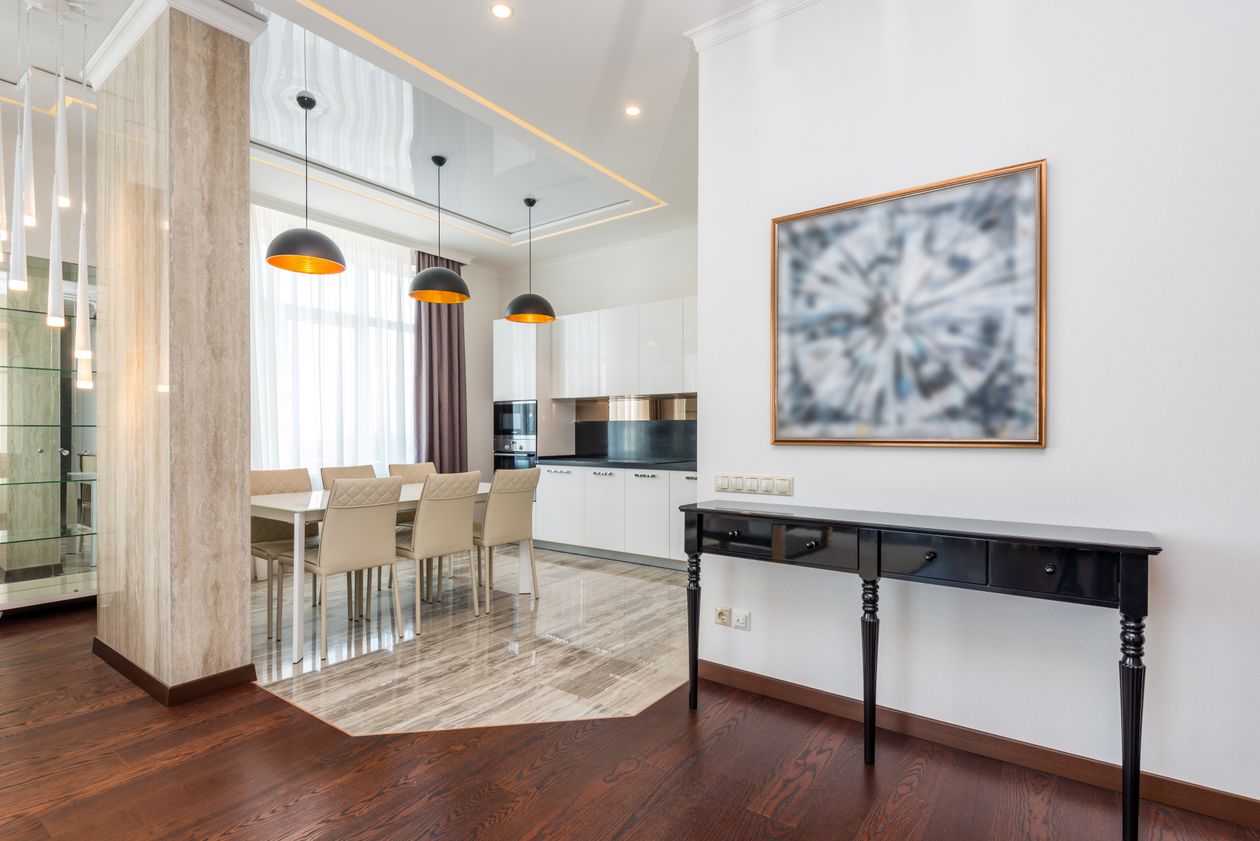
Photo via Pexels
12. Style the Bench Like a Sofa
A bare bench can look unfinished, so dress it the way you would a sofa: two or three throw pillows, a folded throw, or a slim runner down the seat. This is also the cheapest way to introduce pattern into the dining room.
Keep the styling slim enough that people can actually sit. Pillows should move to the end of the bench at mealtime, not pile up on the chairs.
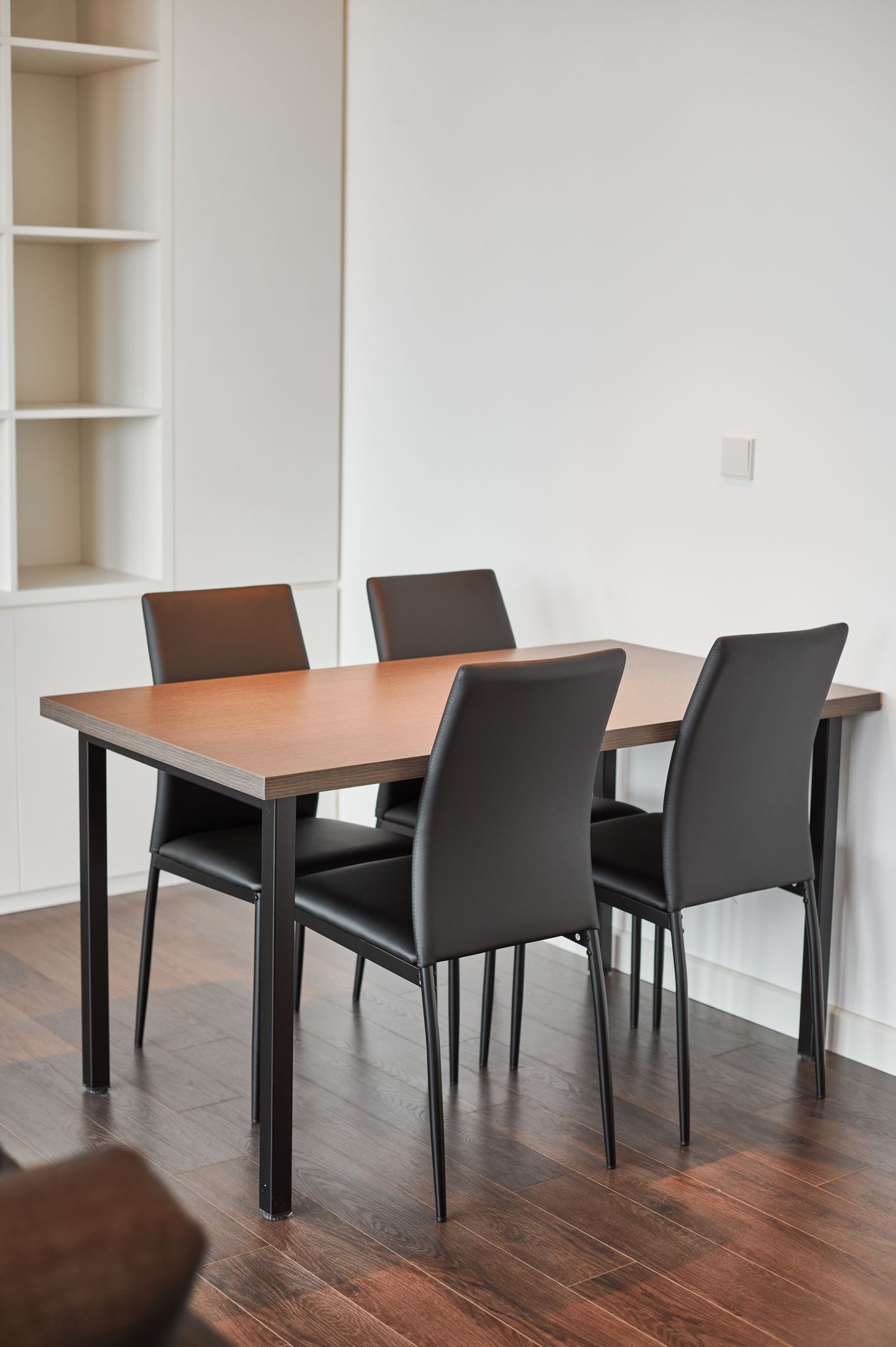
Photo via Pexels
Frequently Asked Questions
Are dining benches comfortable for long dinners?
They can be, with a 3 to 4 inch foam cushion and a wall or backrest to lean on. Without cushioning, most people get restless after about an hour.
What size bench do I need for a 72-inch table?
A 60 to 66-inch bench works best: slightly shorter than the table so it tucks underneath without crowding the corners.
Can I mix a bench with chairs in a different style?
Absolutely. Keep one element consistent, like the wood tone or a fabric color, and the mix will look intentional.
Bench or chairs for a small dining room?
A bench usually wins in small rooms because it slides under the table and seats more people per inch of floor space.
Should the bench match the dining table?
Matching is safe but not required. A bench in a complementary finish often looks more interesting than an exact match.
Final Thoughts
Benches and chairs are better together than either is alone: the bench brings flexibility and casual charm, the chairs bring structure and back support. Match the seat heights, size the bench a little shorter than the table, and repeat one material or color. That is the whole formula for a mixed set that looks like it was always meant to be.
Sources
- Posh Living Magazine: Dining Benches vs Dining Chairs
- Chairish Blog: How to Pick the Best Dining Bench for Your Table
Gallery

Photo via Wikimedia Commons

Photo via Wikimedia Commons
Photo via Pexels

No comments:
Post a Comment