Unlacquered brass hardware is the rare finish that looks better the more you use it. With no coating to seal the metal, it darkens and softens into a warm, lived-in patina that no factory finish can copy.
These 13 ideas cover where to use it, which styles to pick, and how the aging process actually works, so you can buy with confidence and enjoy every stage of the change.
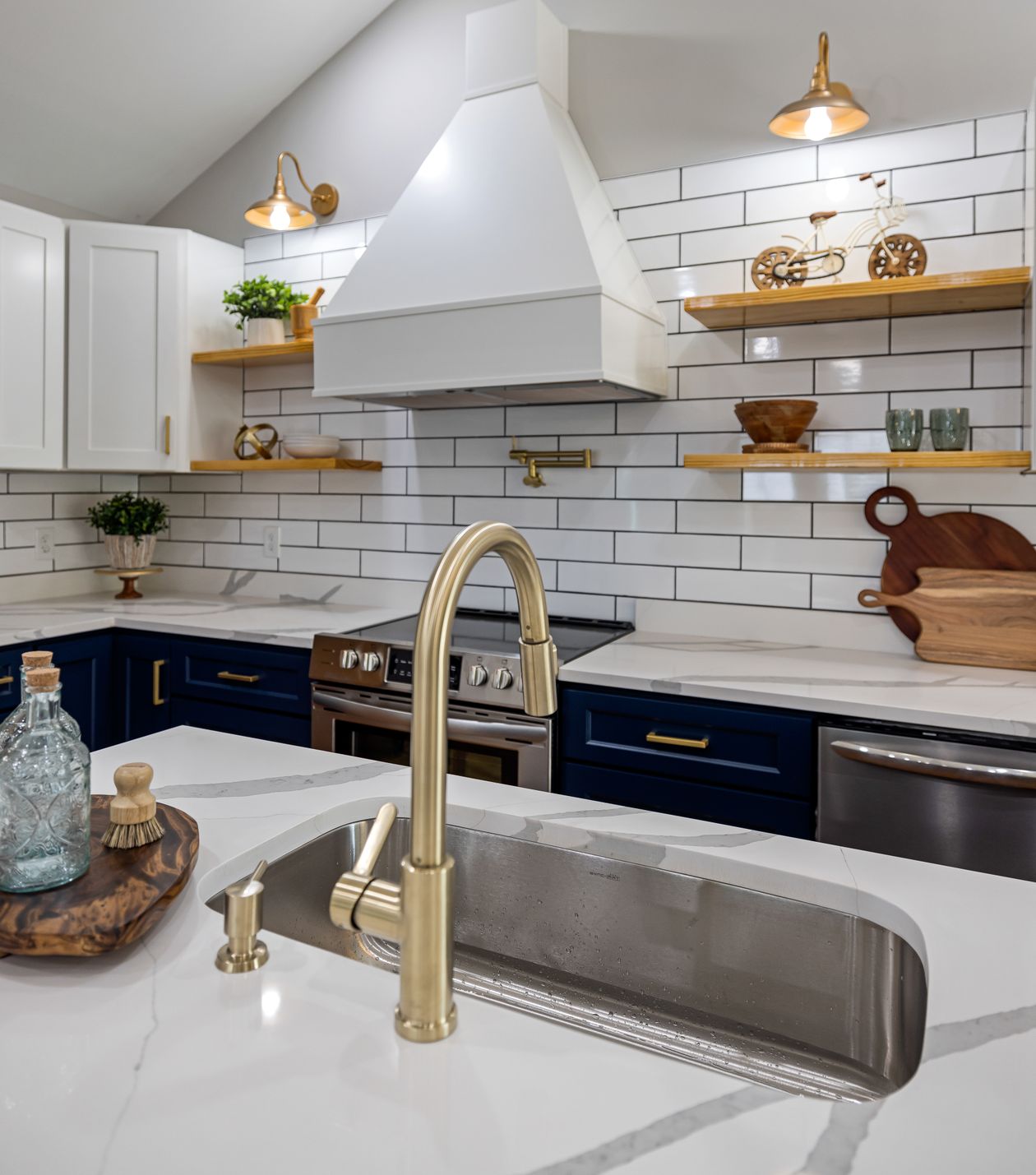
Photo via Pexels
Table of Contents
- 1. Start With the Faucet
- 2. Pick Drop Handles for Vintage Cabinets
- 3. Try Hammered Bar Pulls
- 4. Love the Patina, Don't Fight It
- 5. Mix Brass With Black
- 6. Use Cup Pulls on Drawers
- 7. Warm Up Wood Tones
- 8. Pair With Sage Green
- 9. Keep It Classic on Shaker
- 10. Go Rich on Dark Wood
- 11. Match the Pot Filler
- 12. Dress Up Glass-Front Uppers
- 13. Take It Outdoors With Care
1. Start With the Faucet
The faucet is the most-touched metal in the kitchen, so it shows the living finish fastest. An aged bronze or raw brass faucet will darken at the handle within weeks, giving you a preview of how the rest of the hardware will age.
Pair it with a simple soapstone or fireclay basin so the metal is the star. If you ever want it bright again, a quick polish with brass cleaner restores the shine in minutes.
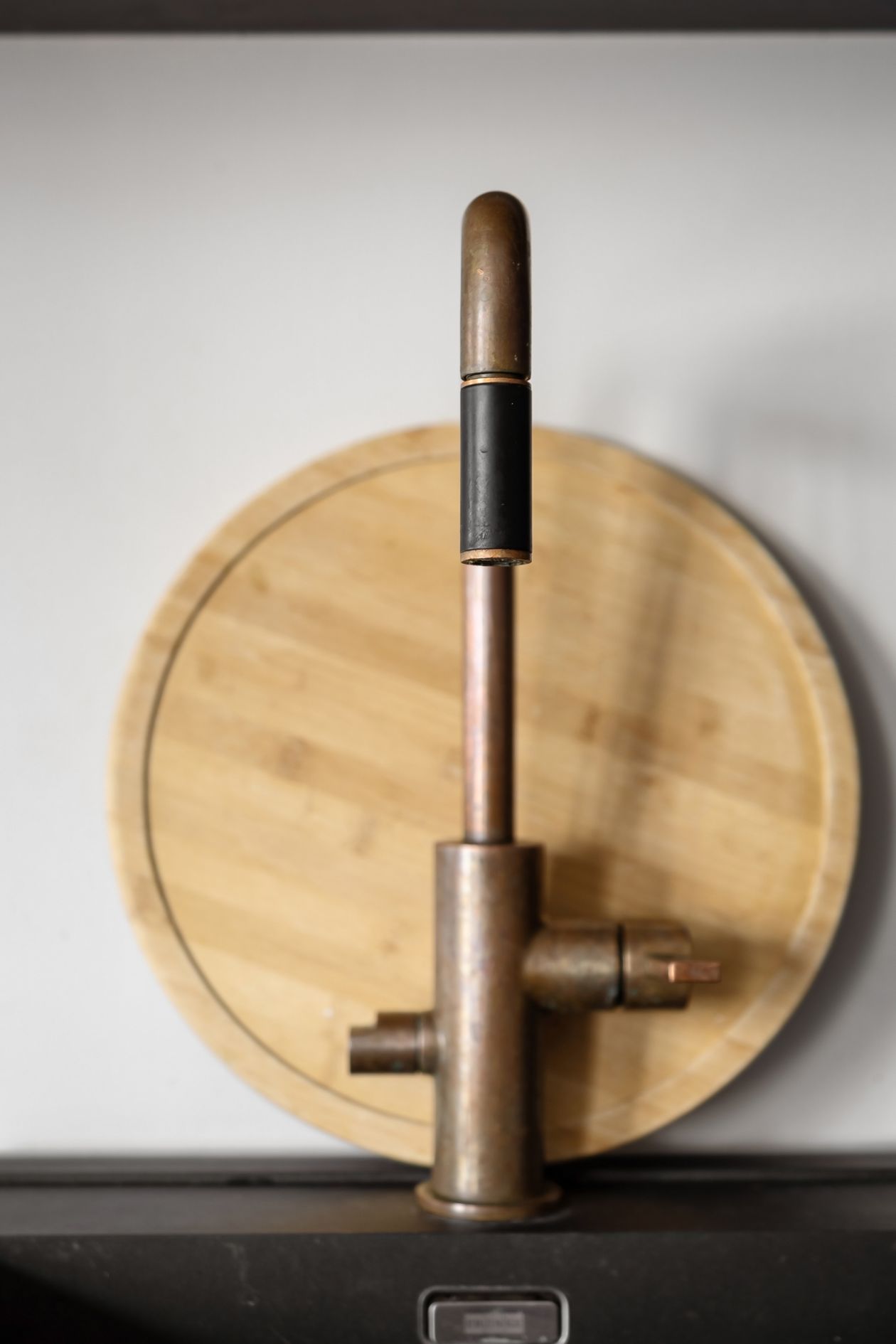
Photo via Pexels
2. Pick Drop Handles for Vintage Cabinets
Ornate drop handles with a bail pull instantly give plain cabinets an antique feel. The detailed casting catches light beautifully and looks right at home on furniture-style vanities and pantries.
Measure the existing holes before ordering, since vintage reproductions often use non-standard spacing. A cabinet hardware jig keeps every handle level across a long run of drawers.
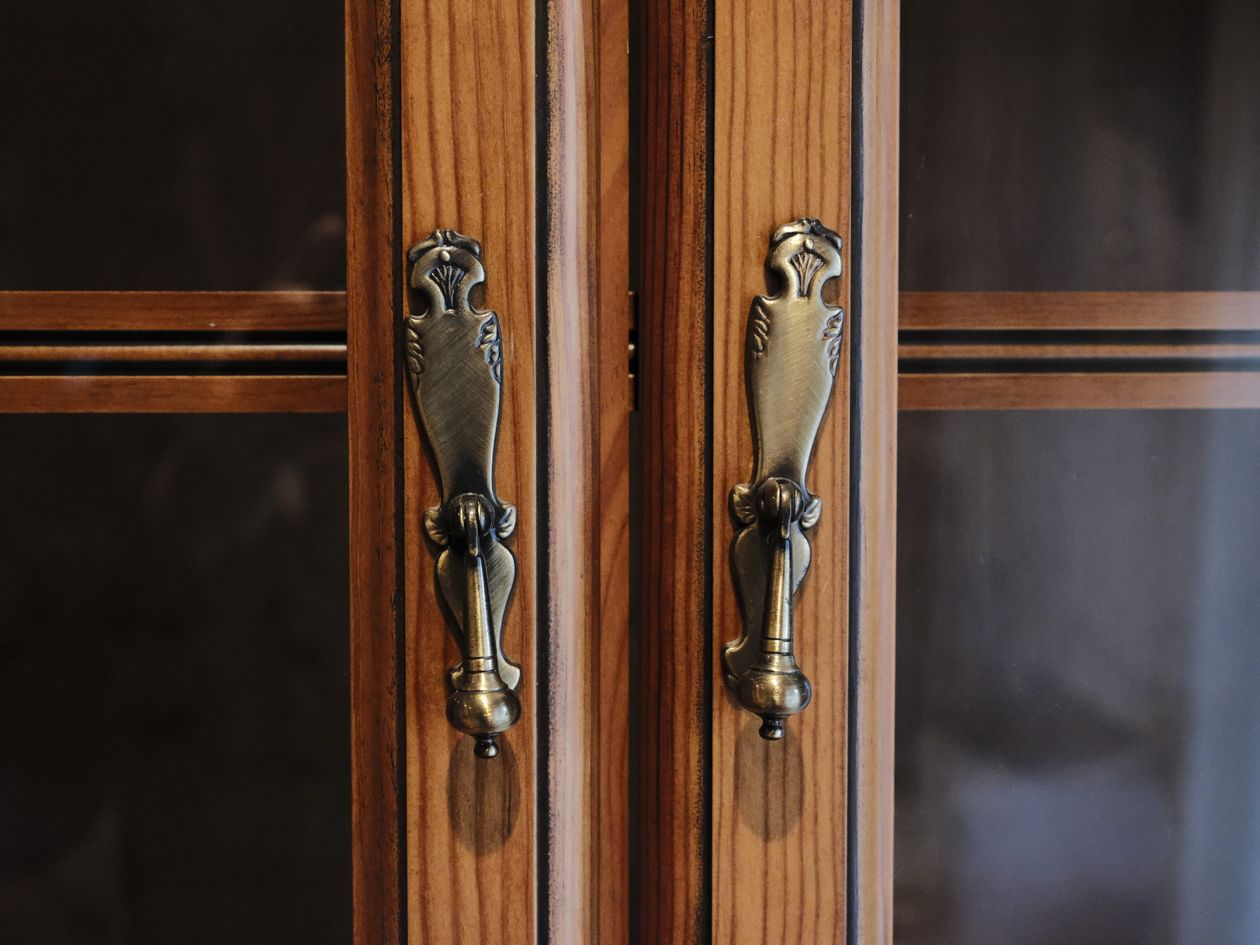
Photo via Pexels
3. Try Hammered Bar Pulls
Hammered texture adds a handcrafted note that flat, polished pulls cannot match. On white or cream cabinets, the dimpled surface catches light and shadow all day long.
Choose a pull length that suits the drawer: 5 to 6 inches for standard drawers, longer for wide pot drawers. Keep the projection slim so the pulls do not snag clothing in tight walkways. See more cabinet styles in our European style kitchen cabinets guide.
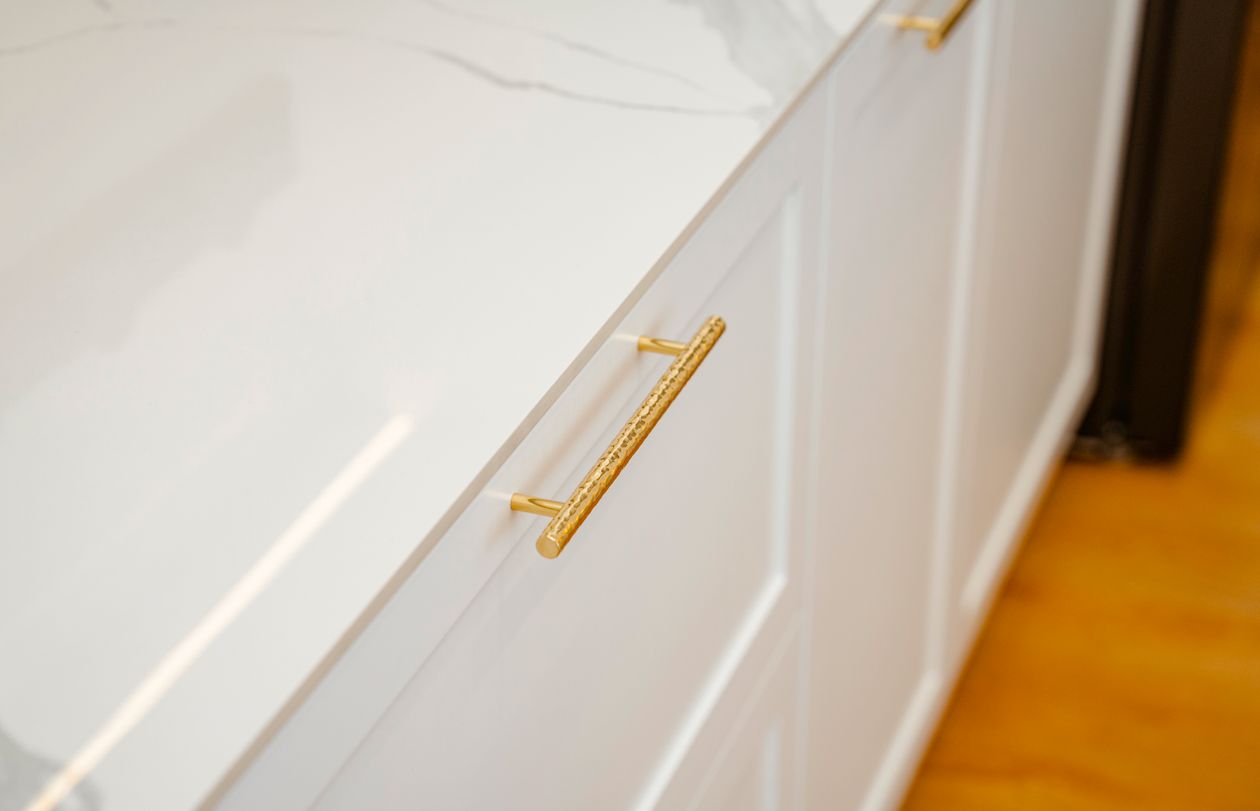
Photo via Pexels
4. Love the Patina, Don't Fight It
Close up, the finish tells the story of your kitchen: bright where hands polish it, darker in the crevices. This contrast is the whole point, and designers consider it the most desirable state of the metal.
If uneven darkening bothers you, wipe the pieces down weekly with a soft cloth. Regular light cleaning slows the change and keeps the highlights brighter for longer.
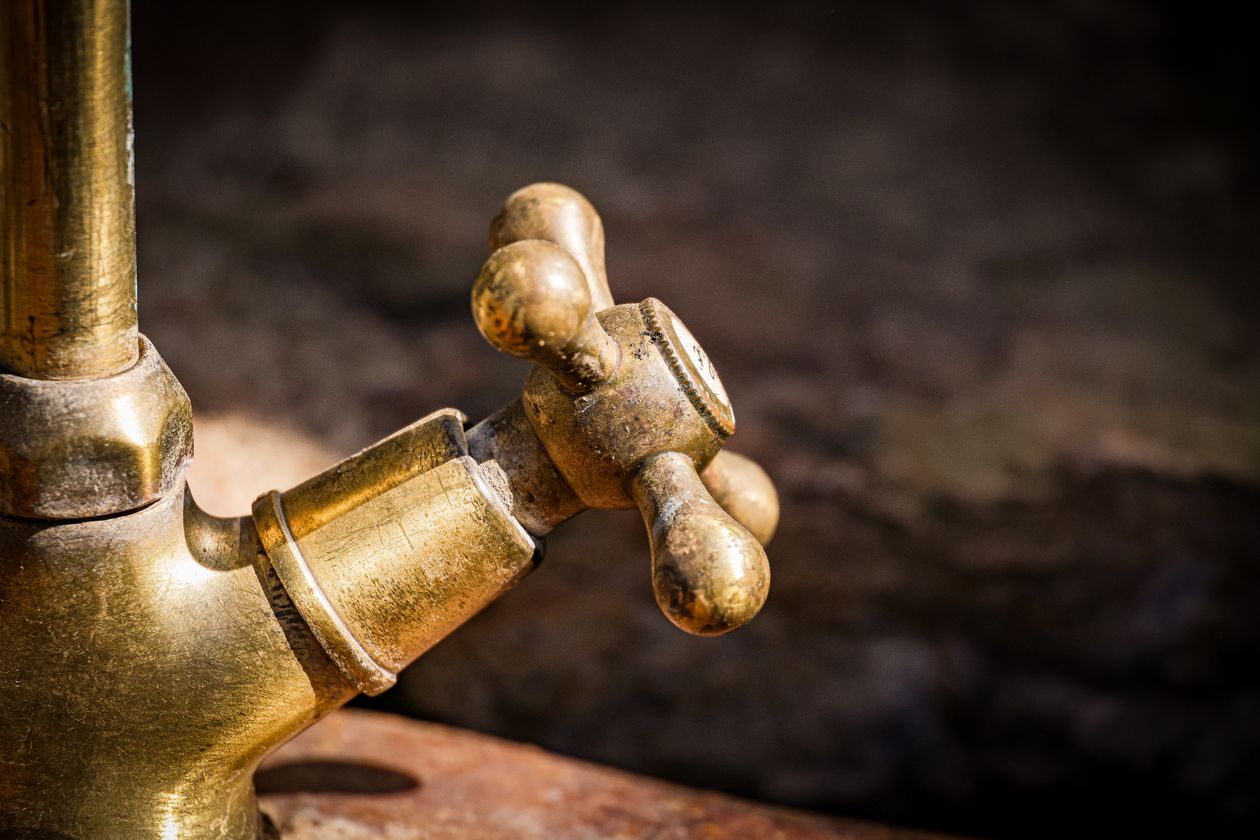
Photo via Pexels
5. Mix Brass With Black
Warm brass and matte black are the power couple of current kitchen design. The black grounds the space while the brass keeps it from feeling cold or flat.
The safest formula is one metal per job: brass for the faucet and knobs, black for lighting and bar stools. Repeating each finish at least twice keeps the mix looking intentional.
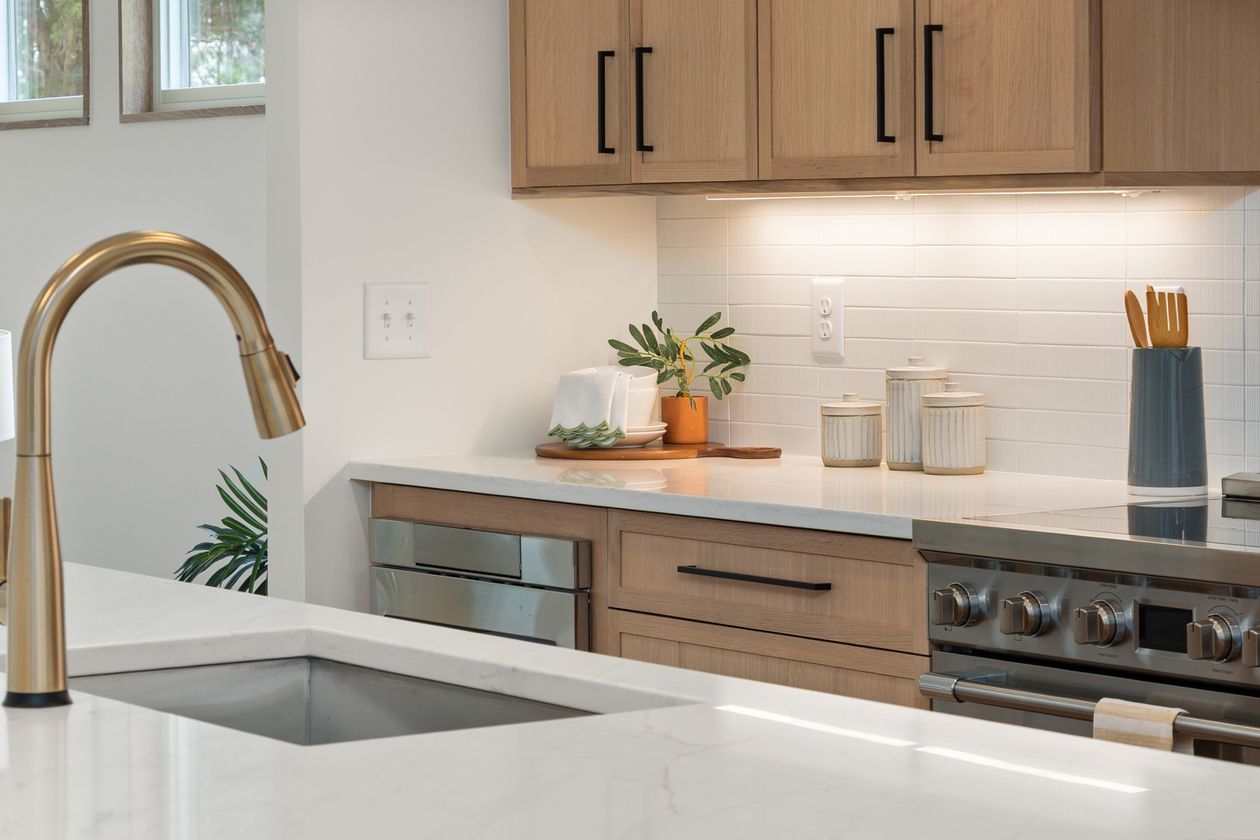
Photo via Pexels
6. Use Cup Pulls on Drawers
Bin-style cup pulls are the traditional choice for drawers, and their curved shape is comfortable for daily use. On patinated metal cabinetry, they look like they have always been there.
Center each pull on the drawer front, and use two pulls on any drawer wider than about 30 inches so heavy loads open evenly. For more on planning a kitchen, see our kitchen designer San Francisco article.
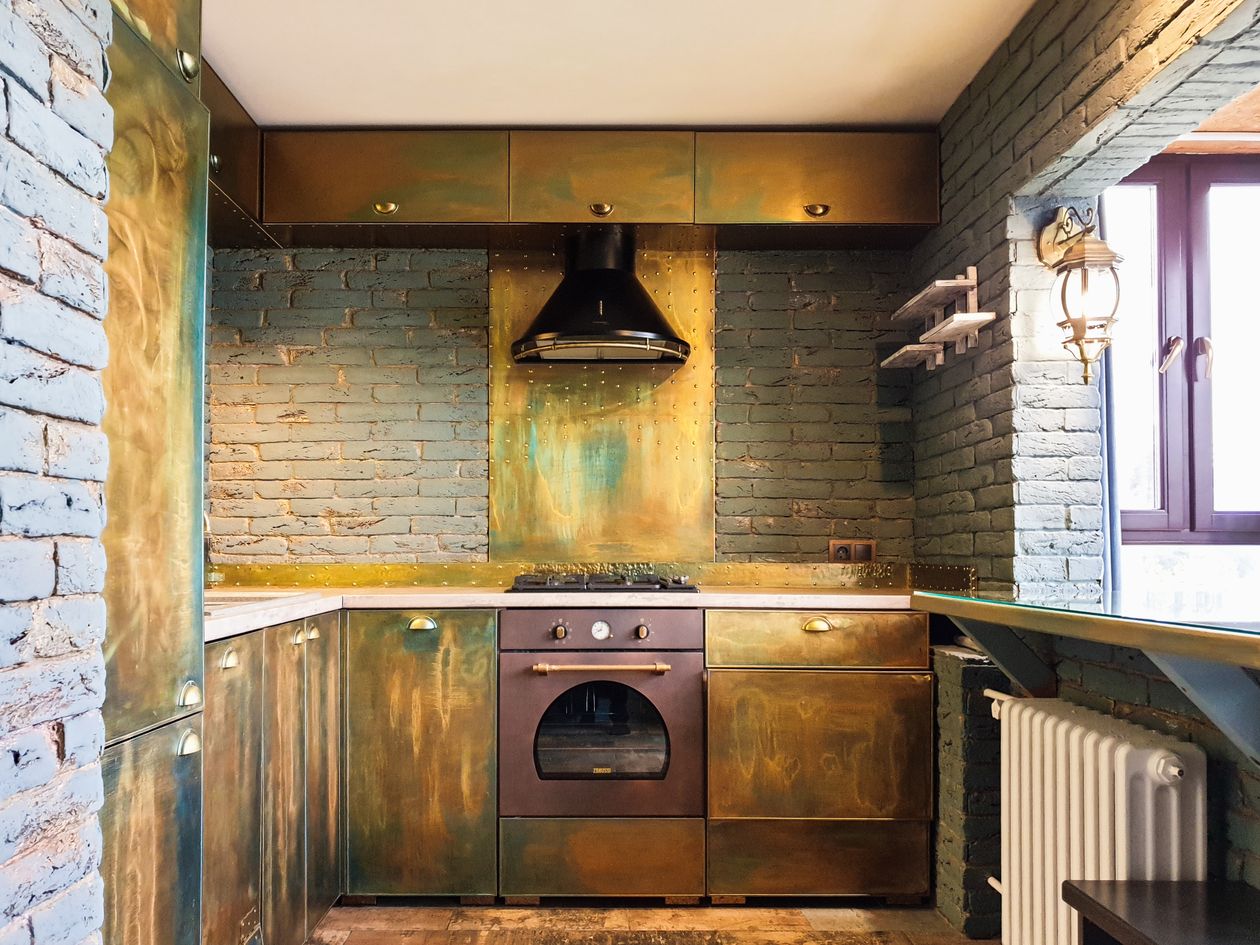
Photo via Pexels
7. Warm Up Wood Tones
Medium and dark wood cabinets can read heavy, but brass fixtures lighten the mood instantly. The golden tones pull out the warm grain in oak, walnut, and cherry.
Keep the countertop simple, like honed marble or butcher block, so the wood and metal carry the design. Too many competing patterns will fight the hardware for attention.
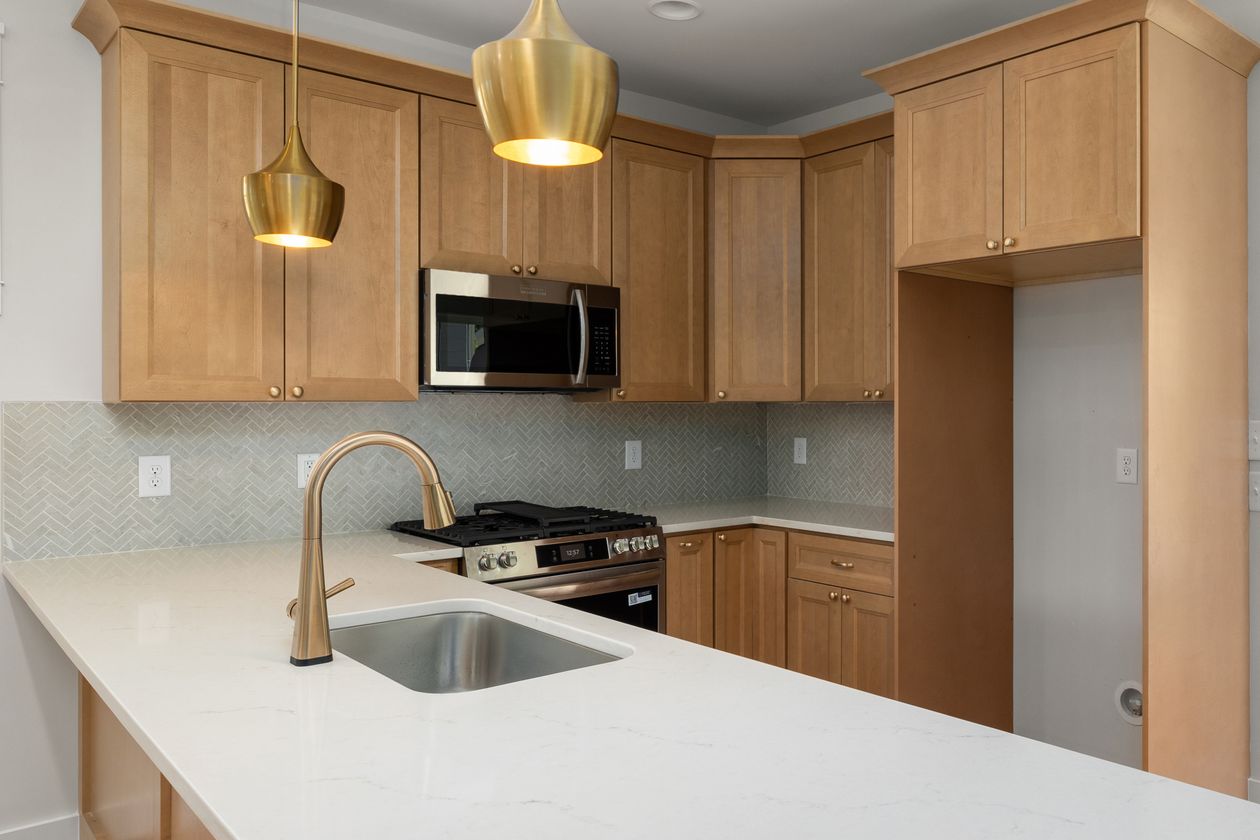
Photo via Pexels
8. Pair With Sage Green
Sage green cabinets and brass cup pulls are a match made in design heaven. The muted green cools the gold just enough, and both finishes feel timeless rather than trendy.
Finish the look with warm white walls and a simple runner. The hardware becomes jewelry for the room, so let it have the spotlight.
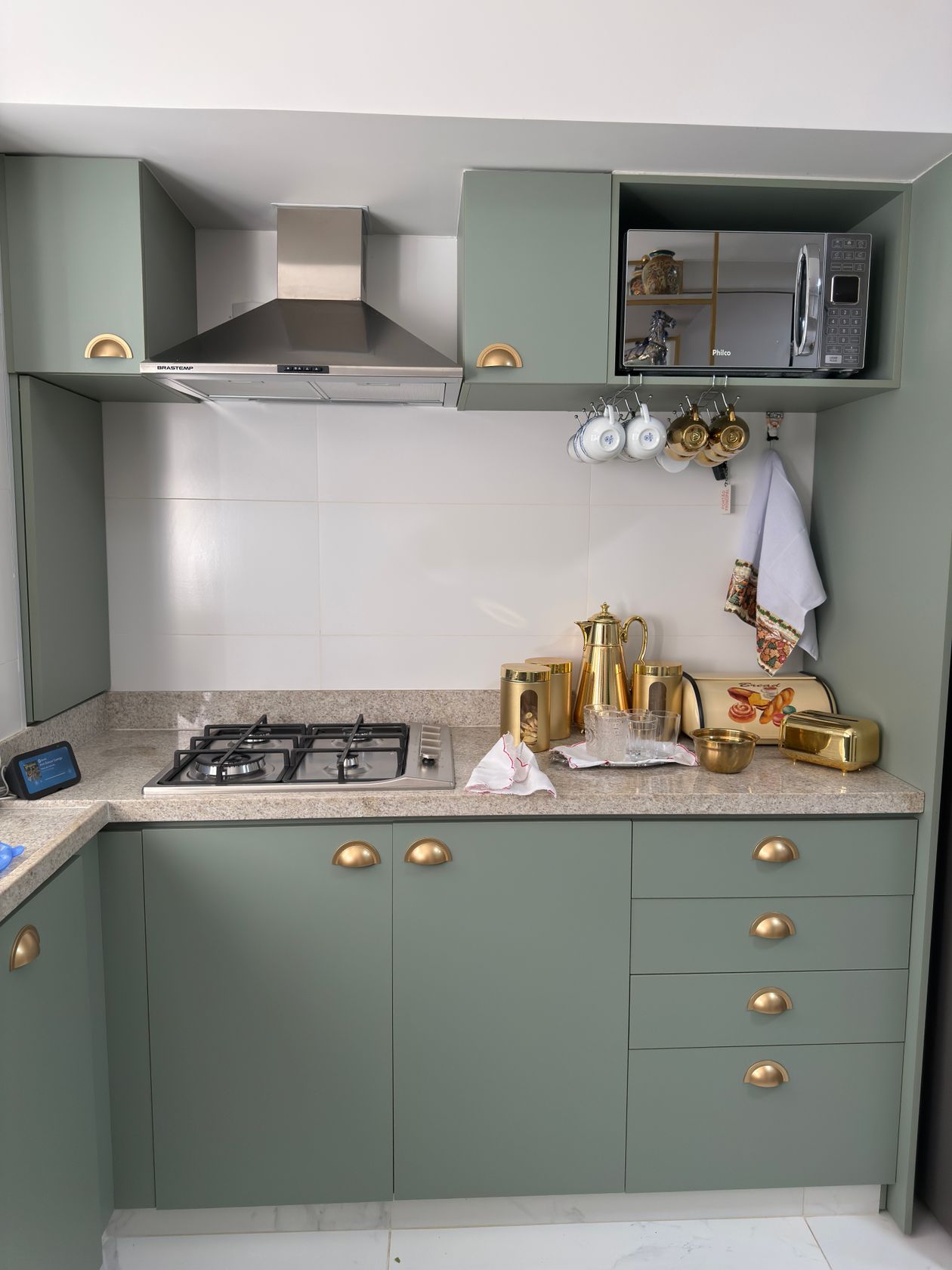
Photo via Pexels
9. Keep It Classic on Shaker
Grey shaker cabinets with simple brass knobs never go out of style. The clean lines of the door let the warm metal do all the talking.
Place knobs 2.5 to 3 inches from the corner of each door for a pro look. Consistent placement matters more than the knob style itself.
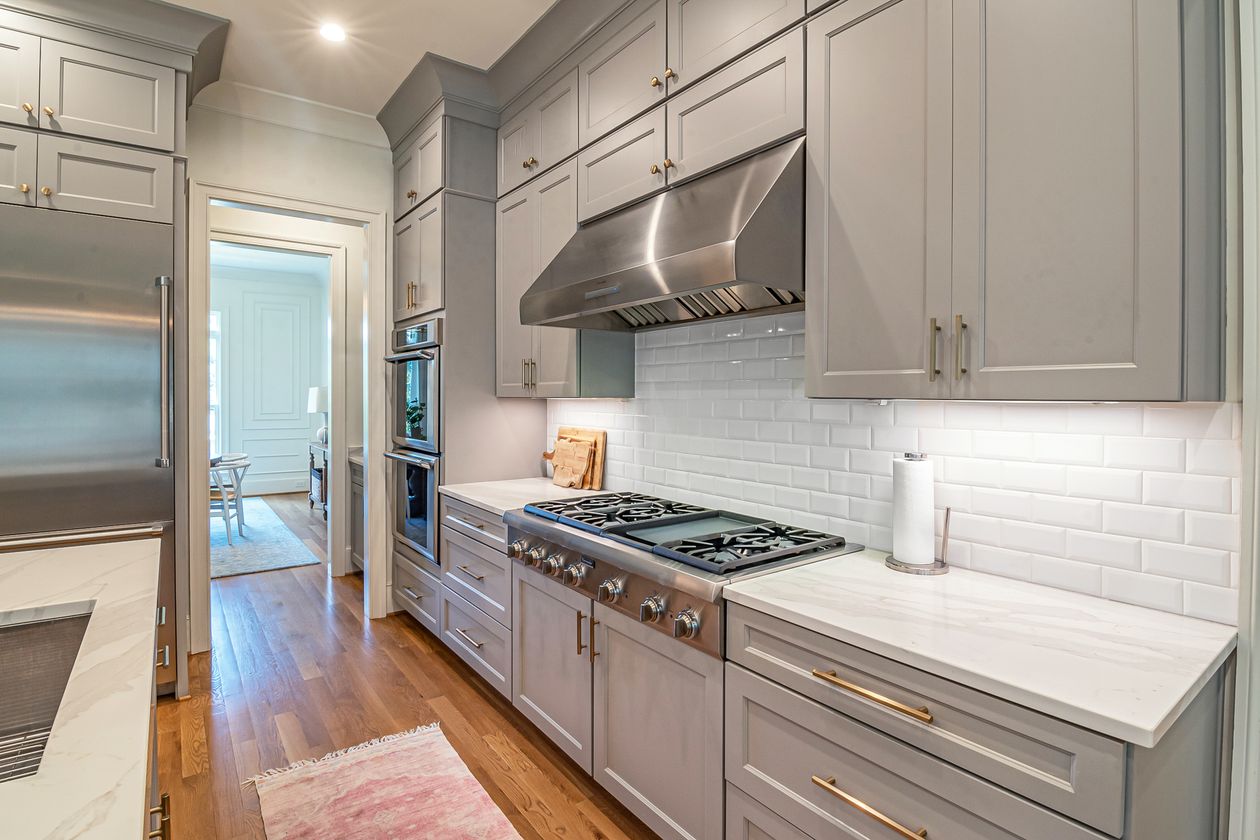
Photo via Pexels
10. Go Rich on Dark Wood
Dark stained cabinetry can handle bolder hardware. Long gold pulls and a matching faucet add the glamour that deep wood tones crave.
Balance the richness with good lighting: under-cabinet strips and a bright backsplash keep the kitchen from feeling like a cave. Our European kitchen roundup shows this balance done well.
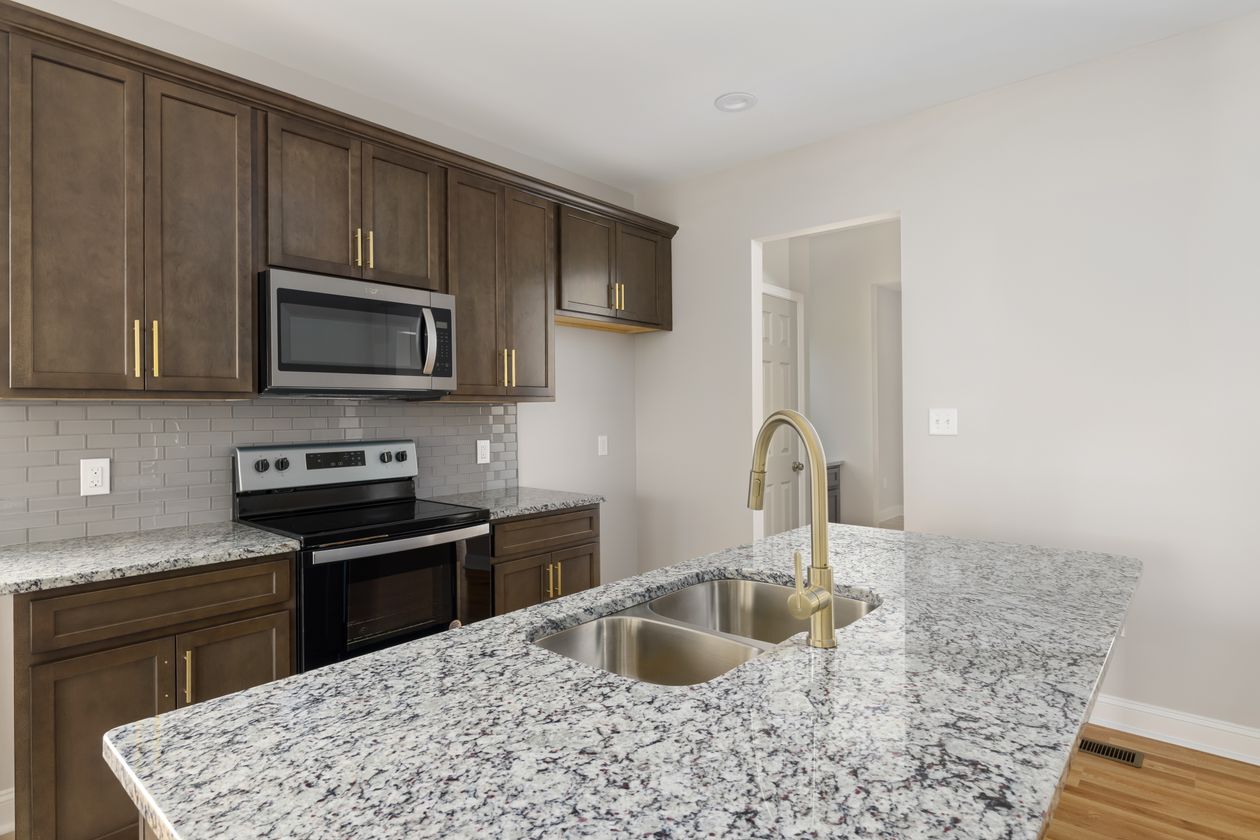
Photo via Pexels
11. Match the Pot Filler
A brass pot filler over the range is both a luxury and a practical win for anyone who boils pasta weekly. Matching it to the cabinet pulls ties the cooking wall together.
Have the plumber rough in the water line during the remodel, since adding one later means opening the wall. Choose a model with two valves so it shuts off at the wall and at the spout.
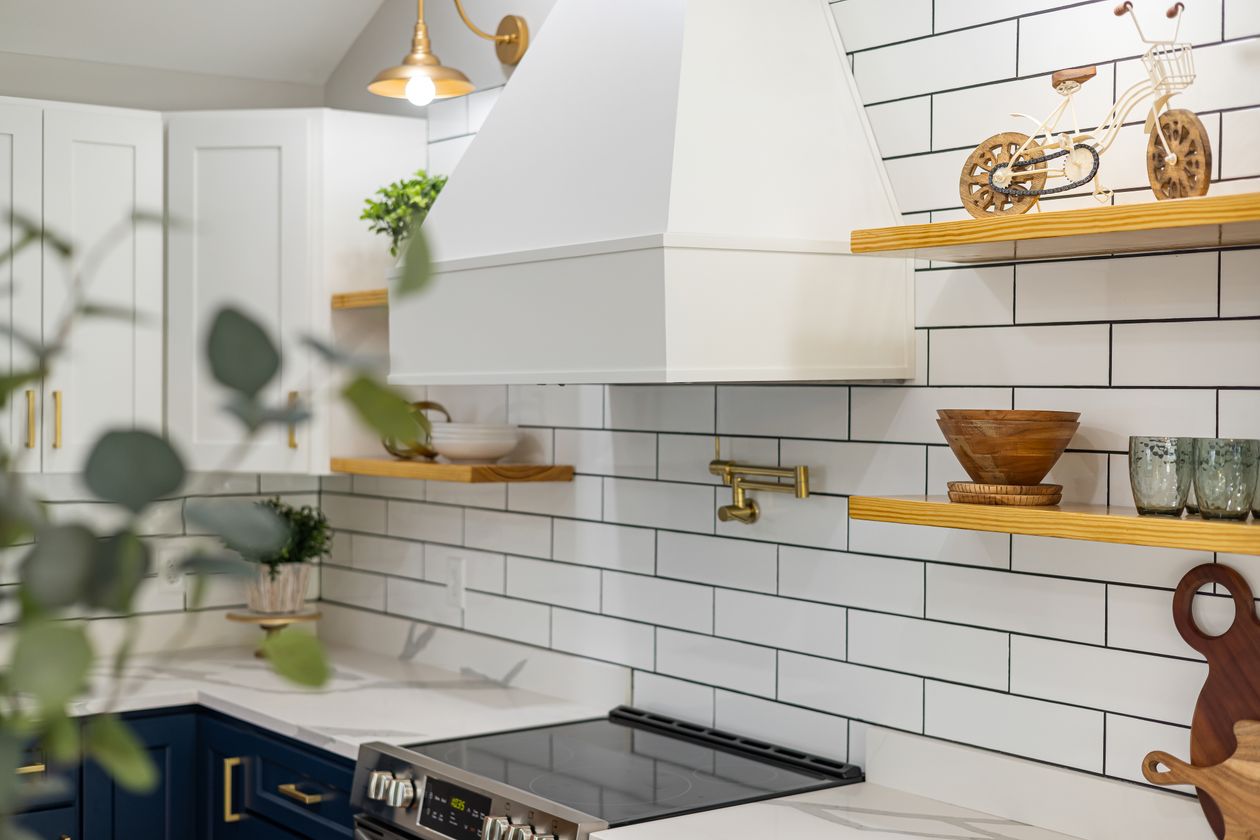
Photo via Pexels
12. Dress Up Glass-Front Uppers
Glass-front cabinets deserve pretty hardware, since every pull is on display. Slim gold bar pulls keep the look airy and let the dishes inside shine.
Keep the shelves styled simply: white dishes, a few glasses, and breathing room. Cluttered shelves behind glass undo all the elegance of the hardware.
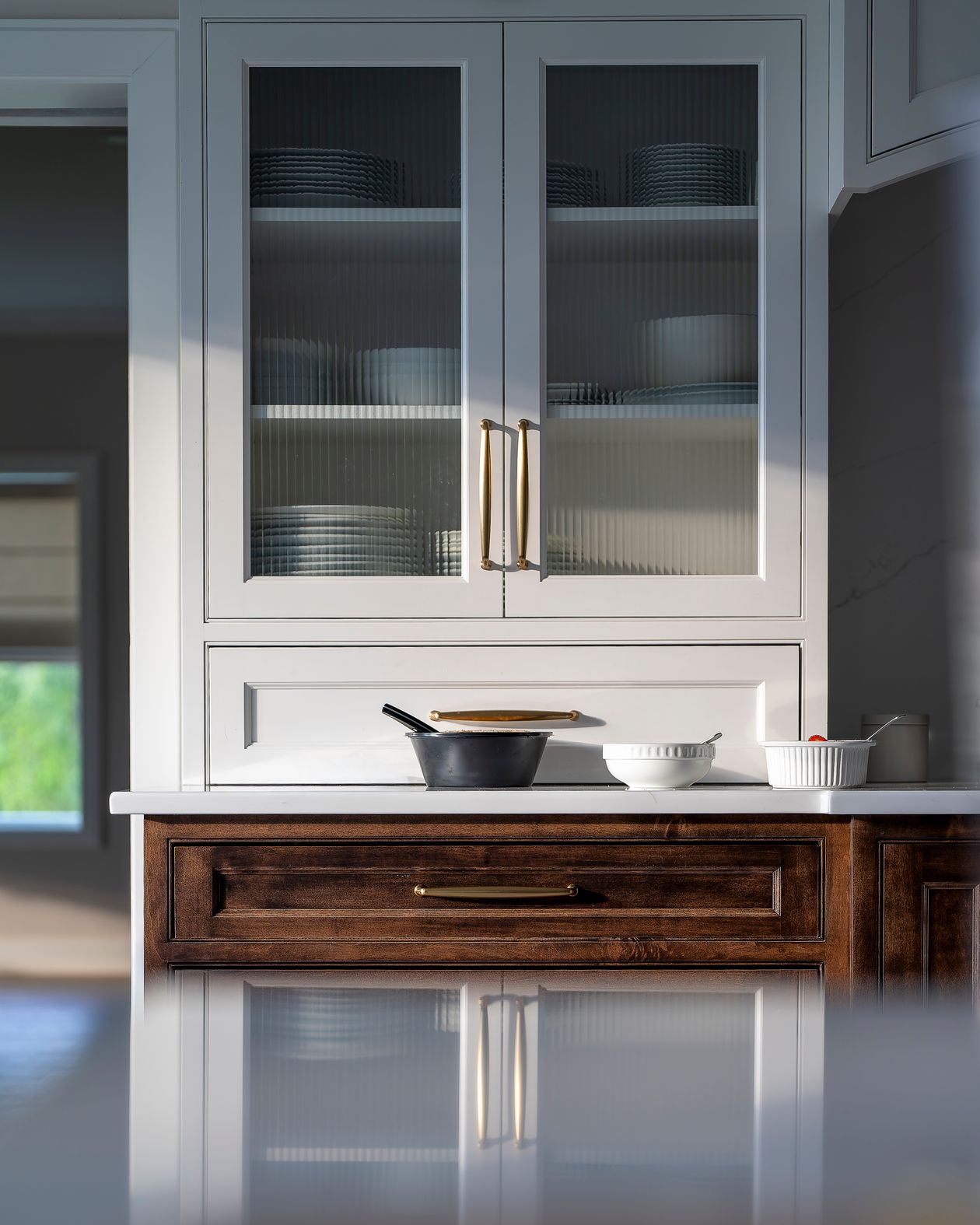
Photo via Pexels
13. Take It Outdoors With Care
An outdoor kitchen with a brass faucet looks fantastic, but know that weather speeds up the aging. Rain and humidity will darken the finish faster and can eventually bring out green tones.
If you love the aged look, let nature do its work. If you prefer the golden tone, plan on polishing outdoor pieces once or twice a year. Either way, the metal itself will not corrode or fail.
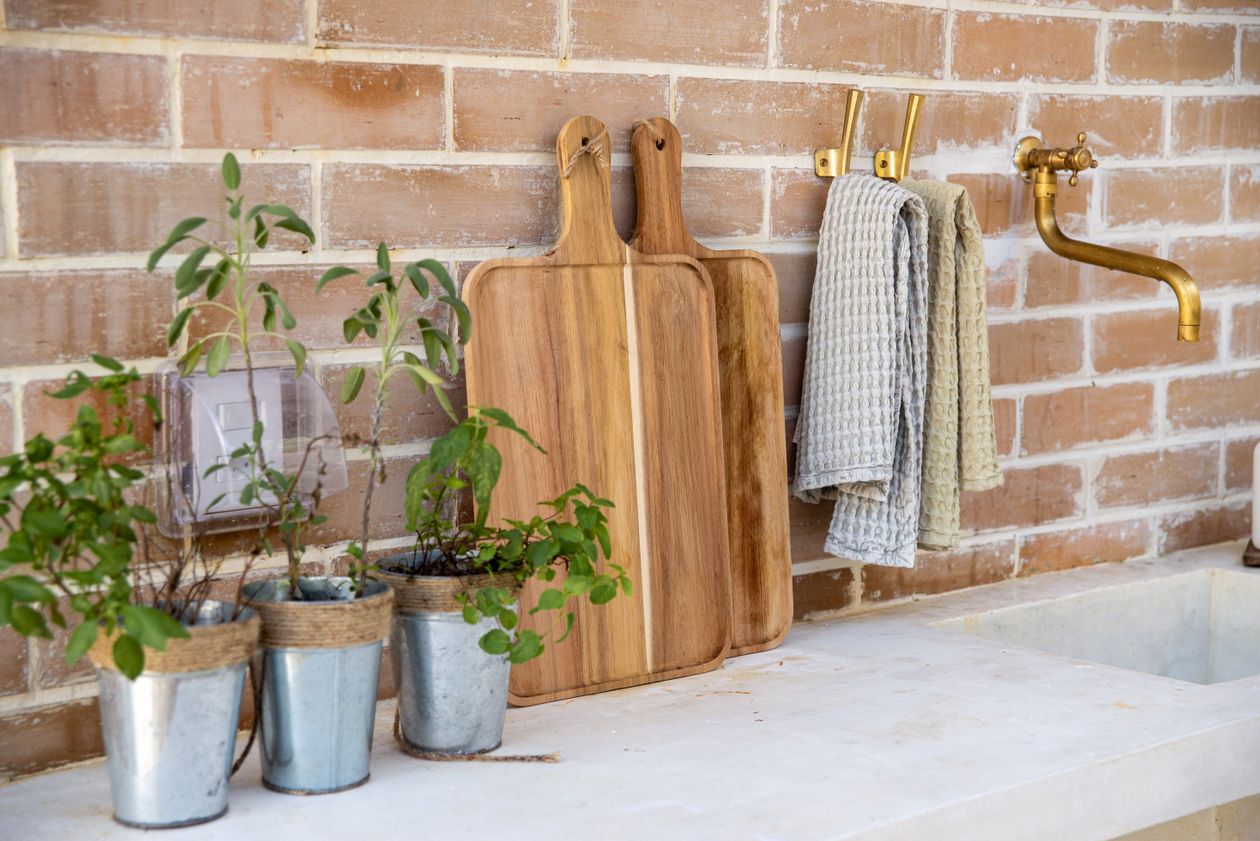
Photo via Pexels
FAQs
How long does it take for the patina to show?
Touch points darken within about a month, and the whole set usually settles into a warm, uneven bronze-gold within a year.
Will unlacquered brass turn green?
Only with long outdoor or coastal exposure. Indoors it stays in the gold-to-brown range for decades.
Can I polish it back to bright?
Yes. A standard brass polish and a soft cloth restore the shine in minutes, and the patina will simply start again.
Does it need to be sealed or lacquered?
No, and you should not. Sealing defeats the purpose of a living finish and can blister in humid kitchens.
Is unlacquered brass more expensive?
Expect roughly $14 to $28 per pull and $9 to $12 per knob. Buy about 10 percent extra for spares.
Final Thoughts
Living-finish brass is for homeowners who enjoy watching their kitchen evolve. Choose solid pieces, embrace the change, and polish only if you miss the shine. For mudroom storage ideas, see our mud room cabinet guide.
Sources
- The Wharton House: Unlacquered Brass Kitchen Hardware Review
- Julie Blanner: Unlacquered Brass Faucets
- PlatePrestige: Unlacquered Brass Cabinet Hardware Guide
Gallery
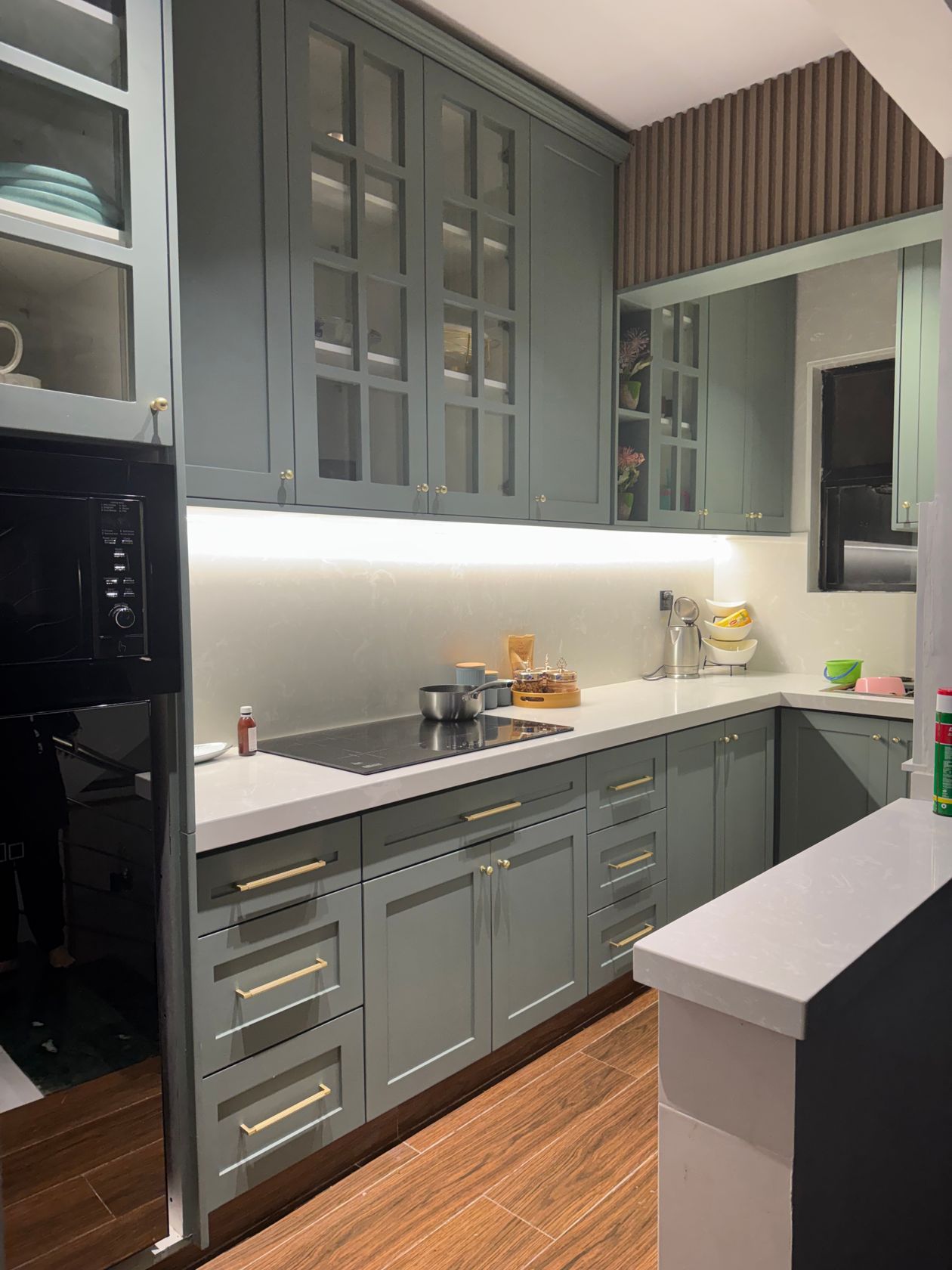
Photo via Pexels
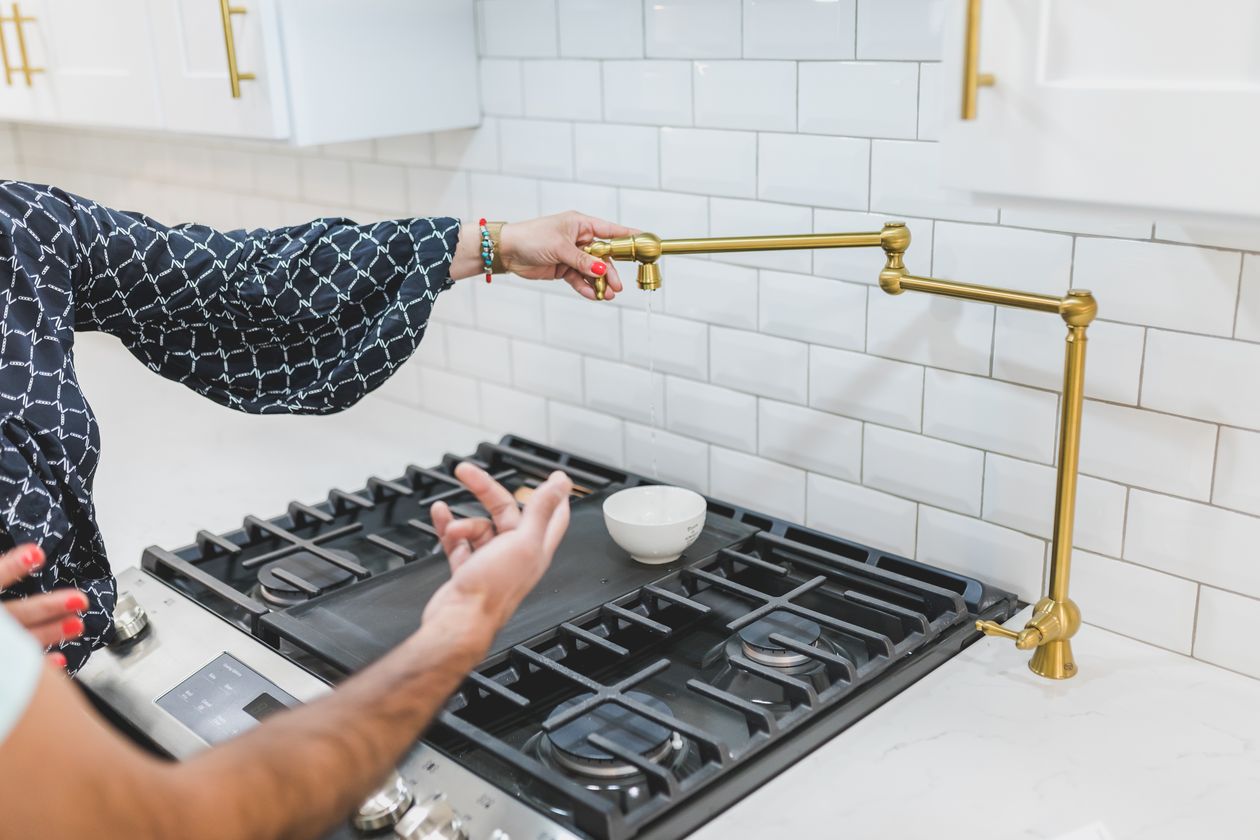
Photo via Pexels
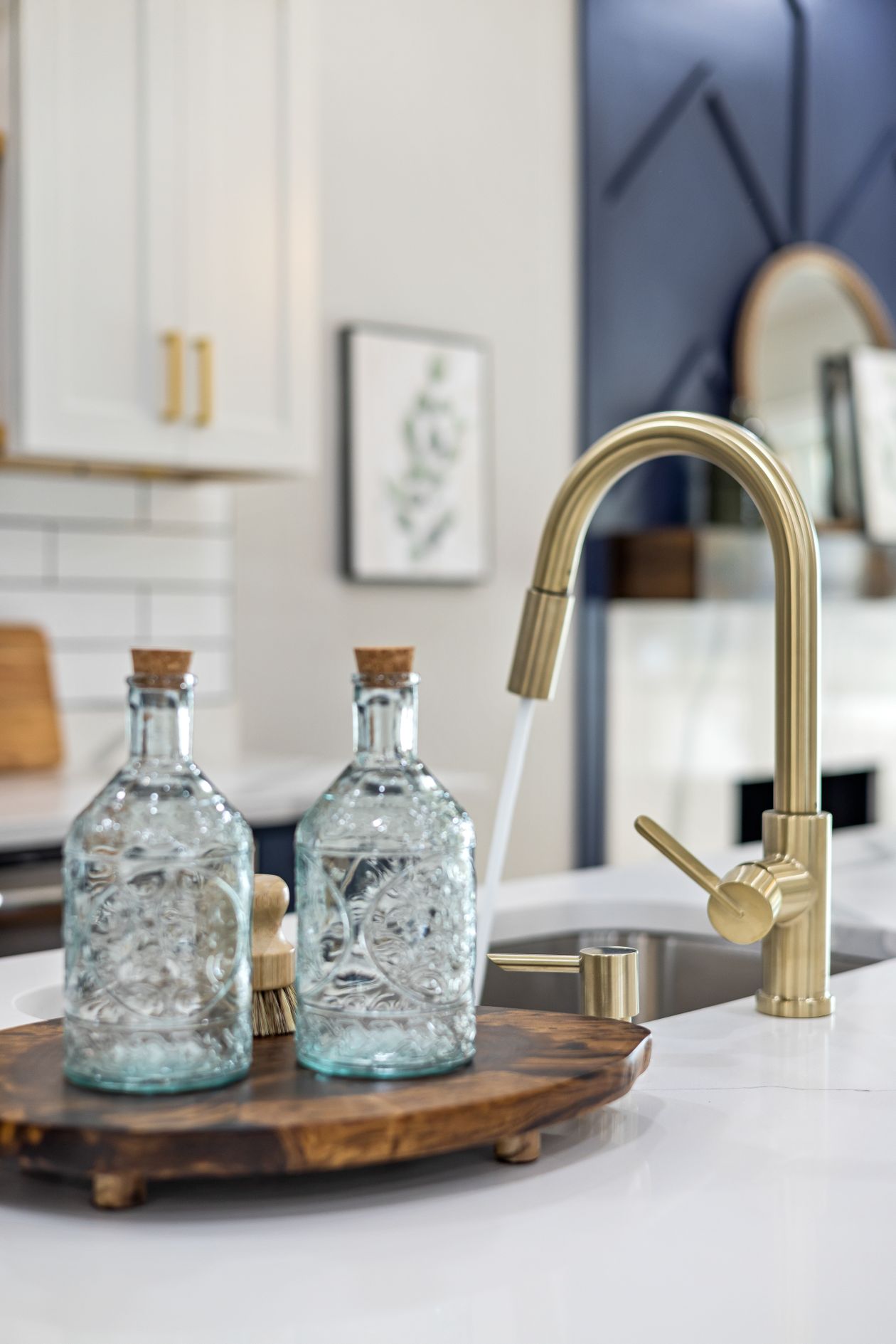
Photo via Pexels

No comments:
Post a Comment