European-style cabinets are built around one simple idea: less is more. There is no face frame on the cabinet box, so the doors sit flush against each other with thin, even gaps. The look is clean and seamless, and the open box gives you about 10 to 15 percent more usable storage than a framed cabinet of the same size. That extra space is why this style started in smaller European kitchens and why it works so well in American homes today.
You do not need a full remodel to borrow the look. The 10 ideas below cover every budget, from a handleless door upgrade to a floor-to-ceiling cabinet wall. Each one is simple to understand, and I have included real measurements and honest cost notes so you can plan with confidence. Read them in order, or jump straight to the style that catches your eye.

Photo via Wikimedia Commons
Table of Contents
- 1. Handleless Flat-Panel Cabinets
- 2. High-Gloss White Lacquer
- 3. Warm Wood Veneer
- 4. Two-Tone Cabinets
- 5. Glass-Front Display Cabinets
- 6. Floor-to-Ceiling Cabinetry
- 7. Appliances Hidden Behind Panels
- 8. A Kitchen Island with Seating
- 9. Open Shelving Accents
- 10. Soft Matte Neutral Finishes
1. Handleless Flat-Panel Cabinets
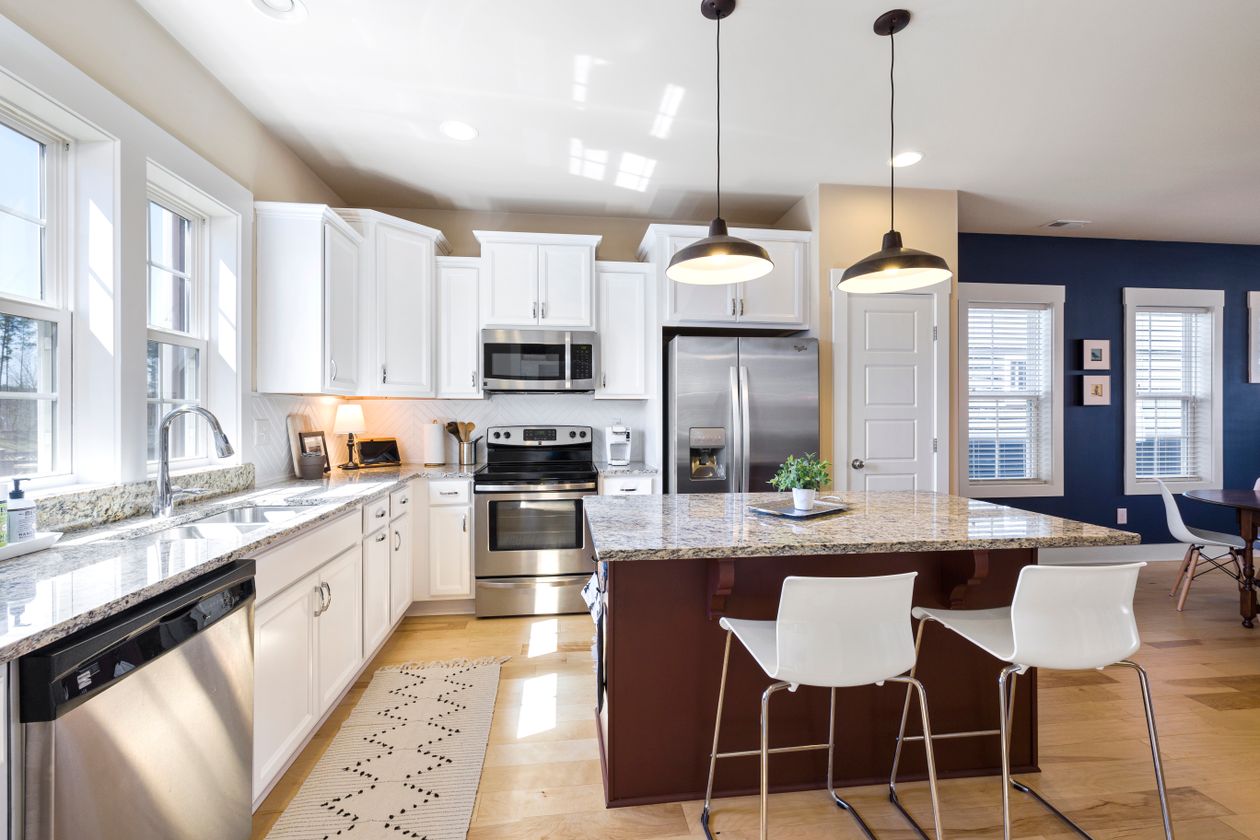
Photo via Pexels
This is the signature European look. Flat doors with no handles open with a push latch or a routed finger groove along the top edge. Leave a 1 to 2 inch gap between the door top and the counter so your fingers slip in easily. The result is one long, calm surface that makes even a small galley kitchen feel wider.
Handleless doors also collect less grease and dust than knobs and pulls, so wiping them down takes seconds. If you are on a budget, IKEA’s flat-pack frameless lines are the cheapest real entry point. Plan your layout first, because frameless cabinets need very precise installation — even a quarter-inch error shows in the thin door gaps.
2. High-Gloss White Lacquer

Photo via Wikimedia Commons
High-gloss white is the classic European cabinet finish, and it works like a mirror for your lighting. A glossy door bounces both daylight and under-cabinet light around the room, which can make a dark kitchen feel twice as bright. Keep the palette simple: white doors, one countertop material, and one metal finish for the faucet and handles.
One honest warning: gloss shows every fingerprint. If that bothers you, ask your cabinet maker for an anti-fingerprint lacquer, which has become common on European lines. Clean glossy doors with a soft microfiber cloth and mild dish soap only — never use abrasive pads or harsh chemicals, or the shine will dull within a year.
3. Warm Wood Veneer

Photo via Wikimedia Commons
Flat-panel cabinets do not have to be white or glossy. A natural oak, walnut, or birch veneer gives you the same clean European lines with real warmth. Wood grain also hides dust and fingerprints far better than gloss, which makes it a smart pick for busy family kitchens. Match the grain direction on every door front — horizontal on drawers, vertical on doors — so the pattern flows like one piece of furniture.
Book-match the veneer on tall cabinet doors if you want a high-end look without the high-end price. If you love an even cozier, more traditional wood look for other parts of your home, our rustic kitchen cabinet ideas show a completely different way to use natural wood. Keep veneer away from constant steam, and run your range hood every time you cook, because heat and moisture can lift veneer edges over time.
4. Two-Tone Cabinets
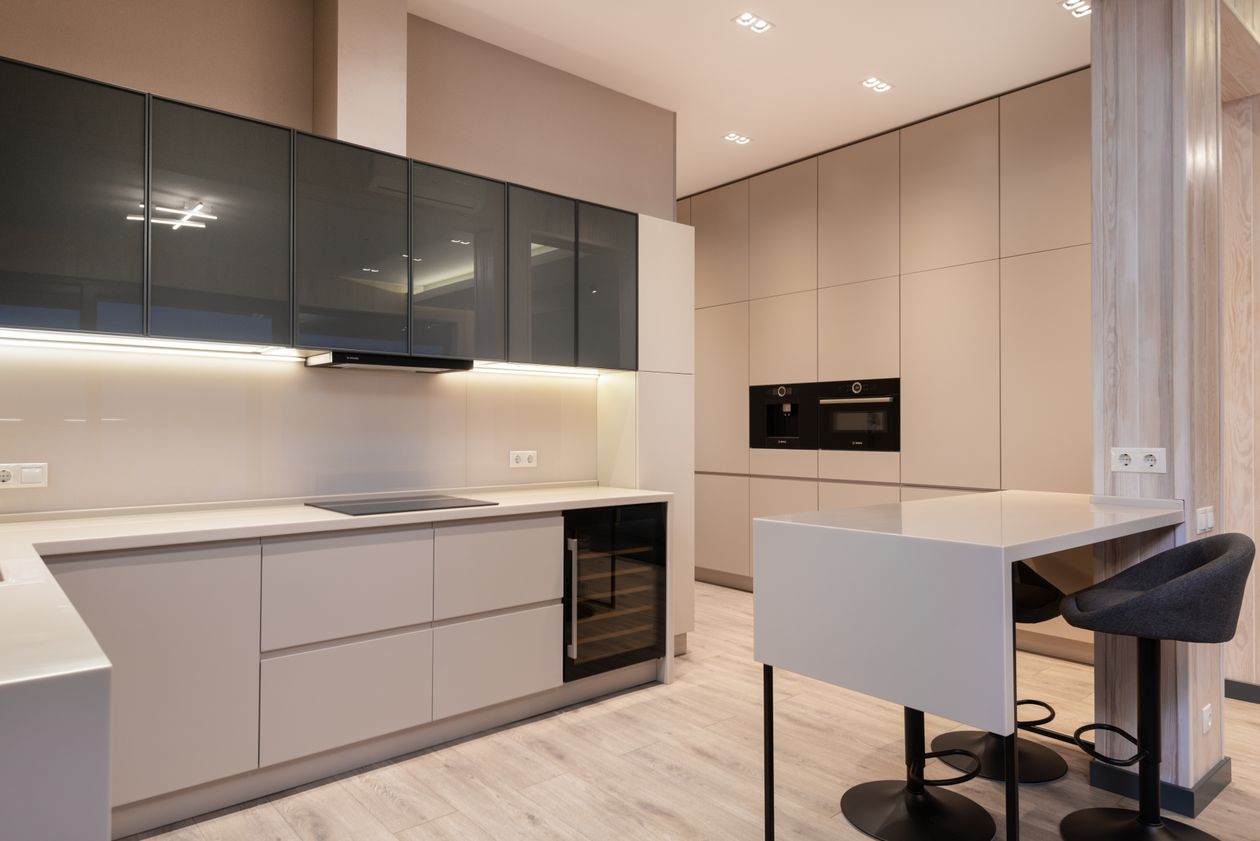
Photo via Pexels
Two-tone cabinetry is one of the biggest European kitchen trends of 2026. The safe formula is light on top and darker below: white or cream uppers with charcoal, navy, or warm taupe lowers. The lighter color lifts the ceiling visually, while the darker base grounds the room and hides scuffs from shoes, pets, and vacuum bumps.
Stick to two cabinet colors plus your countertop — three tones is the limit before the kitchen starts to look busy. A smart low-cost way to test the look is to order the island or the tall pantry wall in the darker color and keep everything else light. That one change alone gives you the two-tone effect for a fraction of a full two-color order.
5. Glass-Front Display Cabinets

Photo via Wikimedia Commons
Glass-front uppers break up long runs of solid doors and give your kitchen a lighter, airier feel. Use them on one or two cabinets near the dining area, not on every door — a little glass goes a long way. Frosted or ribbed glass is the practical choice: it glows nicely with interior cabinet lighting while hiding clutter far better than clear glass.
Add a low-voltage LED strip inside each glass cabinet, wired to the same switch as your under-cabinet lights. Warm white light at around 2700K makes glassware and dishes look their best. Keep what you display simple — white dishes, clear glasses, a few wooden bowls — because every item inside a glass door is on show.
6. Floor-to-Ceiling Cabinetry

Photo via Wikimedia Commons
Taking cabinets all the way to the ceiling is the single best storage upgrade in a European-style kitchen. A standard 8-foot ceiling with full-height cabinets adds roughly 30 percent more storage compared to stopping at 7 feet. The top shelves are perfect for items you use twice a year — holiday platters, the turkey roaster, the ice-cream maker — so the everyday stuff stays at arm level.
Measure your ceiling carefully before ordering, because most homes vary by an inch or more across the room. Order tall cabinets with a separate scribe filler or crown piece at the top so your installer can close small gaps cleanly. If reaching the top shelf is a concern, keep a slim folding step stool in a 6-inch-wide pull-out slot beside the fridge — it disappears when you do not need it.
7. Appliances Hidden Behind Panels
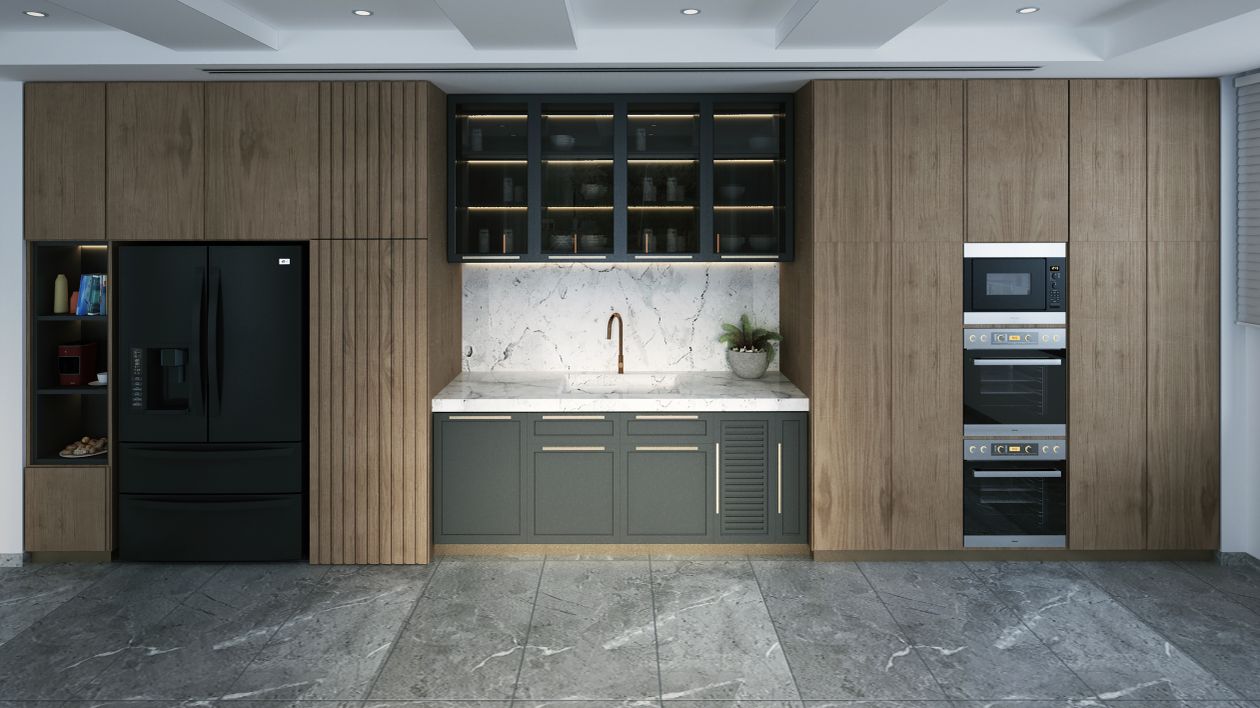
Photo via Pexels
Panel-ready appliances are the secret behind that seamless European look. The dishwasher and refrigerator wear cabinet doors that match the rest of the kitchen, so the whole wall reads as one piece of furniture. A panel-ready dishwasher typically adds $200 to $500 to the appliance price, plus the cost of one extra cabinet door — a small price for a much calmer kitchen.
Check the appliance specs before you order cabinets. Panel-ready models need exact opening widths, usually 24 inches for dishwashers and 36 inches for French-door fridges, with about 2 inches of extra depth for the panel and hardware. Order the panels from your cabinet maker, not the appliance store, so the finish and edge profile match your doors perfectly.
8. A Kitchen Island with Seating
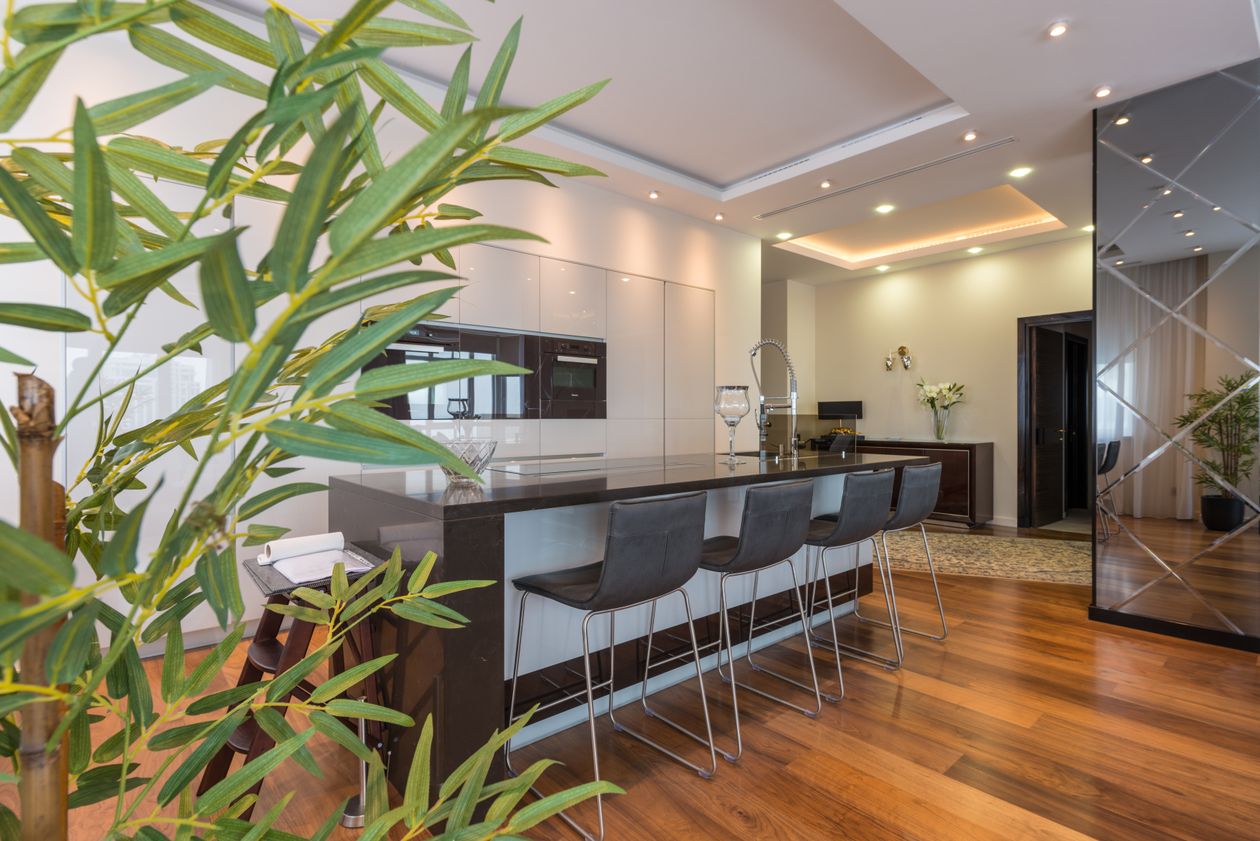
Photo via Pexels
An island turns a European-style kitchen into a gathering place. For comfortable seating, give each stool 24 inches of counter width and at least 15 inches of knee space under a 12-inch overhang. Counter-height stools (24 to 26 inches tall) fit a 36-inch-high island; bar-height stools (28 to 30 inches tall) fit a 42-inch-high counter. Getting these two numbers right is what separates a comfortable island from one nobody sits at.
Keep the island cabinets as simple as the rest: flat panels, no handles, and a waterfall countertop edge if your budget allows. If you are choosing between an island and a table, our guide on how to choose the right kitchen table can help you decide what fits your space. For small kitchens under 10 feet wide, skip the island and add a 24-inch-deep peninsula instead — you get the seating without blocking the walkway.
9. Open Shelving Accents

Photo via Wikimedia Commons
One or two open shelves can soften a wall of flat-panel cabinets and give you a spot for daily-use items. Hang them near the coffee station or beside the range for oils and spices you reach for every day. Keep shelves 12 inches deep for plates and bowls, and leave at least 18 inches between the shelf and the counter so tall items fit underneath.
Open shelves only look good if they stay tidy, so limit each shelf to one category: everyday glasses on one, white bowls on another. Solid wood or thick plywood shelves (at least 1.5 inches thick) suit the European style best and will not sag under a stack of dishes. Wipe them weekly — open shelves near a stove collect a thin film of cooking grease faster than you expect.
10. Soft Matte Neutral Finishes

Photo via Wikimedia Commons
Matte finishes in warm white, greige, or soft taupe are the quiet alternative to high gloss. They absorb light instead of reflecting it, which gives the kitchen a calm, velvety feel that suits open floor plans. Matte also forgives fingerprints, water spots, and small scratches far better than gloss — a real advantage if you have kids.
Pair matte cabinets with one contrasting texture so the room does not feel flat: a honed quartz counter, a brushed-brass faucet, or a natural wood shelf. Keep the sheen consistent across all doors and drawer fronts by ordering them in one batch from the same production run, since matte finishes can vary slightly between batches.
Frequently Asked Questions
What are European-style cabinets?
They are frameless cabinets with flat, full-overlay doors and hidden hinges. With no face frame, the doors cover the whole cabinet front, which creates the clean, seamless look this style is known for.
How much do European-style cabinets cost?
Expect roughly $150 to $400 per linear foot for semi-custom frameless cabinets, about 5 to 15 percent more than comparable framed cabinets. IKEA’s flat-pack frameless lines are the budget option, while custom European brands cost much more.
Are European-style cabinets good for small kitchens?
Yes, they are one of the best choices for small kitchens. The frameless box gives you 10 to 15 percent more interior storage, and the flat, handleless fronts make tight spaces feel larger. Even a basement kitchen can gain real storage with frameless cabinets and tall pantry units.
Are frameless cabinets as durable as framed cabinets?
Yes, when they are built well. Quality frameless cabinets use 3/4-inch-thick box sides instead of relying on a face frame for strength. The catch is installation: the thin, even door gaps need a very level wall and a careful installer.
How do you clean high-gloss cabinet doors?
Use a soft microfiber cloth with warm water and a drop of mild dish soap, then dry with a second cloth to avoid streaks. Never use scouring pads, ammonia, or bleach-based cleaners — they will dull the glossy finish permanently.
Final Thoughts
You do not have to choose between beauty and function. European-style cabinetry gives you both: clean lines that stay in style for years and clever storage that works hard every day. Start with one idea from this list — maybe handleless doors or a two-tone island — and build from there.
If sleek and minimal is not your thing, that is fine too. A 1950s-style kitchen goes the opposite direction with color, chrome, and retro charm. Whatever style you choose, measure twice, order samples, and pick a careful installer — good installation matters more than the brand name on the box.
Sources
- Tredi Interiors — European Kitchen Cabinets Design Trends 2026
- Lamont Bros — Framed vs Frameless Cabinets: Which is Better? Cost, Pros & Cons (2025)
- Tasting Table — Choosing This Cabinet Type Can Save Money On A Kitchen Update
- Meredith Plays — Framed vs Frameless Cabinets: Which One Wins?
Gallery

Photo via Wikimedia Commons

Photo via Wikimedia Commons
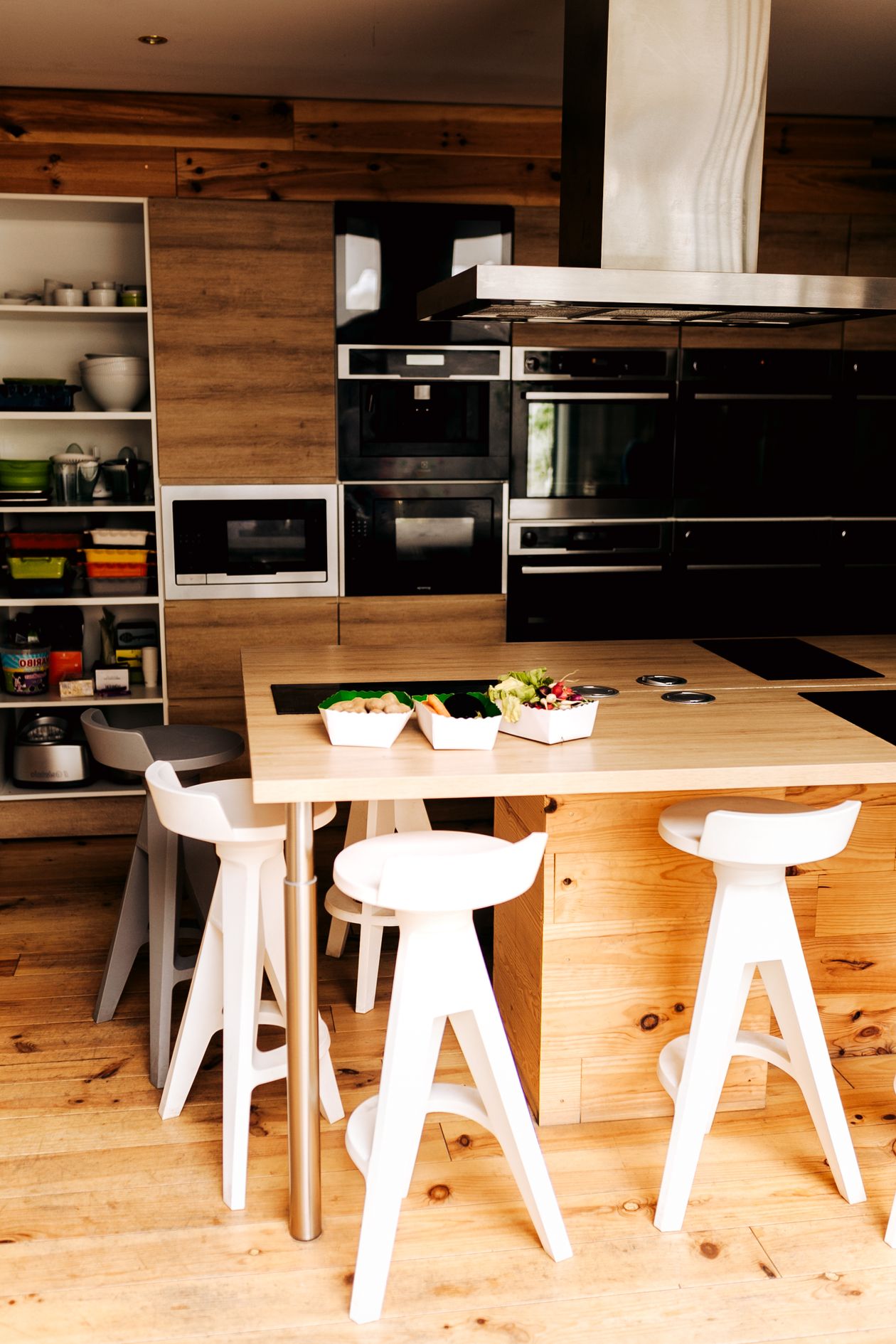
Photo via Pexels

No comments:
Post a Comment