Your front door is the hardest-working part of your house: it faces −30°C wind, driving rain, attempted break-ins, and daily use, all while setting the tone for your home's curb appeal. A steel door front handles all of that better than most materials — a steel skin over an insulated core resists warping, kicking, and weather in ways wood simply cannot.
But not all steel doors are equal. The gauge of the steel, the insulation inside, the locks, and the installation decide whether you get a secure, draught-free entrance or a dented, draughty disappointment. These ten ideas walk you through choosing, styling, and maintaining one for Canadian conditions.
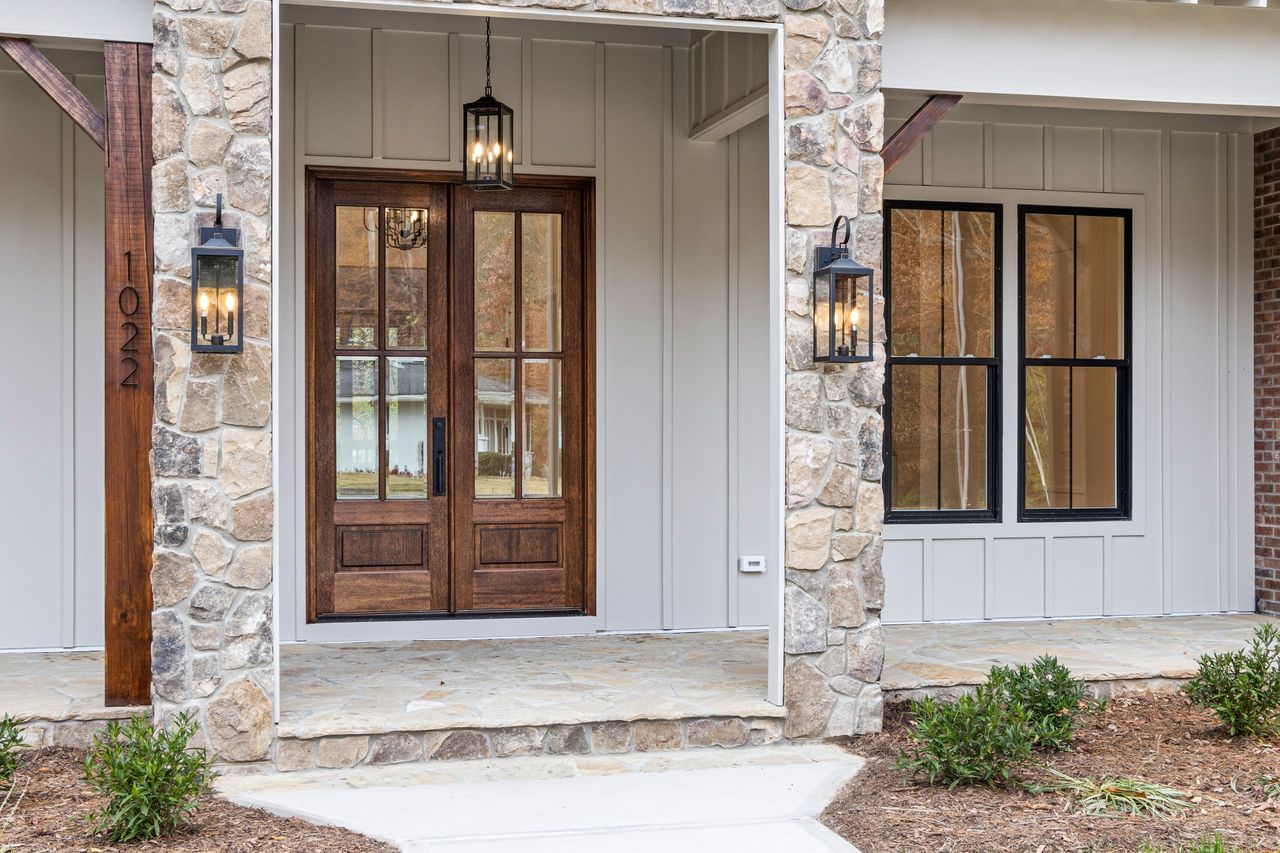
Photo: Pexels
Table of Contents
- 1. Why Steel Suits Canadian Winters
- 2. Security Starts With the Steel Skin
- 3. The Foam Core Does the Insulating
- 4. Styles From Historic to Modern
- 5. Colour: Go Bold on a Steel Door
- 6. Glass Without Losing Strength
- 7. Hardware: the Deadbolt Matters Most
- 8. Get the Frame and Installation Right
- 9. Look After the Finish Every Year
- 10. What It Costs in Canada
1. Why Steel Suits Canadian Winters
Wood swells, shrinks, and warps through freeze-thaw cycles; fibreglass performs well but costs more. A steel door front stays dimensionally stable from −40°C to summer heat, so the weatherstripping keeps sealing year after year instead of opening gaps each February. That stability is the main reason steel dominates the Canadian entry-door market.
Steel also shrugs off the daily abuse an entrance takes — boots, hockey bags, and moving furniture dent wood but barely mark a 24-gauge steel skin. If you live somewhere with real winter, prioritize a door with a thermal break in the frame: without one, the metal frame conducts cold straight inside and grows frost on the interior trim.
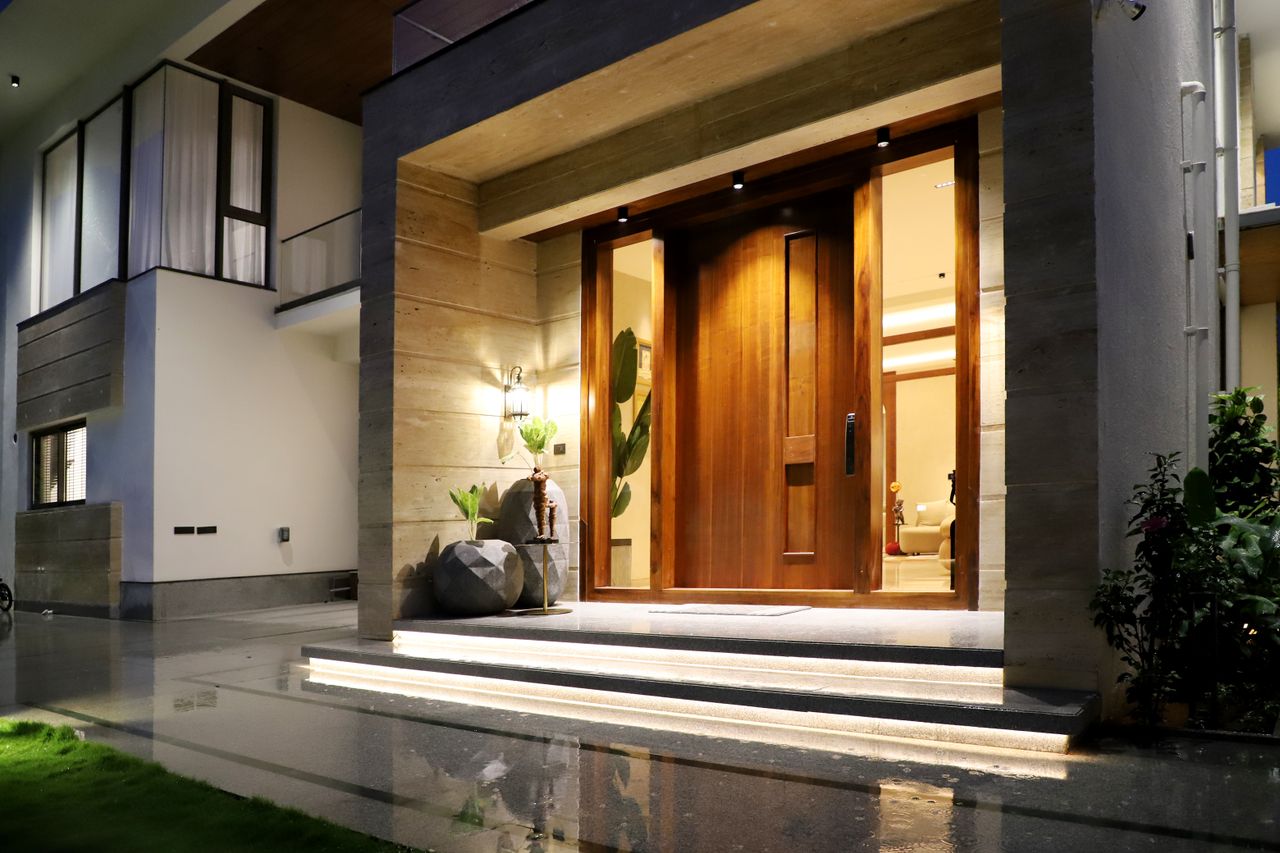
Photo: Pexels
2. Security Starts With the Steel Skin
A steel skin resists kicking and prying far better than a hollow or even solid wood door — most residential break-ins go through the door, not a window. Look for 24-gauge steel (thicker than 26-gauge) and a door with a reinforced lock block where the deadbolt sits, so the bolt anchors into steel rather than just foam.
Remember the door is a system: the strongest slab fails in a weak frame. Insist on a reinforced strike plate fastened with 7.5 cm screws driven into the wall framing, not just the jamb, and consider a multi-point lock that bolts top, middle, and bottom. A CAD 60 strike-plate upgrade on a basic steel door beats a premium door hung in a flimsy frame.
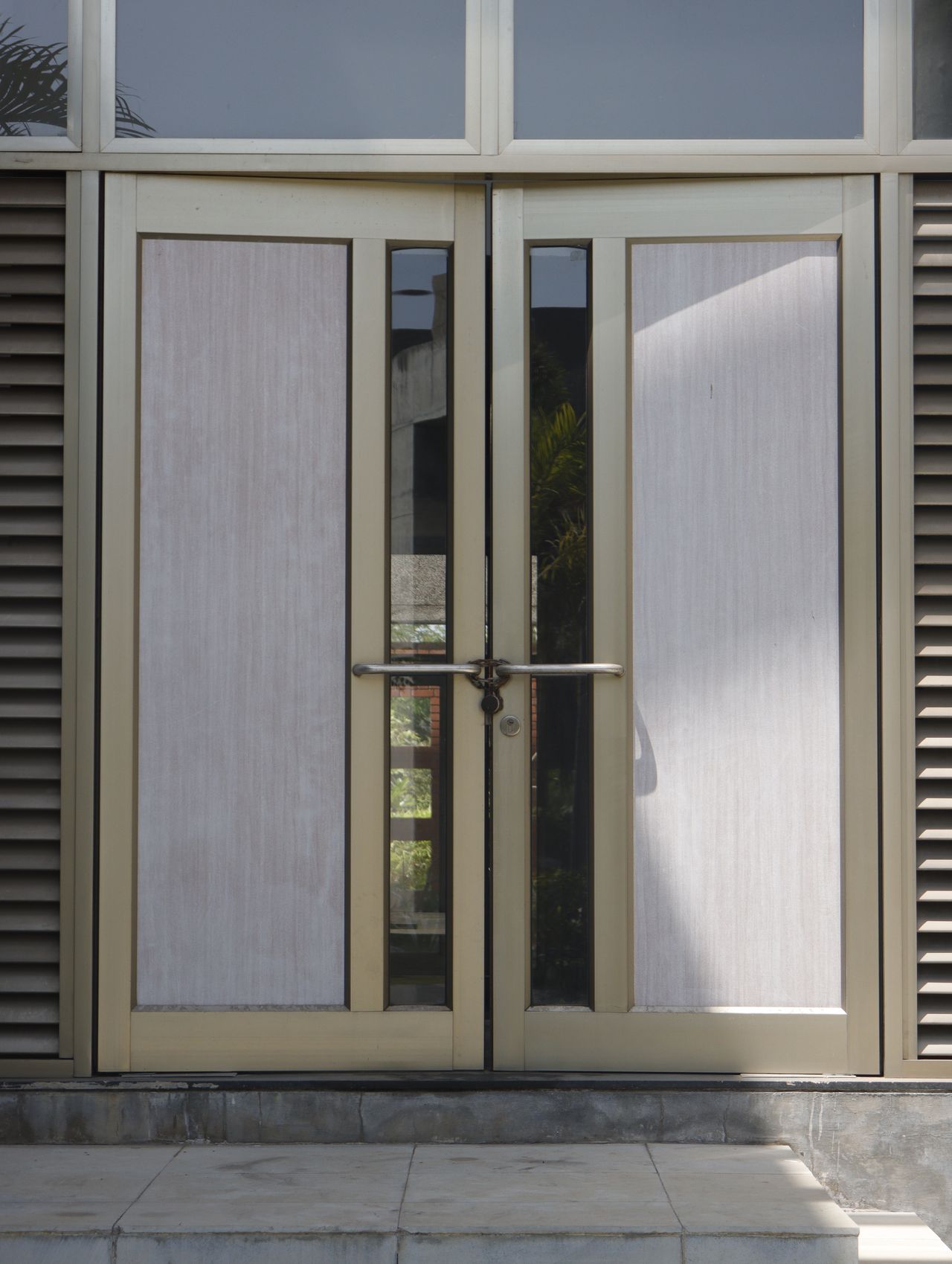
Photo: Pexels
3. The Foam Core Does the Insulating
Inside every good steel door is a core of injected polyurethane foam — the same insulation used in freezers. A foam-filled steel door typically rates around R-5 to R-6, roughly five times the insulation of a solid wood door, which matters when the entrance faces a −25°C wind. Check the spec sheet for the R-value or U-factor rather than taking "insulated" on faith.
The core only works if the edges seal. Look for magnetic weatherstripping (like a fridge door) rather than cheap foam tape, plus an adjustable sill and a door sweep that actually touches the threshold. On installation day, hold a lit incense stick around the closed door on a windy day — any smoke movement marks a leak to fix before the installer leaves. For more on sealing the house envelope, see our guide to winterizing your cottage.

Photo: Pexels
4. Styles From Historic to Modern
Steel doors long ago escaped the flat grey industrial look. Stamped panel designs mimic classic six-panel wood doors convincingly, smooth slabs suit modern homes, and decorative wrought-iron-look grilles over glass nod to heritage styles. Some manufacturers even emboss wood-grain textures into the steel that read as timber from the curb.
Match the door to the house, not the catalogue: a Victorian or Edwardian home suits panelled designs with brass hardware, while a new build carries a smooth slab with a long bar handle. If your street has a heritage character, check municipal rules first — some districts restrict what an entrance can look like from the sidewalk.

Photo: Dennis G. Jarvis via Wikimedia Commons
5. Colour: Go Bold on a Steel Door
A steel door takes paint beautifully, and a bold colour is the cheapest curb-appeal upgrade there is. Deep red, navy, racing green, and matte black all look superb on steel and make the entrance readable from the street. A litre of quality exterior metal paint costs under CAD 40 and covers the door twice.
Prep decides the result: scuff-sand the factory finish, wipe with a degreaser, and use a paint labelled for metal — standard wall paint peels within a year on steel. In full sun, darker colours absorb heat and can make the steel hot enough to soften cheap paint, so choose a high-quality acrylic urethane enamel. Repaint every 5 to 8 years, or sooner if chips expose bare metal.
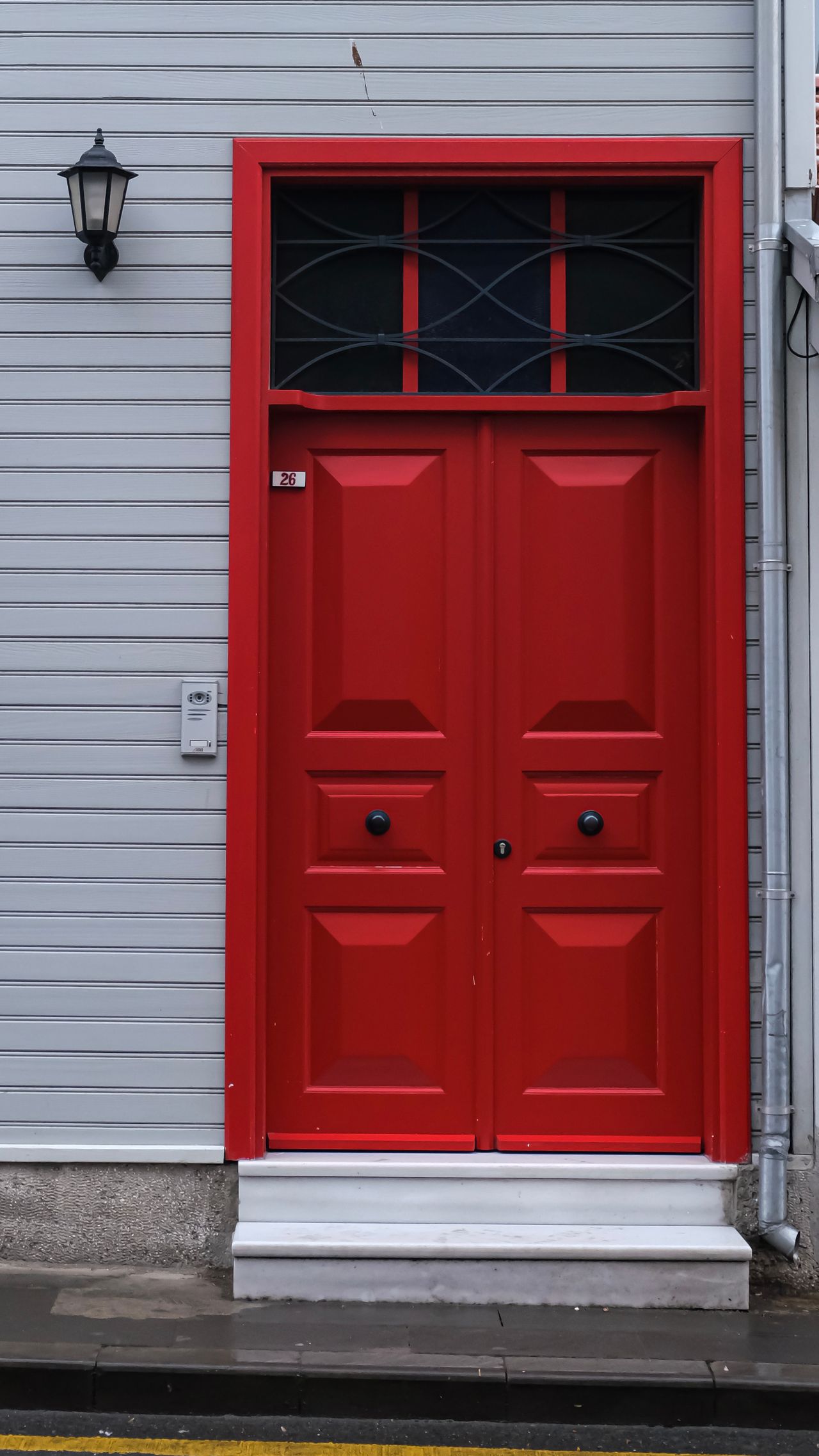
Photo: Pexels
6. Glass Without Losing Strength
Glass inserts, sidelights, and transoms bring daylight into dark entrance halls — but glass is the weak point of any door. Choose impact-resistant or laminated glass inserts, and keep them away from the lock: a pane within arm's reach of the deadbolt should be small, high, or reinforced so it cannot be smashed and reached through.
Internal blinds sealed between the glass panes are a brilliant Canadian option: privacy on demand, no dusting, and no cords for kids or pets to tangle. They add CAD 150 to CAD 300 to the door price but eliminate the need for curtains on the door. For the hallway beyond, our entryway decorating ideas show how to style the space the light falls into.
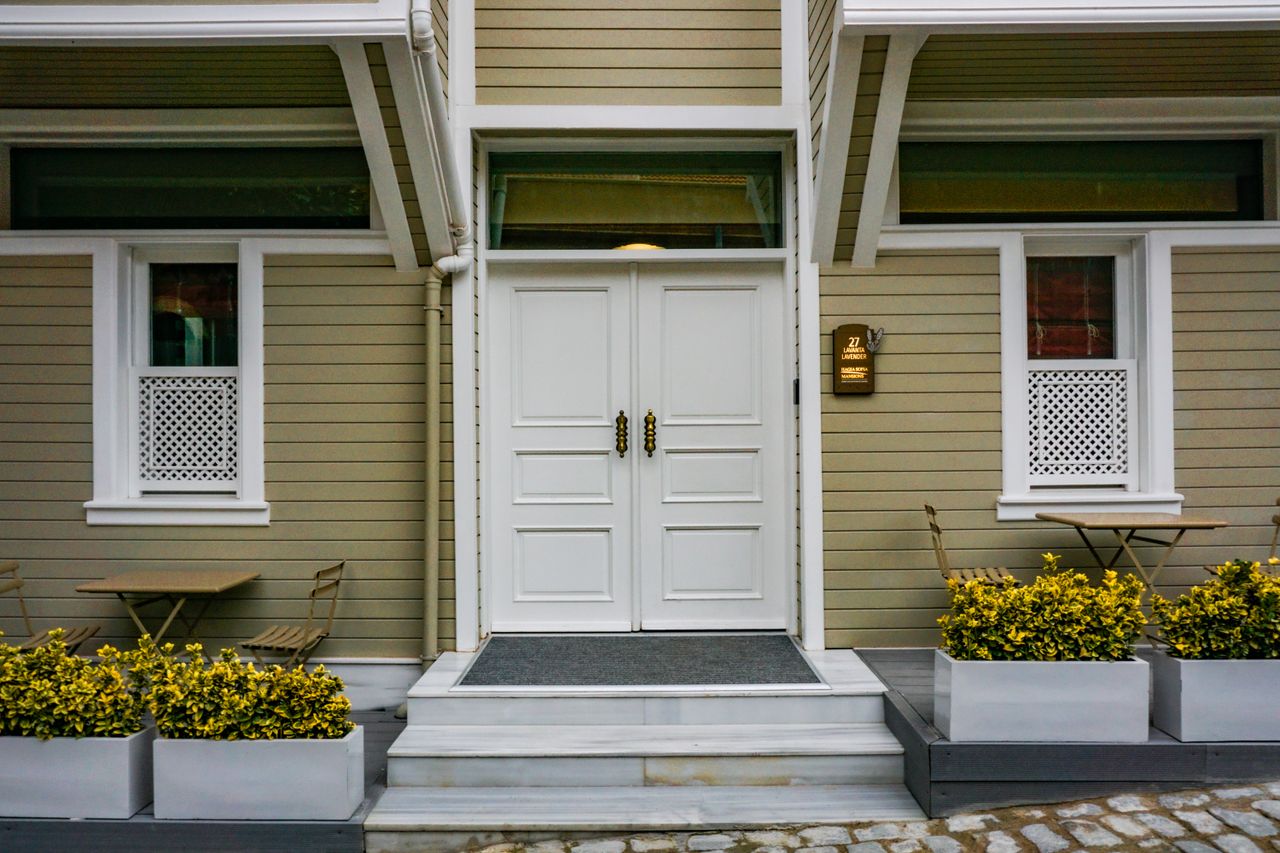
Photo: Pexels
7. Hardware: the Deadbolt Matters Most
The lock is where security is won or lost. Fit a Grade 1 or Grade 2 deadbolt with a full 2.5 cm throw — the cheap builder-grade deadbolts with short throws are the first thing to upgrade on any door. A smart deadbolt adds keyless entry for kids and guests, but make sure it is rated for −30°C operation; some battery locks get sluggish in real cold.
Handles and hinges deserve attention too: ball-bearing hinges carry a heavy steel door without sagging, and a wide-angle peephole or a video doorbell covers the "who's there" question that glass beside the door used to answer. Lubricate the lock cylinder yearly with graphite, never oil, which gums up in cold weather.

Photo: Pexels
8. Get the Frame and Installation Right
A pre-hung steel door — slab already mounted in its frame — is the way to buy; hanging a steel slab in an old frame rarely seals properly. The installer must set the frame plumb and square, shim it solidly, and insulate the gap between frame and rough opening with low-expansion spray foam, not stuffed fibreglass, which leaves air channels.
Watch three details on installation day: the threshold must sit level so the sweep seals along its full width, the frame needs flashing tape over the top to shed water, and every exterior screw head should be sealed. A rushed install undoes a good door — budget CAD 300 to CAD 600 for professional installation and be there for the final seal check.

Photo: Alan Hughes via Wikimedia Commons
9. Look After the Finish Every Year
Steel's weakness is rust, and rust starts where the finish is broken. Every autumn, walk around the door and touch up any chips or scratches with matching metal paint — a five-minute job that prevents a bubbling rust patch by spring. Pay special attention to the bottom edge, where road salt and meltwater splash all winter.
Oil the hinges and the multipoint lock mechanism yearly with a silicone spray, check that the weatherstripping still springs back when pressed, and tighten any loose handle screws. If rust has already bubbled through, sand to bare metal, apply a rust-converting primer, then topcoat — surface rust caught early never becomes a structural problem. For the landing zone inside, see our entryway table decorating ideas.

Photo: Belchers Albert via Wikimedia Commons
10. What It Costs in Canada
A basic insulated steel door slab starts around CAD 400 to CAD 700 at Canadian home centres; a pre-hung unit with decent glass and hardware runs CAD 800 to CAD 1,500. Premium designs with decorative glass, internal blinds, and multi-point locking reach CAD 2,000 to CAD 3,000 before installation. Professional installation adds CAD 300 to CAD 600.
Get three quotes and compare like with like — steel gauge, R-value, glass type, and lock hardware, not just the price. A door is a 25-year purchase; the CAD 300 saved on a thinner-gauge slab with foam-tape weatherstripping costs far more in heating and frustration. Ask each dealer about the finish warranty specifically — 10 years or more on the paint is the mark of a quality door.
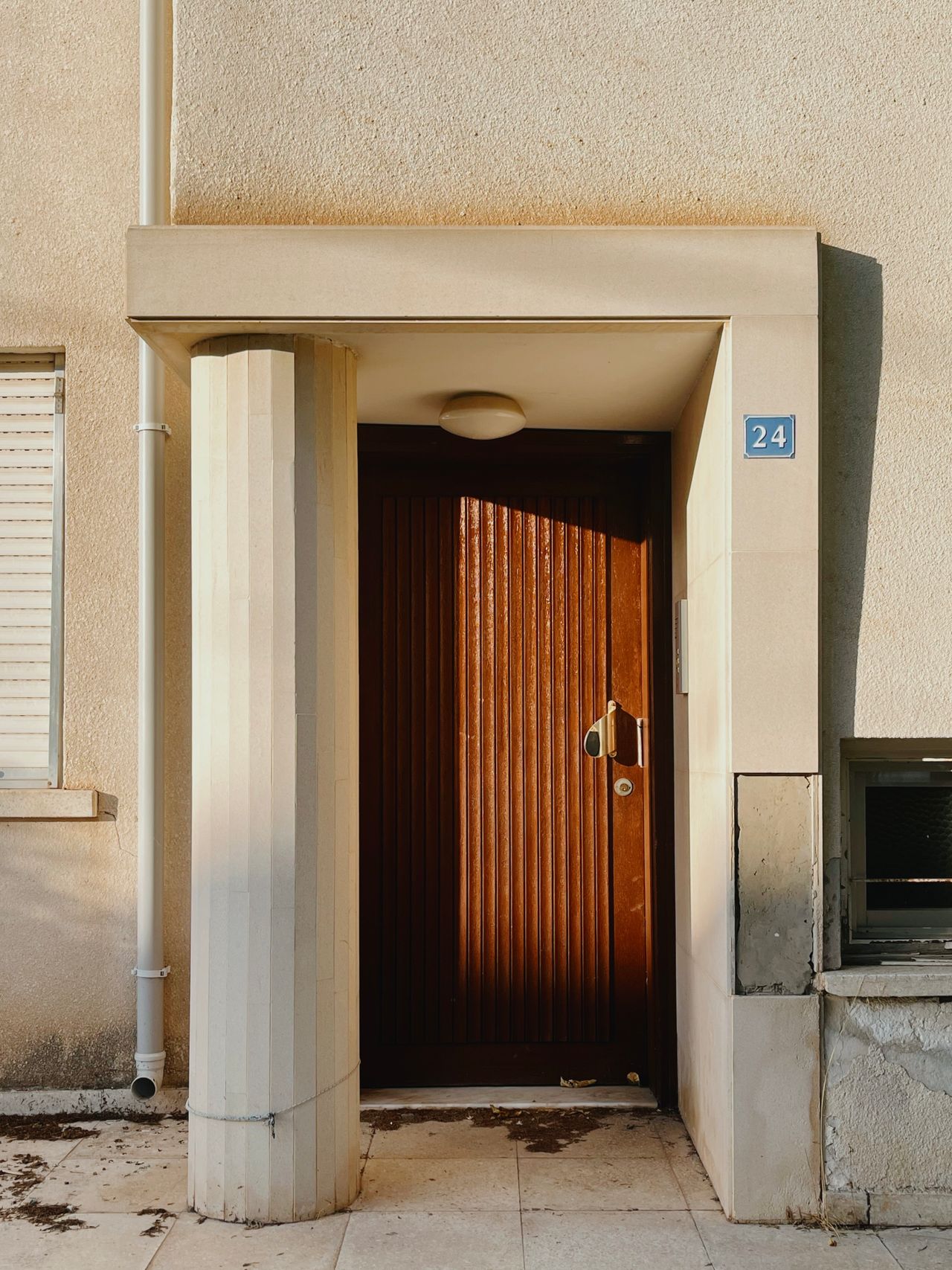
Photo: Pexels
FAQs
Are steel front doors good for Canadian winters?
Yes — they are one of the best choices. The steel skin does not warp in freeze-thaw cycles, and a foam-filled core insulates around R-5 to R-6. Make sure the frame has a thermal break so it does not conduct cold inside.
How much does a steel front door cost in Canada?
A pre-hung insulated steel door typically costs CAD 800 to CAD 1,500, with premium designs reaching CAD 3,000. Professional installation adds CAD 300 to CAD 600.
Do steel doors rust?
They can if the finish is damaged and bare metal is exposed to moisture and road salt. Touch up paint chips yearly and keep the bottom edge painted — with basic care, a quality steel door lasts 25 years or more.
Is a steel door more secure than a wood door?
Generally yes. The steel skin resists kicking and prying far better than wood, especially with a reinforced strike plate and a Grade 1 deadbolt. Security also depends on the frame and installation, not just the slab.
Can you paint a steel front door?
Absolutely — steel takes paint very well. Scuff-sand, degrease, and use exterior paint made for metal. A bold colour like red, navy, or black is a classic, cheap curb-appeal upgrade.
Final Thoughts
A steel front door is the pragmatic Canadian choice: secure, stable through winter, energy-efficient, and far cheaper than the alternatives that match its performance. The winners are foam-filled, 24-gauge, properly sealed, and hung in a reinforced frame by someone who took the time to foam and flash it right.
Spend your money on the core, the locks, and the installation rather than the fanciest glass, and touch up the paint every autumn. Do that, and your entrance will still be solid and draught-free when the neighbours are replacing theirs.
Sources
- Masonite — Exterior Door Manufacturer
- Orchestra Patio Door — Choosing the Perfect Entry Door in Canada
- Love That Door — What Type of Front Entry Door Is Best? Complete 2026 Guide
Gallery
Photo: Pexels
Photo: Pexels
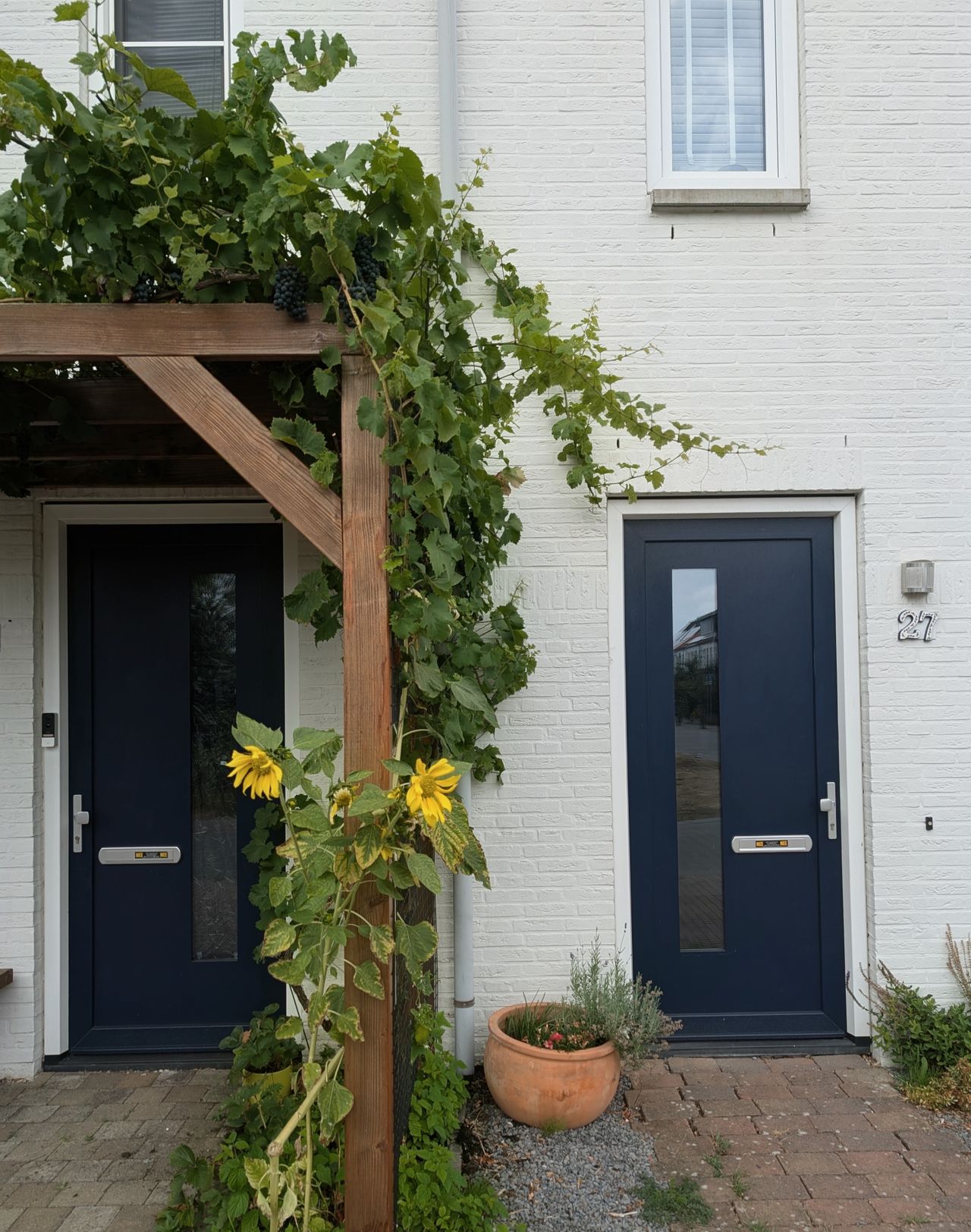
Photo: Pexels

No comments:
Post a Comment