A 10-by-12-foot living room in a New York walk-up has to work harder than a suburban family room three times its size. Between the radiator hogging one wall, the pre-war doorway that barely fits a bookshelf, and a lease that says "no drilling," decorating can feel like solving a puzzle. These small New York apartment living room ideas come from real small-space living: measured furniture, renter-friendly tricks, and layouts that survive actual daily life.
I have helped friends furnish railroad apartments, studios, and one classic "living room that is also the hallway" in Queens, and the same rules win every time: pick smaller-scale furniture, bounce the light you have, and make every piece earn its floor space. For the bigger furnishing picture, see our guide to furnishing a small apartment and our 15 small living room decor tips.
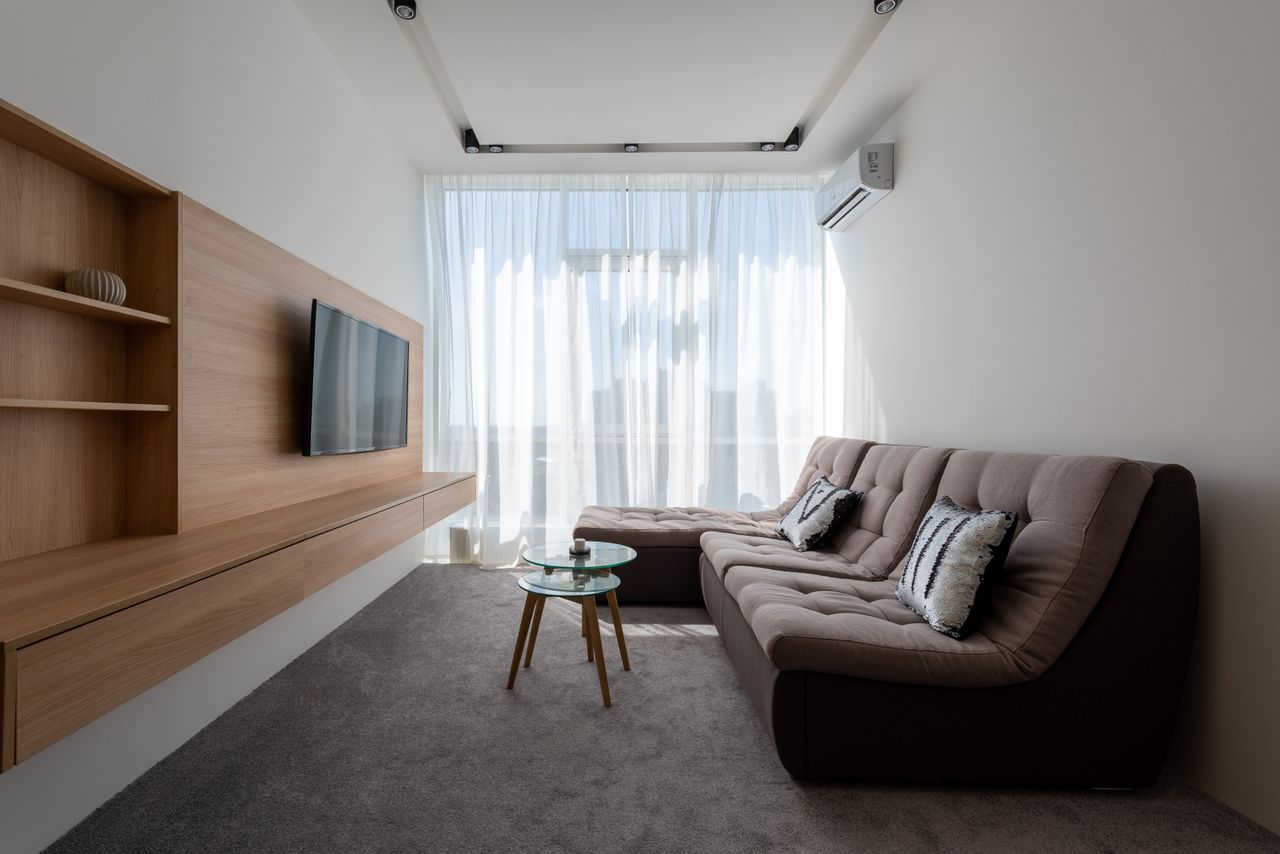
Photo via Pexels
Table of Contents
- 1. Choose an Apartment-Size Sofa
- 2. Lean a Big Mirror to Double Your Light
- 3. Go Vertical With Wall Shelves
- 4. Buy Furniture That Does Two Jobs
- 5. Hang Curtains High and Wide
- 6. Anchor the Room With One Big Rug
- 7. Take the Gallery Wall Up High
- 8. Work With Pre-War Quirks
- 9. Layer Three Kinds of Light
- 10. Add One Tall Plant
1. Choose an Apartment-Size Sofa
The number one mistake in a tiny New York living room is a full-size 84-inch sofa that eats the whole wall. Look for "apartment sofas" in the 68 to 72-inch range with narrow arms and raised legs — the visible floor underneath tricks your eye into seeing more space. Measure your doorway first: many pre-war buildings have 30-inch doors, and that gorgeous 78-inch sofa is useless if it cannot make the turn in the hallway.
A 72-inch loveseat plus one slim armchair seats three people and leaves room to walk. Our 2-seat sofa guide for small living rooms breaks down the exact dimensions to shop for, and our living room furniture guide covers scale in more depth. Expect to spend $600 to $1,200 for a decent apartment-size sofa at IKEA, Article, or a local spot like Bob's.
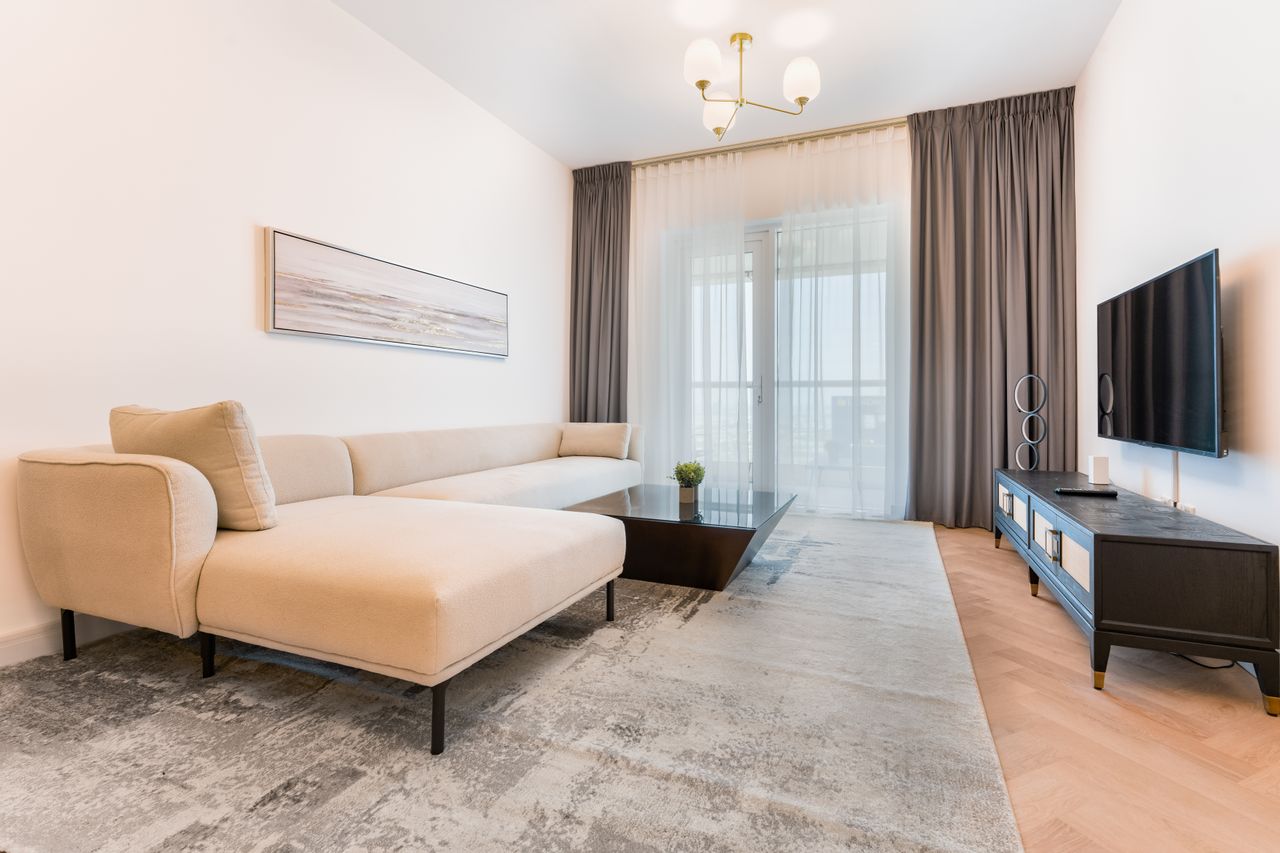
Photo via Pexels
2. Lean a Big Mirror to Double Your Light
North-facing garden-level apartment? A mirror is the cheapest "second window" you can buy. A 60-by-20-inch leaning floor mirror placed opposite or beside your window bounces daylight deep into the room and visually doubles the square footage. Lean it — do not hang it — so there is no drilling, no lease violation, and you can take it with you when you move.
Keep the mirror's reflection honest: aim it at the window or at something pretty, not at the cluttered desk corner. A leaning mirror from Target or IKEA runs $70 to $150, takes ten seconds to "install," and makes a 10-by-12 room feel like it gained four feet. Wipe it monthly — dusty mirrors in city apartments go gray fast.
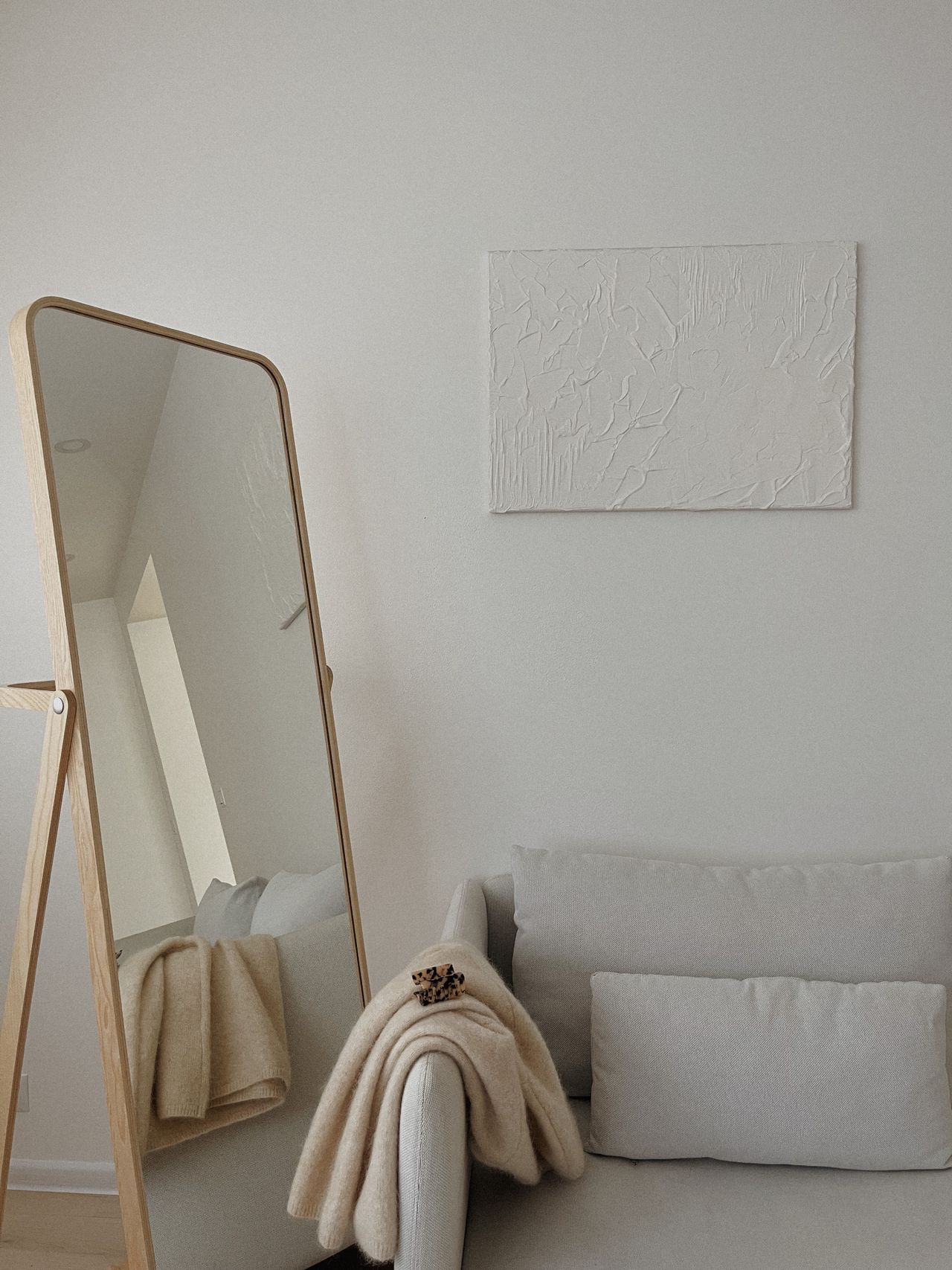
Photo via Pexels
3. Go Vertical With Wall Shelves
Floor space is gold in a small city living room, so stop storing things at knee level. Two or three wall-mounted shelves above the sofa hold books, plants, and the boxes you cannot part with, using zero square feet of floor. A 43-inch LACK shelf from IKEA costs about $15 and holds 30 pounds when it hits a stud — have a stud finder, because plaster-and-lath walls laugh at plastic anchors.
If your lease bans drilling entirely, a tall narrow bookcase (12 inches deep, 70 inches tall) tucked beside the window does the same job standing up. Style shelves with breathing room: books stacked horizontally, one plant, one framed photo. Crammed shelves read as clutter; spaced shelves read as design.

Photo via Wikimedia Commons
4. Buy Furniture That Does Two Jobs
Every piece in a tiny living room should moonlight. A storage ottoman is a footrest, an extra seat when friends come over, and a coffee table with a tray on top — three jobs, 16 inches of floor. A loveseat with a pull-out sleeper turns your living room into a guest room without a guest room. Nesting side tables tuck away until you need them.
Shop with a tape measure and a job list: before buying anything, write down the two things it must do. If it only does one, it does not come home. This is the core of our one-room apartment ideas — fewer, harder-working pieces always beat more, single-use ones.
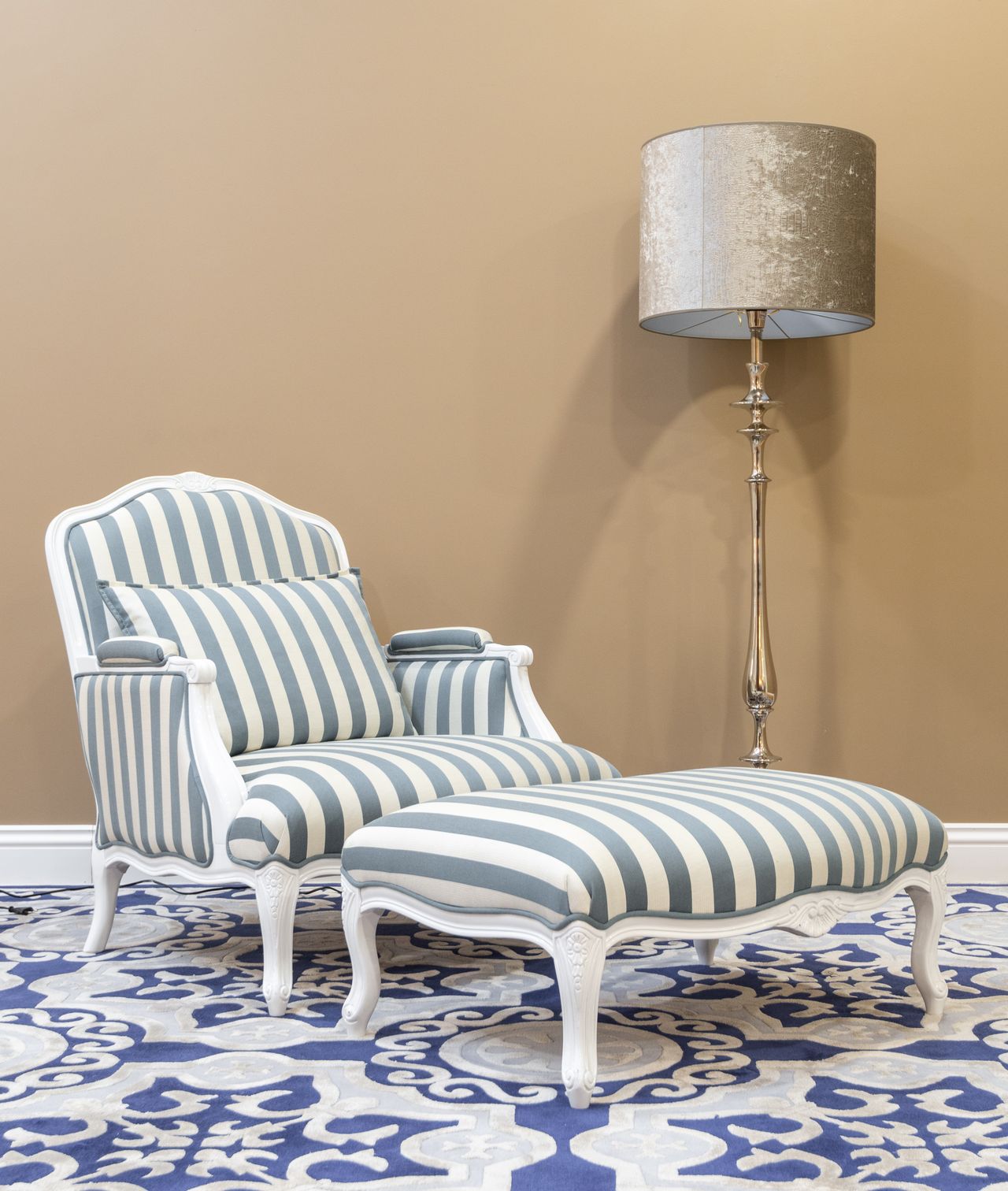
Photo via Pexels
5. Hang Curtains High and Wide
This is the oldest designer trick in the book because it works: mount the curtain rod 4 to 6 inches above the window frame and 8 to 12 inches wider on each side, then let sheer white curtains fall to just kiss the floor. The window instantly looks twice as big, the ceiling looks taller, and the whole room gets a soft glow.
Use a tension rod inside the frame if you cannot drill, or ceiling-mount brackets for that dramatic floor-to-ceiling look in rooms with low 8-foot ceilings. Sheers cost $15 to $30 a panel at IKEA or Target, and they filter the harsh light that bounces off the building across the street. Avoid heavy dark drapes — they swallow a small room whole.
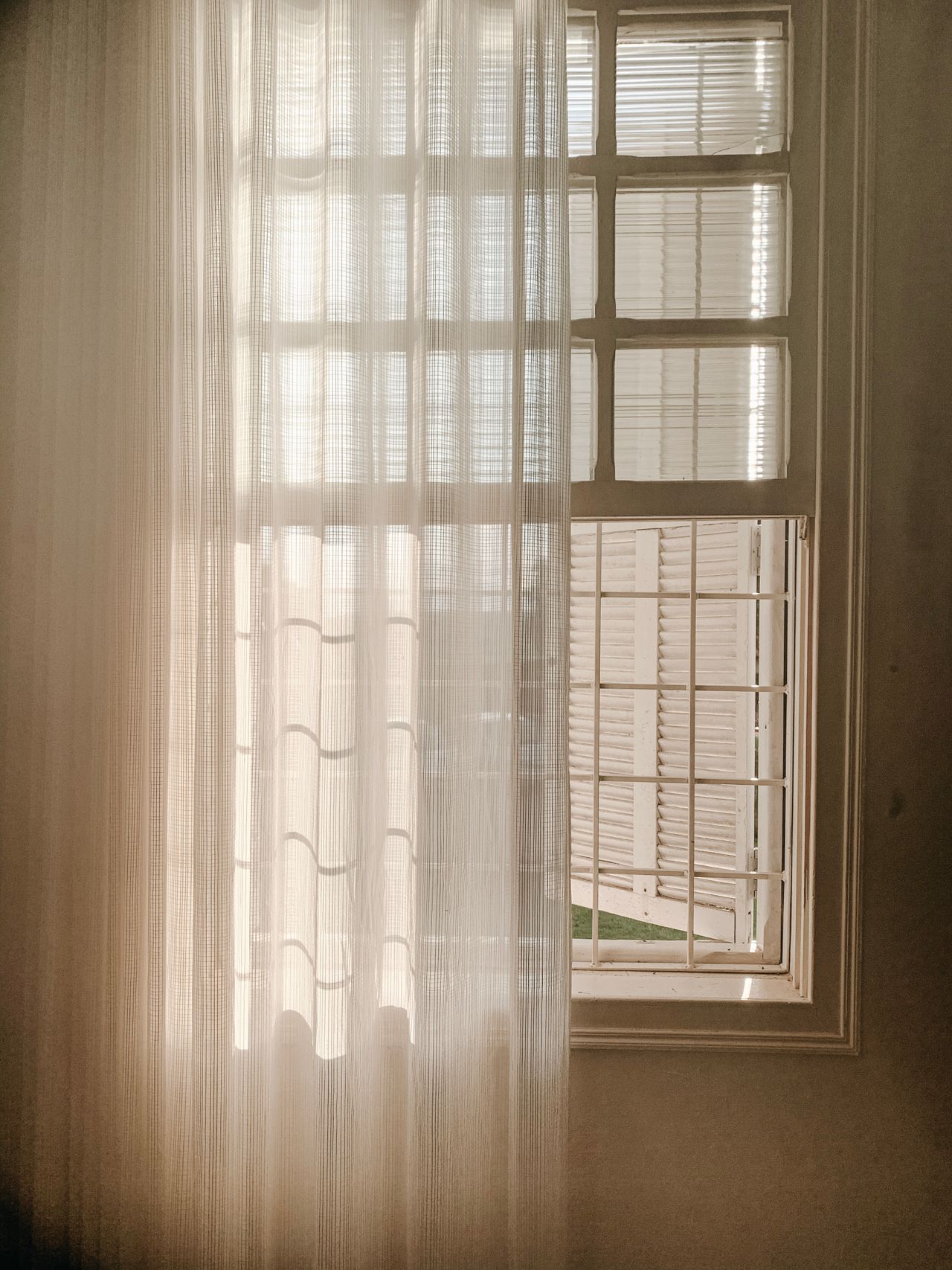
Photo via Pexels
6. Anchor the Room With One Big Rug
A tiny rug makes a tiny room look tinier — it chops the floor into sad little islands. Do the opposite: one 8-by-10 rug (or at least 6-by-9) with the front legs of the sofa and chairs sitting on it pulls everything into one generous zone. In an open railroad layout, the rug is what tells your brain "this part is the living room."
Stick to light, low-pile weaves that handle foot traffic and the occasional coffee spill — indoor-outdoor rugs at $80 to $150 are the unsung heroes of rental living. Leave 12 to 18 inches of bare floor between the rug edge and the wall so the room still breathes. Dark, busy patterns shrink the space visually; calm and light expands it.
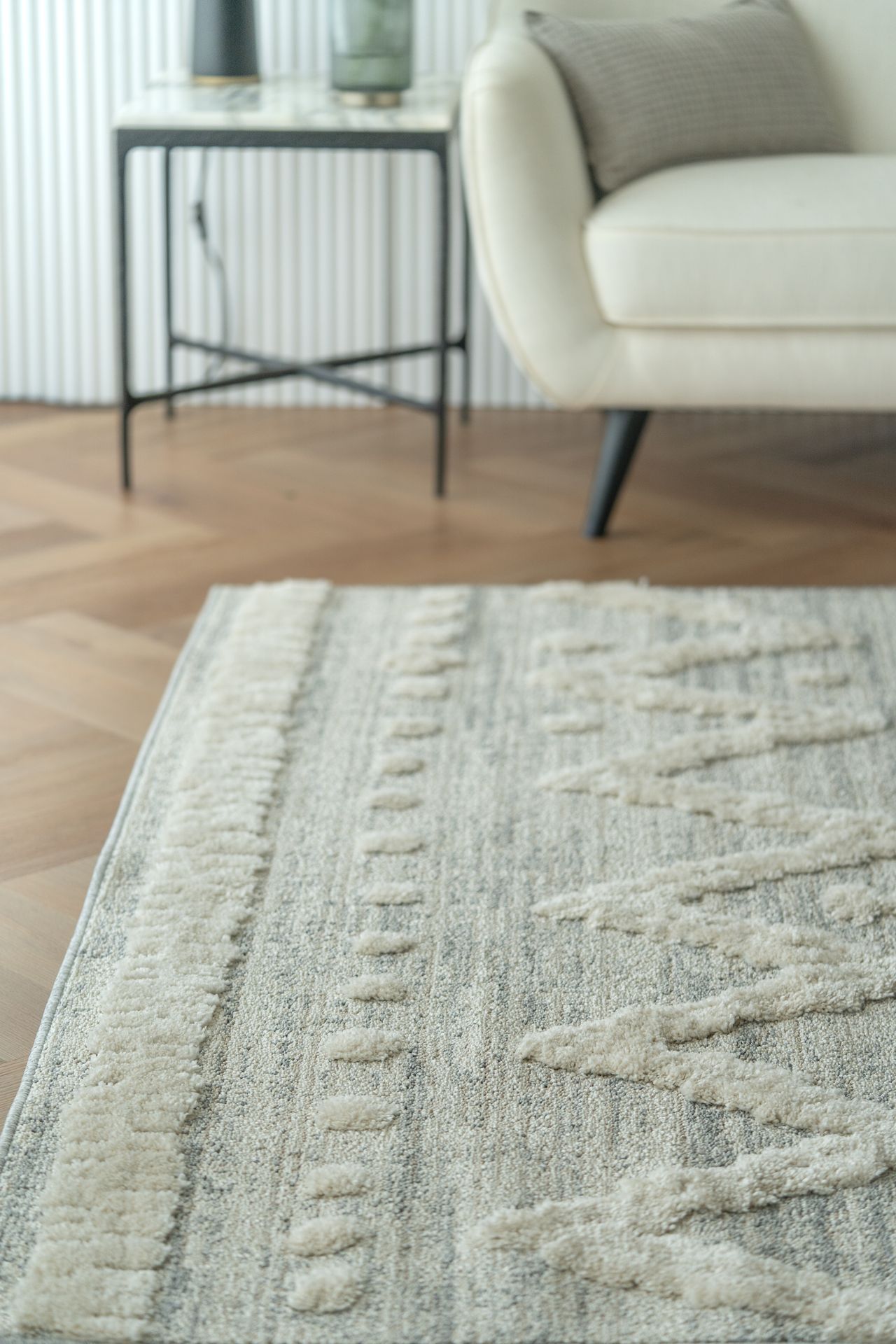
Photo via Pexels
7. Take the Gallery Wall Up High
When floor space is gone, the walls are your gallery — and hanging art higher than expected draws the eye up, which makes ceilings feel taller. Build a salon-style cluster that climbs from sofa-back height toward the ceiling, mixing thrift-store frames in one color (all black, all white, all wood) so it reads intentional instead of random.
Use damage-free picture-hanging strips rated for the frame weight; a 16-by-20 frame needs the large pairs, not the small ones. Lay the arrangement on the floor first, photograph it, then transfer it to the wall. Total cost can stay under $60 if you print photos at a drugstore and frame them in bulk packs.
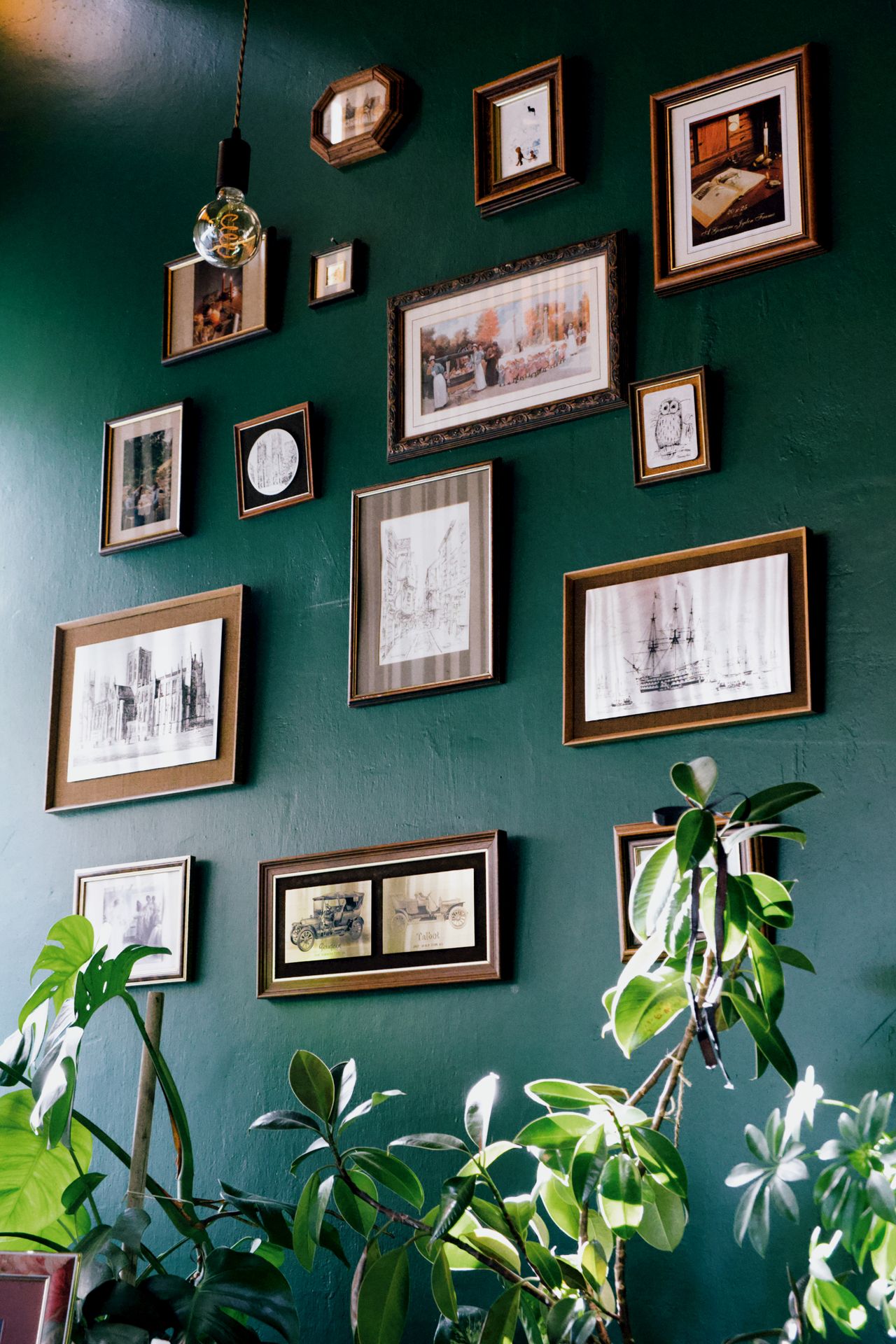
Photo via Pexels
8. Work With Pre-War Quirks
That clanking radiator, the exposed brick, the weird little alcove — stop fighting them and style around them. A radiator cover (about $100 to $200, or a DIY top board) turns the ugliest object in the room into a console shelf for books and a lamp. Just never block the heat vents or drape fabric over it; radiators need airflow to actually warm the room.
Exposed brick is a gift: hang one big piece of art on it with a masonry hook and let the texture do the talking. Deep window sills become plant ledges. The odd alcove fits a reading chair perfectly. Pre-war apartments have more character per square foot than any new build — the quirks are the decor.
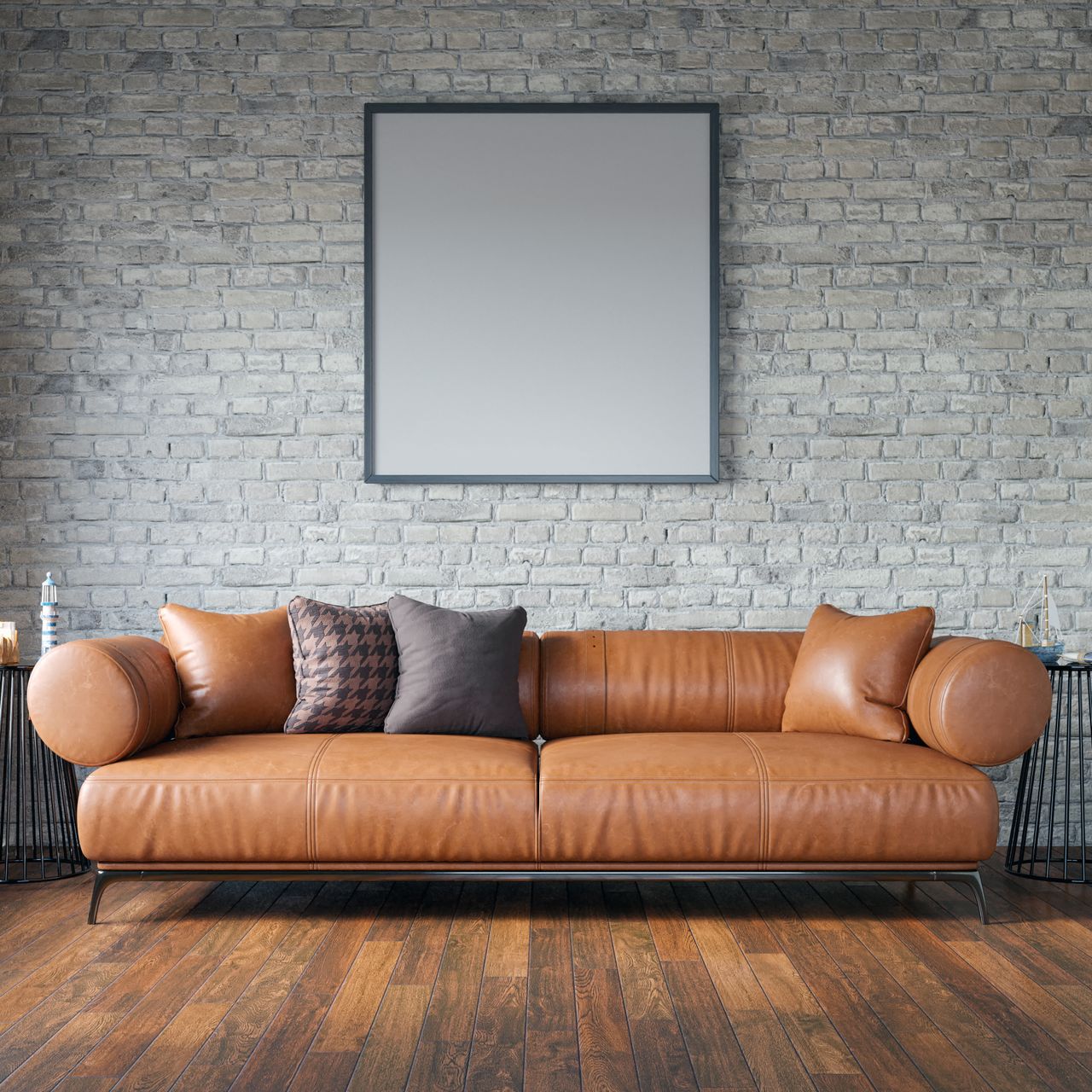
Photo via Pexels
9. Layer Three Kinds of Light
One sad ceiling fixture makes a small room feel like an interrogation cell. You need three layers: a floor lamp arcing over the reading spot, a small table lamp on the side table for warm pools of light, and a plug-in wall sconce or two where the ceiling light cannot reach. Put them all on warm 2700K bulbs — daylight-blue bulbs make a small room feel clinical.
Plug-in sconces with cord covers are the renter's chandelier: no electrician, no lease drama, about $40 each. Put the two biggest lamps on a $12 plug-in dimmer and your 120-square-foot living room will feel like three different rooms — bright for mornings, low and warm for evenings.
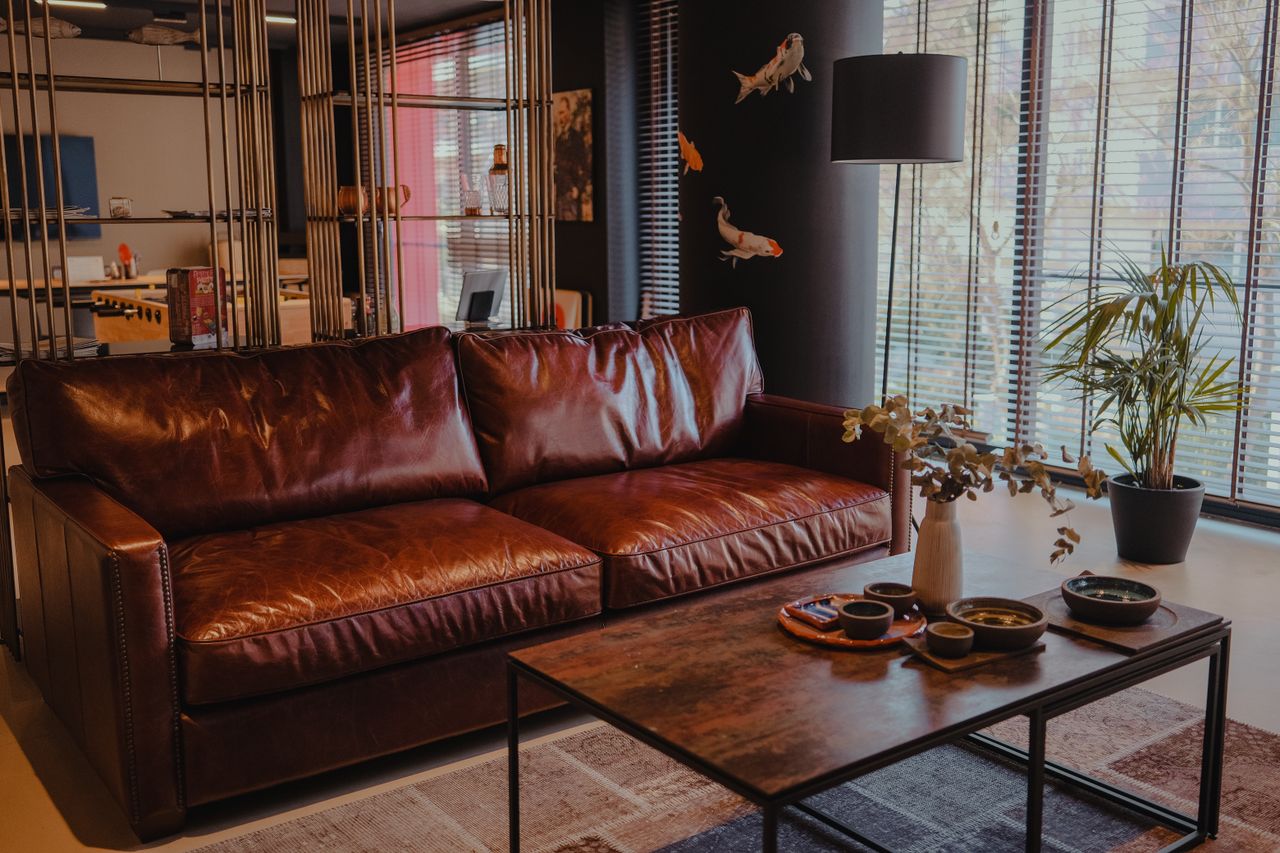
Photo via Pexels
10. Add One Tall Plant
A single tall plant does more for a small living room than five tiny succulents scattered around. Height draws the eye up, green softens all the hard edges, and one statement plant reads as design while a dozen small pots read as clutter. For north-facing New York windows, snake plants and ZZ plants survive near-anything; pothos trails beautifully from a high shelf.
Put the tall plant in the dead corner — the one by the window where nothing else fits — in a simple pot that matches your frames. Water on a schedule (most indoor plants want a drink every 1 to 2 weeks, not daily), and dust the leaves monthly so they can actually catch the light. One $30 plant, endless payoff.
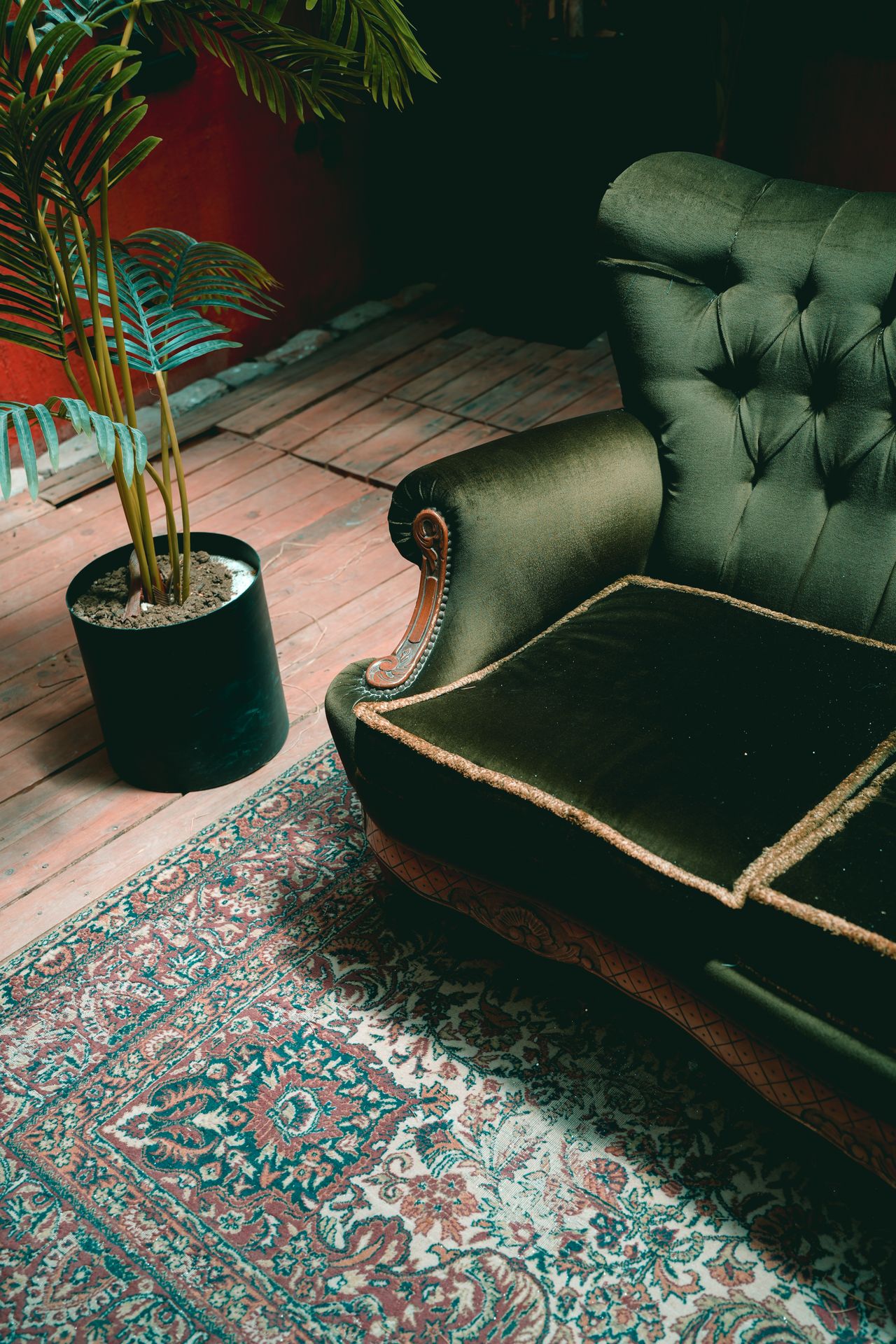
Photo via Pexels
Frequently Asked Questions
How do you arrange furniture in a very small living room?
Float the sofa 3 to 4 inches off the wall if you can, keep walkways 30 inches wide minimum, and angle one chair instead of lining everything against walls. Start with the rug, then place the largest piece first.
What size sofa actually fits a small NYC apartment?
Look for apartment sofas 68 to 72 inches wide with narrow arms. Always measure your building's doorways and hallway turns before ordering — many pre-war doors are only 30 inches wide.
How can I make my small living room look bigger on a budget?
A leaning floor mirror ($70 to $150), sheer white curtains hung high ($30), and one big light rug ($80 to $150) deliver the most visual space per dollar. Paint, if allowed, is the cheapest transformation of all.
Where should the TV go in a tiny living room?
Wall-mount it on the longest wall to free the floor, or skip the TV stand and set it on a narrow console. Keep seating 6 to 8 feet from a 50-inch screen for comfortable viewing.
What do I do about the radiator in my living room?
Cover it with a ventilated radiator cover to gain a shelf, and never block the heat vents or put fabric directly on it. Style the top with books and a small lamp — it becomes furniture.
Final Thoughts
A small New York apartment living room is not a problem to solve — it is a set of constraints that force better decisions. Smaller-scale furniture, light bounced off mirrors and sheers, storage that climbs the walls, and pieces that do two jobs will make 120 square feet feel generous.
Start with the three cheapest wins: a leaning mirror, curtains hung high and wide, and one big rug. Live with those for two weeks before buying anything else. Small-space decorating rewards patience — the room will tell you what it still needs.
Sources
- https://www.apartmenttherapy.com/
- https://www.brickunderground.com/
- https://www.nyc.gov/
- https://www.ikea.com/us/en/
Gallery

Photo via Wikimedia Commons
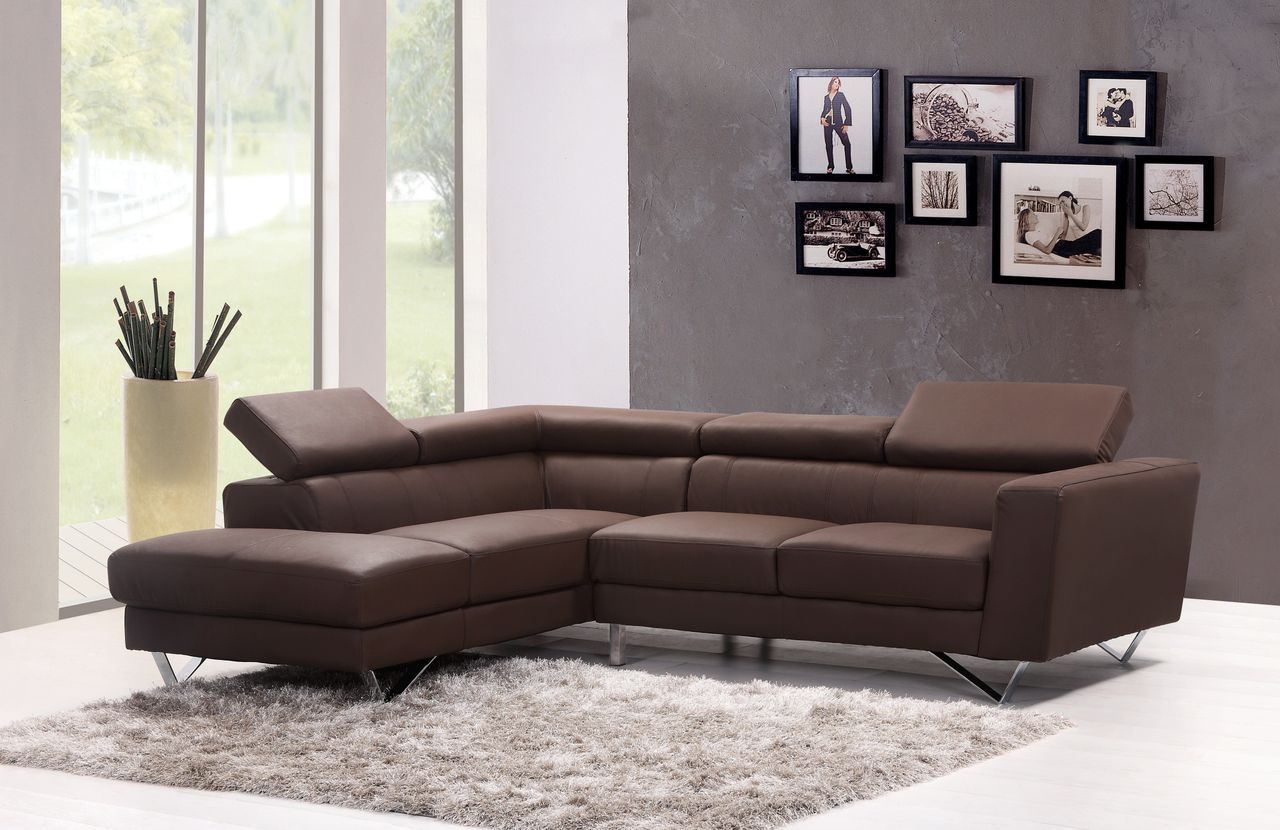
Photo via Pexels
Photo via Pexels

No comments:
Post a Comment