Learning how to furnish a small apartment is mostly about making smart choices before you spend a dollar. A 500-square-foot studio can feel open and calm, or it can feel like a storage unit — the difference is rarely the size of the rooms. It is the size of the furniture, how each piece earns its place, and whether you planned the layout before the delivery truck arrived. These 12 ideas come from designers, property managers, and thousands of real renters who figured it out the hard way, so you do not have to.
Below you will find practical rules with real measurements: what size sofa fits, how much walkway space you need, which pieces do double duty, and the mistakes that make small rooms feel smaller. Whether you are moving into your first studio or downsizing to save money, this guide walks you through furnishing a small apartment step by step — without clutter, without waste, and without buying the wrong couch twice.

Photo via Wikimedia Commons
Table of Contents
- 1. Measure Everything Before You Buy
- 2. Choose an Apartment-Size Sofa
- 3. Make Every Piece Do Two Jobs
- 4. Sleep Up High with a Loft or Bunk Bed
- 5. Use a Drop-Leaf or Folding Table
- 6. Go Vertical with Floor-to-Ceiling Shelves
- 7. Hang Mirrors to Double the Light
- 8. Keep Colors Light and Curtains Sheer
- 9. Divide One Room into Zones
- 10. Carve Out a Small Work Corner
- 11. Use Every Inch of Your Closets
- 12. Keep Floors Clear and Edit Often
- Frequently Asked Questions
- Final Thoughts
- Gallery
1. Measure First: The Golden Rule of How to Furnish a Small Apartment

Photo via Wikimedia Commons
The number one mistake renters make is falling in love with furniture before measuring. Measure every room wall to wall, then measure the doorways, hallways, stairwells, and elevator — a standard interior doorway is 30 to 32 inches wide, and many a beautiful sofa has died in a stairwell. Write the numbers on your phone, and keep a tape measure in your bag when you shop. Draw a simple floor plan on graph paper where one square equals 6 inches, cut out paper shapes for each big piece, and slide them around before you buy anything.
Leave 30 to 36 inches of clear walkway in front of every major piece, and at least 18 inches between the sofa and the coffee table so you can walk past and put your feet up. If a floor plan shows less than 24 inches anywhere you walk daily, the piece is too big. This ten-minute habit saves more money and regret than any other tip on this list.
2. Choose an Apartment-Size Sofa

Photo via Wikimedia Commons
A standard sofa runs 84 to 96 inches long, which eats a whole wall in a 10-by-12-foot living room. Look for "apartment sofas" at 68 to 76 inches, or a loveseat at 48 to 60 inches paired with one good armchair. Designers also point out a counterintuitive truth: one right-size sofa usually looks better than three tiny chairs, because lots of small pieces chop the room into visual clutter. Pick a sofa with raised legs — seeing floor underneath makes the whole room feel airier.
Skip the bulky recliner and the deep sectional unless your room is truly big enough; a 90-inch sectional needs a wall of at least 11 feet plus walkways. Sit-test before buying: seat depth of 20 to 22 inches suits most adults, and a tight-back style (no loose pillows swallowing space) keeps the profile slim. Thrift stores and Facebook Marketplace are full of quality small sofas for under $200 — just bring your measurements.
3. Make Every Piece of Furniture Do Two Jobs

Photo via Wikimedia Commons
In a small apartment, single-purpose furniture is a luxury you cannot afford. As experienced small-space renters on Reddit put it: buy anything that collapses or does double duty. A storage ottoman holds blankets and works as a coffee table and extra seat. A lift-top coffee table becomes a dining or laptop desk. A sleeper sofa or daybed covers guests without a guest room. Even a kitchen island on wheels with fold-down wings can serve as prep space, dining table, and serving cart.
Prioritize the pieces with hidden storage: a bed frame with drawers (the IKEA Malm is a renter favorite for a reason), a bench with a lift-up seat at the foot of the bed, and nesting side tables that tuck together when not needed. Every item should answer the question: what two things does this do for me? If the answer is one, keep shopping.
4. Sleep Up High with a Loft or Bunk Bed

Photo via Wikimedia Commons
A loft bed is the closest thing to adding a second room. Raising a twin or full mattress 5 to 6 feet off the floor frees roughly 30 to 40 square feet underneath — enough for a desk, a dresser, or a reading chair. You need ceilings at least 8 feet high so you can sit up without hitting your head, and always check your lease: some landlords restrict lofted beds, and you want a frame rated for adult weight with a proper guard rail.
If a full loft feels too high, a mid-height loft at 4 feet still fits storage bins, a shoe rack, and a small dresser underneath. Bunk beds work the same way for roommates or kids sharing a room. Pair the setup with a clip-on reading light and a
5. Use a Drop-Leaf or Folding Table

Photo via Wikimedia Commons
A dining table that seats two every day and six on holidays is small-apartment gold. Drop-leaf tables fold down to 18 to 24 inches wide against a wall, then open to a full 48-inch table when guests come. Round tables are kinder than square ones in tight rooms — a 36-inch round seats four with no sharp corners to bruise your hips in a narrow kitchen.
Reddit renters swear by the cheap square folding table from Walmart as a first-apartment dinner table: it costs little, folds flat for moving day, and doubles as a desk. Folding chairs hang on wall hooks or slide behind a door, so seating for six stores in the footprint of one. If you eat at the couch most nights, a sturdy C-shaped side table that slides over the sofa arm may replace a dining table entirely.
6. Go Vertical with Floor-to-Ceiling Shelves

Photo via Wikimedia Commons
Your walls are free square footage — use them. A bookcase that runs all the way to the ceiling holds twice what a short one does in the same 2 square feet of floor. Keep daily items between knee and eye level, and put rarely used things in labeled boxes on the very top shelf. Twelve-inch-deep shelves hold books, dishes, and folded clothes without jutting into the room.
Floating shelves above the desk, the toilet, and the kitchen counter turn dead air into storage that costs zero floor space. Wall hooks inside cabinet doors, a pegboard for kitchen tools, and a magnetic knife strip on the fridge free entire drawers. Just anchor every tall piece to a stud — a loaded bookcase in a small room is a safety issue, not just a decor choice.
7. Hang Mirrors to Double the Light

Photo via Wikimedia Commons
A mirror is the cheapest square footage you will ever buy. A large mirror — say 3 by 4 feet — hung on the wall opposite or adjacent to a window bounces daylight deep into the room and visually doubles the space. Designers call it the single fastest way to make a small room feel bigger, and thrift stores sell big mirrors for $20 to $40 because nobody wants to move them.
A leaning floor mirror behind a chair adds depth without a single nail hole, which renters love. Mirrored closet doors do the same job while hiding clutter. Avoid hanging a mirror where it reflects a messy corner or the TV glare — point it at windows, plants, or art, and let it multiply the prettiest part of your room.
8. Keep Colors Light and Curtains Sheer

Photo via Wikimedia Commons
Light colors reflect light; dark colors absorb it — that is the whole science of why white and cream rooms feel bigger. Keep walls, ceiling, and the biggest furniture pieces pale, then add personality with pillows, art, and plants instead of a dark sofa. If you cannot paint, light slipcovers, bedding, and rugs do the same job without risking your security deposit.
Heavy dark curtains shrink a room fast. Swap them for sheer white panels and hang the rod 4 to 6 inches above the window frame and 3 to 4 inches wider on each side — the window looks larger and the ceiling looks taller. Keep windowsills clear so daylight trave
9. Zone Your Layout: How to Furnish a Small Apartment That Feels Bigger

Photo via Wikimedia Commons
A studio that reads as one blurry room feels smaller than the same space divided into clear zones for sleeping, working, and relaxing. You do not need walls: a 5-by-7-foot rug under the sofa marks the living zone, a folding screen or open bookcase separates the bed, and a different pendant light over the dining spot signals "kitchen." Each zone gets a purpose, and the apartment suddenly feels like it has rooms.
Arrange furniture into these activity areas rather than pushing everything against the walls — floating the sofa with its back to the bed, for instance, creates a natural divider. A curtain on a ceiling track around the sleeping area costs under $50 and gives real privacy. When every zone has a job, even 400 square feet lives like a full apartment.
10. Carve Out a Small Work Corner

Photo via Wikimedia Commons
Working from the couch ruins your back and your focus. You do not need a home office — a 24-inch-deep wall-mounted drop-down desk in a corner holds a laptop and folds flat when the workday ends. A narrow console table (12 to 14 inches deep) behind the sofa works as a desk by day and a serving surface at dinner parties, with a stool tucked underneath.
Face your chair toward the room, not the bed — designers note you will never concentrate with a cozy bed in your line of sight. A small desk lamp, a power strip mounted under the desk, and one drawer or wall pocket for supplies keep the corner tidy. Total footprint: about 6 square feet that pays for itself every workday.
11. Use Every Inch of Your Closets

Photo via Wikimedia Commons
Most closets waste half their space on a single rod with empty air above and below. Add a second rod: hang one at 80 inches for long items and one at 40 inches for shirts, and you instantly double hanging capacity. Slim velvet hangers take half the width of bulky plastic ones — switching 50 hangers reclaims about a foot of rod space. The shelf above the rod fits labeled bins for out-of-season clothes.
Over-the-door hooks and hanging organizers add storage to the back of any door without a single screw. In the kitchen, use the same trick: stackable shelf risers double cabinet space, and a hanging basket frees counter room. When closets work this hard, your living areas stay clear — which is the entire secret of small-apartment calm.
12. Keep Floors Clear and Edit Often

Photo via Wikimedia Commons
The final rule is the simplest: visible floor equals visible space. Property managers who stage small rentals say an empty patch of floor does more for a room than another side table ever will. Resist filling every corner — leave breathing room around furniture, keep pathways 30 inches wide, and let one or two walls stay nearly bare. A room with space to walk feels twice its size.
Adopt the one-in-one-out rule: every new item means an old one leaves. Do a ten-minute reset each evening — shoes in the closet, dishes in the sink, throw pillows fluffed — because clutter accumulates three times faster in small rooms. Furnishing a small apartment is not a one-time project; it is a habit of choosing less, and choosing well.
Frequently Asked Questions
What size sofa is best for a small apartment?
Look for an apartment-size sofa between 68 and 76 inches long, or a loveseat at 48 to 60 inches plus one armchair. Measure your wall and subtract at least 30 inches of walkway on the traffic side. A sofa with raised legs and a tight back keeps the visual bulk low, which matters as much as the tape-measure dimensions.
Should I buy all my furniture at once when furnishing a small apartment?
No — this is the most common advice from experienced renters. Buy the essentials first: a bed and mattress, somewhere to sit, a table, and basic storage. Live in the space for two to four weeks, notice what you actually miss, then fill the gaps. Thrift stores, Facebook Marketplace, and IKEA's small-space lines stretch a tight budget much further than one big shopping spree.
How can I make a studio apartment feel like it has separate rooms?
Divide it into zones without building walls. Use a rug to anchor the living area, a folding screen or open bookshelf to screen the bed, and different lighting for each zone — a floor lamp by the sofa, a pendant over the table. Keep a consistent light color palette across zones so the space still reads as one calm home rather than chopped-up corners.
What furniture should I avoid in a small apartment?
Avoid oversized sectionals, deep bulky recliners, and dark, heavy pieces that absorb light. Also avoid the opposite trap: filling the room with lots of tiny pieces, which designers say creates more visual clutter than fewer, slightly larger pieces. Skip anything you cannot measure for first, and anything with only one use when a double-duty version exists.
Where can I find affordable furniture that fits small spaces?
IKEA is the classic answer — the Malm storage bed and small-space sofa lines are designed for exactly this. Thrift stores and Facebook Marketplace often have quality small sofas, solid-wood tables, and mirrors for a fraction of retail; go with measurements and a tape measure. Walmart and Target sell folding tables, stacking stools, and storage ottomans cheap. Always measure doorways before buying used — many great deals die in stairwells.
Final Thoughts
Furnishing a small apartment well comes down to three habits: measure before you buy, make every piece earn its place twice, and leave some floor empty on purpose. Start with the essentials, shop secondhand where you can, and let the layout prove itself for a few weeks before adding more. A small space furnished with intention beats a big space furnished by accident every time — and your wallet will feel the difference too.
Gallery
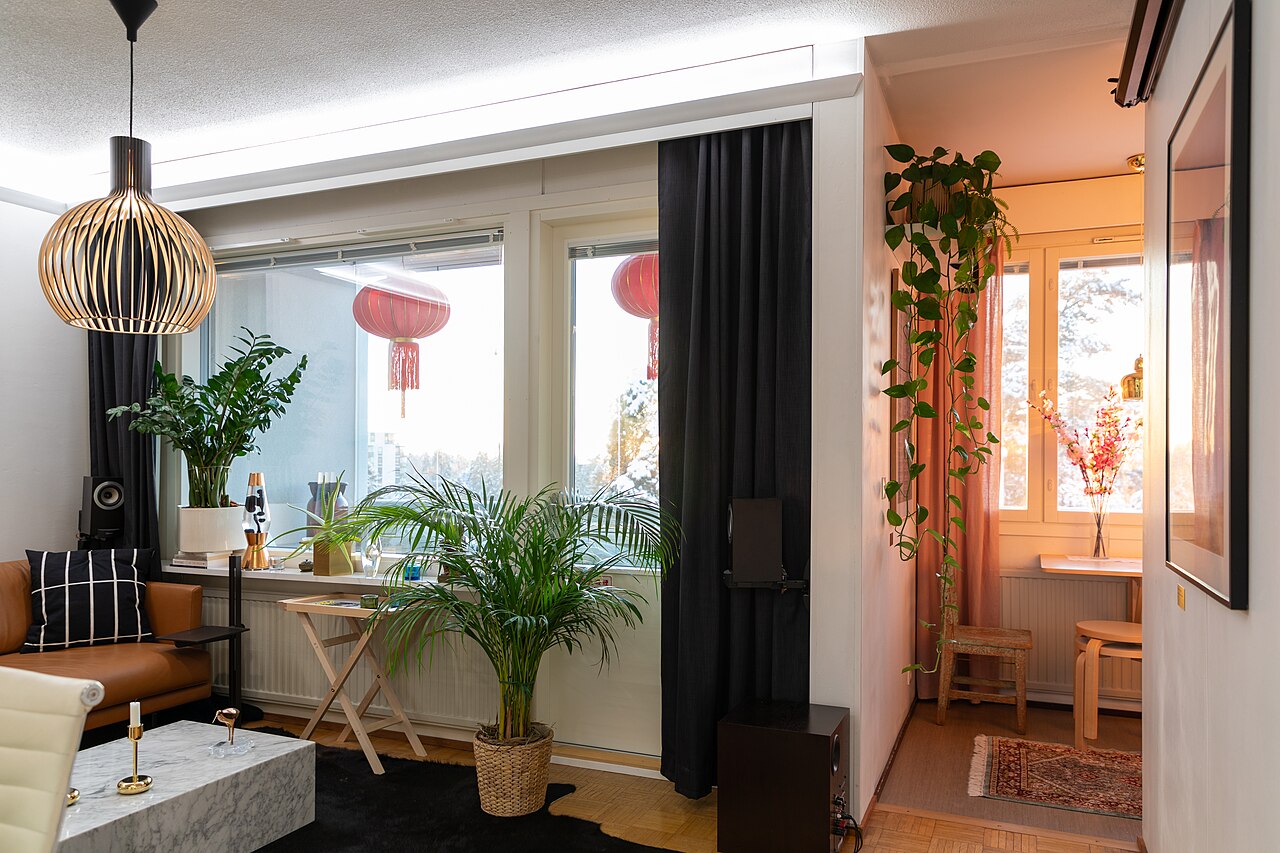
Photo via Wikimedia Commons

Photo via Wikimedia Commons

Photo via Wikimedia Commons

No comments:
Post a Comment