Slipcovered dining chairs are the hardest-working seats in home design. They hide worn upholstery, survive spaghetti night with kids, and let you change your dining room's look without buying new furniture. If you have ever wondered whether slipcover dining chairs are worth the fuss, these twelve ideas will convince you.
Below you will find fabric picks, fit tricks, care routines, and styling ideas, plus honest answers to the questions real owners ask. Washable, changeable, forgiving: that is the whole appeal.
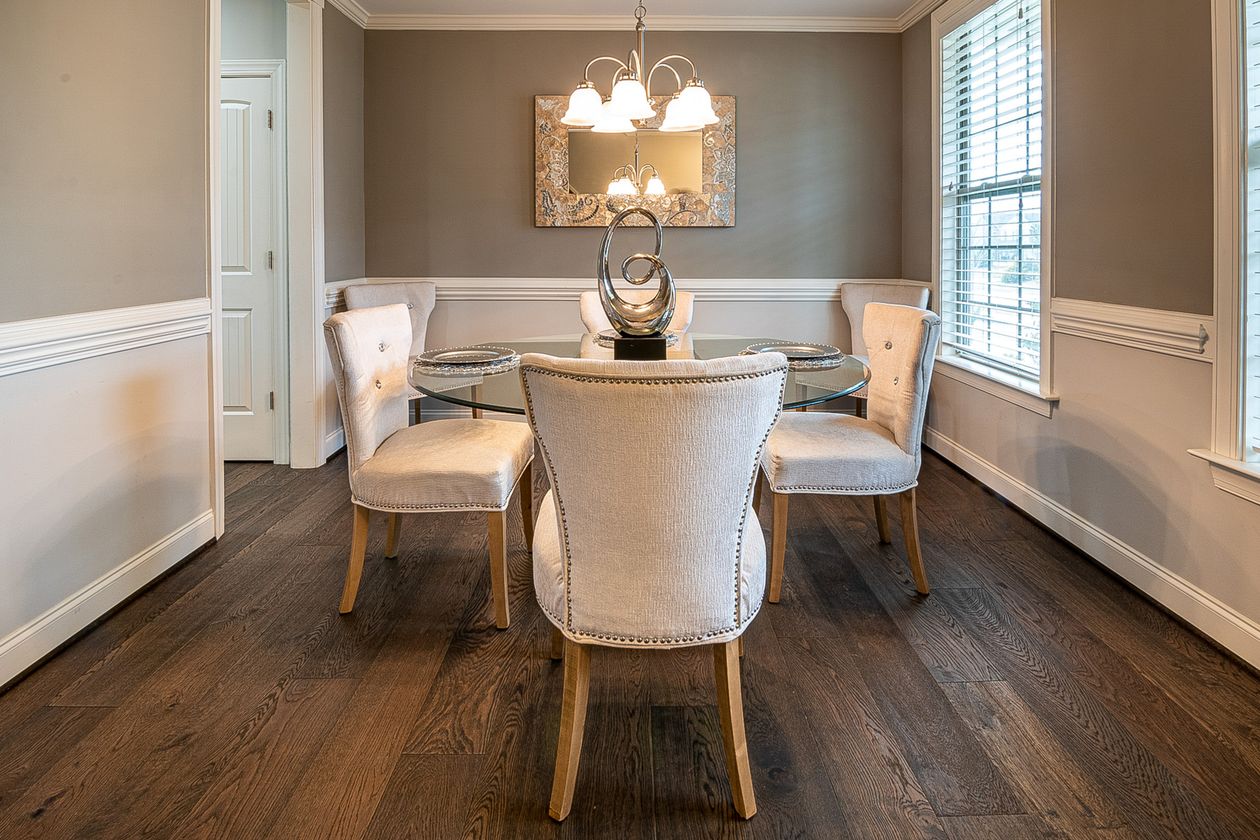
Photo via Pexels
Table of Contents
- 1. Know What a Slipcover Really Is
- 2. Linen for a Relaxed Coastal Look
- 3. Go White to Brighten the Room
- 4. Check Seat Height Before Buying
- 5. True Slipcover vs. Upholstered Look
- 6. Scotchgard Them If You Have Kids
- 7. Slipcover the Head Chairs Only
- 8. Keep a Second Set for Seasonal Swaps
- 9. Fit Matters More Than Fabric
- 10. Wash Smart to Avoid Shrinkage
- 11. Slipcover the Bench Too
- 12. Know When Not to Slipcover
1. Know What a Slipcover Really Is
A true slipcover is a removable fabric cover cut to fit a specific chair, usually with ties, zippers, or elastic to hold it in place. It is not the same as loose upholstery or a draped throw: it comes off for washing and goes back on in minutes.
This matters because washability is the entire point. If the cover cannot come off easily, you lose the one advantage that makes slipcovered chairs worth owning.

Photo via Wikimedia Commons
2. Linen for a Relaxed Coastal Look
Washed linen is the classic slipcover fabric for a reason: it wrinkles gracefully, softens with every wash, and reads relaxed rather than sloppy. Natural, oatmeal, and soft white are the most forgiving colors.
Linen does wrinkle, so skip it if you need a crisp tailored look. For everyone else, those soft creases are the whole charm.
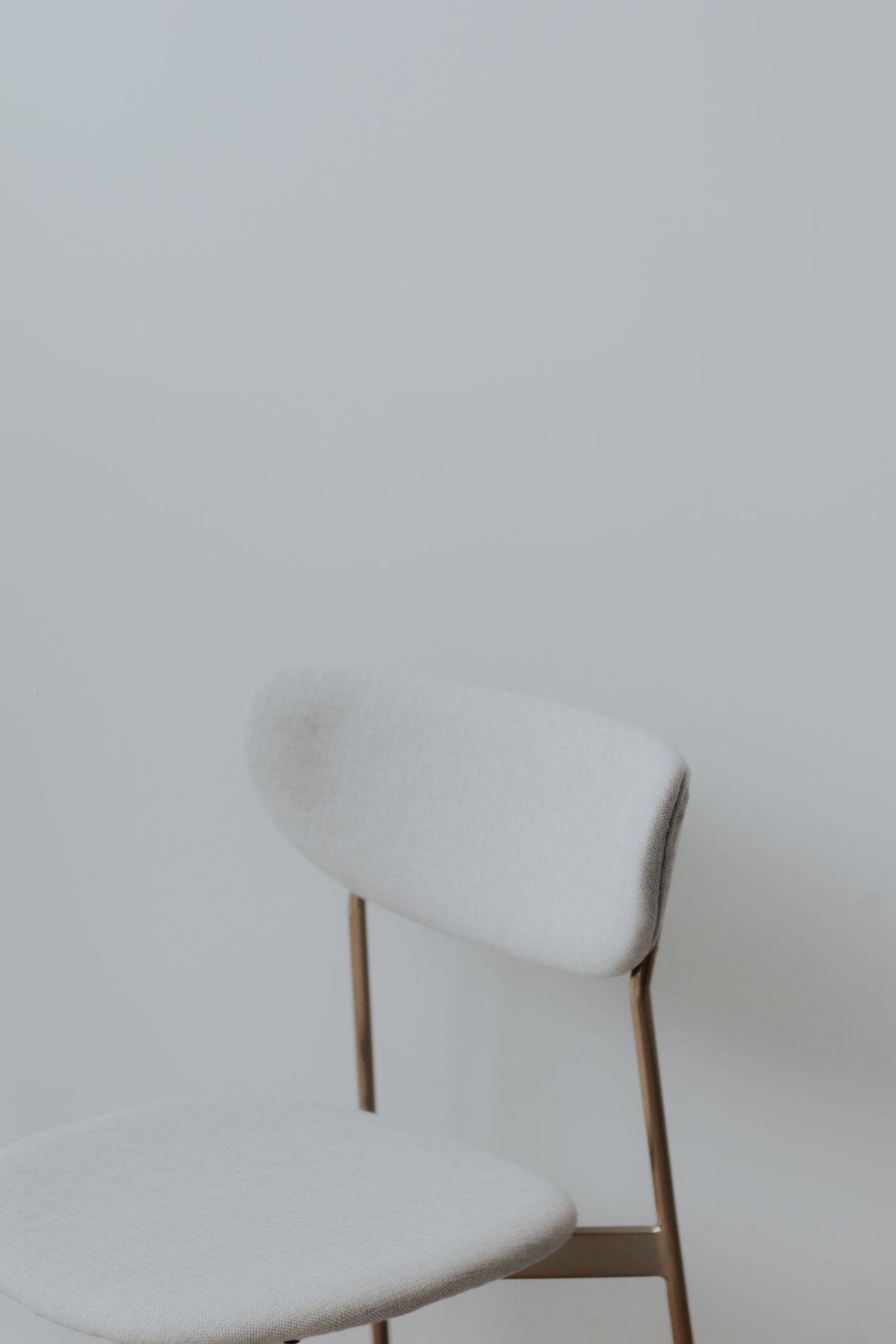
Photo via Pexels
3. Go White to Brighten the Room
White slipcovered chairs bounce light around a dining room and make even a small space feel bigger. They also pair with everything, which is why designers reach for them in rentals and first homes.
The catch is maintenance, so choose a machine-washable cotton or cotton blend. Two sets of covers mean one can always be in the wash while the other is on duty.
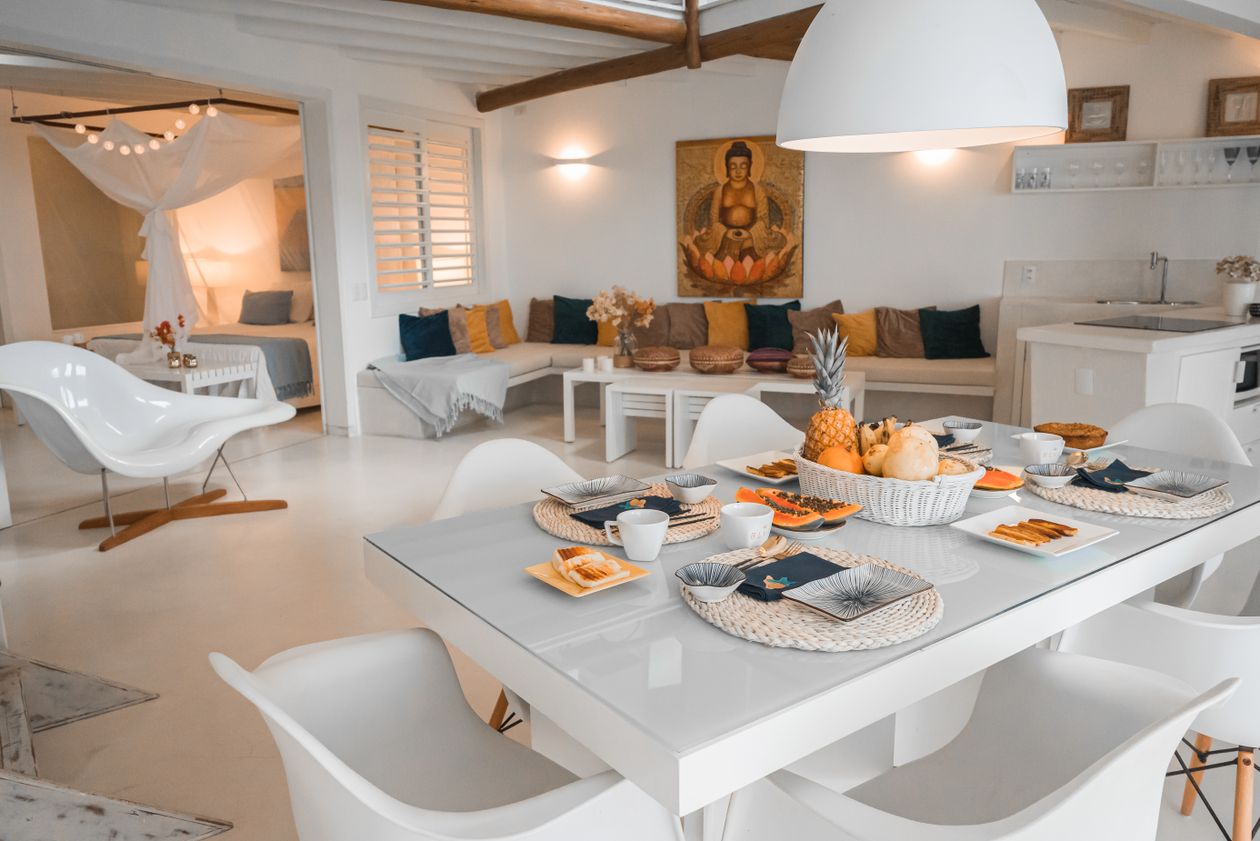
Photo via Pexels
4. Check Seat Height Before Buying
A frequent complaint in owner forums is slipcovered chairs that sit too low at the table. Before ordering, measure your table height and confirm the finished seat height lands in the 17 to 19 inch range for a standard 28 to 30 inch table.
Remember that thick cushions and covers add height. Measure the chair as it will actually be used, cover and all, not the bare frame.

Photo via Wikimedia Commons
5. True Slipcover vs. Upholstered Look
Another common forum question: is that chair really slipcovered, or just upholstered to look like it? A true slipcover has visible seams, closures, and a slightly relaxed fit. If it looks vacuum-sealed to the frame, it is probably fixed upholstery.
Both can look great, but only the real thing goes in the washing machine. When shopping, check the product details for words like removable and machine washable.
Photo via Pexels
6. Scotchgard Them If You Have Kids
Fabric protector spray is cheap insurance for dining chairs. A light coat on clean, dry covers helps liquids bead up instead of soaking in, buying you time to blot up spills before they become stains.
Reapply after every few washes, since laundering gradually wears the treatment off. Test on a hidden spot first, especially with natural fibers.
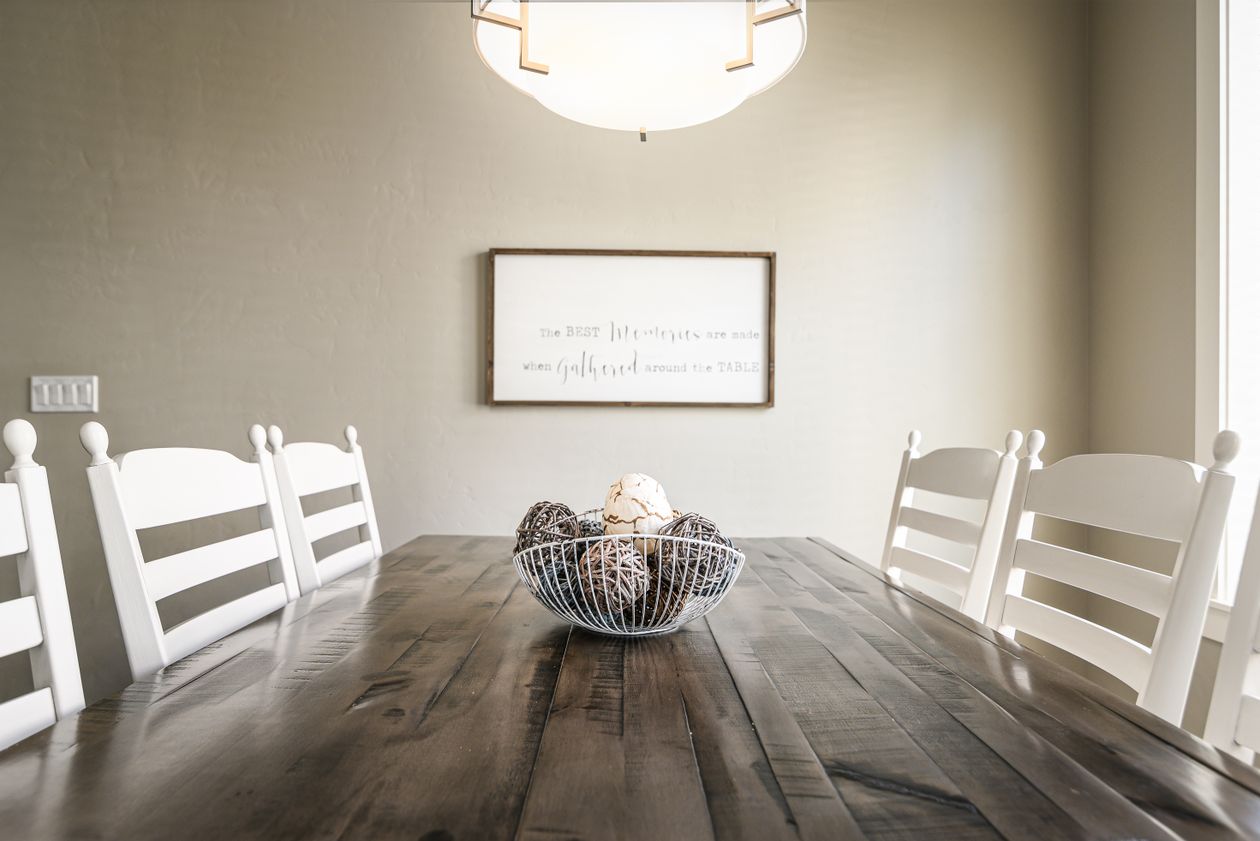
Photo via Pexels
7. Slipcover the Head Chairs Only
You do not have to cover every chair. Slipcovering just the two head chairs in a soft linen while leaving wood side chairs bare creates a collected, high-low mix that looks straight out of a designer portfolio.
This also cuts the cost and the laundry load in half. It is the easiest way to try the look before committing the whole set, and captain dining chairs make perfect candidates.
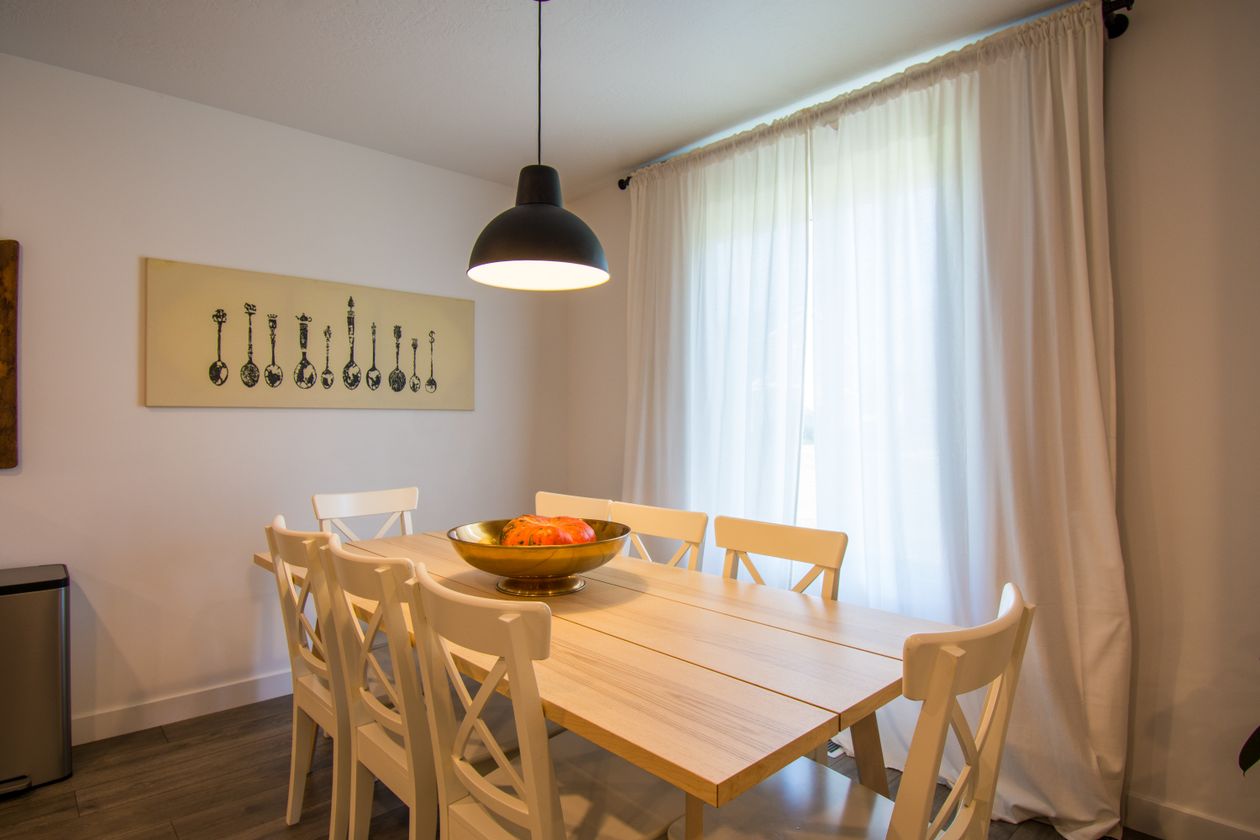
Photo via Pexels
8. Keep a Second Set for Seasonal Swaps
Two sets of covers give you a free room makeover twice a year. Crisp white or natural linen for spring and summer, then a warmer weave like a wheat-colored cotton duck for fall and winter.
Store the off-season set clean and fully dry in a breathable bag. Swapping covers takes less than an hour and costs far less than new chairs.
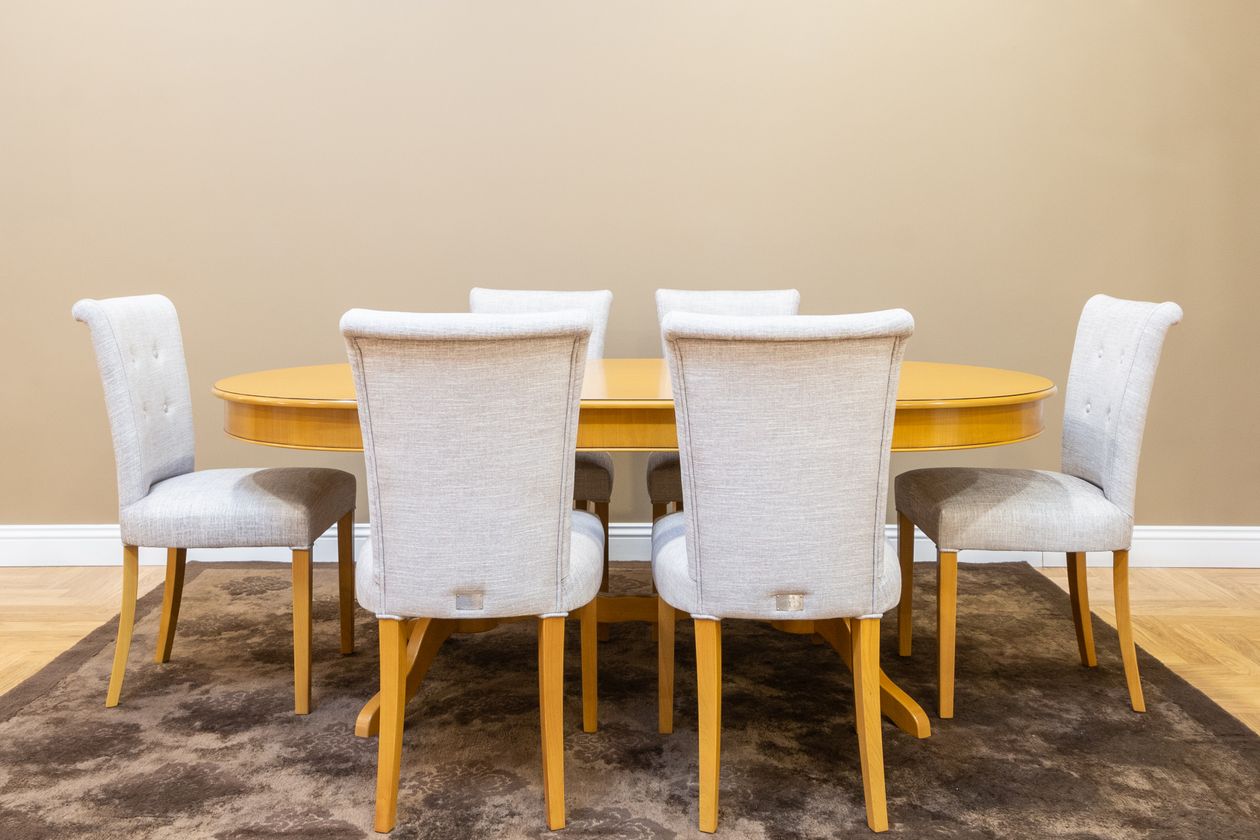
Photo via Pexels
9. Fit Matters More Than Fabric
A beautiful fabric cannot save a baggy slipcover. Measure the chair's back height, seat width, and seat depth, then compare against the cover's size chart before ordering. Most fit problems come from guessing instead of measuring.
Look for covers with ties or elastic at the base. Those small details are what keep the cover from riding up or twisting every time someone sits down.
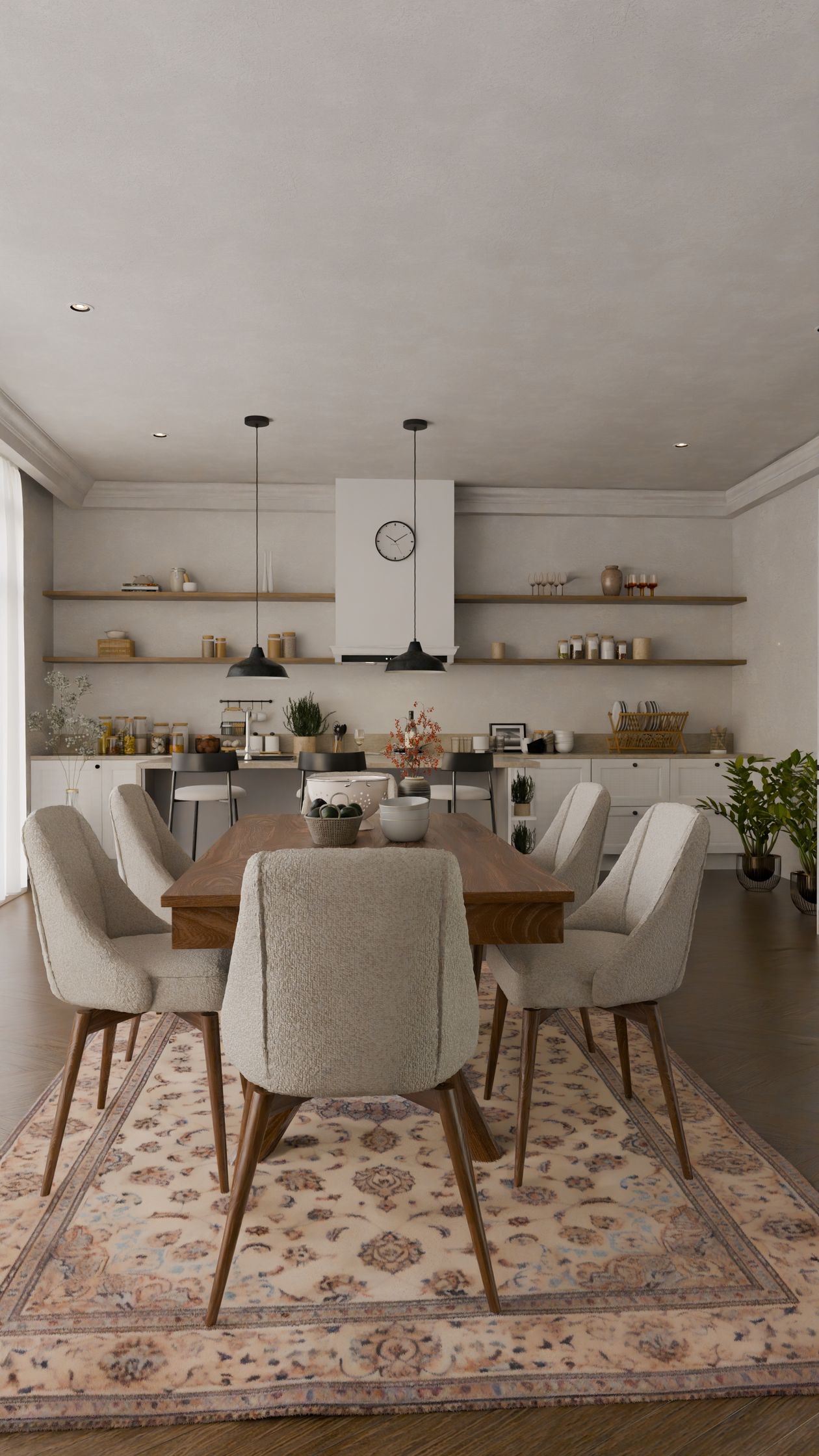
Photo via Pexels
10. Wash Smart to Avoid Shrinkage
Machine wash slipcovers in cold water on gentle and skip the hot dryer, which is the main cause of shrinkage. Line dry or tumble dry low, then put the covers back on while very slightly damp for the smoothest fit.
Pre-washing new fabric before sewing or fitting is equally important. It takes the shrinkage out upfront so the finished cover keeps its shape.

Photo via Wikimedia Commons
11. Slipcover the Bench Too
If your dining set includes a bench, cover it in the same fabric as the chairs for a pulled-together look. A bench cushion with a zippered slipcover is even easier to remove than chair covers.
Matching the bench to the chairs visually connects mixed seating. A white oak table with matching slipcovered seating reads calm and cohesive.
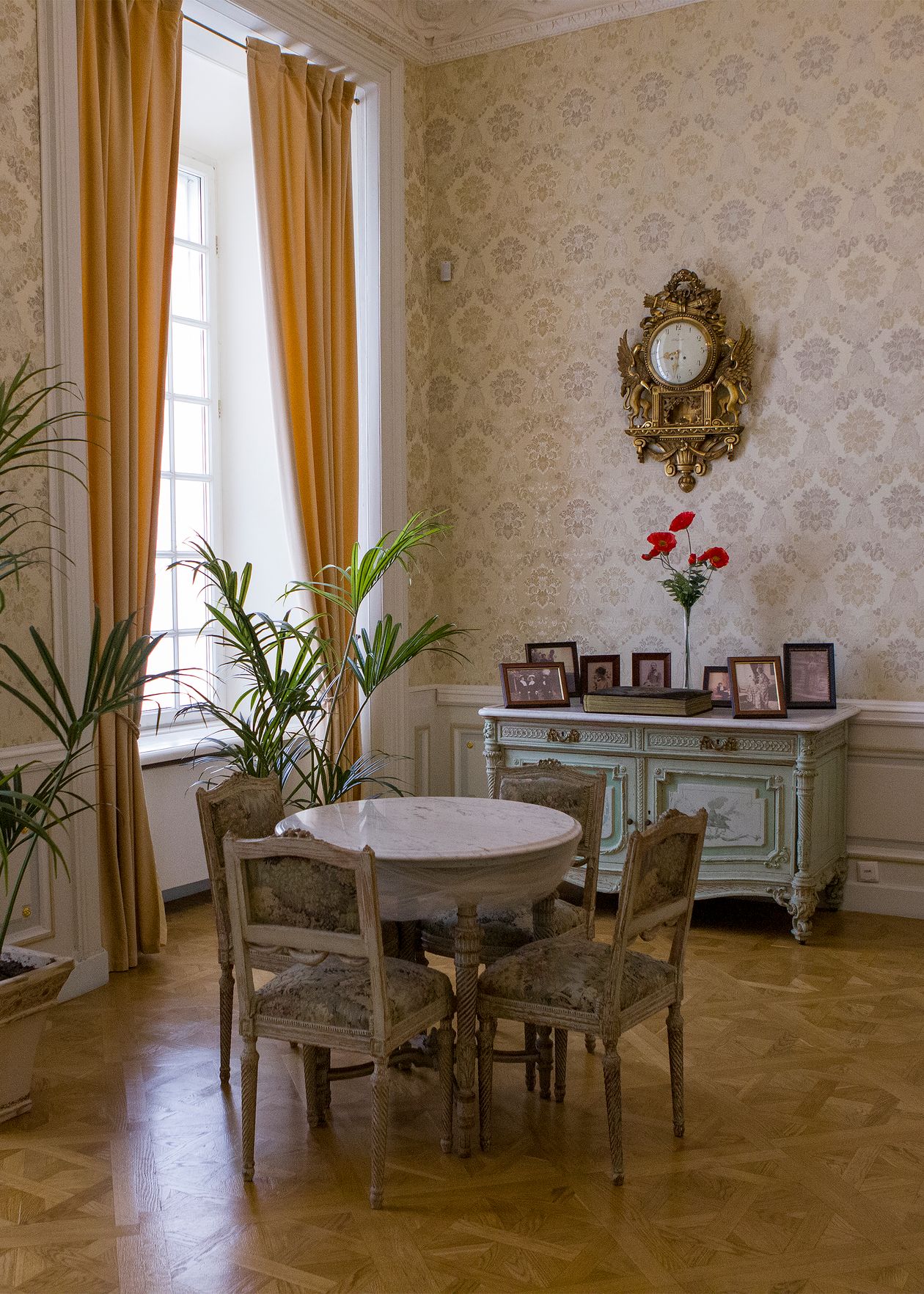
Photo via Pexels
12. Know When Not to Slipcover
Slipcovers struggle with very ornate frames, deep button tufting, and unusual shapes, where the fabric cannot follow the contours. Chairs with beautiful wood you want to show off are also better left bare.
In those cases, a simple seat cushion gives you comfort and washability without fighting the chair's design. Not every chair needs a cover, and that is fine.

Photo via Wikimedia Commons
Frequently Asked Questions
Are slipcovered dining chairs washable?
Yes, that is their main advantage. Most cotton and linen covers are machine washable in cold water on gentle.
Do slipcovers stay in place?
Well-fitted ones do. Look for ties, zippers, or elastic edges, and always measure your chairs before ordering.
Will a slipcover fit any dining chair?
Most standard dining chairs, yes, but very ornate or oddly shaped frames are hard to cover neatly. Measure first.
Linen or cotton for dining chair slipcovers?
Linen looks relaxed and hides wrinkles gracefully; cotton is crisper, usually cheaper, and often more stain-resistant.
Are slipcovers worth it with kids or pets?
Absolutely. Removable, washable covers are one of the most practical choices for messy households.
Final Thoughts
Slipcovered dining chairs are freedom in furniture form: freedom from stains, from boredom, and from the cost of new chairs. Start with a washable fabric, nail the fit with a tape measure, and keep a second set for seasonal swaps. For more on how to style a dining table around your covered chairs, see our styling guide.
Sources
Gallery
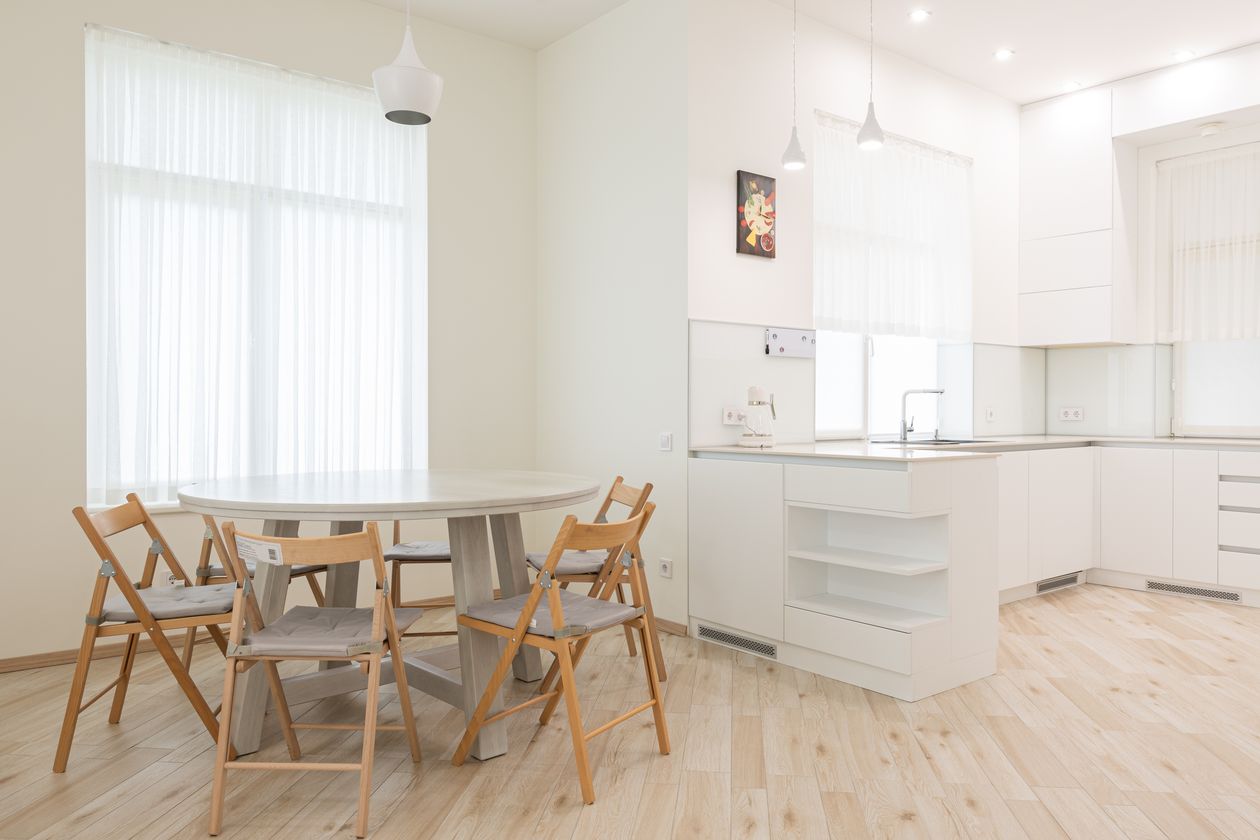
Photo via Pexels

Photo via Pexels

Photo via Pexels

No comments:
Post a Comment