A cactus is one of the easiest houseplants you can own, yet it is also one of the most killed. Almost every dead cactus dies the same way: too much love, in the form of too much water. Learning how to care for a cactus really means copying its desert home — bright sun, gritty soil, a deep drink now and then, and a cool, dry rest in winter. Get those four things right, and cactus care becomes a five-minute-a-month job, even for a beginner in a small apartment in Chicago or Toronto.
This guide gives you exact numbers instead of vague advice: how many hours of light your plant needs, how much water to give in each season, the exact soil recipe, the right pot size, and how to fix rot, stretching, and sunburn before they kill the plant. It is written for desert cacti, the spiny kind sold in every garden center across the US and Canada. Jungle types like the Christmas cactus follow slightly different rules, and we flag those differences where they matter.

Photo via Wikimedia Commons
Table of Contents
- 1. Give Your Cactus Enough Light
- 2. Water on a Seasonal Schedule
- 3. Use the Soak and Dry Method Every Time
- 4. Mix the Right Soil: A Simple 3-Part Recipe
- 5. Pick the Right Pot and Never Skip Drainage
- 6. Repot Safely, Step by Step
- 7. Feed Lightly in Spring and Summer
- 8. Let Your Cactus Rest in Winter
- 9. Fix Common Problems: Rot, Stretching and Sunburn
- 10. Start With These Beginner-Friendly Cacti
- Frequently Asked Questions
- Final Thoughts
1. Give Your Cactus Enough Light
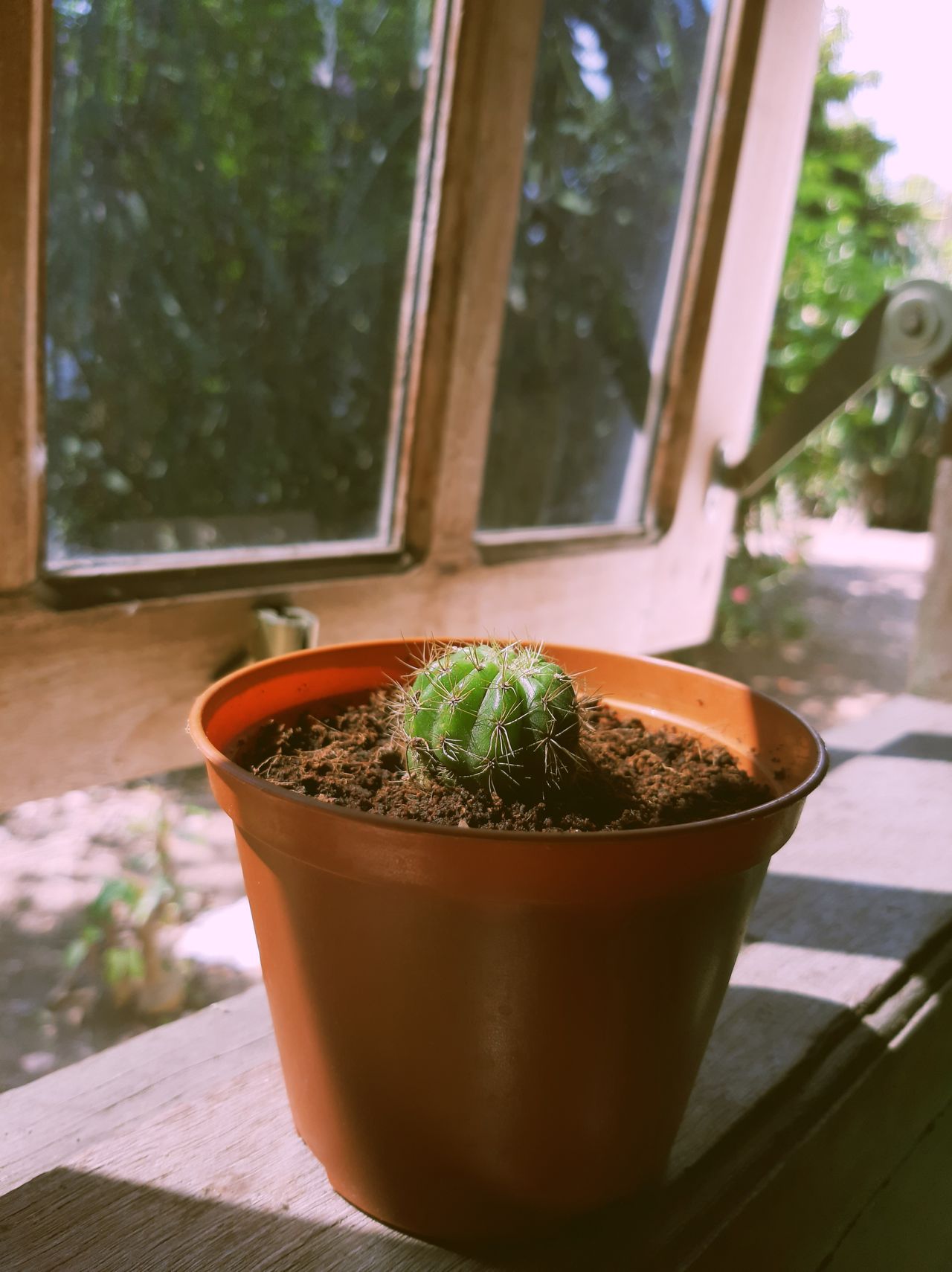
Photo via Pexels
Light is the single most important thing you will give your cactus. In the wild, desert cacti grow under open sky with 10 or more hours of sun. Indoors, aim for at least 6 hours of direct sunlight a day, and never accept less than 4. A south-facing window is the best seat in the house in the US and Canada. West-facing glass is a good second choice, east-facing works for smaller types, and a north window is almost never enough on its own. Keep the pot right on the sill, within a foot of the glass, because light strength drops fast just a few feet into the room.
Turn the pot a quarter turn every week or two so all sides grow evenly and the plant does not lean. If your home is short on bright windows — common in Canadian winters and in shaded apartments — use a full-spectrum LED grow light placed 6 to 12 inches above the plant for 12 to 14 hours a day. A basic grow bulb costs around $10 to $15 and fits a normal lamp. One warning: move a cactus into stronger light slowly, over 1 to 2 weeks. A plant that jumps straight from a dim store shelf to blazing afternoon sun can scorch in a single day.
2. Water on a Seasonal Schedule
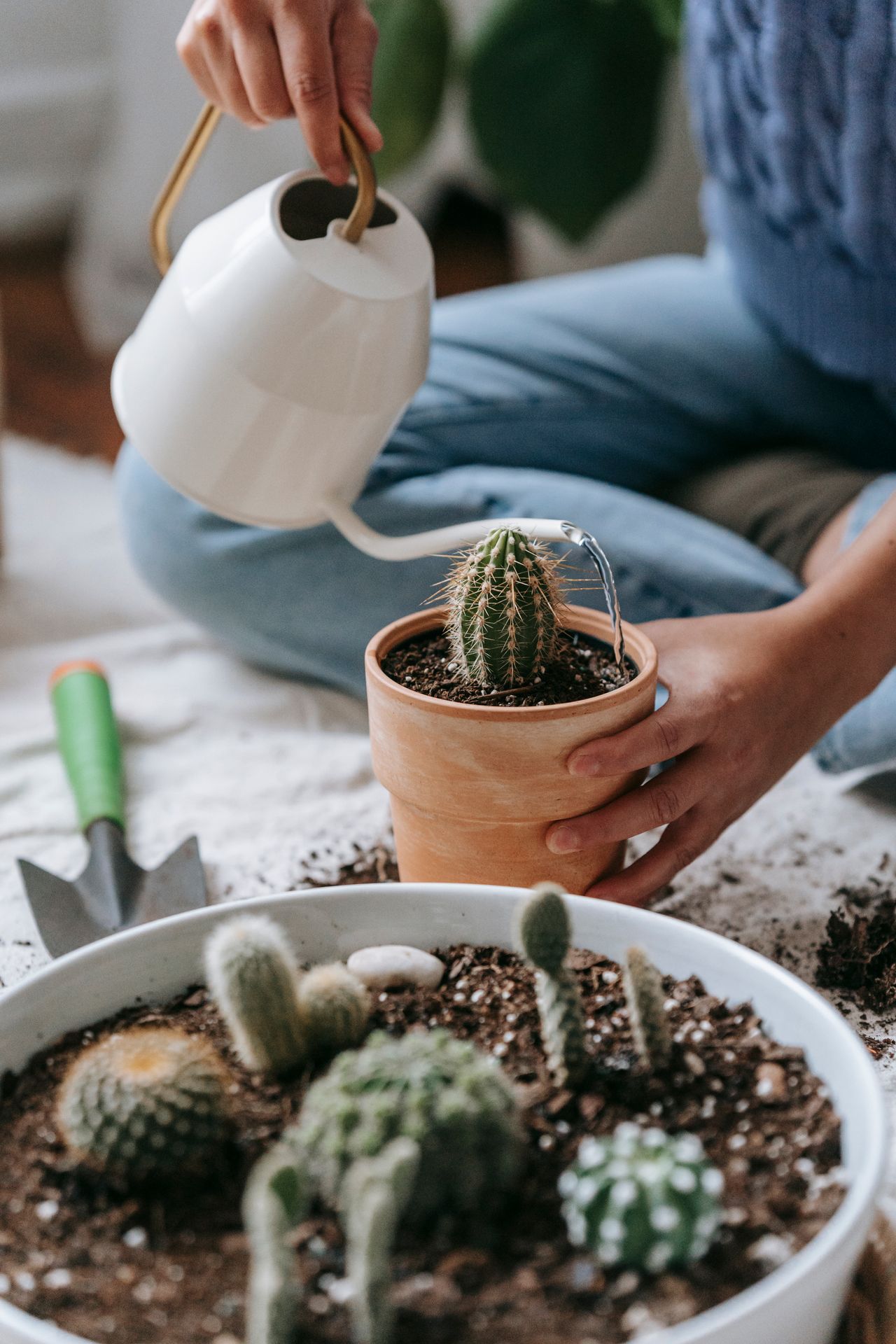
Photo via Pexels
Cacti drink with the seasons, so your watering should change with the calendar. In spring (March to May), when growth starts, water about every 2 to 3 weeks. In summer heat, a cactus in a small pot may need water every 1 to 2 weeks, while a large plant in a big pot can go 3 weeks. In fall, stretch the gap to every 3 to 4 weeks. In winter, water only every 4 to 6 weeks, and just enough to stop the plant from shriveling. As a rough guide for amounts, a 4-inch pot needs about half a cup of water, a 6-inch pot about 1 to 1½ cups — always enough that a little runs out of the drainage hole.
Never water by the calendar alone. The real rule is this: water only when the soil is dry all the way through. Push a wooden skewer or chopstick to the bottom of the pot; if it comes out clean and dry, you can water. If soil sticks to it, wait. The dry-check habit is the same one we recommend in our guide to how to water houseplants — a cactus just needs it far less often. Watering on a fixed weekly schedule, like many plant apps suggest, is where most indoor cactus care goes wrong, because a cool, cloudy month and a hot, sunny month are not the same at all.
3. Use the Soak and Dry Method Every Time
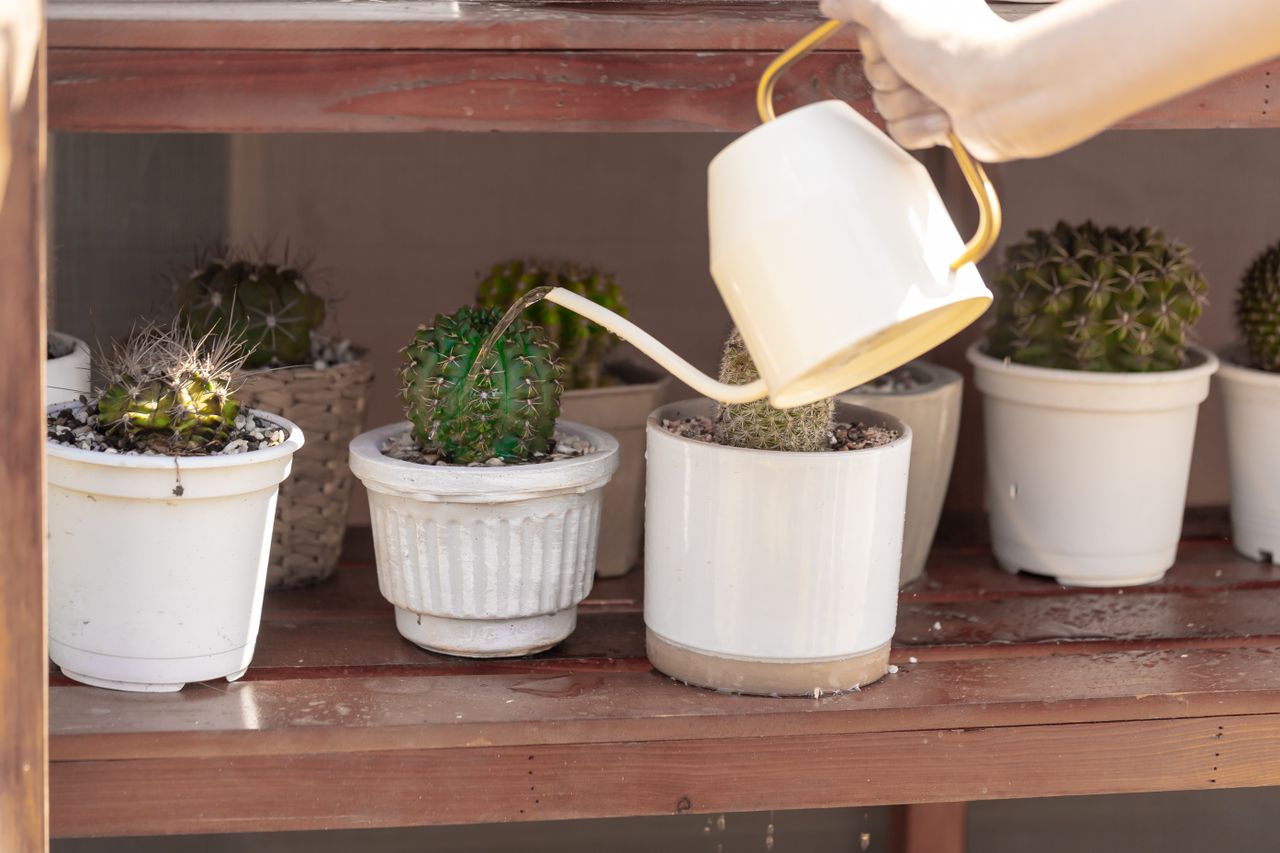
Photo via Pexels
When you do water, water properly. Pour water slowly over the whole soil surface until it flows freely out of the drainage hole — this is the "soak" half of the method, and it wets every root instead of just the top inch. You can also bottom-water: set the pot in a tray with 1 to 2 inches of water for 15 to 20 minutes and let it drink from below. Then comes the step people skip: let the pot drain for 10 to 15 minutes and empty the saucer. A cactus sitting in a puddle, even for a day, is a cactus on its way to rot.
The "dry" half matters just as much. After each soak, the soil must dry out completely before the next drink — in a warm, bright room that may take 1 to 2 weeks, in a cool room much longer. Never give little sips every few days; that pattern keeps the top wet, rots the base, and still leaves the deep roots thirsty. Skip misting, too. A cactus takes in water through its roots, not its skin, and wet skin in still indoor air invites fungus. Use room-temperature water, ideally in the morning, so any splashes dry during the day.
4. Mix the Right Soil: A Simple 3-Part Recipe
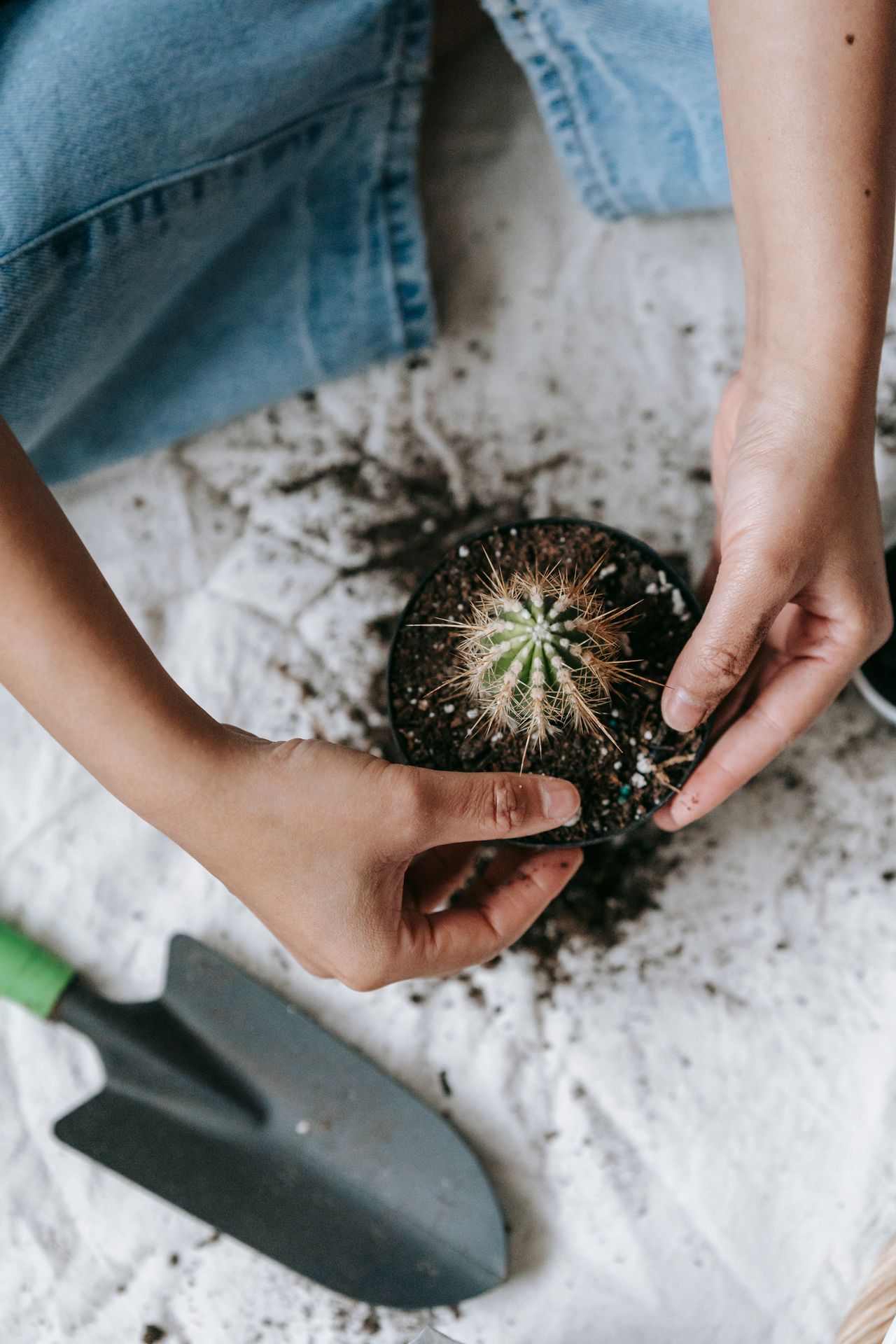
Photo via Pexels
Regular potting soil holds water like a sponge, and that is exactly what kills cactus roots. Your mix should drain so fast that water runs through in seconds. The recipe that works for almost every desert cactus is simple: 2 parts regular potting soil (or bagged cactus and succulent mix), 1 part perlite or pumice, and 1 part coarse sand or fine grit. In plain terms, half soil, one quarter white perlite, one quarter grit. A squeezed handful should crumble apart, never clump into a mud ball.
If your home is humid — think Florida, the Gulf Coast, or a steamy bathroom-adjacent room — make the mix even leaner at 1 part soil, 1 part perlite, 1 part grit. Avoid fine beach or play sand, which packs tight and can hold salts, and never dig soil from the garden, which brings in pests and weed seeds. A bag of cactus mix costs about $6 to $10 and is fine on its own for beginners, though adding a handful of perlite still improves it. A thin top layer of small gravel, about ¼ to ½ inch deep, keeps the base of the stem dry and looks tidy too.
5. Pick the Right Pot and Never Skip Drainage
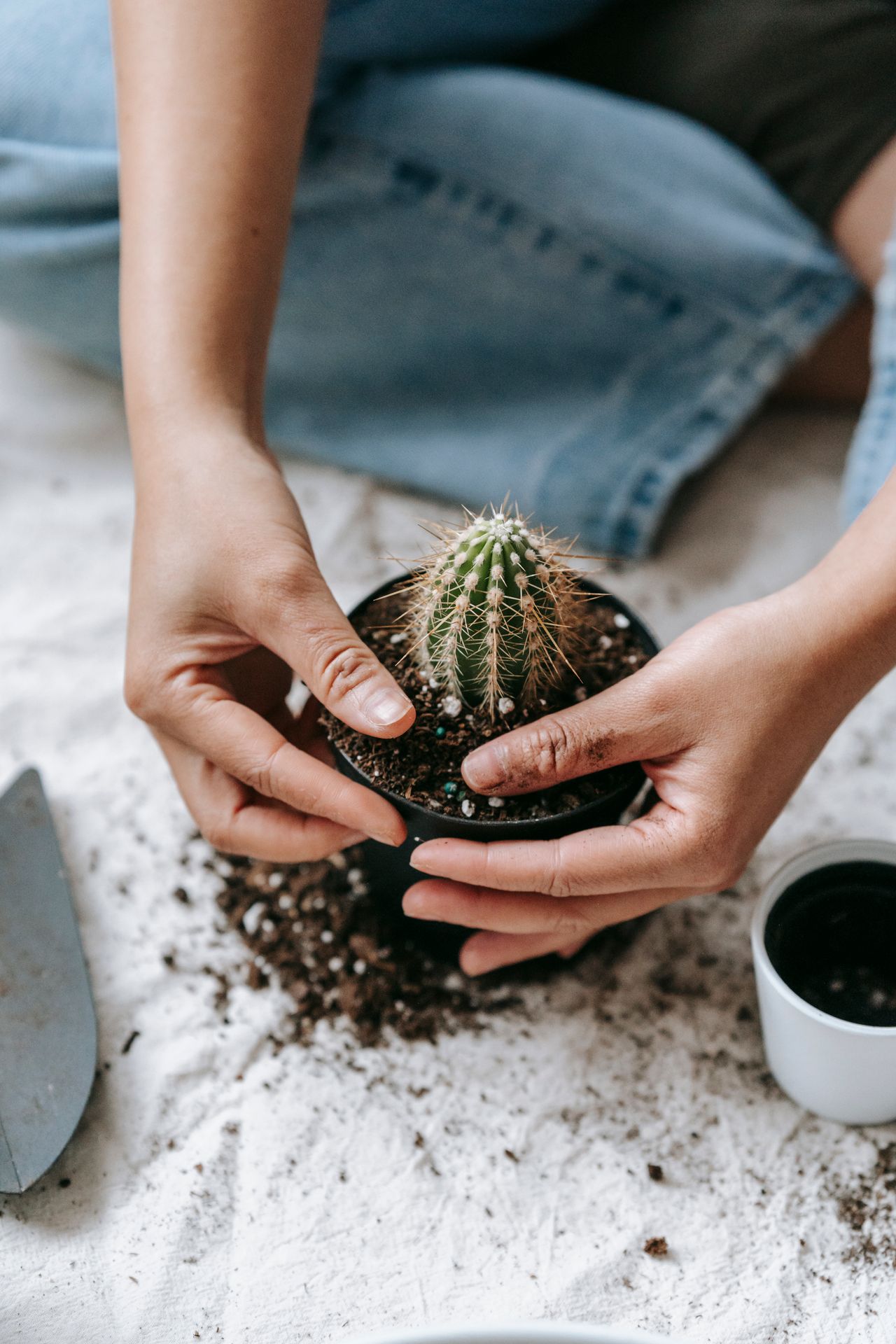
Photo via Pexels
One rule stands above all others: the pot must have a drainage hole. No hole, no cactus — it really is that simple. Unglazed terracotta is the best beginner choice because the clay breathes, dries the soil faster, and its weight keeps tall plants from tipping over. A simple terracotta pot costs $3 to $8 at any garden center. Plastic and glazed ceramic also work, but the soil stays wet longer in them, so water a little less often and check dryness more carefully.
Size matters more than style. Choose a pot only 1 to 2 inches wider than the plant itself: a 3-inch cactus belongs in a 4- to 5-inch pot. A pot that is far too big holds a lot of wet soil around a small root system, and that is a rot trap. Most desert cacti have shallow roots, so a standard-depth pot is fine. Skip the old advice about a layer of gravel at the bottom — it does not improve drainage and actually raises the wet zone closer to the roots. If you love a decorative pot with no hole, use it as an outer cachepot, lift the inner pot out to water, and always pour away what collects.
6. Repot Safely, Step by Step
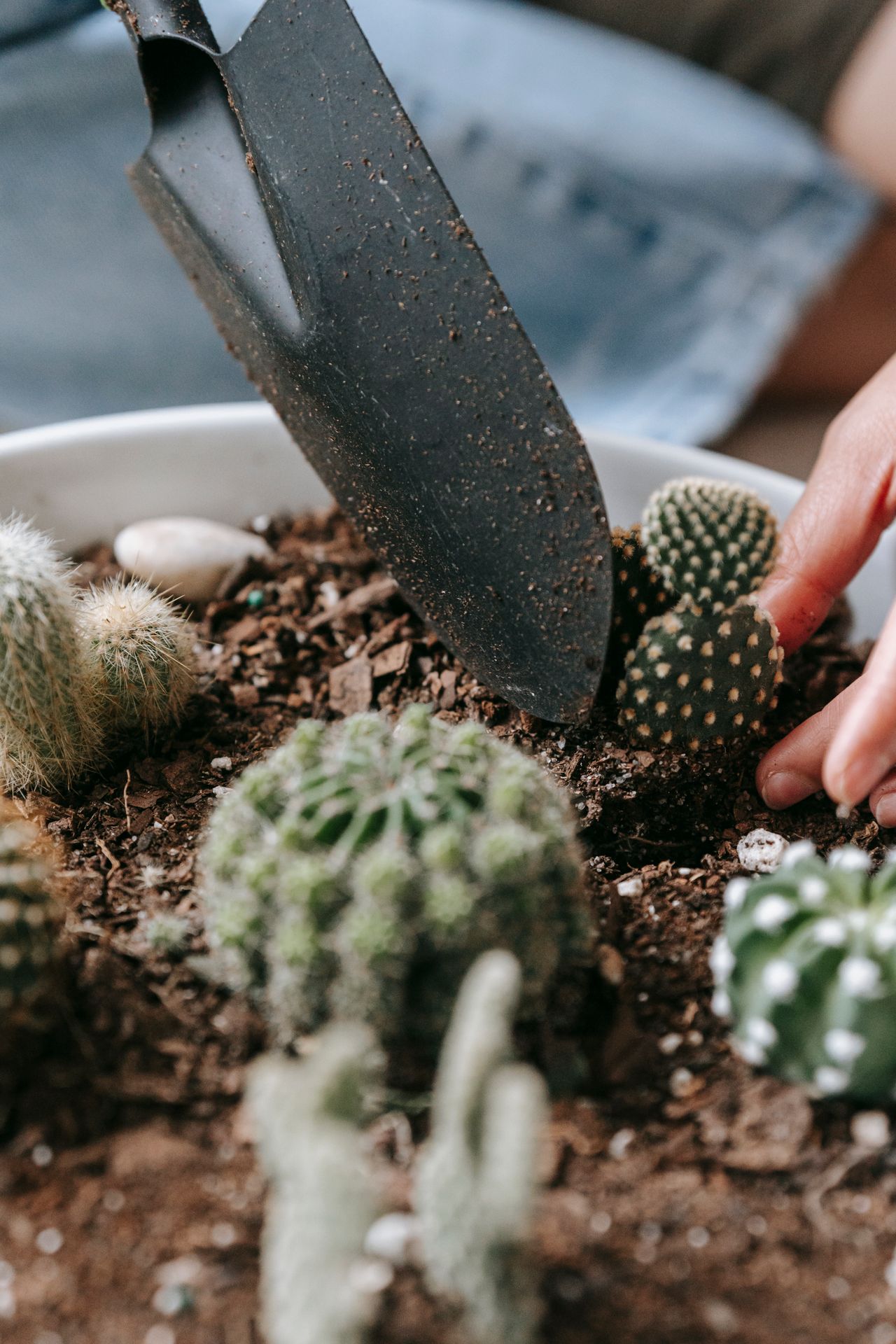
Photo via Pexels
Repot every 2 to 3 years, or sooner if roots poke out of the drainage hole, the plant has become top-heavy, or the old soil has turned hard and shrunken away from the pot's edge. Spring is the best time, just as new growth begins. Let the soil dry out fully first — dry soil falls away from the roots and makes the whole job easier. Put on thick gloves, then wrap a folded strip of newspaper or a piece of old towel around the plant as a handle, or grip it gently with silicone kitchen tongs. Tip the pot on its side, tap the rim, and slide the root ball out.
Crumble away the old mix and look at the roots: healthy roots are white or pale tan and firm. Snip off any black, brown, or mushy roots with clean scissors. Set the plant in its new pot — only one size bigger — at the same depth as before, fill around it with fresh dry mix, and tap the pot to settle the soil. Now the step most people get wrong: do not water right away. Wait 5 to 7 days so any bruised roots can heal over, because water on fresh root wounds is an open door for rot. Then give it a normal soak and return to your usual schedule.
7. Feed Lightly in Spring and Summer

Photo via Wikimedia Commons
Cacti are light feeders — in the desert they live on almost nothing — but a small amount of food in the growing season gives stronger growth and far better flowers. Use a balanced fertilizer such as 10-10-10, or a cactus-specific formula, mixed at half the strength on the label. Feed every 4 to 6 weeks from March through August, which works out to about 4 or 5 feeds a year. Always mix the feed into a normal watering, and never fertilize bone-dry soil, a plant you just repotted, or any cactus in fall and winter when it is resting.
If flowers are your goal, pick a formula with a higher middle or last number (phosphorus and potassium), which supports blooming rather than soft leafy growth. More is not better here: too much fertilizer makes a cactus grow soft, pale, and weak, and it leaves a white salt crust on the soil. If you see that crust, flush the pot once with plain water until it runs clear. A small $8 bottle of cactus fertilizer lasts most homes for years, which makes feeding the cheapest upgrade in this whole guide.
8. Let Your Cactus Rest in Winter
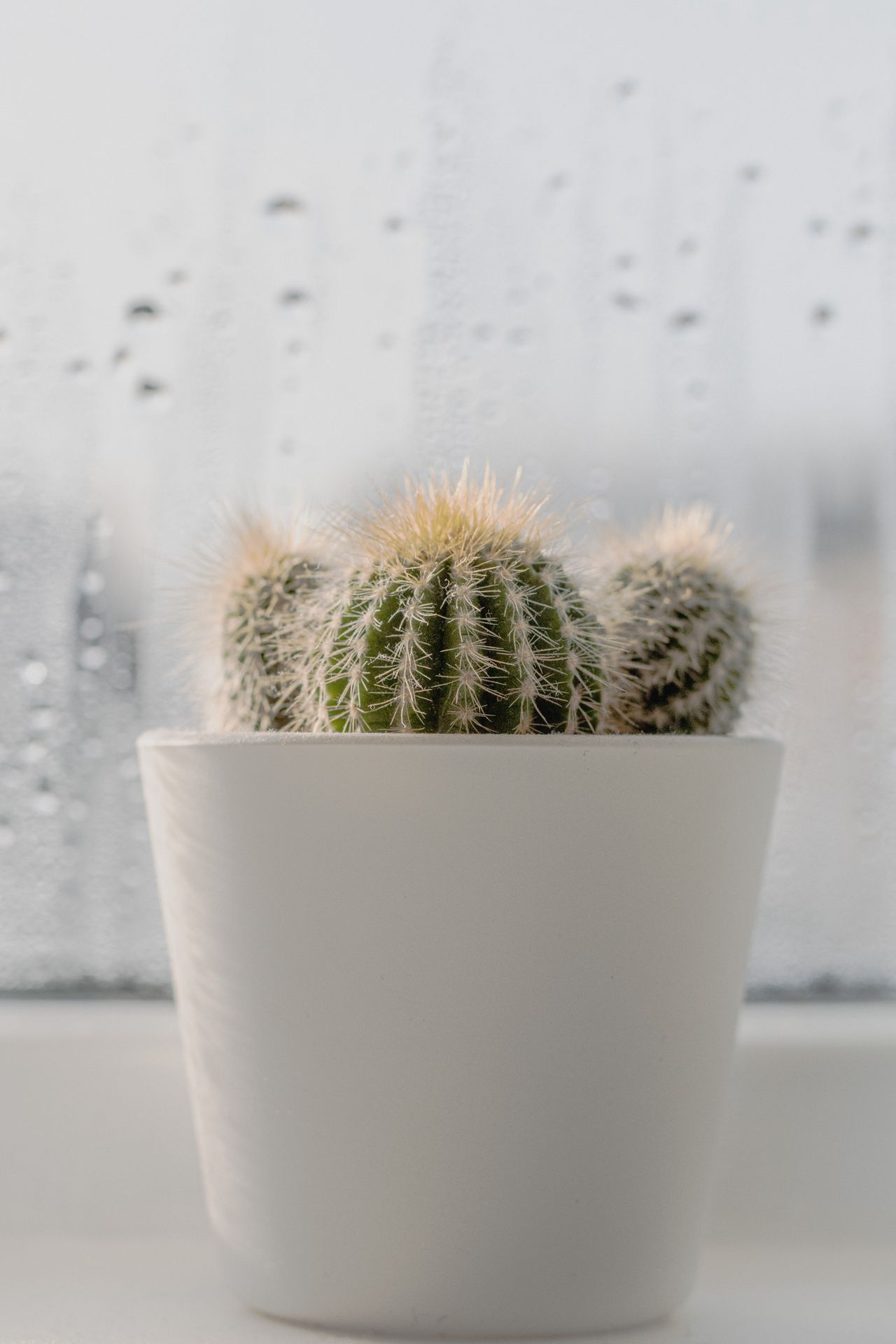
Photo via Pexels
From about November to February, most desert cacti want to sleep. Growth stops, and the plant lives off what it stored all summer. Move it to the coolest bright spot you have — an unheated sunroom, a spare-room sill, or a bright garage window. The ideal rest temperature is 50 to 55°F, and anything between 45 and 60°F works. Keep the plant above 40°F at all times, because frost turns cactus flesh to mush. In very cold Canadian and northern US weather, pull pots a few inches back from the glass on bitter nights, since a frozen windowsill can chill roots through the pot wall.
During the rest, water very little: a small drink every 4 to 6 weeks is plenty, and a cactus in a genuinely cool room can go the whole winter with almost none. Give no fertilizer at all. This cool, dry rest is not neglect — it is the trigger that tells many cacti, including pincushions and Easter lily cacti, to set flower buds for spring. A cactus kept warm and well-watered all winter often grows weak and skips blooming. The one exception is the jungle group: a Christmas or Thanksgiving cactus is awake and flowering in winter, so keep watering it lightly and never let it dry out for months.
9. Fix Common Problems: Rot, Stretching and Sunburn

Photo via Wikimedia Commons
Root rot is the number one cactus killer, and it almost always comes from wet soil. The warning signs are a base that turns yellow, then brown or black, and feels soft or mushy when you press it gently, sometimes with a sour smell. Act fast: lift the plant out, shake off the soil, and cut away every soft, dark part with a clean knife, wiping the blade with rubbing alcohol between cuts, until only firm green or white flesh remains. Let the cut surface dry and callus in open air for 3 to 7 days, then set the plant on fresh, dry mix and wait another week before watering lightly. If the rot has climbed too high to save the base, cut off the healthy top, callus it the same way, and root it as a cutting.
Stretching, called etiolation, is the second big problem: the plant grows thin, pale, and narrow as it reaches for light, just like the cactus in the photo above. Stretched growth never fattens back up, so fix the light first — move the plant gradually into stronger sun over 1 to 2 weeks — and, if you like, cut off the healthy tip later and root it as a fresh plant. Sunburn looks different: dry white or tan papery patches on the side facing the sun, usually after a sudden move outdoors. The scars stay, but the plant will outgrow them. Finally, learn what is not a problem: a firm, tan, bark-like base on an older cactus is called corking and is normal aging. For pests, dab white cottony mealybugs or brown scale bumps with a cotton swab dipped in 70% rubbing alcohol, and repeat weekly until they are gone.
10. Start With These Beginner-Friendly Cacti

Photo via Wikimedia Commons
The golden barrel (Echinocactus grusonii) is the classic first cactus: a round ball of bright yellow spines that thrives on sunshine and neglect, grows slowly, and costs about $5 to $15 in a 4-inch pot. Pincushion cacti (Mammillaria) stay small, cluster happily, and reward a proper winter rest with a ring of pink or white flowers in spring. Echinopsis types, including the domino cactus, are just as forgiving and produce huge trumpet flowers that look far too fancy for such an easy plant. Any of these three will teach you the watering rhythm without punishing your early mistakes.
The bunny ears cactus (Opuntia microdasys) looks cute and friendly, but handle it with tongs: its tiny barbed bristles, called glochids, detach into skin at the slightest touch, so keep it away from small children's hands. Prickly pears (Opuntia) are nearly unkillable and great fun — a single pad laid on dry soil roots itself, so one plant becomes many. And if your brightest window is already taken, the Thanksgiving or Christmas cactus is the friendliest cactus of all: no real spines, softer light needs, and flowers in late fall. Pick one plant, learn its rhythm for a season, and your collection will grow from there.
Frequently Asked Questions
How often do I really need to water my cactus?
For most homes, every 2 to 3 weeks in spring and summer and every 4 to 6 weeks in winter is about right — but treat those numbers as a range, not a rule. A 4-inch pot in a hot Texas window may dry out in 10 days in July, while the same plant in a cool Seattle room in January can go 6 weeks. Always check first: if a skewer pushed to the bottom of the pot comes out fully dry, water deeply; if not, wait a few more days.
Why is my cactus turning yellow or brown?
Feel the plant before you panic. Soft, mushy yellow or brown tissue at the base means rot from too much water, and that needs the cutting fix described in section 9. Firm tan patches at the very base of an older plant are usually corking, a normal bark that forms with age. Pale or white papery patches on the top or sunny side point to sunburn after a sudden move into strong light. All-over yellowing with a soft feel almost always means the soil has stayed wet too long, while a firm but shriveled plant is simply thirsty.
Can a cactus live in a bathroom?
Only if the bathroom has a large, bright window — and even then it is a compromise. Desert cacti like dry air, ideally under 50% humidity, plus 6 hours of sun. A steamy, dim bathroom gives them the opposite: soggy air, weak light, and a fast track to stretching and rot. If you love plants in the bathroom, choose one that enjoys steam instead, like the plants on our list of bathroom plants that absorb moisture, and give your cactus the sunny sill in the next room.
How fast do cacti grow?
Slowly, and that is part of their charm. Most small indoor cacti add about ½ to 2 inches of growth a year when they are happy. A golden barrel can take a decade to reach 12 inches across, and a wild saguaro grows roughly an inch a year in its youth. Prickly pears are the sprinters of the family and can push out several new pads in one warm season. If your cactus has not changed in a few months, do not feed or water it more — check that it is getting enough light, and be patient.
Is my cactus dead or just dormant?
A dormant cactus is firm, keeps its shape, and may look a little dull in winter, but it is very much alive — it is simply resting, and it should not grow again until spring. A dead cactus feels mushy or hollow, collapses or leans heavily, turns black or brown in spreading patches, or smells sour. For a sure test, make a tiny nick in a hidden spot with a clean knife: bright green, moist tissue underneath means the plant is alive, while brown or dry grey tissue all the way through means it is gone.
Final Thoughts
Keeping a cactus happy is really just four habits repeated all year: strong light, gritty soil, a deep drink followed by a full dry-out, and a cool, quiet rest each winter. None of it takes more than a few minutes a month, and a cactus will happily forgive a forgotten week — or a two-week vacation — in a way few other houseplants can. Start with one forgiving plant, watch how it answers your light and water, and adjust slowly. If that first success makes you brave, our corn plant care guide covers another tough, easygoing houseplant that sits happily beside a cactus collection. Your sunny windowsill is about to become the lowest-effort, highest-charm corner of your home.
Sources
- New York Botanical Garden, Plant Information Service — "My cactus has a lot of browning, can it be saved?": https://libanswers.nybg.org/faq/223383
- Gardener Advice — "Cacti turn brown or yellow: the 6 most common causes": https://gardener-advice.com/16921076-cacti-turn-brown-or-yellow-the-6-most-common-causes
- Sprouting Indoors — "How to Take Care of a Cactus: General Cactus Care Guide": https://sproutingindoors.com/how-to-take-care-of-a-cactus-general-cactus-care-guide/
- UBC Botanical Garden Forums — grower help thread on a browning cactus: https://forums.botanicalgarden.ubc.ca/threads/help.71646/
- Plantin — "How to Care for Cactus Plants: Ultimate Guide": https://plantin.alibaba.com/plant-care/how-to-care-cactus-plants
Gallery

Photo via Wikimedia Commons — an Echinopsis flower up close; many indoor cacti bloom like this after a cool, dry winter rest.

Photo via Wikimedia Commons — young saguaros covering a Sonoran Desert hillside, the hot, dry home most cacti evolved for.
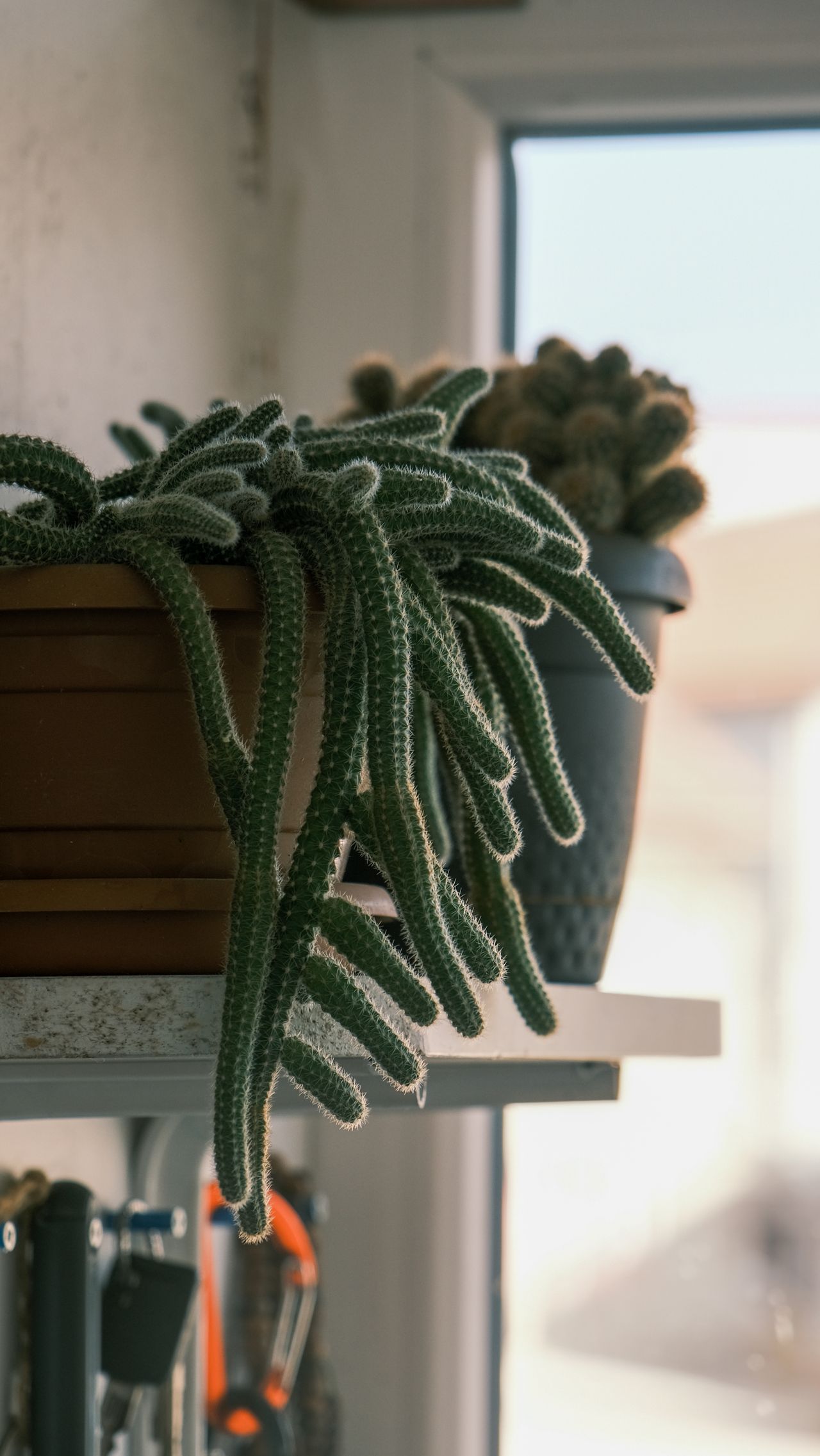
Photo via Pexels — a trailing rat tail cactus enjoying bright light on an indoor shelf.
<
No comments:
Post a Comment