A hot shower can push the humidity in a small bathroom close to 100 percent, and that damp air lingers on mirrors, grout, and paint long after you have toweled off. The right bathroom plants that absorb moisture can help take the edge off that dampness while making the room feel calm and fresh. Many tropical houseplants pull water vapor in through their leaves and roots, and they grow happily in the same warm, steamy air that fogs up your mirror.
Here is the honest part before we start: plants are helpers, not heroes. A leafy fern will soak up some moisture, but no houseplant can match an exhaust fan, so run the fan for 20 to 30 minutes after every shower and fix drips quickly. Think of the ten plants below as moisture-loving partners to good ventilation. Each one is easy to find in US garden centers for about $5 to $25, and for each plant you will learn how much light and water it needs and exactly where to place it, from the shower ledge to the windowsill.
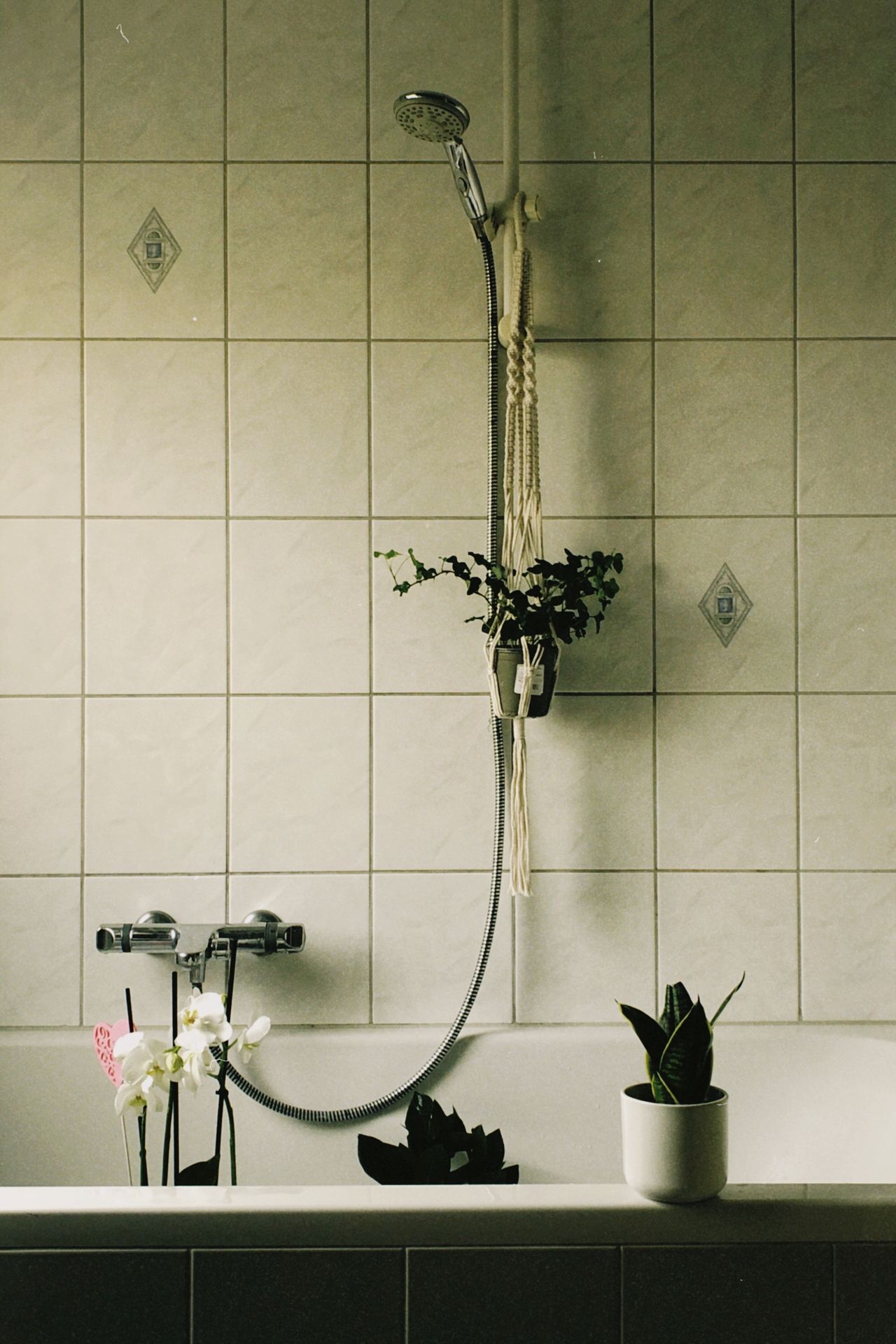
Photo: Pexels
Table of Contents
- 1. Boston Fern
- 2. Peace Lily
- 3. English Ivy
- 4. Air Plants (Tillandsia)
- 5. Orchid
- 6. Snake Plant
- 7. Pothos
- 8. Bamboo Palm
- 9. Spider Plant
- 10. Aloe Vera
- Frequently Asked Questions
- Final Thoughts
- Sources
- Gallery
1. Boston Fern

Photo: Pexels
The Boston fern is the classic steamy-bathroom plant, and it earns that title honestly. Its soft, arching fronds have a huge leaf surface, and in a humid room those fronds take in moisture from the air while the roots drink from damp soil. It loves humidity between 50 and 80 percent, which is exactly what a busy family bathroom produces every morning. Give it bright, indirect light, such as a spot a few feet from a frosted window, because direct sun scorches the leaflets and deep shade makes it thin and leggy.
The best home for a Boston fern is a hanging basket or a high shelf near the shower, where the steam rises and wraps around the fronds. Keep the soil evenly moist and never let it dry out fully, which usually means watering once or twice a week even with all that bathroom steam. If the air in your home is dry in winter, a quick mist two or three times a week keeps the fronds lush. Snip off any brown, crispy fronds at the base, use a pot with a drainage hole so the roots never sit in water, and good news for pet owners: this fern is safe for cats and dogs.
2. Peace Lily

Photo: Wikimedia Commons
The peace lily is a rainforest floor plant, so warm, damp, low-light corners feel like home to it. Its broad leaves transpire steadily and take in moisture from steamy air, and the plant is famous as a built-in watering alarm: when it gets thirsty, the leaves droop dramatically, then perk back up within hours of a drink. It grows well in low to medium light, which makes it a smart pick for bathrooms with one small window, although it flowers best with a few hours of bright, indirect light each day.
Set a peace lily on the vanity counter, on a stool beside the tub, or on the floor in a larger bathroom, keeping it out of direct shower spray. Water when the top inch of soil feels dry, usually about once a week, and always let the extra water drain away. Wipe dust off the leaves once a month so they can breathe and take in moisture well. One important warning: peace lilies are toxic to cats and dogs if chewed, so place yours on a high shelf if you have curious pets.
3. English Ivy

Photo: Pexels
English ivy is a trailing plant that drinks in humid air through its dense, lobed leaves. In lab tests in sealed chambers, ivy was one of the best plants at lowering airborne mold particles, which is one reason it keeps showing up on bathroom plant lists. Real life is not a sealed chamber, so treat that as a small bonus on top of ventilation, not a cure. Ivy is happy in medium to bright indirect light and cooler rooms, and it actually prefers bathroom temperatures between about 50 and 70 degrees Fahrenheit over hot, dry air.
Put ivy in a hanging pot or on the highest shelf in the bathroom and let the stems trail down, because the warmest, dampest air collects near the ceiling where the leaves can use it. Keep the soil lightly moist but never soggy, and trim the stems every few weeks so they do not creep into grout lines or behind the mirror. Watch for spider mites if the air turns hot and dry, and wash the leaves in the sink if you spot fine webbing. Like the peace lily, ivy is toxic to pets, so hanging it high does double duty.
4. Air Plants (Tillandsia)

Photo: Wikimedia Commons
Air plants are the truest moisture drinkers on this list, because they have no soil at all. In the wild, tillandsias cling to tree branches and absorb water and nutrients straight from the air through tiny scales on their leaves called trichomes. In your bathroom, that means shower steam goes right into the plant, and there is no wet soil sitting around to grow mold or attract gnats. They need bright, indirect light and good air movement, so a spot near a window, but out of harsh midday sun, is perfect.
Display them in a glass orb, on a small shelf, on a piece of driftwood, or tucked into a wall holder near the tub where the steam reaches them. Steam alone is not always enough, so give each plant a 20 to 30 minute soak in room-temperature water once a week, then shake it gently and let it dry upside down within a few hours so water never pools in the center and causes rot. A healthy air plant feels stiff and looks silvery green, and most cost just $3 to $8, so a little cluster of three makes an easy, pet-safe start.
5. Orchid

Photo: Wikimedia Commons
The moth orchid, or phalaenopsis, is another plant that grows on trees in the wild, and its thick aerial roots are built to grab moisture from humid air. That is why orchids that sulk in a dry living room often bloom for months in a bathroom. They want bright, indirect light, so an east-facing windowsill or a spot near a frosted window is the sweet spot. Direct afternoon sun burns the leaves, and a dark corner means no flowers, so light is the one thing not to compromise on with this plant.
Grow your orchid in bark mix, never regular potting soil, and water about once a week by soaking the pot for 10 minutes and draining it fully. The bathroom steam handles the humidity between waterings, which orchids like at around 50 to 70 percent. Never let water sit in the crown where the leaves meet, and skip the ice cube trick, because tropical roots hate the cold. Keep the pot on the windowsill or the edge of the vanity, and the blooms will reward you for two to three months at a time. Orchids are also safe around pets.
6. Snake Plant

Photo: Wikimedia Commons
Let us be straight about the snake plant: it tolerates bathroom humidity more than it drinks it. This plant stores water in its thick, upright leaves and barely sips from the air, but that toughness is exactly why it survives the bathroom that defeats other plants, including one with almost no natural light. It handles low light, temperature swings, and forgotten waterings without complaint. Its stiff leaves also look sharp against tile, and you can see how well green stands out in these black bathroom ideas if your bathroom leans dark and modern.
Place a snake plant on the floor in a corner, on the wide ledge of a tub, or beside the vanity where its vertical shape takes up almost no room. The one real danger is too much love: water only every two to three weeks, let the soil dry out completely between drinks, and keep shower splash out of the center of the plant so the leaves do not rot. Use a pot with drainage and gritty, fast-draining soil. Snake plants are toxic to pets if eaten, so a corner behind the tub or a high ledge is the safest spot.
7. Pothos
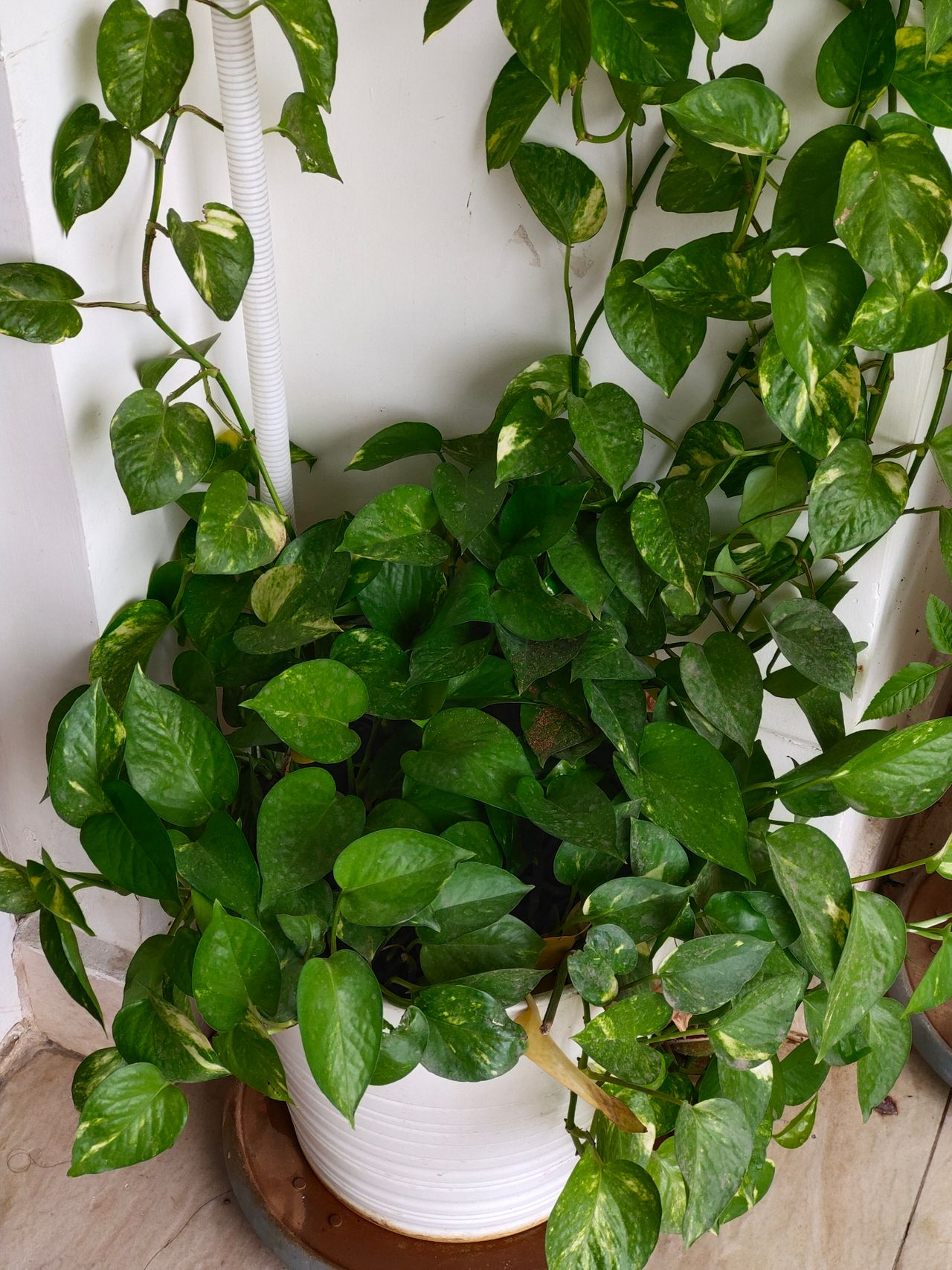
Photo: Pexels
If you ask plant lovers on forums which plant survives any bathroom, pothos wins almost every time. This trailing vine grows in low to bright indirect light, loves humid air, and its heart-shaped leaves keep taking in moisture while the vines spill over a shelf edge. It is the same trick used in our guide to girls' bathroom ideas, where a pothos on a high shelf softens the whole room. Pothos is also nearly free to multiply: snip a stem below a node, stand it in a jar of water on the vanity, and roots appear in a week or two.
Hang pothos from a ceiling hook, set it on top of a tall cabinet, or train it along a shower curtain rod where the steam is richest. Let the top inch of soil dry between waterings, and feed it lightly once a month in spring and summer. Yellow leaves usually mean too much water, while small, widely spaced leaves mean it wants more light, so move it a little closer to the window. Trim long vines to keep the plant full instead of stringy, and keep the leaves away from pets, because pothos is toxic if chewed.
8. Bamboo Palm

Photo: Wikimedia Commons
The bamboo palm brings the most leaf power of any plant on this list. A healthy plant carries dozens of feathery fronds, and all that leaf area moves a lot of water, taking in moisture and releasing it steadily through the day. It comes from shady forest floors in Central America, so it is built for warm, humid air and soft light. Indoors it grows about 4 to 6 feet tall, which makes it a plant for medium and large bathrooms rather than a tiny powder room.
Stand the pot on the floor in a bright corner beside the tub or near a window, where it gets indirect light for most of the day. Keep the soil evenly moist, watering when the top of the soil just starts to dry, and use a pot with drainage plus a saucer you empty after watering. Brown leaf tips usually mean the air got too dry or the water is heavily treated, so flush the soil with clean water every few months. Bamboo palms are pet safe, and a 3-gallon plant typically costs $20 to $40 at US garden centers.
9. Spider Plant

Photo: Wikimedia Commons
The spider plant is the friendly all-rounder of the bathroom jungle. Its arching, striped leaves love humidity, it forgives irregular watering, and it sends out long stems covered in baby plantlets that you can snip off and pot up for free. It prefers medium to bright indirect light, and in return it grows fast and keeps its leaves working, taking in moisture from the steamy air after every shower. Gardeners rate it among the easiest houseplants for beginners, and it is completely safe for cats and dogs.
Hang it in a basket, or set it on a shelf or the top of a storage cabinet where the plantlets can dangle freely. Water when the top inch of soil is dry, and do not panic if you miss a week, because its thick roots store water. The most common complaint is brown leaf tips, which usually come from fluoride in tap water, so try distilled water or rainwater if the tips keep browning. If the plant looks tired, move it a foot or two closer to the window and it will usually bounce back within weeks.
10. Aloe Vera

Photo: Wikimedia Commons
Aloe vera is the honest exception in this list. It is a desert succulent that stores water in its thick leaves, so it does not drink much moisture from the air at all. It earns its place for two reasons: it tolerates bathroom humidity as long as its soil dries out fully, and it is genuinely useful, since the gel inside a cut leaf soothes minor sunburns and skin irritation. Just know it needs the brightest spot you have, ideally a sunny windowsill with several hours of light a day, and it will sulk and stretch in a dark bathroom.
Keep a small aloe in a 4 to 6 inch terracotta pot on the windowsill, where air flow helps the soil dry. Water deeply only every three weeks or so, and never on a fixed schedule in a steamy room, because soggy soil is the one thing that kills this plant fast. Use a gritty cactus or succulent mix, and tip out any water that collects in the saucer. A small plant costs about $5 to $10, and pups that grow around the base can be potted up and shared. Keep it out of reach of pets, as the leaves are toxic if eaten.
Frequently Asked Questions
Can plants really dehumidify a bathroom or stop mold?
Only a little, and it is important to be honest about this. Bathroom plants that absorb moisture take in some water vapor through their leaves and soil, and a group of healthy plants can make the air feel fresher, but a single hot shower releases far more steam than a few plants can handle. Your exhaust fan is the real dehumidifier: run it during every shower and for 20 to 30 minutes after, open the door when you can, and wipe up standing water. Use plants as partners to ventilation, not replacements for it, and mold will have a much harder time moving in.
What is the best plant for a bathroom with no window?
No plant lives forever in total darkness, because humidity cannot replace light. For a windowless bathroom, the toughest choices are the snake plant and pothos, and even they will slowly fade. The fix that actually works is rotation: keep two plants and swap them every two weeks, so each one spends time in a bright room. The other option is a small full-spectrum LED grow light or bulb run for 10 to 12 hours a day, which costs a few dollars a month and keeps low-light plants genuinely happy.
How many plants do I need to notice a difference?
For looks, one plant changes a bathroom, and three make it feel like a spa. For moisture, think in groups: a cluster of three to five leafy plants near the shower, where the steam is strongest, does noticeably more than a single pot across the room. Combine sizes and heights, such as a hanging fern, a peace lily by the tub, and air plants on the wall, and the combined leaf area is what does the work. A cheap digital hygrometer, usually under $15, tells you the truth about your humidity better than any guess.
Which of these plants are safe for cats and dogs?
The pet-safe picks from this list are the Boston fern, spider plant, bamboo palm, air plants, and orchid, so start there if your animals nibble leaves. Peace lily, English ivy, pothos, snake plant, and aloe vera are all toxic if eaten. If you love one of the toxic ones, hang it high or put it on a shelf your pet cannot reach, and move it out of the room if you ever catch your pet chewing on it.
Why does my bathroom plant have moldy soil or tiny flies?
Those tiny flies are fungus gnats, and they show up when soil stays wet all the time, which is easy to do in a steamy bathroom. Let the top inch of soil dry between waterings, empty saucers so pots never stand in water, and scrape off any white mold on the surface and replace the top layer of soil. Yellow sticky traps catch the adult gnats in a week or two. Most bathroom plants need less watering than the same plant in a living room, because the humid air slows down drying.
Final Thoughts
A greener bathroom is an easy win: the steam that fogs your mirror is exactly what these ten plants evolved to enjoy. Start with one or two that match your light, a fern or pothos for most bathrooms, a snake plant for a dark one, and an orchid for a sunny sill. Keep the exhaust fan doing the heavy lifting on humidity, water a little less than you think, and your plants will pay you back with cleaner-feeling air and a room that feels like a small retreat. Once your first plant settles in, do not be surprised when a second and third quietly join it.
Sources
- 15 Best Houseplants for Bathrooms by Light and Humidity — Plantastic Haven
- Are Plants Natural Dehumidifiers? Which Ones Absorb Moisture — Nordic Design Blog
- Bathroom Plants: Hanging, Trailing and Humidity-Loving — Lively Root
- 15 Indoor Plants to Absorb Humidity and Maintain Temperature — Trinjal
Gallery
Photo: Pexels
Photo: Pexels
Photo: Pexels

No comments:
Post a Comment