Girl closet ideas work best when they solve the real morning problem: too many clothes, too little time, and nothing easy to find. A good closet for a girl, whether she is seven or seventeen, is not about having more clothes. It is about seeing everything at a glance, reaching it without a step stool, and putting it back in the right spot without thinking.
In this guide you will find 10 simple setups that work in real American homes, from small reach-in closets to big walk-ins. Most cost under $75, need no remodeling, and can be done in a weekend. Start by taking everything out, keeping only what fits and gets worn, and then build the system around what is left.

Photo via Wikimedia Commons. A wood walk-in closet with hanging dresses, shoe shelves, folded sweaters, and an orange ottoman.
Contents:
- 1. Start With a Simple Wire System
- 2. Shoes on Their Own Shelves
- 3. Hang by Color, Shoes Below
- 4. An Open Rack for Dresses
- 5. One Special Dress, Hats Up Top
- 6. Closed Doors for a Calm Look
- 7. Hide It All Behind Wardrobe Doors
- 8. A Bench That Stores, Too
- 9. A Trunk for Off-Season Pieces
- 10. Matching Hangers, Instant Order
- FAQs
- Final Thoughts
- Gallery
1. Start With a Simple Wire System

Photo via Wikimedia Commons. An open reach-in closet with white wire shelves, folded clothes, and hangers.
The cheapest real upgrade for a small closet is a wire shelving kit from any home center, usually $30 to $60. It replaces the single rod and single shelf most closets come with, and it gives you adjustable shelves for folded clothes, a rod for hanging, and space below for shoes. Because the shelves are open wire, you can see everything, and air keeps clothes fresh.
Install the top shelf about 84 inches from the floor and the hanging rod about 66 inches, which leaves room below for shoes and a small bin. Keep folded stacks no higher than 10 to 12 inches, or they topple when you pull one item out. If the closet is shared, give each girl one side and one color of bin so nothing migrates across the border.
2. Shoes on Their Own Shelves
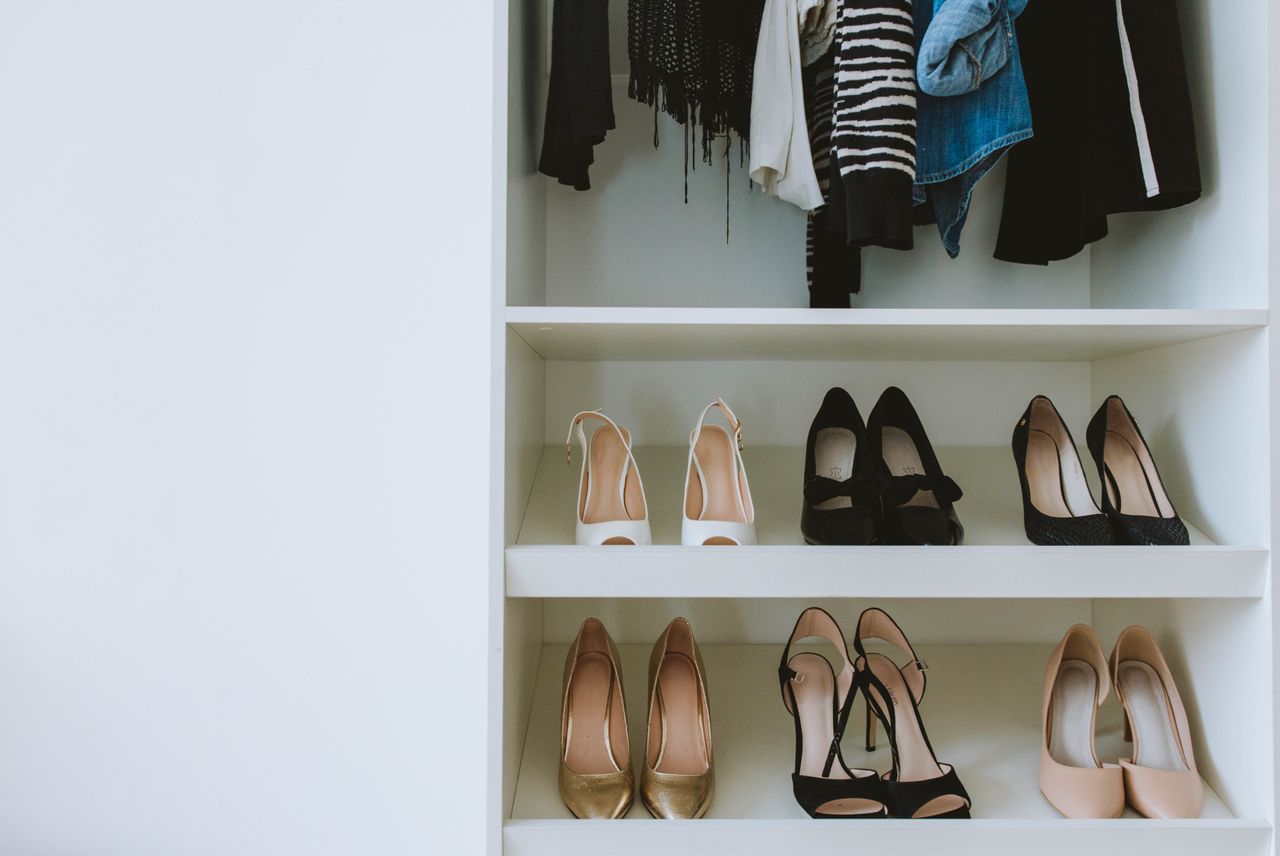
Photo via Pexels. White closet shelves with rows of women's heels and hanging tops above.
Shoes on the closet floor are how pairs get separated and scuffed, so give them their own shelves. One pair per spot, toes facing out, means a girl can see every choice in seconds instead of digging through a pile. Heels, flats, and sneakers each get their own row, and the prettiest pairs can live at eye level where they double as decoration.
Measure before you buy a shoe shelf: most women's shoes need about 8 inches of width and 5 inches of height per pair, while boots need a full 14 to 18 inches of height. A two-tier shoe rack under the hanging rod costs about $25 to $40 and holds 12 to 16 pairs. Keep everyday shoes lowest, where small hands reach easily, and occasion shoes higher up.
3. Hang by Color, Shoes Below
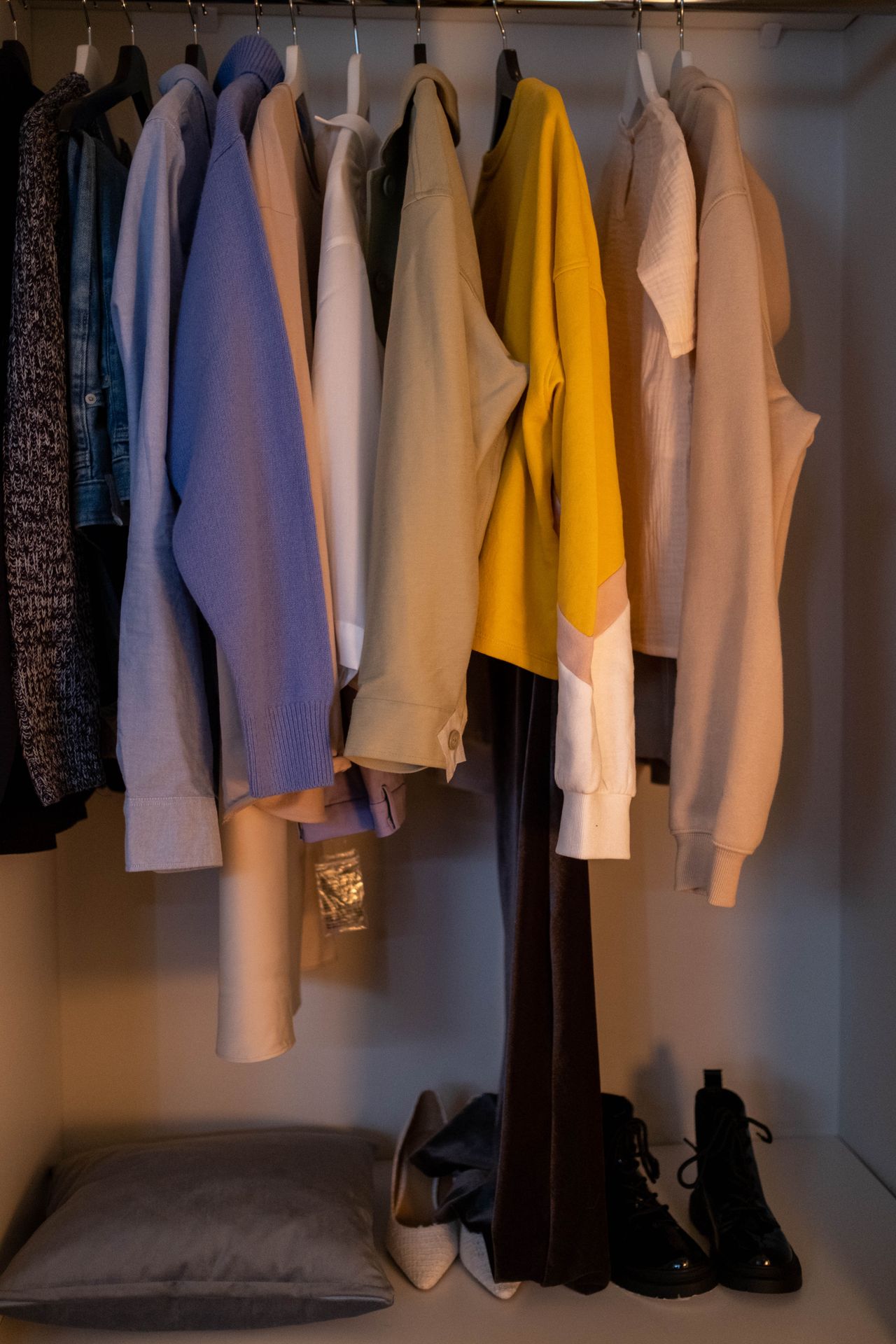
Photo via Pexels. Clothes hanging by color in a closet, with shoes and a cushion below.
Color-ordered hanging looks pretty, but its real value is speed. When shirts go from white to black and dresses hang together by length, a girl can build an outfit without pulling five hangers out and forgetting to put them back. The system maintains itself, because anything out of order stands out at a glance.
Group by type first, then by color inside each group: all dresses together, then tops, then pants, then jackets. Leave a little breathing room between groups, about one empty hanger's width, so clothes do not wrinkle from crowding. Shoes and a soft cushion below finish the setup, and the floor stays clear because nothing has to live there.
4. An Open Rack for Dresses

Photo via Wikimedia Commons. Open clothing racks with women's dresses and tops on wooden hangers.
When the closet is full, an open rack in the bedroom corner buys instant extra hanging space and turns favorite dresses into decor. A rolling rack costs $30 to $50, moves where you need it, and holds a week's worth of outfits in plain sight, which is perfect for planning school or party looks ahead of time.
Keep the rack to one theme, like this week's outfits or party dresses, so it stays a display instead of becoming a second messy closet. Wooden hangers look better and grip better than thin wire ones, and a small basket under the rack catches shoes and bags. If the rack starts to sag or crowd the room, that is the sign to edit the closet, not to buy a bigger rack.
5. One Special Dress, Hats Up Top

Photo via Wikimedia Commons. A small closet with a pink ruffled dress, hats on the top shelf, and a white blouse on the door.
Every girl has one dress that deserves better than being crushed between hoodies, and a small closet teaches the trick: give the special piece its own space. Hang it where it can breathe, put hats and accessories on the top shelf where they stay clean, and use the door hook for tomorrow's outfit. The closet feels special instead of stuffed.
Top shelves are the most wasted space in any closet, because they are hard to reach. The same handled-bin trick used for high kitchen cabinets works here: one labeled bin per category, pulled down like a drawer, so nothing sits loose at the back. This guide to using awkward high cabinets explains the bin method step by step, and it works just as well above a closet rod. Keep a small step stool nearby for younger girls.
6. Closed Doors for a Calm Look

Photo via Wikimedia Commons. Dark wardrobe cabinets with drawers and a framed picture in a hotel room.
Open closets look great in photos and messy in real life, so closed doors are the honest choice for many girls. Dark wardrobe cabinets with a drawer bank in the middle hide everything, give the bedroom a calm, hotel-like look, and mean the room looks tidy even when the closet inside is mid-week messy. The drawers handle socks, underwear, and accessories that never hang well.
If you are choosing new wardrobes, look for soft-close doors and full-extension drawer slides, which cost a little more but survive daily use far longer. Keep one drawer for each category and label the inside of the drawer, not the front, so the outside stays clean. A small picture or mirror on the wall between cabinets finishes the look without adding clutter.
7. Hide It All Behind Wardrobe Doors

Photo via Wikimedia Commons. A bedroom corner with closed wooden wardrobe doors beside a bed.
Sometimes the best closet idea is not a closet idea at all: it is a door. Full-height wardrobe doors along one bedroom wall hide a whole storage wall, keep dust off clothes, and let the bedroom itself be the pretty room. Wooden doors warm the space, and their simple panels suit almost any bedroom style from farmhouse to modern.
Inside closed wardrobes, the same rules apply as open ones: double rods for shirts, one long section for dresses, shelves up top, and shoes below. The difference is forgiveness: you can close the doors on a busy week and deal with it on the weekend. Add a full-length mirror on the inside of one door, and getting dressed never requires leaving the bedroom.
8. A Bench That Stores, Too

Photo via Wikimedia Commons. A light wood storage bench with its lid open, showing the empty box inside.
A dressing bench is the piece most closets are missing. It gives a girl a place to sit while putting on shoes, a surface for tomorrow's outfit, and, if it has a lift-up lid, a hidden box for bags, scarves, and off-season accessories. In a walk-in closet it becomes the center of the room; in a bedroom it sits at the foot of the bed and does the same job.
Choose a bench 36 to 48 inches wide with a lid that stays open on its own, so small hands do not get pinched. The same one-job-per-piece thinking runs through this guide to designing a multifunctional living space, where storage furniture hides the mess instead of adding to it. Add a cushion in a washable fabric, and keep a small mirror nearby so the bench becomes a real dressing spot, not just another seat.
9. A Trunk for Off-Season Pieces

Photo via Wikimedia Commons. A wooden wardrobe with white blouses hanging inside, and a black trunk beside it.
Off-season clothes are the silent closet-killers: heavy sweaters in summer and light dresses in winter take up half the rod for months. A trunk, a lidded bin, or a flat under-bed box moves them out of the way twice a year and instantly doubles the usable closet. Label the trunk with the season and the sizes inside, so next year's swap takes minutes.
Store clean clothes only, with a cedar block or lavender sachet to keep them fresh, and never store leather or silk in plastic bags, which trap moisture. Spare bedding follows the same rule: fold shams flat in a drawer or hang them over a rod so the borders do not crease, as this guide to pillow sham sizes and care explains. Do the swap on the first warm and first cool weekends, and make it a habit, not a chore.
10. Matching Hangers, Instant Order

Photo via Wikimedia Commons. Shirts hanging in a row on hangers in a closet.
The cheapest visual upgrade in any closet costs about $15: a set of matching hangers. Mixed wire, plastic, and dry-cleaner hangers make even a tidy closet look chaotic, because every shirt hangs at a different height and angle. One hanger type, one color, and clothes line up like a store display, which makes choosing an outfit faster and the whole closet calmer.
Slim velvet hangers are the best all-round choice: they grip slippery fabrics, take up half the space of plastic ones, and hold about 10 pounds each. Keep one sturdy wood hanger per heavy coat, and recycle the wire hangers instead of keeping them "just in case." When every hanger matches, a girl can spot the one empty hanger instantly, which makes putting laundry away feel almost automatic.
FAQs
How do I organize a very small closet for a girl?
Use double rods for short clothes, shelves up top for bins, and shoes below. One system, no wasted vertical space, and only the clothes she actually wears.
What is the best way to store shoes in a closet?
One pair per spot on a shelf or rack, toes out, everyday shoes lowest. Boots need tall space, so give them their own section instead of folding them over.
How often should a girl's closet be cleaned out?
Twice a year, at the season change, plus a quick five-minute edit once a month. Anything unworn for a year, outgrown, or damaged goes out.
Should kids share a closet?
They can, with clear zones: one rod and one bin color each, and a rule that nothing crosses the middle. Shared closets fail without visible borders.
How do I keep a closet tidy after organizing it?
Give everything one home, label the bins, and do a two-minute reset every night. Systems fail when putting things back takes longer than dropping them.
Final Thoughts
The best closet for a girl is not the biggest or the prettiest one; it is the one she can use without help on a busy school morning. Start with a simple system, give shoes and dresses their own homes, hide the off-season pieces, and keep the hangers matching. Small, steady habits beat one big organizing weekend, and the calm mornings are worth every minute you spend on these girl closet ideas.
Sources
- Light and Layer — Girls' Closet Ideas
- 10 Fantastic — Teen Girl Bedroom Ideas
- The Fashion Tamer — Maximizing Space in Innovative Closet Solutions for Small Teen Rooms
Gallery
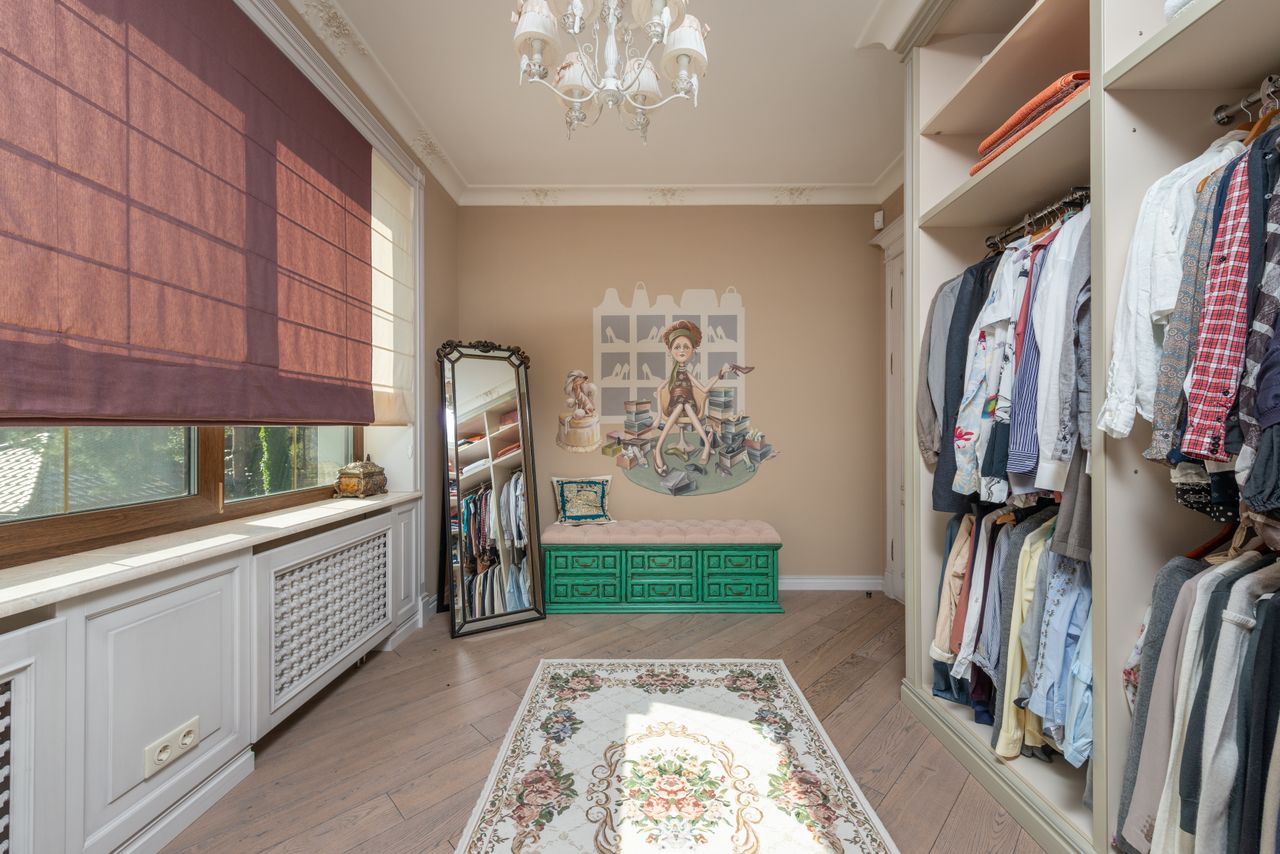
Photo via Pexels. A walk-in dressing room with open shelves, a full-length mirror, and a green storage bench.

Photo via Wikimedia Commons. A wooden cubby shoe rack, mostly empty, with one pair of black shoes in the bottom corner.

Photo via Wikimedia Commons. An open wooden wardrobe in a museum bedroom, with folded linens, hanging clothes, and hats on top.

No comments:
Post a Comment