Look at the top of your refrigerator for a second. In most American kitchens there is either a wide, dusty gap up there or a pair of above fridge cabinets that nobody opens more than twice a year. That space is not small. On a standard 36-inch-wide fridge, the box above it can hold about as much as a full base cabinet — it just happens to sit in the hardest spot in the whole kitchen to reach.
There is a reason it ends up wasted. A standard fridge stands about 70 inches tall, so the cabinet doors above it start higher than your head, and the cabinet is often much shallower than the fridge itself. The good news is that this spot works beautifully once you give it the right job. This guide covers the real measurements, the depth fix that changes everything, what to store up there, and how to reach it all safely.
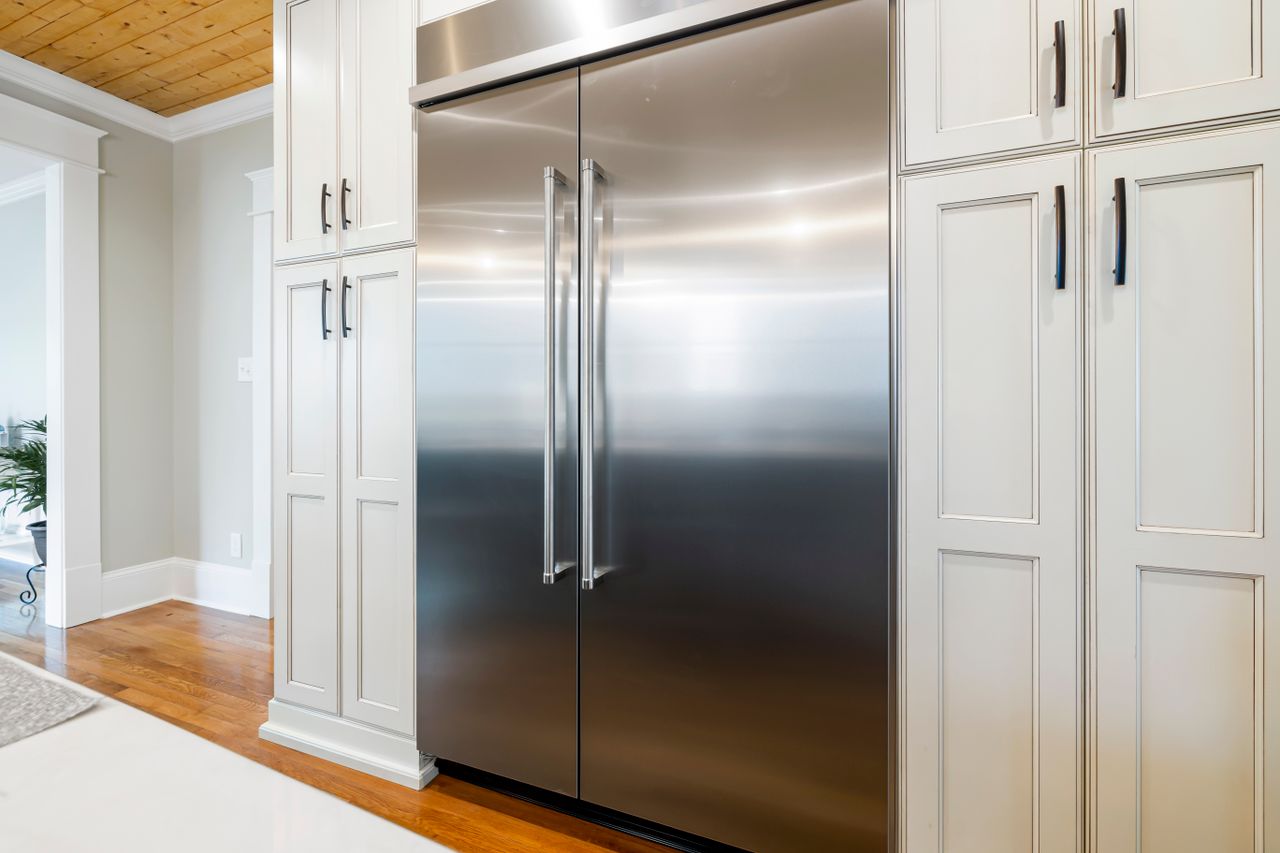
Photo: Pexels
Table of Contents
- 1. Why the Space Above Your Fridge Gets Wasted
- 2. Start With the Real Measurements
- 3. The Pull-Forward Fix for Deep Cabinets
- 4. Best Use No. 1: Rarely Used Small Appliances
- 5. Best Use No. 2: Platters, Trays and Baking Sheets
- 6. Dividers, Bins and Risers That Beat the Depth
- 7. Cookbooks, Backstock and Paper Goods
- 8. No Cabinet? Baskets, Wine Racks and Open Shelves
- 9. How to Reach Everything Safely
- 10. Make It Match Your Existing Cabinets
- Frequently Asked Questions
- Final Thoughts
1. Why the Space Above Your Fridge Gets Wasted
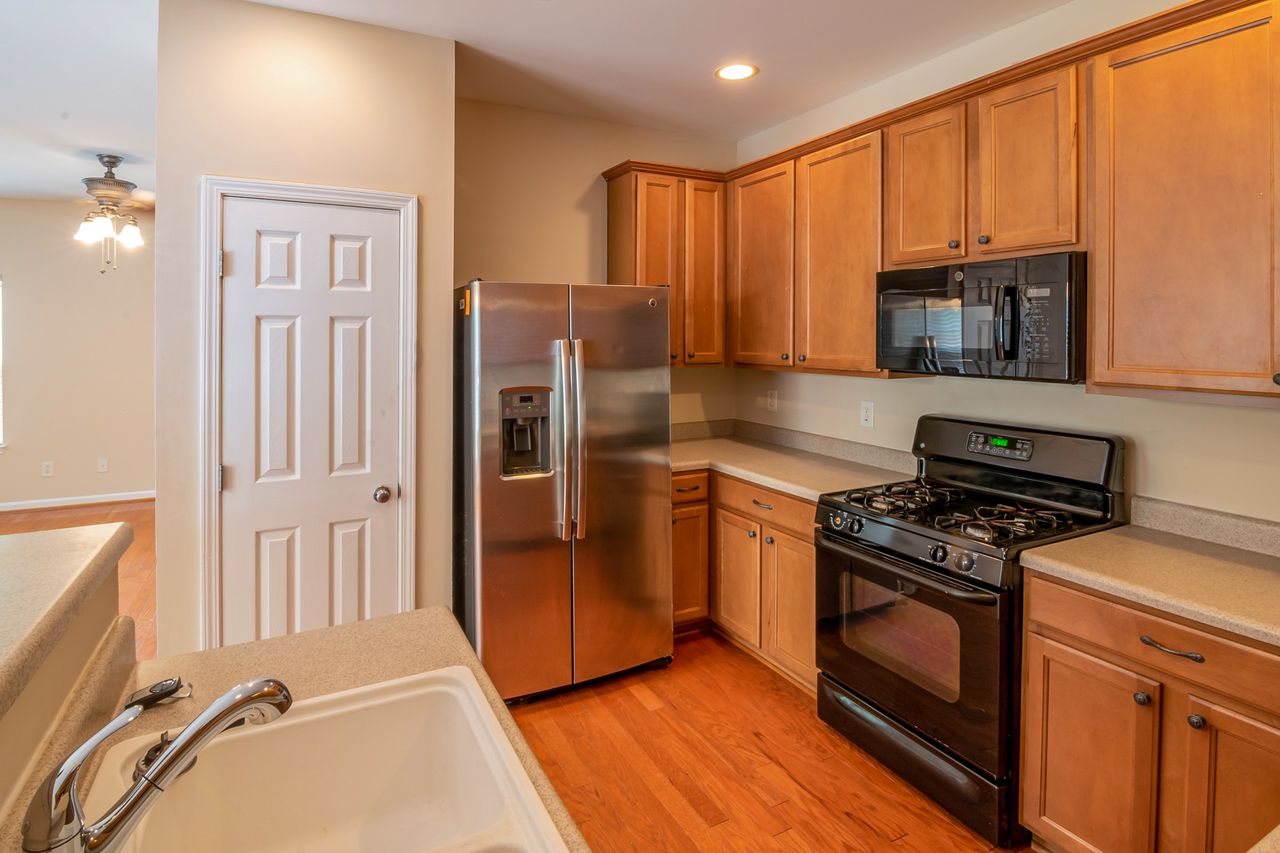
Photo: Pexels
Three problems team up against this cabinet: height, depth, and heat. Height first. Most fridges stand 66 to 72 inches tall, so the bottom of the cabinet above them sits around 70 inches off the floor. Most adults can comfortably grab things at about eye level or a little above — anything higher means stretching on tiptoes or hunting for a stool. When a cabinet is annoying to open, it slowly turns into a place where random items go to be forgotten.
Depth is the second problem. Regular wall cabinets are 12 inches deep, but a standard fridge box is 28 to 31 inches deep. That means the cabinet is often set far back from the fridge's front face, and anything stored at the back might as well be in another zip code. Add the gentle warmth that rises from the fridge's motor and coils, plus a steady layer of cooking grease and dust, and you have a spot that needs a deliberate plan instead of leftovers from other cabinets.
2. Start With the Real Measurements
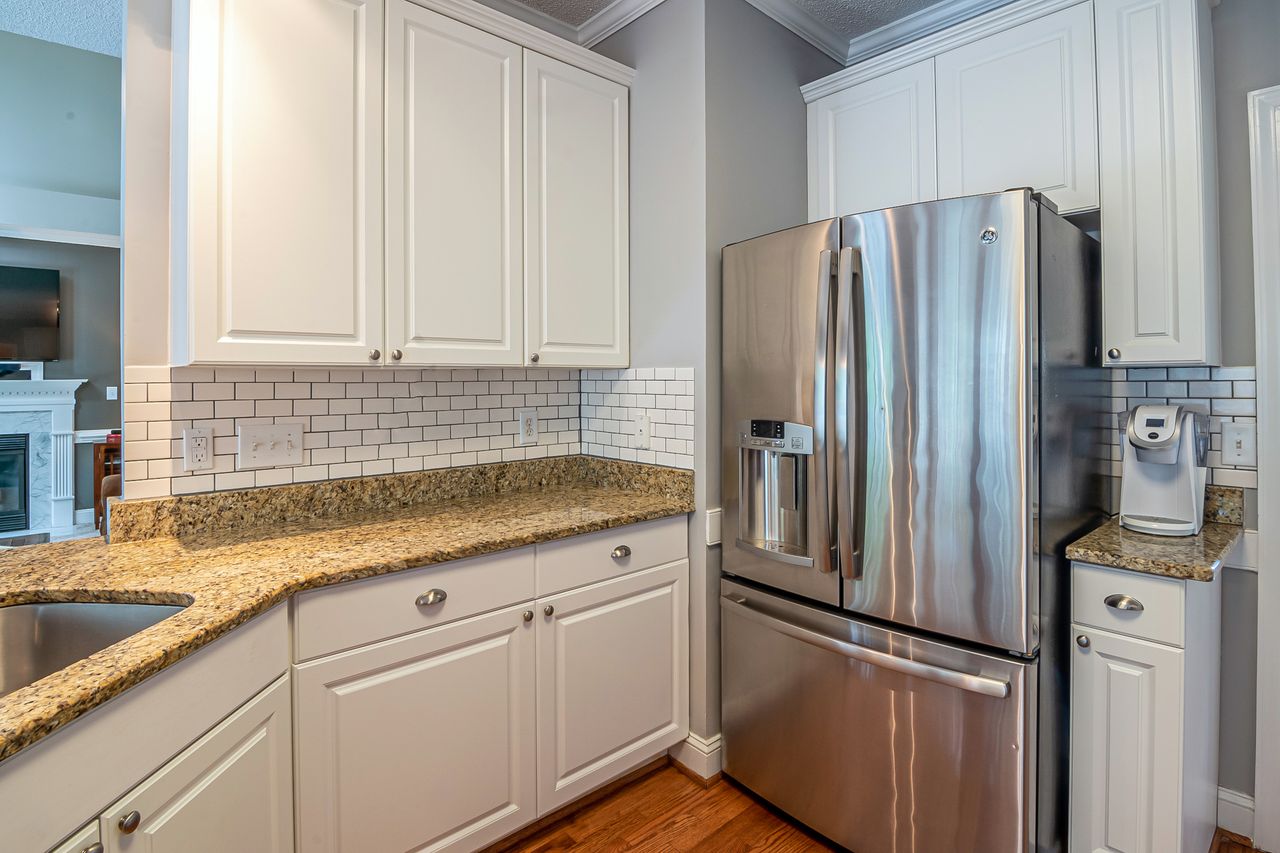
Photo: Pexels
Before you buy anything, measure three numbers: the width of your fridge, the height from the top of the fridge to the ceiling, and how far the fridge sticks out from the wall. Standard fridge widths are 30, 33, and 36 inches, and bridge cabinets are sold in those same widths, so matching them is easy. For height, most kitchens have 8-foot ceilings (96 inches). Take away a 70-inch fridge and you have about 24 to 26 inches of space — enough for a 12-, 15-, 18-, or 24-inch-tall cabinet with a small gap left over.
That leftover gap matters. Fridge makers usually ask for at least 1 inch of clearance above the appliance so heat can escape, and some models want more, so check your manual before you close the space in completely. Depth is the number people get wrong. A 12-inch-deep wall cabinet leaves a big ledge of fridge top exposed in front of it. A 24-inch-deep refrigerator cabinet gets much closer to the front of the fridge and roughly doubles your usable storage. Stock bridge cabinets at big-box stores usually run about $120 to $350 depending on size and finish.
3. The Pull-Forward Fix for Deep Cabinets
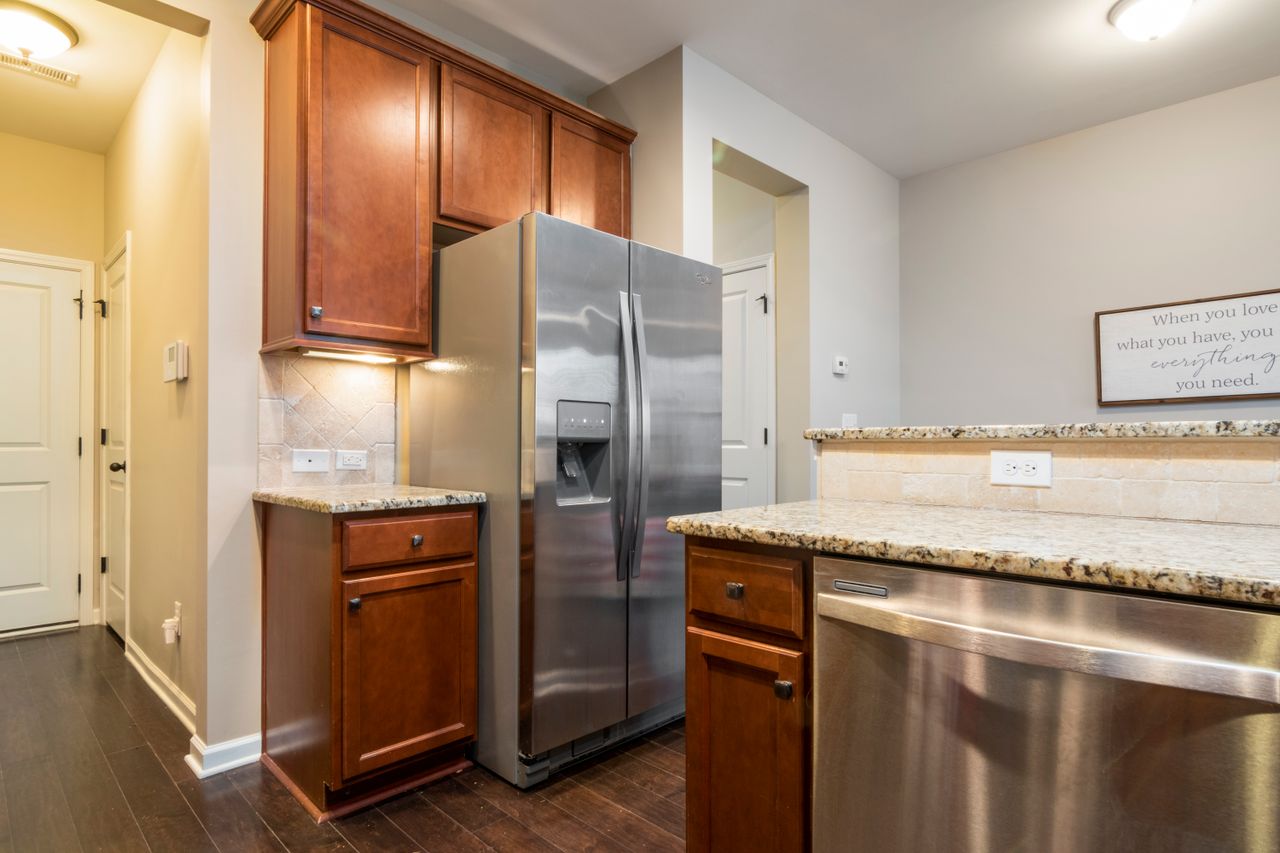
Photo: Pexels
The single best upgrade for this spot is a deep cabinet pulled forward so its doors sit flush with the front of the fridge, instead of hiding 16 inches behind it. Cabinet lines sell these as refrigerator wall cabinets — usually 24 inches deep and 12 to 24 inches tall — made exactly to bridge the top of a fridge. When the doors come forward, the whole cabinet suddenly behaves like normal storage: you can see in, reach in, and actually use the back half.
If you already own a standard 12-inch cabinet, you do not always need to replace it. Installers often pull a shallow cabinet forward on sturdy wood blocking attached to the wall studs, then hide the gap at the sides with filler panels that match the cabinet. Tall side panels on both sides of the fridge complete the built-in look and hide the appliance's plain sides. One small detail makes a big difference up this high: fit a long handle along the bottom edge of the door, mounted horizontally, so you can pull the door open without stretching for a tiny knob.
4. Best Use No. 1: Rarely Used Small Appliances
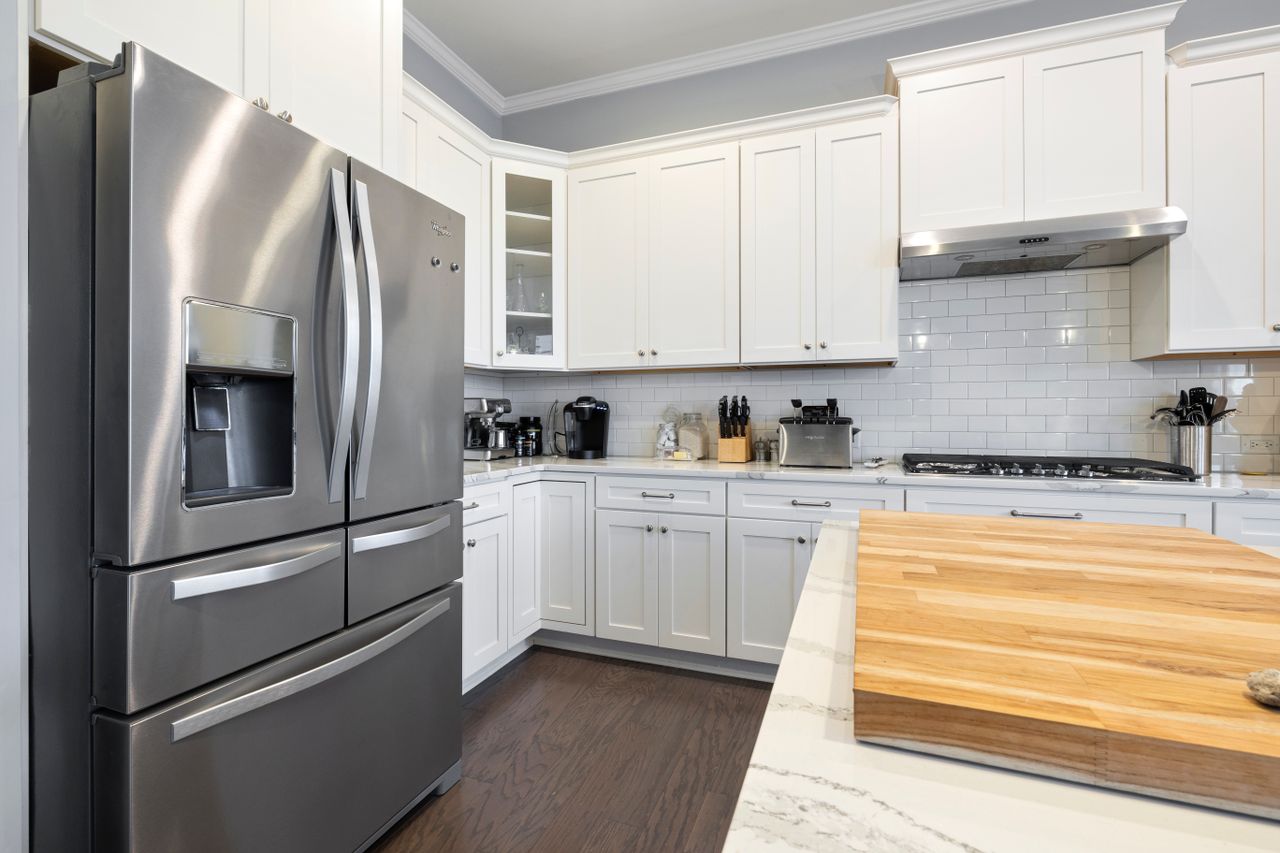
Photo: Pexels
Ask on any home forum what belongs in this cabinet and the top answer is always the same: the appliances you use a few times a year. The waffle maker, the ice cream maker, the fondue pot, the food processor base, the big blender — these are bulky, they eat counter and cabinet space everywhere else, and you will not miss them between uses. Moving them up high frees your easy-reach cabinets for the pans and tools you touch every day.
Two habits keep this working. First, store each appliance with its cord and attachments together — a small bag or bin for the loose parts stops the classic problem of finding the waffle maker but not its plates. Second, respect weight. You will be lifting these items down from above your head, so keep anything up there under about 15 pounds, and let genuinely heavy gear like a stand mixer or a cast-iron Dutch oven live lower, where your arms and back can handle it safely.
5. Best Use No. 2: Platters, Trays and Baking Sheets
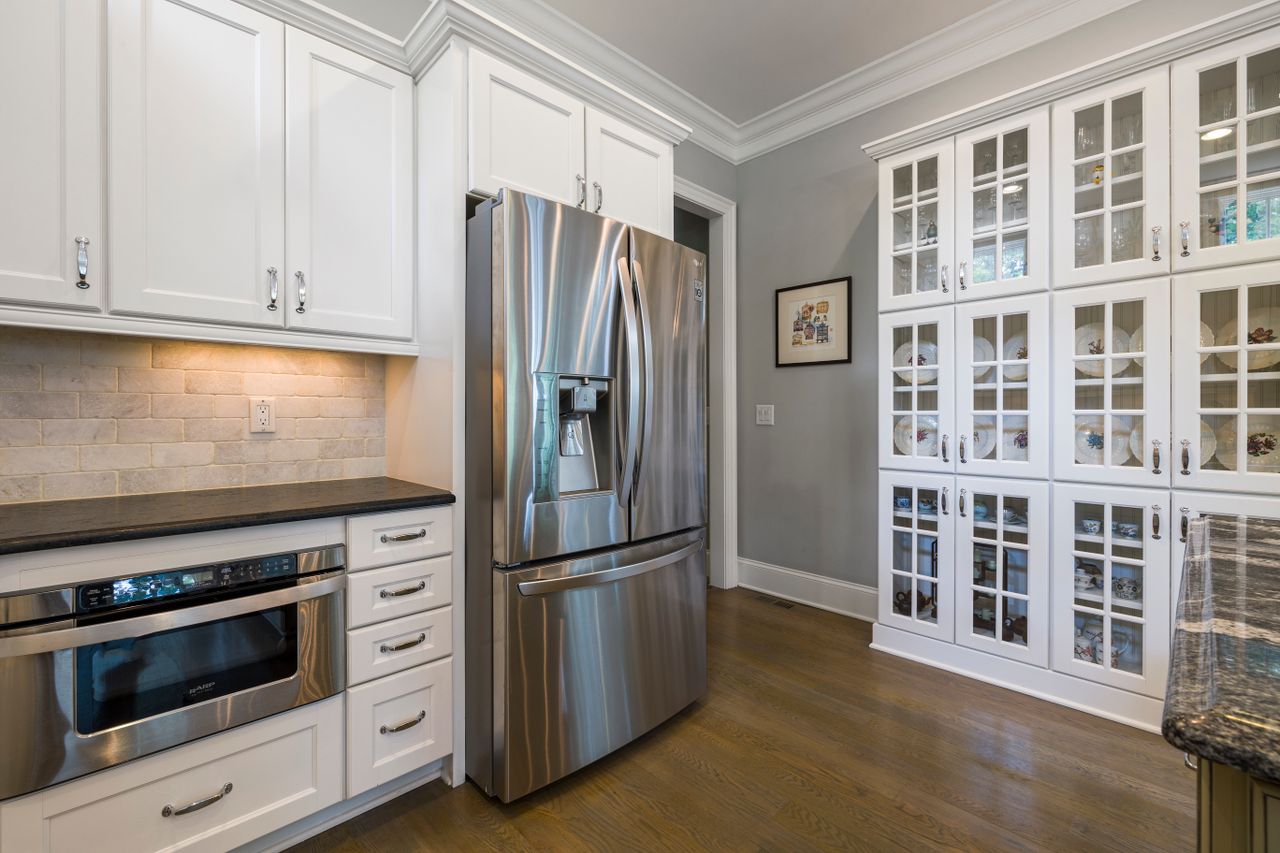
Photo: Pexels
Flat items are the other perfect fit for this cabinet. Serving platters, cookie sheets, cooling racks, cutting boards, and big trays are awkward everywhere: they slide around in drawers, they do not stack well, and the large holiday platter only comes out twice a year anyway. Stood upright in a row, a whole set of them fits neatly in a 36-inch-wide cabinet, and each one slides out on its own without disturbing the rest.
The trick is to store them vertically, never in a flat pile. A simple tray divider — a rack with slots spaced about 3 to 4 inches apart, usually $15 to $30 — turns the cabinet into a filing system for flat kitchenware. If your cabinet has no doors or you are building an open cubby, the same divider works there too. Measure your largest platter before you buy the divider: most serving platters are 14 to 18 inches across, so you need at least that much clear height inside the cabinet, which a 24-inch-tall bridge cabinet gives you easily.
6. Dividers, Bins and Risers That Beat the Depth
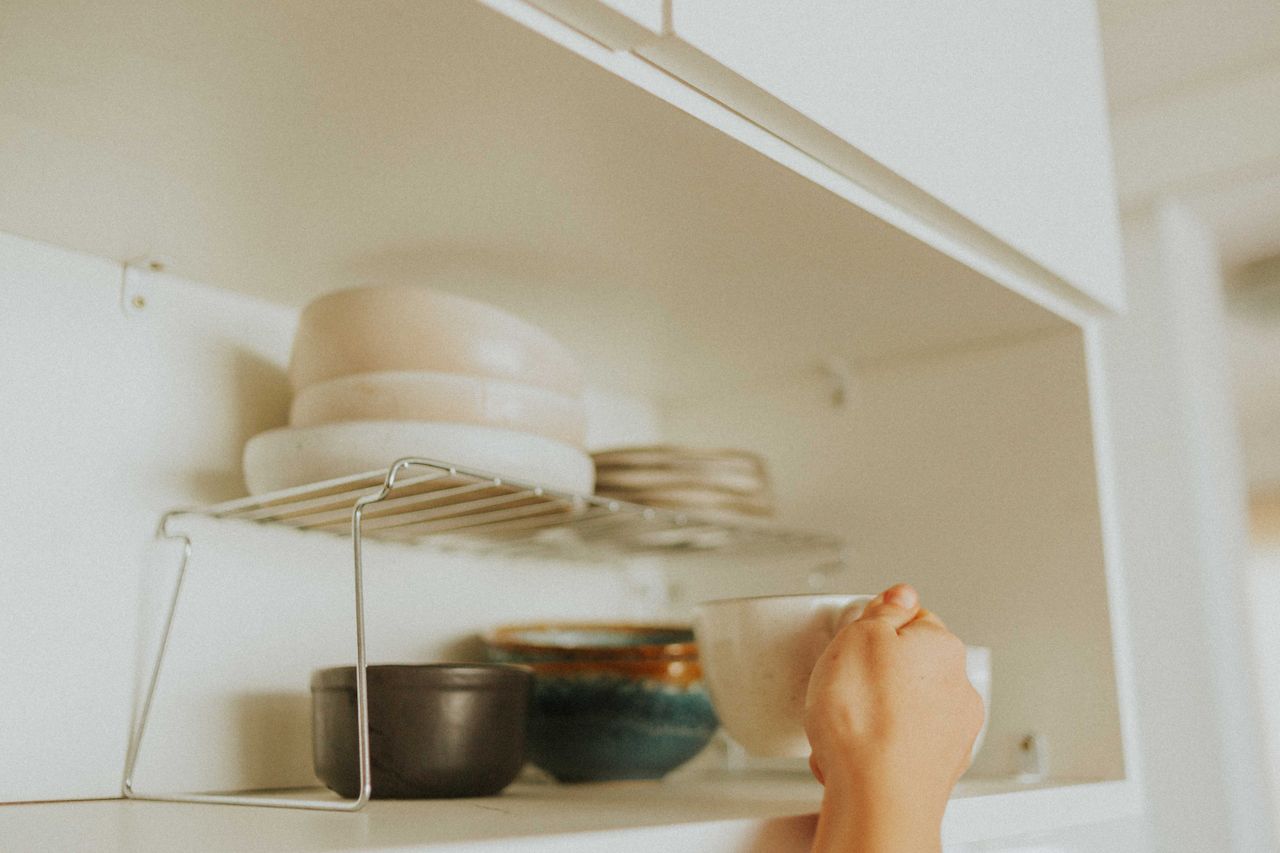
Photo: Pexels
Even a deep cabinet becomes friendly with the right organizers inside it. The most useful one is also the cheapest: a handled bin or basket. Group similar things together — baking supplies in one bin, party supplies in another — and instead of reaching blindly into the dark, you pull the whole bin down like a drawer. Clear bins are best, because you can see what is inside before you climb up. Bins with handles usually cost $8 to $20 each, and two or three of them transform this cabinet.
Shelf risers do the same job vertically, adding a second level inside a tall cabinet so bowls and glasses are not stacked in wobbly towers. Vertical dividers, mentioned above, handle the flat items. The rule behind all of it is simple: nothing should sit loose at the back of a deep, high cabinet, because loose items migrate, hide, and get forgotten. It is the same pull-everything-to-you thinking that makes deep corner cabinets workable, which we walk through in our kitchen corner cabinet storage guide.
7. Cookbooks, Backstock and Paper Goods
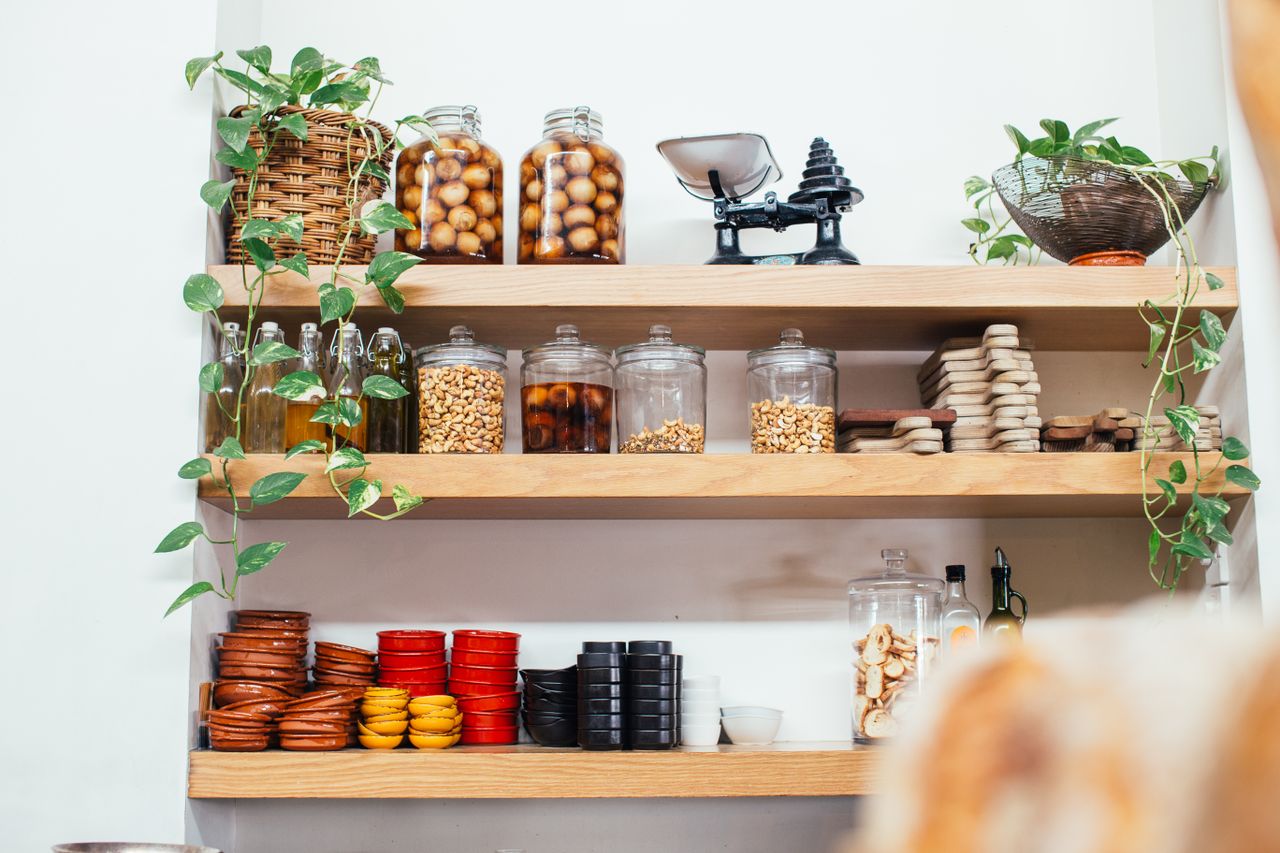
Photo: Pexels
The third good job for this space is overflow storage — the backstock of a small kitchen. Cookbooks you cook from a few times a month stand upright here like books on a shelf, easy to flip through and protected from counter splashes. Extra paper towels, napkins, foil, and food storage bags are light, bulky, and used slowly, which makes them ideal high-storage candidates. Backup dry goods such as flour, rice, and pasta also work if they are sealed in airtight jars or bins.
One caution, and it comes up again and again in reader questions: the space over a fridge can run warmer than the rest of the kitchen, because the fridge pushes its heat upward and outward. Warmth slowly ruins some foods, so keep chocolate, cooking oils, spices, and nuts in a cooler cabinet instead — heat dulls spices and turns oils stale faster. Medicines do not belong up there either. If the cabinet feels noticeably warm when you open it, stick to paper goods, linens, and equipment, and keep all food elsewhere.
8. No Cabinet? Baskets, Wine Racks and Open Shelves
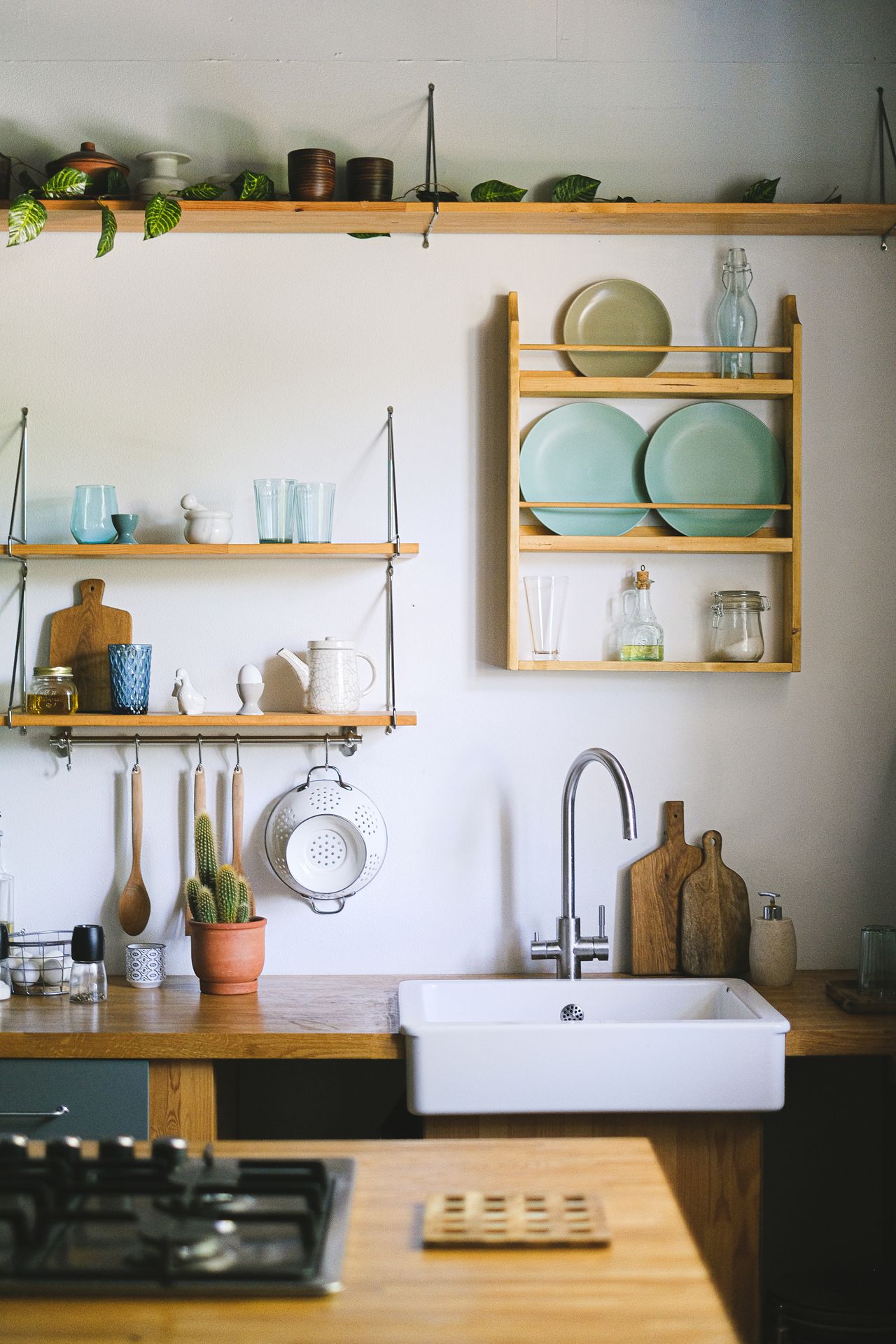
Photo: Pexels
Plenty of kitchens — renters, this means you — have no cabinet over the fridge at all, just open space between the top of the appliance and the ceiling. That gap is usually 12 to 24 inches tall, and it can still earn its keep. The easiest fix is two or three matching baskets sized to the space: they corral paper goods, linens, or overflow pantry items, and they look tidy instead of cluttered. Measure the gap first and leave an inch or two of the fridge's ventilation space open at the back.
A small wine rack is another smart fit, since bottles lying on their sides are only about 3 inches around and a compact rack holds 8 to 12 bottles in very little height. Or skip storage entirely and treat the top of the fridge as a display shelf: a trailing plant like a pothos, a stack of pretty cookbooks, or one large serving bowl you love looking at. Whichever route you choose, remember that this spot collects grease and dust faster than any other surface in the kitchen, so pick things that are easy to wipe down, and give the top of the fridge a quick clean every month or so.
9. How to Reach Everything Safely
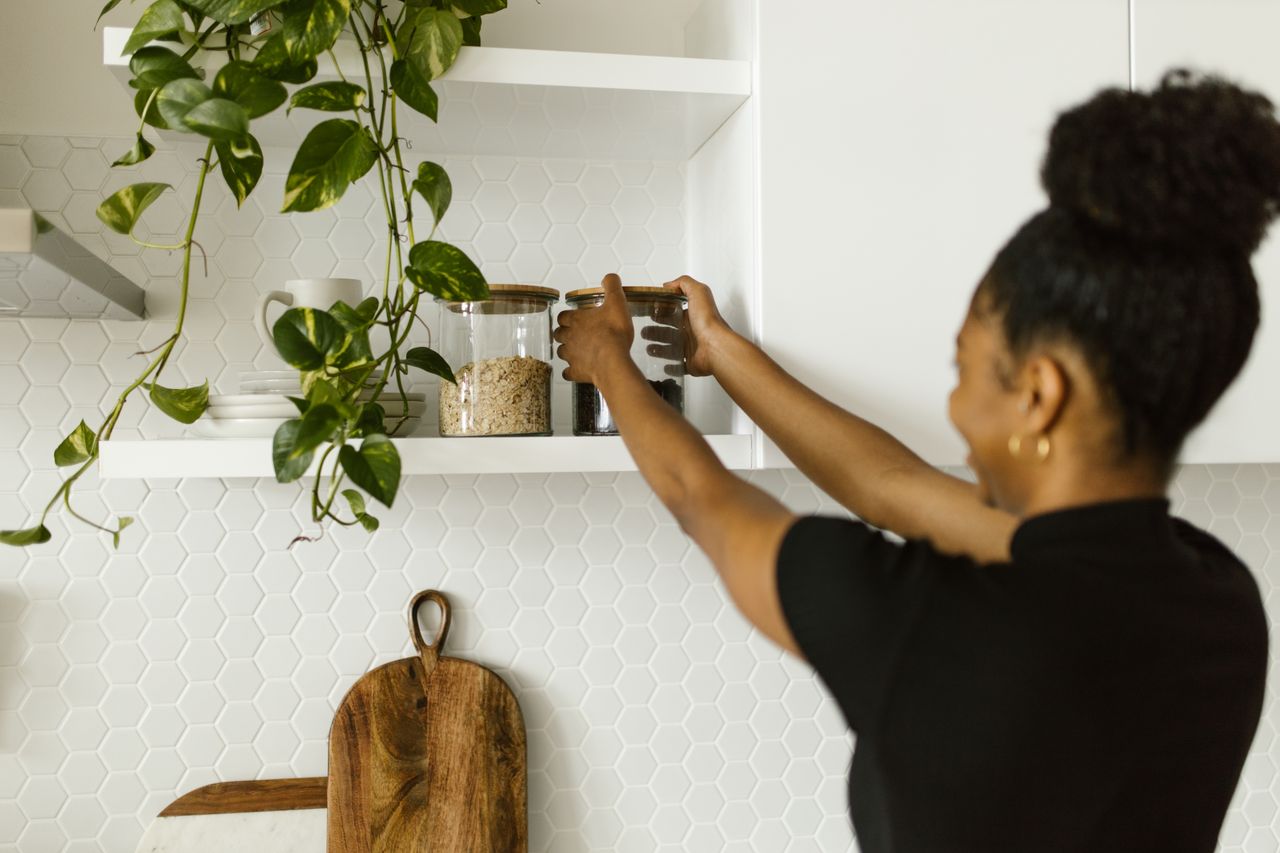
Photo: Pexels
None of this storage works if getting to it feels risky, so set up safe access once and the cabinet becomes easy forever. Buy a proper two- or three-step folding step stool with wide, non-slip treads — a good one costs $40 to $80 and folds flat enough to live in a pantry, a closet, or the slim gap beside the fridge itself. Keep it in the kitchen. A stool you have to fetch from the garage is a stool you will skip, and skipping it is how people end up standing on chairs or countertops, which is how kitchen falls happen.
Then arrange the cabinet for the way you will actually use it. Heaviest items go at the front and on the lowest level, never at the back. Take things down with two hands, one item or one bin at a time, and never try to lift something heavy from above shoulder height — that is the weakest position your arms have. If an item is too heavy or too awkward to lower comfortably while standing on the stool, that is your sign it belongs in a lower cabinet, full stop.
10. Make It Match Your Existing Cabinets
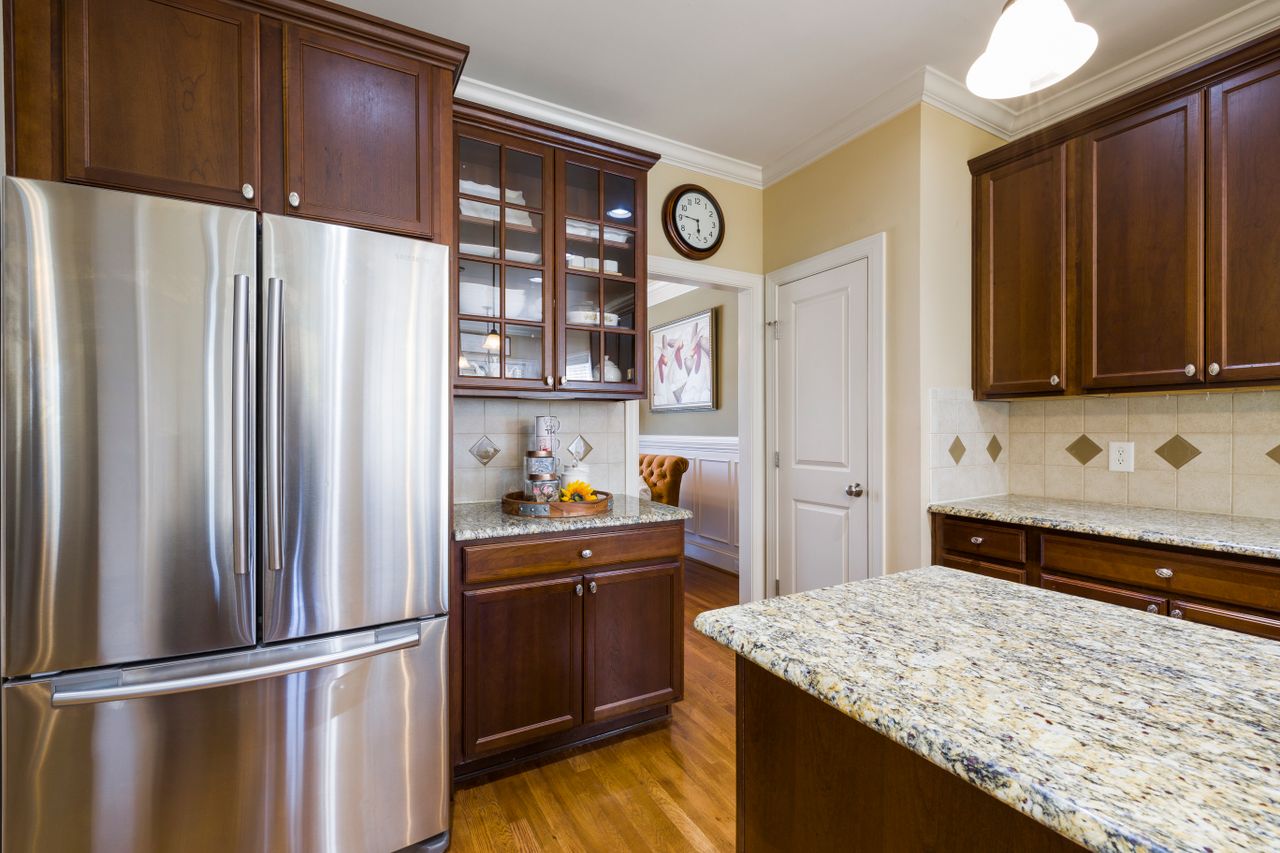
Photo: Pexels
An above-fridge cabinet only looks right when it looks like it was born with the kitchen. Start with the door style: if your cabinets are Shaker, order a Shaker door; if they are flat slab, match that. Most big cabinet lines sell the refrigerator bridge cabinet in the same styles and finishes as the rest of the range, so if your kitchen came from a known line, matching can be a simple order. Use the same hardware, too — the same pull or knob, in the same finish, at a similar size.
If your cabinets are older or the line is discontinued, paint is your friend. Take a cabinet door off, carry it to the paint store, and have the color computer-matched; a quart of cabinet enamel costs about $20 to $30 and is plenty for one small cabinet. A light sanding, primer, and two thin coats will get a new door very close to its neighbors — and since this cabinet sits high and slightly in shadow, a near match reads as a perfect match. Keeping the whole run of cabinets visually calm is a big part of why the kitchens in our guide to timeless kitchen ideas age so well, and if you are choosing finishes from scratch, our kitchen aesthetic ideas can help you land on a look first.
Frequently Asked Questions
What is the cabinet above the fridge actually for?
It was never meant for everyday dishes. Because it is high and deep, it works best as occasional-use storage: seasonal serving pieces, rarely used small appliances, large platters, and backstock supplies. Give it that one job and it stops being the kitchen junk drawer in the sky.
Is it safe to store food above the refrigerator?
Some food, yes. Sealed dry goods like flour, rice, and pasta in airtight containers are fine. But the area can be warmer than other cabinets because of heat from the fridge, so avoid chocolate, cooking oils, spices, and anything else that heat damages. If the cabinet feels warm to the touch, store only non-food items there.
How deep should a cabinet above the fridge be?
Ideally 24 inches — deep enough that the doors sit nearly flush with the front of the fridge. The standard 12-inch wall cabinet works too, but it leaves the back half hard to reach and wastes the front ledge. If you have a 12-inch cabinet, pull it forward on blocking or organize it with handled bins.
How much space should I leave between the fridge and the cabinet?
Leave at least 1 inch of clearance above the fridge for ventilation, and check your appliance manual, because some models ask for 2 inches or more. Blocking that airflow can make the fridge work harder and shorten its life.
What can I do if there is no cabinet above my fridge?
Use the open space on top of the fridge itself: matching baskets for paper goods and linens, a compact wine rack, or a simple display of a plant and cookbooks. Just measure the height to the ceiling first, keep the back ventilation gap open, and choose items that are easy to wipe clean.
Final Thoughts
The space above your fridge is some of the most valuable storage in the kitchen — it is just picky about what it holds. Give it the occasional-use jobs, fix the depth problem if you can, organize what is left with bins and dividers, and keep a good step stool nearby. Do those four things and the most ignored cabinet in the house quietly becomes one of the most useful. Start this weekend: empty yours, sort what you find into keep-low, keep-high, and let-go piles, and put back only what belongs up there. You will be surprised how much room you actually had all along.
Sources
- Creative Ideas for Above Refrigerator Space — Maisonly Interior Design
- What to Do With Cabinets Above the Refrigerator — Engineer Fix
- Above Fridge Storage Ideas — Home Run Design + Remodel
Gallery
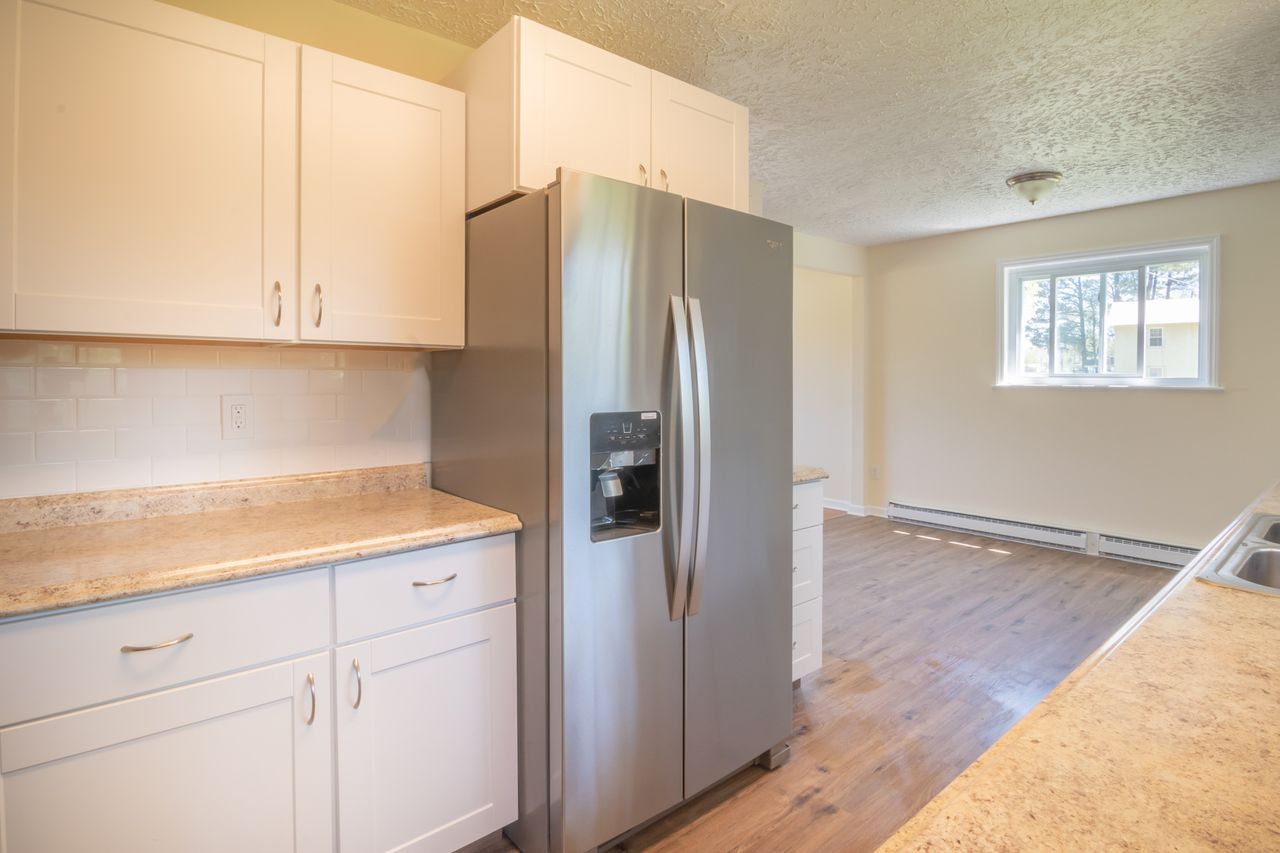
Photo: Pexels
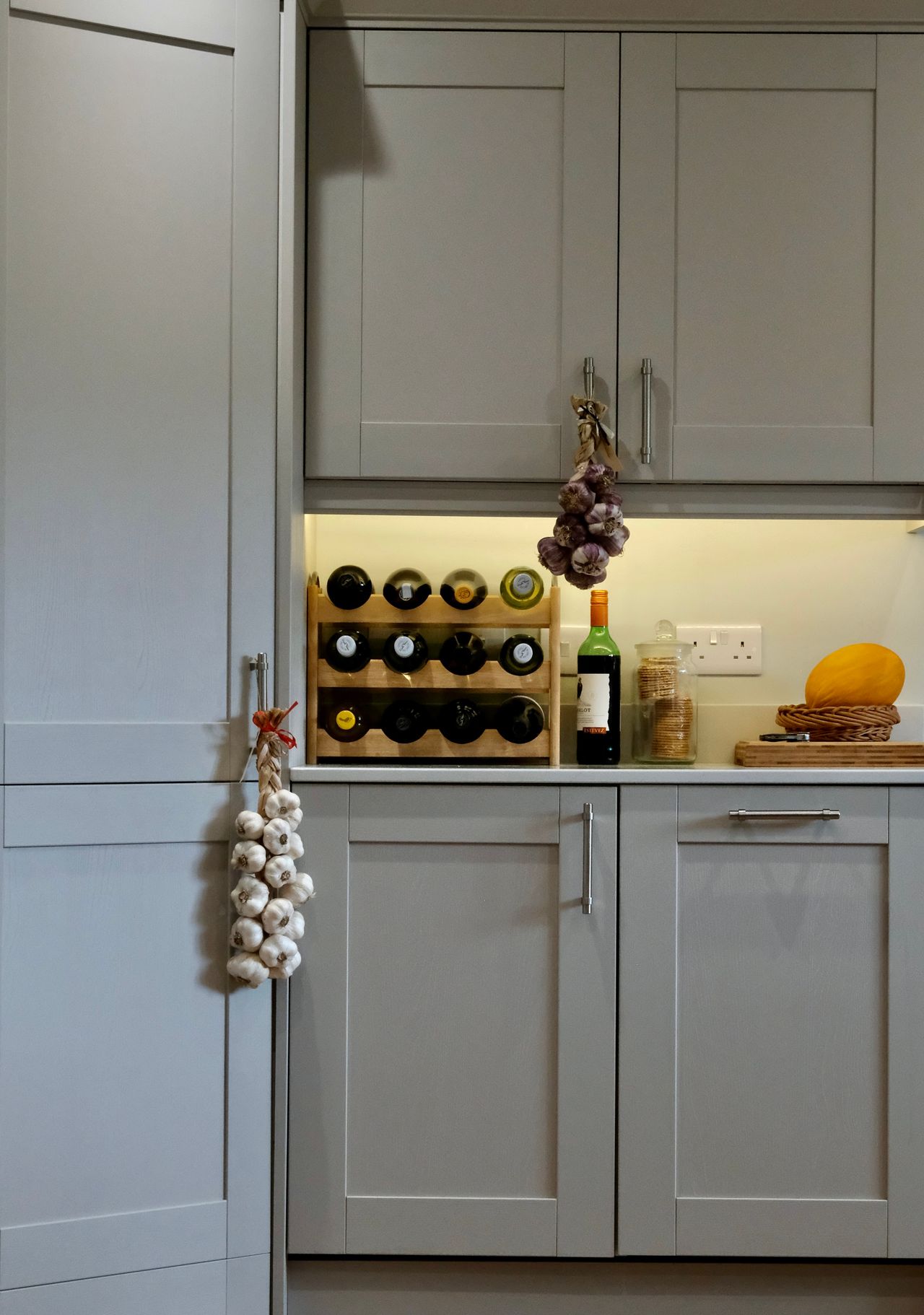
Photo: Pexels
Photo: Pexels

No comments:
Post a Comment