Pinterest's 2026 FunHaus trend has put vintage big-top style back on the map, and these circus living room ideas show how to borrow that energy without turning your home into a theme park. Think bold stripes, old poster art, velvet in rich colors, and a little gold shine, all balanced with calm neutrals so the room still feels like a place for adults to relax. Searches for vintage big-top interiors are up sharply, and the best versions of the look are playful, not loud.
The secret is restraint. Pick one or two showy pieces, then let plain walls, wood floors, and simple furniture do the quiet work around them. A striped rug can carry a whole room. One framed poster can set the mood. A red sofa can be the star, as long as everything else stays calm. The ten looks below each work on a normal budget, and most of them need no painting, no building work, and no new sofa. Start with the one that fits your room, then add a second idea only if the first one still feels calm.
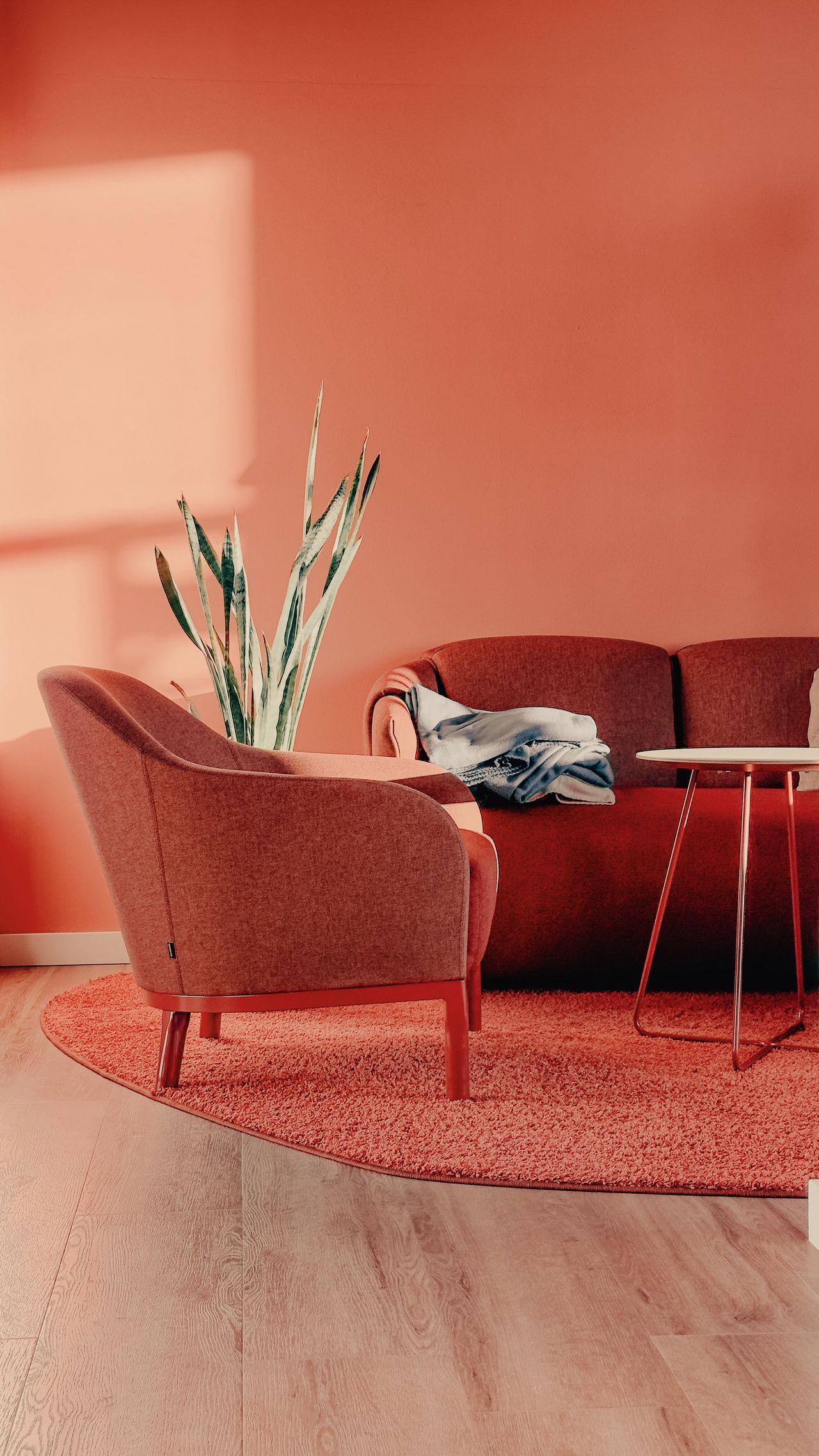
A bold coral room with a curved sofa and a round rug shows how one strong color can still feel grown-up — Photo: Ömer Gülen, via Pexels
Table of Contents
- 1. Start with a Bold Striped Rug
- 2. Frame Vintage Poster Art Like Real Art
- 3. Let One Red Sofa Do the Talking
- 4. Go Jewel-Tone with Velvet
- 5. Hunt Down One Vintage Velvet Piece
- 6. Mix Frames Instead of Matching Them
- 7. Add Brass and Gold for Showtime Shine
- 8. Use Sculptural Shapes and Round Mirrors
- 9. Keep the Base Calm So the Bold Bits Shine
- 10. Try Stripes in a Small Space First
- Frequently Asked Questions
- Final Thoughts
- Sources
- Gallery
1. Start with a Bold Striped Rug
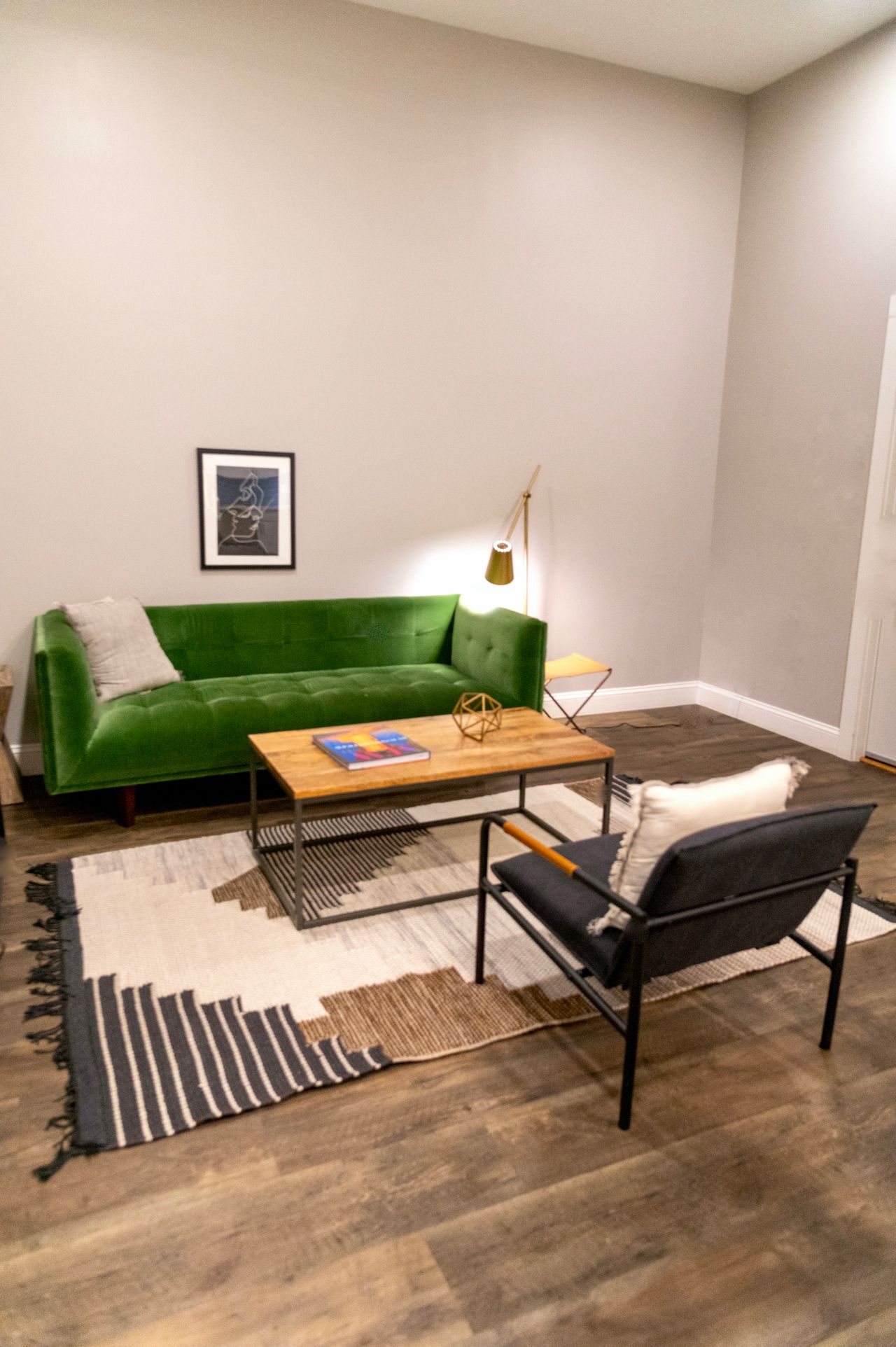
A green velvet sofa with a striped rug and a brass lamp keeps bold pattern grounded — Photo: Andrea Davis, via Pexels
A striped rug is the easiest way into this style, because it adds big-top energy underfoot without touching your walls. Choose wide stripes in two colors, such as navy and cream or red and cream, and size it so the front legs of your sofa and chairs sit on it. For most living rooms, a 5 by 8 foot rug works under a standard sofa, while a 8 by 10 foot rug suits a larger seating group. Flat-weave cotton rugs cost less than wool, wash well, and stay flat under chair legs.
Keep everything else in the room plain while the rug does the work. Solid cushions, a plain wood coffee table, and one strong sofa color are enough. Narrow stripes feel more tailored than very wide ones, and vertical stripes on a rug can make a small room feel longer. If you rent, a rug is also the safest bold move you can make, since it leaves no mark when you move out.
2. Frame Vintage Poster Art Like Real Art
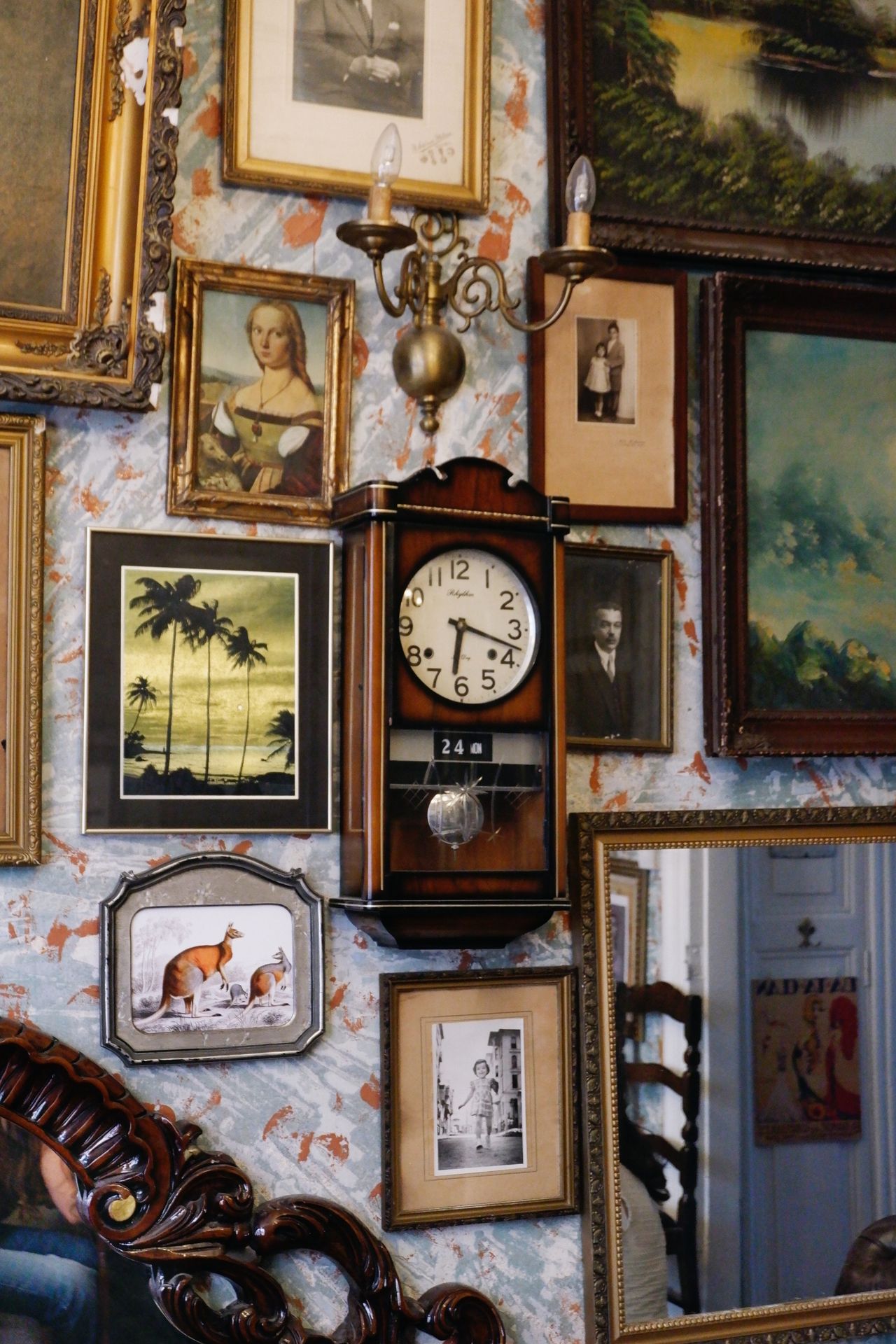
A wall of vintage frames and an old clock shows how collected art can look intentional — Photo: Merve, via Pexels
Old poster art is the heart of the vintage big-top look, and framing is what keeps it grown-up. Pick one or two prints with soft, aged colors rather than bright cartoon art, and give each one a wide white mat inside a simple black or gold frame. Hang the center of the piece about 57 to 60 inches from the floor, which is standard eye level, and leave plain wall space around it so the art can breathe.
Reprints of public-domain posters from the late 1800s and early 1900s are easy to find online for $20 to $50, and thrift stores often sell solid wood frames for a few dollars. Avoid filling every wall with posters. One strong piece above the sofa, or a small group of three on one wall, reads as a collection. A whole room of posters reads as a costume, and that is the line this style should never cross.
3. Let One Red Sofa Do the Talking
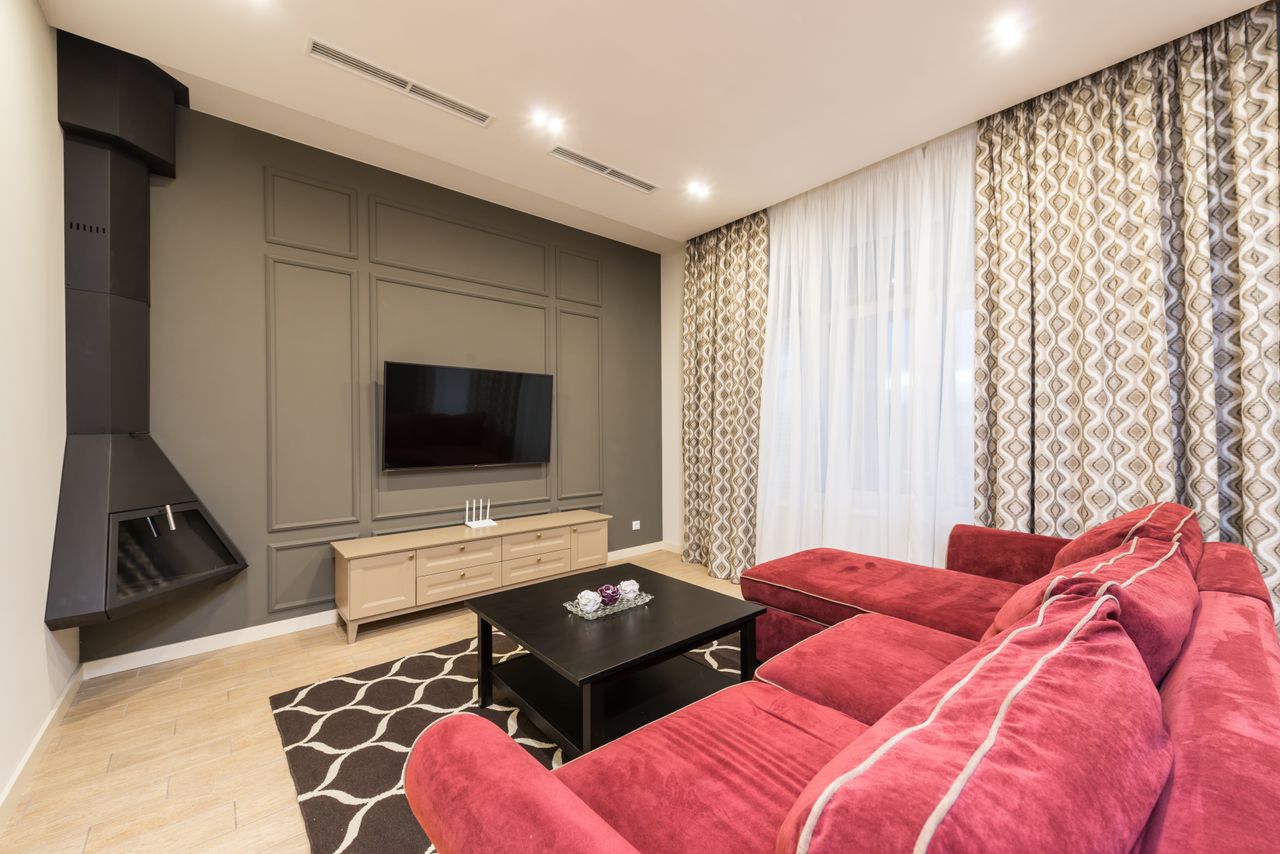
A deep red sofa with a fireplace and patterned curtains proves one bold piece is enough — Photo: Max Vakhtbovych, via Pexels
A red sofa is the boldest single move in this style, and it works best when it is the only loud thing in the room. A deep, slightly muted red, such as brick or oxblood, feels richer and more adult than bright fire-engine red. Pair it with warm gray or cream walls, a dark wood or black coffee table, and plain curtains. The red then reads as confident, not chaotic.
Before you buy, measure your wall and leave at least 30 inches of walking space around the sofa. A standard three-seat sofa runs about 84 inches wide, and it needs a rug at least 6 inches wider on each side to look grounded. If a new sofa is out of budget, a red slipcover or a pair of red armchairs gives you the same pop for far less money, and you can remove them if you tire of the color.
4. Go Jewel-Tone with Velvet
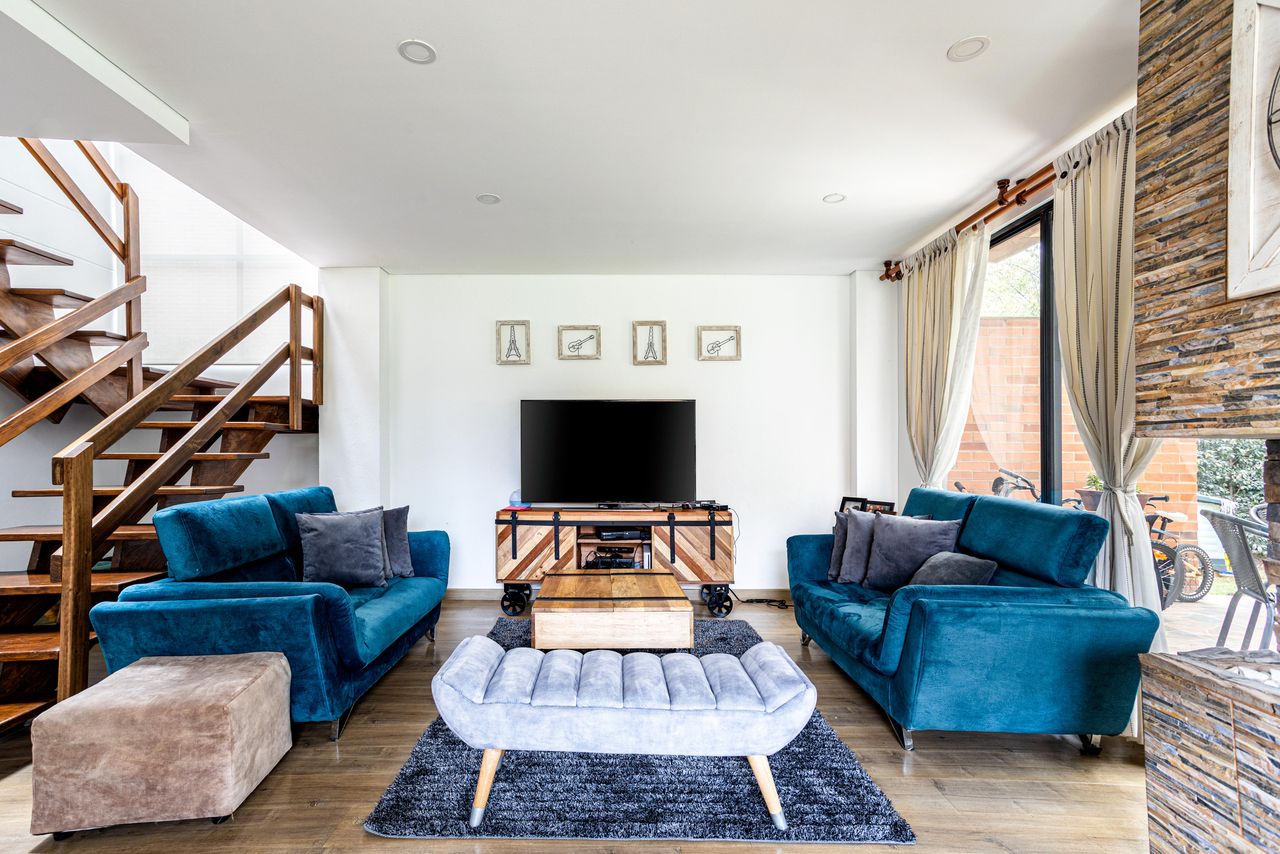
Twin teal velvet sofas bring jewel-tone drama to a bright, modern room — Photo: Gustavo Galeano Maz, via Pexels
Velvet is the fabric that makes this trend feel plush instead of plastic. Jewel tones such as emerald, teal, mustard, and ruby all suit velvet well, because the fabric catches light and gives the color depth. Two matching velvet sofas facing each other, as in the photo above, create a balanced, almost theatrical seating group that still works for everyday TV nights and long talks with friends.
Velvet needs simple care. Brush it weekly with a soft clothes brush, blot spills right away instead of rubbing, and keep it out of direct sun so the color does not fade. If you have pets, choose a short, tight velvet rather than a long pile, since pet hair brushes off it more easily. One velvet sofa plus a plain fabric chair is a safer mix than velvet on every seat.
5. Hunt Down One Vintage Velvet Piece
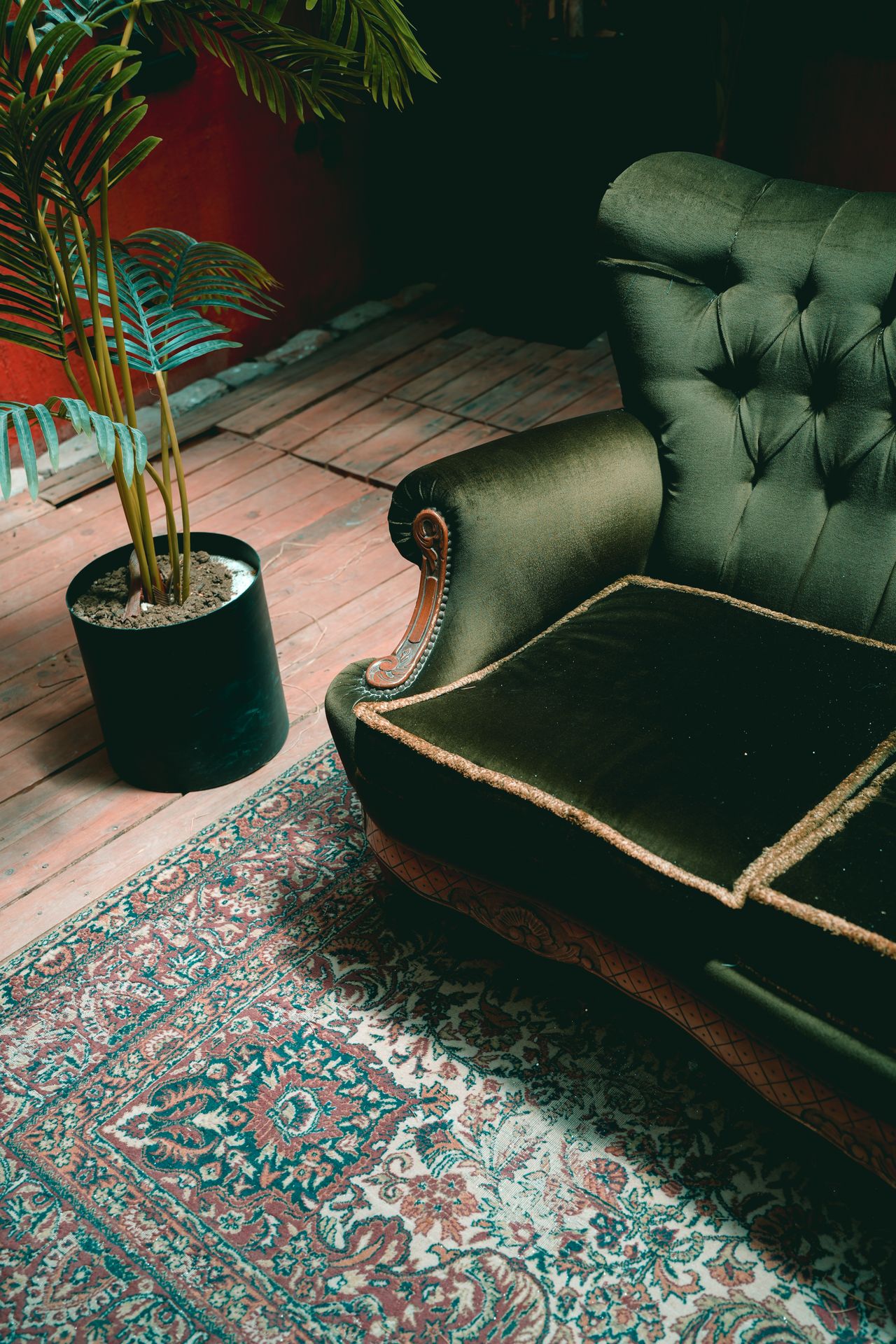
A dark green tufted velvet sofa with a patterned rug and a palm feels collected, not staged — Photo: Busenur Demirkan, via Pexels
Thrift stores, estate sales, and online marketplaces are full of old velvet sofas and chairs with great bones. Look for a solid wood frame, springs that still bounce back, and cushions you can unzip and clean. A little wear on the arms is fine and even adds character, but avoid pieces with a musty smell or a broken frame, since those cost more to fix than the piece is worth.
Style a vintage find with new, plain pieces so it looks collected rather than dusty. A patterned rug, a tall plant, and a simple floor lamp are enough around it. If the velvet color is strong, keep the walls cream or soft gray. This is also the most sustainable way to try the trend, since you are giving a well-made old piece a second life instead of buying fast furniture.
6. Mix Frames Instead of Matching Them
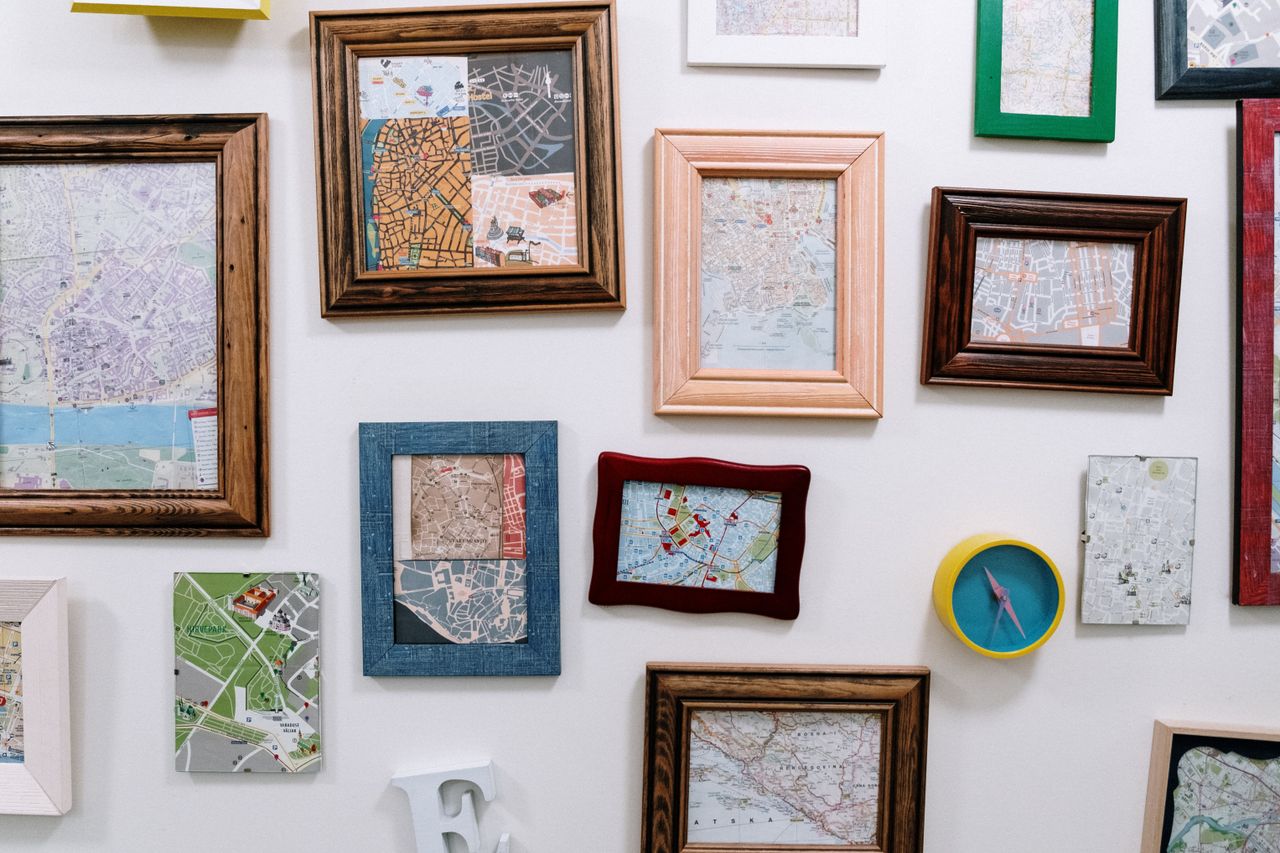
Mixed frames in wood, red, green, and blue turn a plain wall into a lively display — Photo: cottonbro studio, via Pexels
A gallery wall is where this style gets its personality. Mix wood, gold, black, and one painted color, such as red or green, but keep the prints in one color family so the wall reads as one collection. Lay the frames on the floor first, keep gaps even at 2 to 3 inches, and hang the center of the whole group at eye level. Our gallery wall guide walks through layouts for tricky walls, including stairs and wide sofa walls.
Old maps, botanical prints, and vintage-style posters all sit happily side by side in mixed frames, and none of them needs to be valuable. Print shops can enlarge a public-domain image to 16 by 20 inches for about $15 to $25. Start with five to seven frames. You can always add more later, but a wall that starts too full is hard to edit back.
7. Add Brass and Gold for Showtime Shine
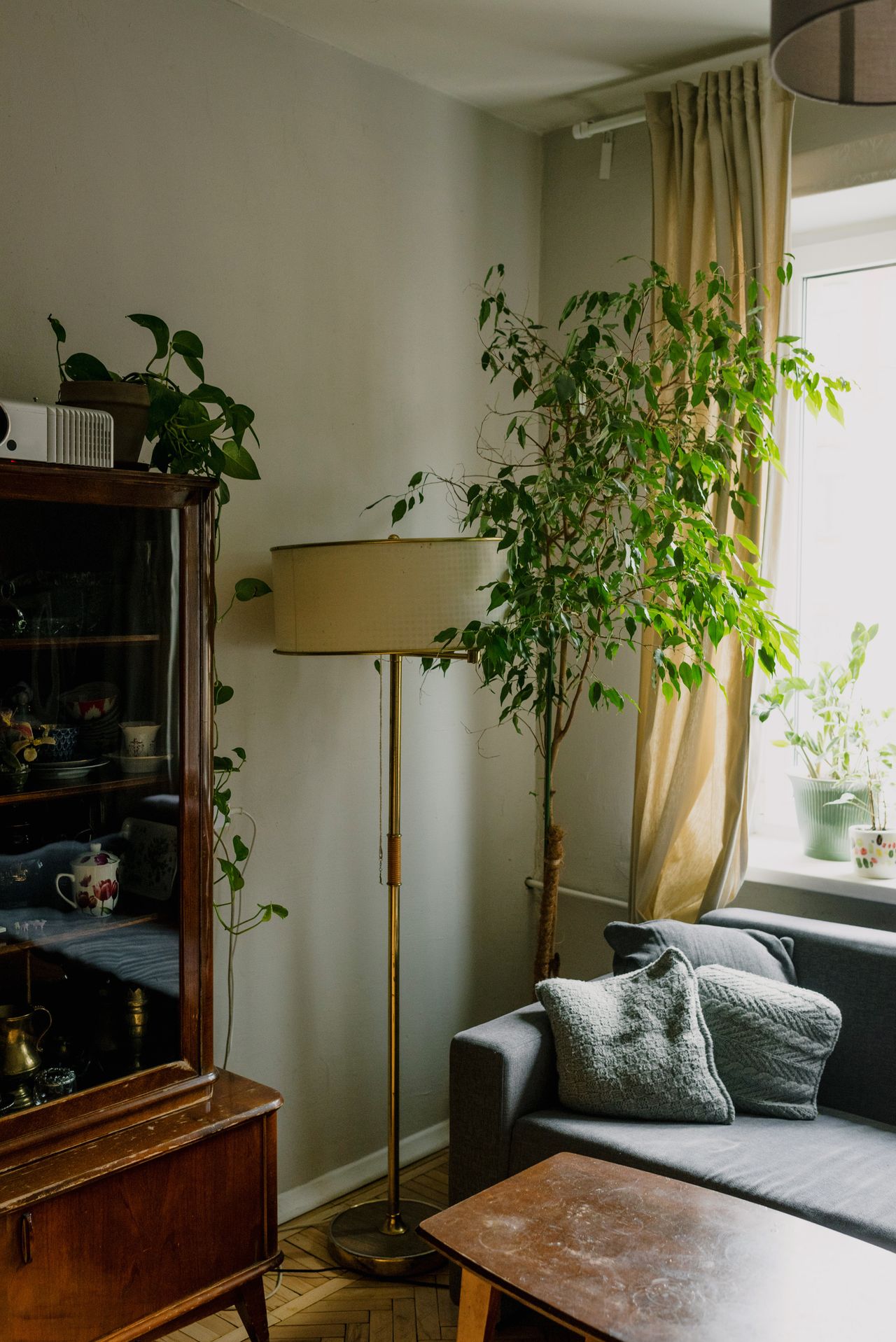
A tall brass lamp adds showtime shine without adding another color — Photo: Ksenia Chernaya, via Pexels
Brass is the jewelry of this style. A tall brass floor lamp, a gold picture frame, or brass drawer pulls add warmth and a hint of old show glamour without adding another loud color. Brass works best against deep colors, such as navy, green, and burgundy, and it also warms up plain gray and cream rooms. Use warm white bulbs around 2700K so the brass glows instead of glaring.
Repeat brass at least three times so it looks planned: a lamp, a frame, and a small tray or vase is enough. Avoid mixing too many metals in one room. If your room already has chrome or black hardware, keep brass to one or two accents rather than a full set. A little shine goes a long way, and that restraint is what keeps the room feeling elegant.
8. Use Sculptural Shapes and Round Mirrors

Round mirrors and bold pillows give a quiet corner a playful, sculptural feel — Photo: Rachel Claire, via Pexels
Pinterest's FunHaus description calls out sculptural silhouettes, and that simply means furniture with interesting shapes: curved sofas, round ottomans, arched mirrors, and chairs with bent wood arms. A cluster of round mirrors, like the one above, adds that playful geometry to a plain wall, bounces light around the room, and makes a small space feel larger.
Pick one sculptural piece per seating area. A round coffee table, a curved armchair, or a bubble-shaped lamp is enough. If every piece is curved, the room loses its shape and feels soft all over. Pair curves with straight lines, such as a rectangular sofa or a square rug, so each shape stands out. This balance is the same trick designers use in bold rooms of every style.
9. Keep the Base Calm So the Bold Bits Shine
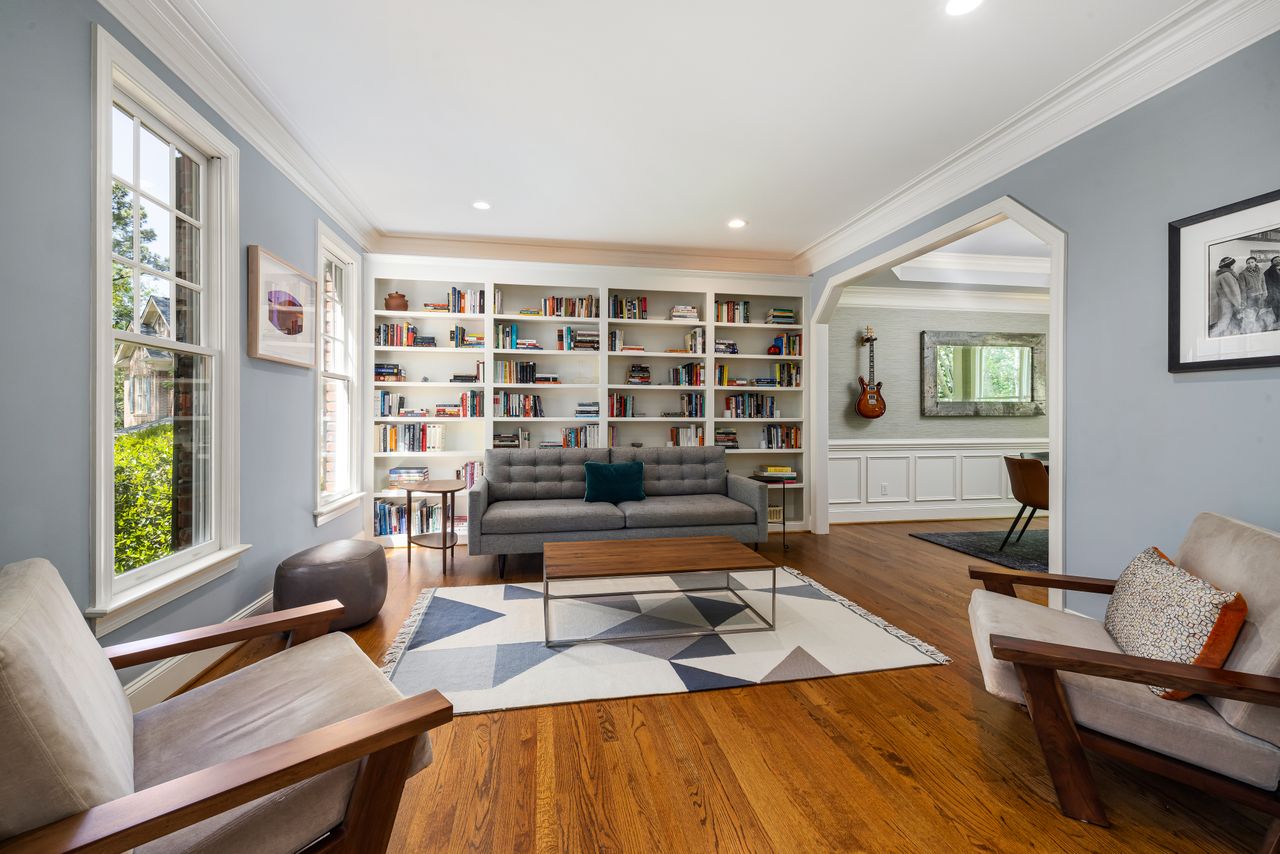
A calm base of bookshelves, gray seating, and wood floors lets one bold pattern lead — Photo: Curtis Adams, via Pexels
Every bold room needs a calm base, and this one is simple: warm white or soft gray walls, natural wood floors, and plain, comfortable seating. If you are starting from scratch, read our guide to choosing the right living room furniture before you buy, since sofa size and seat depth matter more than any accent. A good base also makes the style easy to change later, since you can swap a rug or a poster without repainting.
Use the 60-30-10 rule to check your balance. About 60 percent of the room should be calm neutrals, 30 percent a second quiet color or wood tone, and only 10 percent bold pattern or bright color. If the room feels noisy, remove one bold item and live with it for a week before adding anything back. Most bold rooms improve more from removing than from adding.
10. Try Stripes in a Small Space First
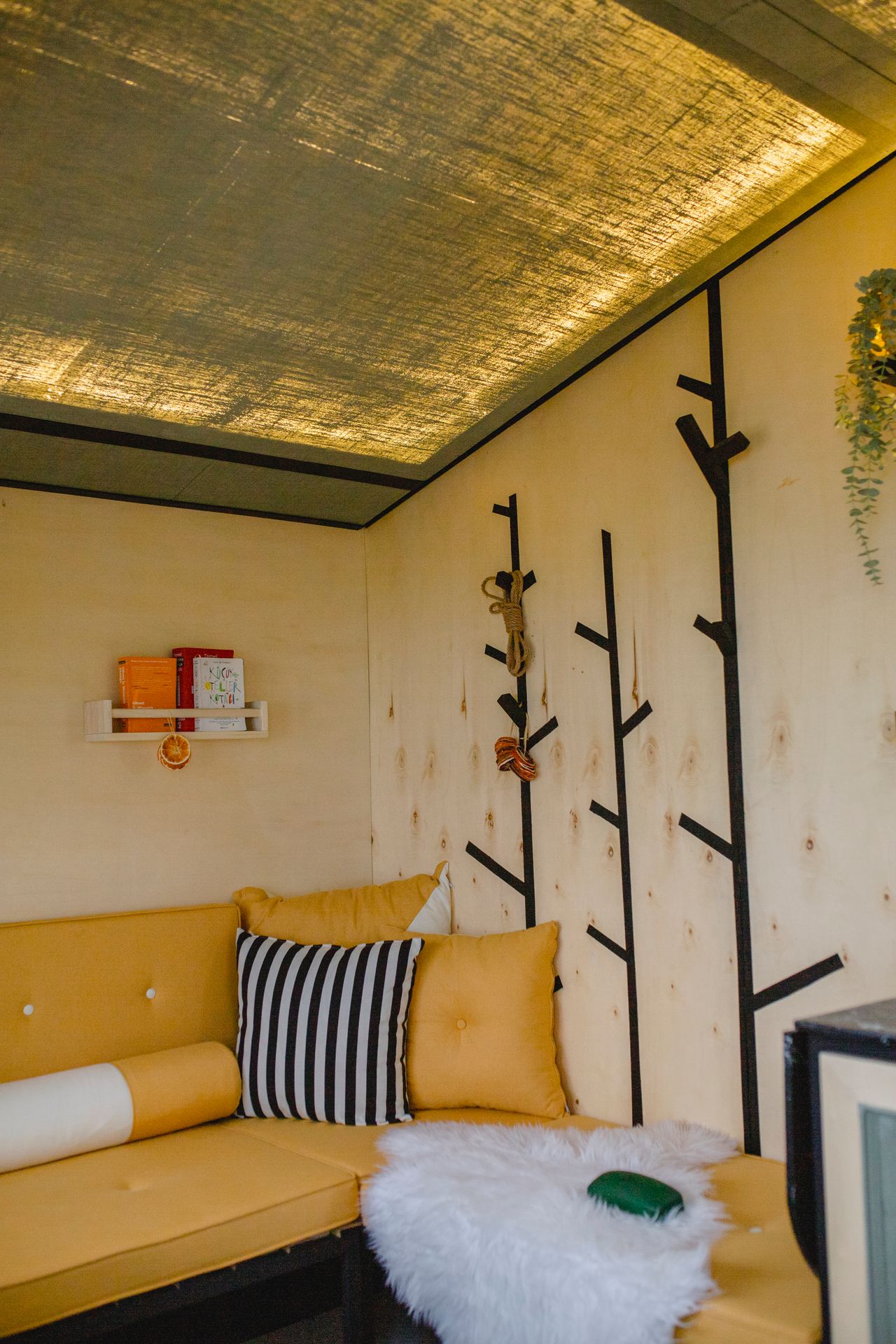
A mustard sofa with one bold striped pillow proves small rooms can carry strong pattern — Photo: Melike B, via Pexels
Small rooms are the best place to test this style, because one bold move fills the space without much cost. A single striped pillow, a striped throw, or one striped chair cushion gives you the big-top hint in a room under 150 square feet. Pair it with a solid sofa in mustard, navy, or cream, and keep the walls light so the room still feels open.
In a small apartment, choose pieces that do two jobs. A striped storage ottoman holds blankets and acts as a coffee table. A striped curtain panel hides a closet and adds pattern at the same time. For more ideas on starting from a plain base, see our neutral living room ideas, which pair well with one bold accent. If the test feels good after a month, scale up to a rug or a poster wall.
Frequently Asked Questions
How do I keep a bold striped room from looking like a party tent?
Use stripes in only one or two places, such as a rug and a pillow, and keep the rest of the room plain. Choose muted stripe colors like navy and cream or red and cream, rather than bright rainbow stripes, and balance them with solid furniture and calm walls. If the room still feels loud, remove one striped item and see if the balance improves.
Are vintage posters safe to hang in a grown-up living room?
Yes, when they are framed well. A wide white mat, a simple frame, and plain wall space around the print make poster art look like gallery art. Pick prints with aged, soft colors and skip anything loud or cartoon-like. One or two framed pieces are enough for most rooms.
What colors go best with a red sofa?
Warm white, cream, soft gray, navy, and natural wood all pair well with red. Cream walls keep a red sofa from feeling heavy, while navy cushions add contrast without a second loud color. Brass lamps and gold frames also warm up red nicely. Avoid adding orange and bright yellow in the same room, since the mix can turn chaotic fast.
Can renters try this style without painting?
Absolutely. Rugs, pillows, framed posters hung on existing hooks or lean-to frames, slipcovers, and freestanding lamps all add the look with no paint and no holes. Peel-and-stick striped wallpaper inside a bookcase is another renter-friendly trick, since it comes off cleanly when you move.
How much should I budget for this look?
You can start for under $100 with a striped pillow set, a framed poster reprint, and a thrifted brass lamp. A striped rug runs $80 to $250 depending on size, and a velvet armchair from a thrift store often costs $50 to $150. A new velvet sofa is the big spend, usually $600 to $1,500, so try the small pieces first and buy the sofa only if you love the style after a few months.
Final Thoughts
The best version of this trend is not a costume. It is a normal, comfortable living room with one or two bold, joyful pieces that make people smile when they walk in. Start with a striped rug or a framed poster, keep your base calm, and add brass or velvet only where the room still feels quiet. If you follow that rule, the look stays playful, grown-up, and easy to live with for years, not just for one season.
Sources
- Vinyl and Velvet: Vintage Circuses Are Invading Living Rooms
- Home Textiles Today: Pinterest Predicts Comfort and Authenticity for 2026
- Trendy Decoration: Circus-Inspired Decor, 7 Playful Ideas That Don't Look Kitschy
- Dazzleree: Circus Theme Interior Design
Gallery
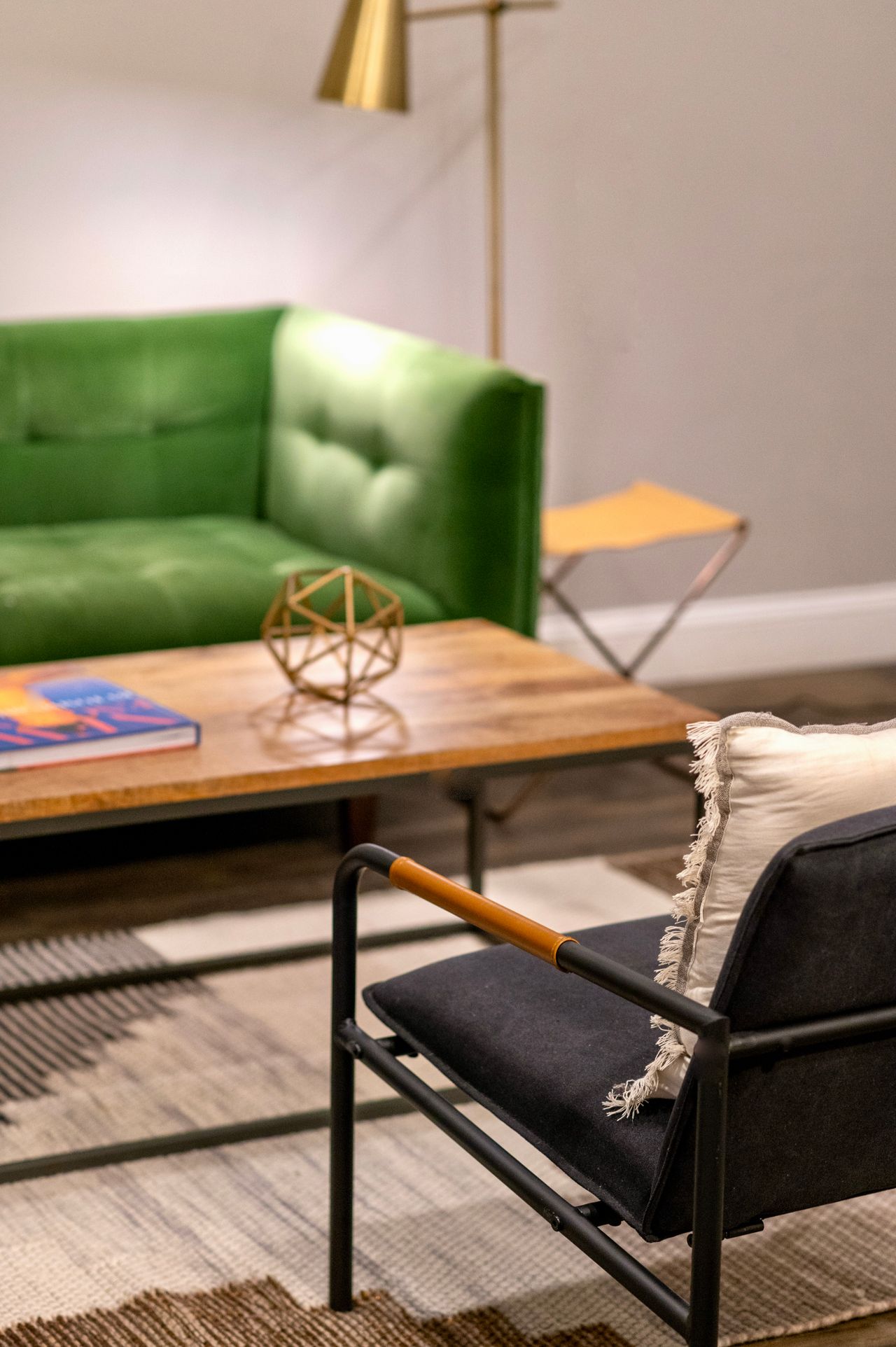
Green velvet and brass, up close — Photo: Andrea Davis, via Pexels
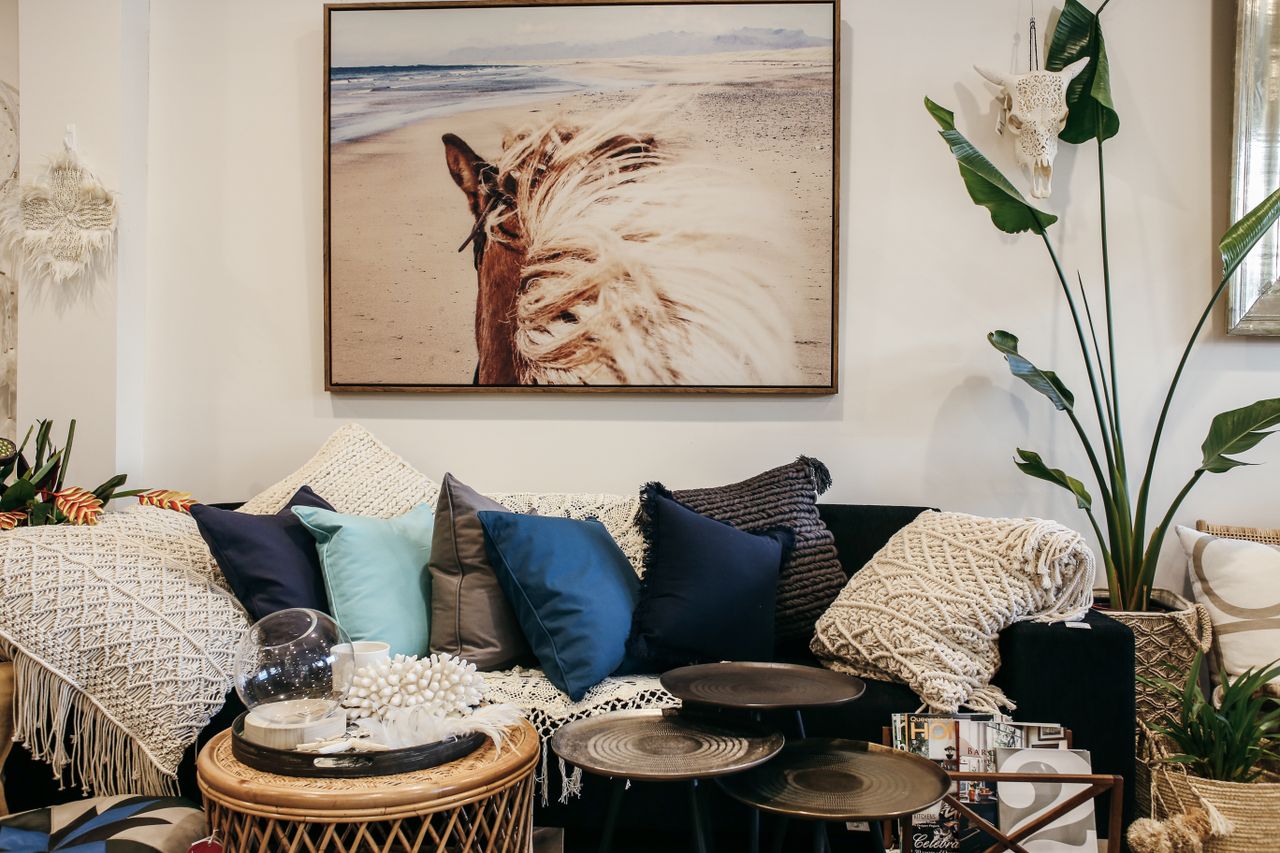
One large statement artwork anchors a dark sofa — Photo: Rachel Claire, via Pexels
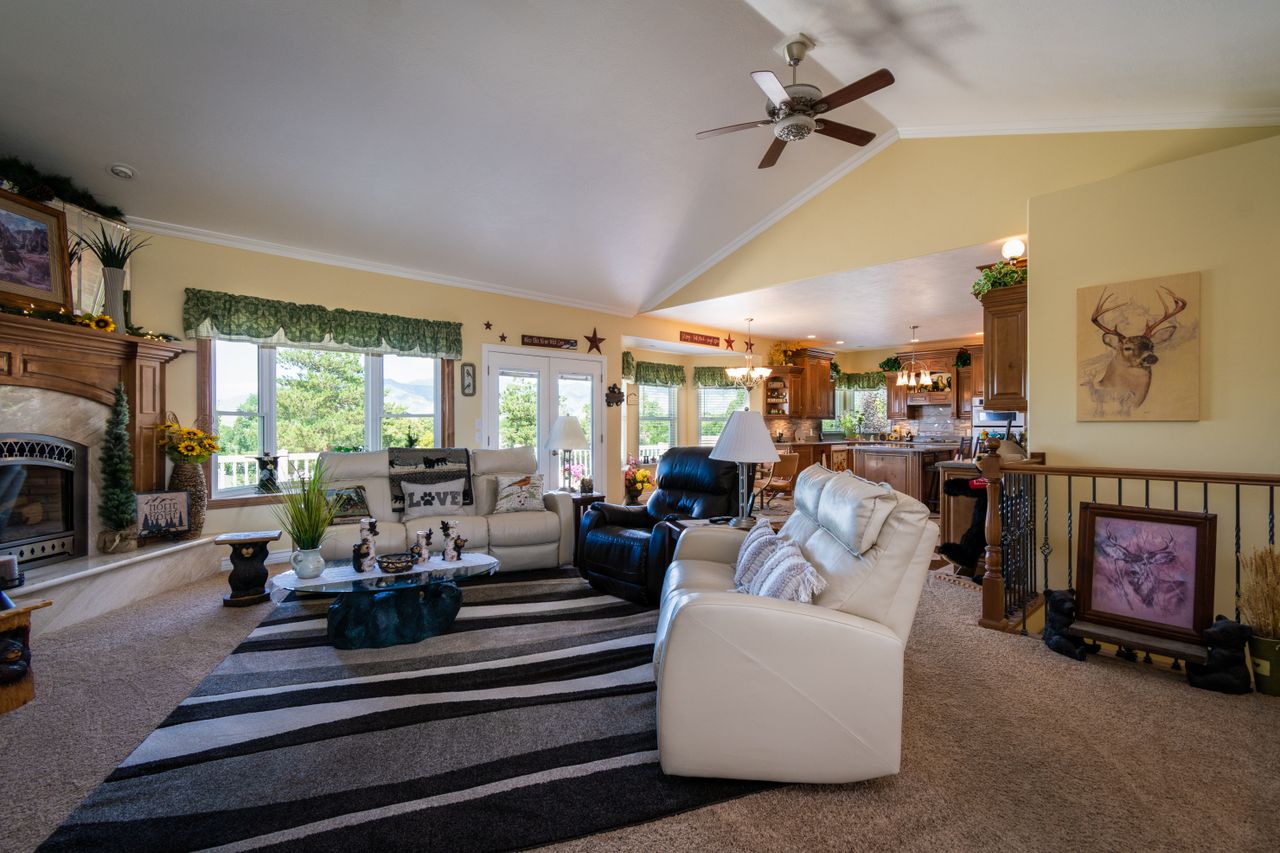
A striped rug grounds a calm, open living room — Photo: Get Lost Mike, via Pexels

No comments:
Post a Comment