Shopping for cooling often starts with a single question: is a 2-ton unit the right size for my house? A 2-ton air conditioner is one of the most common residential sizes in Canada — big enough for a typical townhouse or small detached home, but not so big that it wastes money.
This guide explains what "2 ton" actually measures, how much house it cools, what it costs installed in Canada, and the warning signs that you need a different size. Ten practical ideas, no jargon, all written for Canadian homes.

Photo: Pexels
Table of Contents
- 1. What "2 Ton" Actually Means
- 2. How Much House 2 Tons Cools
- 3. Why Square Footage Isn't the Whole Story
- 4. Canada's Climate Zones Change the Math
- 5. The Proper Calculation: Manual J
- 6. Oversized: the Clammy-House Problem
- 7. Undersized: Running All Day, Never Catching Up
- 8. What a 2-Ton Unit Costs in Canada
- 9. Getting Quotes: Questions to Ask
- 10. When 2 Tons Isn't the Answer
- FAQs
1. What "2 Ton" Actually Means
Despite the name, it has nothing to do with weight. One "ton" of cooling equals 12,000 BTUs per hour — roughly the cooling power of melting one tonne of ice over 24 hours. So a 2-ton air conditioner removes 24,000 BTUs of heat from your home every hour it runs.
That number is the unit's capacity at standard test conditions. In real life, long duct runs, a dirty filter, or a 35°C heat wave all shave a little off the top — which is why professionals size with a safety margin rather than cutting it razor-thin.

Photo: Wikimedia Commons
2. How Much House 2 Tons Cools
The rough rule of thumb is 20 BTUs per square foot of living space. By that math, 24,000 BTUs covers about 1,200 square feet — roughly 110 square metres. In practice, a 2-ton unit suits homes from about 90 to 140 square metres depending on the other factors below.
That makes it the sweet spot for townhouses, bungalows, and smaller two-storey homes. If your place is much larger, you are likely looking at 2.5 to 3.5 tons — or at two separate systems for different floors.
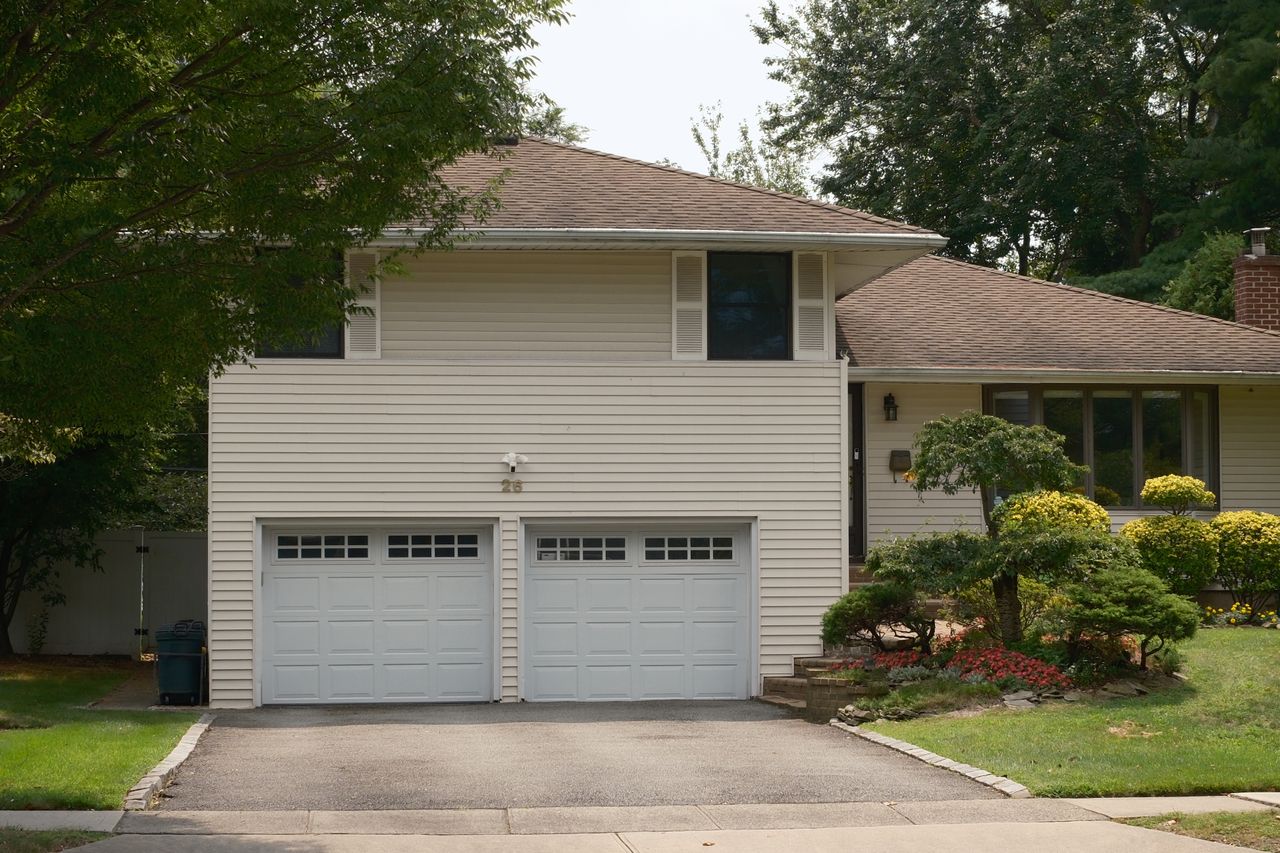
Photo: Pexels
3. Why Square Footage Isn't the Whole Story
Two identical 110-square-metre houses can need different sizes. A well-insulated home with new double-glazed windows and a shaded lot needs far less cooling than a leaky century home with a wall of west-facing glass. Ceiling height matters too: 2.7-metre ceilings hold much more warm air than 2.4-metre ones.
Sun exposure is the silent giant. A living room with big south and west windows can add the equivalent of a small space heater's worth of heat on a July afternoon. Good contractors walk the house and note all of this; anyone quoting from the driveway is guessing.
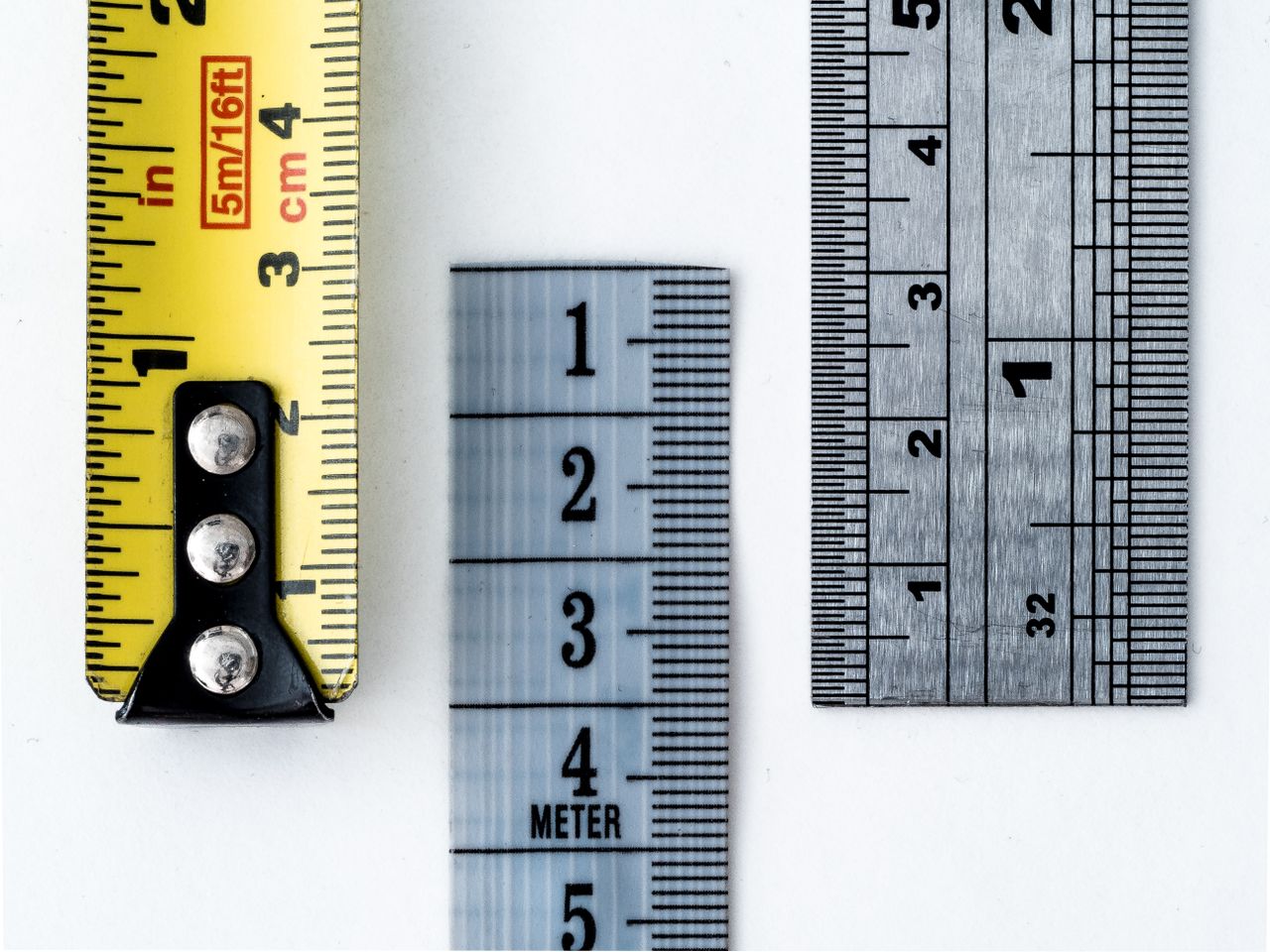
Photo: Pexels
4. Canada's Climate Zones Change the Math
Cooling needs in Vancouver are a gentle suggestion; in Winnipeg or Toronto they are a summer-long demand. Design temperatures — the hottest days your system must handle — range from about 26°C on the coast to 32°C or more in the southern interior and southern Ontario.
Humidity matters as much as heat. Southern Ontario's sticky summers force the system to wring litres of moisture from the air daily, which is real extra workload. If you cool a seasonal property, our cottage winterizing guide also covers sizing considerations for part-time homes.
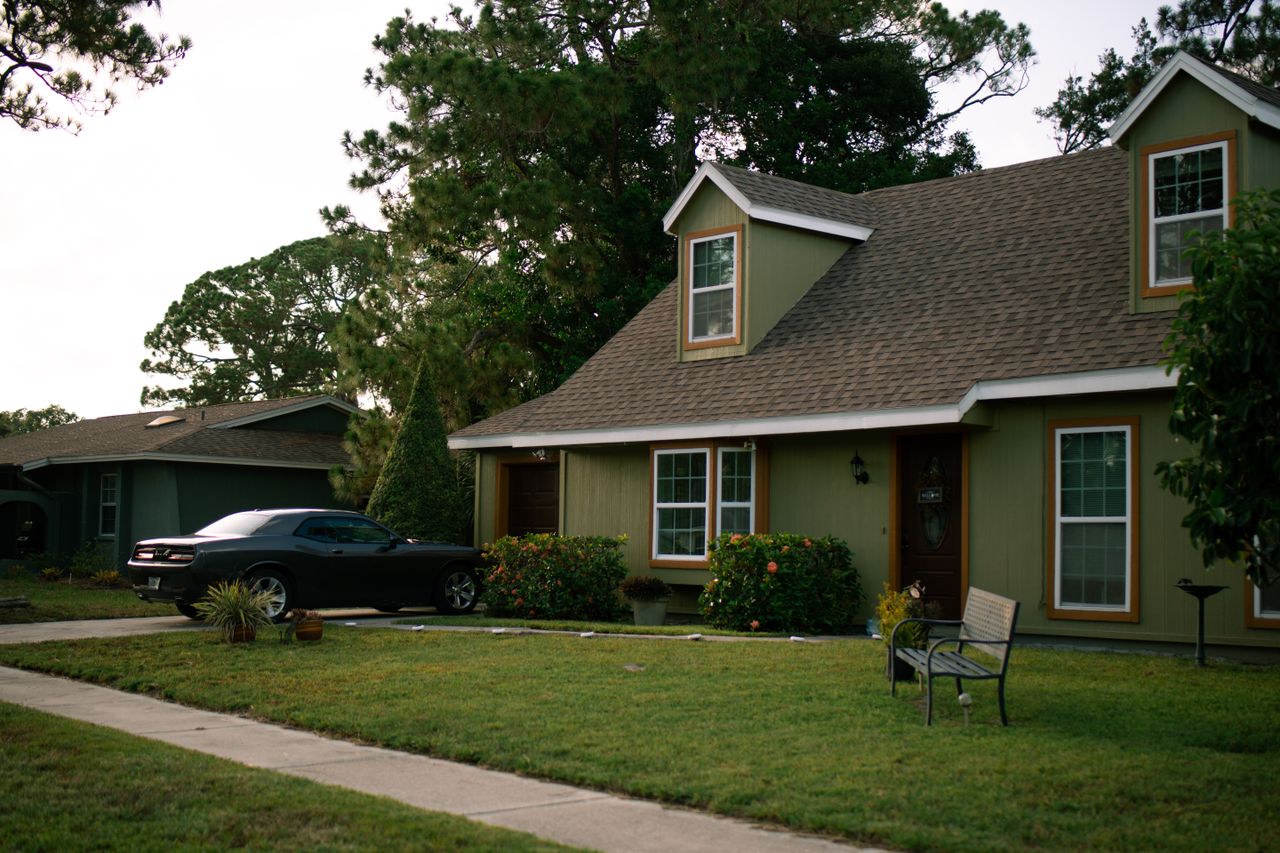
Photo: Pexels
5. The Proper Calculation: Manual J
Professionals size with a method called Manual J: a room-by-room heat-loss and heat-gain calculation that accounts for insulation values, window sizes and directions, air leakage, and local climate data. It takes an hour or two on site and removes all the guesswork.
Expect a proper assessment to be part of any serious quote — some contractors charge $100 to $200, often credited against the installation. If a contractor sizes your system by glancing at the old unit's label, thank them and call someone who measures.

Photo: Pexels
6. Oversized: the Clammy-House Problem
An oversized air conditioner is the most common sizing mistake, because "more power" feels safer. The problem: it blasts the house cold in ten minutes and shuts off before removing humidity. You get a home that is 21°C and damp — cool, clammy, and prone to musty smells.
Short-cycling also wears parts out years early, as the compressor takes the hardest beating at start-up. If your current unit runs in brief bursts and the air still feels sticky, oversizing is the prime suspect, not a lack of refrigerant.
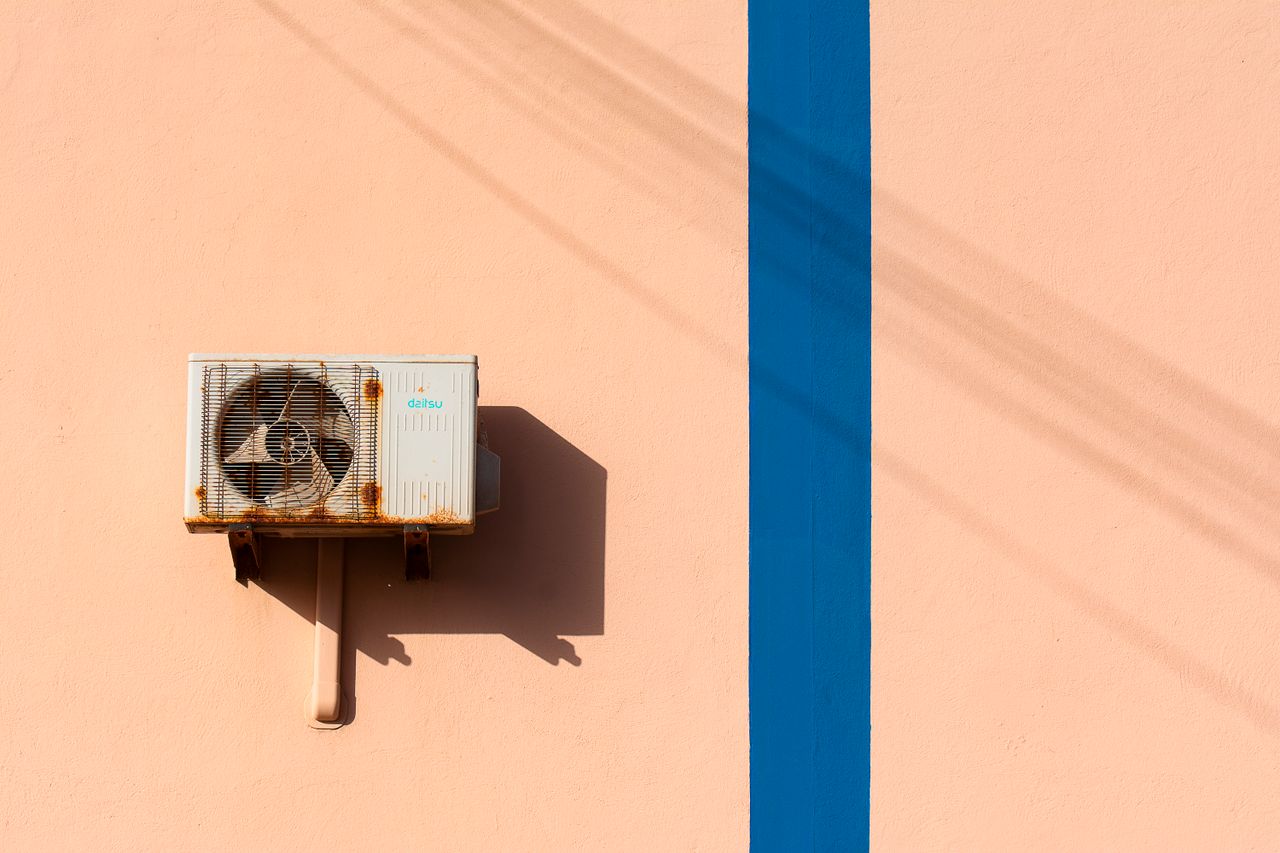
Photo: Pexels
7. Undersized: Running All Day, Never Catching Up
Too small, and the unit runs from noon to midnight without ever reaching the thermostat setting on hot days. It is not broken — it simply cannot move heat fast enough. Power bills climb while comfort never arrives.
The telltale pattern: fine in June, struggling by late July, hopeless during a heat wave. If that describes your summers and the unit is otherwise healthy, the honest fix is a larger unit or a second system for the worst rooms — not another repair visit.
Photo: Pexels
8. What a 2-Ton Unit Costs in Canada
A 2-ton central air conditioner typically costs $5,000 to $8,500 installed in Canada, depending on the SEER rating, your region, and how much ductwork modification is needed. Higher-efficiency 16+ SEER models sit at the top of that range but pay back through lower power bills.
Watch for what the quote includes: electrical work, a new thermostat, condensate drain routing, and old-unit disposal should all be itemized. Federal and provincial rebates for heat pumps can change the math — ask every contractor what incentives your postal code qualifies for.

Photo: Pexels
9. Getting Quotes: Questions to Ask
Get three quotes, and make each contractor earn it. Ask: will you do a room-by-room load calculation? What SEER rating are you quoting, and what is the next step up? Is the price fixed, and what exactly does it include? How long is the labour warranty beyond the manufacturer's parts warranty?
Also ask about timing. Booking in spring or autumn is usually cheaper and faster than the July rush, when every installer in the city is booked solid. A contractor who can start tomorrow in mid-July is either a miracle or a warning sign.

Photo: Pexels
10. When 2 Tons Isn't the Answer
Sometimes the right answer is not a 2-ton central unit at all. Homes without ducts, additions that never cool properly, or houses with wildly different sun exposure per floor often do better with ductless mini-splits — one small unit per zone, each sized exactly right.
Two-stage and variable-speed central units are another escape hatch: they run at low capacity most of the time for humidity control, then ramp up for heat waves. If you are also heating a converted space, read our guide to keeping a garage warm in winter before sizing anything for it.

Photo: Pexels
FAQs
Is a 2-ton air conditioner enough for a 1,500 sq ft house?
It is borderline. At 20 BTUs per square foot, 1,500 sq ft wants about 30,000 BTUs — 2.5 tons. A very well-insulated 1,500 sq ft home might manage, but get a proper load calculation first.
How many square feet does a 2-ton unit cool?
Roughly 1,000 to 1,400 square feet (about 90 to 130 square metres), depending on insulation, windows, ceiling height, and your region's climate.
Can I replace my 2.5-ton unit with a 2-ton one?
Only if a fresh load calculation says so — for example, if you have since upgraded insulation and windows. Never downsize based on a guess; an undersized unit will run all summer without keeping up.
How much electricity does a 2-ton AC use?
About 1.8 to 2.5 kilowatt-hours per hour of runtime. Over a typical Ontario cooling season that works out to a few hundred dollars, depending on your rate and how hot the summer is.
Does my furnace blower handle a 2-ton AC?
Usually yes — a 2-ton unit needs roughly 800 CFM of airflow, which most modern furnace blowers deliver. Your installer should verify airflow during the quote, not after.
Final Thoughts
Two tons is the right size for a huge middle slice of Canadian homes — but "middle slice" is not a measurement. The load calculation is what turns a guess into a guarantee, and it is the cheapest part of the whole project.
Get it sized right, keep the filter clean, and your summers get quieter, cheaper, and far more comfortable. And when the cooling season ends, our hygge home decor ideas will help you love the house just as much in January.
Sources
- Natural Resources Canada: Energy Efficiency — cooling equipment guidance for Canadian homes.
- Natural Resources Canada: Energy Efficiency for Homes — sizing and efficiency information.
Gallery

Photo: Wikimedia Commons

Photo: Pexels
Photo: Pexels

No comments:
Post a Comment