A central air conditioner is really two halves of one machine: a quiet indoor coil hidden in your furnace cabinet, and the humming box outside the house. Together they pull heat out of your rooms and dump it outdoors, leaving cool, drier air behind. If you have ever wondered what that outdoor box actually does, this guide is for you.
Below are 12 plain-language ideas covering how central cooling works, how to size it, what the efficiency numbers mean, and the upkeep that keeps it running for 15 years or more. Everything is written for Canadian homes and Canadian summers.
Photo: Pexels
Table of Contents
- 1. What "Central Air" Actually Means
- 2. The Cooling Cycle in Plain Words
- 3. The Indoor Half: Coil, Blower and Filter
- 4. Tons and BTUs: Measuring Cooling Power
- 5. SEER Ratings and Your Power Bill
- 6. Ducts: the Hidden Half of Performance
- 7. Thermostat Settings for Summer
- 8. The Yearly Maintenance Routine
- 9. Five Common Problems and What They Signal
- 10. Repair or Replace? The 15-Year Question
- 11. Central vs. Ductless Mini-Split
- 12. Heat Pumps: the Air Conditioner That Heats Too
- FAQs
1. What "Central Air" Actually Means
"Central" simply means one system cools the whole house through ductwork, instead of one noisy box per window. The outdoor condenser and the indoor coil work as a pair, and your furnace's blower pushes the cooled air through the same ducts that carry heat in winter.
This shared design is why central air feels so even: every room with a supply vent gets cooled air, and the system also filters and dehumidifies as it runs. If your home already has forced-air heating, adding central cooling usually just means adding the outdoor unit and indoor coil.

Photo: Wikimedia Commons
2. The Cooling Cycle in Plain Words
The system moves heat rather than making cold. Warm room air blows across a frigid indoor coil, and a chemical called refrigerant soaks up that heat. The refrigerant travels outside to the condenser, where a fan blows the heat away into the outdoor air, and the cycle repeats.
Think of it as a heat conveyor belt running in a loop. Anything that slows the belt — a dirty coil, a clogged filter, weeds choking the outdoor unit — makes the whole system work harder while cooling less. Most "weak AC" complaints trace back to airflow, not to a dying machine.

Photo: Pexels
3. The Indoor Half: Coil, Blower and Filter
Inside, usually sitting on top of your furnace, is the evaporator coil — a cold radiator that the air passes over. The blower fan pushes room air across it, and the filter in front catches dust before it can mat onto the coil's fins.
This is the half you can actually help. Change the filter every one to three months in cooling season, and keep the area around the indoor unit clear. A matted coil ices up, and an iced coil cools nothing until it thaws — a completely avoidable mid-July headache.

Photo: Wikimedia Commons
4. Tons and BTUs: Measuring Cooling Power
Air conditioners are sized in "tons," where one ton equals 12,000 BTUs per hour of heat removal — roughly the cooling power of melting one tonne of ice in a day. A typical Canadian detached home needs between 2 and 4 tons depending on size, insulation, and region.
Bigger is not better here. An oversized unit blasts cold air, satisfies the thermostat in minutes, and shuts off before it has wrung humidity from the air — leaving you cool but clammy. Proper sizing comes from a room-by-room heat calculation, not a guess.

Photo: Wikimedia Commons
5. SEER Ratings and Your Power Bill
SEER (Seasonal Energy Efficiency Ratio) measures cooling per unit of electricity: higher is cheaper to run. Older units often rate 10 to 13 SEER, while new Canadian models start around 16 and high-end ones pass 20. Jumping from 13 to 16 SEER can cut cooling costs by roughly a fifth.
That old rattling box from the 1990s is probably costing you an extra $150 to $300 every summer in electricity. When comparing quotes, ask for the SEER in writing and weigh it against the price difference — efficiency pays you back every heat wave.
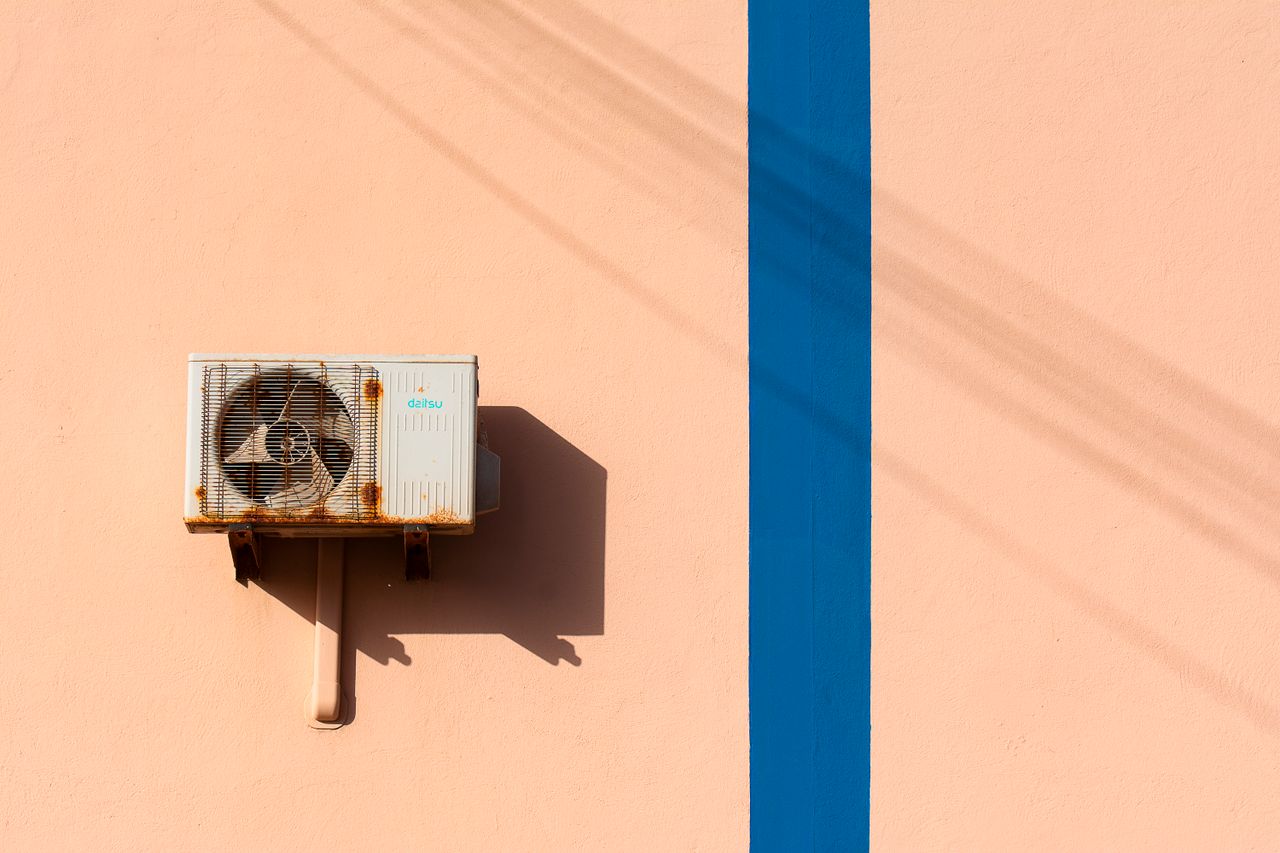
Photo: Pexels
6. Ducts: the Hidden Half of Performance
The finest air conditioner in the world cannot overcome bad ducts. Leaky joints, crushed flexible runs, and long uninsulated stretches through hot attics can waste 20 percent or more of your cooled air before it reaches a single vent.
Signs of duct trouble: rooms that never cool evenly, whistling vents, or a system that runs constantly on merely warm days. Sealing accessible joints with proper mastic and insulating attic runs are among the cheapest comfort upgrades a homeowner can make.
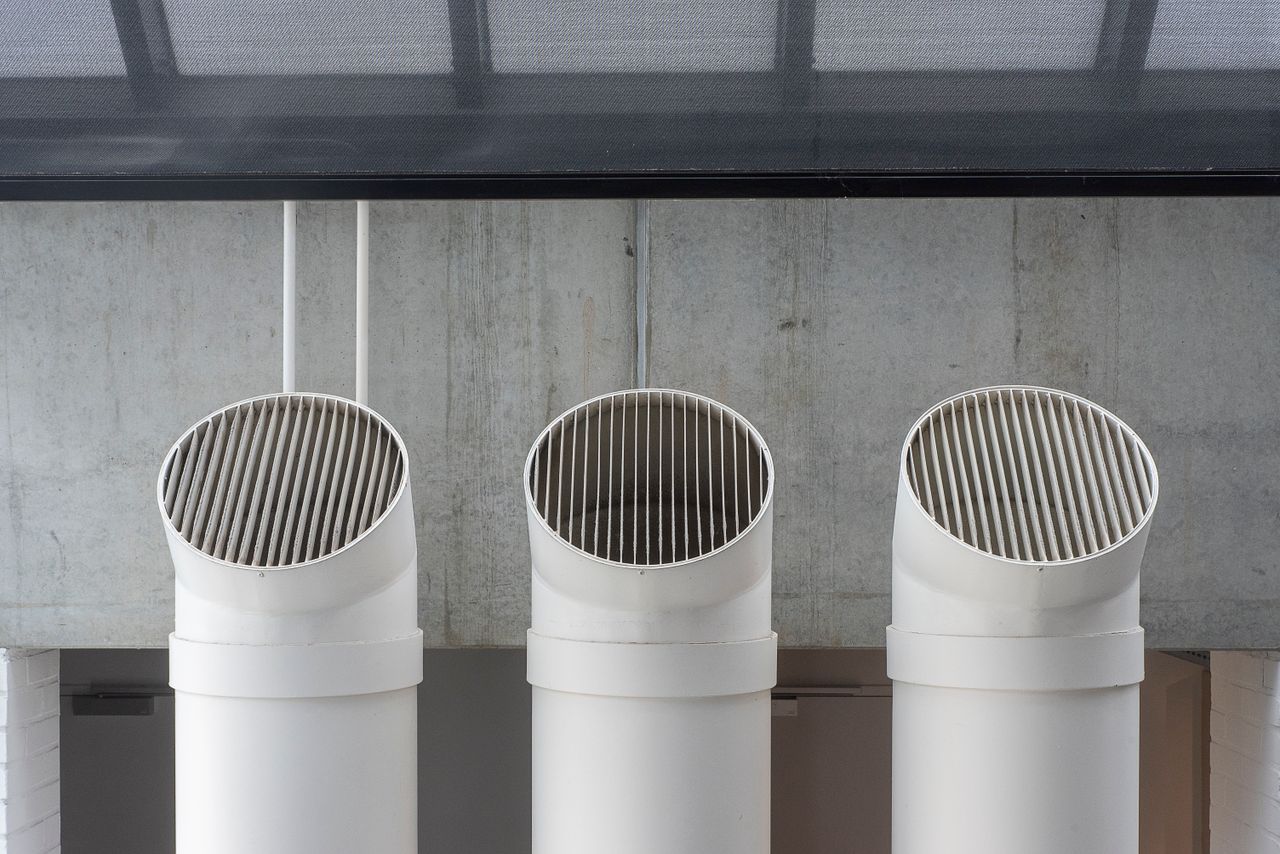
Photo: Pexels
7. Thermostat Settings for Summer
The sweet spot for most homes is 24 to 25°C when you are home, and a few degrees higher when you are away. Each degree lower adds roughly 3 percent to cooling costs, so the difference between 22 and 25 is real money by September.
Use the "auto" fan setting rather than "on": constant fan use re-evaporates moisture off the coil back into your rooms, undoing the dehumidifying you paid for. A programmable schedule that eases off during work hours does the economizing for you.
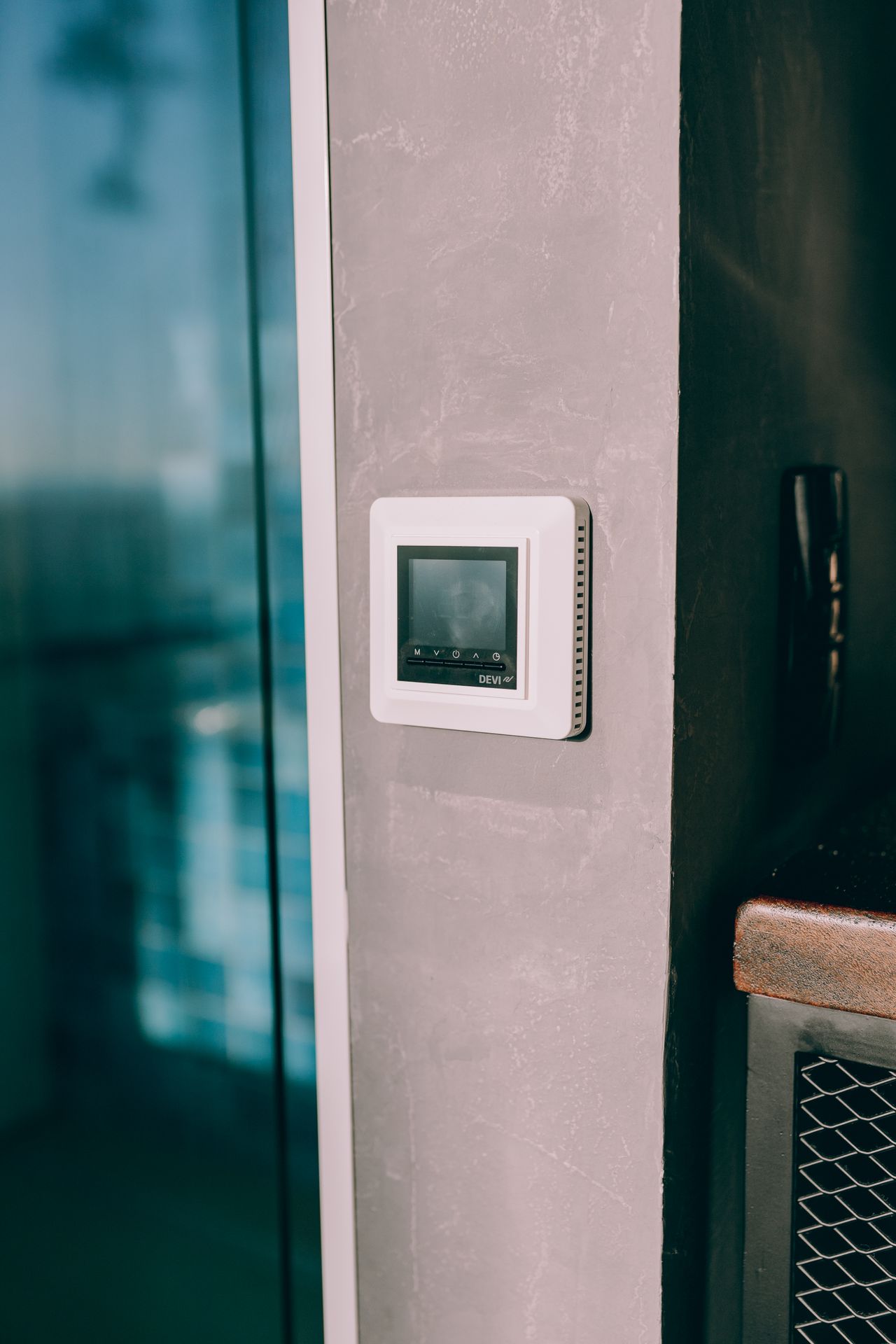
Photo: Pexels
8. The Yearly Maintenance Routine
Book a professional service each spring, before the first heat wave: about $120 to $200 in most Canadian cities. The technician cleans both coils, checks the refrigerant charge, clears the condensate drain, and tests the electrical parts.
Your own jobs are simple: hose the outdoor coil gently each spring, keep 60 cm of clearance around the unit, and change the indoor filter monthly in summer. Pour a cup of vinegar down the condensate drain yearly to stop algae clogs that flood basements.

Photo: Pexels
9. Five Common Problems and What They Signal
Warm air from the vents usually means a dirty filter, an iced coil, or low refrigerant. Short-cycling — starting and stopping every few minutes — points to an oversized unit or a failing thermostat. Water pooling indoors is almost always a clogged condensate drain.
Ice on the copper lines means restricted airflow or low refrigerant: turn the system off and let it thaw fully before calling for help, or the technician cannot diagnose it. Strange grinding or squealing means bearings or belts — shut it down and call, since running it chews up expensive parts.

Photo: Pexels
10. Repair or Replace? The 15-Year Question
Central air conditioners last 12 to 15 years with decent care. The classic rule of thumb: if a repair costs more than a third of a new system and the unit is past 10 years old, replacement usually wins — especially since a new 16-SEER unit sips power compared to a 2008 model.
Also weigh refrigerant type. Older R-22 systems are expensive to recharge now that the refrigerant is phased out. If your technician mentions R-22 and a leak in the same sentence, that is replacement territory, not repair.
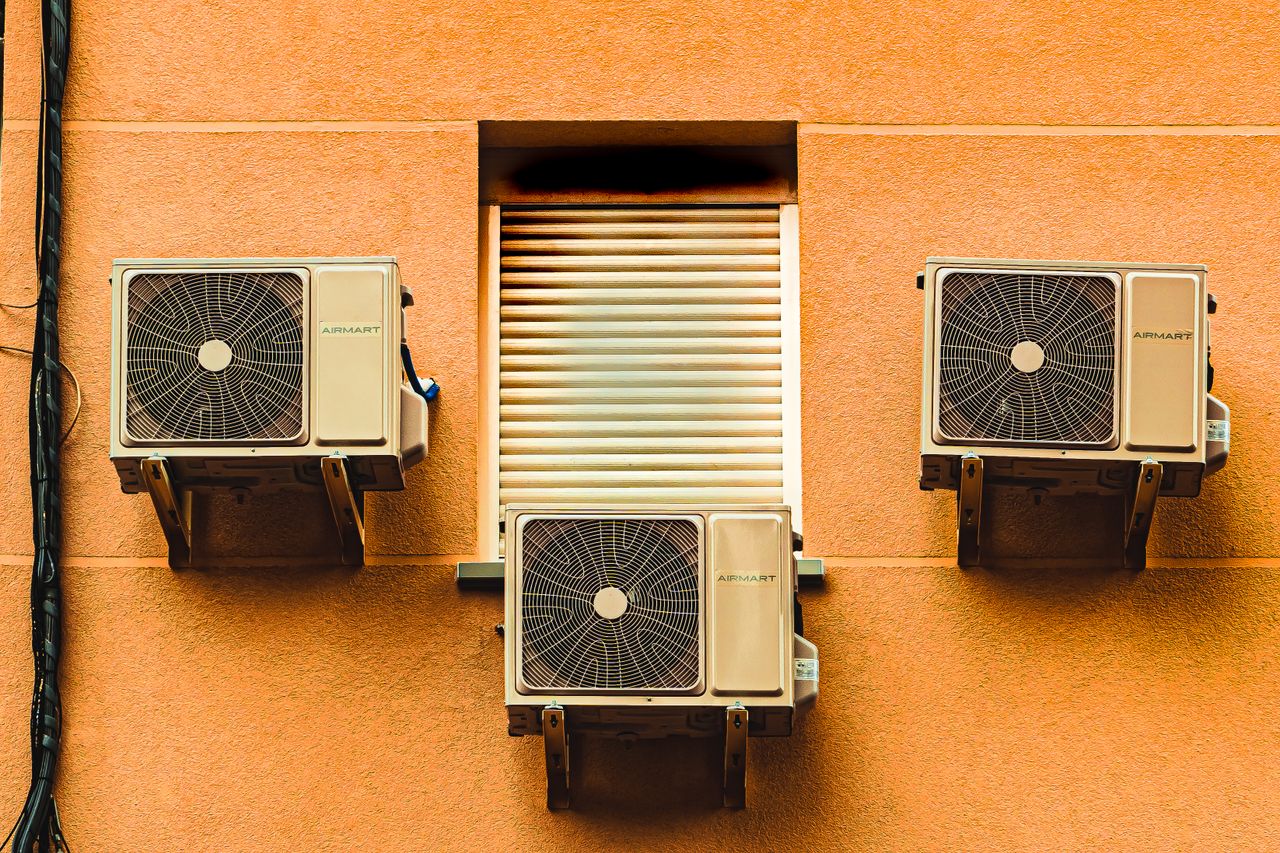
Photo: Pexels
11. Central vs. Ductless Mini-Split
No ducts? A ductless mini-split cools room by room with a slim wall unit and a small outdoor box, and it is far more efficient than window units. It is the go-to for century homes, additions, and cottages where running ducts would mean tearing walls apart.
For a whole house with existing ducts, though, central air usually wins on even comfort and cost per room. Many Canadians end up with both: central air for the main floors and a mini-split taming a hot upstairs bedroom or a hard-to-heat garage conversion.

Photo: Pexels
12. Heat Pumps: the Air Conditioner That Heats Too
A heat pump is essentially an air conditioner that can run in reverse, pulling warmth from outdoor air even in winter. Cold-climate models now work down to about -25°C, which covers most of the heating season in southern Canada.
Many homeowners pair a heat pump with their existing furnace: the pump handles mild weather cheaply, and the gas furnace takes over in deep cold. You get efficient cooling in summer and cheaper heating for eight months of the year from one outdoor box.
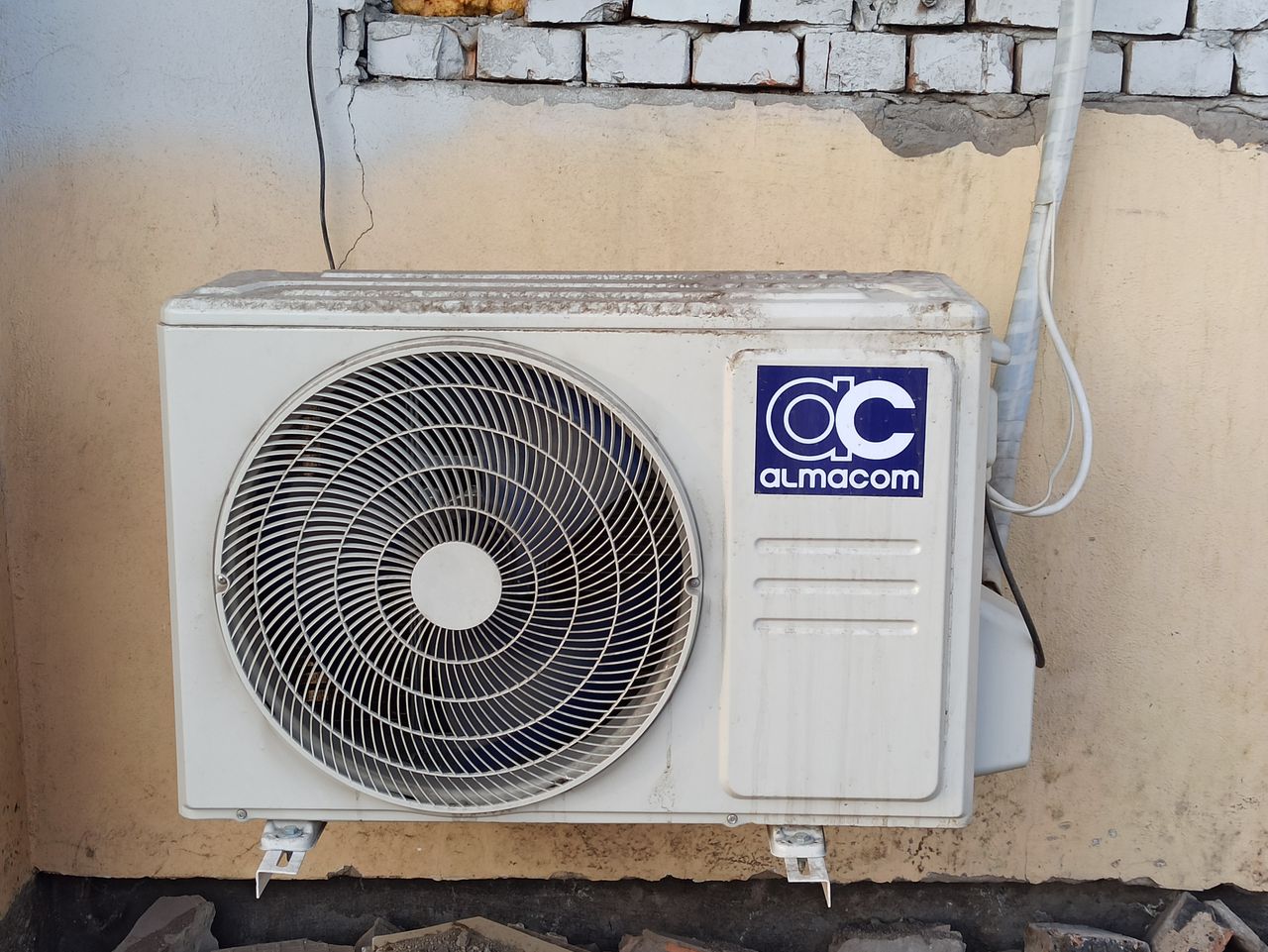
Photo: Pexels
FAQs
How long does a central air conditioner last in Canada?
Typically 12 to 15 years with yearly servicing and regular filter changes. Coastal and prairie dust are harder on coils, so keep up the maintenance.
Why is my air conditioner running but not cooling?
Check the filter, the thermostat setting, and whether ice has formed on the indoor coil or copper lines. If those look fine, low refrigerant is the likely cause — a technician's job.
Can I run the AC with windows open?
You can, but you are paying to cool the neighbourhood. Hot, humid outdoor air also forces the system to work much harder and can freeze the coil.
Does central air remove humidity?
Yes — dehumidifying is half of what makes it comfortable. That is why an oversized unit that short-cycles leaves a house feeling cool but clammy.
Should I cover the outdoor unit in winter?
A breathable cover is fine, but never wrap it in plastic, which traps moisture. Most Canadians simply clear snow off the top and leave it uncovered.
Final Thoughts
Central air is a beautifully simple idea — move heat out, bring cool dry air in — wrapped in a machine that rewards basic care. Size it right, keep the filter clean, give the outdoor unit room to breathe, and it will quietly do its job for a decade and a half.
When summer winds down, remember the system shares its ducts with your furnace: our cottage winterizing guide covers seasonal shutdowns, and our hygge home decor ideas will keep things cosy once the heating season returns.
Sources
- Natural Resources Canada: Energy Efficiency — cooling guidance and equipment ratings for Canadian homes.
- Natural Resources Canada: Energy Efficiency for Homes — SEER ratings and energy-saving tips.
Gallery
Photo: Pexels
Photo: Pexels
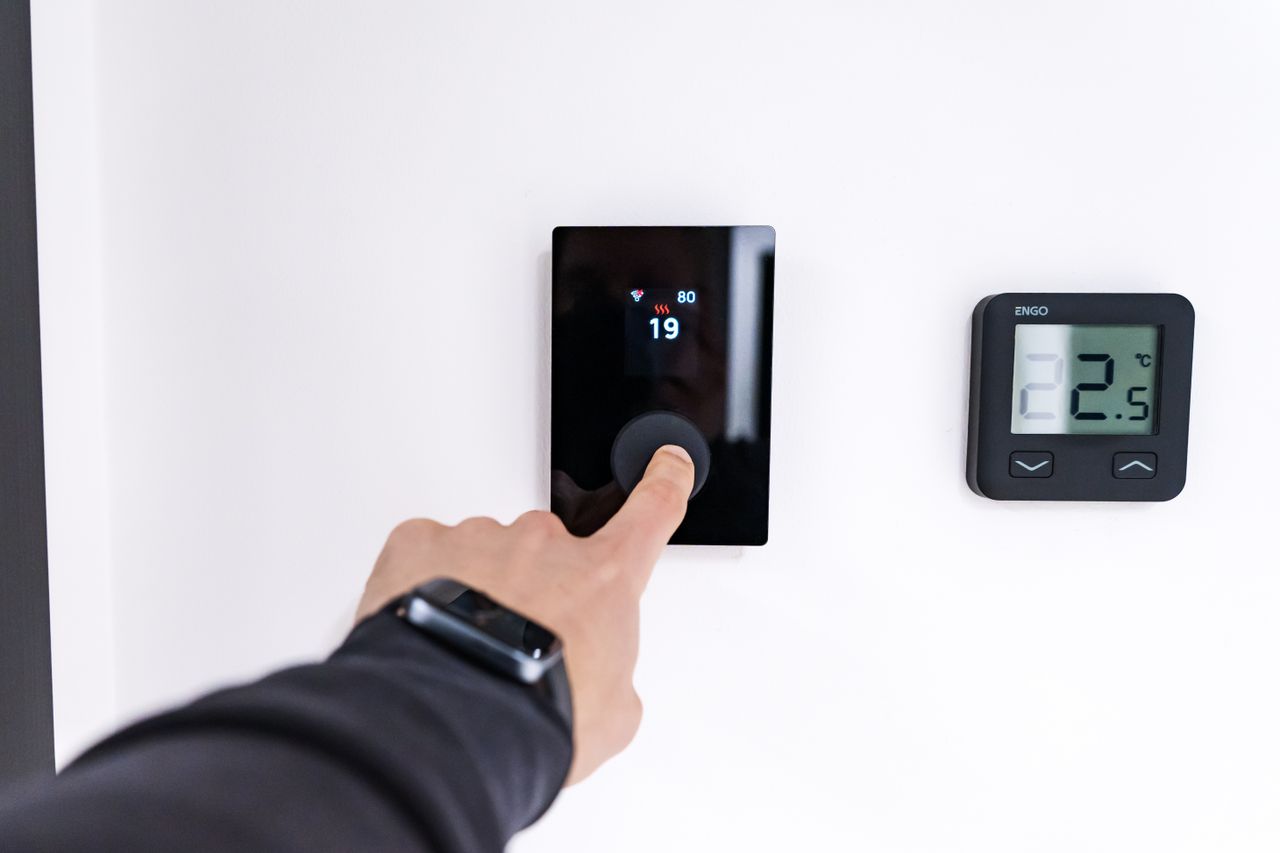
Photo: Pexels

No comments:
Post a Comment