There is no worse sound on a -25°C night than silence where your furnace's hum should be. Before you panic — or pay for an after-hours callout — know this: a surprising number of "dead furnace" calls turn out to be a dead thermostat battery, a tripped breaker, or a clogged filter. All three take minutes to check.
If your furnace is not working, work through these ten checks in order, from simplest to most serious. Each one is safe for a homeowner, and each one rules out a common cause. You will either fix it yourself or give the technician a head start.
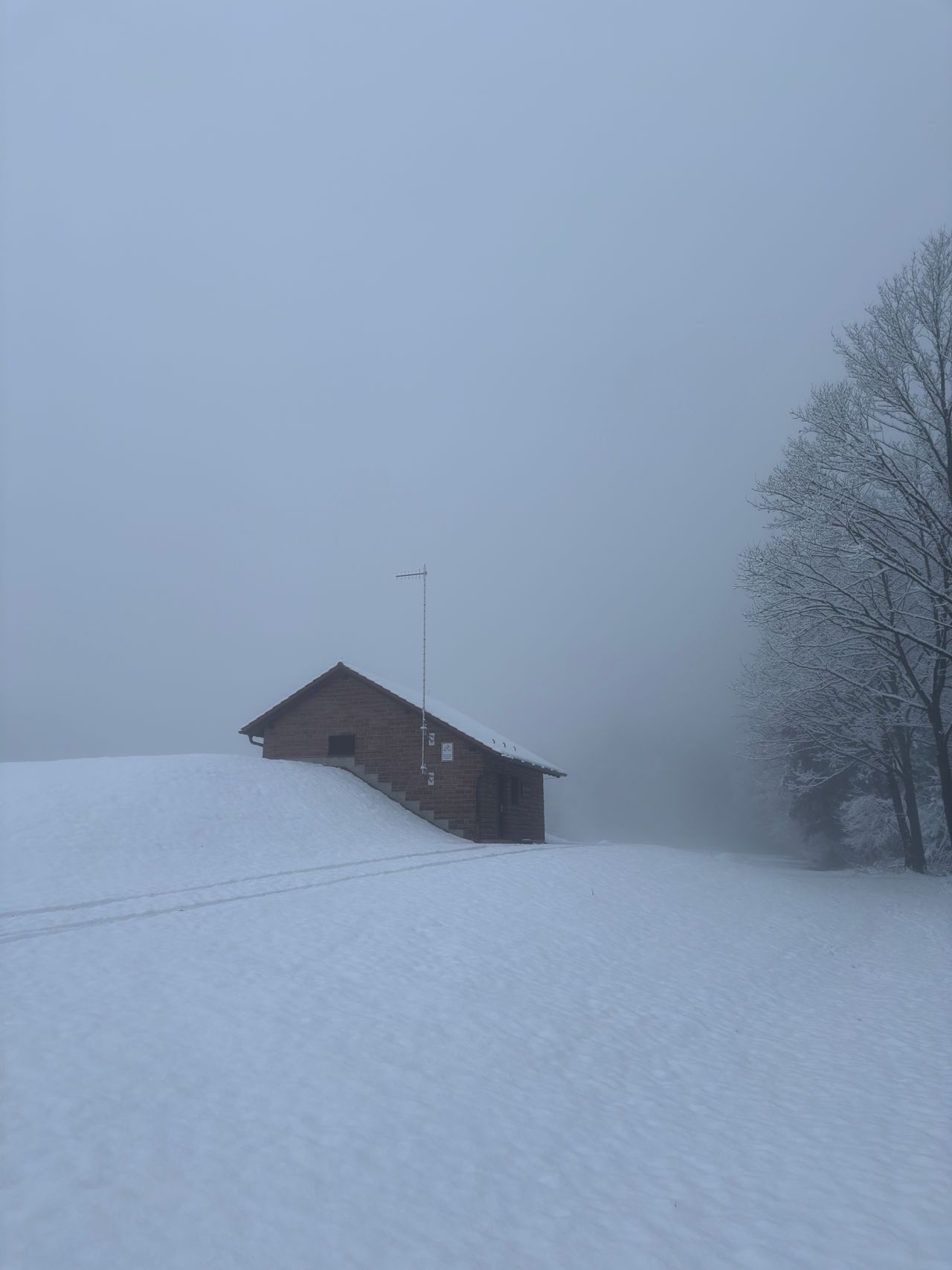
Photo: Pexels
Table of Contents
- 1. Check the Thermostat First
- 2. Check the Circuit Breaker
- 3. Find the Furnace Power Switch
- 4. Hold the Filter Up to the Light
- 5. Clear Snow from the Exhaust Vent
- 6. Look at the Burner Flame
- 7. Open Closed Vents, Check the Return
- 8. Carbon Monoxide: the Non-Negotiable
- 9. Prevent the Next Breakdown
- 10. Call a Pro: the Red-Flag List
- FAQs
1. Check the Thermostat First
Dead batteries cause an astonishing share of no-heat calls. Confirm the thermostat is set to Heat (not Cool or Off) and set 2 to 3 degrees above the current room temperature. If the display is blank or fading, swap in fresh AA or AAA batteries — a two-minute fix that solves the problem more often than you would think.
For smart thermostats, check that the unit has power and Wi-Fi; a tripped schedule can also be the culprit, silently holding an "away" temperature of 15°C while you shiver. Replacing batteries once a year, when you test your smoke alarms, prevents most of these calls.
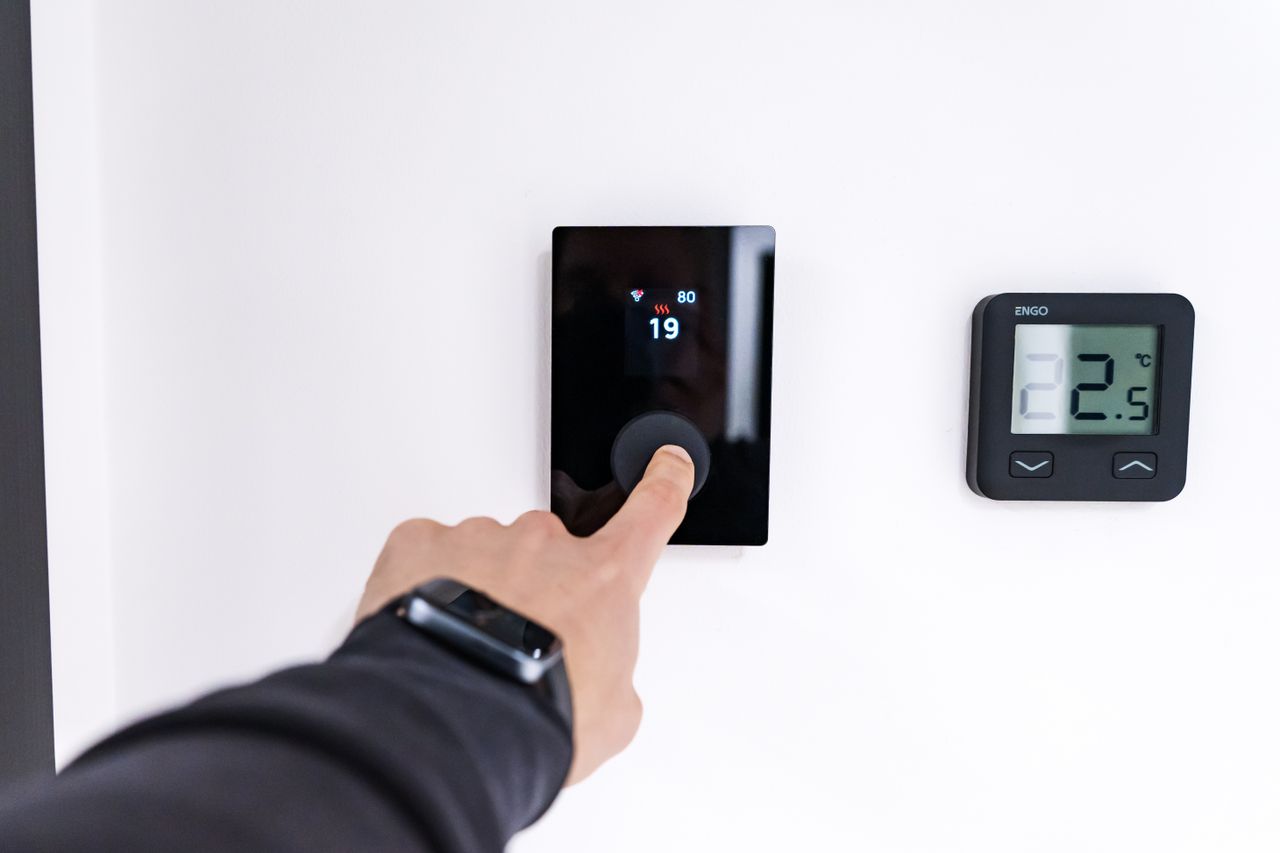
Photo: Pexels
2. Check the Circuit Breaker
Your furnace runs on its own dedicated breaker, and a power blip can trip it. Open your electrical panel and look for the breaker labelled furnace — a tripped one sits halfway between ON and OFF. Push it fully to OFF first, then firmly back to ON.
If the furnace roars back to life, you are done. But if the breaker trips again right away, stop resetting it. A breaker that will not stay on is signalling an electrical fault, and that is strictly a job for a licensed technician, not a third try.
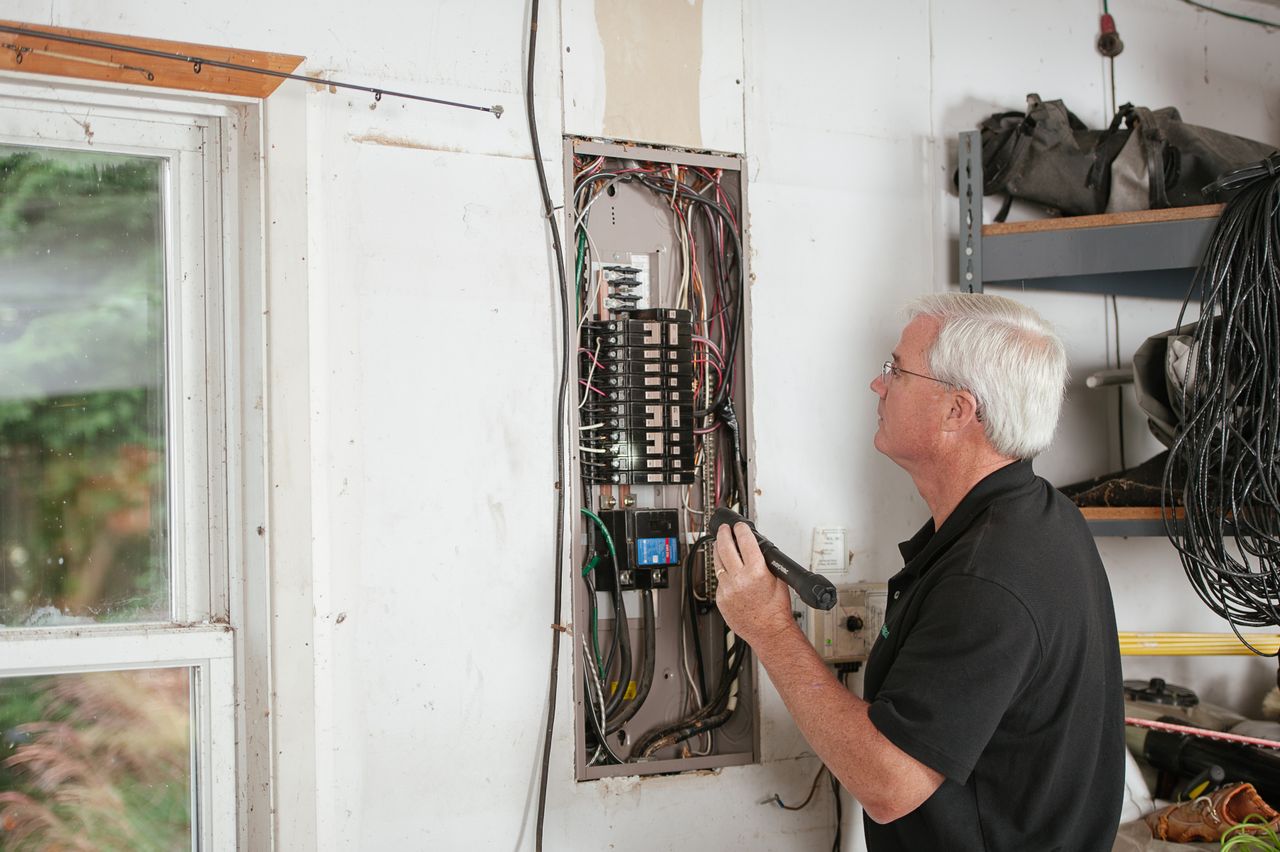
Photo: Pexels
3. Find the Furnace Power Switch
Nearly every furnace has its own power switch on the wall or stairwell nearby — it looks exactly like a light switch, sometimes with a red cover plate. During renovations, curious kids, or a bumped elbow can flip it off, and the furnace will sit dead while everything else in the house works fine.
While you are there, look for the small reset button on the furnace itself, usually red or yellow. Press it once, then give the furnace up to 30 minutes to run through its start-up sequence. If it locks out again, do not keep pressing — repeated resets can damage the ignition parts.
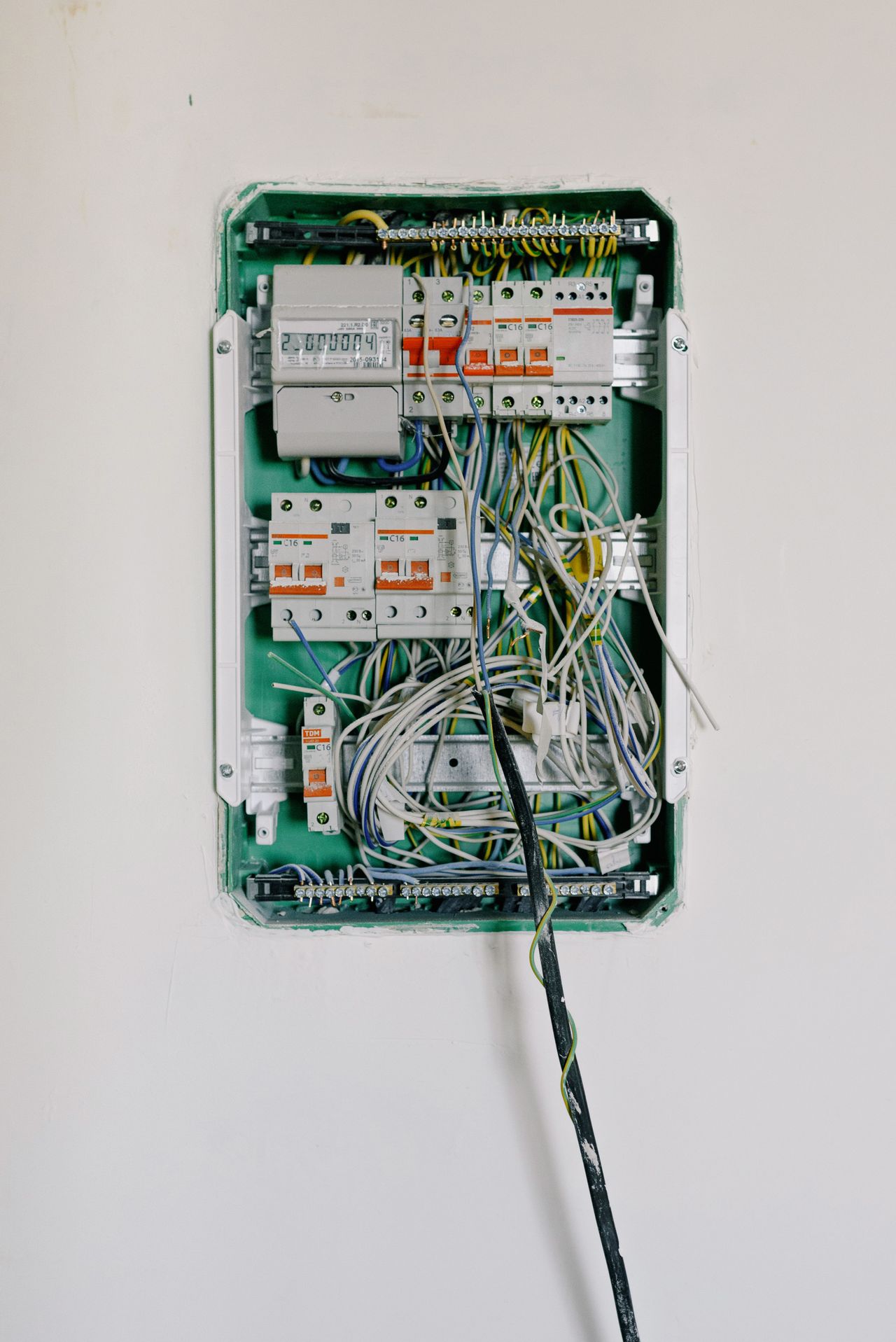
Photo: Pexels
4. Hold the Filter Up to the Light
A clogged filter is the number one cause of furnaces shutting themselves down. When airflow chokes, the furnace overheats and a safety switch — the high-limit — cuts the burners to protect the heat exchanger. Slide the filter out and hold it up to a light: if you cannot see light through it, it is done.
Replace it with the same size, printed on the cardboard frame, and note the airflow arrow when you slide the new one in. Keep two spares on the shelf above the furnace so a -30°C night never catches you without one. During heating season, check monthly.

Photo: Pexels
5. Clear Snow from the Exhaust Vent
High-efficiency furnaces breathe through pipes on the side of the house, not the chimney. After a big snowfall, drifts can bury the exhaust vent, and a pressure sensor shuts the furnace down rather than risk fumes backing up. Walk outside and look for the white PVC pipes low on the wall.
Clear about a metre of space around both the exhaust and the intake, and knock icicles off above them. Make this part of your storm routine, the same as shovelling the steps. If you heat a seasonal property too, our cottage winterizing guide covers vent checks before you close up for the season.
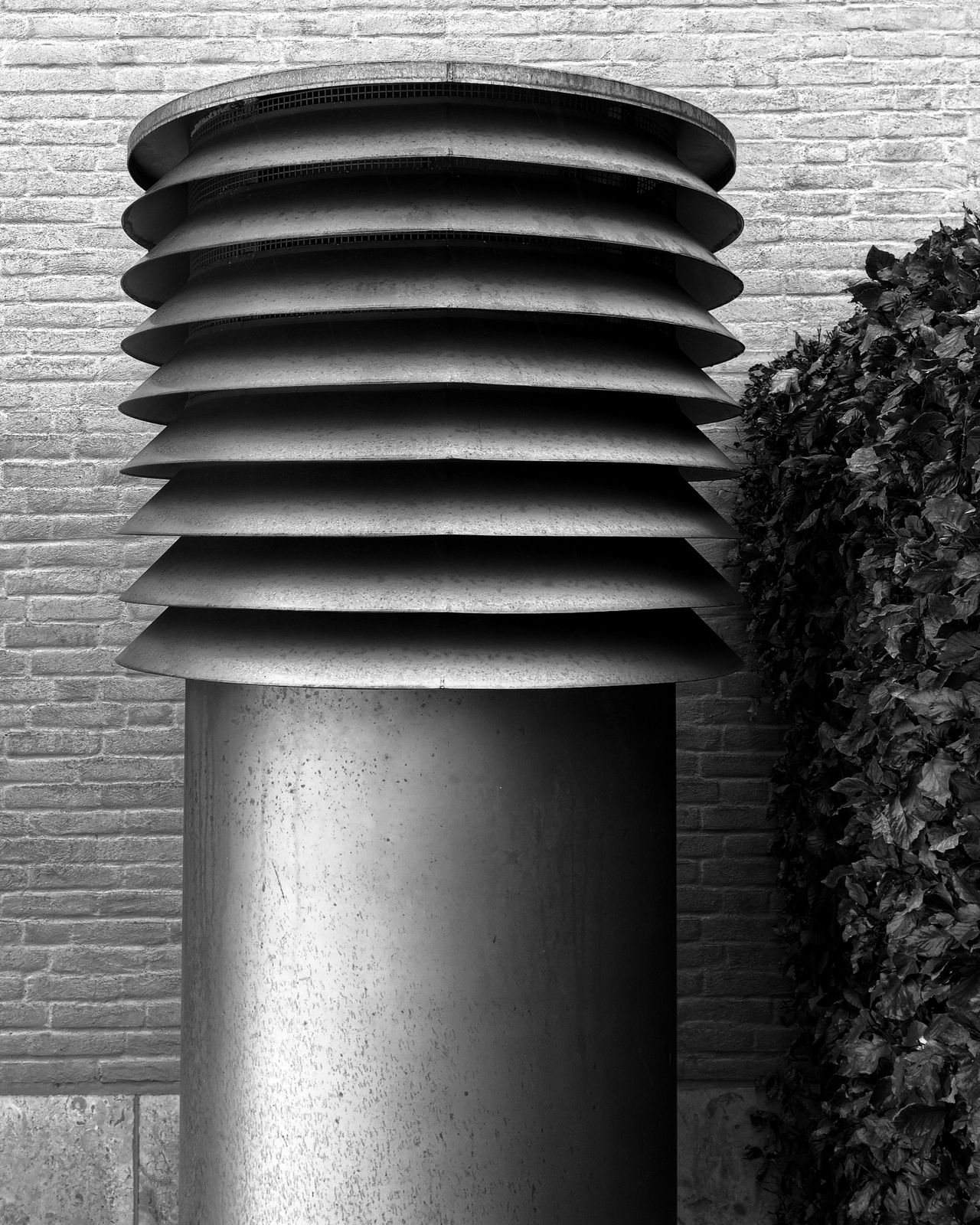
Photo: Pexels
6. Look at the Burner Flame
If your furnace has a small viewing window, peek at the flame while it tries to start. A healthy gas flame is steady and blue. A lazy yellow or orange flame, or one that flickers and lifts off the burner, points to a dirty burner or a combustion problem that needs professional attention.
Do not open any sealed compartments to get a better look — combustion chambers stay closed for a reason. Just note the flame colour and behaviour; it is genuinely useful information to pass to the technician, and it costs you nothing to observe.
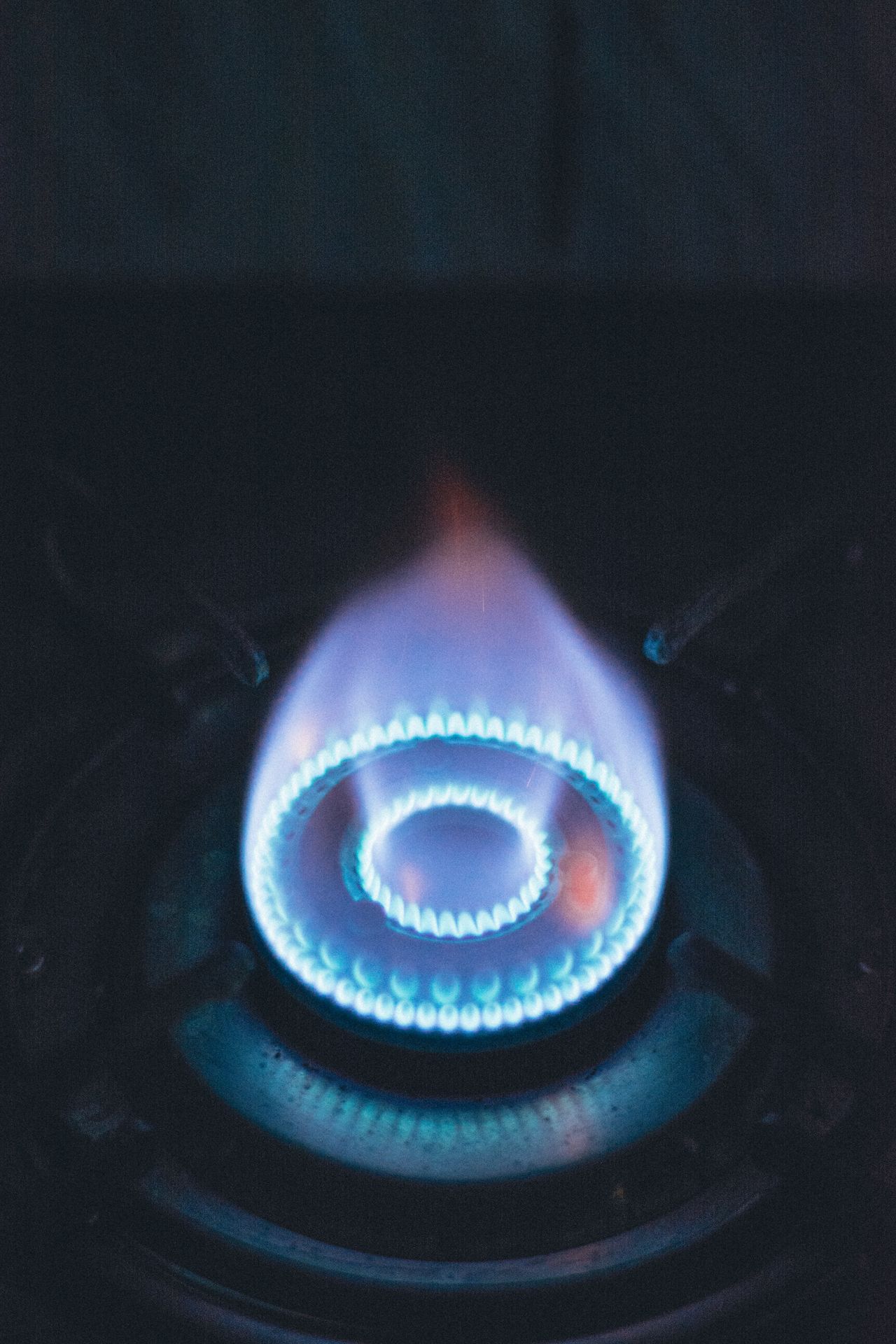
Photo: Pexels
7. Open Closed Vents, Check the Return
Closing supply vents in unused rooms feels thrifty, but it raises pressure in the ducts and can trip the same overheating safety switch as a clogged filter. Walk the house and open every supply vent fully — furnaces are designed to breathe through the whole system.
Then find the big return-air grille, usually in a hallway or near the furnace, and make sure no furniture, rug, or laundry pile is smothering it. Starved of return air, even a healthy furnace will short-cycle and shut down.
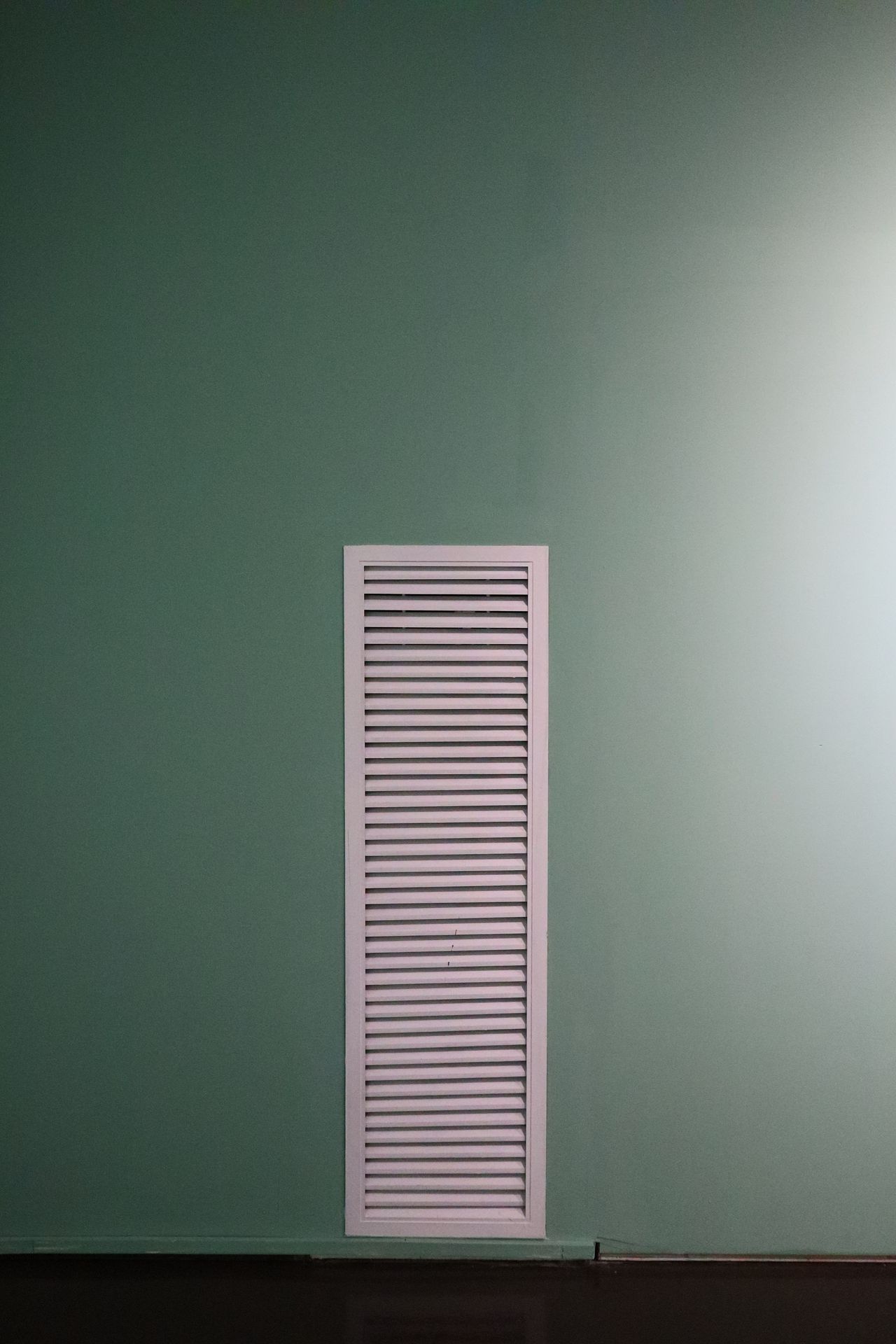
Photo: Pexels
8. Carbon Monoxide: the Non-Negotiable
Carbon monoxide is colourless and odourless, and a cracked heat exchanger can let it into your home's air. Every Canadian home with a fuel-burning furnace needs a CO alarm on each floor, especially near bedrooms. Test them monthly and replace the units every 7 to 10 years — they expire even if they look fine.
If an alarm sounds, get everyone outside immediately and call 911 from out there. Smell rotten eggs (the added scent in natural gas)? Same drill: leave, then call your gas utility from outside. Never re-enter to grab belongings or "check" — let the professionals clear the house.
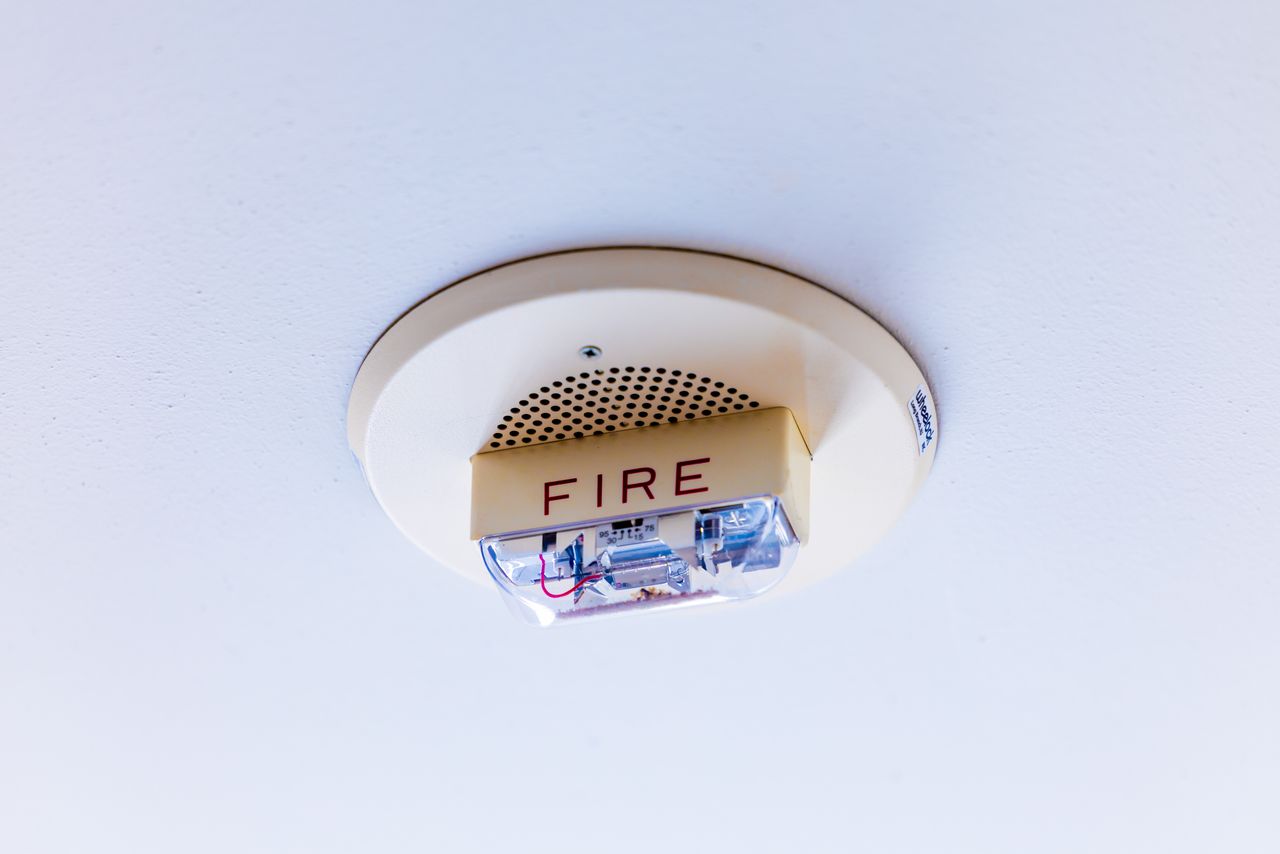
Photo: Pexels
9. Prevent the Next Breakdown
Most midwinter failures are slow-motion problems: a filter ignored since October, burners never cleaned, a safety switch doing overtime. An annual tune-up, typically $150 to $250 in Canada, catches these in autumn when a technician has time and parts are on the shelf.
Between visits, keep a one-metre clear zone around the furnace — no paint cans, no storage boxes leaning on it. Jot down the brand, model, and serial number on your phone; when you do need service, that photo gets the right parts dispatched on the first trip.

Photo: Pexels
10. Call a Pro: the Red-Flag List
Some symptoms mean now, not tomorrow: any gas smell, a sounding CO alarm, soot streaks around vents, water pooling under the furnace, or a breaker that trips the moment you reset it. A furnace under ten years old that keeps failing also deserves a professional diagnosis rather than another DIY round.
When you call, have answers ready: the brand and age, what you already checked, and any blinking error code on the control board. If you heat a workshop or garage as well, our guide to keeping a garage warm in winter covers safe options for those spaces too.

Photo: Pexels
FAQs
Why does my furnace turn on, then shut off after a few minutes?
That is short-cycling, and the usual causes are a clogged filter, blocked vents, or a dirty flame sensor. Work through the filter and vent checks above first — they solve most cases.
Should I keep pressing the reset button?
Press it once, then wait 30 minutes. If the furnace locks out again, stop. Repeated resets can overheat components and turn a small fault into a cracked heat exchanger.
How can I tell if it is the thermostat or the furnace?
If the thermostat display is dead, start with batteries and its breaker. If the display works and you hear it click but nothing happens at the furnace, the problem is on the furnace side.
Is it safe to use space heaters while waiting for a repair?
Yes, with strict rules: keep one metre of clearance on all sides, never leave them unattended or running overnight, and plug them directly into the wall — never into an extension cord.
What does an emergency furnace repair cost in Canada?
A diagnostic visit runs about $100 to $180, with after-hours premiums on top. Common parts like igniters and flame sensors typically add $150 to $400 installed.
Final Thoughts
A furnace that quits in January feels like an emergency, but most of the time it is a simple fix hiding in plain sight: batteries, a breaker, a filter, or a snowed-in vent. Work the list calmly, respect the safety lines, and you will solve it yourself more often than not.
And when the heat is back on, pour something warm and enjoy the cosy house — our hygge home decor ideas are perfect for making the most of a warm winter evening indoors.
Sources
- Natural Resources Canada: Energy Efficiency — heating system guidance for Canadian homes.
- Technical Standards and Safety Authority (TSSA) — fuel-burning appliance safety information for Ontario homeowners.
Gallery
Photo: Pexels
Photo: Pexels
Photo: Pexels

No comments:
Post a Comment