Most Canadian homes pair two hard-working machines: a furnace that carries you through -30°C January nights, and an air conditioner that keeps July bearable. They look like separate boxes, but in a forced-air home they are really one team, sharing the same ducts, the same fan, and the same thermostat.
This guide explains how a furnace and air conditioner each do their job, what the efficiency ratings mean, and the simple upkeep that keeps both running for years. No engineering degree required — just the practical basics every homeowner should know.

Photo: Pexels
Table of Contents
- 1. Gas vs. Electric: the Two Furnace Types
- 2. How the Air Conditioner Cools Your Home
- 3. One Duct System, Two Jobs
- 4. The Thermostat Is the Brain
- 5. Efficiency Ratings: AFUE and SEER
- 6. Give the Outdoor Unit Room to Breathe
- 7. Annual Maintenance: What a Tune-Up Covers
- 8. Thermostat Settings That Save Money
- 9. Sizing: Bigger Is Not Better
- 10. When to Call a Professional
- FAQs
1. Gas vs. Electric: the Two Furnace Types
A gas furnace burns natural gas in a sealed chamber, and a heat exchanger passes that warmth into the air blowing through your ducts. It is the most common setup in Canada because gas delivers a lot of heat for the money, even on the coldest nights. An electric furnace works differently: heavy metal elements glow hot, like a giant toaster, and the blower pushes air across them.
Electric models cost less to buy and need little servicing, but they are expensive to run where electricity rates are high. Gas furnaces cost more up front — typically $4,500 to $7,500 installed in Canada — yet heat large homes more cheaply. Your fuel choice usually comes down to what is already piped to your street.
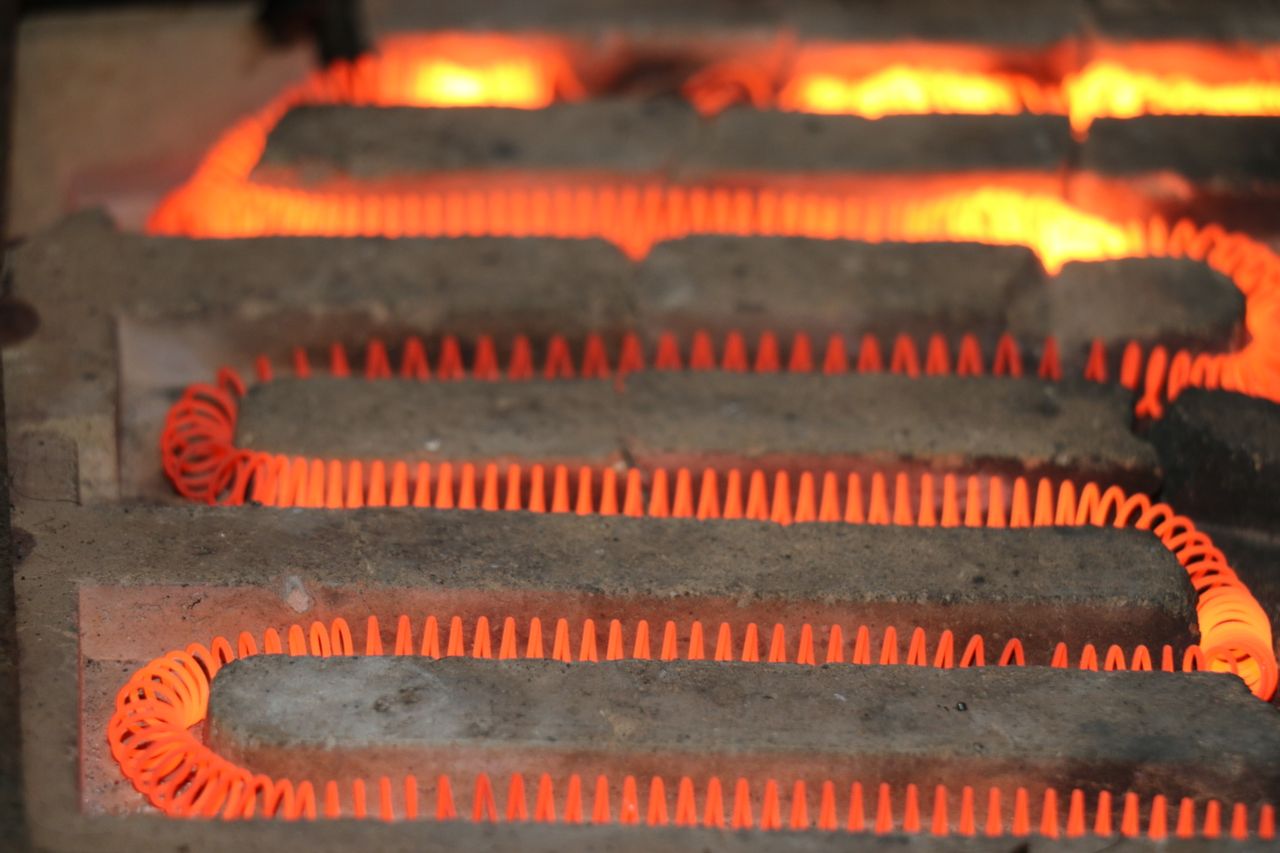
Photo: Pexels
2. How the Air Conditioner Cools Your Home
An air conditioner does not create cold; it moves heat out of your house. Warm indoor air blows across a cold indoor coil, and refrigerant carries that heat outside to the big box beside your house — the condenser — where a fan dumps it into the outdoor air. The cycle repeats until the thermostat is satisfied.
This is why the outdoor unit matters as much as the indoor one. If its coils are caked with dirt or buried in shrubs, it cannot shed heat properly, and the whole system works harder for less cooling. A yearly rinse with a garden hose keeps it breathing freely.

Photo: Wikimedia Commons
3. One Duct System, Two Jobs
In a forced-air home, the furnace and the air conditioner share one network of ducts. In winter the furnace pushes heated air through the supply vents; in summer the same ducts carry cooled air. The blower fan inside the furnace cabinet runs all year, whichever machine is doing the work.
That shared setup is convenient, but it means duct problems hit you twice. Leaky or crushed ducts can waste a fifth of your heated or cooled air into the attic or crawlspace. If some rooms are always too hot or too cold, the ducts — not the machines — are the first suspect.
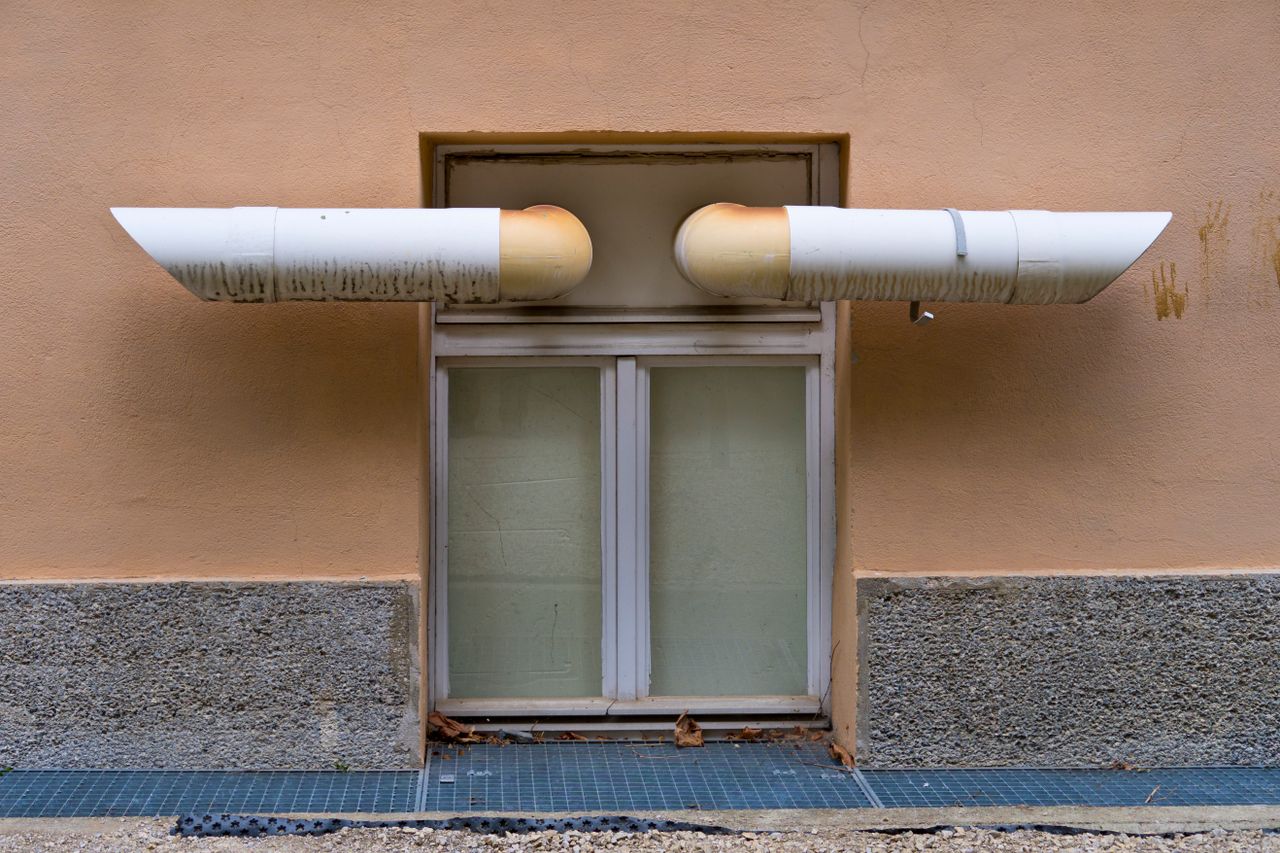
Photo: Pexels
4. The Thermostat Is the Brain
The thermostat is a simple switch with a big job: it reads the room temperature and tells the furnace or air conditioner when to start and stop. Modern programmable and smart models can follow a schedule, warming the house before you wake and easing off while you sleep or are at work.
Location matters more than brand. A thermostat in direct sun, above a heat vent, or in a draughty hallway reads the wrong temperature and cycles the system badly. A shaded interior hallway wall, about 1.5 metres off the floor, gives the most honest reading.
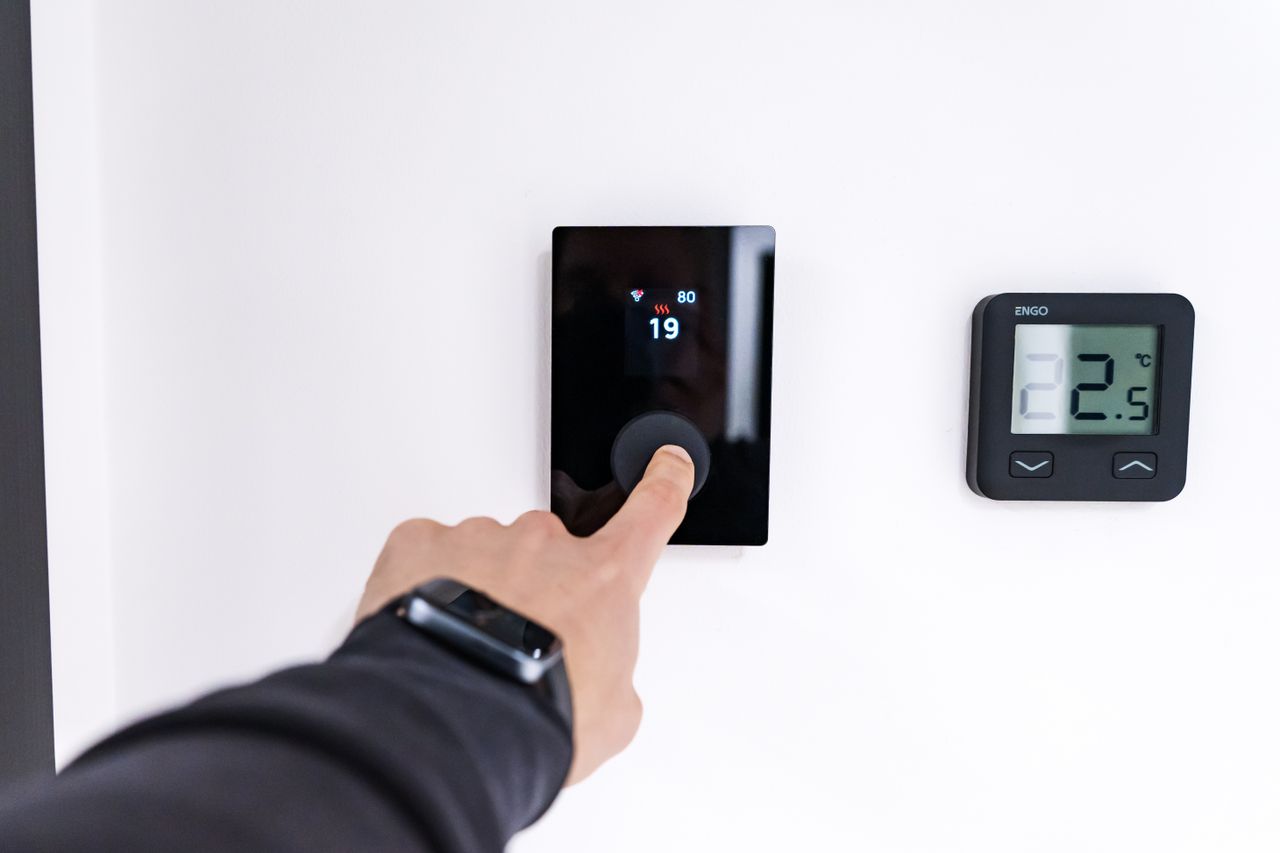
Photo: Pexels
5. Efficiency Ratings: AFUE and SEER
Two numbers tell you how thirsty a system is. AFUE (Annual Fuel Utilization Efficiency) rates furnaces: a 96% AFUE model turns 96 cents of every fuel dollar into heat. SEER rates air conditioners: higher means more cooling per unit of electricity. In Canada, look for at least 96% AFUE and 16 SEER on new equipment.
An ageing unit with a low rating can easily cost hundreds of extra dollars per year to run. When comparing quotes, ask for the ratings in writing and do the simple math: a high-efficiency furnace often pays back its premium within five to eight winters.
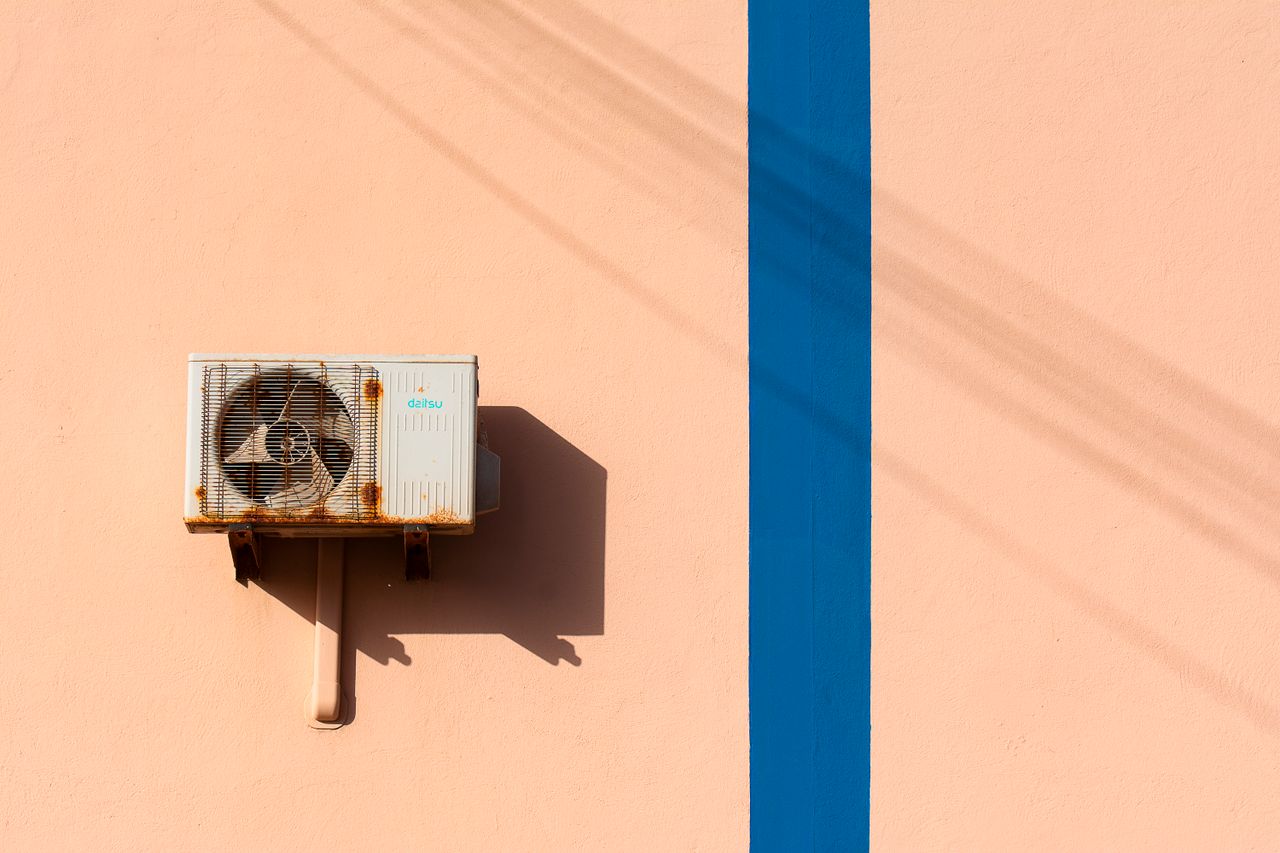
Photo: Pexels
6. Give the Outdoor Unit Room to Breathe
The condenser needs clear airflow on all sides to dump heat. Keep at least 60 cm of clearance around it: trim shrubs, pull weeds, and never stack firewood or bins against it. In autumn, clear fallen leaves off the top grille so they do not mat down over the coil.
In winter, a breathable cover is optional, but never wrap the unit in plastic, which traps moisture and rusts the cabinet. Brush heavy snow off the top after storms, and check that the concrete pad underneath has not tilted, which strains the refrigerant lines.
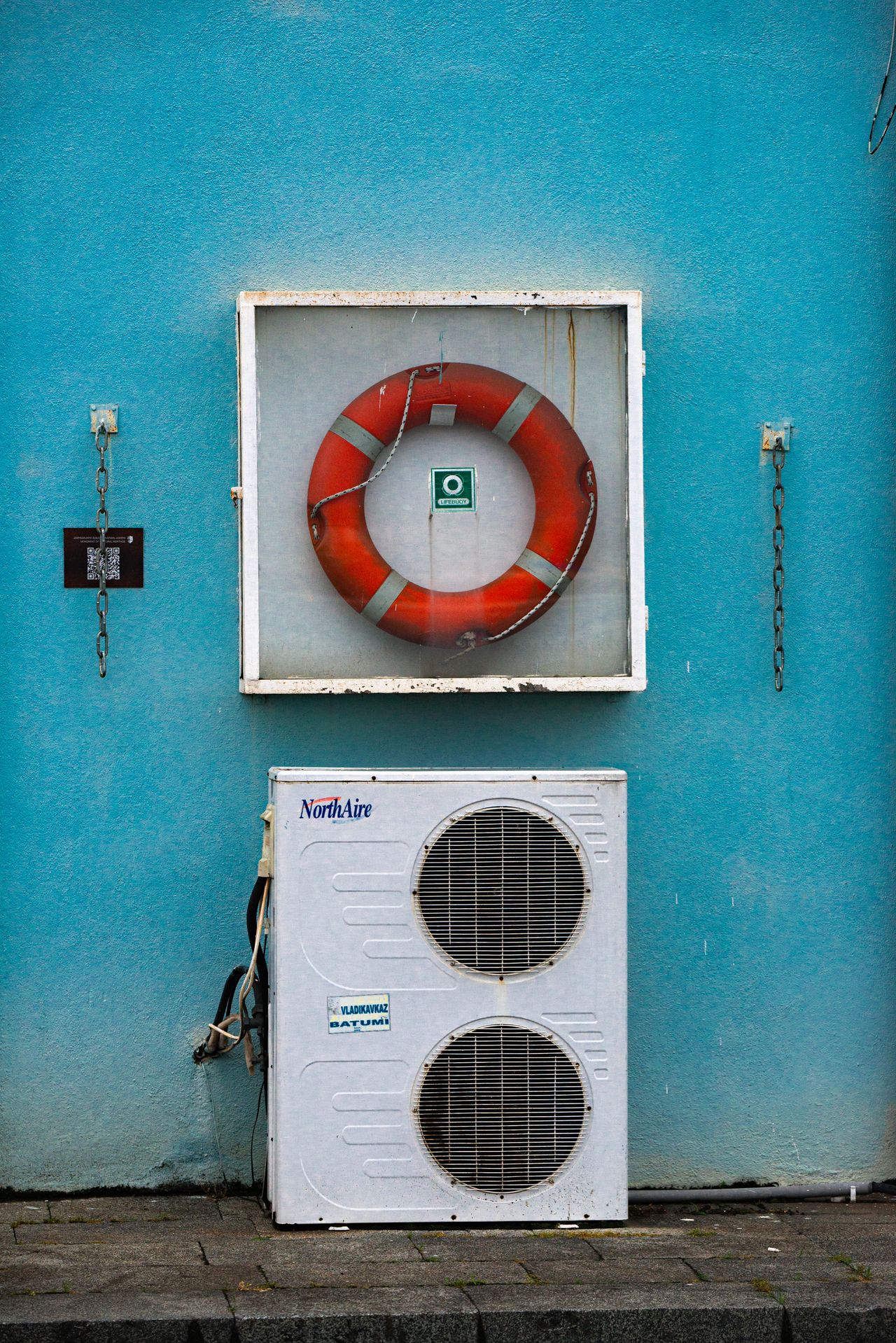
Photo: Pexels
7. Annual Maintenance: What a Tune-Up Covers
A yearly tune-up, usually $150 to $250 in Canada, is the cheapest insurance your system can get. The technician cleans the burners, checks the heat exchanger for cracks, tests safety controls, measures airflow, and confirms the refrigerant charge. It takes about an hour.
The single most important job between visits is yours: change the furnace filter every one to three months. A clogged filter chokes airflow, making the furnace run hot and the air conditioner freeze up. Keep a spare filter on the shelf so there is no excuse to skip it.

Photo: Pexels
8. Thermostat Settings That Save Money
Every degree you lower the heat for eight hours a day trims roughly 2 percent off heating costs. A comfortable baseline is 20°C when you are home and awake, 17°C overnight or while away. In summer, 24 to 25°C keeps most homes comfortable without making the air conditioner run constantly.
Resist the urge to crank the thermostat far past your target — it does not heat or cool faster, it just overshoots. A programmable schedule does the thinking for you, and it pays for itself within a single heating season in most homes.
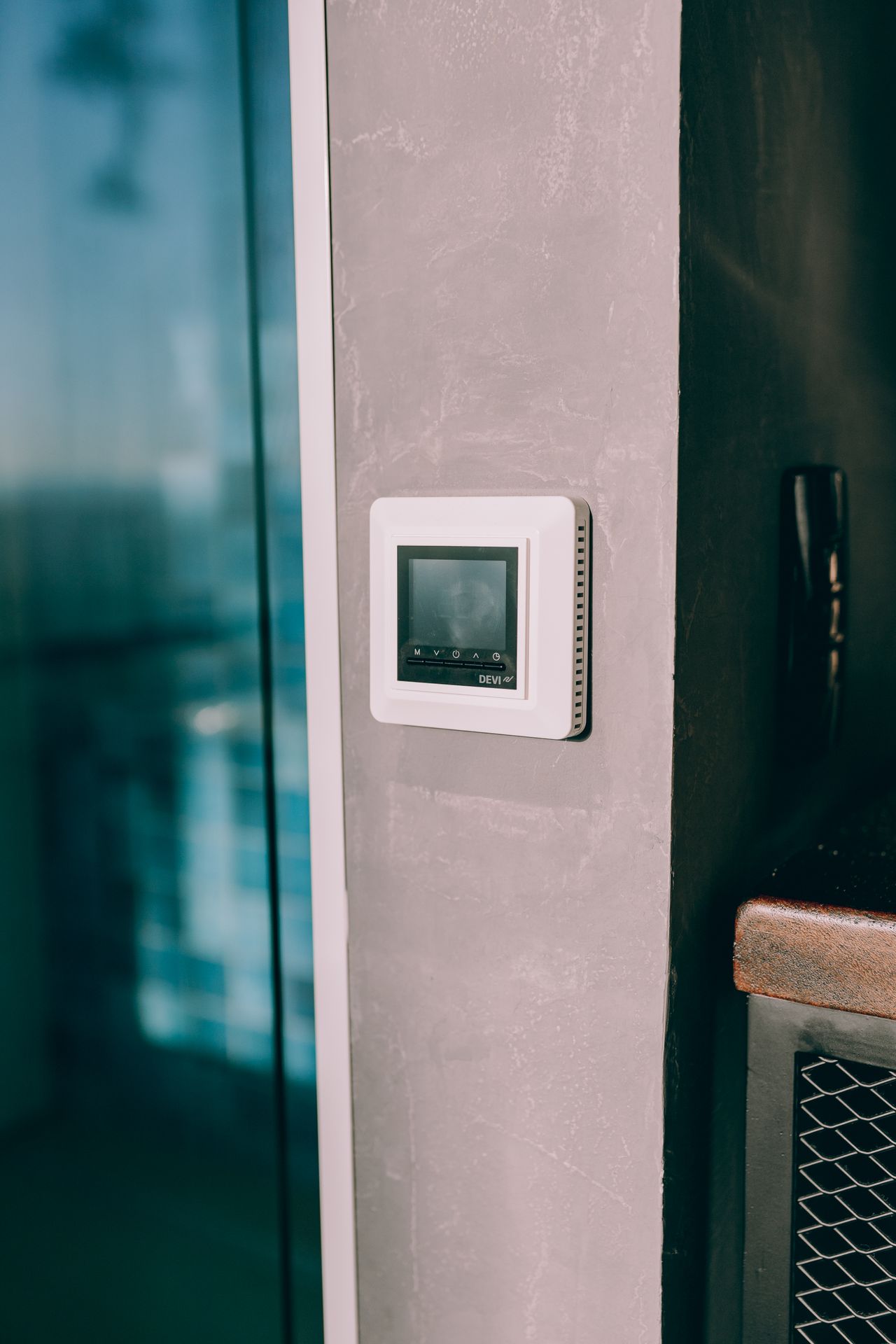
Photo: Pexels
9. Sizing: Bigger Is Not Better
It feels logical that a bigger furnace or air conditioner would do a better job, but oversized equipment is a classic expensive mistake. A too-large air conditioner cools the air so fast that it shuts off before removing humidity, leaving the house cool but clammy. A too-large furnace short-cycles, wearing parts out early.
Proper sizing comes from a heat-loss calculation that accounts for insulation, windows, and your climate zone — not from matching the old unit's size. If a contractor quotes without measuring and asking about insulation, get a second quote from one who does.

Photo: Wikimedia Commons
10. When to Call a Professional
Some jobs are strictly for licensed technicians: anything involving gas lines, refrigerant, or the sealed burner compartment. Call a pro for strange smells, soot around vents, repeated breaker trips, or a carbon monoxide alarm — and leave the house first if the alarm sounds.
If you heat a second space like a garage or cottage, the same rules apply. Our guide to keeping a garage warm in winter covers safe heating options, and our cottage winterizing guide walks through shutting a seasonal place down properly.

Photo: Pexels
FAQs
Can a furnace and air conditioner share the same ducts?
Yes — that is the standard forced-air setup in most Canadian homes. The furnace's blower pushes both heated and cooled air through one duct network, switching between the two machines by season.
How long does a furnace last in Canada?
A well-maintained gas furnace lasts 15 to 20 years; air conditioners typically last 12 to 15 years. Annual servicing and regular filter changes are what push a system toward the top of those ranges.
What temperature should I set the thermostat to in winter?
Try 20°C when home and 17°C overnight or away. Each degree of setback for eight hours a day saves roughly 2 percent on heating, according to Natural Resources Canada guidance.
Why does my air conditioner run but not cool?
The usual suspects are a clogged filter, a dirty outdoor coil, or blocked vents. If those are all clear and it still blows warm, the refrigerant charge may be low — that needs a licensed technician.
Should I get a heat pump instead of a furnace and AC?
Cold-climate heat pumps now work down to about -25°C and handle both heating and cooling in one box. Many Canadians pair one with a gas furnace as backup for the deepest cold snaps.
Final Thoughts
A furnace and air conditioner are a long-term partnership: one keeps you warm through February, the other keeps you sane through July, and the ducts and thermostat serve them both. Understand the basics, change the filter, and book the yearly tune-up.
Do that, and your system will run quieter, cheaper, and longer — leaving you free to enjoy a cosy, comfortable home in every season. For more cold-weather comfort ideas, browse our hygge home decor ideas.
Sources
- Natural Resources Canada: Energy Efficiency — heating and cooling guidance for Canadian homes.
- Natural Resources Canada: Energy Efficiency for Homes — equipment ratings and energy-saving tips.
Gallery

Photo: Wikimedia Commons

Photo: Wikimedia Commons

Photo: Wikimedia Commons

No comments:
Post a Comment