There is a special kind of joy in walking into a charity shop with no plan at all and walking out with a heavy brass candlestick, a foxed old mirror and a vase you simply could not leave behind. Second-hand pieces give a room something that brand-new furniture rarely can: history, warmth and a feeling that your home was built slowly, by you. These thrifted home decor ideas will help you spot the vintage finds that are truly worth hunting for, and skip the ones that are not.
The best part is the price. In most UK charity shops, the ten finds in this guide cost between £1 and £25 each, and many cost less than a coffee. You do need a sharp eye, though. Stock turns over fast, good pieces hide behind dull ones, and a little cleaning knowledge turns a dusty bargain into the best thing in your lounge. Here is what to look for, how much to pay, and how to clean and style each find when you get it home.
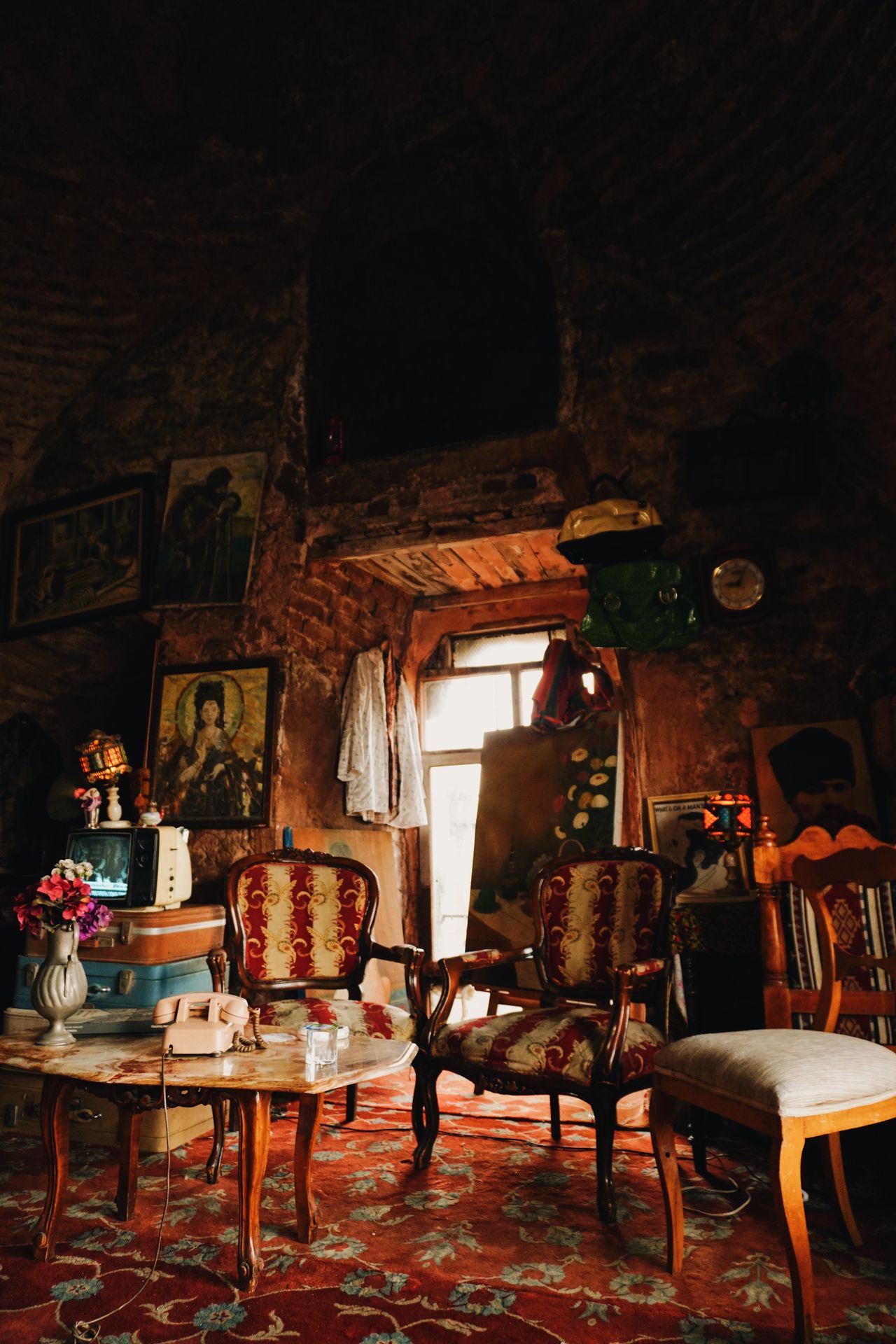
Photo via Pexels
Table of Contents
- 1. Brass Candlesticks and Candelabra
- 2. Vintage Mirrors with Foxed Glass
- 3. Wooden Crates and Old Suitcases
- 4. Ceramic Vases and Studio Pottery
- 5. Picture Frames for a Gallery Wall
- 6. Linen, Wool and Vintage Textiles
- 7. Vintage Glassware and Decanters
- 8. Vintage Lamps with Real Character
- 9. Small Side Tables and Occasional Tables
- 10. Wicker Baskets of Every Shape
- Frequently Asked Questions
- Final Thoughts
- Sources
- Gallery
1. Brass Candlesticks and Candelabra

Photo via Wikimedia Commons
Brass is the easiest charity shop win of all. Old candlesticks are heavy, well made and nearly always underpriced, because most shoppers walk straight past anything that looks dull or tarnished. Expect to pay £2 to £8 for a single stick and £6 to £15 for a pair or a small candelabra. Pick each one up: real brass feels weighty in the hand, and a magnet will not stick to it. That weight is exactly why these pieces look expensive on a mantelpiece or dining table.
Cleaning is simple. Soak off old wax in warm water, then polish with a proper brass cleaner or a paste of lemon juice and bicarbonate of soda, and buff with a soft cloth. Do not scrub with anything abrasive, and leave a little darkness in the engraved detail, as that shading is what makes the pattern sing. Style pairs either side of a mirror or fireplace, and mix one tall stick with two shorter ones on a shelf for an easy, layered look.
2. Vintage Mirrors with Foxed Glass
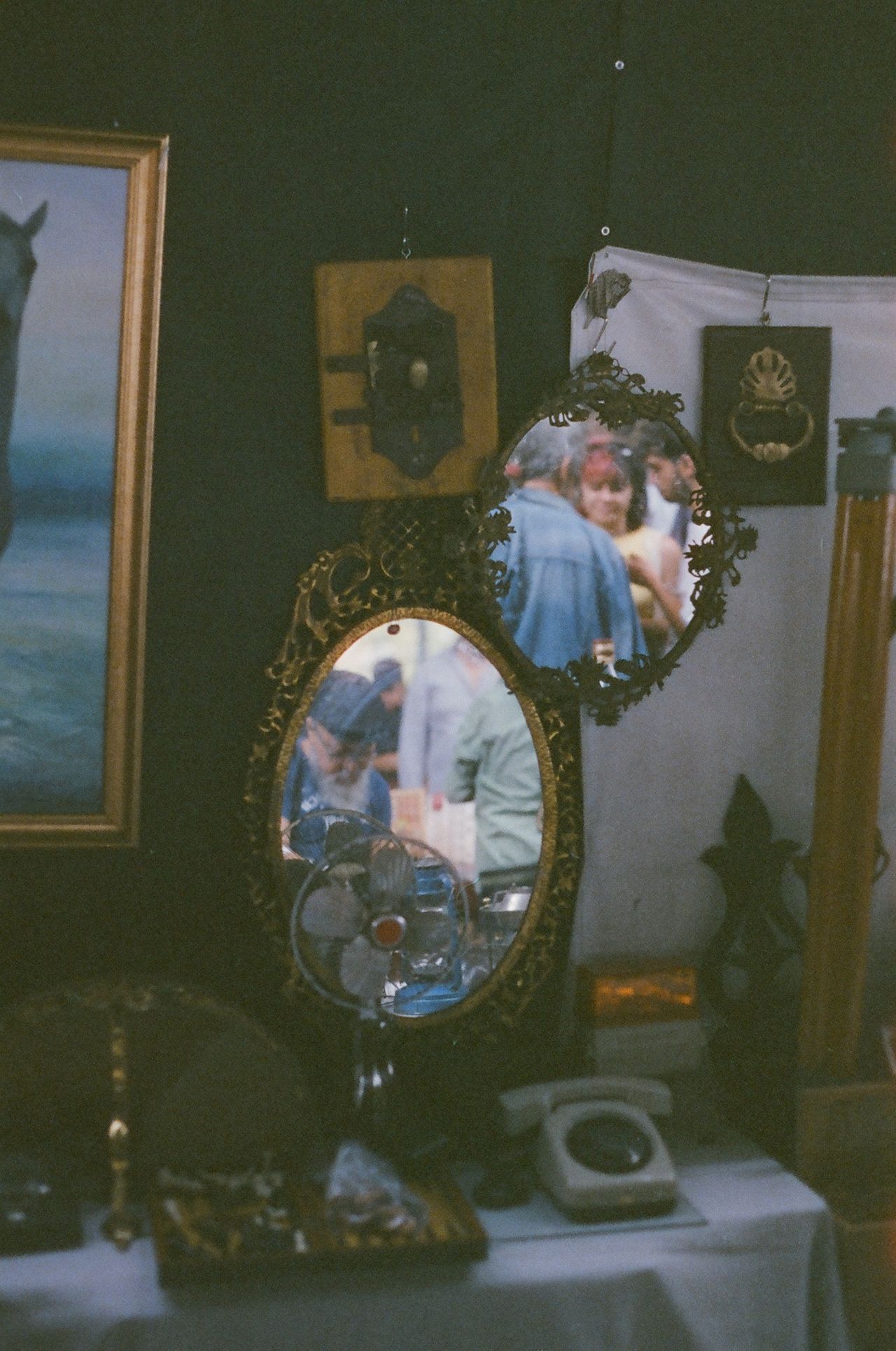
Photo via Pexels
A vintage mirror does two jobs at once: it bounces light around a small British lounge and it adds the kind of detail modern frames never have. Look for gilt plaster frames, carved wood, bevelled edges and gentle foxing, which is the soft cloudy spotting that appears on old mirror glass. Small foxed mirrors often cost just £5 to £15 in charity shops, and even large overmantel mirrors rarely pass £25 to £40 outside the big cities.
Check the back before you buy. The hanging wire or chain should feel firm, and the backing board should be solid, because old mirror glass is heavy. At home, clean the glass with a barely damp cloth rather than spraying cleaner directly on it, as liquid creeping behind old glass makes foxing worse. Hang one above the fireplace to reflect candlelight, lean a tall one on a hallway wall, or group three small mirrors together the way you would hang pictures.
3. Wooden Crates and Old Suitcases

Photo via Wikimedia Commons
Old wooden crates and battered leather suitcases are storage, furniture and decoration in one. A stack of two or three suitcases makes a brilliant bedside or side table with hidden storage inside for blankets, board games or paperwork. Wooden crates work as shoe storage in the hall, book boxes beside an armchair, or open shelves when fixed to the wall. Prices are kind: £3 to £10 for a crate and £5 to £15 for a suitcase with working clasps.
Check for woodworm in crates by looking for tiny fresh holes and fine dust, and give anything suspect a miss. Wipe leather suitcases with a damp cloth, feed the leather with a little balm, and line the inside with fresh paper or fabric if it smells musty. A few hours in fresh air with the lid open, plus a small bowl of bicarbonate of soda inside overnight, usually clears old smells completely.
4. Ceramic Vases and Studio Pottery
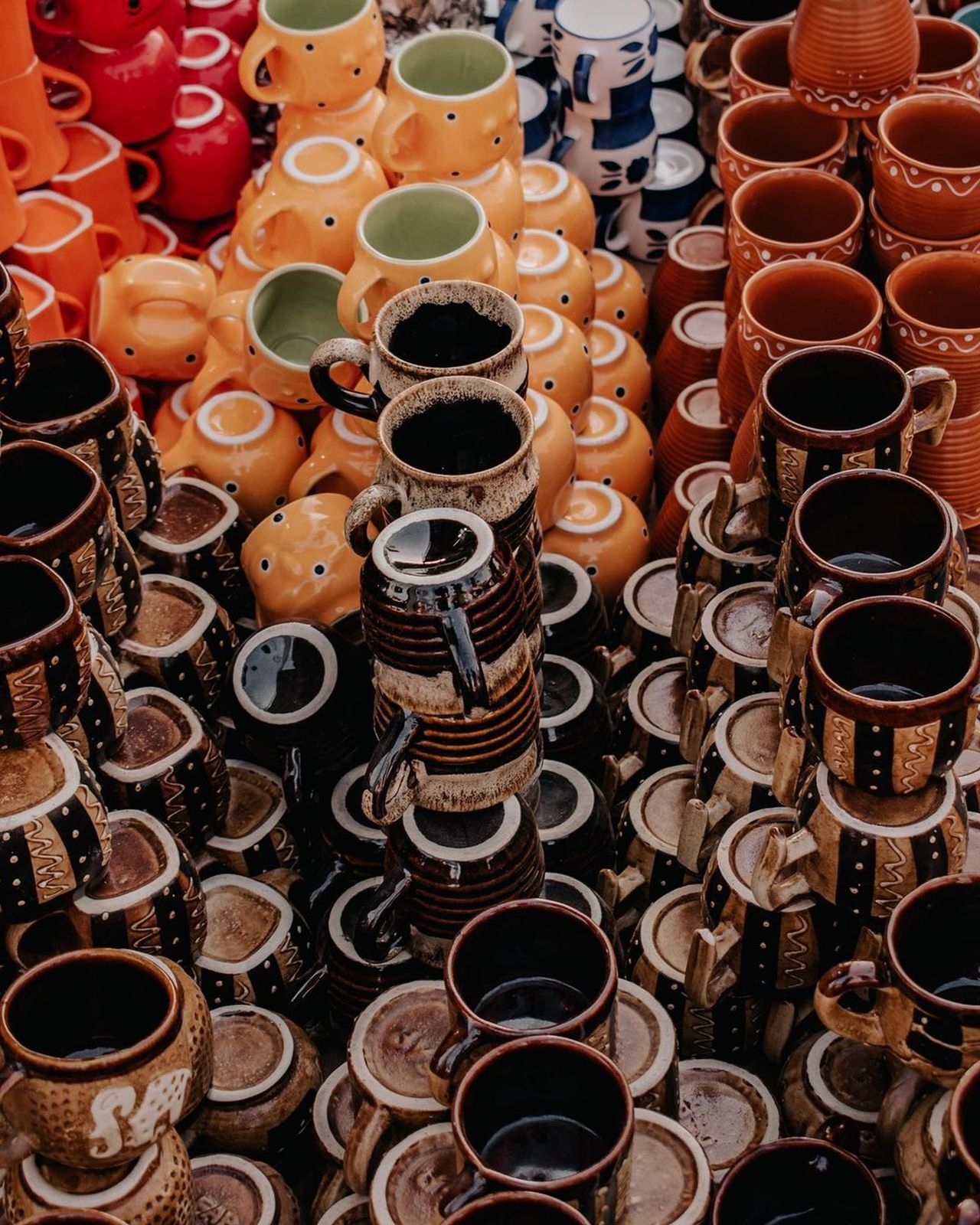
Photo via Pexels
Charity shop shelves are full of handmade studio pottery that somebody once paid a lot of money for. Chunky stoneware vases, speckled 1970s jugs, hand-thrown bowls and colourful glazed mugs often sell for £1 to £5 each. Turn every piece over and look for a maker's mark stamped into the base, as signed studio pieces are the real treasures. Hold ceramics up to the light and run a fingertip around the rim to feel for chips before you pay.
A single strong vase looks best with just a few stems, so let the pottery be the star. Group three pieces in the same colour family on a windowsill or shelf, mixing heights rather than matching exactly. Wash everything in warm soapy water when you get home, and shift stubborn limescale inside vases with a handful of dry rice, a splash of vinegar and a good swirl. Cracked or crazed pieces can still hold dried flowers, grasses or kitchen utensils.
5. Picture Frames for a Gallery Wall
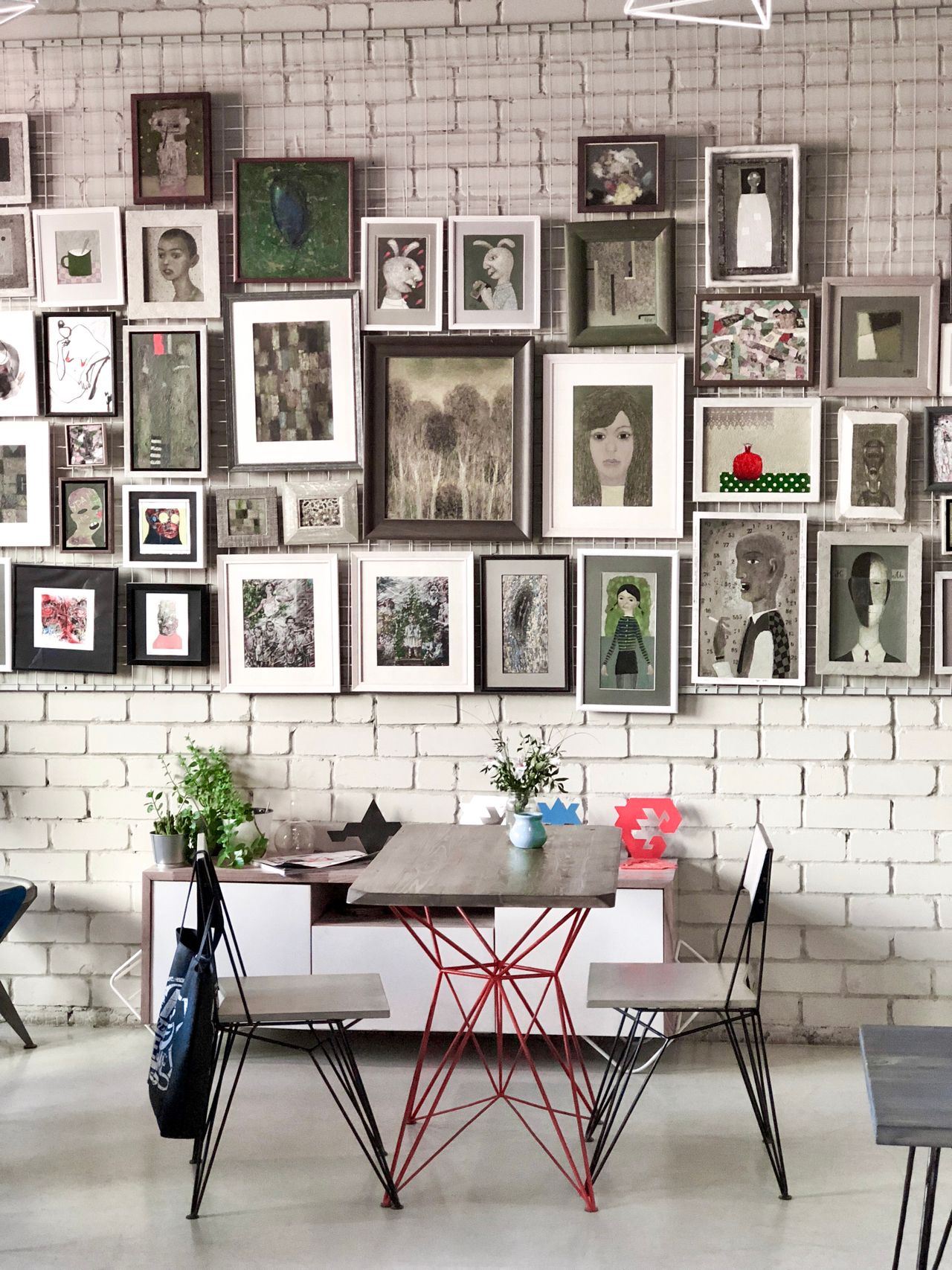
Photo via Pexels
If you only ever buy one thing second-hand, make it picture frames. Solid wood and gilt frames cost £1 to £4 in charity shops, while new ones in the same quality cost ten times more. Buy the frame, not the picture inside it: faded prints can go straight in the recycling, and your own photos, postcards, children's drawings or even pretty wrapping paper can take their place. Collect slowly until you have eight to twelve frames in mixed sizes.
Clean frames with a soft brush, touch up scuffed gilt with a gold wax pen, and replace any cracked glass at a local glazier for a few pounds. Lay the whole arrangement on the floor first, take a photo, and only then start hammering nails. Our full gallery wall guide walks you through layouts and spacing if you want the finished wall to look planned rather than random.
6. Linen, Wool and Vintage Textiles
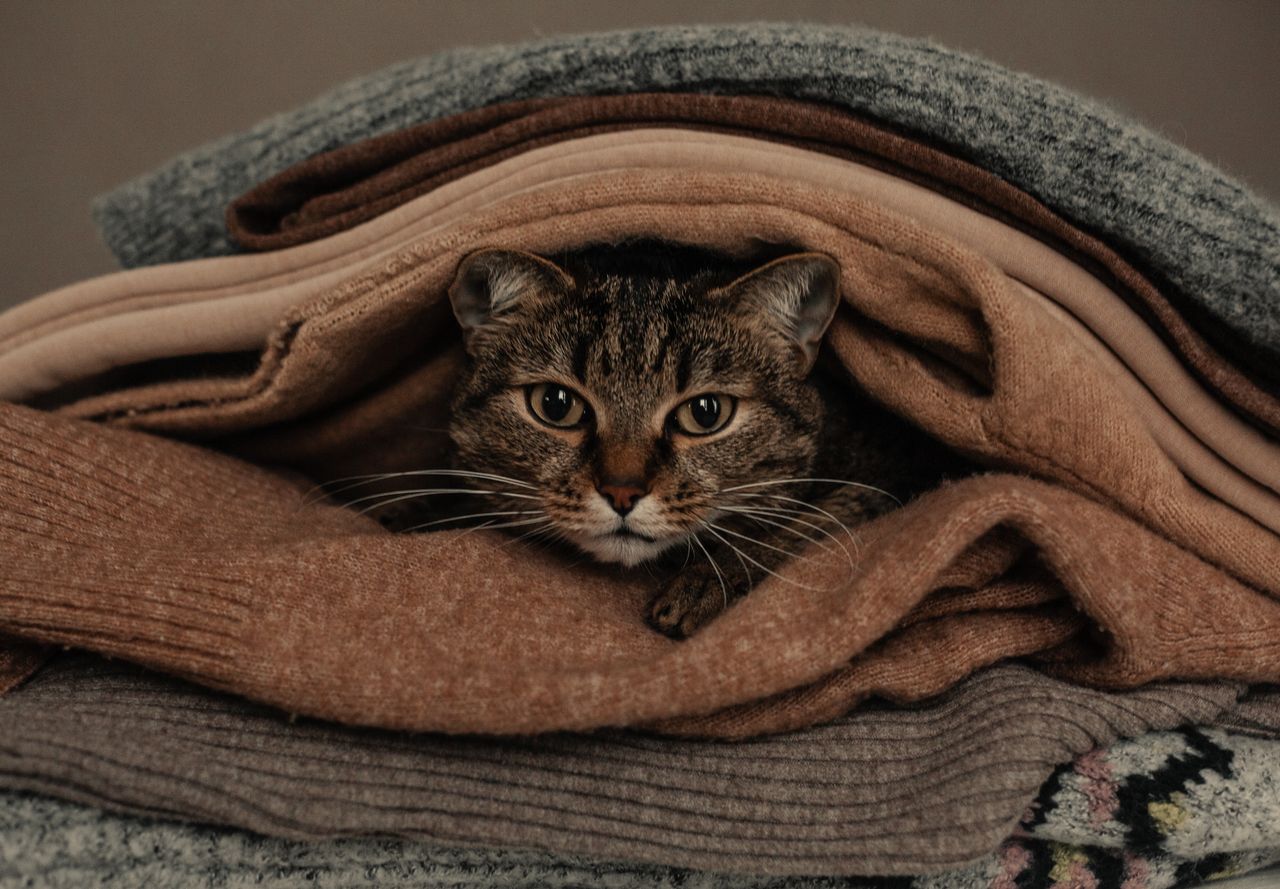
Photo via Pexels
The textile rail and the linen basket are where patient hunters find gold. Pure wool blankets, crochet throws, embroidered tablecloths, lace-edged pillowcases and real linen tea towels turn up constantly, usually for £2 to £10. Modern copies in synthetic fibres cost more and feel worse. Check the label where there is one, hold fabric up to the light to spot thin patches, and always unfold things fully to check for stains or moth holes hiding in the folds.
Wash everything before it joins your home: most wool and linen copes happily with a gentle 30 degree wash, and a day on the line in fresh air does wonders. Drape a crochet throw over the arm of the sofa, layer a wool blanket across the end of the bed, and use embroidered cloths under lamps and vases to soften hard surfaces. Textiles are the quickest way to make a room feel cosy, and second-hand ones already have the softness that new fabric takes years to earn.
7. Vintage Glassware and Decanters

Photo via Wikimedia Commons
Cut glass and coloured glassware fill whole tables in second-hand shops, and most of it costs between 50p and £3 a piece. Amber and green glasses from the 1960s and 1970s, etched sherry glasses, heavy cut-glass tumblers and shapely decanters all bring sparkle to a shelf or a dining table. A mixed set of six pretty glasses looks far more interesting than a matched new set, so feel free to gather singles in one colour family.
Hold glasses up and check the rims carefully, as tiny chips are the common fault and they matter on anything you drink from. Cloudy glass usually just needs a soak in warm water with a denture tablet or a splash of white vinegar. Decanters make lovely vases and look beautiful empty on a sunny windowsill where the glass catches the light. Just avoid anything with deep cracks, and keep very old lead crystal for display rather than daily drinks.
8. Vintage Lamps with Real Character

Photo via Wikimedia Commons
A good lamp changes a room more than almost any other single piece, and vintage lamps have shapes you simply cannot buy new: ceramic ginger-jar bases, brass columns, frosted glass shades and curvy 1970s mushroom lamps. Expect £5 to £20 in a charity shop, a fraction of the new price. British charity shops PAT test electrical items before selling them, and the little tested sticker on the plug is your sign that the lamp is safe to use.
If you buy from a car boot sale or a private seller instead, have an electrician rewire the lamp before you plug it in; a rewire usually costs £15 to £30 and makes an old lamp safe for decades. Fit a warm-white LED bulb, and replace a tired shade rather than the whole lamp, as a fresh cream or linen shade makes the oldest base look smart again. Low lamp light at eye level, rather than a harsh ceiling light, is the oldest trick for a cosy lounge.
9. Small Side Tables and Occasional Tables
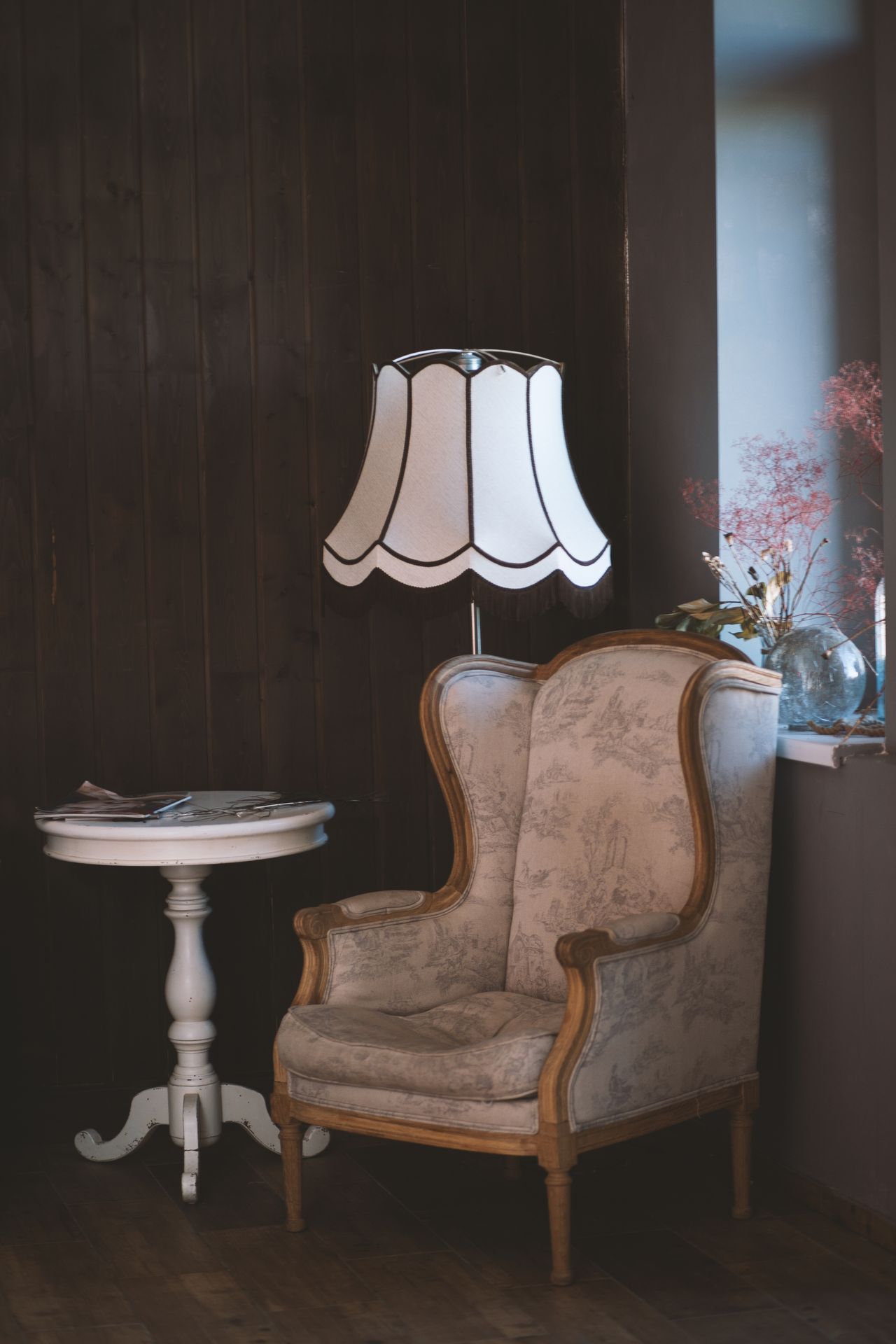
Photo via Pexels
Small tables are the workhorses of a living room, and second-hand ones are solid wood where new ones are often flat-pack board. Nest tables, round pedestal tables, magazine racks and little tiled-top tables from the 1970s appear constantly for £8 to £30. Test every table with a firm push from a few angles: a slight wobble usually means a loose screw or a drop of wood glue, while cracked joints are a reason to walk away.
Clean wood with a damp cloth and a little sugar soap, then feed it with beeswax polish and watch the colour come back. A brave coat of paint in a deep green or navy turns a dull table into a statement piece, and our guide to what vintage interior design is shows how pieces like this anchor a whole room. Place one beside every seat so there is always somewhere for a cup of tea and a book.
10. Wicker Baskets of Every Shape
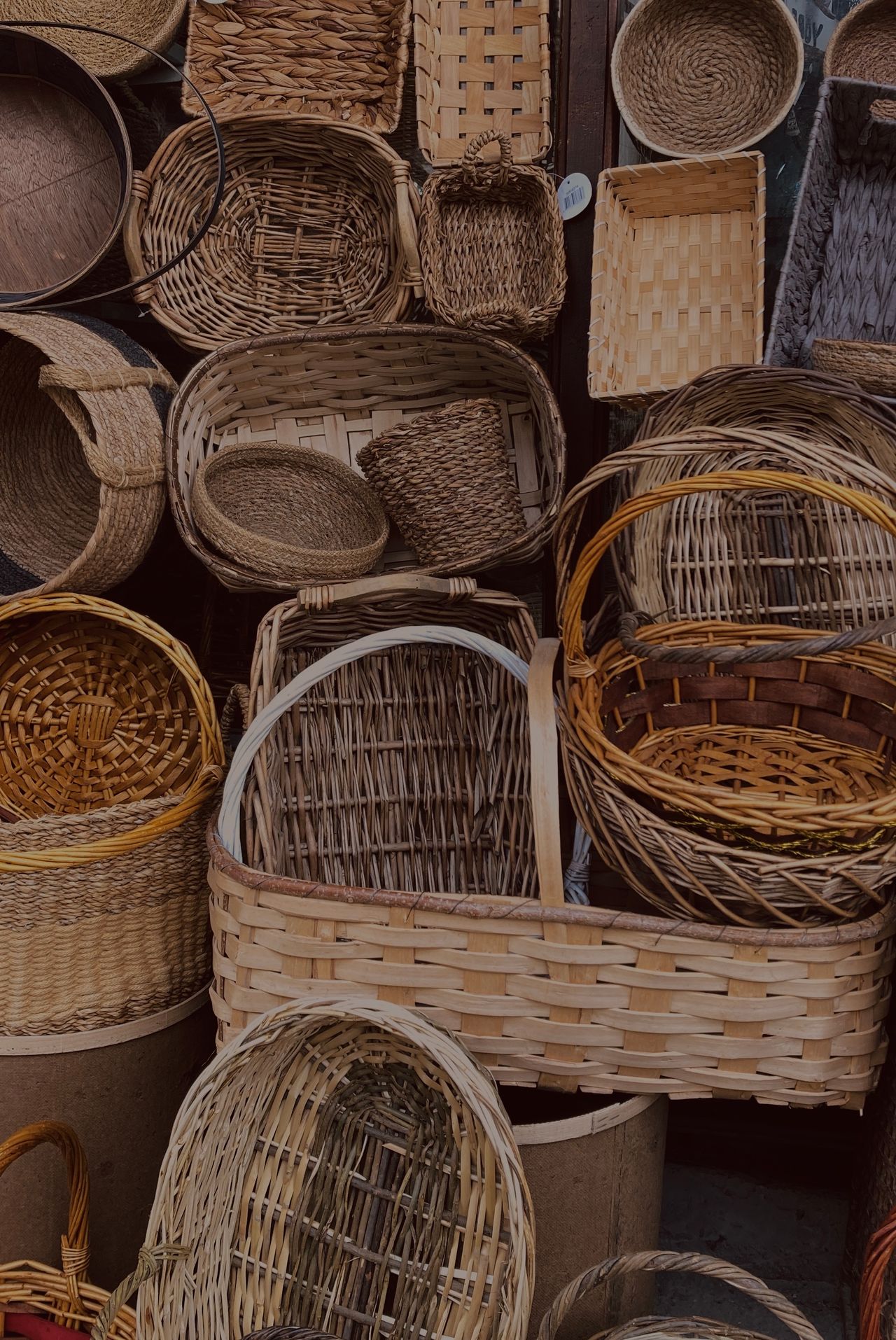
Photo via Pexels
Baskets solve the storage problem and soften a room at the same time. Log baskets by the fire, deep shoppers for blankets, shallow trays for the coffee table and lidded baskets that hide clutter all turn up in charity shops for £1 to £6. Wicker, willow and seagrass age gracefully, mix with every style from cottage to modern, and never look out of place. Squeeze the handles and rims to check they are sound, and avoid anything that smells strongly of damp.
Brush off dust outside, wipe with a barely damp cloth, and let the basket dry fully before bringing it in. A basket beside the sofa holding rolled throws, one in the hall for gloves and scarves, and one in the bathroom for spare towels will quietly organise your whole home. When you are planning your next hunting trip, our round-up of the best towns for charity shops in the UK points you to high streets where the basket shelves are always full.
Frequently Asked Questions
What are the best days to visit charity shops for home decor?
Weekday mornings are usually best, because fresh stock comes out after weekend donations are sorted, and the shelves are quiet. Many shops also put new items out on Monday and Tuesday. If you can, pop in little and often rather than making one long monthly trip, as the best pieces rarely survive a full week on the shelf.
How do I know if a charity shop find is genuinely vintage?
Look at the back, base and fixings rather than the front. Old pieces have screws with a single slot, maker's marks, wear in the places hands actually touch, and heavier materials than modern copies. Patina, gentle foxing on mirror glass and slightly uneven hand-made glass are all good signs. If you love it and the price is fair, though, its exact age matters far less than how it looks in your home.
What should I skip when buying second-hand decor?
Skip upholstered furniture without a fire-safety label, electrical items with cracked plugs or frayed flex from private sellers, wood with active woodworm, and anything with a strong smell of damp or smoke, as those smells are very hard to remove. Also leave chipped drinking glasses and cracked ceramics you plan to eat from. There will always be another find next week.
How do I clean second-hand finds safely?
Start gentle: dust, then warm water with a drop of mild soap on a soft cloth. Vinegar shifts limescale and cloudiness on glass, bicarbonate of soda lifts smells from suitcases and drawers, and beeswax polish feeds old wood. Wash all textiles before use, and polish brass only when you want it shiny, as many people prefer the soft, aged look.
Where else can I hunt for vintage home decor in the UK?
Beyond high street charity shops, try car boot sales on Sunday mornings, house clearance warehouses, flea markets, antique centres and local auction rooms, where box lots of china and glass often sell for a few pounds. Online marketplaces are useful too, but local collection saves the postage and lets you check the condition before you commit.
Final Thoughts
The real secret of a home that feels collected rather than decorated is patience. Buy one good thing at a time, clean it with care, and let each piece earn its place. Start with the easy wins from this list of thrifted home decor ideas: a brass candlestick, a stack of frames, a basket you genuinely need. Within a few months of regular charity shop visits, your lounge will hold more character than any single shopping trip to a furniture store could ever give it, and nearly every piece will have cost less than a takeaway.
Sources
- The Creek Line House: Thrifting for Home Decor, 10 Finds to Never Leave Behind
- Hen and Horse Design: 50 Home Decor Items to Always Buy Second-Hand
- Homes & Antiques: A Thrifty Renovation Mixing High Street and Vintage Finds
- A Considered Life: Thrifted Gift and Second-Hand Finds Ideas
Gallery
Photo via Pexels

Photo via Wikimedia Commons

Photo via Wikimedia Commons

No comments:
Post a Comment