A silk duvet is bedding filled with natural silk fibres — soft, light and famous for keeping you comfortable in both summer heat and winter chill. Before you spend several hundred dollars on one, it helps to know what you are actually buying.
This guide covers the ten things Canadian shoppers ask about most: what the filling really is, how to read momme weight, washing rules, honest prices in CAD, and who should probably choose something else instead.
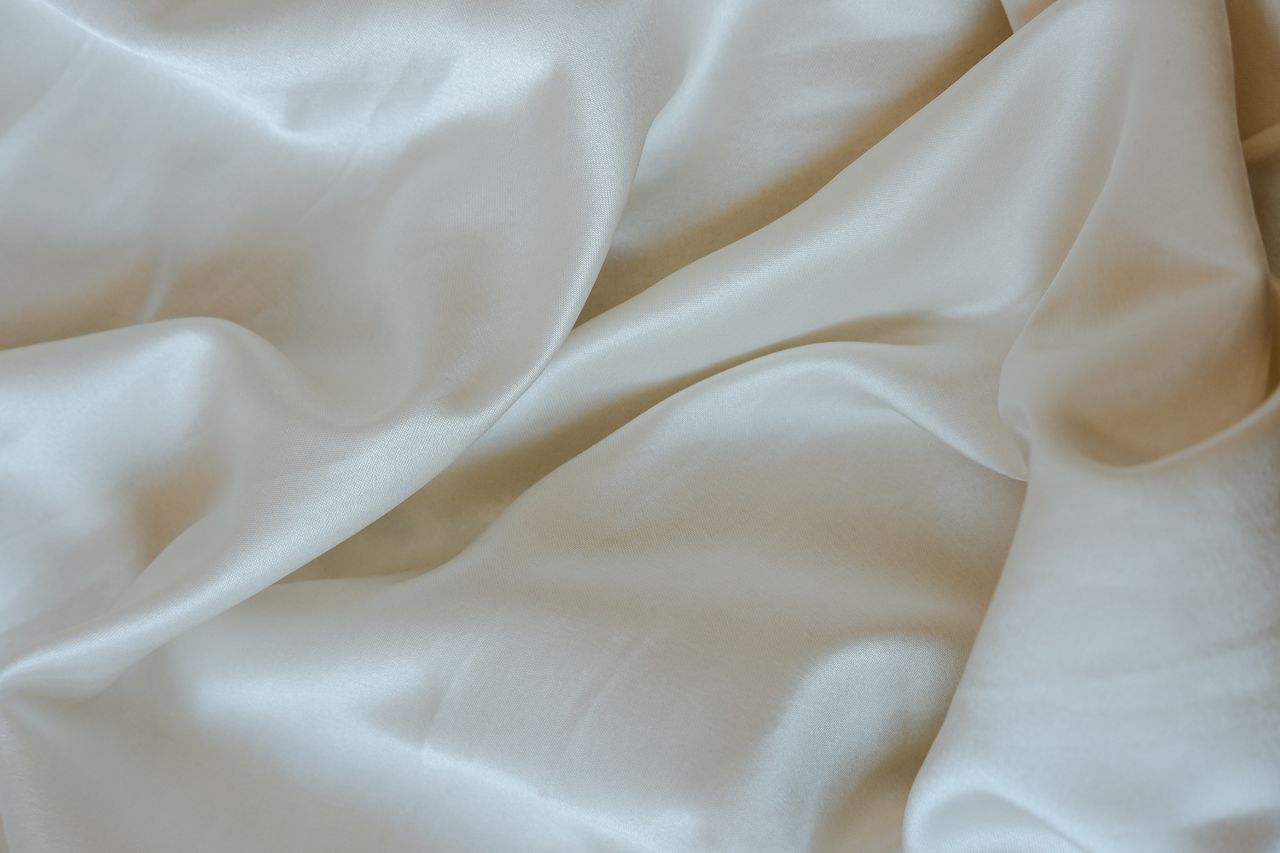
Photo via Pexels
Table of Contents
- 1. What It Actually Is
- 2. Look for Mulberry Silk
- 3. Understand Momme Weight
- 4. Why Hot Sleepers Love It
- 5. Good News for Sensitive Skin
- 6. Silk vs Down: The Honest Comparison
- 7. Great for Summer, Fine for Winter
- 8. Washing Rules That Protect Your Money
- 9. Cover vs Insert: Buy Smart
- 10. The Honest Price Talk
1. What It Actually Is

Photo: Smriti tripathi via Wikimedia Commons
Inside one is a soft batting made from silk fibres, usually from silkworm cocoons, stitched between two cotton or silk shell layers. It feels smooth and drapes closely around your body instead of puffing up like down. The colourful dupioni silk in the photo shows the fibre in fabric form — your duvet filling is the same material, just processed into a soft, even layer.
Do not confuse a silk-filled duvet with a satin or "silky" duvet cover. Many products labelled silky are 100 percent polyester. Check the filling label: it should state a silk percentage, ideally 100 percent silk filling, not just a silk-feel cover.
2. Look for Mulberry Silk

Photo via Pexels
Mulberry silk comes from silkworms fed only on mulberry leaves, and it produces the longest, smoothest, most even fibres. It is the gold standard for bedding, and most quality duvets in Canada use it. Cheaper tussah or wild silk has shorter fibres that can feel slightly rougher and pill faster.
The label should say "100% mulberry silk filling." If it just says "silk" with no type, or lists a silk blend with polyester, you are not getting the real thing. Reputable sellers state the silk grade too — grade A or 6A is top quality.
3. Understand Momme Weight

Photo via Pexels
Momme (pronounced "mommy") measures silk fabric density, and for duvet shells, 19 to 25 momme is the sweet spot. Below 16 momme the shell tears easily; above 25 you are paying for durability you will barely notice in a duvet that lives inside a cover. Think of it like thread count, but honest.
For the filling itself, look at GSM (grams per square metre) instead: around 150 GSM suits summer, 200 to 250 GSM covers spring and autumn, and 300+ GSM handles winter. Many Canadians buy a mid-weight and layer a blanket on top in January.
4. Why Hot Sleepers Love It
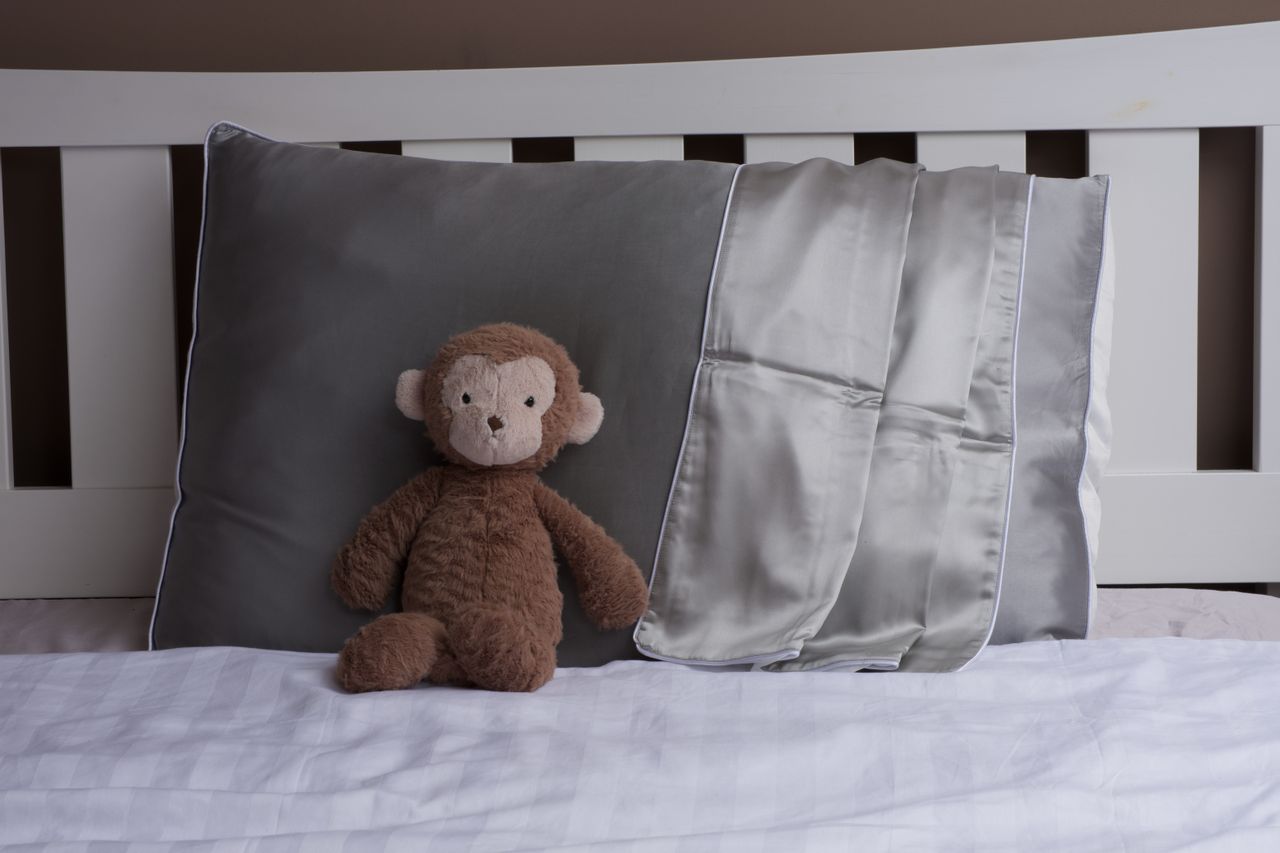
Photo via Pexels
Silk fibres are naturally temperature-regulating: they wick moisture away and let heat escape, so you do not wake up clammy. Hot sleepers — the ones who kick off the duvet at 2 a.m. even in winter — often do better under silk than under down, which traps heat aggressively.
This does not mean silk is cold. It holds a comfortable warmth without the sauna effect, which is why it works year-round. If your bedroom sits around 18 to 20°C, a mid-weight one usually feels just right on its own.
5. Good News for Sensitive Skin

Photo via Pexels
Silk is naturally hypoallergenic: dust mites and mould dislike it, and its smooth fibres cause less friction against skin than cotton. People with eczema, sensitive skin or dust-mite allergies often notice fewer flare-ups after switching, though results vary person to person.
One honest caveat: silk does not replace allergy medication or a mite-proof mattress cover if your allergies are severe. Think of it as a helpful layer in a broader routine. Pairing it with a silk pillowcase, like the smooth grey one pictured, gives your face the same low-friction benefit.
6. Silk vs Down: The Honest Comparison

Photo via Pexels
Down is warmer for its weight and cheaper at the low end, but it needs regular fluffing, can leak feathers, and bothers allergy sufferers. Silk drapes rather than lofts, stays evenly distributed without shaking, and never pokes you with a stray quill at midnight.
Choose down if maximum warmth per dollar is the goal and allergies are not an issue. Choose silk if you sleep hot, dislike maintenance, or want even warmth without bulk. For a bedroom that feels as calm as it sleeps, our warm, aesthetic cosy bedroom ideas pair beautifully with either.
7. Great for Summer, Fine for Winter

Photo via Pexels
In summer, a light 150 GSM silk fill feels cool and barely-there — ideal for humid Toronto or Vancouver nights when down feels stifling. The smooth shell in the photo shows how the fabric lies flat and breathes against your skin instead of trapping a pocket of hot air.
In a Canadian winter, one alone may not be enough if your bedroom drops below 16°C. The fix is simple: add a wool blanket or quilt on top rather than buying a second duvet. Layering also lets you adjust night by night, which a single heavy duvet cannot do.
8. Washing Rules That Protect Your Money
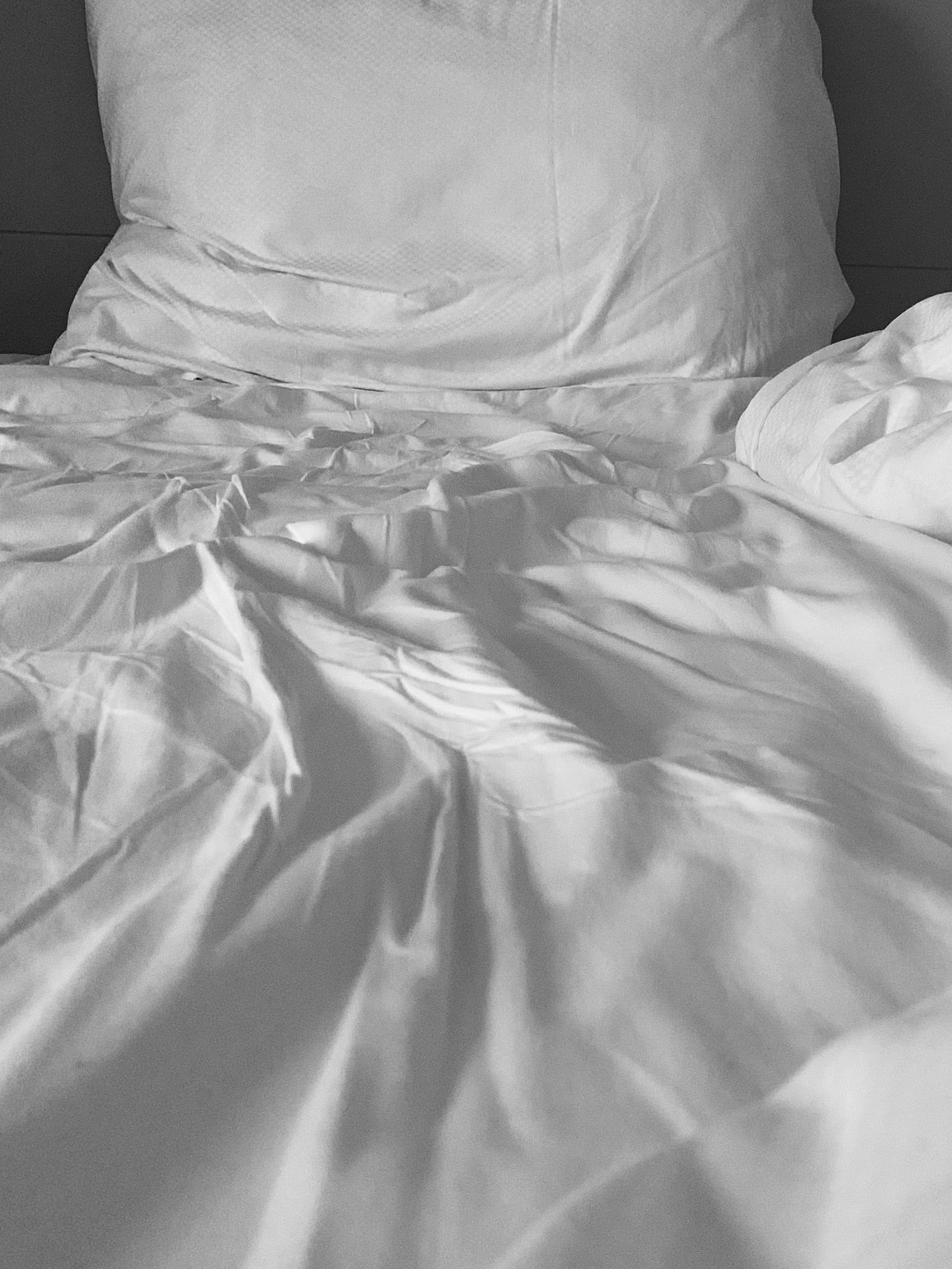
Photo via Pexels
Never machine-wash one unless the label explicitly allows it — agitation and heat destroy the fibres. Most need professional dry cleaning once a year, or simple airing: hang the duvet outside or by an open window for a few hours every couple of months, avoiding direct midday sun.
Daily care is easy: always use a duvet cover, and shake the duvet out each morning so moisture evaporates. Spot-clean small marks with a damp cloth and mild soap. Treat it gently and a good one lasts 10 to 15 years, which changes the price math considerably.
9. Cover vs Insert: Buy Smart

Photo via Pexels
In Canada, "duvet" usually means the insert (the fluffy part), while the washable outer layer is the duvet cover. Always buy a cover — washing a $400 insert is risky, but washing a $60 cover is trivial. Cotton covers breathe best; silk covers feel luxurious but add cost and care.
Match the cover size exactly to the insert: a queen insert in a king cover will bunch up and feel lumpy. Check the corner ties too — good inserts have loops that tie to the cover's corners so nothing shifts overnight. For the frame underneath it all, see our types of bed frames guide.
10. The Honest Price Talk
Photo via Pexels
Expect to pay $250 to $600 CAD for a genuine queen-size mulberry silk fill from a reputable seller. Below $150, you are almost certainly looking at a silk blend or a "silky" polyester imitation. Above $700, you are paying for brand name or extreme GSM rather than better sleep.
Spread over a realistic 12-year lifespan, a $400 duvet costs about $33 a year — less than most people spend on coffee in a month. Buy from sellers with clear return policies, and be wary of marketplace listings with no stated silk grade. A calm, collected bedroom like our farmhouse winter bedroom ideas deserves bedding you only buy once.
Frequently Asked Questions
Is a silk duvet worth the money?
If you sleep hot, have sensitive skin or hate fluffing down, yes — the comfort and 10-plus-year lifespan justify the price. If you just want maximum warmth cheaply, a good down or wool duvet costs less.
Can you wash one at home?
Usually not. Most need dry cleaning or simple airing. Always use a duvet cover, shake it out daily, and follow the care label exactly — heat and agitation ruin silk fibres.
Is silk warmer than down?
No — down insulates more per gram. Silk's advantage is temperature regulation: it keeps you comfortable across a wider range without overheating, and it never needs fluffing.
Do they help with night sweats?
They help many people, because silk wicks moisture and breathes well. Severe night sweats can have medical causes though, so see a doctor if it is persistent.
What is the difference between mulberry and tussah silk?
Mulberry silk has longer, smoother, more uniform fibres and is the premium choice for bedding. Tussah (wild) silk is coarser, cheaper, and more prone to pilling.
Final Thoughts
It is a comfort purchase, not a bargain purchase — and bought with open eyes, it is a lovely one. Check for 100 percent mulberry silk, a sensible momme and GSM for your climate, and a seller you trust.
If the price makes you hesitate, remember the per-year math and the decade-plus lifespan. Good bedding is the cheapest luxury there is: you use it every single night, and you feel the difference every single morning.
Sources
Gallery

Photo via Pexels

Photo via Pexels
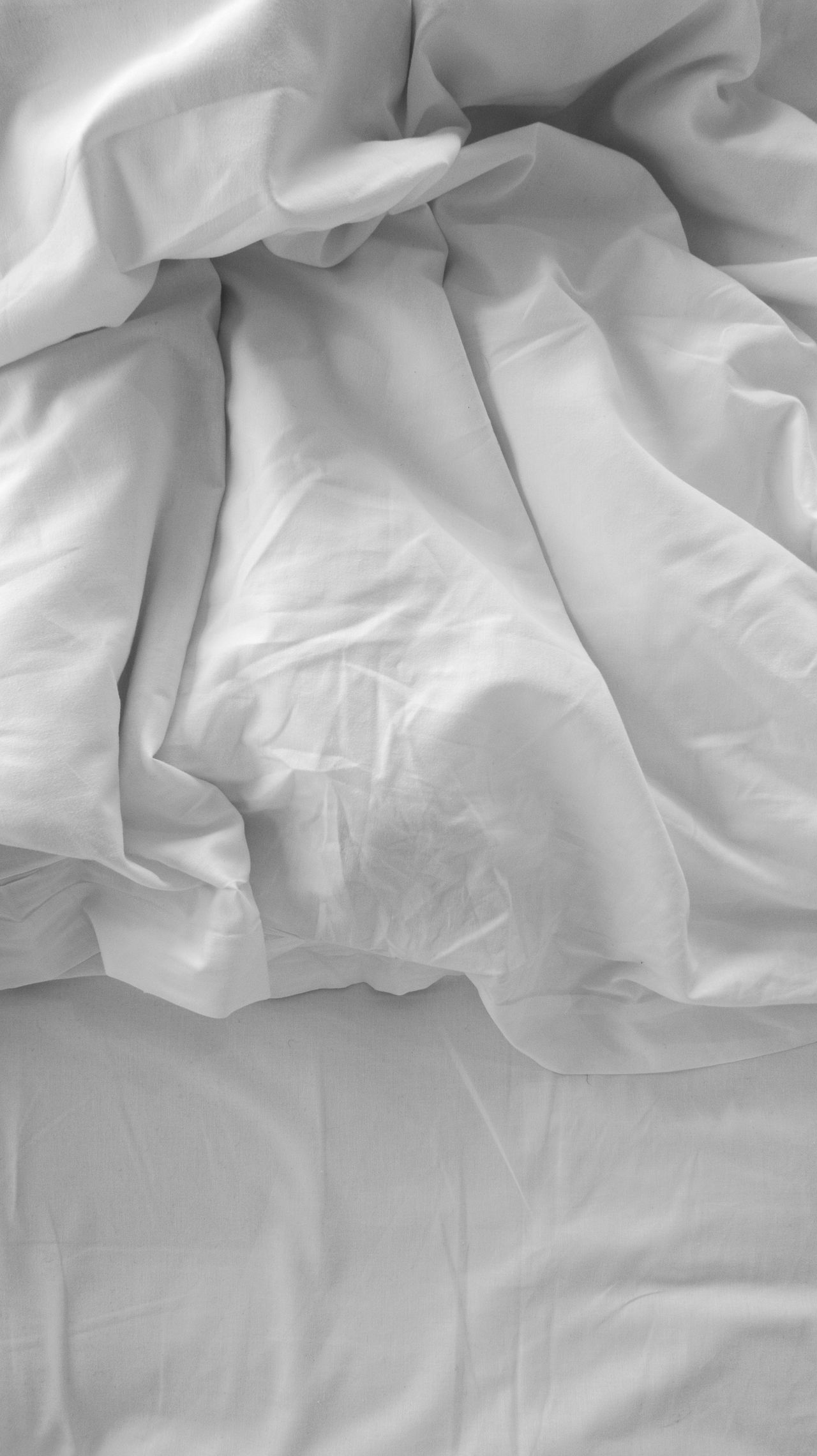
Photo via Pexels

No comments:
Post a Comment