A wool duvet is bedding filled with natural sheep's wool — warm, breathable and quietly brilliant at handling the damp cold of a Canadian winter. If you wake up clammy under down or chilly under synthetics, wool might be the middle ground you have been looking for.
This guide answers the ten questions shoppers ask most: how wool actually works while you sleep, which GSM weight suits your bedroom, honest prices in CAD, how to care for it, and who should think twice before buying.

Photo via Pexels
Table of Contents
- 1. What Wool Actually Does While You Sleep
- 2. Where the Wool Comes From
- 3. GSM: The Number That Matters
- 4. Why Wool Beats Down for Damp Sleepers
- 5. Moisture Control Without Overheating
- 6. Wool vs Synthetic: An Honest Look
- 7. The Allergy Question
- 8. How to Air and Care for It
- 9. What to Expect to Pay in Canada
- 10. Best for Cold Sleepers and Winter
1. What Wool Actually Does While You Sleep
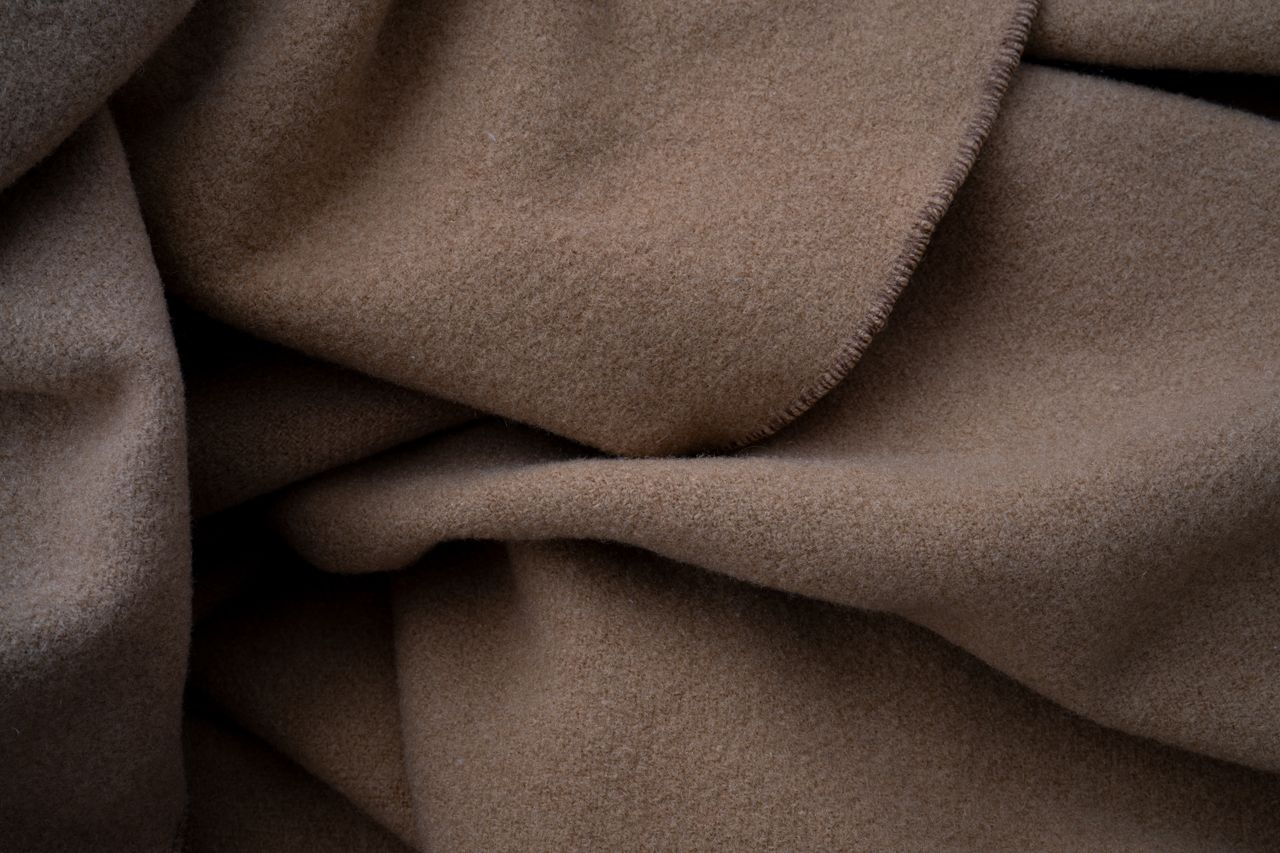
Photo via Pexels
Wool fibres are naturally crimped, and those tiny bends trap thousands of little air pockets that hold warmth around your body. At the same time, the fibres can absorb up to a third of their weight in moisture without feeling wet, pulling sweat away from your skin through the night.
This double act — insulating while breathing — is why wool feels warm but never clammy. Down insulates brilliantly but traps moisture; synthetics breathe but feel flat and lifeless. Wool sits in the sweet spot between the two, which matters most in bedrooms that swing between warm evenings and cold mornings.
2. Where the Wool Comes From

Photo: Fabio Pani via Wikimedia Commons
Most duvet wool comes from sheep raised for meat and wool in places like New Zealand, Australia and the UK, where the clip is graded, washed and carded into soft batting. British wool tends to be springier, while merino-rich blends feel softer against the skin. A few small Canadian makers now source domestic wool too.
Wool is also one of the most renewable bedding fills: sheep grow a new fleece every year, and the fibre breaks down naturally at the end of its life. If sustainability matters to you, look for certification labels like the Responsible Wool Standard on the packaging.
3. GSM: The Number That Matters

Photo via Pexels
GSM means grams per square metre — the weight of the filling — and it is the single most useful number when comparing duvets. Around 200 GSM suits summer or warm bedrooms, 300 to 400 GSM covers spring and autumn, and 400 to 500 GSM is proper winter weight for a cold Canadian bedroom.
Ignore vague words like "medium" or "cosy weight" and ask the seller for the GSM. Two duvets both labelled "winter weight" can differ by 150 GSM, which is the difference between comfortable and shivering at 3 a.m. When in doubt, buy the heavier option — you can always fold it back.
4. Why Wool Beats Down for Damp Sleepers
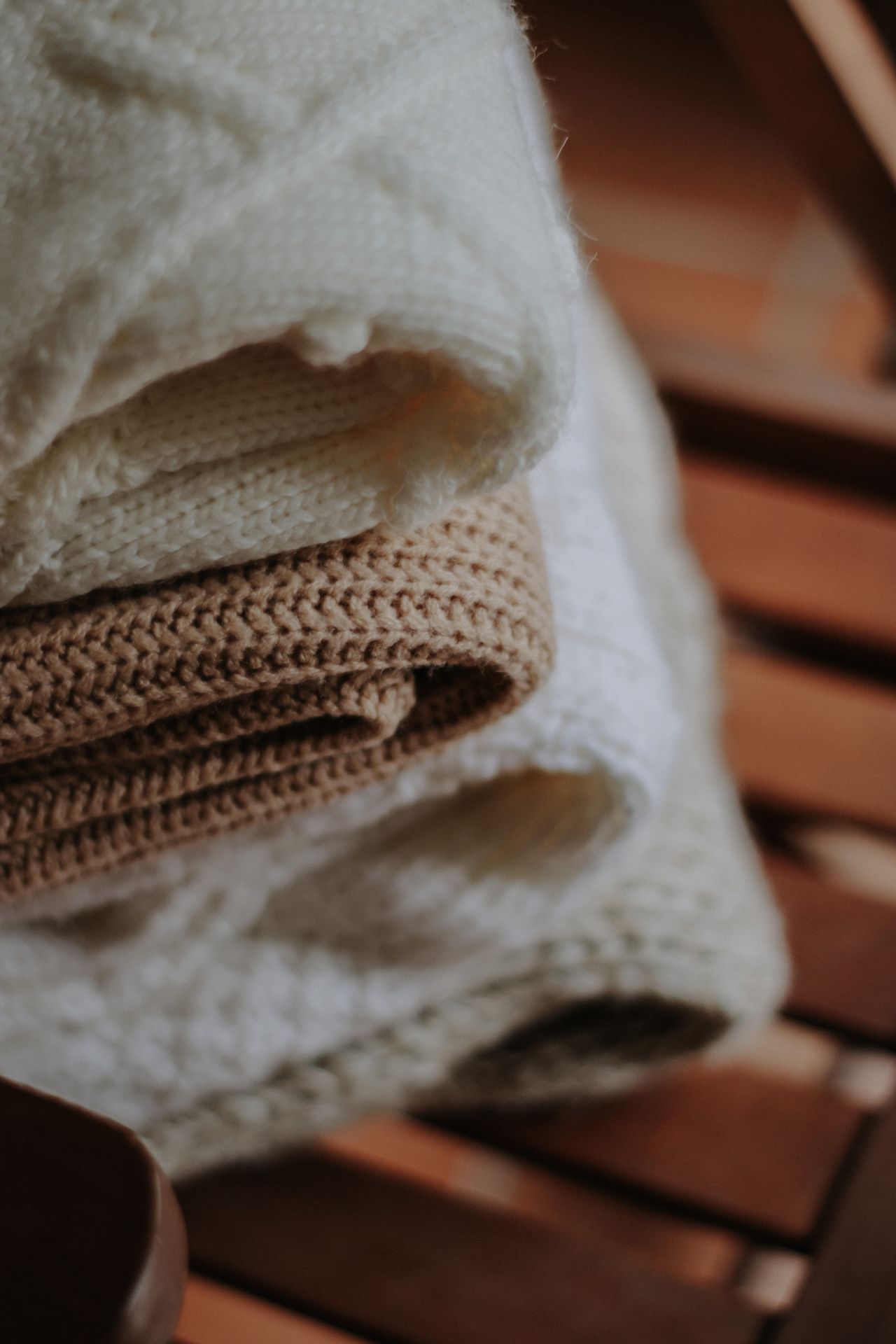
Photo via Pexels
Down loses its loft — and therefore its warmth — when it gets damp, which is exactly what happens on humid nights or with sweaty sleepers. Wool keeps insulating even when it has absorbed moisture, because the warmth lives in the fibre crimp, not in trapped air alone.
If you live somewhere humid like coastal BC or you simply run warm at night, this is wool's biggest selling point. You get steady, even warmth from bedtime to morning instead of the hot-then-cold cycle that damp down can cause. No nightly fluffing required either.
5. Moisture Control Without Overheating
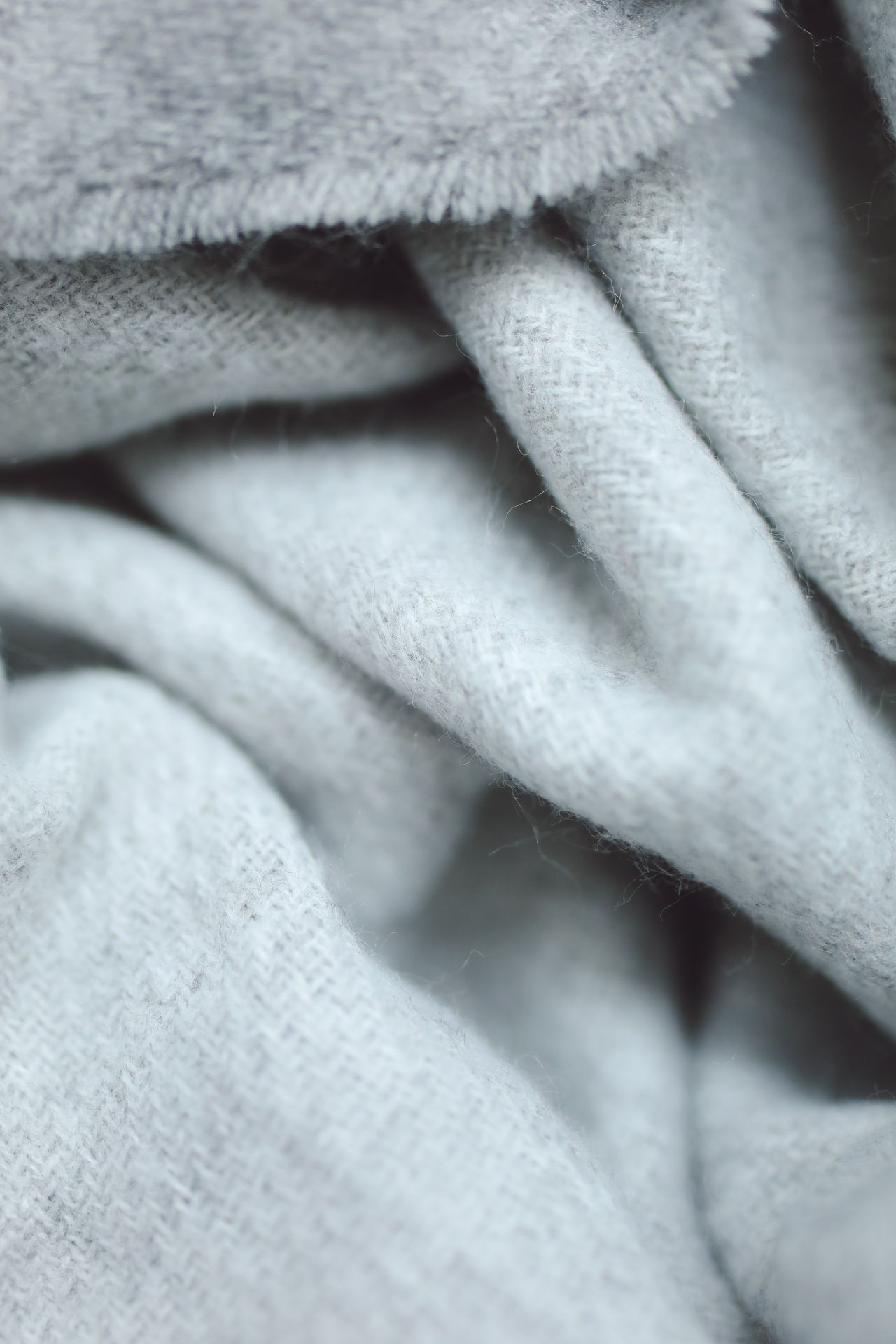
Photo via Pexels
Wool manages moisture in two stages: first the fibres absorb vapour, then they slowly release it as the air around you dries. This buffering effect smooths out temperature swings, so you do not get that sudden chill when sweat evaporates off your skin.
The practical result is fewer wake-ups. Many people who switch from synthetic duvets report sleeping through the night more often, simply because their microclimate stays steadier. It will not fix a bedroom that is genuinely too hot — turn the thermostat down first — but it handles normal sleep moisture beautifully.
6. Wool vs Synthetic: An Honest Look
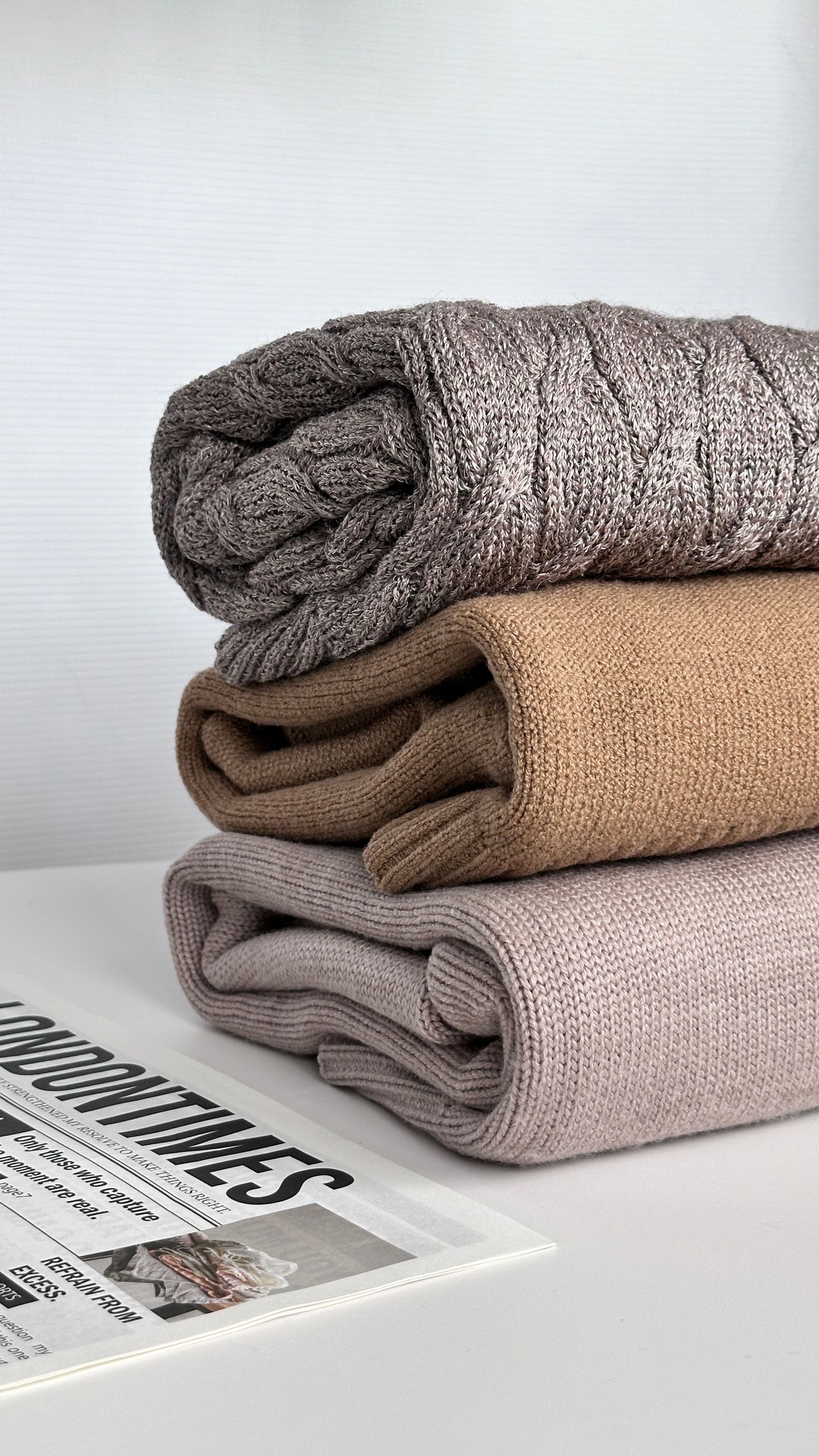
Photo via Pexels
Synthetic duvets win on price and washability — you can machine-wash most of them, and a queen costs $60 to $120 CAD. But they flatten within a couple of years, trap odours, and contribute microplastics with every wash. Wool costs three to five times more upfront and lasts three to five times longer.
Choose synthetic if the budget is tight right now or you need something you can throw in the washing machine monthly. Choose wool if you want bedding you buy once a decade. For styling the rest of the room around it, our farmhouse winter bedroom ideas lean into the same natural textures.
7. The Allergy Question
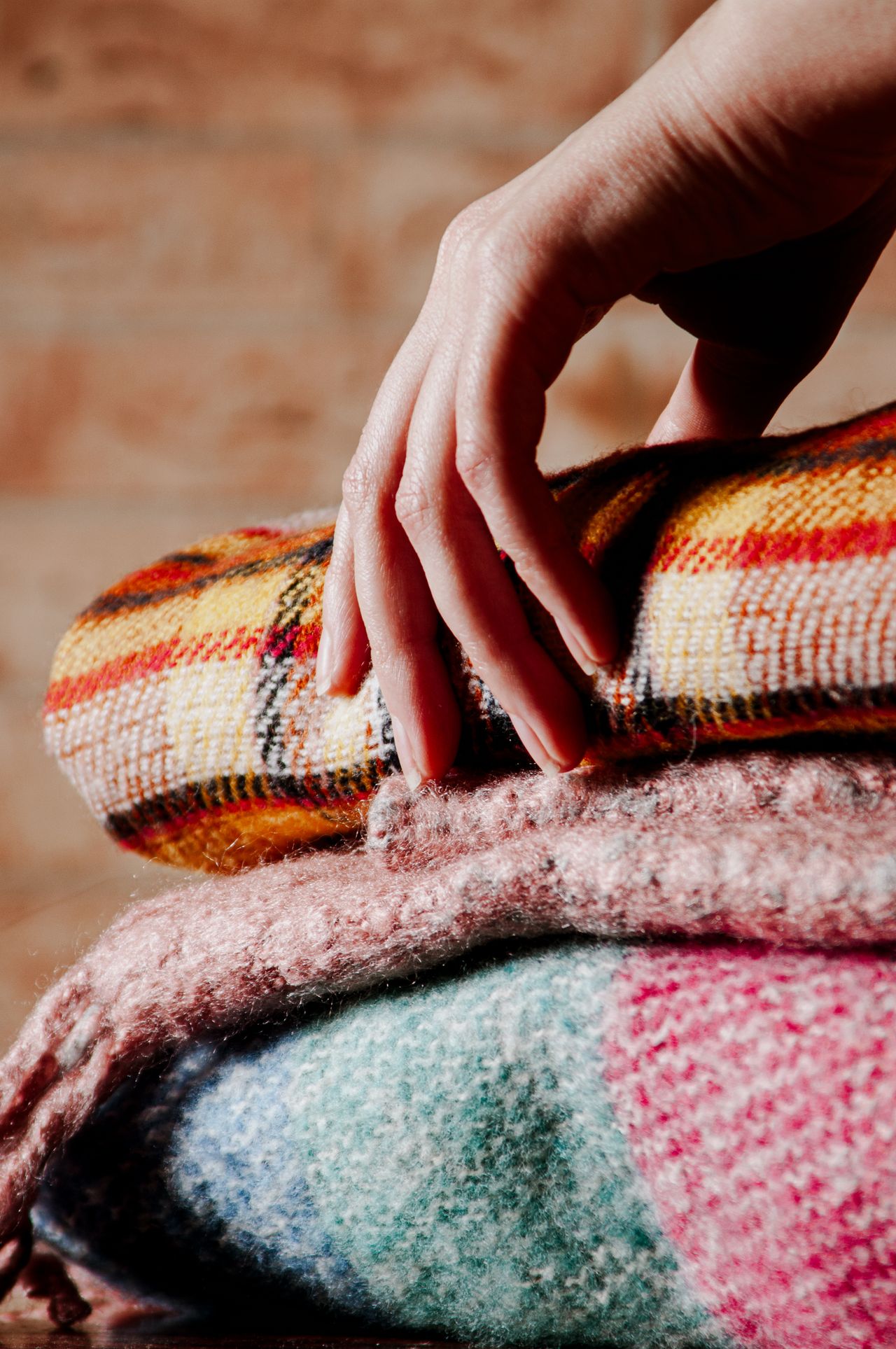
Photo via Pexels
Here is the myth to clear up: wool itself is rarely the allergen — most "wool allergies" are actually reactions to coarse fibres irritating the skin, or to dust mites living in old bedding. Quality duvet wool is washed, and dust mites dislike wool's moisture-managing environment.
That said, true wool allergy exists, though it is uncommon. If your skin prickles from wool sweaters, test a wool pillow first before committing to a duvet. And whatever you buy, use a washable duvet cover — it is the cover that collects most of the dust and skin cells anyway.
8. How to Air and Care for It
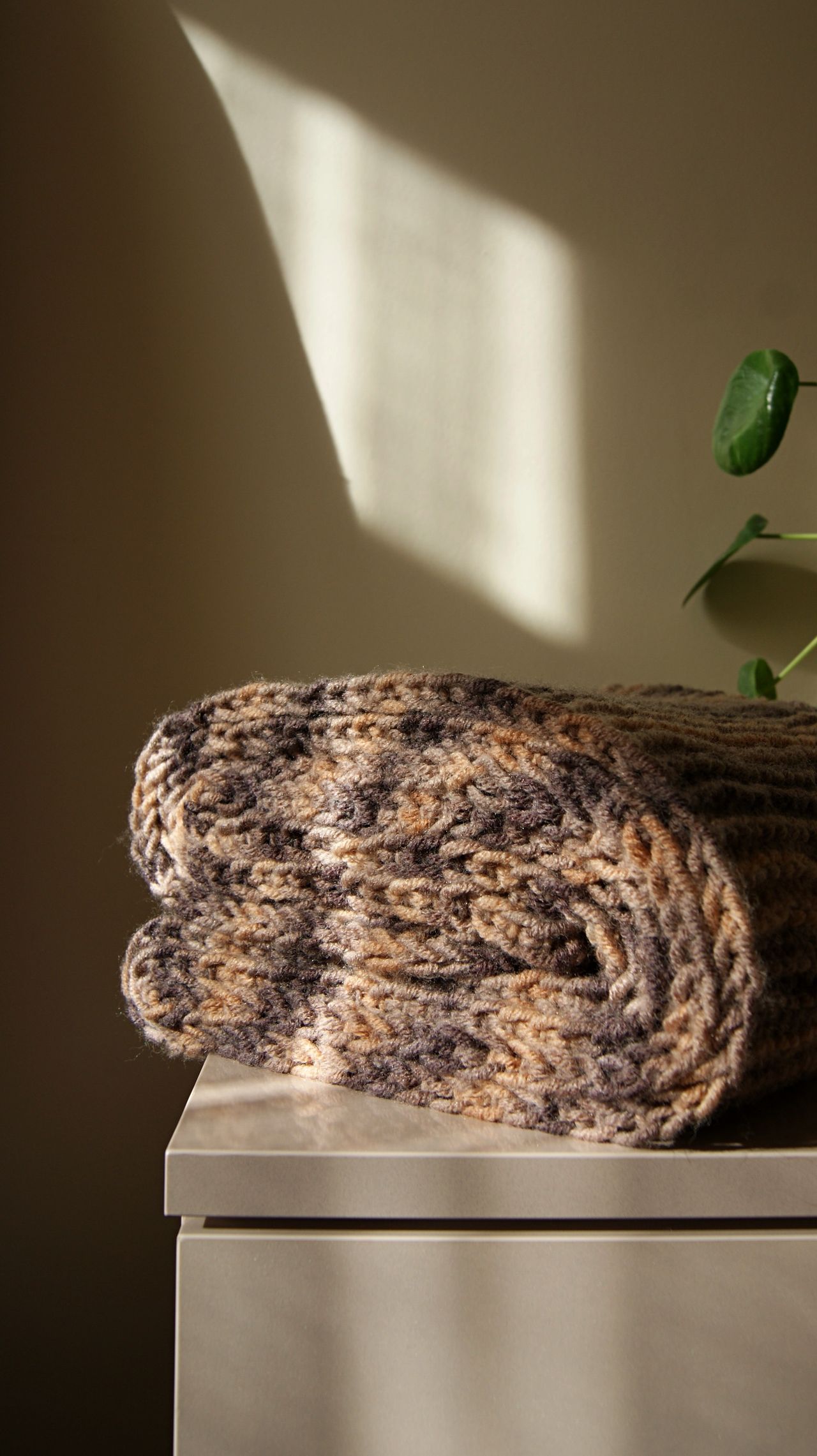
Photo via Pexels
Wool is wonderfully low-maintenance: hang your duvet over a railing or clothesline every few months and let fresh air do the work. Sunlight naturally freshens the fibres and discourages odours — a few hours in gentle morning sun, not harsh midday heat, is perfect.
Do not machine-wash it unless the label specifically allows it; most need professional cleaning only every few years, if ever. Always use a duvet cover, shake the duvet out each morning, and store it loosely in a breathable cotton bag over summer — never in plastic, which traps moisture.
9. What to Expect to Pay in Canada
Photo via Pexels
A good one in queen size typically costs $300 to $700 CAD, depending on GSM, wool origin and brand. Budget options around $200 exist but often use lower GSM or blended fills — check the label carefully. Premium British or New Zealand wool at 450+ GSM sits at the top of the range.
Spread over a realistic 10 to 15 year lifespan, even a $500 duvet costs about $40 a year. That is cheaper per year than replacing a $100 synthetic every two years, and you sleep better the whole time. Buy the heaviest GSM you can afford; you will not regret it in February.
10. Best for Cold Sleepers and Winter

Photo via Pexels
If you are the person who wears socks to bed from October to April, wool was made for you. A 450 GSM fill keeps cold sleepers genuinely warm without the weight of five blankets, and it stays warm even in a bedroom kept at a thrifty 17°C overnight.
Pair it with flannel sheets and a warm warm aesthetic cosy bedroom setup — layered textures, soft lighting, draft-free windows — and winter nights become something to look forward to. Our cosy fall bedroom decor ideas show how to build that layered look.
Frequently Asked Questions
Is a wool duvet warmer than down?
Gram for gram, down insulates slightly more — but wool stays warm when damp and regulates temperature better, so many people feel more comfortable under wool through the whole night.
Can you wash one at home?
Usually not. Air it regularly, always use a duvet cover, and have it professionally cleaned every few years if needed. Machine washing can shrink and felt the fibres.
Does wool bedding smell like sheep?
Quality duvet wool is thoroughly washed and should smell neutral. A faint natural scent when new is normal and fades within days of airing.
Is wool good for summer too?
Yes, at a lighter GSM around 200. Wool breathes and releases heat, so a summer-weight one works better than down in warm weather.
How long does it last?
With a cover and regular airing, 10 to 15 years is realistic — roughly three times the life of a synthetic duvet.
Final Thoughts
Wool bedding rewards the buyer who does a little homework: check the GSM, confirm the wool content on the label, and buy from a seller who answers questions clearly. Get those three right and you will own a duvet that handles Canadian winters with quiet confidence.
It costs more than synthetic and asks a little more care, but a decade of steady, breathable warmth is a fair trade. Your future self, warm at 3 a.m. in February, will thank you.
Sources
Gallery
Photo via Pexels
Photo via Pexels
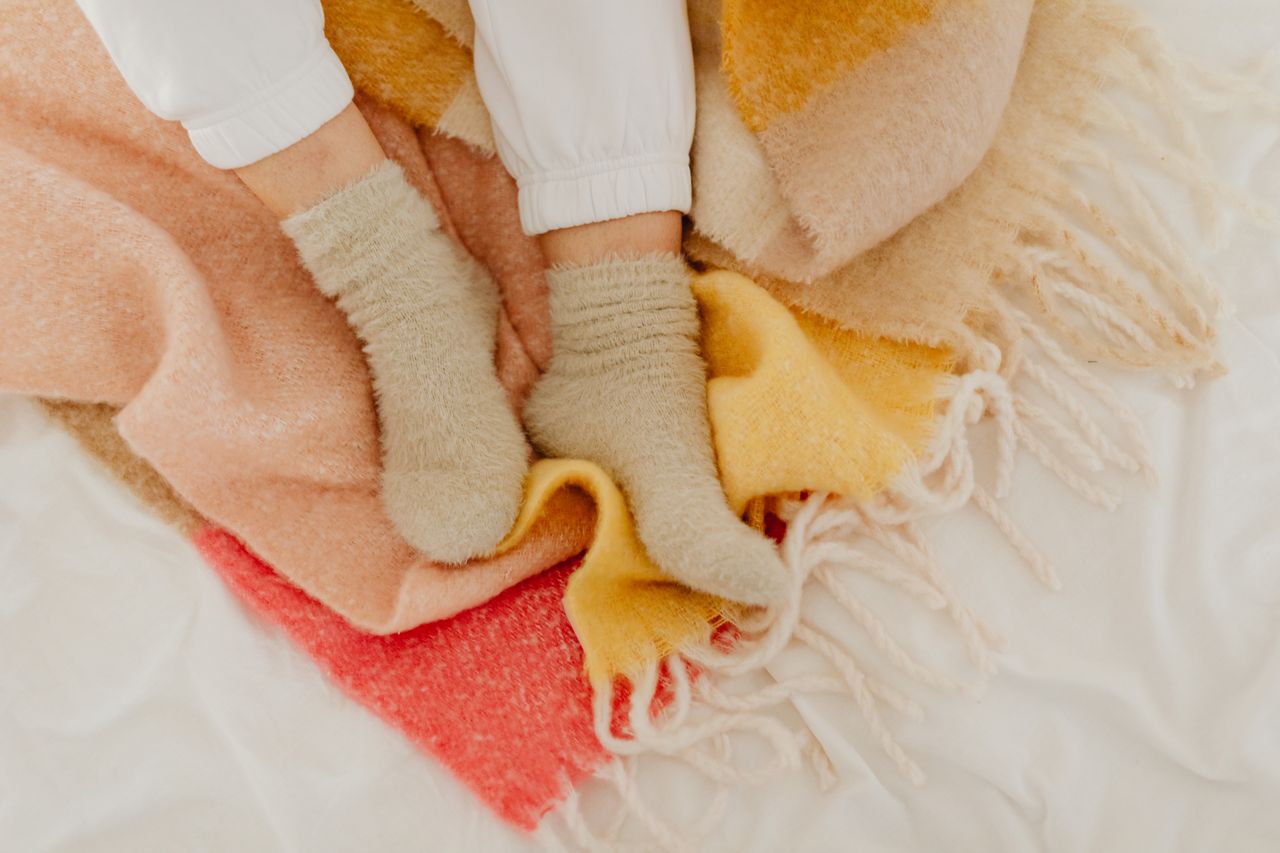
Photo via Pexels

No comments:
Post a Comment