Putting a rug on top of carpet might sound odd, but designers do it all the time. It is one of the easiest ways to add pattern, define a seating area, or cover rental carpet you did not choose.
The trick is making it look intentional instead of accidental. These 10 ideas cover sizing, pads, texture, and the few cases where you should skip the layer entirely.

Photo via Wikimedia Commons
Table of Contents
- 1. Yes, It Is a Real Designer Trick
- 2. Start With Low, Firm Carpet
- 3. Use a Carpet-to-Carpet Pad
- 4. Contrast Texture and Pattern
- 5. Size the Top Rug With Confidence
- 6. Anchor It With Furniture
- 7. Hide Stains and Worn Spots
- 8. Define Zones in Open Rooms
- 9. Keep Both Layers Clean
- 10. When to Skip the Layer
1. Yes, It Is a Real Designer Trick
Layering a rug over carpet is not a faux pas; it is a standard designer move. It adds warmth, introduces pattern, and protects high-traffic areas of the carpet underneath from wearing out first.
Renters love it most, since it disguises builder-grade beige carpet without a single permanent change. If you are renting, our guide to how to furnish a small apartment has more renter-friendly layering ideas.

Photo via Wikimedia Commons
2. Start With Low, Firm Carpet
Layering works best over low-pile, firm carpet. A flat, tight base gives the top rug a stable platform, while deep plush carpet lets the rug sink, shift, and ripple underfoot.
If your carpet is thick and soft, choose a heavier top rug with some structure, or accept that you will need a pad and furniture anchors to keep everything in place.

Photo via Wikimedia Commons
3. Use a Carpet-to-Carpet Pad
A rug placed directly on carpet will creep and ripple over time as the two surfaces slide against each other. A carpet-to-carpet pad, made specifically for this job, grips both layers and keeps the top rug flat.
The pad also protects the carpet underneath from premature wear where the rug's backing rubs. Cut it slightly smaller than the top rug so no edge peeks out.
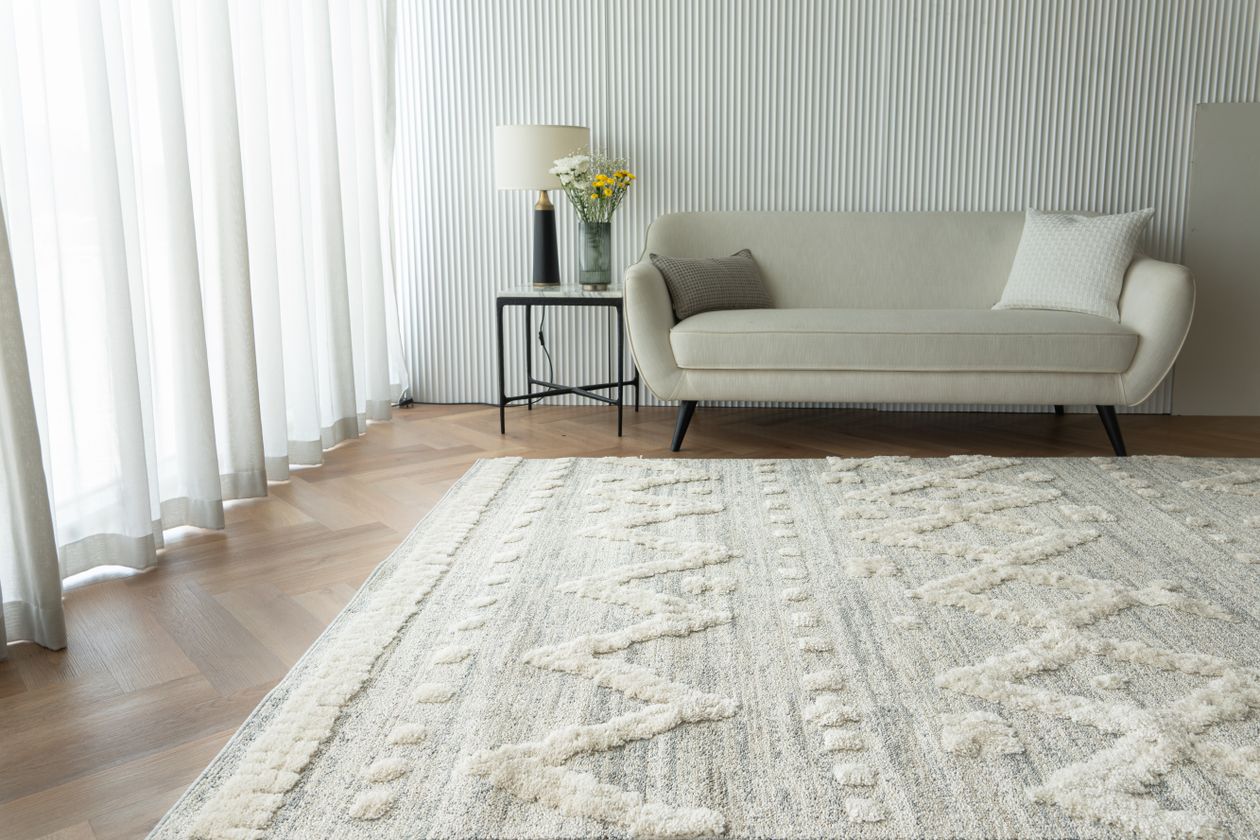
Photo via Pexels
4. Contrast Texture and Pattern
The fastest way to make the layer look deliberate is contrast. Pair a flat, neutral carpet with a top rug that brings something different: a bold Persian pattern, nubby jute texture, or a strong color.
If the carpet already has a pattern, go the other way: a solid or subtly textured top rug in a complementary tone. Two competing patterns just look busy.

Photo via Wikimedia Commons
5. Size the Top Rug With Confidence
Do not undersize the top layer. A small rug floating in the middle of a carpeted room looks like a bath mat, so go big enough to sit under the front legs of your seating at minimum.
In living rooms that usually means 8x10 or larger. The rug should read as a deliberate zone, not an afterthought, with a clear border of carpet showing around it.

Photo via Pexels
6. Anchor It With Furniture
Furniture is the best anti-slip device you own. Place the sofa, coffee table, or at least two heavy pieces with legs on the top rug, and it will barely move even without a pad.
This also visually locks the layer into the room's layout. A rug with furniture on two opposite sides reads as the foundation of the seating group, and a soft accent like a round leather pouf ottoman on top completes the zone.

Photo via Wikimedia Commons
7. Hide Stains and Worn Spots
Here is the most practical reason to layer: a well-placed rug hides the stain, bleach spot, or traffic lane you cannot unsee. Position the rug so the damage sits well inside its borders, not peeking out at the edge.
A dense, multicolored pattern is the best camouflage, since it breaks up outlines and disguises future mishaps too. This trick has saved many a security deposit.

Photo via Wikimedia Commons
8. Define Zones in Open Rooms
In an open-plan space with wall-to-wall carpet, a top rug carves out visual zones: this is the living area, that is the reading corner. Without it, one big carpeted expanse can feel shapeless.
Let each zone's rug relate to its furniture group in size and style, and keep a walkway of bare carpet between zones. For more on pulling a room together, see our living room wall decorating ideas.

Photo via Wikimedia Commons
9. Keep Both Layers Clean
Two layers mean twice the dust trap, so vacuum the top rug regularly and lift it a few times a year to vacuum the carpet beneath. Grit caught between the layers acts like sandpaper on both.
A low-pile top rug makes this chore far easier than a shaggy one. Shake smaller rugs outside when you can; your vacuum and your allergies will thank you.

Photo via Wikimedia Commons
10. When to Skip the Layer
Layering is not for every room. Skip it in tight hallways where the extra height becomes a trip hazard, on stairs, and over very thick carpet where nothing stays put.
Also skip it if you simply do not love the look. Your home should feel like you, and a single great carpet with no layer is always better than a layer you resent.
Photo via Pexels
Can you put a rug on top of carpet in a rental?
Absolutely. It is one of the best renter tricks: no permanent changes, and it covers carpet you did not choose while protecting it from further wear.
Do I need a rug pad between a rug and carpet?
Yes, a carpet-to-carpet pad is strongly recommended. It stops rippling and sliding and protects the carpet underneath from friction wear.
What kind of rug works best over carpet?
Low-pile rugs with some weight and structure work best. They stay put, vacuum easily, and do not add a trip-hazard lip at the edges.
Will a rug damage the carpet underneath?
It can cause friction wear over time without a pad. With a proper pad and occasional vacuuming beneath, the carpet usually fares better than without the rug.
Can you layer a rug over a patterned carpet?
Yes, but choose a solid or subtly textured top rug. Two bold patterns competing will make the room feel chaotic rather than layered.
Final Thoughts
A rug over carpet is a legitimate, designer-approved move when you do it with intent: firm low carpet below, a contrasting rug on top, a proper pad between, and furniture anchoring the whole thing.
Start with one room and live with it for a week. If the layer stays put and the room feels richer, you have your answer, and a rental carpet you once hated might just become the perfect neutral base.
Sources
- Ideal Home: Can You Put a Rug on Carpet?
- Baltimore Chronicle: How to Layer Rugs Like a Designer in 2026
Gallery

Photo via Wikimedia Commons
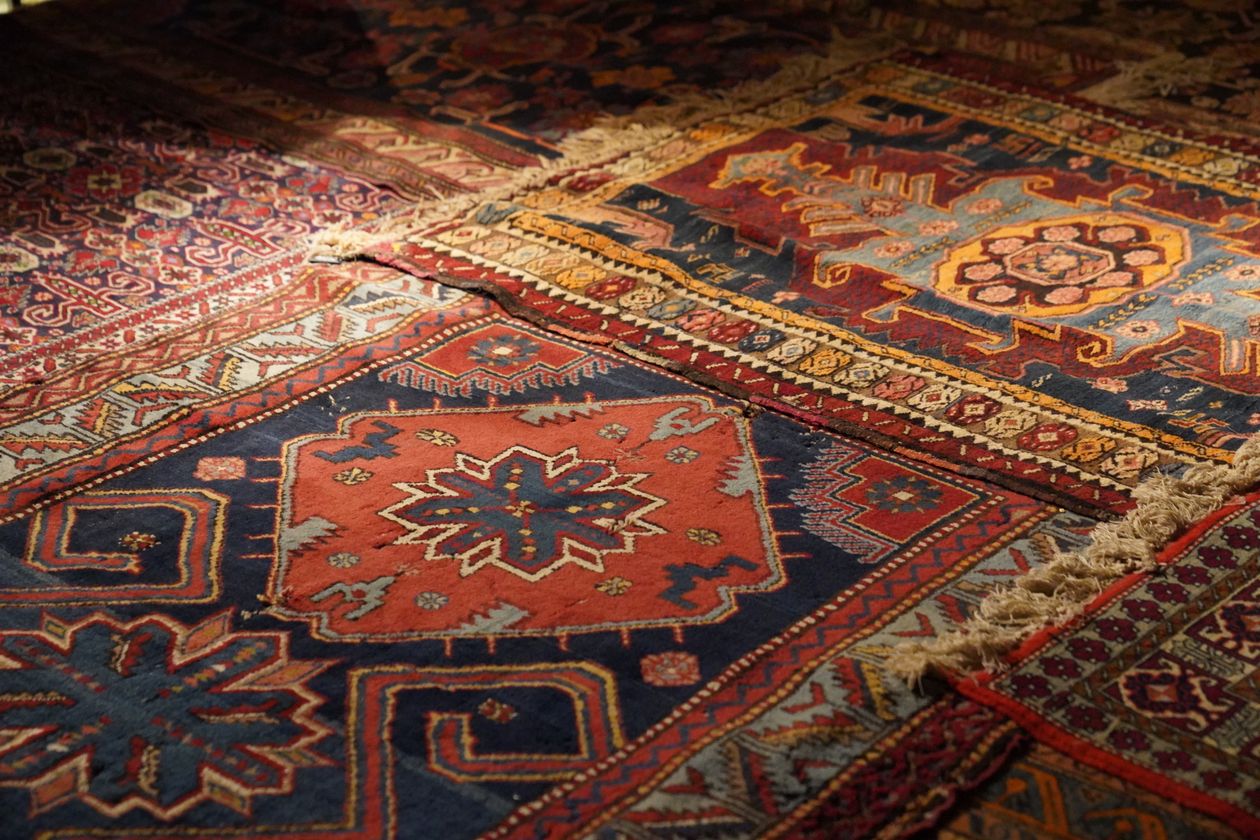
Photo via Pexels
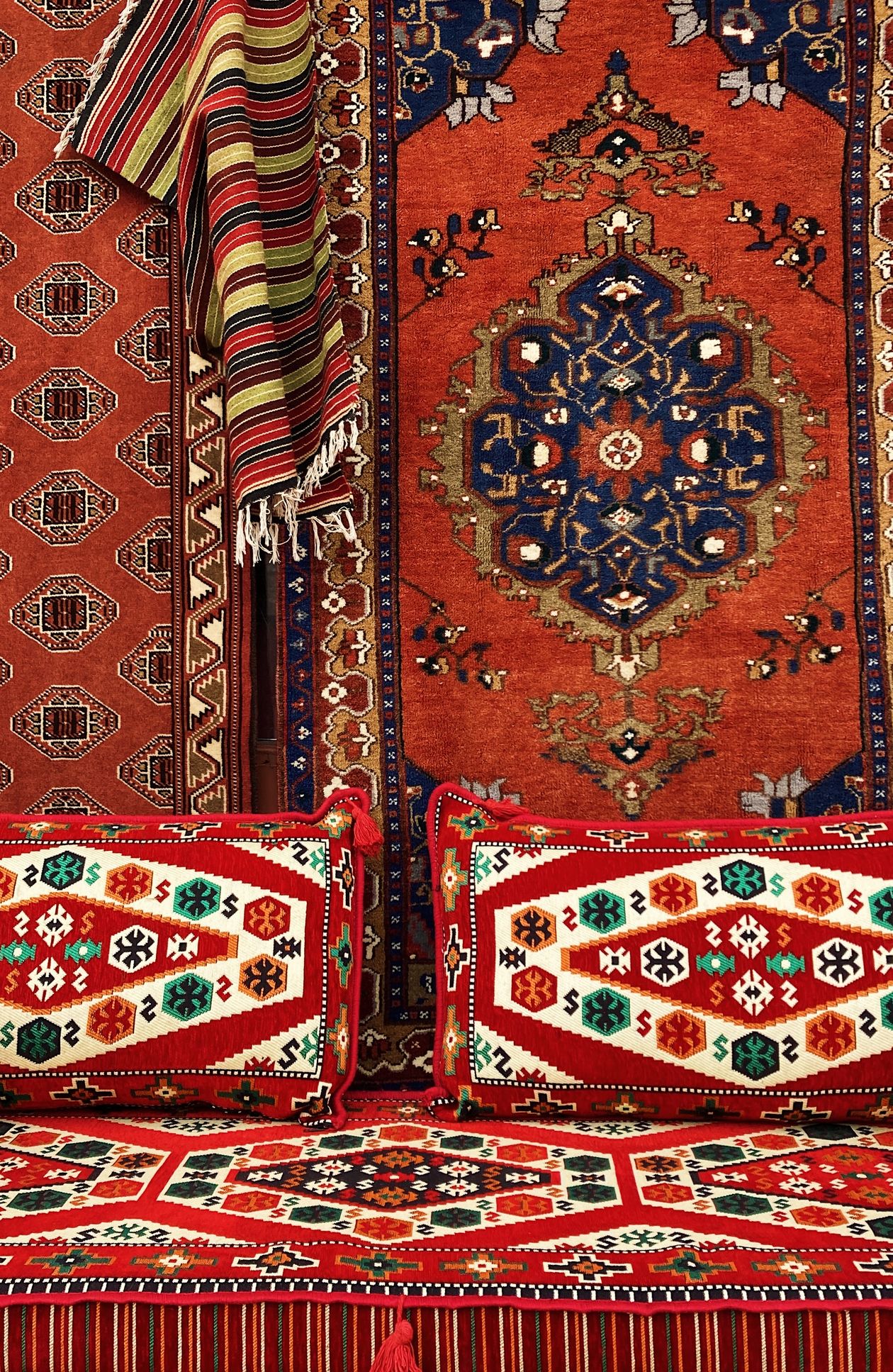
Photo via Wikimedia Commons

No comments:
Post a Comment