Bees, butterflies, moths, and hummingbirds do quiet work in every American yard, moving pollen from flower to flower so plants can make fruit and seed. When you build a bee-friendly yard, you are not just adding color. You are giving these visitors food, water, and a safe place to rest, right outside your door. The good news is that you do not need a big yard, a big budget, or years of gardening skill to help, and these pollinator garden ideas work even in a single sunny bed or a few pots on a balcony.
Start small and keep it simple. Pick a sunny spot, choose plants that grow well in your part of the country, and plan for flowers from spring through fall. Then add water, skip harsh sprays, and leave a little wild corner for nesting. In this guide, you will find ten practical steps, with real plant names and easy care tips, so you can turn any yard, patio, or balcony into a welcoming stop for bees and butterflies.
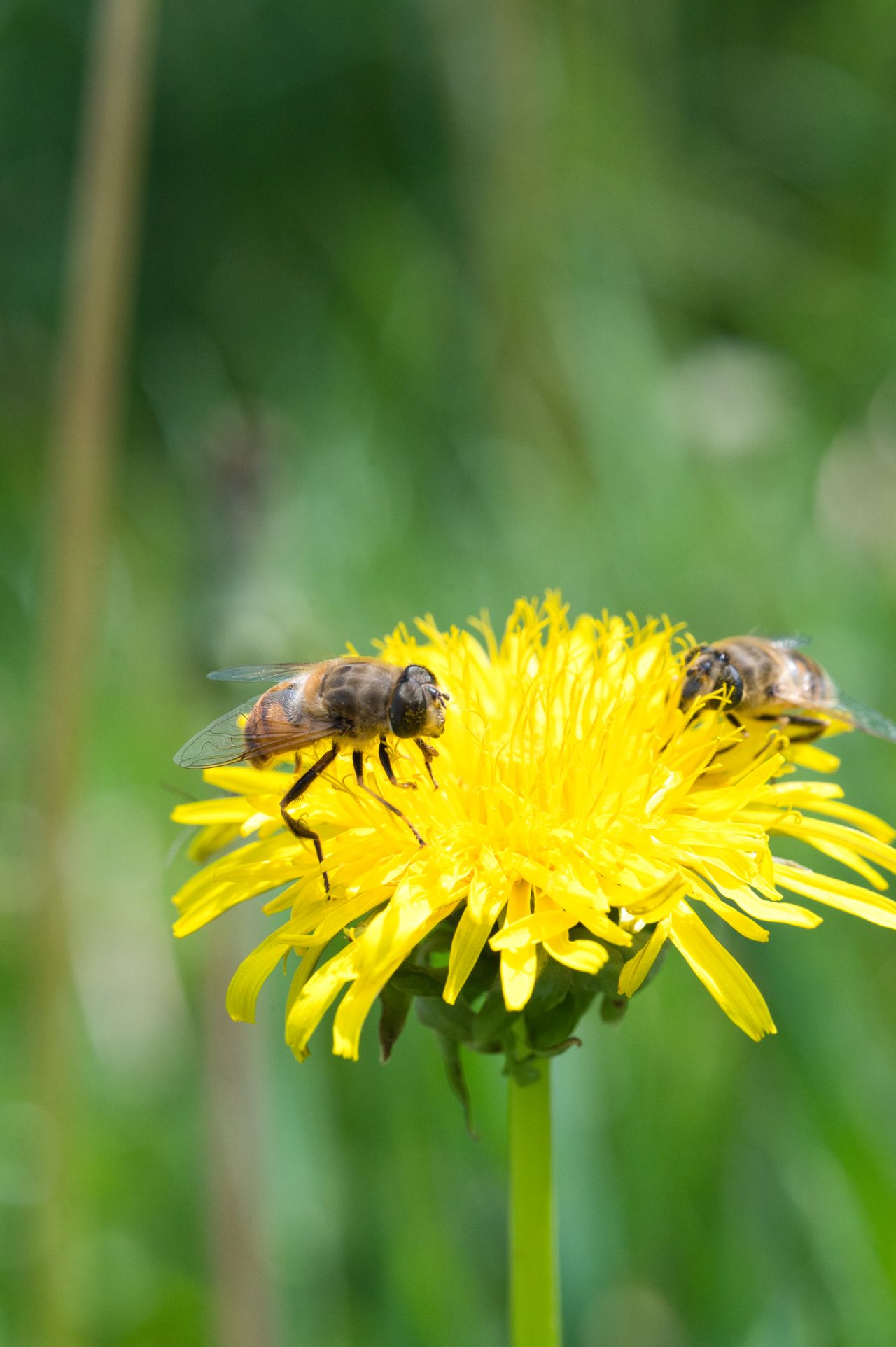
Table of Contents
- 1. Start With Native Plants Close to Home
- 2. Plant Milkweed for Monarch Butterflies
- 3. Plan Blooms From Spring Through Fall
- 4. Add a Shallow Water Spot
- 5. Build a Simple Bee Hotel
- 6. Skip Sprays and Go Pesticide-Free
- 7. Grow in Pots and Small Spaces
- 8. Let Herbs Flower for Extra Food
- 9. Keep Fall Flowers for Late Visitors
- 10. Leave Stems and Leaves Over Winter
- Frequently Asked Questions
- Final Thoughts
1. Start With Native Plants Close to Home
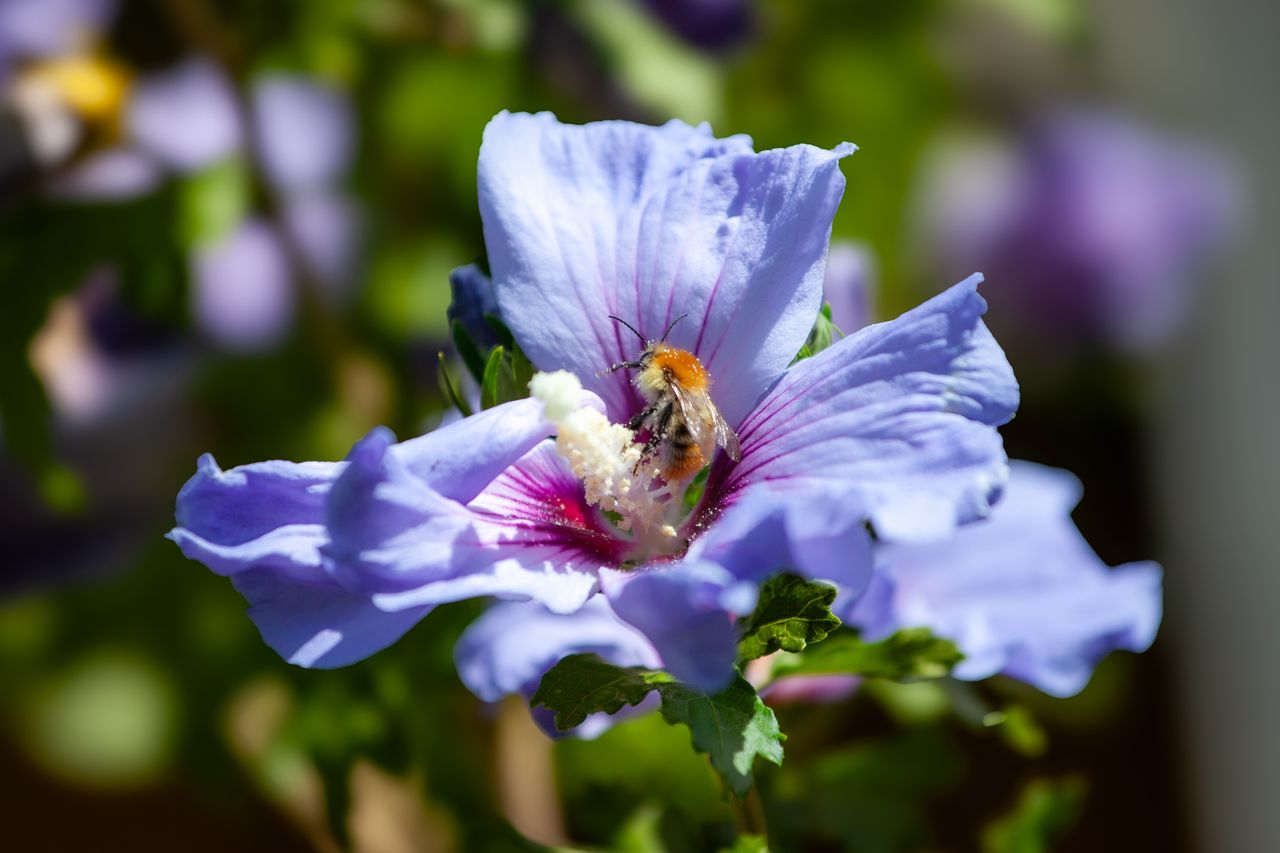
Native plants are the easiest place to start, because they already suit your local soil, rain, and weather. In the Midwest, purple coneflower, black-eyed Susan, bee balm, and blazing star are strong, reliable choices. In the Northeast, try New England aster, Joe-Pye weed, and wild bergamot. In the Southeast, blanket flower, coreopsis, and salvia handle heat well, while gardeners in the dry West often do well with penstemon, lavender, and native sages. Buy from a local nursery when you can, and ask whether the plants were grown without systemic insecticides, so you do not bring home a plant that harms the very insects you want to feed.
Plant in groups of three to five of the same kind, rather than one plant here and one plant there. A block of color is much easier for a bee to spot from the air, and it lets her fill up without wasting energy flying between single flowers. Give most of these plants at least six hours of sun a day, space them about 12 to 18 inches apart so air can move between them, and water deeply for the first few weeks until the roots settle in. When you plan the shape of your bed, these flower bed ideas can help you lay out a border that looks tidy while still feeding wildlife.
2. Plant Milkweed for Monarch Butterflies
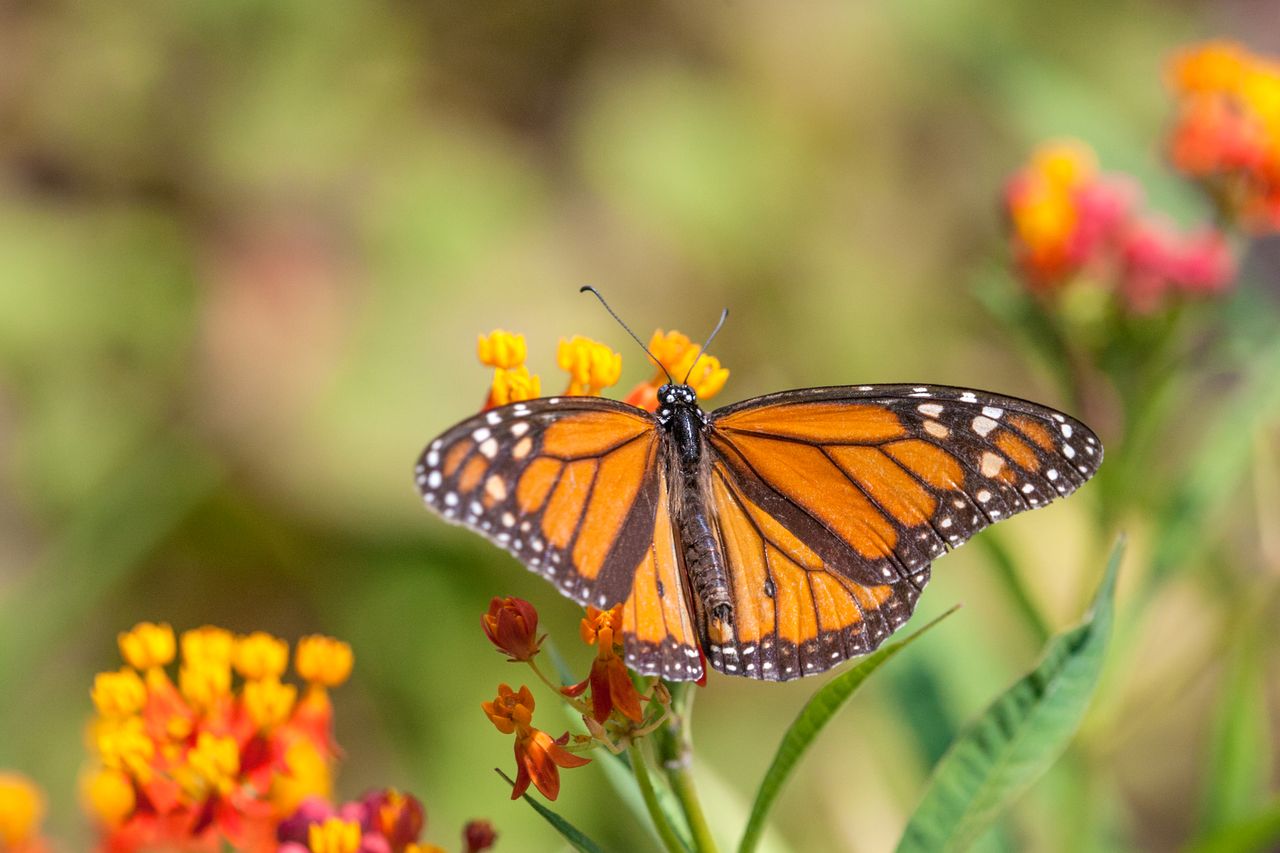
Monarch butterflies need milkweed more than any other plant, because it is the only food their caterpillars can eat. Common milkweed grows tall, about 3 to 5 feet, and spreads well in a sunny back border, while butterfly weed stays smaller, around 2 feet, with bright orange flowers that suit a front bed. Swamp milkweed likes damp soil and does well near a downspout or a low spot that stays moist. If you plant milkweed, you may see tiny yellow eggs on the undersides of the leaves in summer, and later, striped caterpillars munching away. That chewing is a good sign, not damage to fix.
Choose milkweed types that are native to your region, and avoid tropical milkweed in most of the United States, since it can stay green too long into fall and confuse migrating monarchs. Leave the seed pods alone until they split open, and let some seeds fall where they land so new plants can start on their own. Do not spray milkweed for aphids, because those same leaves may hold monarch eggs. A strong jet of water from a hose, or simply leaving the aphids for ladybugs to find, is a safer choice for the caterpillars sharing the plant.
3. Plan Blooms From Spring Through Fall
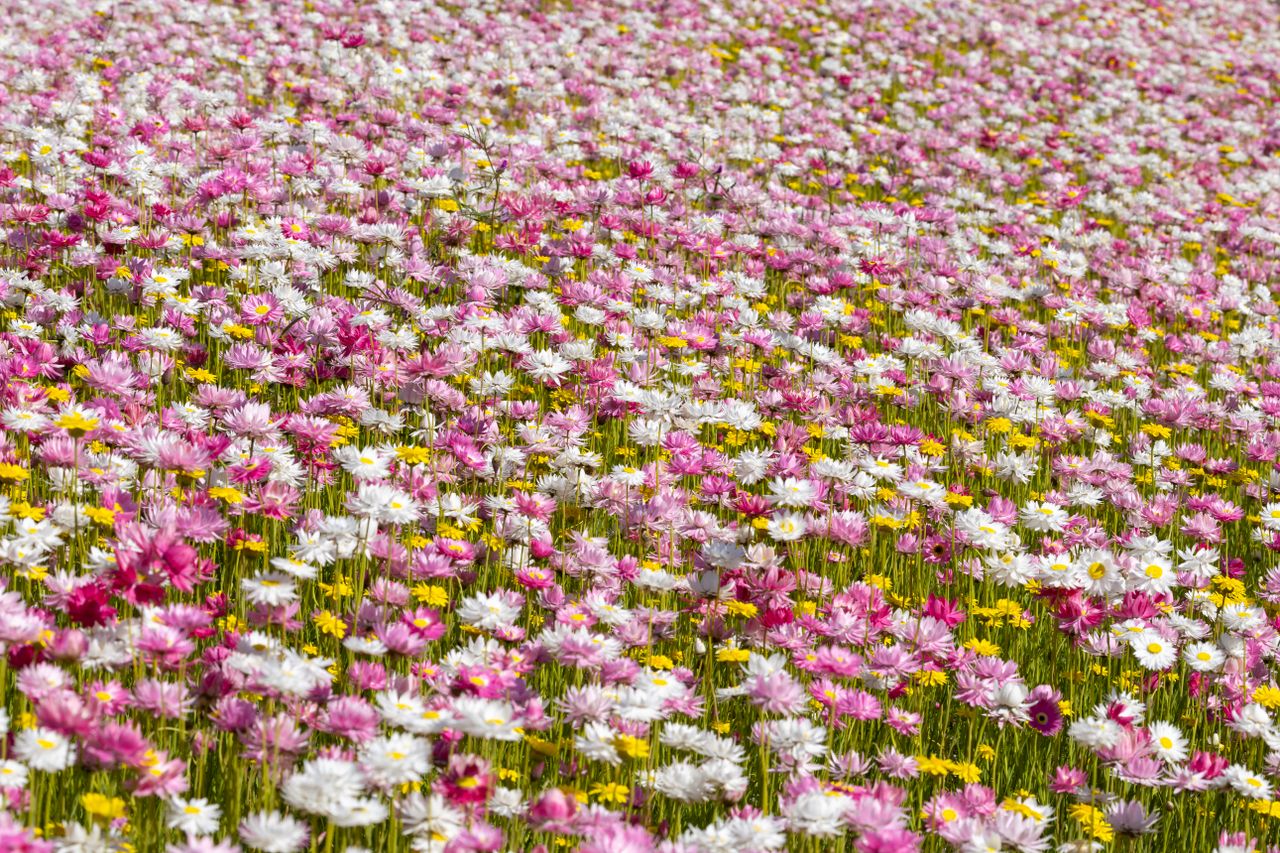
A garden that blooms only in June leaves hungry visitors in April and September, so plan for three seasons of flowers. For spring, try serviceberry shrubs, wild columbine, and native violets, which feed early bees just waking from winter. Summer is the easy season, with coneflower, bee balm, black-eyed Susan, zinnias, and sunflowers carrying the garden through the hottest weeks. For fall, asters and goldenrod take over when most other flowers have faded, and they are some of the most important plants of the whole year for bees storing food and monarchs fueling up for migration.
Write down what blooms when in your own yard, even in a simple notebook or on your phone. Aim for at least three kinds of flowers open at any one time, and fill gaps with quick annuals such as cosmos or zinnias while your perennials fill in. Avoid double-flowered varieties with dense, ruffled petals, because bees often cannot reach the nectar inside them. Simple, open flowers with a clear center are almost always better for wildlife, even if they look less fancy at the garden center.
4. Add a Shallow Water Spot
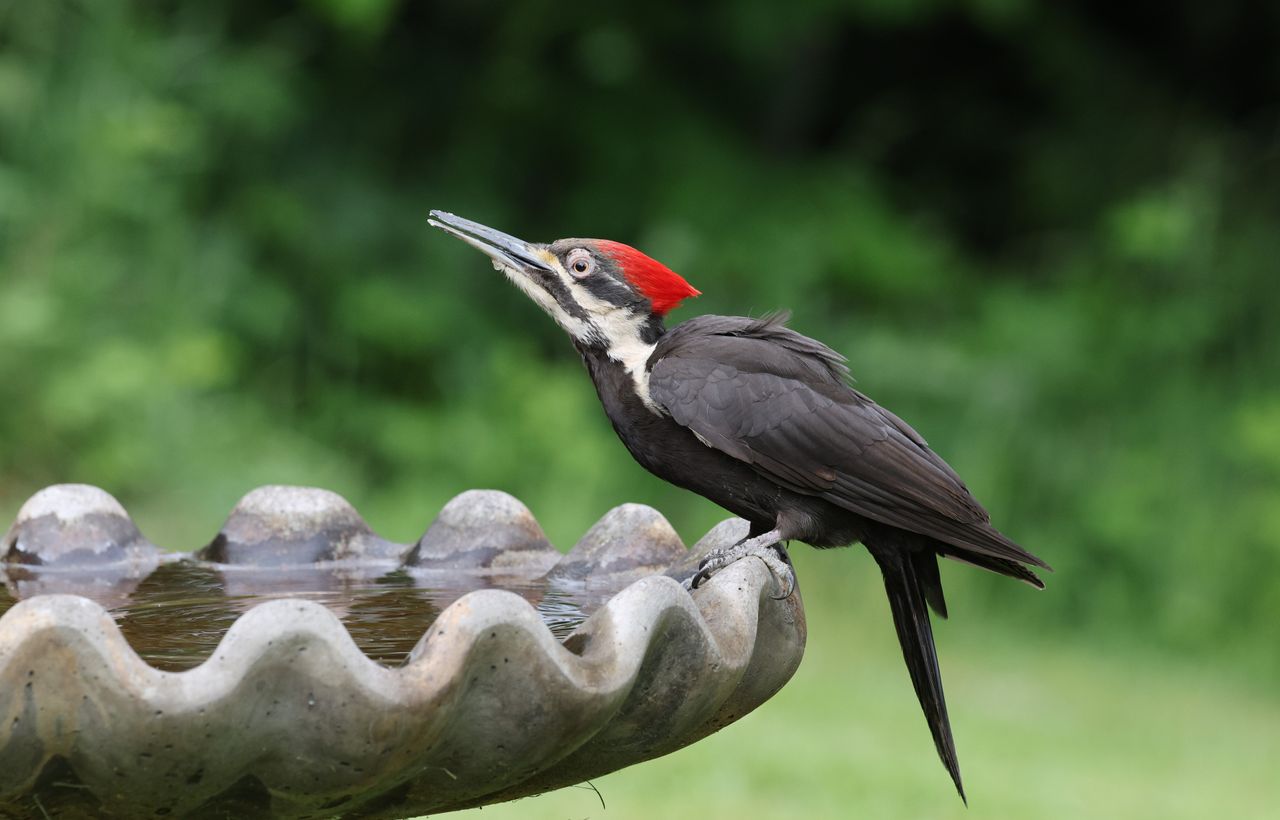
Bees and butterflies need water too, especially on hot summer days, but they cannot swim and can drown in a deep birdbath. The fix is simple: set out a shallow dish, such as a terracotta saucer or an old pie tin, and fill it with clean water just deep enough to cover the bottom. Add flat stones, pebbles, or a few wine corks so insects have dry islands to land on while they drink. Place the dish in a sunny, sheltered spot near your flowers, but not right under a feeder where birds splash constantly, and keep it where you will remember to check it.
Refresh the water every day or two in hot weather, and scrub the dish once a week so algae and mosquitoes do not build up. A small solar fountain or a slow drip can also work, since moving water stays fresher for longer. Never add sugar, honey, or sweet drinks to a bee water dish, because sticky sweetness can harm bees and attract ants and wasps. Plain, fresh water is all they need, and once local bees learn where it is, you will see them stop by all day long.
5. Build a Simple Bee Hotel
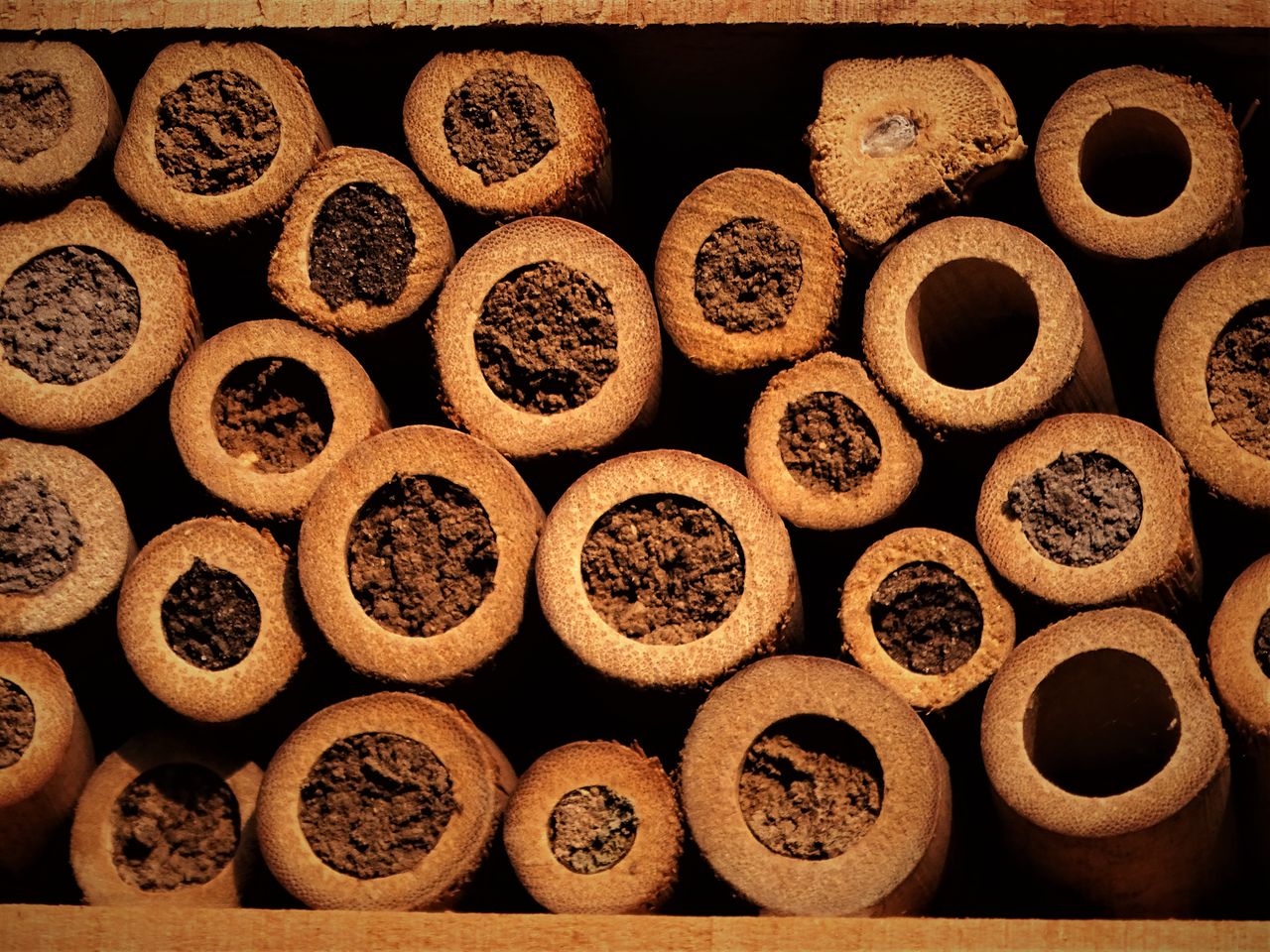
Most native bees in North America do not live in hives. About 70 percent nest in the ground, and many others nest alone inside hollow stems or small holes in wood. A bee hotel gives those solitary bees a safe place to lay eggs. You can buy one, or make one by bundling hollow bamboo canes or reeds, cut to about 6 inches long, inside a wooden box or a large tin can, with the open ends facing out. Hang it facing south or southeast, about 3 to 5 feet off the ground, in a sunny spot sheltered from rain and strong wind.
Use tubes with different hole sizes, from about 1/8 inch to 3/8 inch across, because different bee species need different sizes. Do not use plastic straws or drilled holes with rough, splintered edges, which can damage wings. Clean or replace the tubes every year or two, and leave the hotel outside over winter, since the young bees inside need the cold season to finish growing. A bee hotel is not a honeybee hive, and you will not get honey from it, but you may spot small bees sealing tube ends with mud or leaves, which means your hotel is working.
6. Skip Sprays and Go Pesticide-Free
Pesticides are the fastest way to undo a bee-friendly garden, because sprays that kill aphids and beetles also kill bees, butterflies, and the helpful insects that eat pests for you. Systemic products are the riskiest of all, since they move inside the whole plant and can show up in pollen and nectar for weeks. Skip broad insecticides entirely near flowers, and read every label before you buy. If a product warns that it is toxic to bees, leave it on the shelf, and remember that even some sprays labeled natural can harm pollinators if they land on open blooms.
Instead, pick pests off by hand, blast aphids off with a strong spray of plain water, and plant companions such as marigolds and herbs near vegetables to confuse pests. Accept a few chewed leaves, since a garden with no insect damage at all is usually a garden with no insects at all. If you must treat a serious problem, do it at dusk when bees are not flying, keep the spray off flowers, and choose the most targeted product you can find. Healthy soil, the right plant in the right spot, and a little patience will solve most garden problems without chemicals.
7. Grow in Pots and Small Spaces
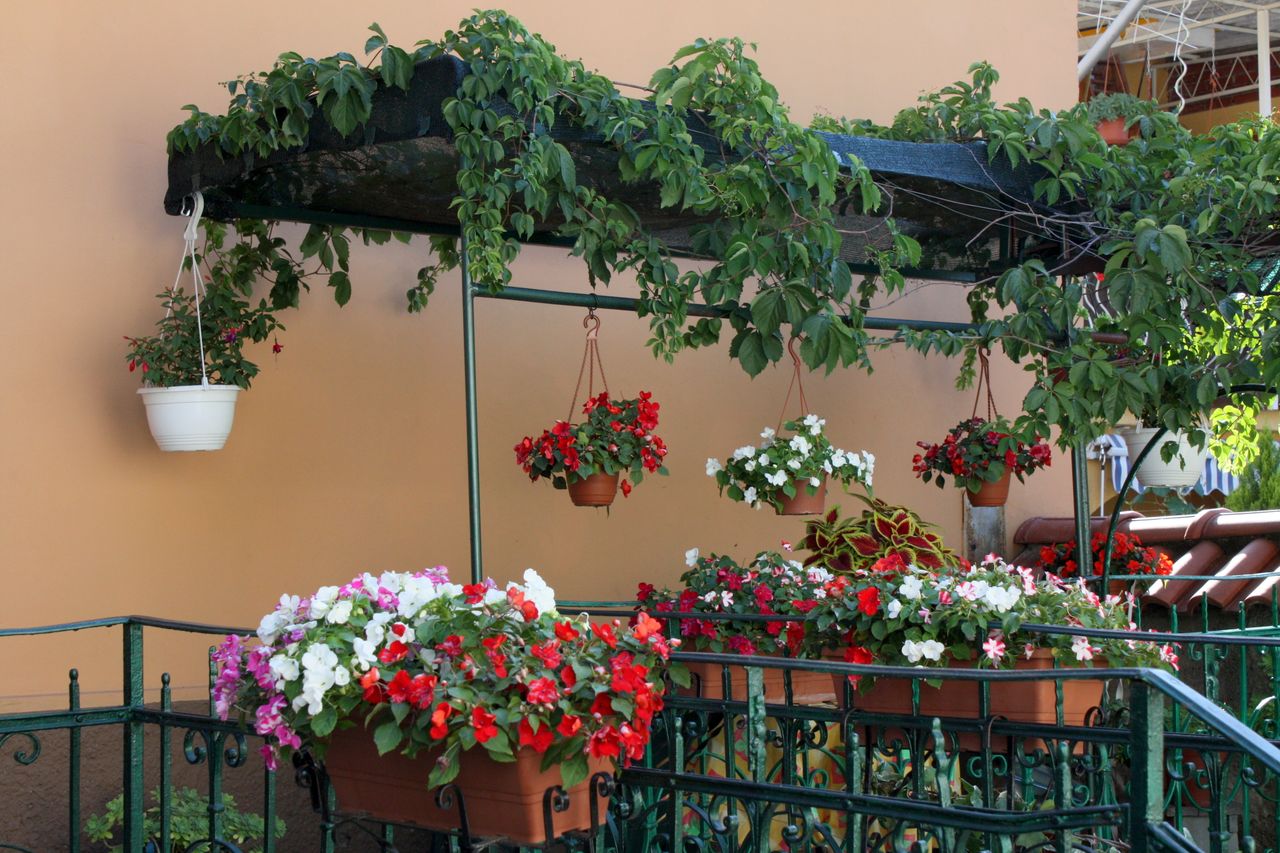
You do not need a yard to help bees. A sunny balcony, a front step, or a small patio can hold a surprising amount of food for pollinators. Use pots at least 12 inches wide and deep, with drainage holes and a saucer underneath, and fill them with good potting mix rather than heavy garden soil. Group three or more pots together so bees see a patch of color instead of one lonely plant, and mix heights: a tall salvia or sunflower in the back, coneflower or zinnias in the middle, and trailing lantana or verbena at the edge. For more small-space planting plans, see these condo balcony garden ideas for pots that suit apartment living.
Water pots more often than garden beds, since they dry out fast in sun and wind, and check them daily in July and August. A simple trellis or railing planter can add room without taking floor space, and a window box of herbs can feed bees while it flavors your cooking. If you have only a few square feet, choose one long-blooming star, such as lantana in a hot climate or lavender in a dry one, and keep it deadheaded so it keeps making new flowers. Even one well-kept pot by your door can become a regular stop for neighborhood bees.
8. Let Herbs Flower for Extra Food
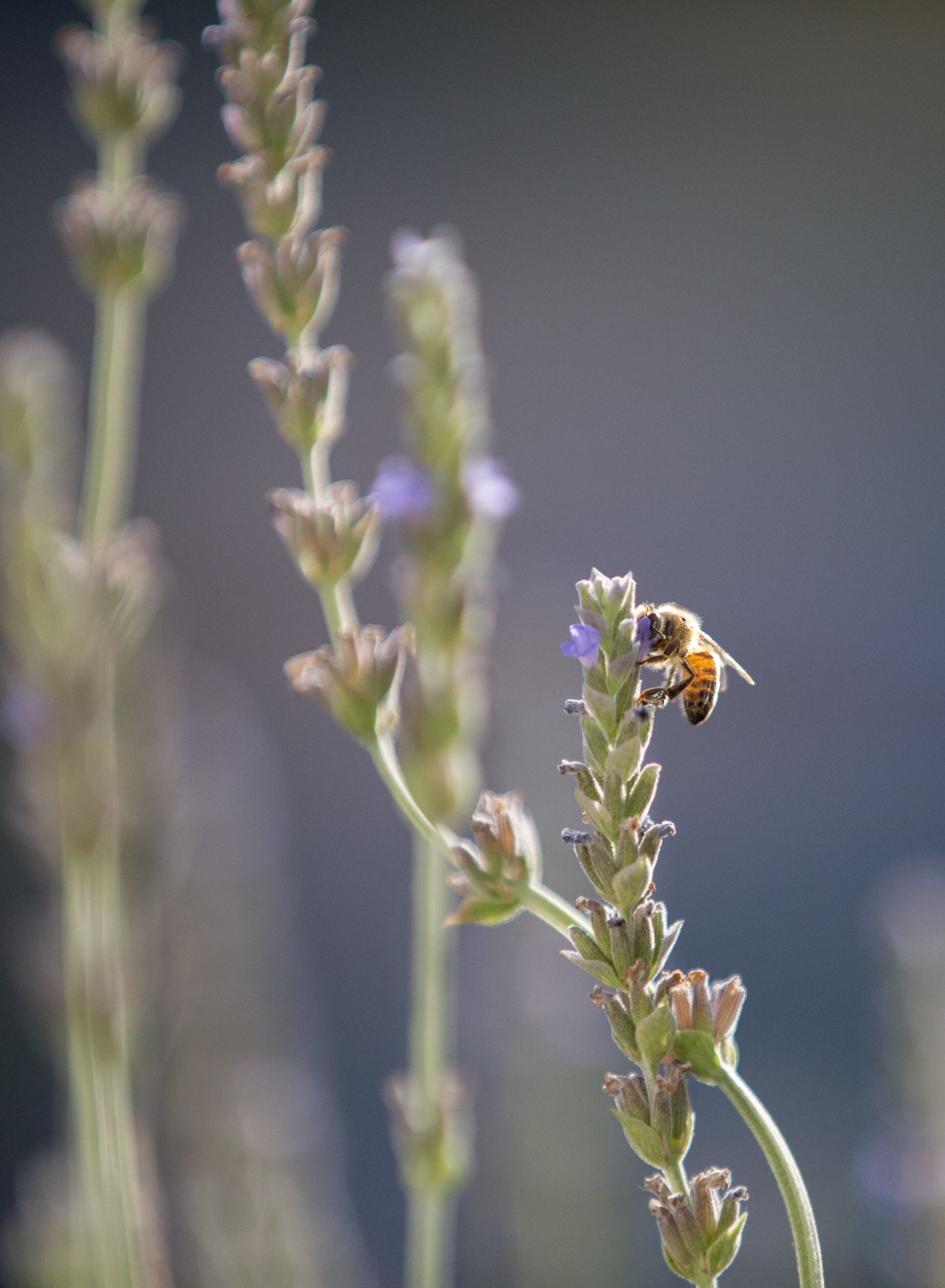
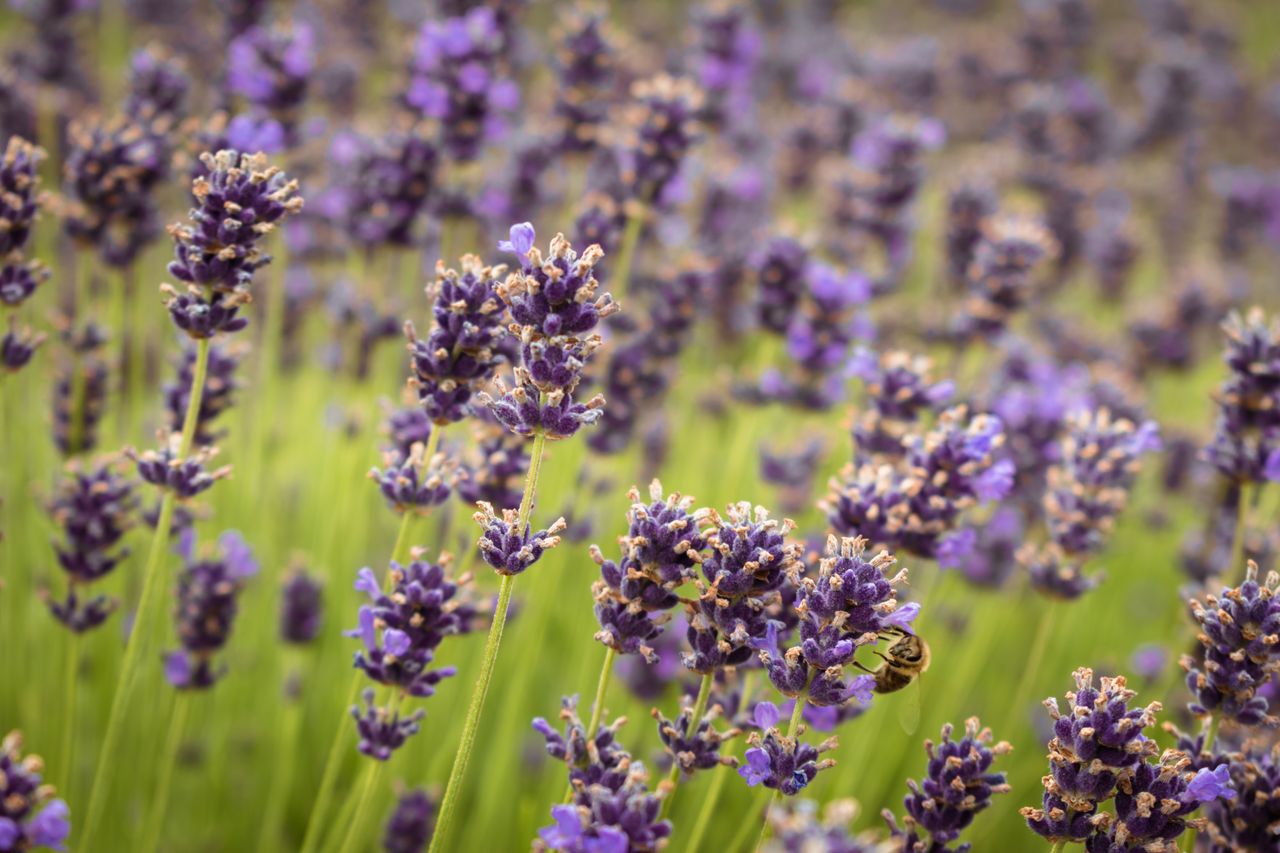
Herbs are some of the hardest-working plants in a bee-friendly garden, because they feed you and feed pollinators at the same time. Basil, oregano, thyme, mint, chives, and dill all produce small flowers that bees love, but only if you let a few plants bloom instead of pinching every stem back. Keep most of your herbs trimmed for the kitchen, and let two or three plants go to flower at the edge of the bed. Lavender is a special case: it is both a herb and a top bee plant, with purple spikes that can hum with visitors on a warm afternoon in a sunny, well-drained spot.
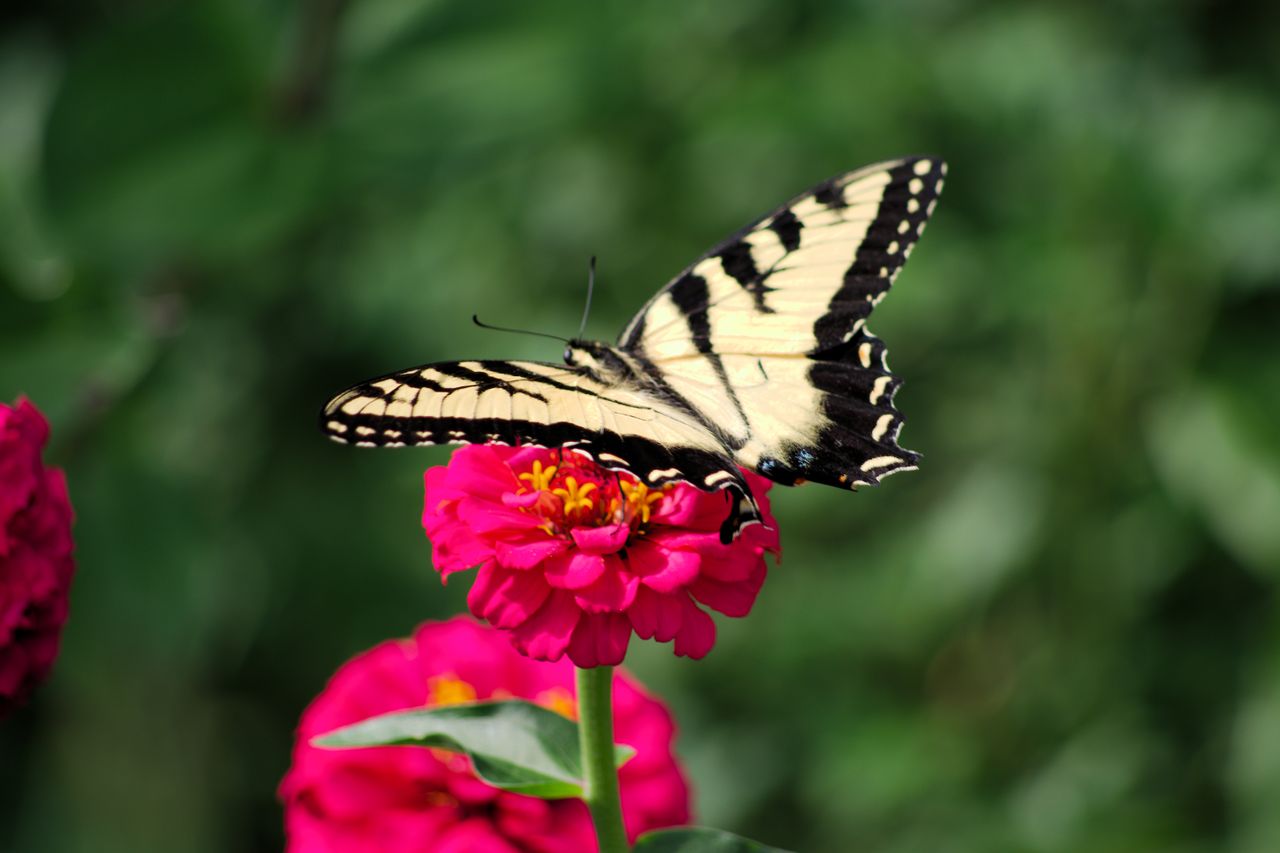
Plant herbs in full sun and soil that drains well, since most of them hate wet feet. Mint should always go in its own pot, because it spreads fast and can take over a bed in one season. Let parsley and dill stand for swallowtail butterflies, whose green caterpillars feed on them before turning into large, beautiful adults. When the herb flowers fade, you can still snip leaves for cooking, and the seeds that fall may start new plants next spring, giving you free food for both your table and your bees.
9. Keep Fall Flowers for Late Visitors
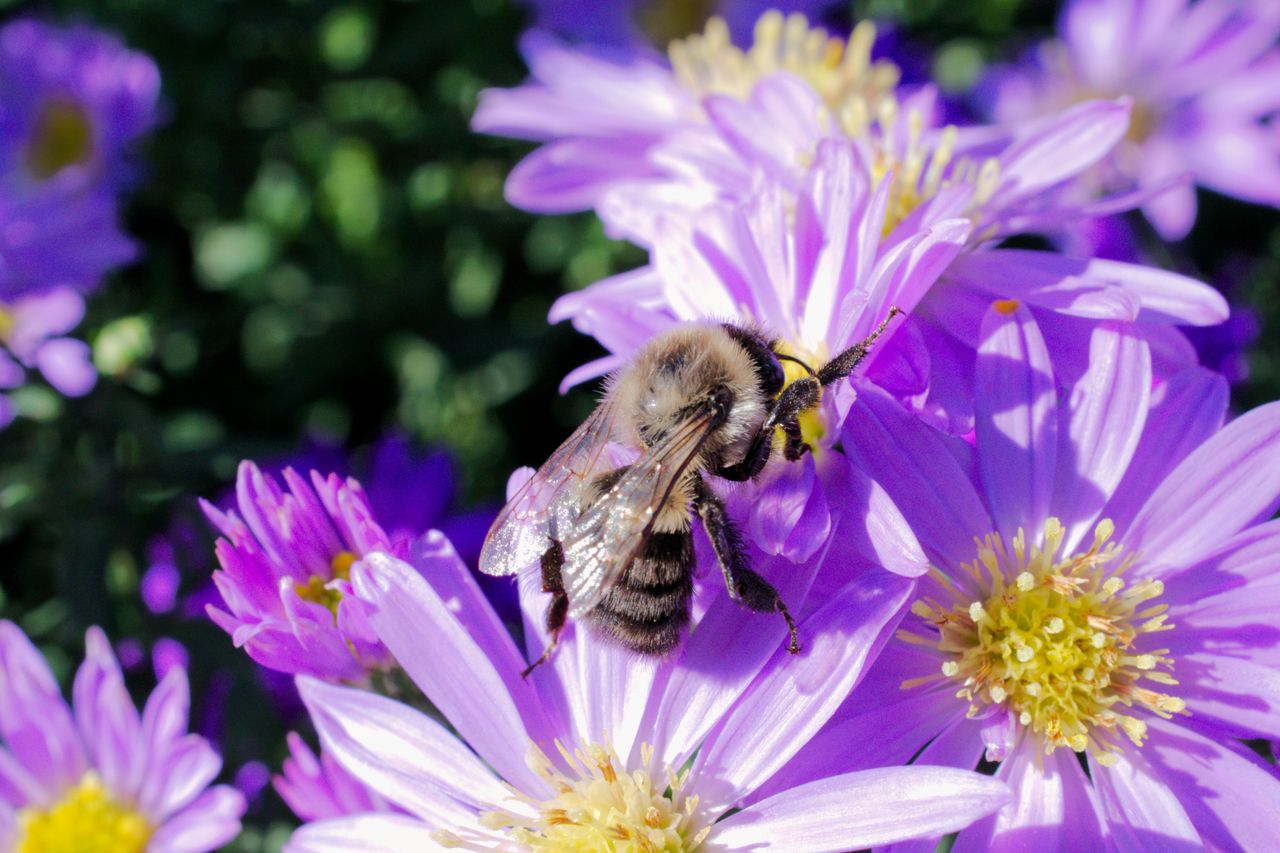
Fall is when many gardens go quiet, but it is when bees and butterflies need food most. Bumblebee queens are stocking up before winter, and monarchs are fueling a migration that can stretch thousands of miles. Asters, goldenrod, sedum, and Joe-Pye weed are the stars of this season, blooming from late summer into the first frosts. Goldenrod often gets blamed for hay fever, but its heavy pollen is carried by insects, not wind, so the real culprit is usually ragweed blooming nearby. Planting a patch of goldenrod and asters together gives late visitors both nectar and pollen in one stop.
Plant fall bloomers in spring or early summer so their roots are strong before they flower, and give them full sun and room to grow, since New England aster can reach 4 to 5 feet tall. If you need help choosing what to plant before cold weather arrives, these perennials to plant in fall offer a useful starting list for autumn beds. Deadhead spent summer flowers lightly to keep them blooming, but stop cutting back in early fall, and leave the last round of blooms standing so late bees can work them until the first hard freeze.
10. Leave Stems and Leaves Over Winter
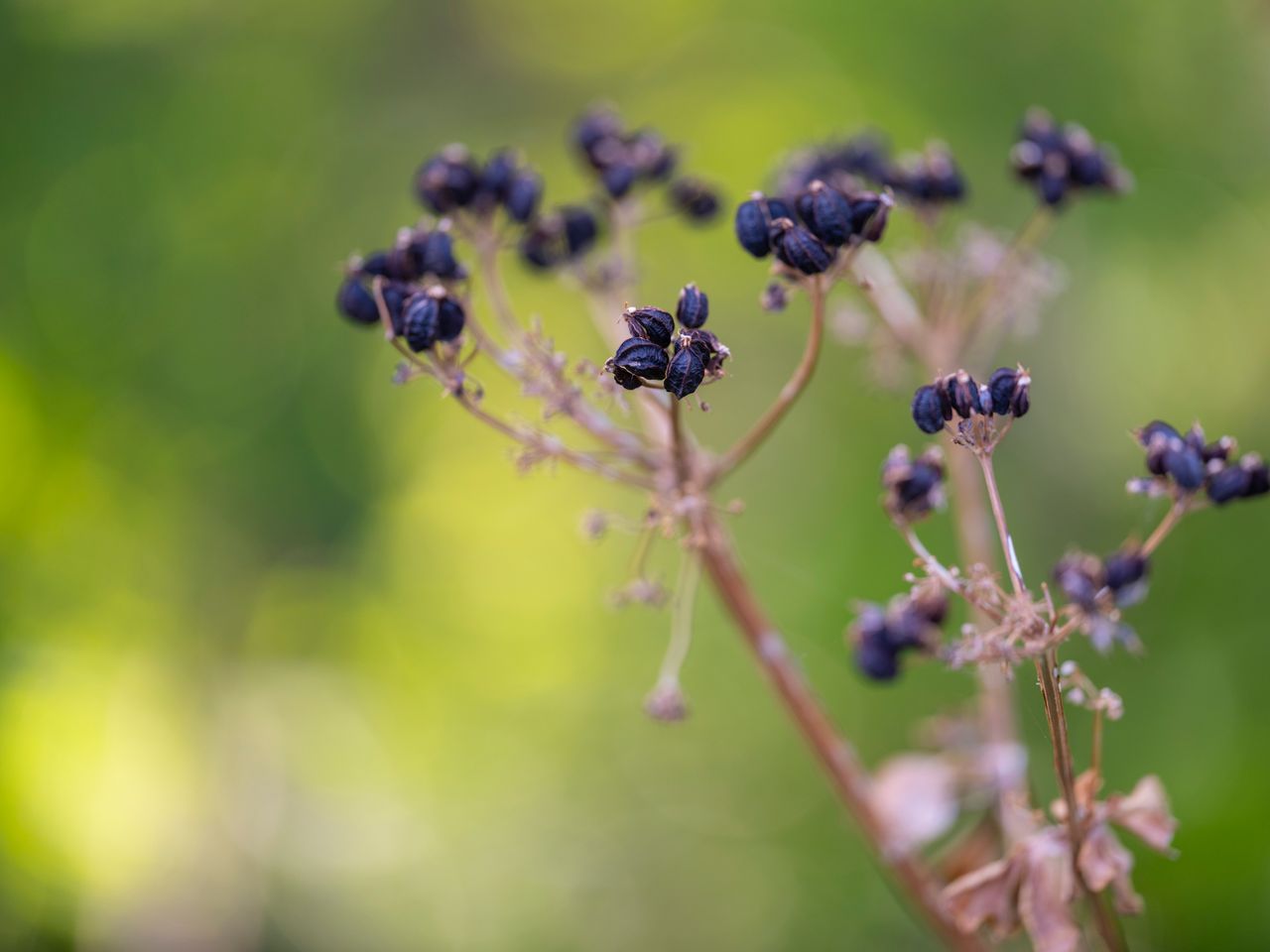
The tidiest fall cleanup is the worst thing you can do for bees. Many native bees spend winter inside hollow plant stems, under leaf litter, or in a small patch of bare, undisturbed soil. When you cut every stem to the ground and rake every leaf away in October, you throw away next spring's bees with the yard waste. Instead, leave most perennials standing through winter, and let fallen leaves stay in garden beds where they break down and feed the soil. The garden may look a little wild, but the seed heads also feed birds, and the stems give shelter that no store-bought hotel can fully replace.
Wait until spring temperatures stay above 50 degrees Fahrenheit for several days in a row before you cut old stems back, since bees may still be sleeping inside them. When you do cut, leave 12 to 15 inches of stem standing, and lay the cut pieces loosely in a corner of the yard so any insects inside can still crawl out. Keep one small patch of bare soil, free of mulch, in a sunny spot for ground-nesting bees, and avoid tilling it. A raised bed can help here too, and this guide to how to construct a raised garden shows a simple build that keeps beds tidy while leaving room for wildlife at the edges.
Frequently Asked Questions
How much sun does a bee-friendly garden need?
Most bee-friendly flowers need at least six hours of direct sun a day, and sunny beds draw far more visitors than shady ones. If your yard is partly shaded, try shade-tolerant natives such as wild columbine, foamflower, or native ferns mixed with a few sun-loving pots in the brightest spot you have.
How big does my garden need to be to help bees?
Any size helps. A bed as small as 4 feet by 4 feet, or even three pots grouped together, can feed local bees if the flowers bloom for months. A neighborhood of small patches is often better than one large garden, because bees can travel from yard to yard along a chain of flowers.
Should I buy honeybees for my yard?
No, you do not need a hive to help pollinators, and most of the work is done by wild native bees, butterflies, moths, and flies. A flower garden supports all of them without the cost, stings, and upkeep of keeping bees, and it helps the many native species that are in sharper decline.
Are all flowers good for bees?
Not quite. Simple, single flowers with open centers give bees easy access to nectar and pollen, while many double-flowered varieties hide or remove those rewards. Native plants are usually the safest bet, so check the plant tag and favor species over heavily bred, ruffled forms.
When will bees start visiting my new garden?
You may see visitors within days if you plant flowers already in bloom, but a new perennial bed usually fills in over its first full growing season. Be patient in year one, keep watering new plants, and expect much more activity in year two once roots are deep and flowers are full.
Final Thoughts
A bee-friendly yard is not a single project you finish in a weekend. It is a habit of choosing native plants, keeping something in bloom, offering clean water, and leaving a little wildness at the edges. Start with one bed, one pot, or one patch of milkweed this season, and add a new plant or a small water dish each month. The bees will notice faster than you expect, and so will you, every time a butterfly drifts past your window or a bumblebee hums over the flowers by your door.
Sources
- Denver Botanic Gardens: Creating a Pollinator-Friendly Garden
- ThriveLot: How to Start a Pollinator Garden, A Beginner's Guide
- All for Gardening: 8 Easy Steps to Build a Pollinator Garden
- Butterflies, Birds and Blooms: Best Flowers for Attracting Both Butterflies and Bees
Gallery

No comments:
Post a Comment