Maybe the bottle in the fridge door is empty. Maybe someone at your table cannot stand the sweet red topping. Or maybe you just want a meatloaf that tastes more like a savory roast dinner than a sweet glaze. Whatever the reason, skipping the usual sauce is easy, and for a lot of families the loaf actually gets better without it.
This guide gives you a tender, juicy base loaf first (the part that really decides dinner), then nine toppings and finishes that need no bottled sauce at all: brown gravy, mushroom gravy, a smoky BBQ glaze, a homemade tomato-paste glaze, and more. It also covers the meat blend, the breadcrumb trick that keeps slices moist, the safe baking temperature, and what to do with the leftovers everyone fights over.

Photo: Matěj Baťha, CC BY-SA 3.0, via Wikimedia Commons
Table of Contents
- 1. Start with the Right Ground Beef
- 2. Mix Gently and Never Overwork the Meat
- 3. Soak the Breadcrumbs for a Tender Panade
- 4. Sweat the Onion First for Sweet, Mellow Flavor
- 5. Eggs and Seasoning: the Glue and the Flavor
- 6. Top It with Old-Fashioned Brown Gravy
- 7. Mushroom Gravy for an Extra-Savory Finish
- 8. Brush on a Smoky BBQ Glaze Instead
- 9. Make a Tomato-Paste Glaze That Tastes Classic
- 10. Leftovers: Cold Slices and the Famous Sandwich
- Frequently Asked Questions
- Final Thoughts
- Sources
- Gallery
1. Start with the Right Ground Beef

Photo: Rainer Zenz, CC BY-SA 3.0, via Wikimedia Commons
Fat is flavor and moisture in a meatloaf, so reach for 80/20 ground beef: 80 percent lean, 20 percent fat. For a standard family loaf, buy 2 pounds. Leaner blends like 93/7 sound healthier, but they bake up dry and crumbly because there is not enough fat to baste the meat from the inside. If you prefer a lighter mix, use half beef and half ground pork, which is tender and mild, or add ground veal the way old-fashioned diners do.
Check the color before you buy: the beef should be bright red with no gray patches and no sour smell. Use it within 1 to 2 days, or freeze it flat in a zip bag so it thaws fast. And keep the meat cold until mixing time. Warm fat smears instead of staying in small pockets, and those pockets are exactly what melt into juicy bites later.
2. Mix Gently and Never Overwork the Meat
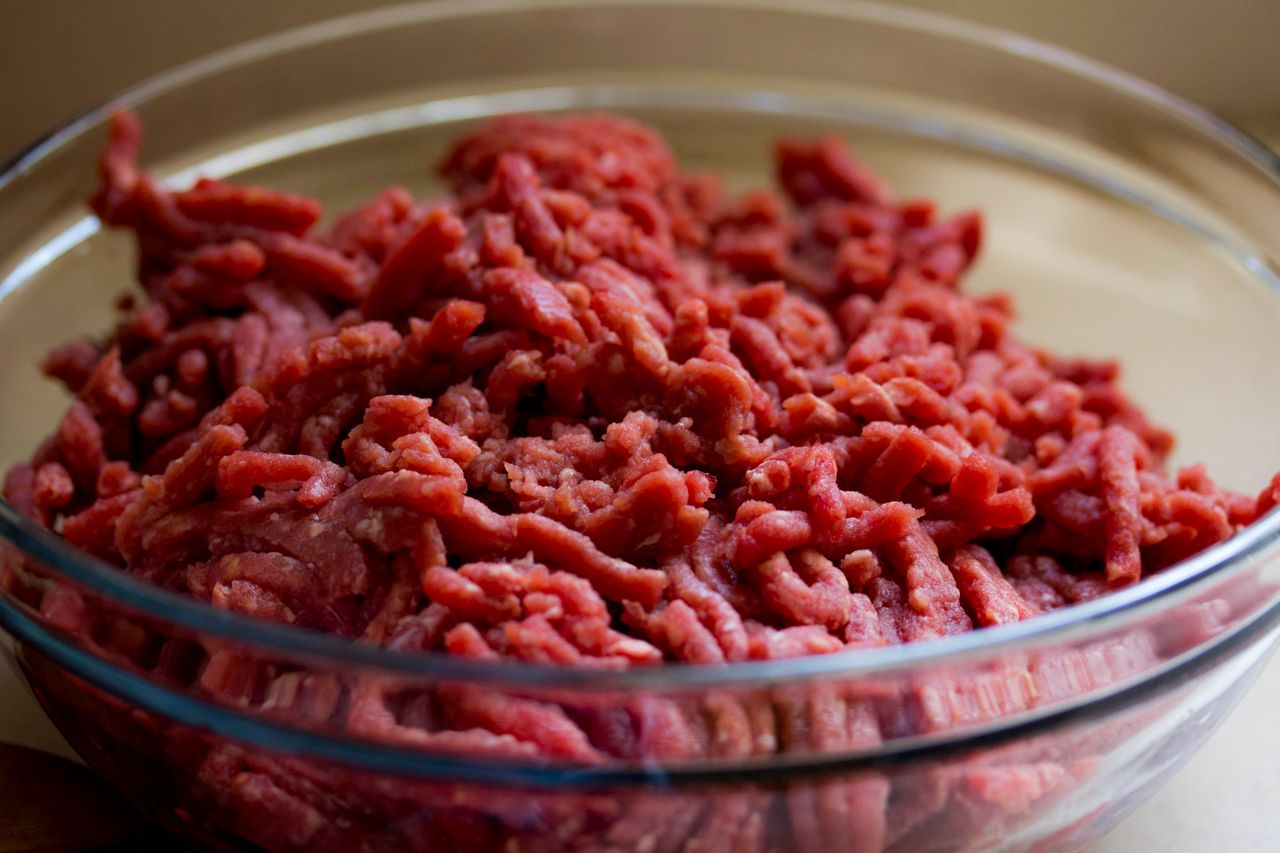
Photo via Pexels
Use your hands, not a spoon or a mixer, and mix only until the ingredients are evenly spread, about 30 to 45 seconds of gentle folding. Ground meat that gets squeezed and worked like bread dough turns dense and springy, more like a sausage than a tender loaf. The goal is a mixture that just holds together when you press it, with visible bits of onion and breadcrumb throughout.
Two small habits make a big difference. First, mix the eggs, milk, and seasonings together in a separate bowl, then pour them over the meat, so the salt and spices spread evenly instead of landing in one salty pocket. Second, let the shaped loaf rest in the fridge for 15 to 30 minutes before baking if you have time. The short chill firms the fat and helps the loaf slice cleanly instead of crumbling at the table.
3. Soak the Breadcrumbs for a Tender Panade

Photo: Bodhi Peace, CC BY-SA 4.0, via Wikimedia Commons
The quiet hero of a juicy loaf is the panade: breadcrumbs soaked in milk before they meet the meat. Stir 1 cup of plain breadcrumbs (or panko) with 1/2 cup of milk and let it sit for 5 minutes until it looks like a soft paste. The soaked crumbs hold moisture inside the loaf as it bakes and keep the texture tender instead of tight. Dry crumbs added straight to beef do the opposite; they steal juice.
No breadcrumbs in the pantry? Three swaps work well: 3/4 cup of old-fashioned rolled oats, a sleeve of crushed saltine crackers (about 20 crackers), or 1 cup of cooked rice for a softer, old-school texture. Gluten-free cooks can use certified gluten-free oats or crumbs with no change in timing. Whatever you choose, keep the total amount close to the recipe amounts; too much binder makes the loaf taste like stuffing.
4. Sweat the Onion First for Sweet, Mellow Flavor
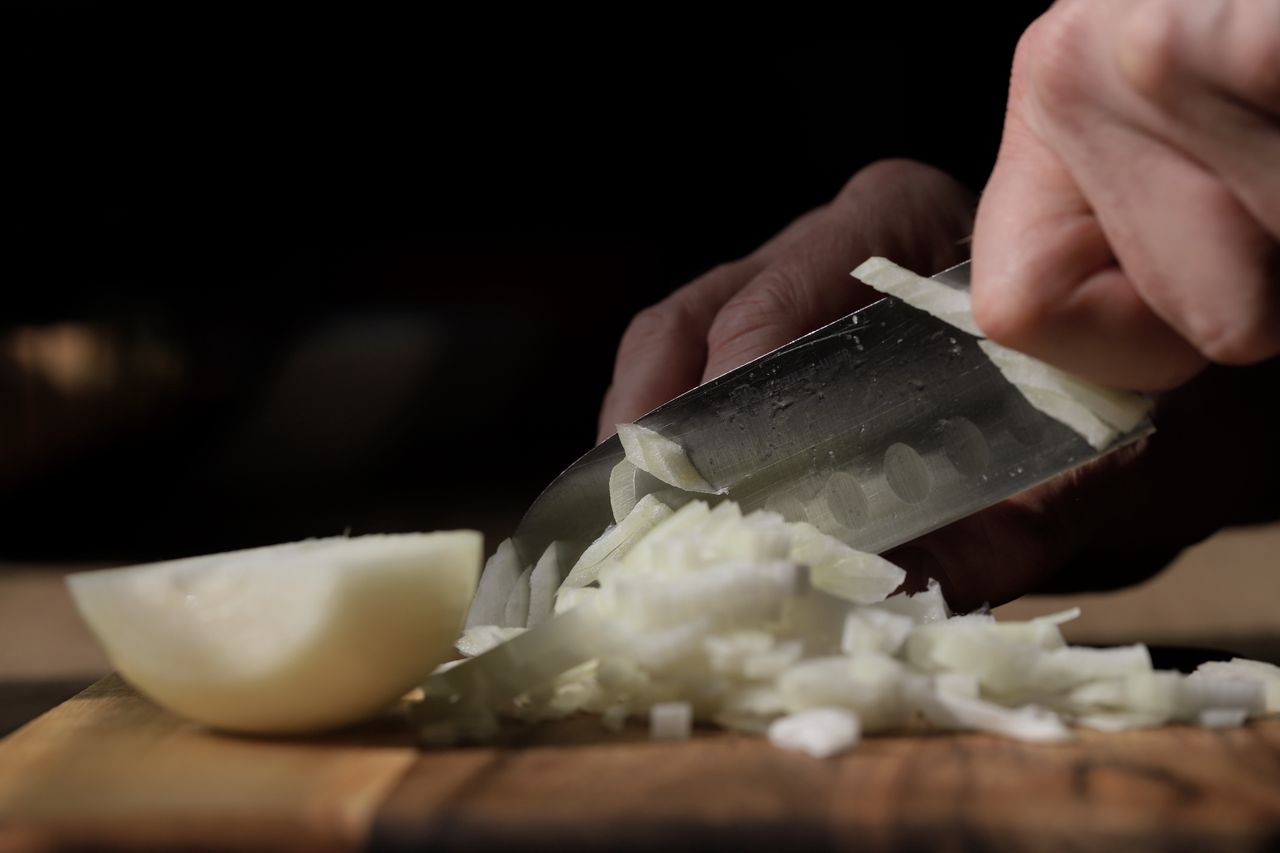
Photo via Pexels
Raw onion is the top reason homemade meatloaf disappoints. Onion pieces that go in raw come out of the oven still crunchy and sharp, because the inside of a loaf steams more than it roasts. Fix it in 5 minutes: cook 1 cup of finely diced onion in 1 tablespoon of butter or oil over medium heat until soft and sweet, then let it cool a little before mixing. Add 2 cloves of minced garlic for the last 30 seconds so it does not burn.
Dicing fine matters as much as cooking. Aim for pieces about 1/4 inch so they melt into the loaf and disappear. If your family includes an onion skeptic, grate the onion on a box grater instead; it becomes almost invisible but leaves all the sweetness and moisture behind. A small bell pepper, diced and cooked with the onion, is a welcome addition for color and a gentle sweetness.
5. Eggs and Seasoning: the Glue and the Flavor

Photo: Shixart1985, CC BY 2.0, via Wikimedia Commons
Two large eggs bind a 2-pound loaf. They work with the panade to hold slices together without making the texture rubbery. Use eggs at room temperature if you remember; cold eggs are fine too, they just need a few extra folds. Season boldly but simply: 1 1/2 teaspoons of kosher salt, 1 teaspoon of black pepper, 2 tablespoons of Worcestershire sauce, 1 tablespoon of Dijon mustard, 1 teaspoon of smoked or sweet paprika, and 1 teaspoon of dried thyme or Italian seasoning.
Notice what is missing from that list: nothing tomato-based is required inside the loaf. Worcestershire brings deep, savory umami on its own, and mustard adds a quiet tang that most people cannot name but always miss when it is gone. Taste-testing raw meat is not an option, so fry a teaspoon-size patty of the mix in a small pan, taste it, and adjust the salt before the loaf goes in the oven. It takes 2 minutes and saves the whole dinner.
6. Top It with Old-Fashioned Brown Gravy
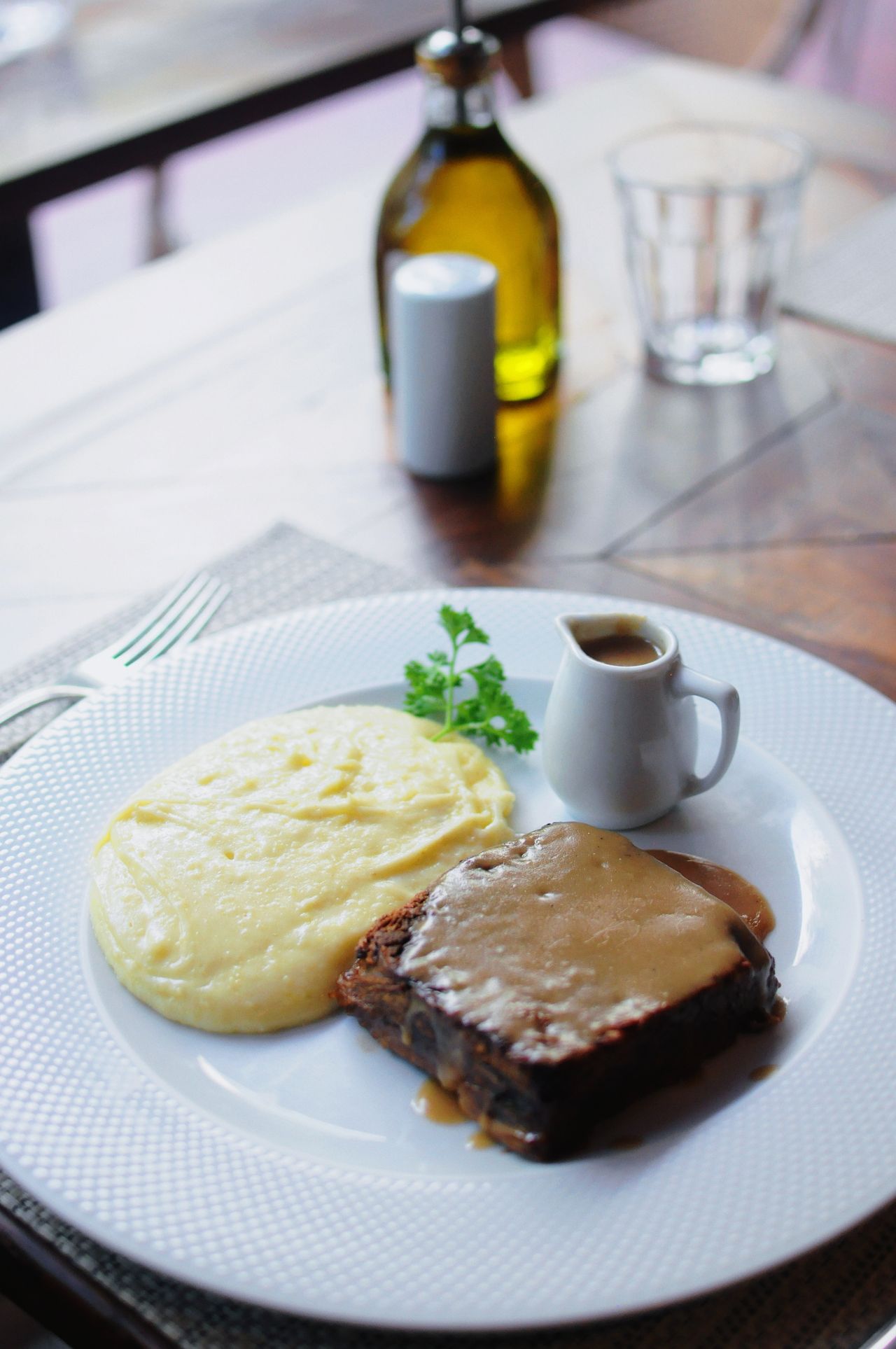
Photo via Pexels
Brown gravy is the classic diner answer for anyone who never liked the sweet red topping. Make it while the loaf rests: melt 2 tablespoons of butter in a saucepan, whisk in 2 tablespoons of flour, and cook 1 minute. Slowly whisk in 2 cups of beef broth, then simmer 3 to 5 minutes until it coats a spoon. A splash of Worcestershire and a pinch of garlic powder finish it. One packet of brown gravy mix plus broth works on busy nights and tastes better than most people admit.
Serve the loaf sliced, with gravy ladled over each piece and more in a small pitcher on the table. This style loves the classic sides: mashed potatoes, buttered peas, and green beans. It also reheats the best of all the toppings in this guide, because the gravy keeps the slices moist in the fridge and the microwave. Readers ask about this version more than any other swap, and once they try it, few go back.
7. Mushroom Gravy for an Extra-Savory Finish

Photo: Joey Doll, CC BY 2.0, via Wikimedia Commons
Mushroom gravy turns a plain loaf into something that tastes like Sunday dinner at a farmhouse. Slice 8 ounces of cremini mushrooms and cook them in butter over medium-high heat without stirring for the first 3 minutes, so they brown instead of steaming. Add a chopped shallot or half an onion, 2 cloves of garlic, and 1/2 teaspoon of dried thyme, then build the same butter-flour-broth gravy as the brown gravy version, right in the mushroom pan.
Two upgrades are worth knowing. A splash of heavy cream at the end makes the sauce silky, and a teaspoon of soy sauce deepens the mushroom flavor without making anything taste like soy. Spoon the gravy generously over thick slices; the mushrooms tumble over the meat in a way that looks as good as it tastes. Leftover mushroom gravy is gold over mashed potatoes, buttered noodles, or even morning toast.
8. Brush on a Smoky BBQ Glaze Instead
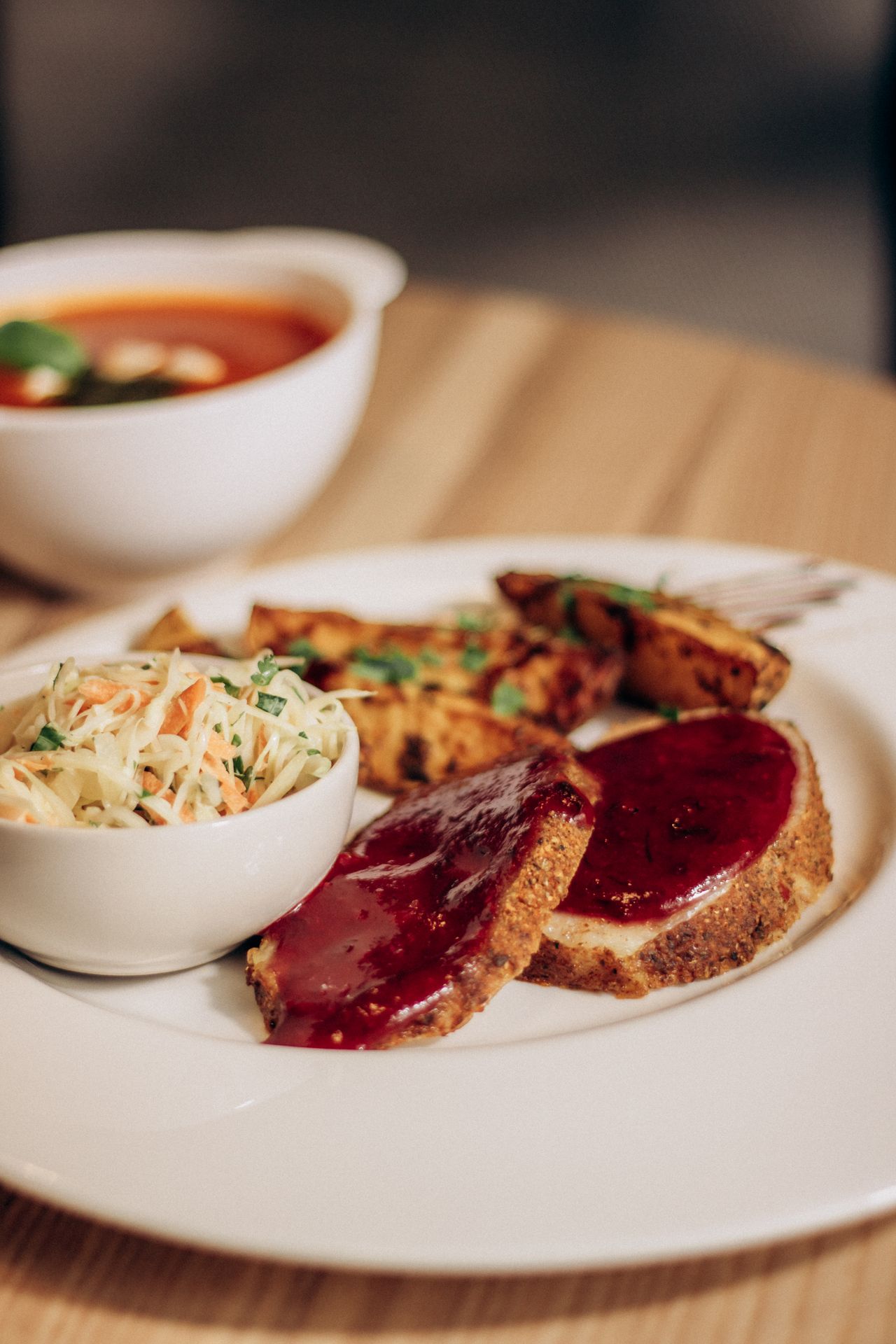
Photo via Pexels
Barbecue sauce is the easiest swap of all, and many families end up liking it better. It brings smoke, sweetness, and tang in one brushstroke. Stir 1/2 cup of your favorite BBQ sauce with 1 teaspoon of apple cider vinegar to sharpen it, then brush half over the loaf before baking. Add the rest during the last 10 to 15 minutes at 350°F so it turns glossy and just a little sticky at the edges instead of scorching.
Choose the sauce by your crowd: a Kansas City-style sauce is sweet and thick, a Carolina mustard sauce is tangy and thin, and a Texas-style sauce leans peppery and tomato-light. Because BBQ sauces vary in sugar, watch the glaze near the end of baking; sugar darkens fast. If the top starts to color too quickly, tent the loaf loosely with foil and finish the baking time covered.
9. Make a Tomato-Paste Glaze That Tastes Classic

Photo: Renee Comet, Public domain, via Wikimedia Commons
Sometimes you want the look and taste of the traditional topping without opening a bottle of the usual red sauce. Whisk 3 tablespoons of tomato paste with 2 tablespoons of water, 1 tablespoon of brown sugar, 1 tablespoon of Dijon mustard, and 1 teaspoon of Worcestershire sauce. The result tastes like the classic glaze (sweet, tangy, tomato-rich) but brighter and less sugary, and you control every bit of it.
Spread half the glaze over the loaf before it goes into the oven and the rest halfway through baking, around the 30-minute mark. Two thin coats set into a shiny finish that does not slide off when you slice. This is also the smartest move when a recipe card from a grandmother lists the bottled sauce but your pantry only has paste: the flavor lands in the same place, and nobody at the table will ever know the difference.
10. Leftovers: Cold Slices and the Famous Sandwich

Photo: jeffreyw, CC BY 2.0, via Wikimedia Commons
Meatloaf may be the only dinner that improves the next day. Chill the loaf whole and it slices into neat, firm pieces that are perfect for sandwiches. For a hot version, fry slices in a little butter for 2 to 3 minutes per side until the edges crisp and caramelize. That crisp edge against the tender middle is the whole point, and it is something the first night's loaf cannot give you.
Build the sandwich on a soft roll or thick white bread with mayonnaise, a swipe of mustard or BBQ sauce, pickles, and a leaf of lettuce. Add a slice of cheddar and warm it under the broiler for a melt. Extra cooked loaf freezes well too: wrap slices individually, freeze up to 3 months, and thaw overnight in the fridge for the fastest comfort-food lunch in the house.
Frequently Asked Questions
What can I use instead of the bottled sauce inside the meat mixture?
Many recipes stir the bottled red sauce into the meat itself. Replace it one-for-one with tomato paste thinned with a spoon of milk, plain BBQ sauce, salsa (drained a little), or an extra tablespoon of Worcestershire plus a teaspoon of brown sugar. Each keeps the mix moist and seasoned. The panade does most of the moisture work anyway, so the loaf stays juicy as long as you soak the crumbs and do not overbake past 160°F in the center.
What temperature should meatloaf reach, and how long does it bake?
Bake at 350°F for about 55 to 65 minutes for a 2-pound loaf, and trust a thermometer over the clock. The center should read 160°F, which is the safe temperature for ground beef recommended by the USDA. Pull the loaf at 160°F exactly; carryover heat will coast it a few degrees higher while it rests. Then rest it a full 10 minutes before slicing so the juices settle back into the meat instead of running onto the cutting board.
Why did my meatloaf fall apart when I sliced it?
Four usual causes: not enough binder (skipped eggs or dry crumbs), slices cut too soon, slices cut too thin, or meat that was too lean. Let the loaf rest 10 minutes, use a long serrated or very sharp knife, and cut slices at least 3/4 inch thick. Shaping the loaf free-form on a rimmed sheet pan instead of in a loaf pan also helps, because the loaf is not steaming in its own fat, so the outside sets into a sliceable crust.
Is a loaf pan or a baking sheet better?
A baking sheet wins for most cooks. A loaf free-formed on a foil-lined rimmed sheet (about 9 by 5 inches, 2 inches tall) browns on three sides, lets fat drain away, and gives the glaze more surface to cling to. A loaf pan makes a softer, more compact loaf and is the better choice if you like very tender slices or plan to bake the loaf in its own juices for gravy. Either works; just add about 5 minutes for a pan, since the metal walls slow the heat.
Can I make this loaf with ground turkey instead?
Yes. Use ground turkey that is 93 percent lean (not the extra-lean breast-only grind, which dries out), keep the panade exactly the same, and add 1 extra tablespoon of Worcestershire for depth. Turkey loaves cook a touch faster, and the safe center temperature is 165°F. We also have a dedicated turkey meatloaf recipe with more swaps and seasoning ideas if you want a lighter loaf on regular rotation.
Final Thoughts
The topping was never the loaf. A well-seasoned mix, a milk-soaked panade, gentle hands, and a thermometer will give you tender slices every time, with or without the famous red bottle. Start with the brown gravy version if your family is skeptical; it is the one that wins over the most people at the first bite.
Once this loaf joins your rotation, pair it with the other comfort classics on the site. Our oven pot roast covers Sunday, and the slow cooker crockpot meals collection handles the nights when even meatloaf feels like too much work.
Sources
- KitchPrep – Alternatives for Meatloaf Glaze
- Dining and Cooking – Brown Gravy Meatloaf
- Mashed – The Canned Good That Upgrades Meatloaf
Gallery

Photo: stu_spivack, CC BY-SA 2.0, via Wikimedia Commons

Photo: Thriving Vegetarian, CC BY 2.0, via Wikimedia Commons
Photo via Pexels

No comments:
Post a Comment