There is a special kind of relief in walking through the front door at 6 p.m. and smelling dinner already done. A slow cooker stew gives you that feeling with almost no effort: chunks of beef, potatoes, and carrots simmer all day in a rich broth until the meat is soft enough to cut with a spoon. It is the dinner that rescues busy Tuesdays, feeds a crowd on game day, and makes a cold Sunday feel warm.
This guide walks you through the whole pot, step by step. You will learn which cut of beef stays tender, how big to cut the vegetables so they do not fall apart, when to add the thickener, and how a splash of wine or a spoon of tomato paste changes everything. Along the way it answers the questions home cooks ask most, like whether browning is worth it and why so many slow cooker stews come out watery.

Photo: A Healthier Michigan, CC BY-SA 2.0, via Wikimedia Commons
Table of Contents
- 1. Pick the Right Slow Cooker Size First
- 2. Cut Vegetables Big So They Do Not Melt Away
- 3. Build the Base with Onion, Garlic, and Celery
- 4. Add Bay Leaves and Thyme for Slow, Deep Flavor
- 5. Stir in Tomato Paste for Rich Color and Body
- 6. Use Red Wine the Smart Way, or Skip It Well
- 7. Choose Chuck, the Cut That Loves Low Heat
- 8. Thicken the Stew at the End, Not the Start
- 9. Try a French Bourguignon Twist on the Classic
- 10. Brighten It Up Mexican-Style with Chile and Corn
- Frequently Asked Questions
- Final Thoughts
- Sources
- Gallery
1. Pick the Right Slow Cooker Size First

Photo: Janine, CC BY 2.0, via Wikimedia Commons
A 6-quart slow cooker is the sweet spot for a family-size stew. It holds 2 1/2 to 3 pounds of beef plus a full load of vegetables with room to spare, and it is the size most American kitchens already own. Fill the crock between one-half and two-thirds full. Less than that and the stew cooks too fast and dries out; more than that and it may not reach a safe, steamy simmer in time. An oval crock fits a whole chuck roast better, while a round one is fine for pre-cut cubes.
If you cook for one or two people, a 4-quart cooker handles a half batch without burning the edges. Programmable models that switch to Warm after the cook time ends are worth the money if you work long days, because the stew then holds safely for up to 2 more hours. For more set-it-and-forget-it dinners, see our roundup of slow cooker crockpot meals the whole family will ask for again.
2. Cut Vegetables Big So They Do Not Melt Away

Photo: JArribasphoto, CC BY-SA 4.0, via Wikimedia Commons
The number one stew mistake is cutting the vegetables too small. After 8 hours in hot broth, tiny pieces turn to mush. Cut potatoes into 1 1/2 to 2-inch chunks, slice carrots into thick 1-inch coins, and quarter onions instead of dicing them. Waxy potatoes like Yukon Golds hold their shape best. Russets taste great but soften and break down, which thickens the broth while the pieces partly disappear.
Hard vegetables belong at the bottom of the crock, close to the heat, with the beef layered on top. Soft vegetables play by different rules: stir frozen peas in during the last 30 minutes so they stay bright green, and add green beans or corn in the last hour. This simple timing is the difference between a stew where every bite tastes fresh and one where everything tastes the same.
3. Build the Base with Onion, Garlic, and Celery

Photo: HaJunkiyada, CC BY-SA 4.0, via Wikimedia Commons
Every great stew starts with a strong base. Use 1 large yellow onion (about 2 cups chopped), 2 ribs of celery sliced thick, and 4 cloves of garlic, minced. These three cook down into the broth and give the whole pot a deep, savory backbone that salt alone can never provide. A tablespoon of tomato paste and 2 teaspoons of Worcestershire sauce stirred into the base add the kind of rich, dark flavor people describe as "restaurant taste."
You do not need to saute anything for a weeknight stew, but 5 minutes in a skillet does help. Softening the onion in a little oil before it goes into the crock takes away the raw, sharp edge that slow cooking alone sometimes leaves behind. If your mornings are rushed, chop everything the night before and keep it in a sealed container in the fridge, ready to tip in.
4. Add Bay Leaves and Thyme for Slow, Deep Flavor

Photo: Fumikas Sagisavas, CC0, via Wikimedia Commons
Two dried bay leaves and 1 teaspoon of dried thyme are the classic herb team for beef stew. Bay leaves release their flavor slowly over hours, which makes them perfect for the crock pot. Add them at the very start, on top of the liquid, and fish them out before serving. Nobody wants to bite into a stiff bay leaf, and the leaves do not soften enough to eat.
Fresh thyme works too: use 4 to 5 sprigs, or about 1 tablespoon of leaves, since fresh herbs are milder than dried. Rosemary is stronger, so keep it to one small sprig or it will take over the pot. Dried herbs go in at the beginning of a long cook, but save fresh parsley for the end. A handful of chopped parsley stirred in just before serving makes a brown stew look and taste bright.
5. Stir in Tomato Paste for Rich Color and Body
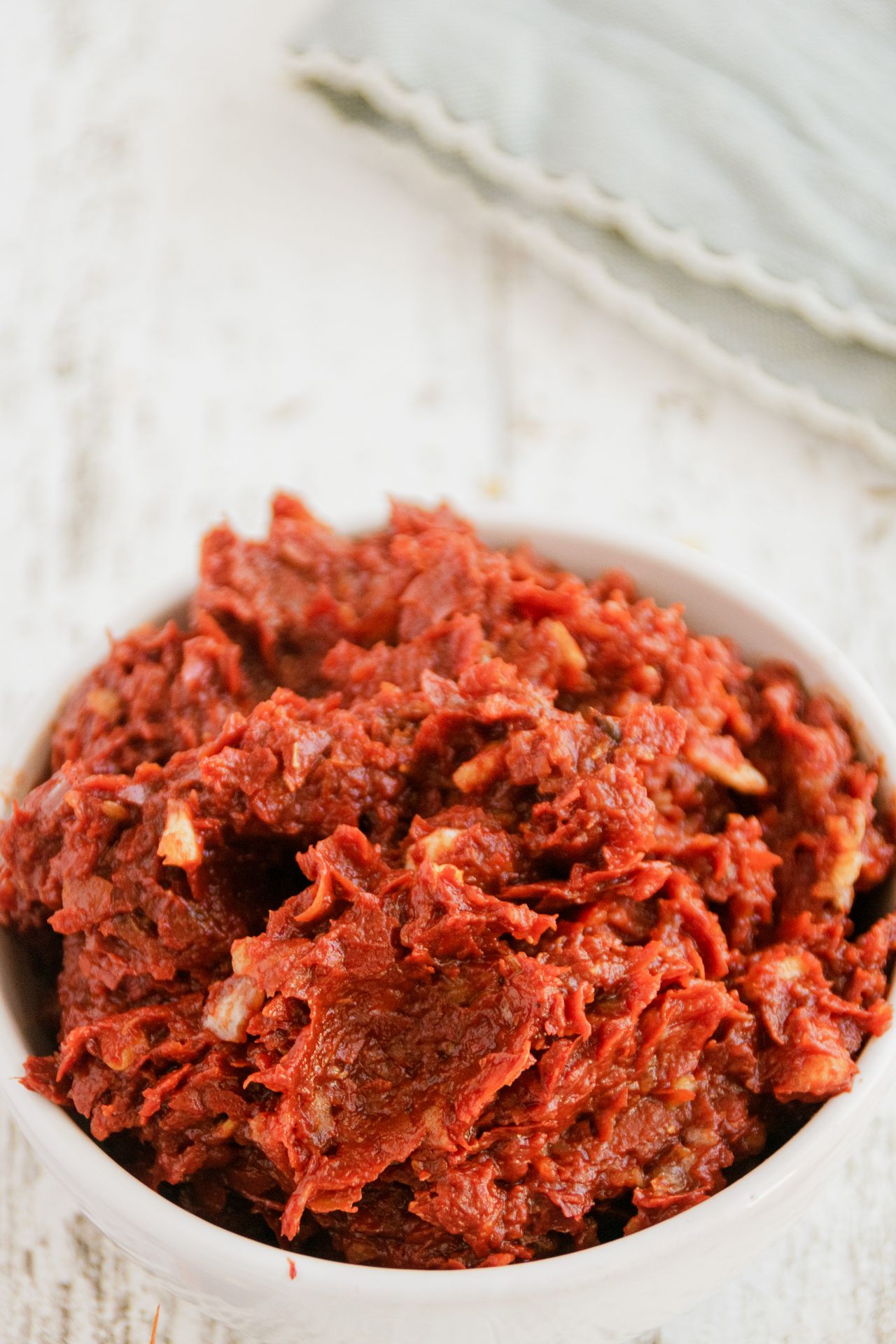
Photo via Pexels
If your stew ever came out pale and thin-tasting, tomato paste is the fix. Two tablespoons add deep red-brown color, gentle sweetness, and a big boost of savory umami, all for about 30 cents. The paste blends into the broth during the long cook, so there is no raw tomato flavor at the end, just richness. A small 6-ounce can covers two batches; freeze the rest in tablespoon-size dollops on a plate, then bag them for next time.
For even deeper flavor, cook the paste in a skillet with the onions for 1 minute until it darkens to a brick red. Cooks call this blooming, and it takes the tinny edge off the paste. No time for that step? Whisk the paste into the beef broth before pouring it over the stew. It disappears into the liquid either way, but the color payoff is the same.
6. Use Red Wine the Smart Way, or Skip It Well

Photo: Wheeler Cowperthwaite, CC BY 2.0, via Wikimedia Commons
Red wine is optional, but it is the fastest way to make a simple stew taste slow-cooked and special. Use 1/2 to 1 cup of a dry red you would drink, like a Cabernet Sauvignon or Merlot, and pour it into the hot skillet after browning the beef. Let it bubble for 1 minute and scrape up the browned bits from the pan. That is pure flavor, and it all goes into the crock.
Cooking for kids or skipping alcohol? Replace the wine with extra beef broth plus 1 tablespoon of balsamic vinegar or an extra teaspoon of Worcestershire sauce. You keep the gentle tang without the wine. Most of the alcohol cooks off during 8 hours of simmering, but the broth swap tastes just as balanced, so nobody at the table will miss it.
7. Choose Chuck, the Cut That Loves Low Heat

Photo: AlbertCahalan, Public domain, via Wikimedia Commons
Beef chuck is the cut to buy. It comes from the shoulder, has plenty of marbling and connective tissue, and all of that melts into tender, juicy bites over a long, slow cook. Buy a whole chuck roast, usually $5 to $8 a pound, and cut it yourself into 1 1/2 to 2-inch cubes. Pre-cut "stew meat" costs more per pound and often mixes different cuts that finish cooking at different times, so some pieces stay chewy.
Trim off only the big, hard chunks of fat and leave the rest; it bastes the meat from the inside. Avoid lean cuts like round or sirloin for stew. They look healthy in the package but turn dry and stringy after hours in the crock, because there is nothing in them to melt. Chuck forgives an extra hour of cooking; lean cuts never forgive anything.
8. Thicken the Stew at the End, Not the Start

Photo: さえぼー, CC BY-SA 4.0, via Wikimedia Commons
Slow cookers trap steam, so stews often finish thinner than you want. The fix takes 5 minutes: whisk 2 tablespoons of cornstarch with 2 tablespoons of cold water into a smooth slurry, stir it into the hot stew, cover, and cook on HIGH for 20 to 30 minutes. The broth turns glossy and spoon-coating. One reader question comes up again and again: why not add the thickener at the start? Because flour and cornstarch break down over 8 hours and can taste gluey by dinner.
For a more old-fashioned body, mash a few of the cooked potato chunks against the side of the crock and stir them back in. Their starch thickens the broth with zero extra ingredients. You can also lift the lid for the last 30 minutes on HIGH to let steam escape. Never boil a finished stew hard to reduce it; the beef you worked all day to tenderize will tighten right back up.
9. Try a French Bourguignon Twist on the Classic

Photo: Asamboi, CC BY-SA 4.0, via Wikimedia Commons
Once the basic recipe is yours, a small detour to France is easy. For a bourguignon-style pot, add 8 ounces of sliced mushrooms and a cup of pearl onions during the last hour, plus the red wine from the wine step above. A strip or two of chopped bacon cooked with the onions at the start adds the smoky depth French cooks rely on. The method is the same; only the accents change.
Serve this version the way bistros do: over wide egg noodles, mashed potatoes, or a slice of thick toasted bread rubbed with a cut garlic clove. It reheats beautifully and tastes even better on day two, which makes it a smart Sunday project. The same low-and-slow logic powers our pot roast recipe in the oven, if you want a sliceable cousin of this stew.
10. Brighten It Up Mexican-Style with Chile and Corn
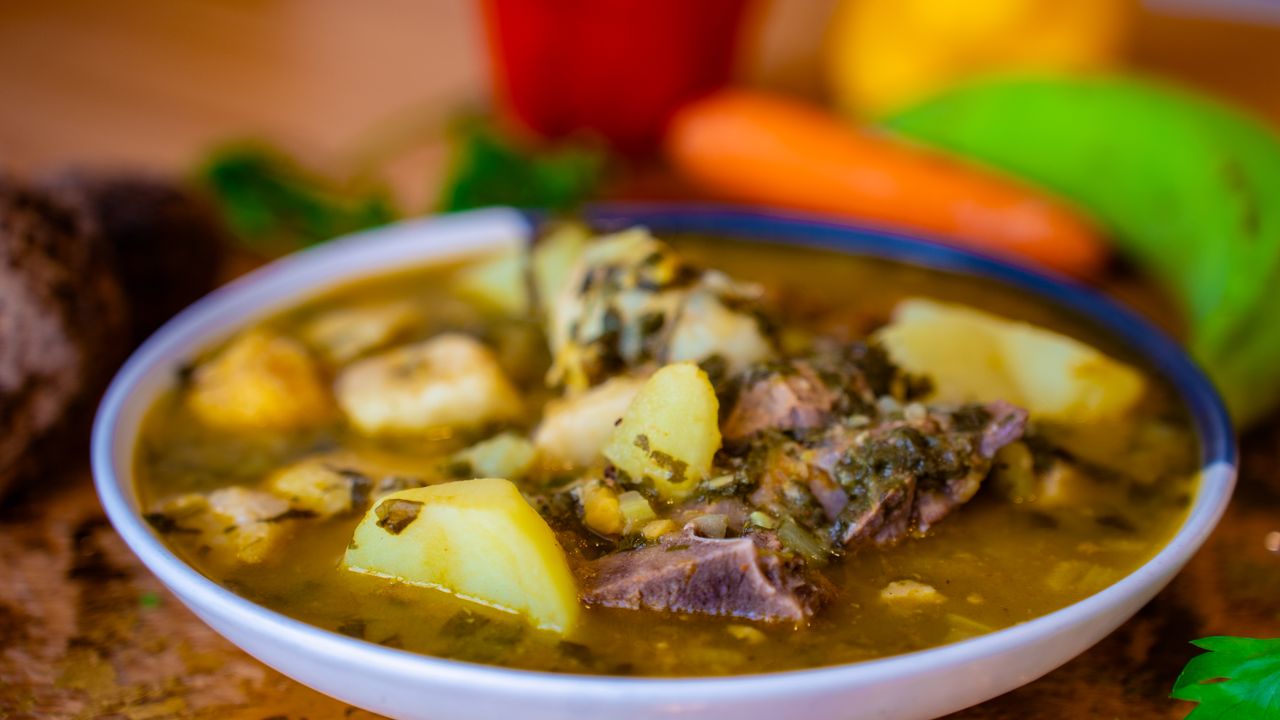
Photo via Pexels
For a brighter pot, borrow from Mexican home cooking. Stir 1 to 2 chopped chipotle peppers in adobo sauce and 1 teaspoon of ground cumin into the broth at the start. The chipotles bring smoke and a gentle heat that builds warmth without burning. Add a cup of frozen corn in the last hour so it stays sweet and firm. The beef, potatoes, and carrots stay exactly the same; only the seasoning changes direction.
Finish this version away from the basics: a squeeze of lime juice and a shower of chopped fresh cilantro right before serving wake up the whole bowl. Offer warm tortillas or a pot of rice on the side for soaking up the broth. It is the same cozy dinner, but nobody will guess it started from the classic recipe, and leftovers make excellent burrito filling the next day.
Frequently Asked Questions
Do I have to brown the beef before it goes in the slow cooker?
No, browning is optional, and on a busy morning you can skip it. Browning adds a deeper, roasted flavor and darker color because of the crust that forms in a hot pan, so do it when you have 10 extra minutes: sear the cubes in a hot, oiled skillet in two batches so they are not crowded. Either way, pat the beef dry with paper towels first. Wet meat steams instead of searing, and dry meat also gives you a cleaner-tasting broth.
Why did my stew come out watery?
Slow cookers keep almost all their steam inside, and vegetables release juice as they cook, so stew broth almost always ends thinner than stovetop stew. Start with less liquid than you think: about 1 1/2 to 2 cups of broth for a 6-quart batch is plenty, since the meat should not be fully covered. Then thicken at the end with a cornstarch slurry, or mash a few potato chunks into the broth. Both fixes take under 30 minutes and work every time.
How long does beef stew take on Low and High?
On LOW, plan 8 to 9 hours for a full 6-quart crock; on HIGH, 4 to 5 hours. Low gives the most tender beef because the connective tissue melts slowly and evenly. The stew is done when the beef pulls apart with gentle fork pressure and the potatoes are soft all the way through. If you will be away 10 hours, choose LOW and slightly larger beef cubes, and make sure your cooker holds the stew above 140°F on its Warm setting afterward.
Can I prep everything the night before?
Yes, and it is the best way to get a slow cooker running before work. Brown the beef if you plan to, chop the vegetables, and store the meat and vegetables in separate sealed containers in the fridge. Do not leave raw beef sitting in the crock overnight, even in the fridge, because the crock itself must stay cold and the meat marinates unevenly. In the morning, load the crock, add cold broth, and start it right away. Add 30 minutes to the cook time since everything starts cold.
How do I store and freeze leftovers?
Cool the stew, then refrigerate it in shallow containers within 2 hours of cooking. It keeps 3 to 4 days in the fridge and tastes even better on day two. For the freezer, ladle it into freezer bags, press out the air, and freeze flat for up to 3 months. One note: potatoes can turn slightly grainy after freezing, so for planned freezer batches, some cooks leave the potatoes out and add freshly boiled ones when reheating. Thaw overnight in the fridge and reheat to a gentle boil.
Final Thoughts
A great slow cooker stew is not about fancy ingredients. It is about five small habits: chuck instead of lean beef, big vegetable chunks, herbs and tomato paste in the base, the right amount of liquid, and the thickener saved for the end. Get those right and the cooker does the rest while you get on with your day.
Make the classic pot once, then play with the French and Mexican versions until one of them becomes your house recipe. And when soup season calls instead, our collection of winter soup recipes will keep the same cozy feeling going all season long.
Sources
- Savory Nothings – Crock Pot Beef Stew
- My Rad Kitchen – Beef Stew Crockpot
- Crock Recipes – Slow Cooker Beef Stew
Gallery

Photo: 3steph14, CC BY-SA 4.0, via Wikimedia Commons

Photo: Prayitno, CC BY 2.0, via Wikimedia Commons
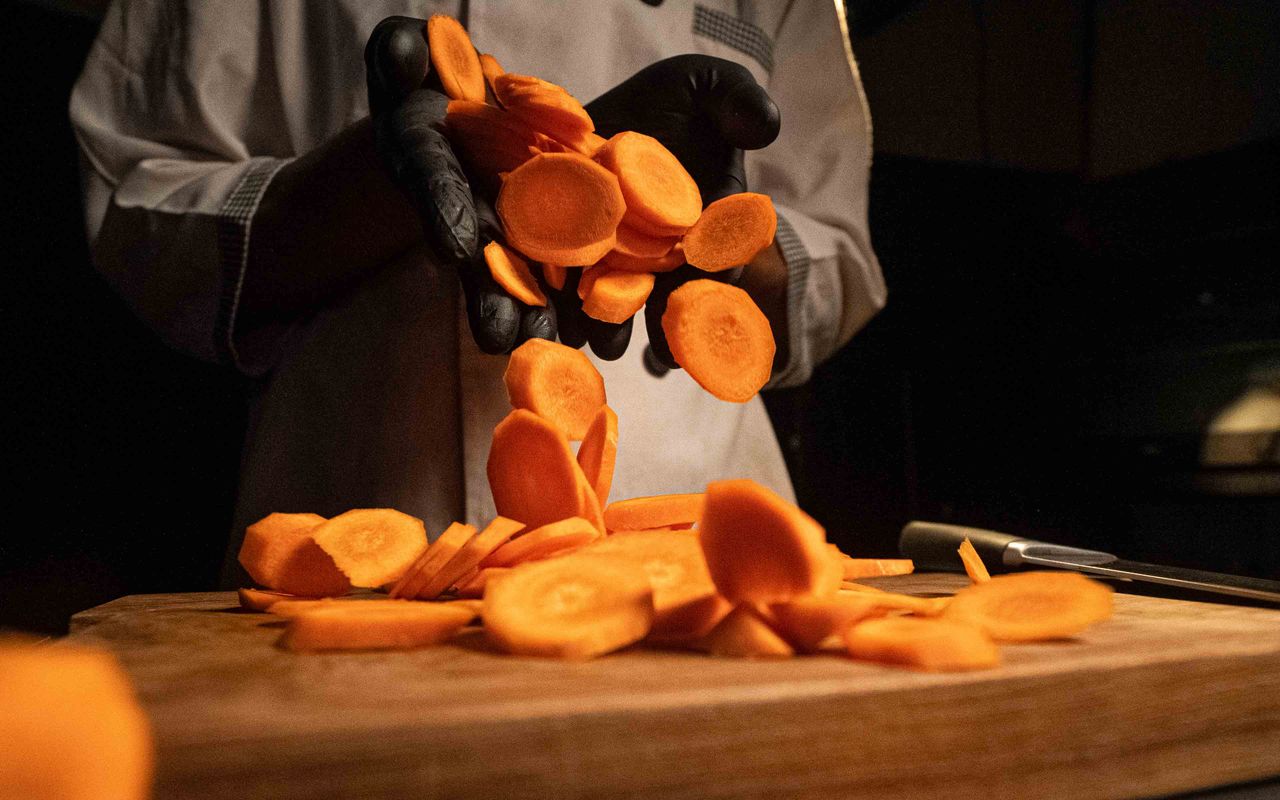
Photo via Pexels

No comments:
Post a Comment