Tables are the quiet workers of a living room. The sofa gets the compliments, but the tables do the daily work. They hold your morning tea, your laptop, the lamp that lights your book, and the remote you always lose. A good living room table set makes all of this feel easy, because every piece is the right size, the right height, and in the right place. This guide shows you how to pick one, piece by piece, in plain words. No design degree needed.
In this guide:
- Know What Comes in a Table Set
- The Classic 3-Piece Set: Coffee Table Plus Two End Tables
- Size the Coffee Table to Your Sofa
- Set End Tables at the Right Height
- Nesting Tables: The Small-Room Hero
- Match or Coordinate? The Simple Rule
- Solid Wood: Warm, Strong, and Forgiving
- Glass, Marble-Look, and Metal: Light and Modern
- Table Sets for Small Rooms
- Placement Rules That Always Work
- Style Each Piece Like a Pro
- Add a Console Table to Complete the Look
- Buy Smart on a Tight Budget
- Check Quality Before You Pay
Cozy living room with a wooden coffee table and side table — Photo via Pexels
1. Know What Comes in a Table Set
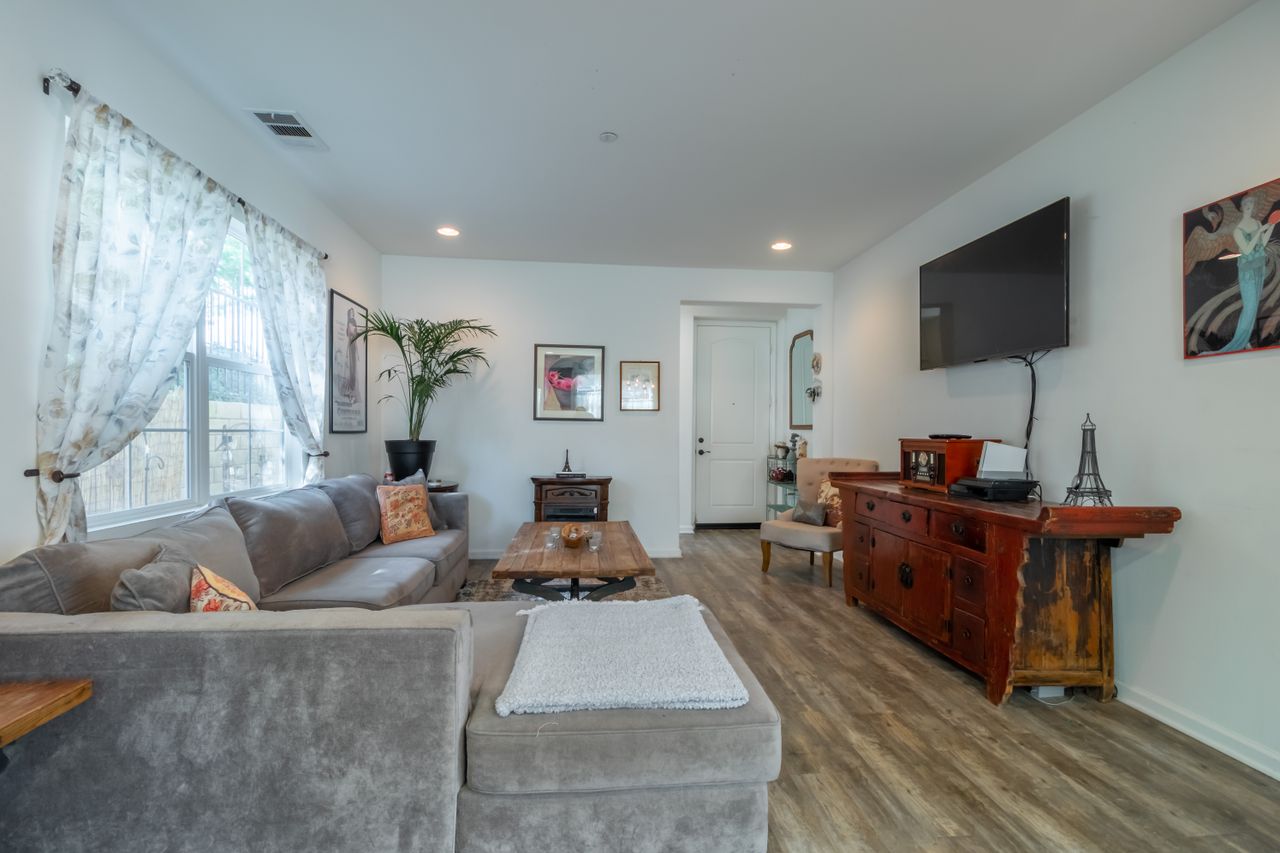
Living room with couch, wooden coffee table and console — Photo: Luis Martinez, via Pexels
Before you shop, learn the vocabulary, because stores use these terms in tricky ways. A 2-piece set usually means one coffee table plus one end table, or two nesting tables sold together. A 3-piece set is most often one coffee table plus two end tables. Sometimes it means a coffee table, one end table, and a console table. A 4-piece set adds the console table to the classic trio.
Always read the piece list, not just the number. Two stores can both sell a "3-piece set" and mean different things. Write down what you actually need before you look at any set: one coffee table, one or two end tables, and maybe a console. Then match the set to your list. If a set has a piece you do not need, you are paying for clutter.
Think in jobs, not pieces. The coffee table serves the center. The end tables serve the seats. The console serves the wall or the entryway. If every piece has a clear job in your room, the set will feel right. If a piece has no job, leave it in the store.
2. The Classic 3-Piece Set: Coffee Table Plus Two End Tables
Modern lounge with a table and cozy armchairs — Photo: Rachel Claire, via Pexels
The most popular set in the world is one coffee table plus two matching end tables, and it is popular for a good reason. Two identical end tables flanking a sofa create instant rhythm. The eye reads the pattern — table, sofa, table — and the whole wall looks finished, even before you add a single decoration.
This trio works best in a standard room with a sofa against a wall. Place one end table at each end of the sofa, and the coffee table in front. Put a lamp on one end table and a small plant or a stack of books on the other. Now the room has balance: two lights of the same height, two surfaces of the same size, one calm line across the wall.
One warning from experienced decorators: let the tables be the quiet part of the room, not the loud part. When the coffee table and end tables all match, keep the personality in the rug, the art, or one bold chair. Two of the same thing is a frame. The art inside the frame should be the interesting part.
3. Size the Coffee Table to Your Sofa
Brown coffee table on a green area rug — Photo via Pexels
The coffee table is the anchor of the set, so size it to the sofa, not to the room. Here is the golden rule designers repeat everywhere: the coffee table should be about one-half to two-thirds as long as the sofa. On an 84-inch (213 cm) sofa, that means a table 42 to 56 inches (107 to 142 cm) long. Shorter than half and it looks lost. Longer than two-thirds and it crowds the sofa.
Height matters just as much. The tabletop should sit at the same height as the sofa seat cushions, or one to two inches (2.5 to 5 cm) lower. A table that pokes up above the cushions cuts across your view and feels wrong every time you sit down. Most sofa seats are 17 to 19 inches (43 to 48 cm) high, so most coffee tables are 16 to 18 inches (40 to 45 cm) high.
Leave 14 to 18 inches (35 to 45 cm) between the front of the sofa and the edge of the table. Closer and your knees hit it. Farther and you lean forward for every sip of tea. If you are furnishing the whole room from scratch, this guide to choosing living room furniture walks through sizing the sofa first, so the tables that follow it fit perfectly.
4. Set End Tables at the Right Height
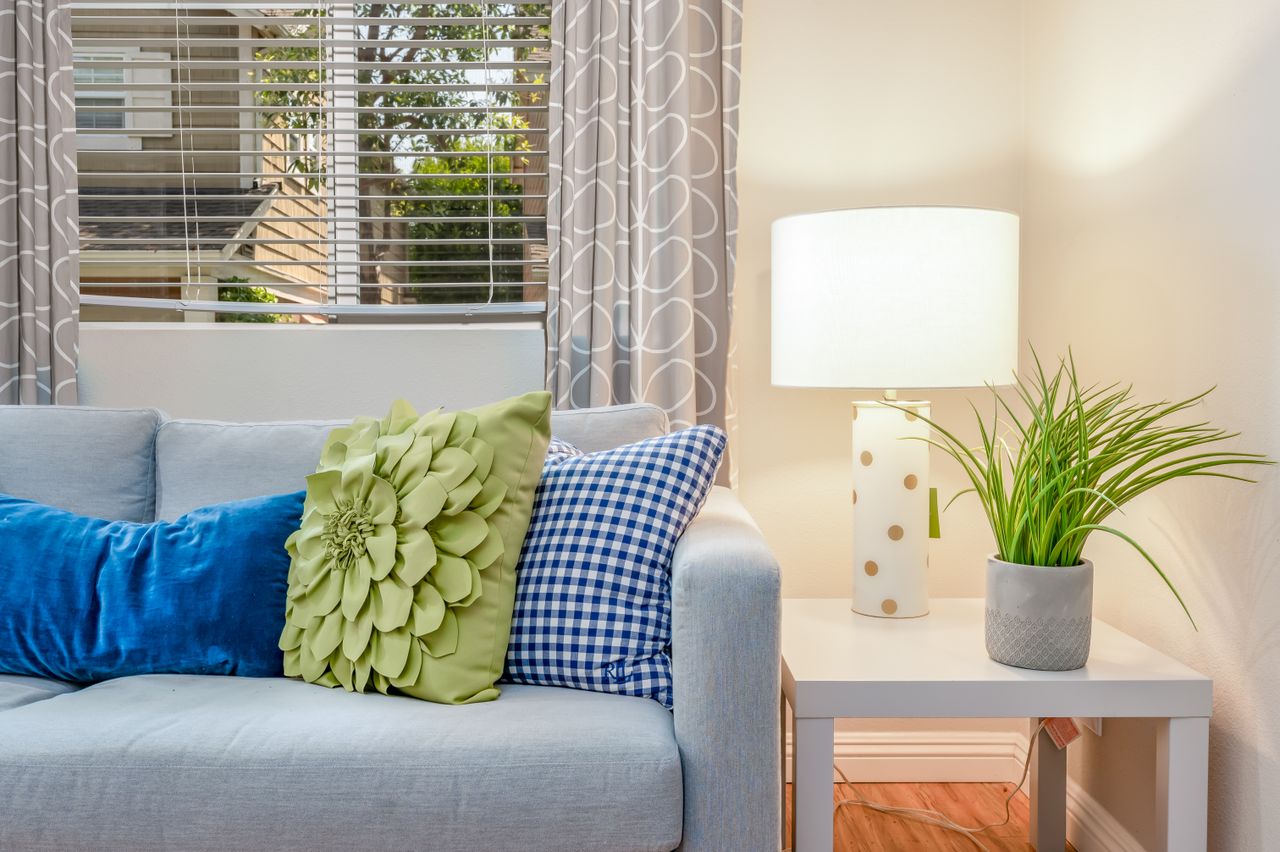
Table lamp on a side table beside the sofa — Photo: Terry Magallanes, via Pexels
End tables have one strict rule: their height should be within one to two inches (2.5 to 5 cm) of the sofa arm, or just below it. Too tall and the lamp towers over you like a streetlight. Too short and you have to bend down and grope for your cup. Measure your sofa arm before you shop, and bring the number with you.
Width is about the job. If the end table only needs to hold a drink, 16 to 18 inches (40 to 45 cm) wide is plenty. If it must hold a lamp plus a drink plus a book, go 20 to 24 inches (50 to 60 cm) wide. And check the depth: the table should not stick out past the front of the sofa arm, or it becomes a shin-bruiser in the dark.
A clever double duty: in a guest room or a studio, an end table of the right height can double as a nightstand. The rule is the same — top of the table about even with the top of the mattress. One good table can honestly serve two rooms in its lifetime.
5. Nesting Tables: The Small-Room Hero
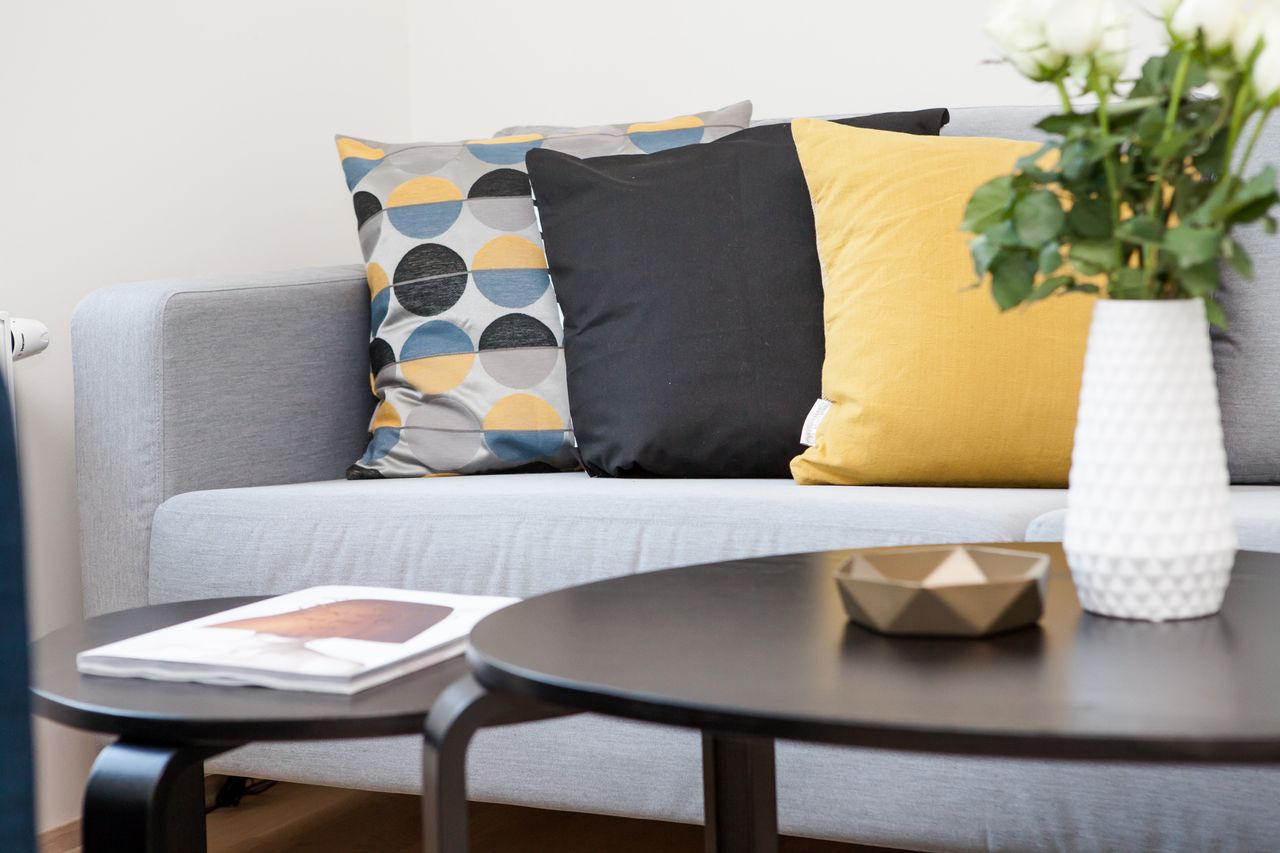
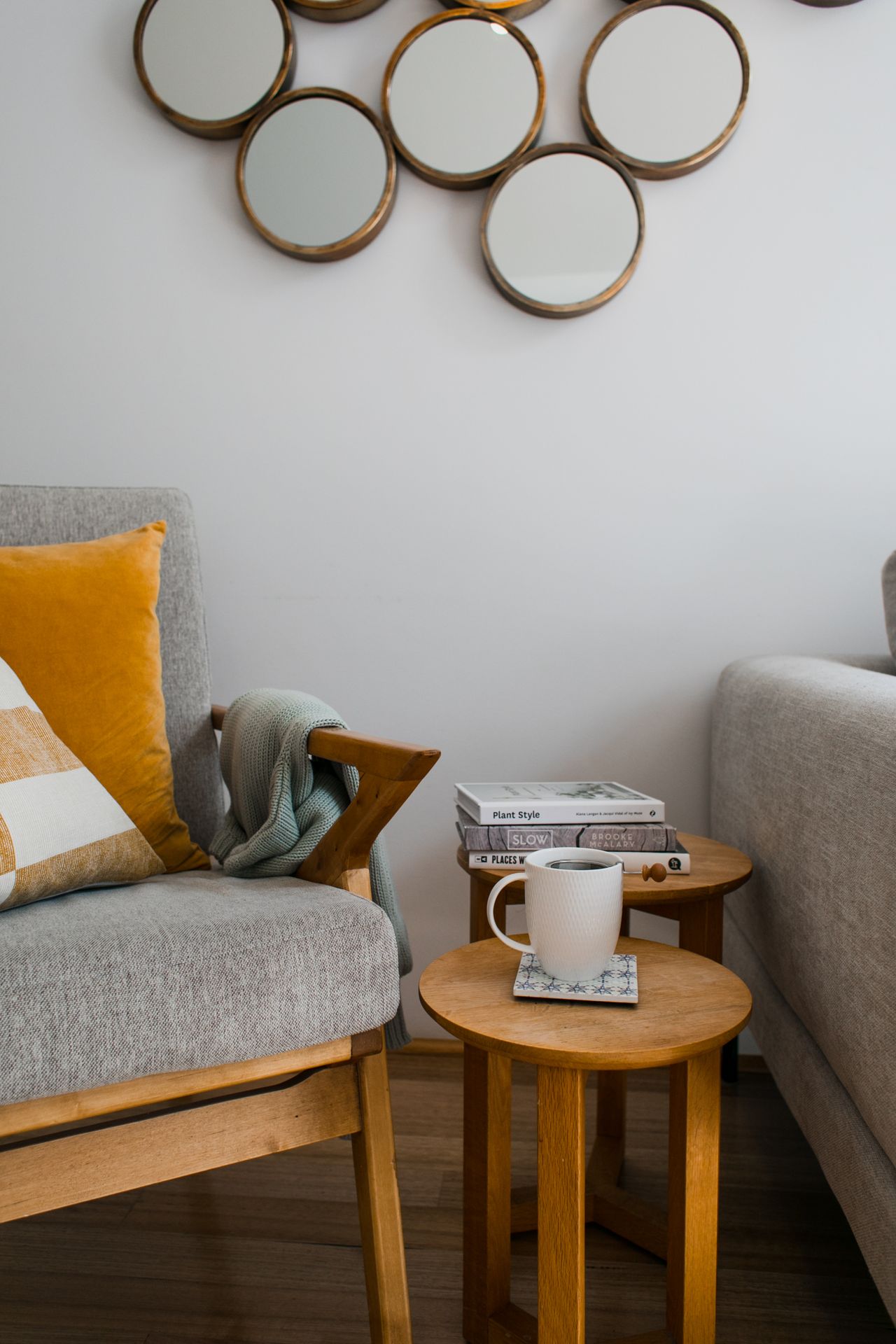
Two round nesting tables beside a grey sofa — Photo via Pexels
Nesting tables are two or three tables of decreasing size that slide under each other like Russian dolls. When guests are few, they tuck into one footprint. When guests arrive, you pull them out and suddenly you have three surfaces. For a small living room, this is the smartest set you can buy.
Use them two ways. As a coffee table: keep the large one in the center and the small one tucked beneath, then pull the small one out as a side table when someone visits. As end tables: split the set and place one on each side of the sofa. Either way, you get flexibility that a fixed 3-piece set cannot give you.
When you shop for nesting sets, check the clearance between the tables. The smaller table must actually slide fully under the larger one, with room to spare. And look at the smaller table's height: it should still be usable as a side table, not so low that it is only decoration. If you rent a small place, these renter-friendly living room ideas show how flexible pieces like these earn their floor space twice over.
6. Match or Coordinate? The Simple Rule
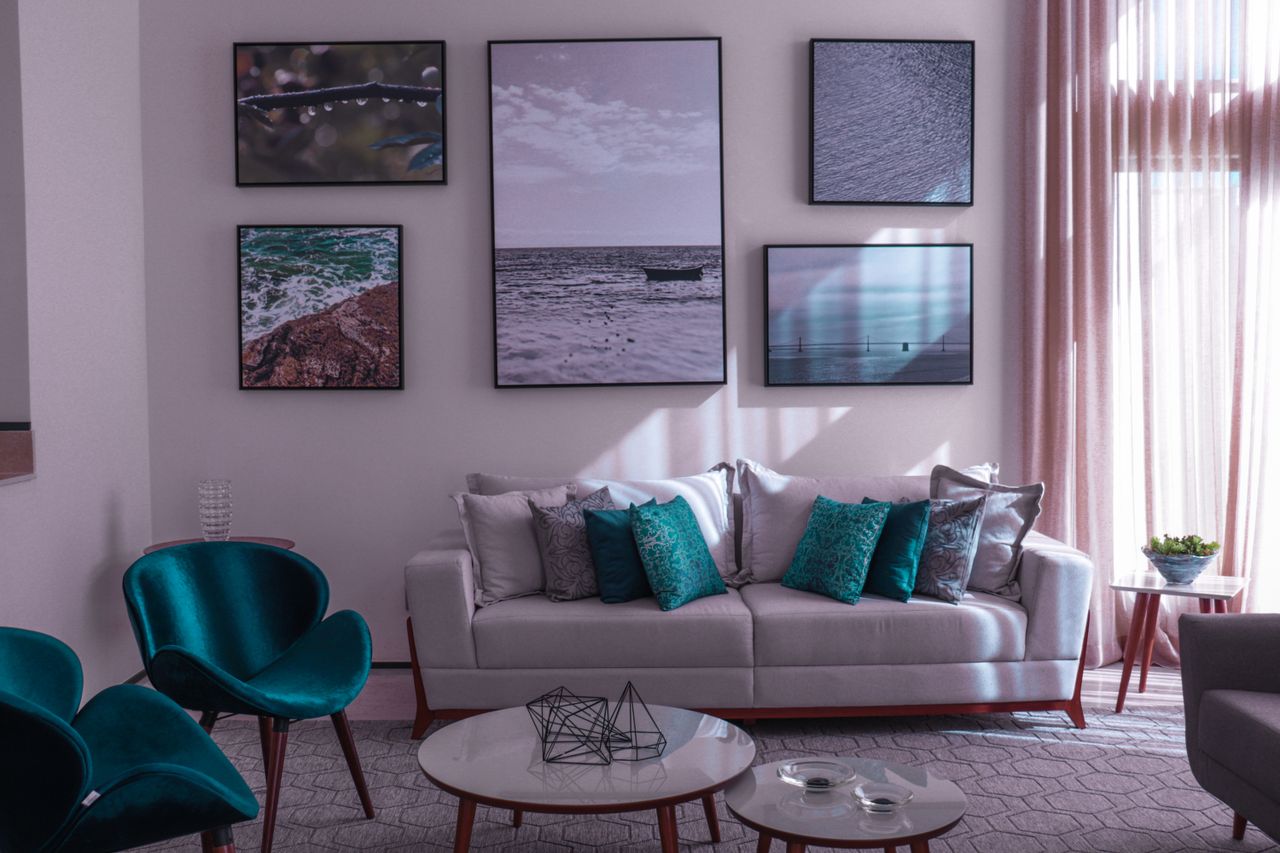
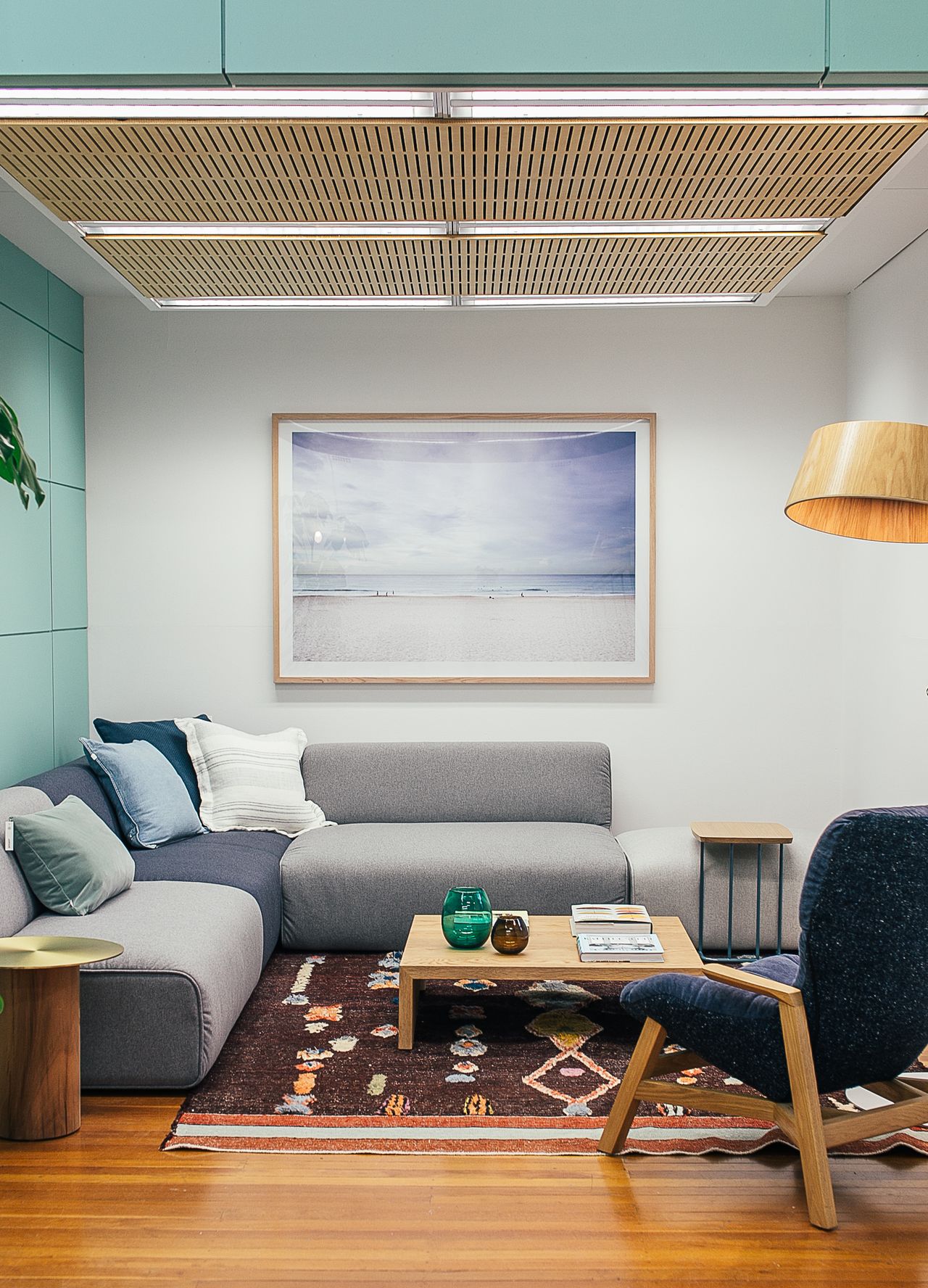
Contemporary living room with coordinated teal accents — Photo via Pexels
Here is the question everyone asks: must the coffee table and the end tables match? The honest answer: no, but they must relate. A matching set is the safe choice — it needs no design thinking and always looks tidy. A coordinated mix looks more collected and personal, but it needs one clear rule to hold it together.
Use the "match one, contrast one" rule. Let the coffee table match the end tables in ONE thing — the wood tone, the leg style, or the shape — and let everything else differ. A walnut coffee table with black metal legs pairs beautifully with simple black side tables. The shared black legs are the handshake between the pieces.
Keep undertones consistent. A warm oak table next to a warm walnut side table looks intentional. A warm oak table next to a cool grey-blue side table looks like a mistake, even if the shapes are perfect. And if two pieces feel slightly off, bridge them with accessories: a tray, a vase, or a lamp base that picks up both finishes ties the pair together.
7. Solid Wood: Warm, Strong, and Forgiving
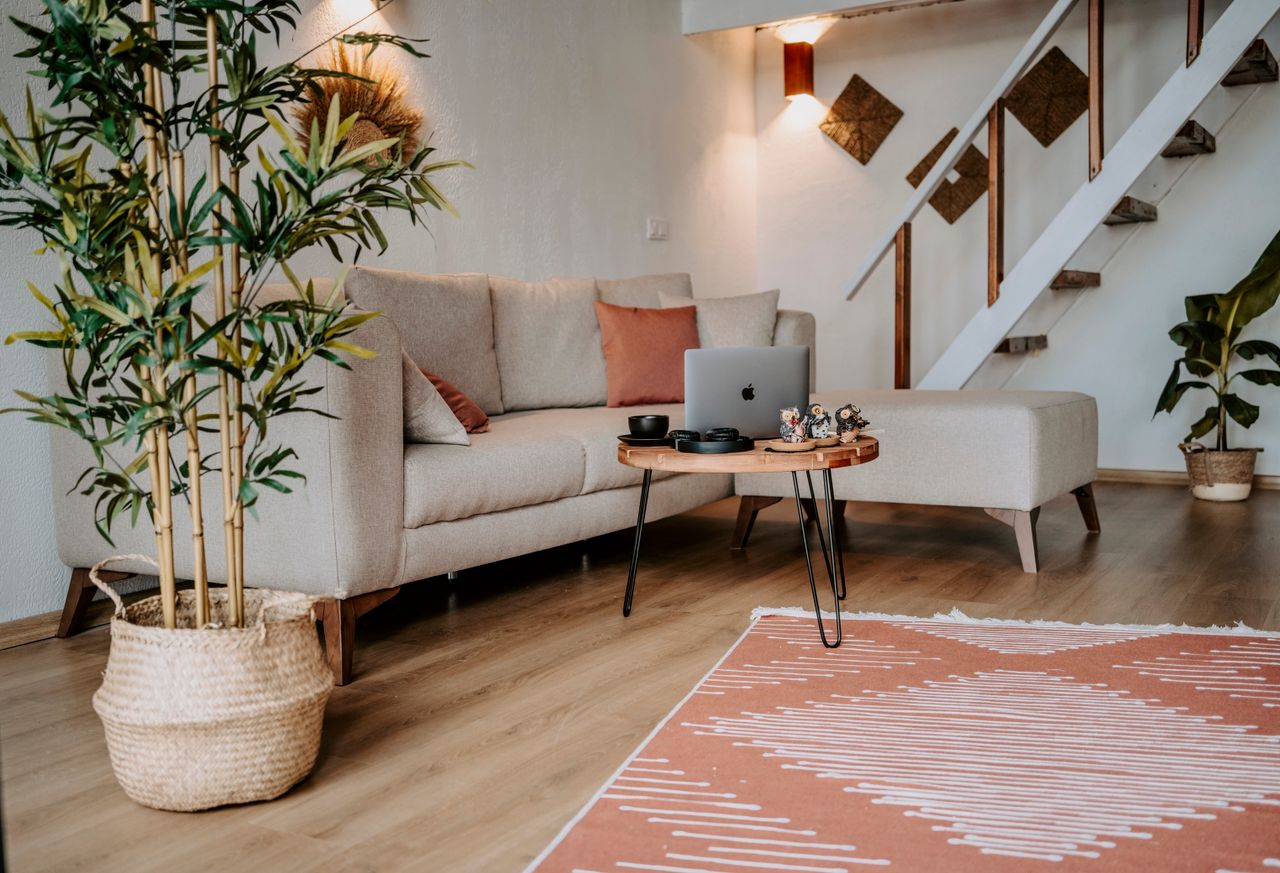
Wooden coffee table with indoor plants — Photo: Samet Korkmaz, via Pexels
Solid wood is the most forgiving material for tables. It is warm to the touch, it hides small scratches, and a dent can be sanded out. Oak, walnut, acacia, and mango wood are the common choices. Oak is hard and pale. Walnut is rich and dark. Acacia and mango are budget-friendly and full of character.
Wood's real strength is how it ages. A solid wood coffee table can be refinished, re-stained, or simply oiled back to life after years of use. No other common table material offers that. If you want a set that lasts a decade and looks better with age, wood is the answer.
Know the difference between solid wood and wood veneer. Veneer is a thin layer of real wood glued over MDF or particleboard. Good veneer looks identical to solid wood and costs much less, but it cannot be sanded and it chips at the edges if knocked. For a coffee table that takes daily knocks, solid wood or thick high-quality veneer is worth the extra money.
8. Glass, Marble-Look, and Metal: Light and Modern
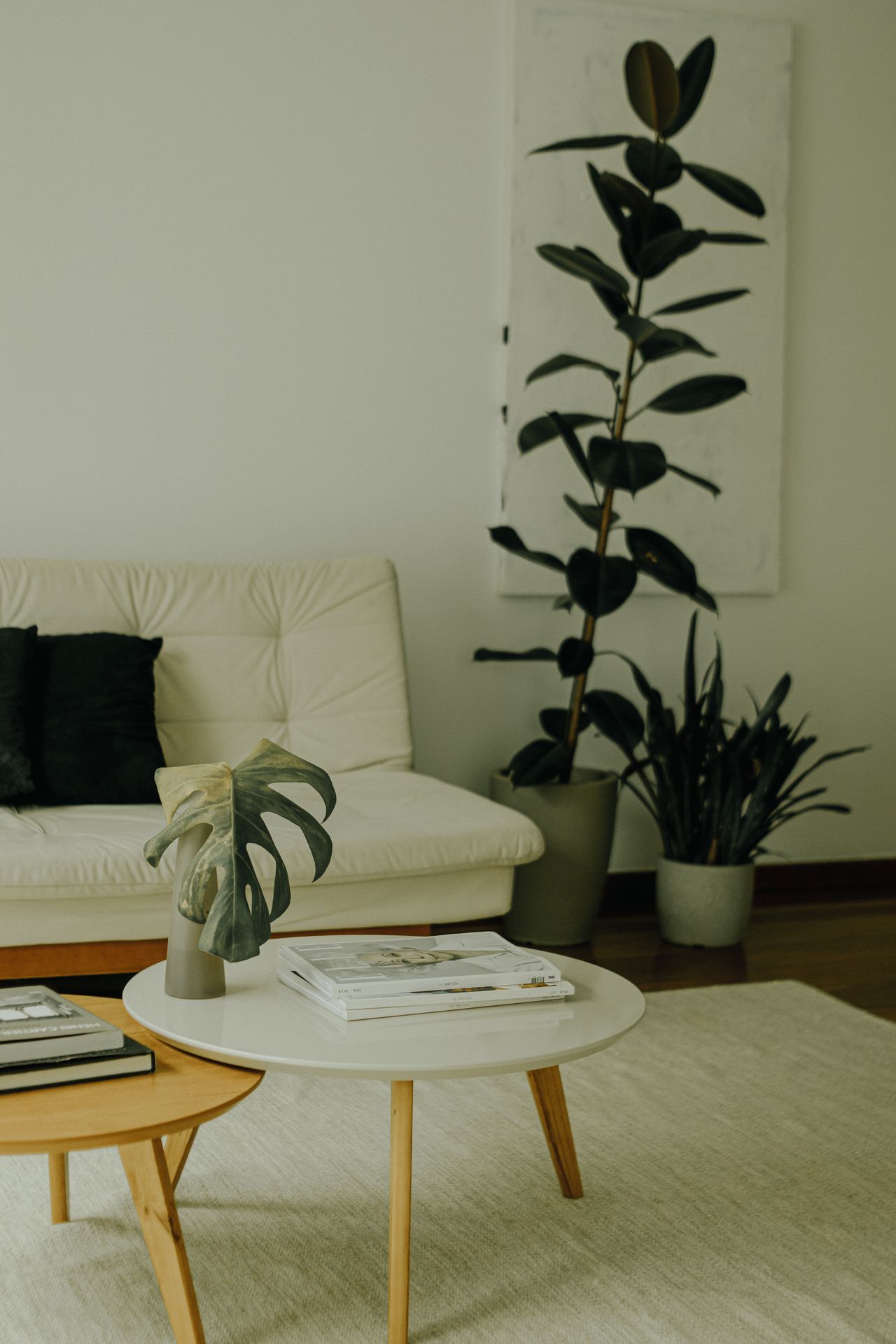
Minimalist living room with a light coffee table — Photo via Pexels
If wood feels too heavy for your room, the light materials are glass, marble-look, and metal. A glass-top coffee table almost disappears, which makes a small room feel bigger because your eye sees straight through to the floor. Tempered glass is the safe choice — it is four to five times stronger than regular glass and breaks into dull pebbles, not shards.
Real marble is heavy, expensive, and stains from lemon and wine. Marble-look porcelain or sintered stone gives you the same veined beauty at a fraction of the weight and worry. It wipes clean and shrugs off hot mugs. For a family room, the look of marble without the maintenance of marble is the smarter buy.
Metal frames — black steel, brass, or chrome — add a slim modern line and are nearly indestructible. A wood top on a metal base is the great peacemaker of table sets: the wood warms the room, the metal keeps it modern, and the combination matches almost any sofa. Just check the welds and the weight: a good metal-frame table feels planted, not rattly.
9. Table Sets for Small Rooms
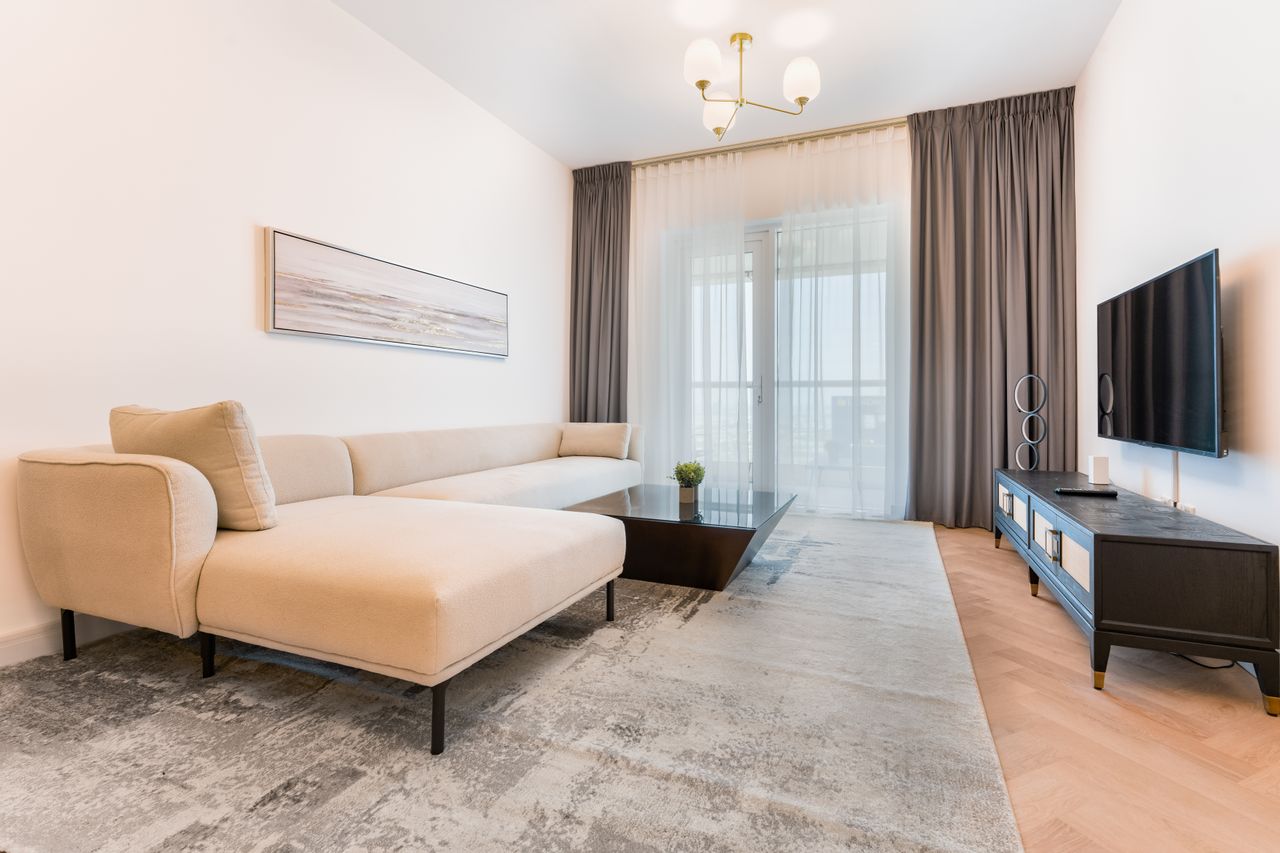
Small apartment living room with a beige sofa and coffee table — Photo: Alan Antony, via Pexels
Small rooms do not need smaller style — they need smarter shapes. Round and oval coffee tables are the small-room champions. With no sharp corners, people can squeeze past them without bruises, and the curved shape makes tight layouts feel like they flow instead of jam.
Try a C-table as your end table. It is a small side table shaped like the letter C, and its base slides under the sofa so the top hovers over the seat. It works where a normal end table cannot fit, and it doubles as a laptop desk. One C-table can replace a whole end table in a studio apartment.
Keep the visual weight low. Tables with slim legs, open bases, and light tops show more floor, and visible floor makes a room feel bigger. A chunky cube table eats a small room alive. For more ways to make every inch count, these small apartment budget ideas prove that tight spaces can still look intentional.
10. Placement Rules That Always Work
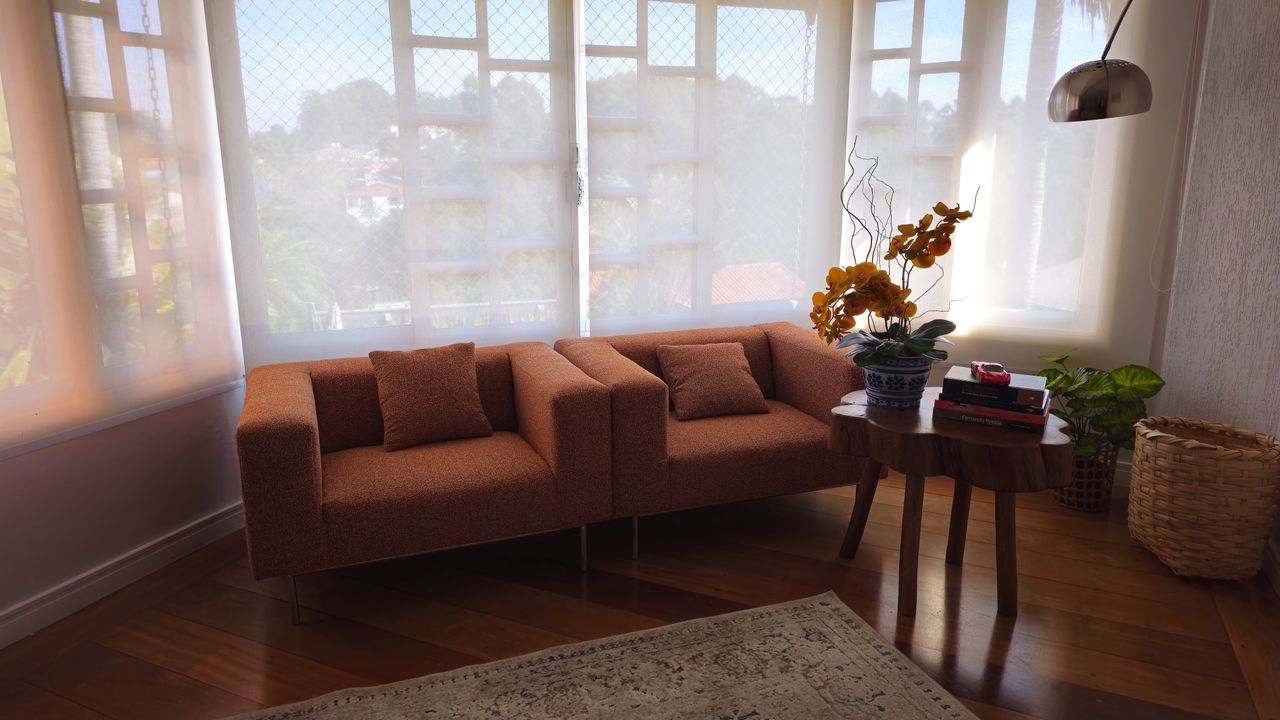
Minimalist living room with a sofa and side table — Photo: Mostaza Mostaza, via Pexels
Placement is where good table sets go wrong. Memorize three distances and you will never misplace a table again. First: 14 to 18 inches (35 to 45 cm) between the sofa front and the coffee table edge. Second: at least 30 inches (75 cm) of walking space on any side people pass through. Third: end tables close enough to touch — every seat should reach a surface without standing up.
Do you need end tables on both sides of the sofa? Not always. If one side of the sofa sits against a wall or a walkway, one good end table on the open side is enough. Symmetry is nice, but function wins. A single well-placed table beats two awkward ones.
Keep walkways behind the seating, not between the sofa and the coffee table. The path from the door to the kitchen should never cut through the conversation zone. If your current layout forces people to squeeze past the coffee table, the fix is usually moving the rug and sofa as one unit, not buying a smaller table.
11. Style Each Piece Like a Pro
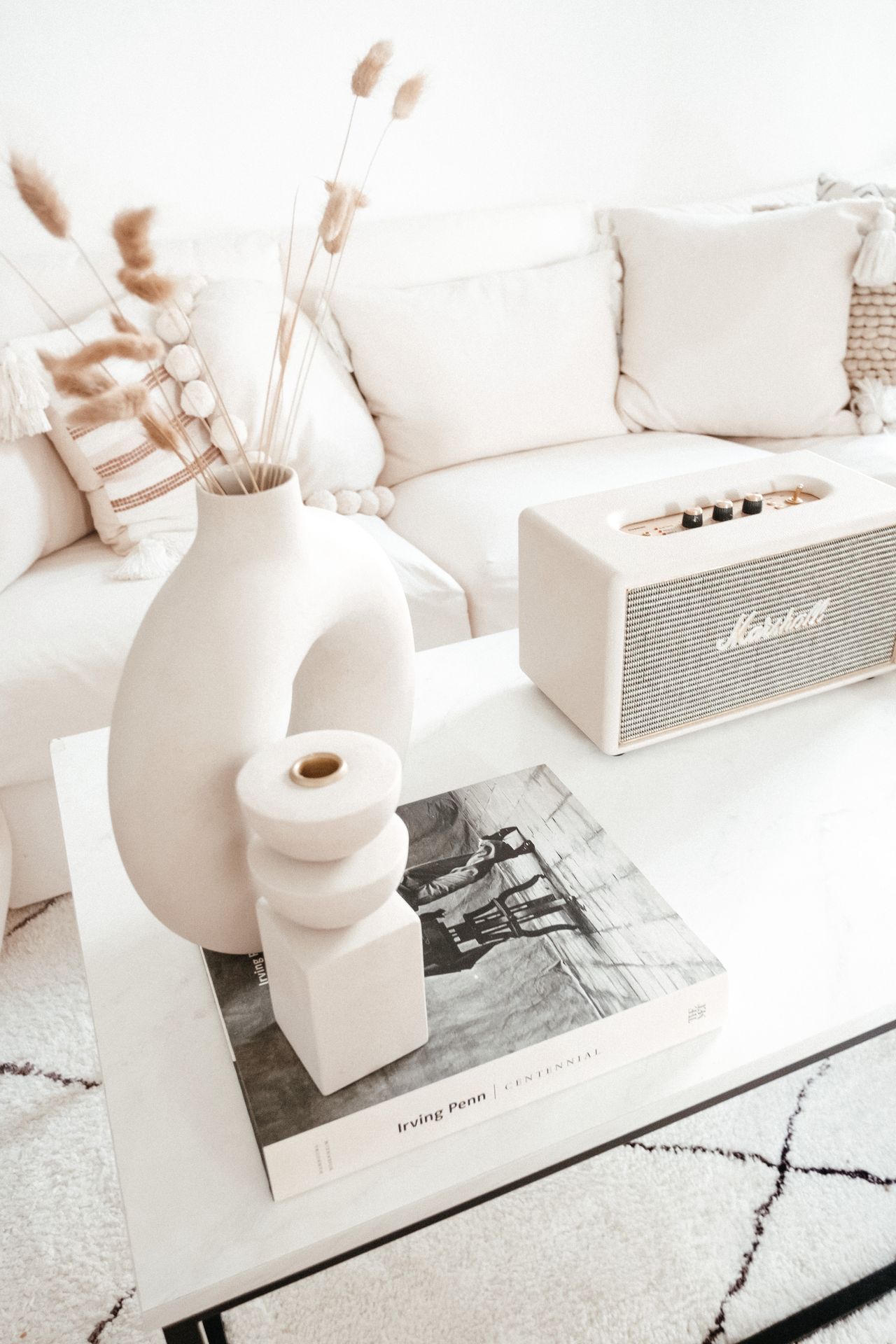
Styled white coffee table with vases and a book — Photo: Philip Warp, via Pexels
Styling is what turns three wooden boxes into a finished room. Start with the rule of three: group objects in odd numbers. A tray, a small plant, and a stack of two books on a coffee table will always look better than four random items scattered around.
Use a tray as the great organizer. A tray corrals the remote, the coasters, and the candle into one neat island, and the rest of the tabletop stays clear for actual life. On end tables, give each table one job: one holds the lamp and a drink, the other holds a plant and a book. Two jobs, no clutter.
Play with heights. A tall vase, a medium stack of books, and a low bowl create a little skyline that keeps the eye moving. And leave empty space on purpose — a table that is half empty looks calm and expensive, while a table covered edge to edge looks like a storage shelf.
12. Add a Console Table to Complete the Look
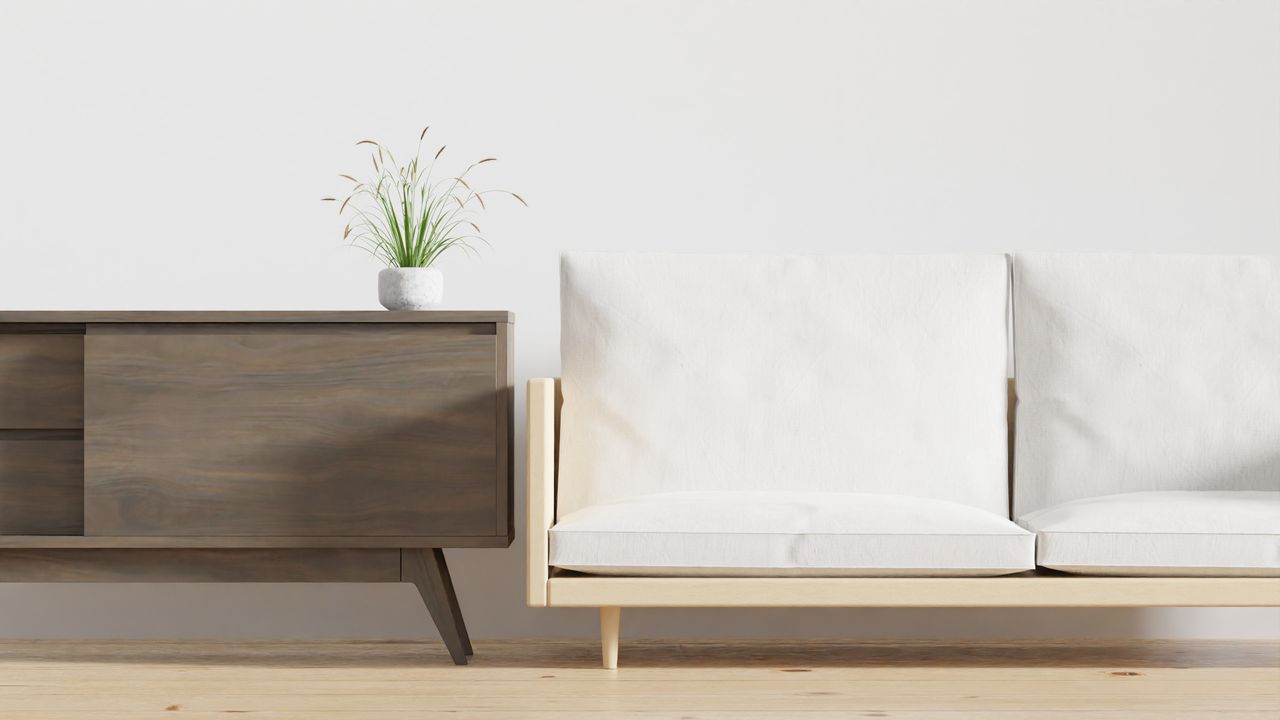
Wooden console table with a potted plant beside a white couch — Photo: dada_design, via Pexels
The console table is the forgotten member of the table family. It is a long, narrow table, usually 28 to 32 inches (70 to 80 cm) high and only 12 to 16 inches (30 to 40 cm) deep. It lives against a wall, behind a sofa, or in the entryway — anywhere a normal table would be too deep.
Behind a floating sofa, a console table is magic. It gives the back of the sofa a finished look, holds a pair of lamps or a row of frames, and stops the sofa from looking stranded in the middle of the room. The rule: the console should be about the same height as the sofa back, or a few inches lower.
In the entryway, the same piece becomes the landing strip for keys, mail, and a mirror above. One console table, two jobs, zero extra floor space. When a 3-piece set includes a console instead of a second end table, this is the versatility you are buying.
13. Buy Smart on a Tight Budget
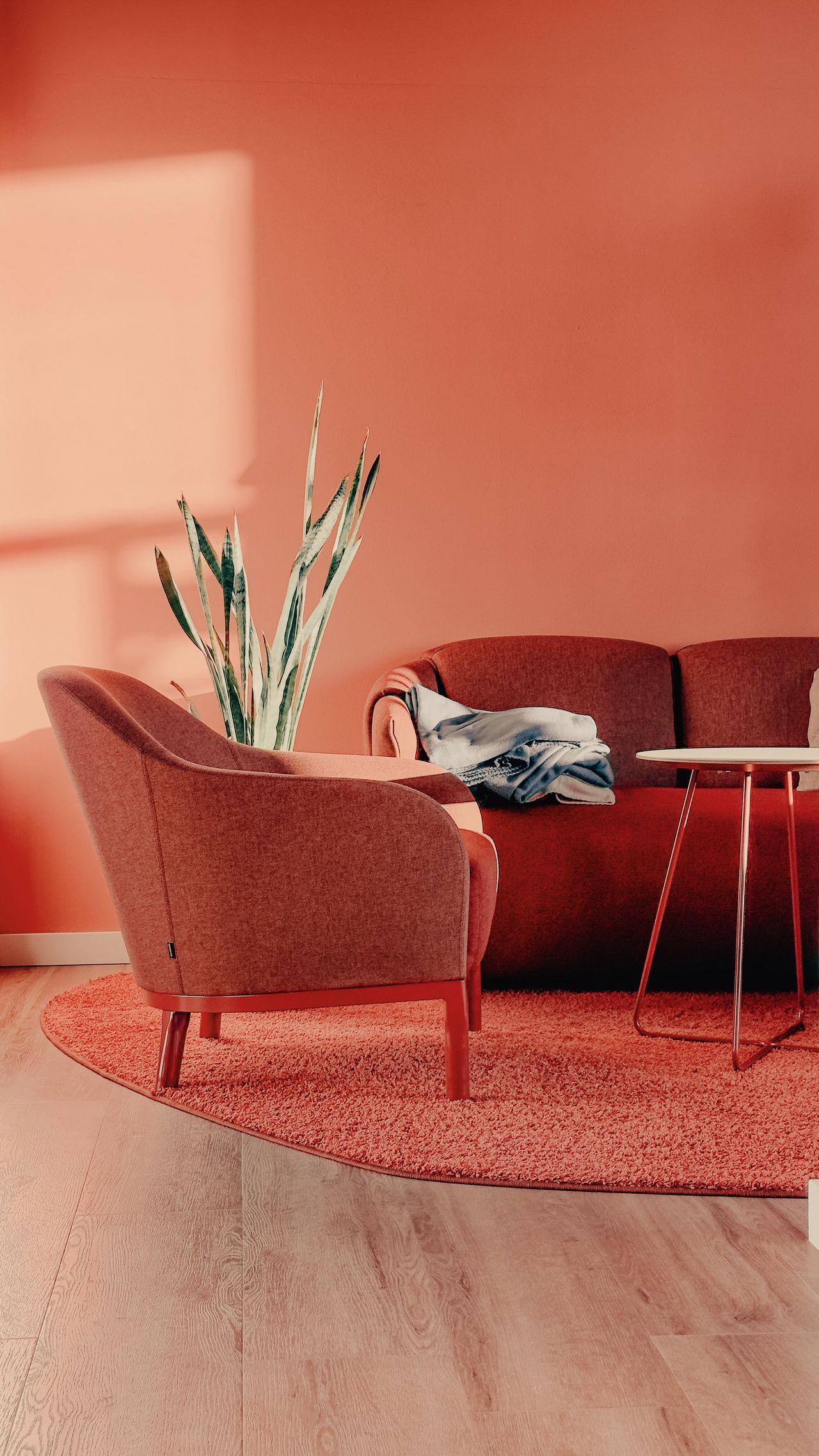
Living room with a red couch and a coffee table — Photo via Pexels
Tables are the best place to save money in a living room, because a well-chosen budget table looks far more expensive than it is. Spend your money on the coffee table — it is the biggest, most visible piece — and save on the end tables, which are small and easy to upgrade later.
Learn where the savings hide. A veneer-top coffee table with solid wood legs looks like solid wood at half the price. Metal-frame tables with wood tops are often cheaper than all-wood designs and just as sturdy. And secondhand stores are full of solid wood end tables, because tables are the furniture people replace most and discard in the best condition.
Never buy the cheapest table with moving parts. Lift-top coffee tables, nesting mechanisms, and drop leaves are wonderful — but only when the hinges are good. A wobbly mechanism on day one is a broken table by year two. If the budget only stretches to a simple fixed table, buy the simple fixed table.
14. Check Quality Before You Pay

Minimalist living room with clean modern lines — Photo via Pexels
Do the wobble test before any table comes home. Put both hands on opposite corners and push gently. A good table stands firm and silent. A bad one rocks, creaks, or twists. This ten-second test catches more bad tables than any review ever will.
Look at the joints and the finish. Corners should be tight with no gaps. Screws should sit flush, not poking out. Run your hand along the edges: they should feel smooth, with no rough patches or sharp splinters. On veneer, check the edges and corners for chips — that is where cheap veneer fails first.
Pick the table up, or try to. A solid, well-built coffee table has reassuring weight. An unnaturally light table is usually hollow or thin-walled, and it will slide across the floor every time someone leans on it. Weight is not everything, but in tables, it is almost always a sign of honest construction.
Final Thoughts
A great living room table set is not about spending the most money. It is about buying the right pieces, in the right sizes, placed by the rules. Learn what comes in a set, size the coffee table to your sofa, set the end tables at arm height, and let the pieces coordinate instead of shouting. Do that, and three simple tables will make the whole room feel finished.
Start with the tape measure, not the shopping cart. Measure your sofa, your arm height, and your walkways. Once those three numbers are on paper, choosing the set becomes easy — and every piece you bring home will have a job waiting for it. When autumn comes and you want to warm the room up, these cozy fall living room ideas show how small swaps keep good tables feeling new.
Frequently Asked Questions
Should my coffee table and end tables match?
They do not have to match, but they must relate. Share one element — wood tone, leg style, or shape — and let the rest differ. Matching is safe; coordinating looks more collected.
What pieces come in a table set?
A 2-piece set is usually a coffee table plus one end table (or nesting tables). A 3-piece set is typically a coffee table plus two end tables. A 4-piece set adds a console table.
How do I size a coffee table to my sofa?
Make it one-half to two-thirds as long as the sofa, the same height as the seat cushions or slightly lower, with 14 to 18 inches (35 to 45 cm) of space between the sofa and the table.
How tall should end tables be?
Within one to two inches (2.5 to 5 cm) of the sofa arm height, or just below it. Measure the arm before shopping and bring the number with you.
Are nesting tables better than a full set for a small room?
Usually yes. Nesting tables tuck into one footprint daily and pull out into extra surfaces when guests come. They give a small room flexibility a fixed set cannot.
What table material is best with kids?
Rounded solid wood or laminate tops with no sharp corners. Skip glass with toddlers (fingerprints and bumps) and save real marble for calmer households.
Do I need end tables on both sides of the sofa?
Not always. If one side faces a wall or walkway, one good end table on the open side is enough. Function beats symmetry every time.
Should my living room tables match my dining table?
They do not need to match, but in an open-plan room they should share one quality — a wood tone, leg style, or material — so the two zones feel connected.
Gallery

Sleek and stylish living room — Photo via Pexels
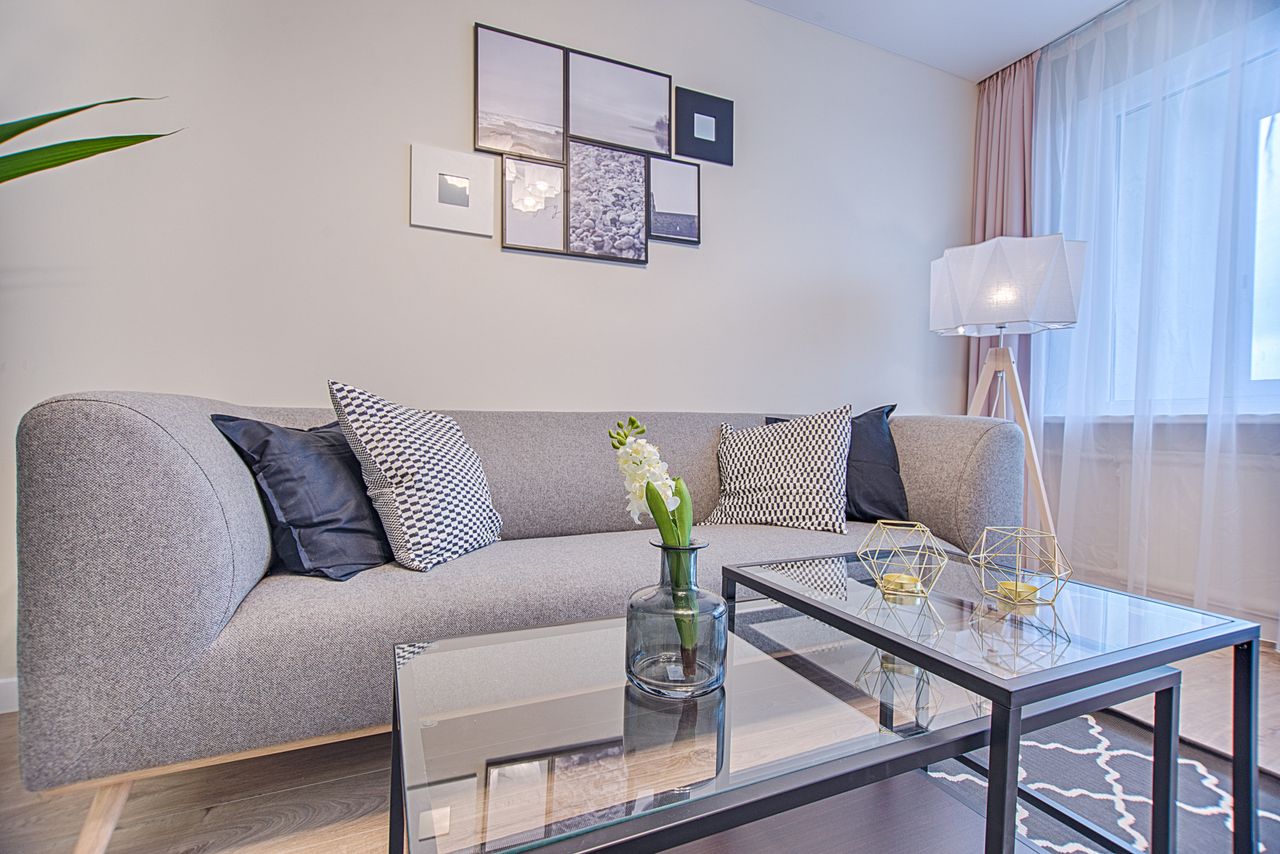
Contemporary living room with a gray sofa — Photo via Pexels
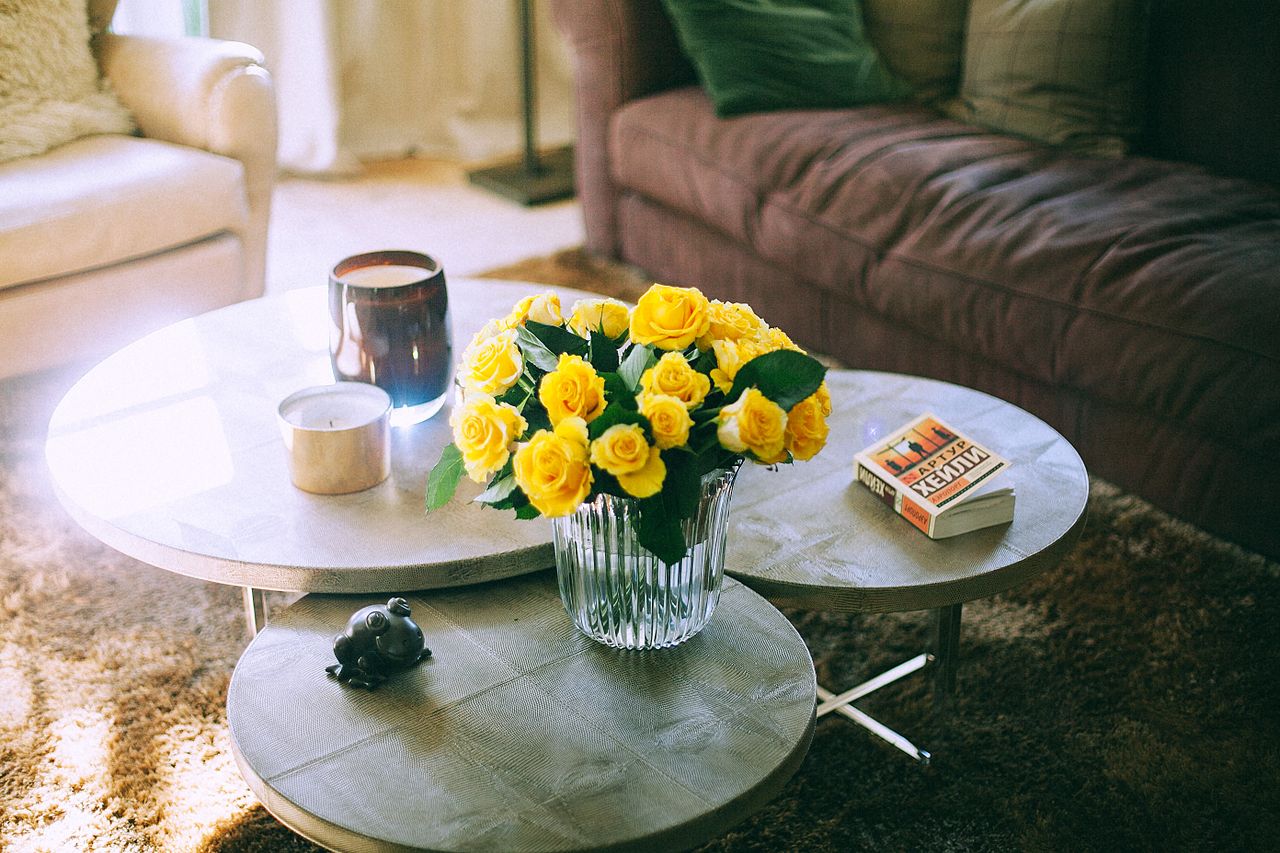
Living room interior with a sofa and table — Photo via Pexels
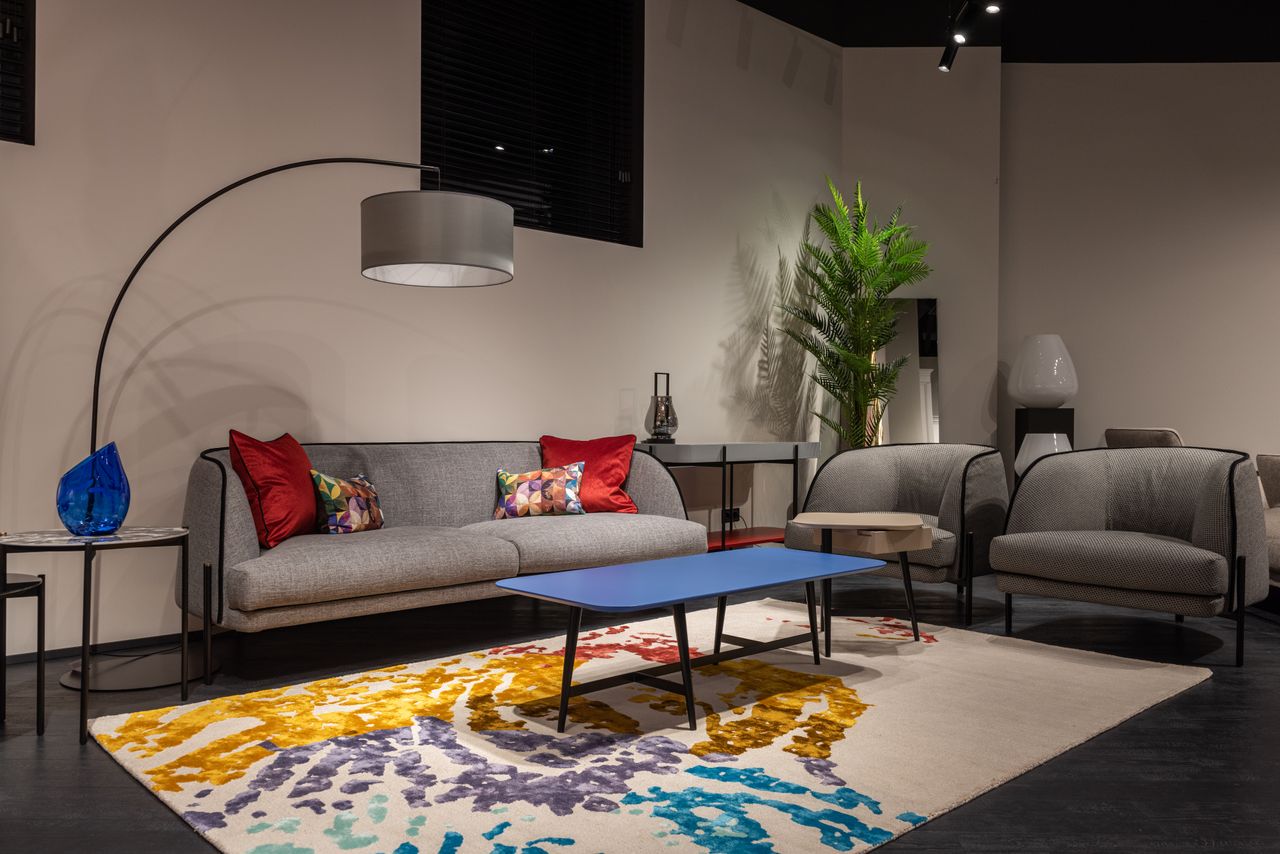
Sofa and armchairs around tables — Photo via Pexels
Sources
The sizing rules, material guidance, and set compositions in this guide are drawn from these reputable sources: Furniture in Fashion's coffee table guides on sizing ratios, clearances, and colour coordination (furnitureinfashion.net); Furniture in Fashion's open-plan coffee table guide on walkways and table shapes (furnitureinfashion.net); Magicbricks' side table guide on end table height and matching rules (magicbricks.com); Homestratosphere on why matching end tables create visual rhythm (homestratosphere.com); Accio's table buying FAQs on coffee vs end table roles (accio.com); and Target's 3-piece nesting table set specifications for standard set dimensions (target.com).

No comments:
Post a Comment