The table is the quiet hero of every living room. The sofa gets the compliments, but the table does the daily work: it holds your morning tea, your laptop, the board game, your feet at the end of a long day. Picking the right living room table is mostly about three things: the right size for your sofa, the right material for your life, and the right shape for your room. This guide walks you through all of it in plain words, with real measurements you can use today.
In this guide:
- Size It to Your Sofa: The Two-Thirds Rule
- Round or Rectangular? Let the Room Decide
- Wood Tables: The Warm Workhorse
- Glass Tables: The Small-Room Magician
- Side Tables: The "Close Enough to Set Down a Drink" Rule
- Console Tables: The Space Behind Your Sofa Is Not Wasted
- Nesting Tables and C-Tables for Tight Spaces
- The Ottoman Trick: Table, Seat, and Storage in One
- Style It With the 3-Item Rule
- Turn It Into a Reading Corner
- Marble and Stone: Luxury With Rules
- Keep It Minimal and Calm
- The Leather-Lounge Look
- Budget-Smart Tables: Thrift, Lift-Top, and Two Small Tables

Couch and coffee table in warm light — Photo via Pexels
1. Size It to Your Sofa: The Two-Thirds Rule
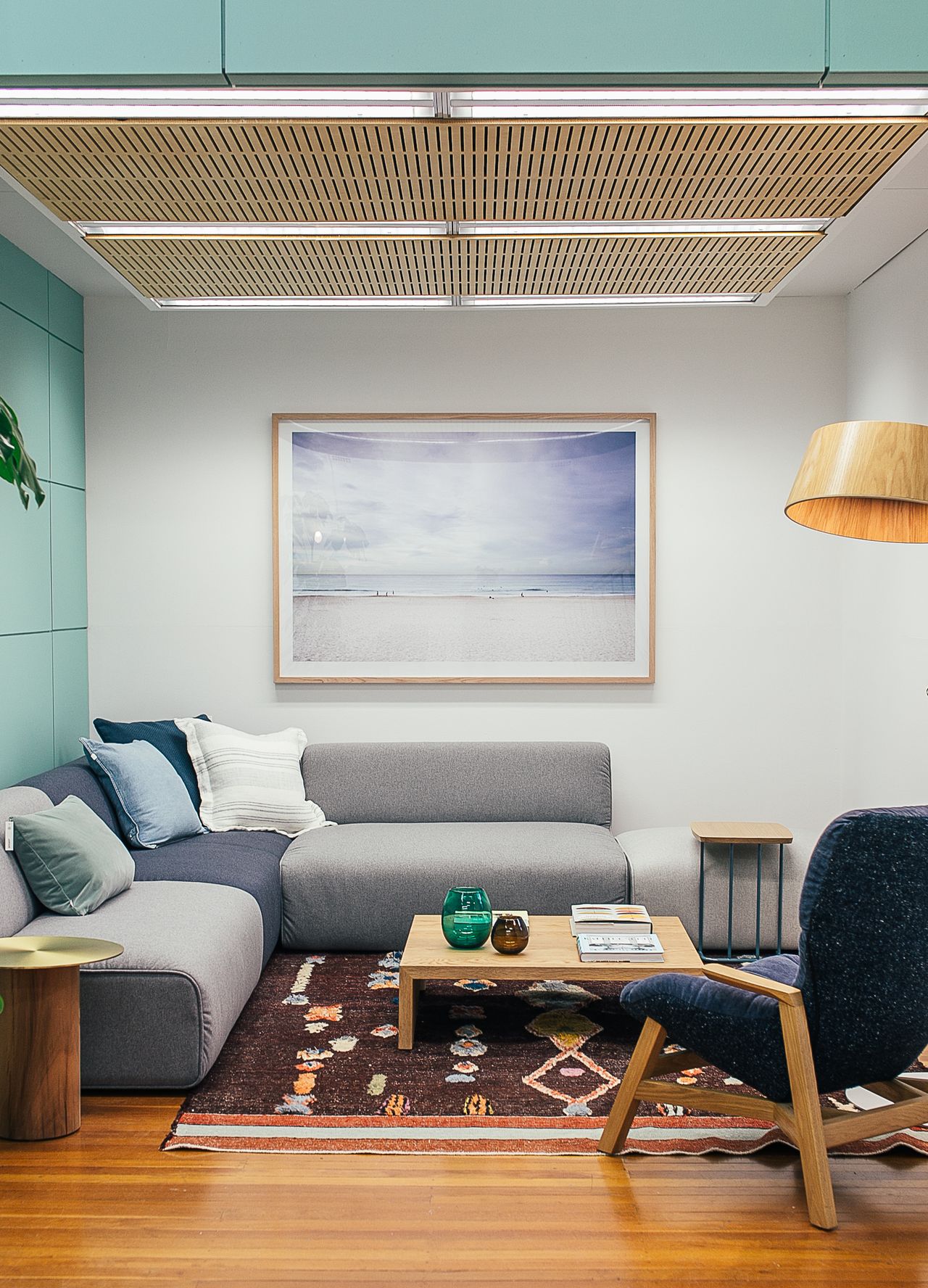
Sofa and wooden table sized to match — Photo via Pexels
Almost every coffee table mistake is a size mistake. Too big and the room feels crowded. Too small and it looks lost, like a toy in front of the sofa. Designers fix this with one simple rule: the coffee table should be about two-thirds the length of your sofa. This is the two-thirds rule, and it works in every room. On an 84-inch (213 cm) sofa, aim for a table 48 to 60 inches (122 to 152 cm) long.
Now the height. Your coffee table should sit at the same height as your sofa's seat cushions, or one to two inches (2.5 to 5 cm) lower. Most coffee tables are 16 to 18 inches (40 to 45 cm) high, which matches most sofas. Go much higher and reaching your cup feels like climbing. Go much lower and the table looks disconnected from the seating.
Leave 14 to 18 inches (35 to 45 cm) between the front of the sofa and the table edge. Closer than that and your knees hit it when you stand up. Farther and you lean forward for your tea like you are doing exercise. Mark these numbers with painter's tape on your floor before you shop, and you will never buy the wrong size again.
2. Round or Rectangular? Let the Room Decide
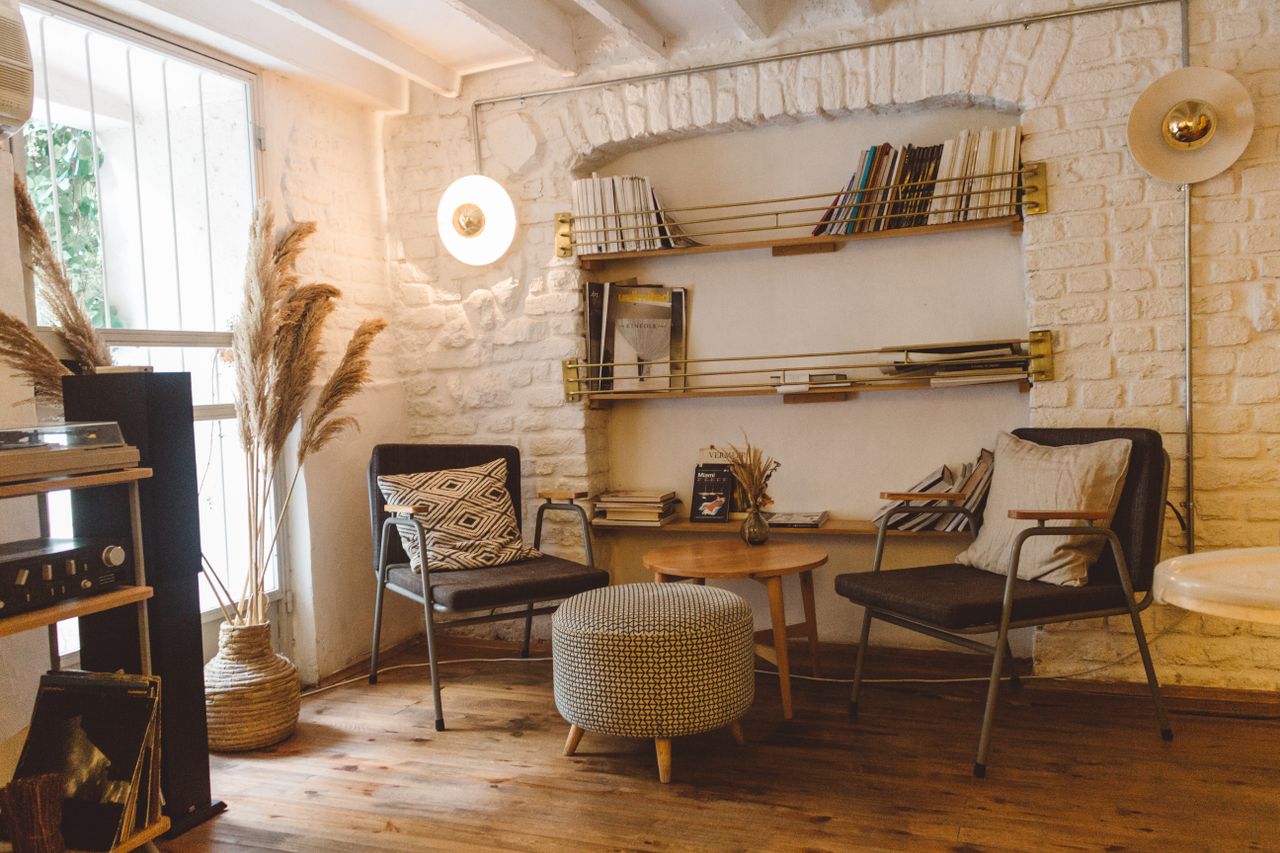
Round wooden table between chairs — Photo via Pexels
This is one of the most asked questions on Reddit's interior design forums, and the answer is about your room, not your taste. Rectangular tables suit long rooms and long sofas. They give you the most surface for snacks, books, and feet. If your sofa is a standard three-seater against a long wall, a rectangle is usually the natural pick.
Round tables are the heroes of small and busy rooms. They have no sharp corners, so they are kinder to shins and safer for toddlers. They are easier to walk around because traffic flows past a curve, not into a corner. In a square seating area, or with a sectional, a round table softens all the straight lines and makes the room feel calmer.
Square tables work best in square rooms, especially with two sofas facing each other or a loveseat setup. Oval tables are the quiet compromise: the surface of a rectangle with the soft edges of a round one. If you rent and move a lot, these renter-friendly living room ideas show how a round table survives every floor plan.
3. Wood Tables: The Warm Workhorse
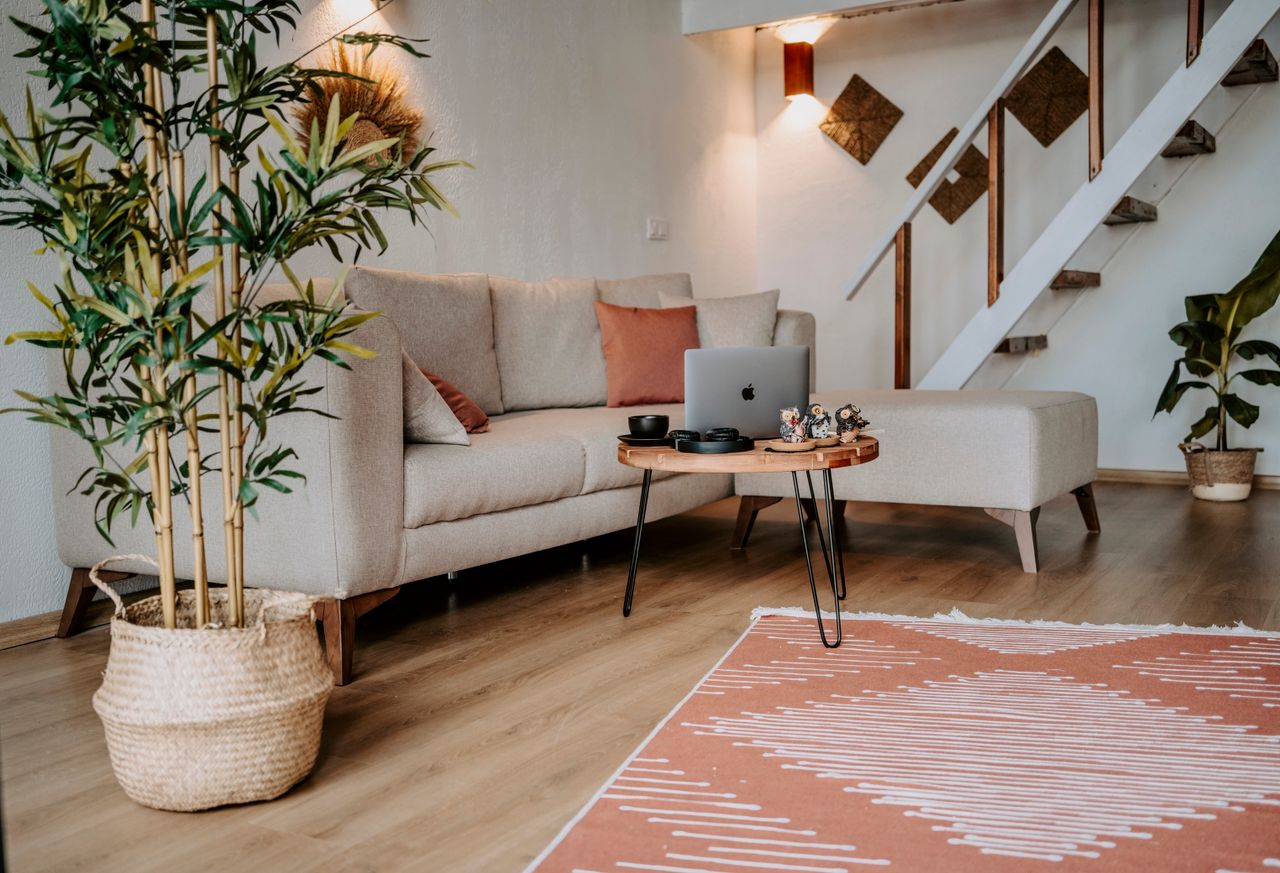
Wooden coffee table with plants — Photo via Pexels
Wood is the most forgiving material for a coffee table. It is warm to look at, it hides small scratches, and it fits almost every style, from farmhouse to modern. Solid wood like oak, walnut, or acacia lasts for decades and can be sanded and refinished when life marks it up. Engineered wood and veneer cost less and look fine, but they do not survive deep scratches the same way.
Light woods like oak and maple make a room feel airy and suit Scandinavian or modern styles. Dark woods like walnut feel rich and anchor traditional or moody rooms. Reclaimed wood adds texture and a story, but check that the top is sealed, because rough wood grabs dust and stains from cups.
One practical note: wood and water are not friends. Always use coasters, and wipe spills quickly. A table with a lower shelf gives you double the storage for books and baskets, which is worth more than a fancy finish in a real family room.
4. Glass Tables: The Small-Room Magician
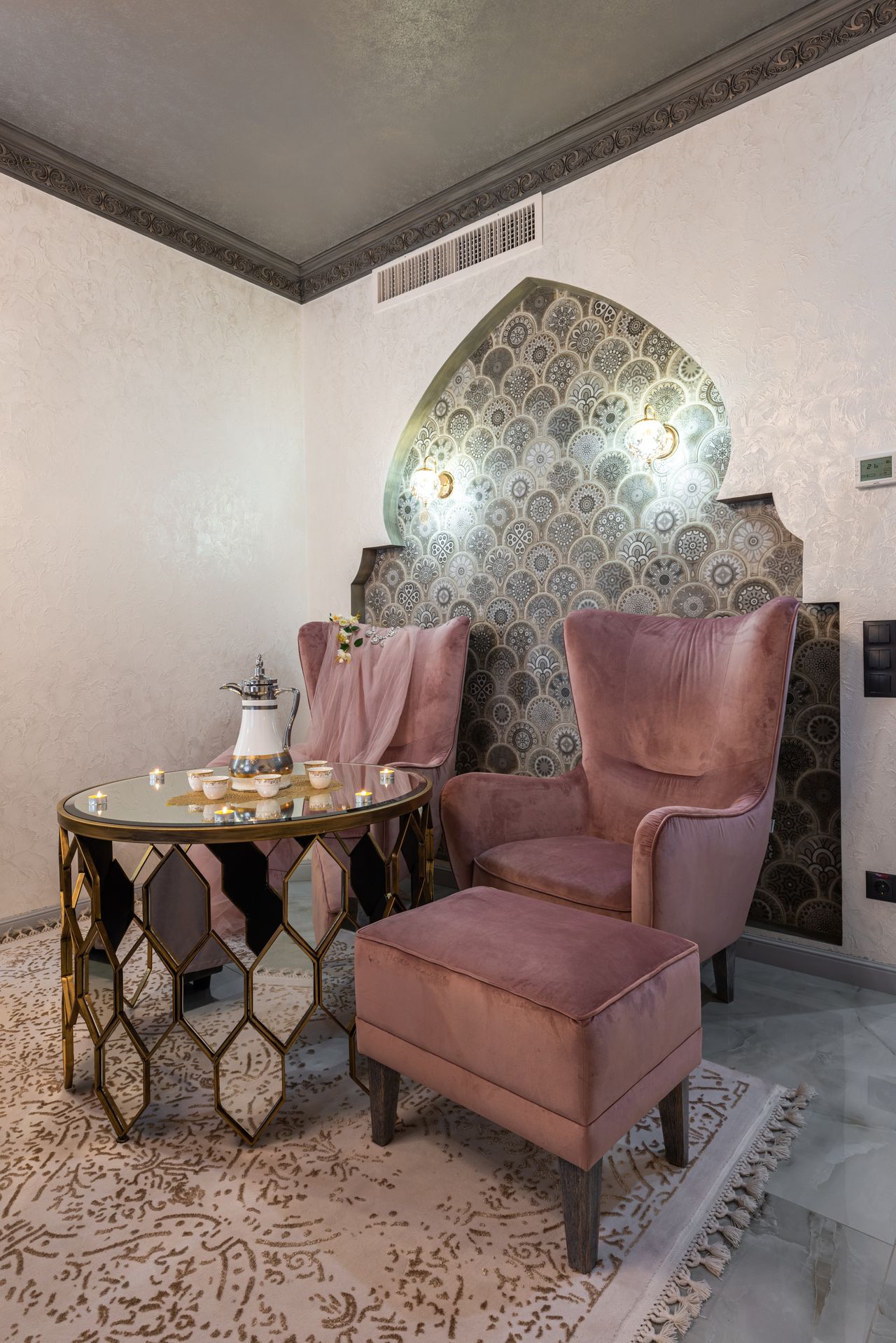
Glass table between armchairs — Photo via Pexels
If your living room is under 200 square feet, glass is magic. You can see through it, so your eye travels across the room instead of stopping at a big block. The rug stays visible, the floor looks bigger, and the whole room breathes. A glass top on slim metal or wooden legs is the classic small-room formula.
Glass is honest about one thing: it shows every fingerprint and dust mote. If that will drive you mad, choose a glass table with a tinted or frosted top, which hides smudges far better. Tempered glass is the safety standard; it is much stronger than regular glass and breaks into small dull pieces instead of sharp shards.
Pair glass with texture elsewhere: a nubby rug under it, a wooden side table next to it. Glass on its own can feel cold, but glass plus wood plus fabric feels balanced. Keep the base open rather than a solid block, so light keeps flowing through.
5. Side Tables: The "Close Enough to Set Down a Drink" Rule
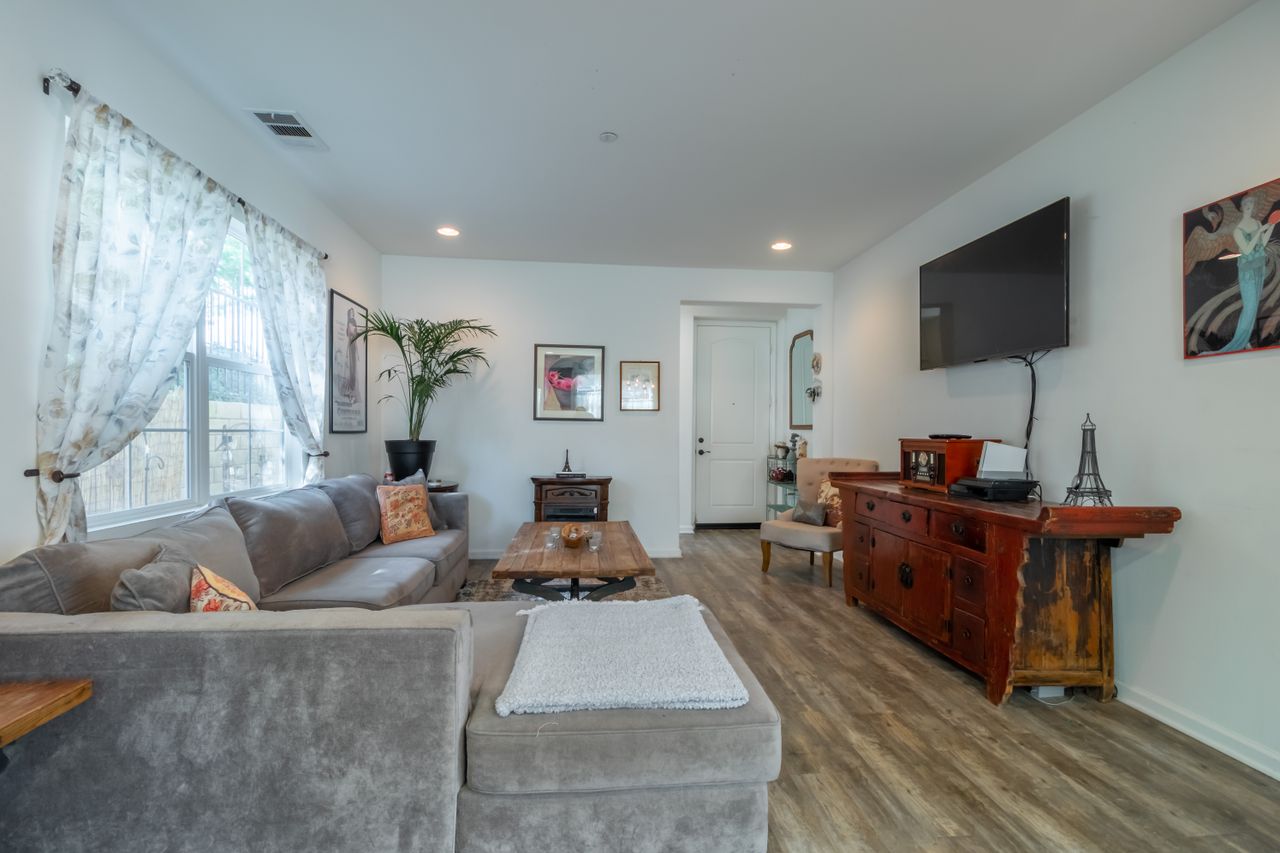
Wooden side table beside a couch — Photo via Pexels
Every seat in your living room deserves a landing spot for a cup. That is the whole job of a side table, and the rule is beautifully simple: close enough to set down a drink without standing up. Sit in each seat, reach out, and the table should be right there.
For height, a side table should be no taller than the arm of the chair it serves, and no lower than the seat. The sweet spot is about 3 inches (7.5 cm) below the armrest. For chairs without arms, keep the tabletop within 8 inches (20 cm) above the seat height. A table that is too tall feels like a wall; too short and you are bending down every time.
Side tables can sit closer to seating than coffee tables can. They are also the easiest place to add personality: a small lamp, a stack of two books, one plant. Because they are small and cheap, you can thrift them, paint them, and swap them between rooms without guilt.
6. Console Tables: The Space Behind Your Sofa Is Not Wasted
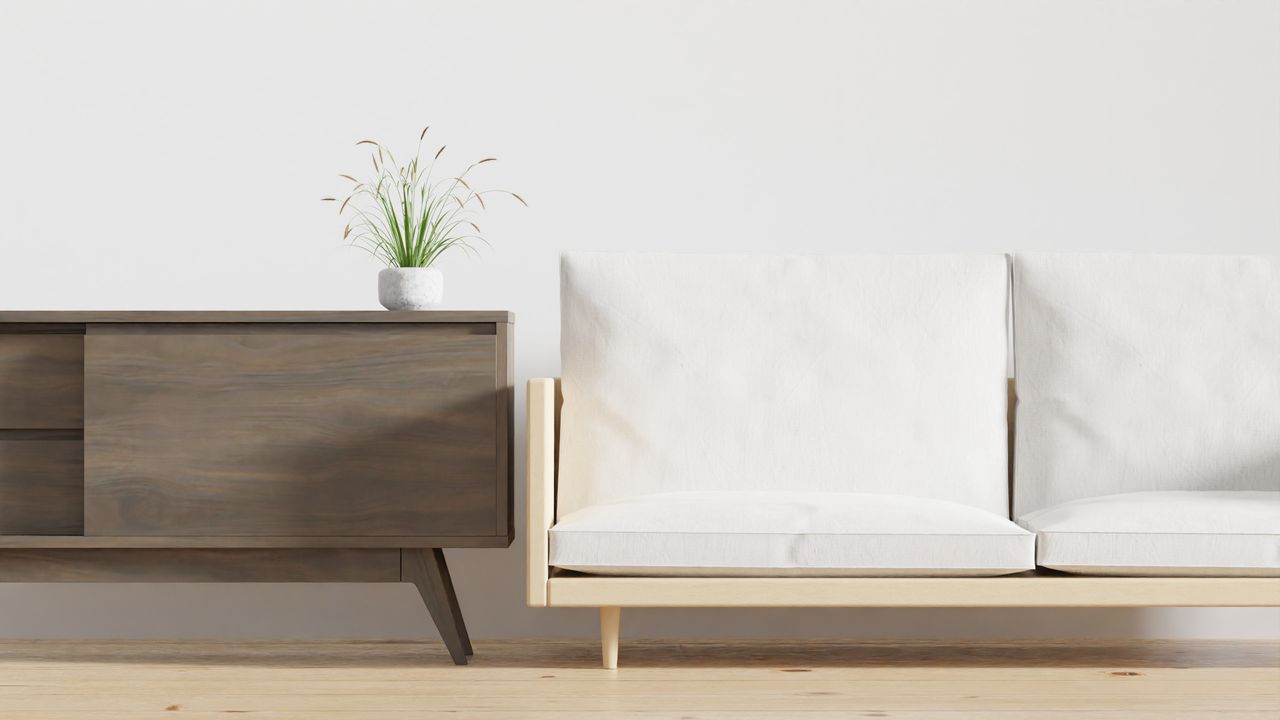
Wooden console table beside a couch — Photo via Pexels
When a sofa floats in the middle of a room, the space behind it often becomes a dead zone. A console table, also called a sofa table, fixes that. It is a long narrow table that sits right behind the sofa, giving you a home for lamps, books, and the remote controls that always go missing.
The rules are simple. A console table should be no taller than the back of your sofa, so it does not poke up awkwardly. For length, anything from half the sofa's length to nearly the full length works; just leave at least 6 inches (15 cm) of breathing room at each end. Depth is usually 12 to 16 inches (30 to 40 cm), slim enough to hug the sofa.
Style it like a shelf, not a storage unit. A lamp at one end, a stack of books in the middle, a small plant at the other end. If your sofa sits against a wall, the same table works in the entryway instead, catching keys and mail by the door.
7. Nesting Tables and C-Tables for Tight Spaces
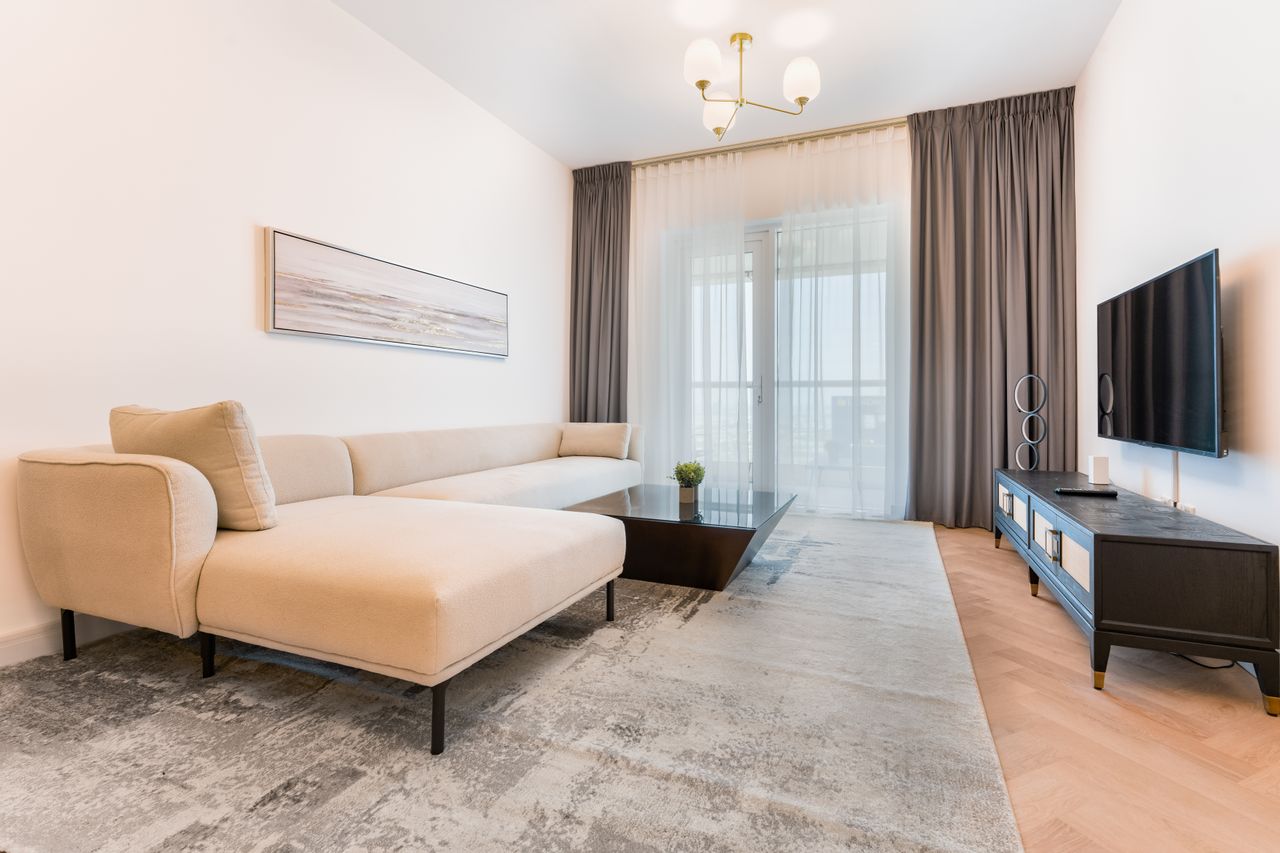
Small apartment living room with coffee table — Photo via Pexels
In a truly small living room, one big coffee table can eat the whole floor. The smart answer is tables that adapt. Nesting tables are two or three small tables that slide under each other like Russian dolls. Pull one out when guests come, tuck it back when they leave. You get a big surface only when you need it.
C-tables are the other small-room hero. They are shaped like the letter C: the base slides under the sofa, and the top floats over your lap. They work as a laptop desk, a dinner tray, or a side table, and they cost very little. One C-table per sofa seat beats one big coffee table in a studio.
In very tight rooms, designers often skip the coffee table entirely and use two small stools or poufs instead. They hold a tray when you need a surface and become extra seats when friends visit. For more ways to stretch a small space, these small apartment budget ideas prove that tight square footage can still look intentional.
8. The Ottoman Trick: Table, Seat, and Storage in One
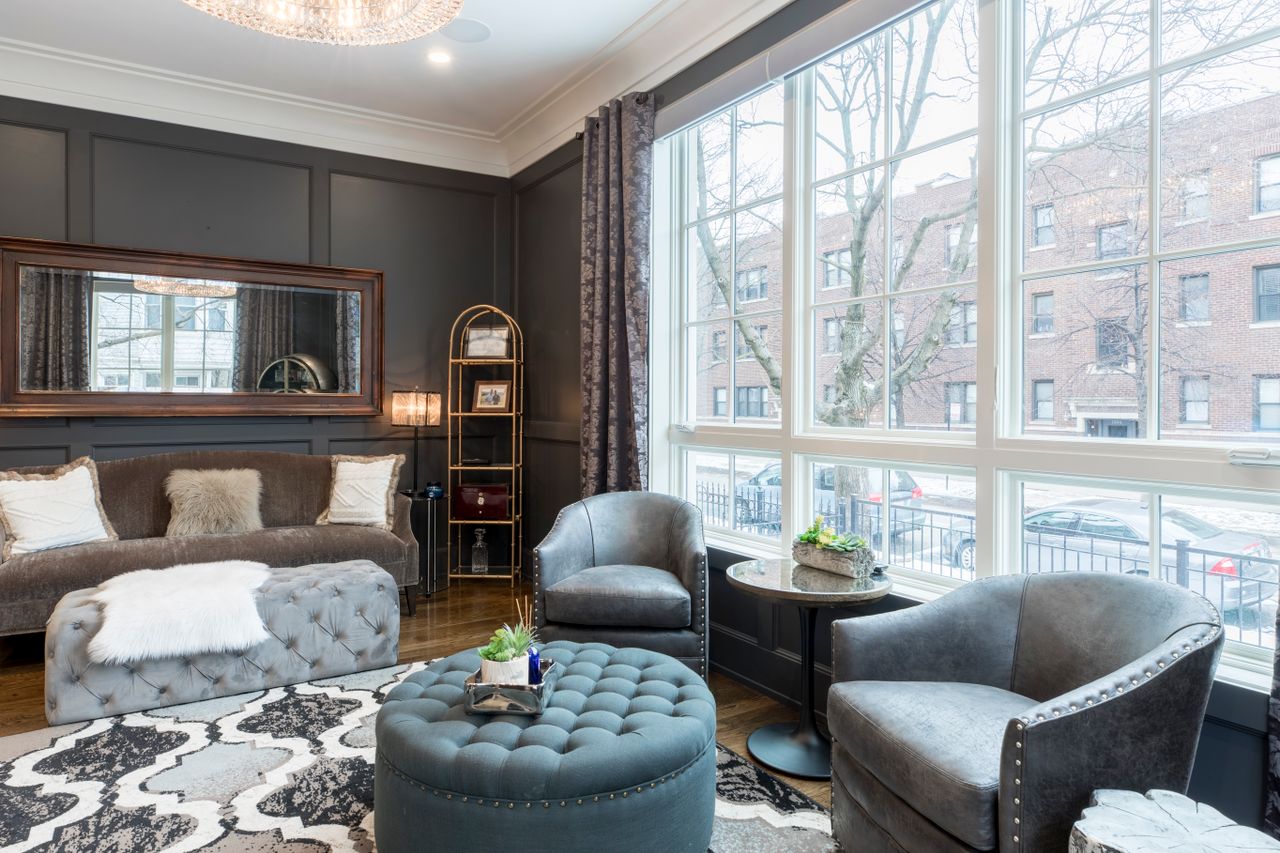
Round tufted ottoman as a soft table — Photo via Pexels
An ottoman as a coffee table is three pieces of furniture in one. It is a soft place to rest your feet, an extra seat when guests arrive, and with a tray on top, a perfectly good table for drinks and snacks. In homes with toddlers, it is also the safest option: no corners, no hard edges, no tears.
The trick is the tray. A large flat tray, about 18 inches (45 cm) across, turns any ottoman into a stable surface. Without it, cups wobble and books slide. Choose a tray with raised edges so nothing rolls off when someone puts their feet up on the other side.
Storage ottomans go one step further: lift the lid and there is room for throws, board games, and the remote controls. A 30 to 36 inch (75 to 90 cm) round or square ottoman replaces a coffee table completely in a small room, and it is far more comfortable to live with.
9. Style It With the 3-Item Rule
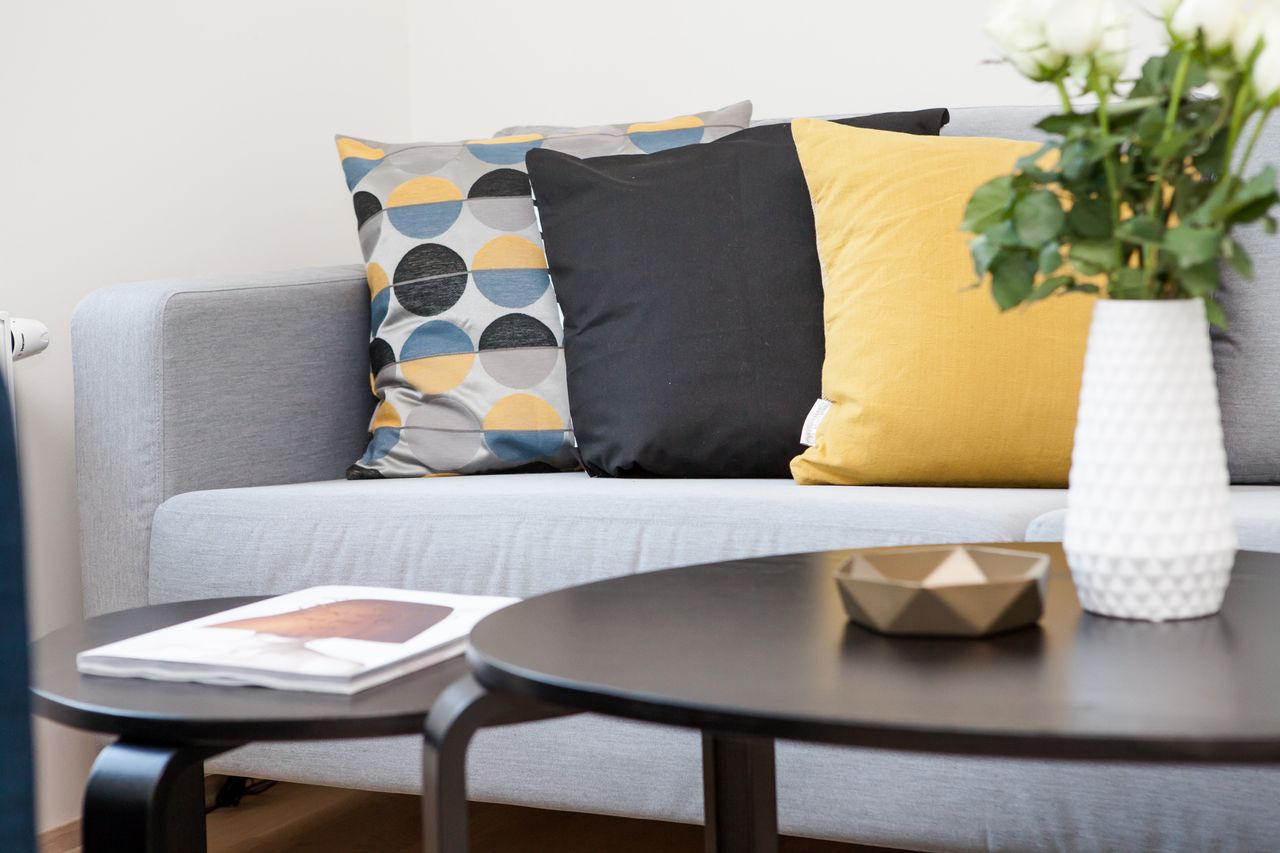
Flower centerpiece on a styled coffee table — Photo via Pexels
A bare coffee table looks unfinished, but a crowded one looks like a junk drawer. The 3-item rule keeps it perfect: one tall thing, one flat thing, one living thing. A tall vase or candle holder, a flat stack of books or a tray, and one living thing like a small plant or fresh flowers. Three items, three heights, done.
Use a tray to group small things. A tray turns five scattered objects into one neat island, and you can lift the whole thing away when you need the surface for dinner. Odd numbers look better than even ones: three books, not four; one candle cluster, not two lonely singles.
Leave at least a third of the table empty. That empty space is what makes it a table and not a shelf. If you love table styling beyond the living room, these entryway table decor ideas use the same rules on console tables.
10. Turn It Into a Reading Corner
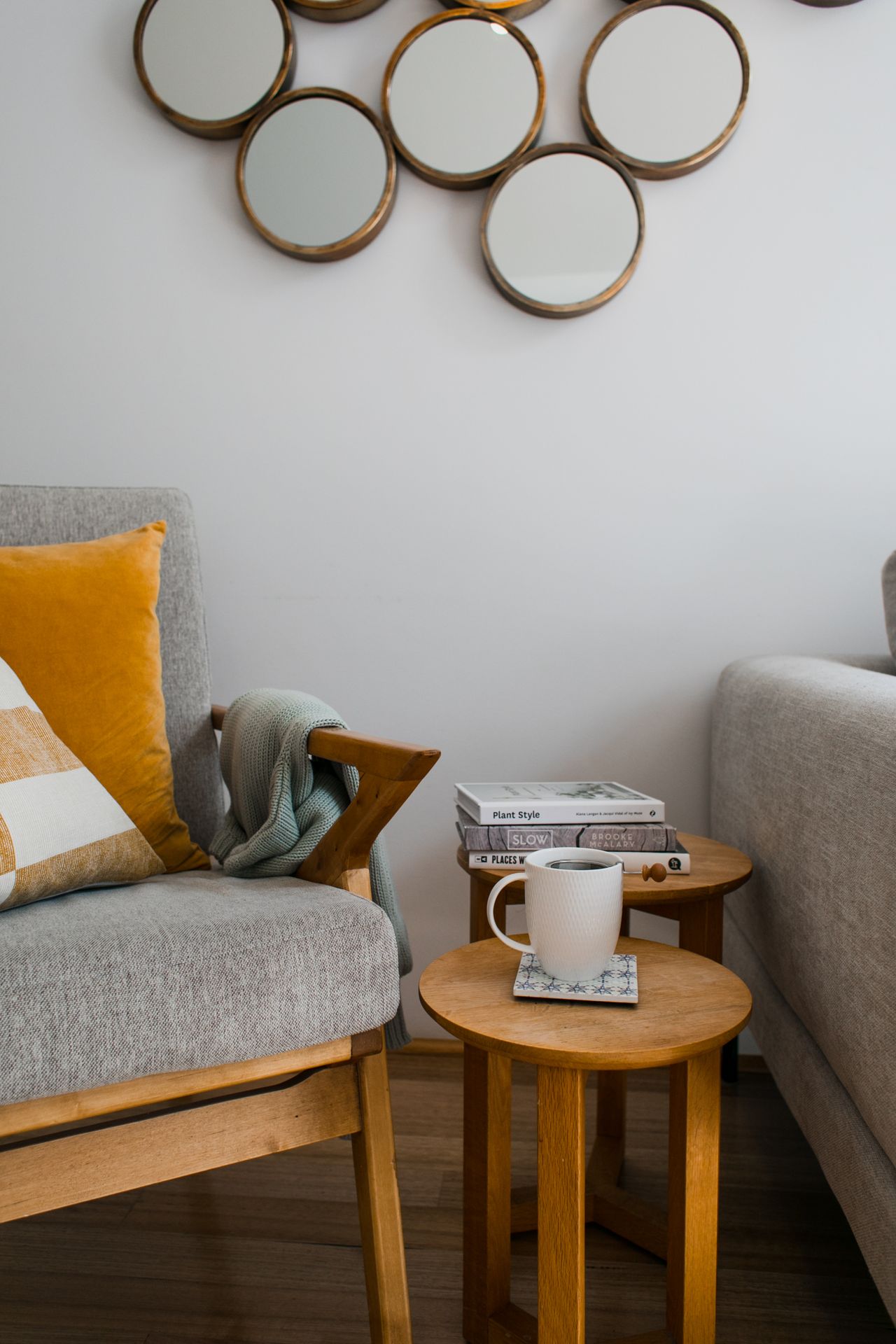
Coffee table with books in a reading corner — Photo via Pexels
A coffee table next to a good chair can become the best seat in the house. Angle one armchair toward the window or the lamp, pull the table within arm's reach, and you have a reading corner that costs nothing extra. The table holds the book you are reading, the one you are about to read, and your tea.
The lamp matters more than the table here. A reading lamp should throw light over your shoulder onto the page, not into your eyes. A small table lamp on the coffee table itself works, or a floor lamp arcing over the chair. Warm light around 2700K keeps the corner cozy after dark.
Keep a soft throw on the chair and a small basket under the table for the books. When every object has a home, the corner invites you in instead of nagging you to tidy it.
11. Marble and Stone: Luxury With Rules
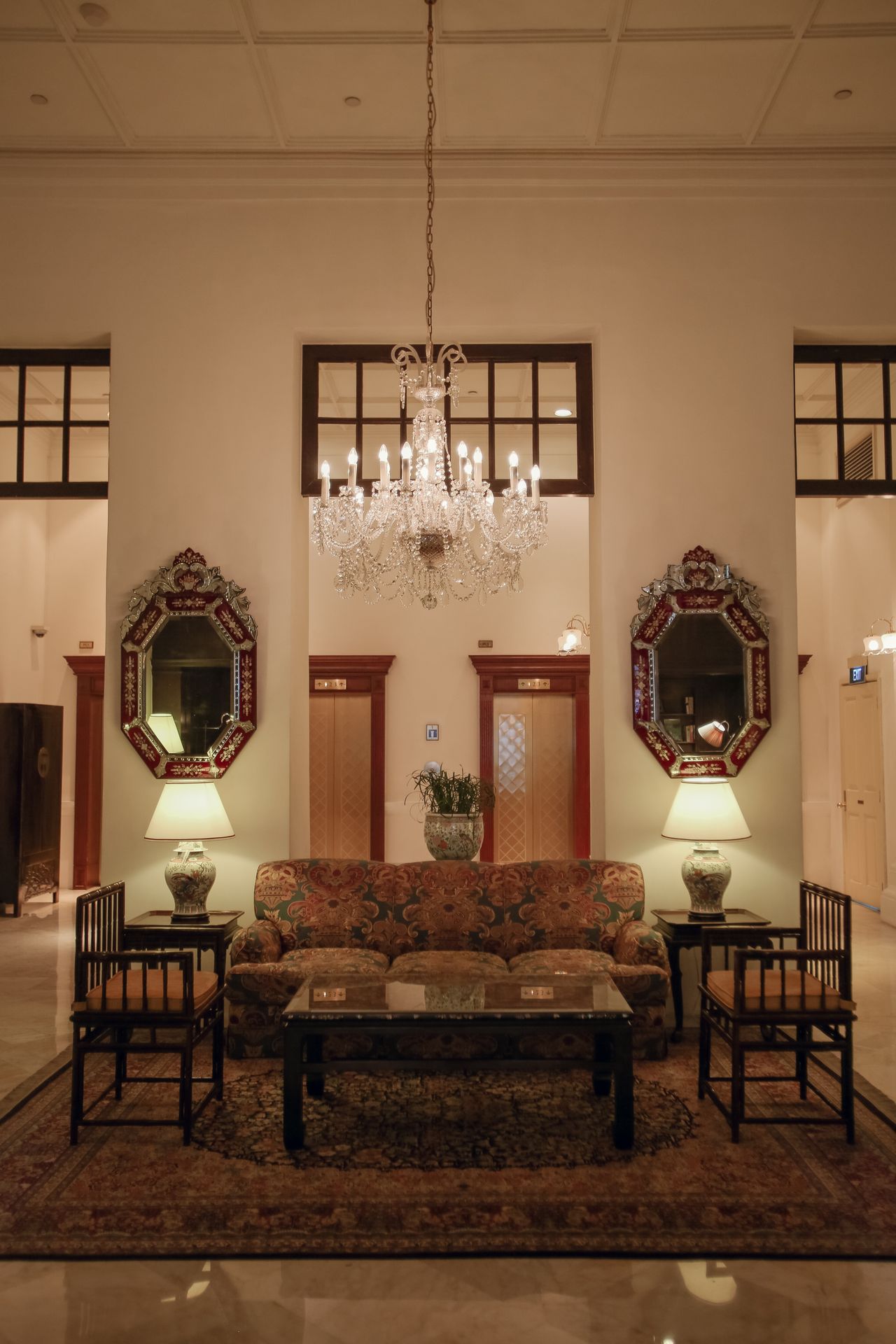
Coffee table in a luxurious living room — Photo via Pexels
Nothing says luxury like a marble coffee table. Each slab has its own veining, so no two are alike. Travertine and granite bring the same stone drama at lower prices. But stone has rules, and you should know them before you fall in love.
Rule one: stone is heavy. A marble coffee table can weigh 100 pounds (45 kg) or more. It will not move easily, so be sure about the spot. Rule two: marble stains. Coffee, wine, and citrus etch the surface if they sit. Seal it when it arrives, reseal it yearly, and use coasters like your table's life depends on it, because it does.
Rule three: balance the weight visually. A heavy stone top on slim metal legs looks modern and light. A stone top on a stone base looks like a monument. If the real thing is too much, marble-look porcelain gives you the veining with none of the staining, at a fraction of the price.
12. Keep It Minimal and Calm
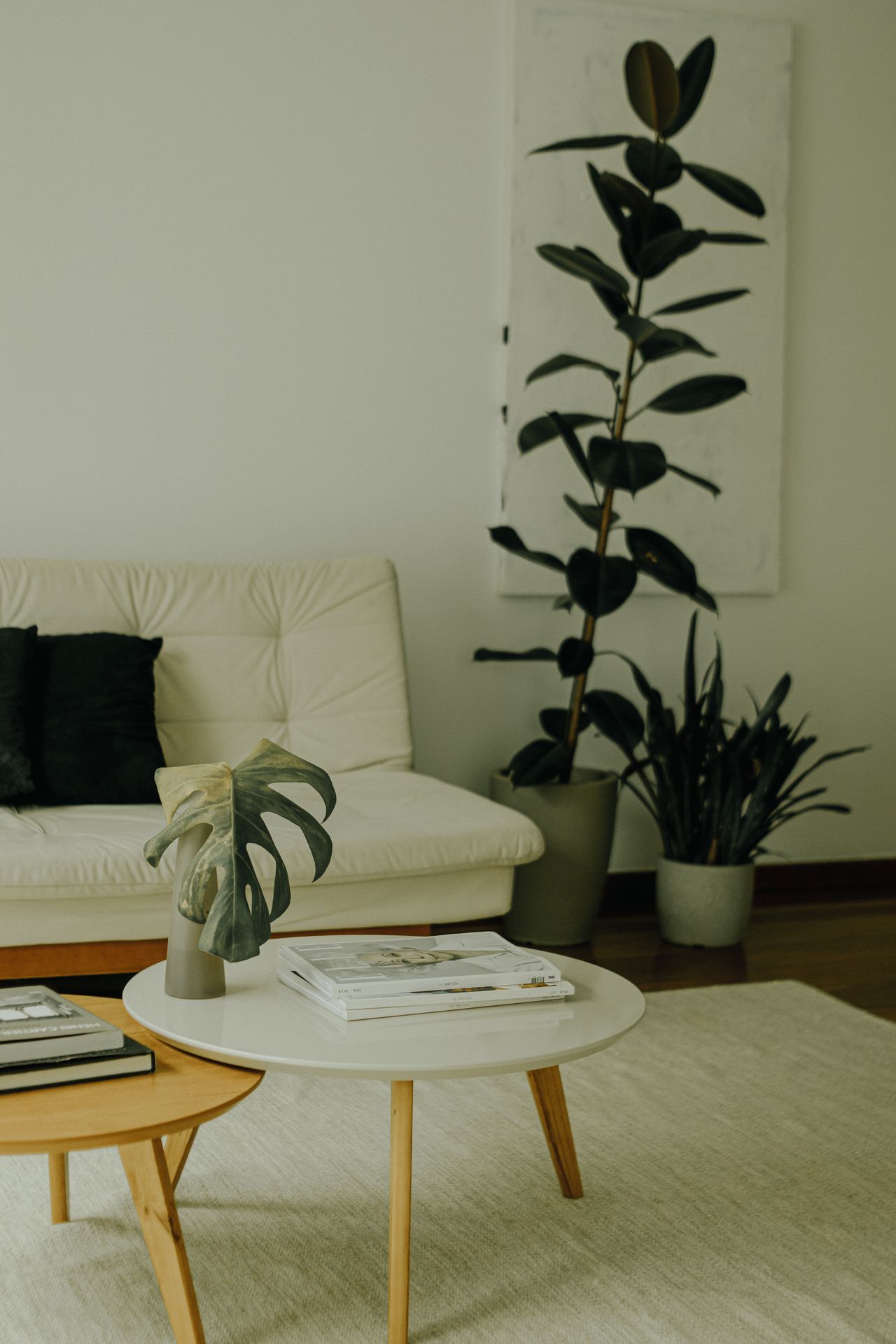
Minimalist living room with a simple coffee table — Photo via Pexels
Some rooms do not need a statement table. They need a quiet one. A simple low table in pale wood or white, with clean legs and no clutter, lets the sofa, the rug, and the light do the talking. Minimalism is not about owning nothing; it is about every piece earning its place.
The minimal formula is short: one table, one texture, one green thing. A plain oak table, a woven tray, a single plant. That is a complete styling scheme. When the table is simple, the room feels bigger, calmer, and easier to clean, which is a real luxury for busy people.
Keep the floor visible around it. Thin legs that show the rug underneath make the table look like it floats. If you are tempted to add more, add it somewhere else; the calm only works if the table stays quiet.
13. The Leather-Lounge Look
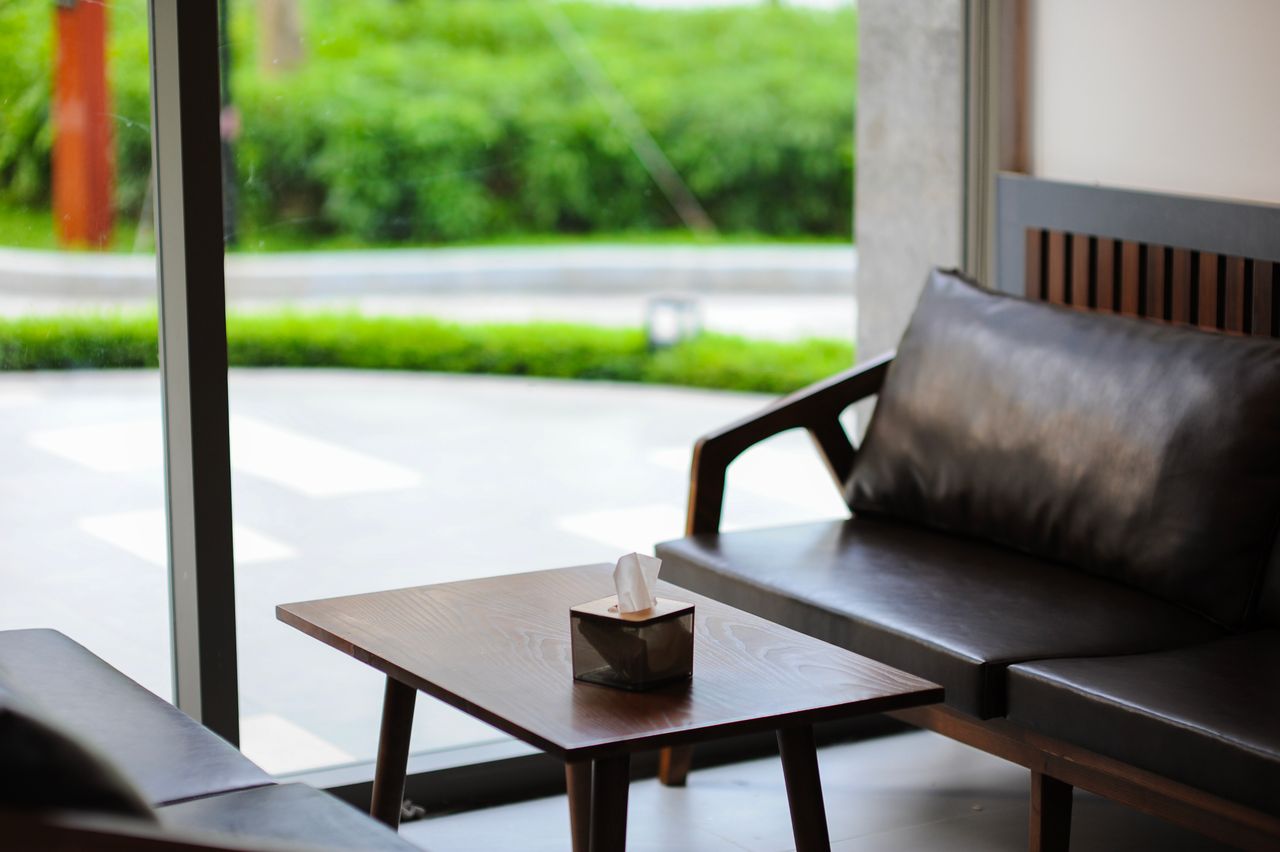
Leather sofas with a coffee table by the window — Photo via Pexels
Leather sofas have a strong personality, and they need a table that can stand up to them. The winning pair is a table with weight and warmth: dark wood, black metal frames, or a rich walnut top. A thin glass table next to a chunky leather sofa looks like it wandered into the wrong room.
Match the mood, not the material. You do not need a leather table. You need something with the same confidence. A live-edge wooden slab, a table with an iron base, or a deep-toned round table all speak the same language as leather: honest materials, built to last.
Soften the combination with textiles. A patterned rug under the table, a knit throw on the sofa arm, linen cushions. Leather plus wood plus fabric is the classic trio that keeps a masculine room from feeling hard.
14. Budget-Smart Tables: Thrift, Lift-Top, and Two Small Tables
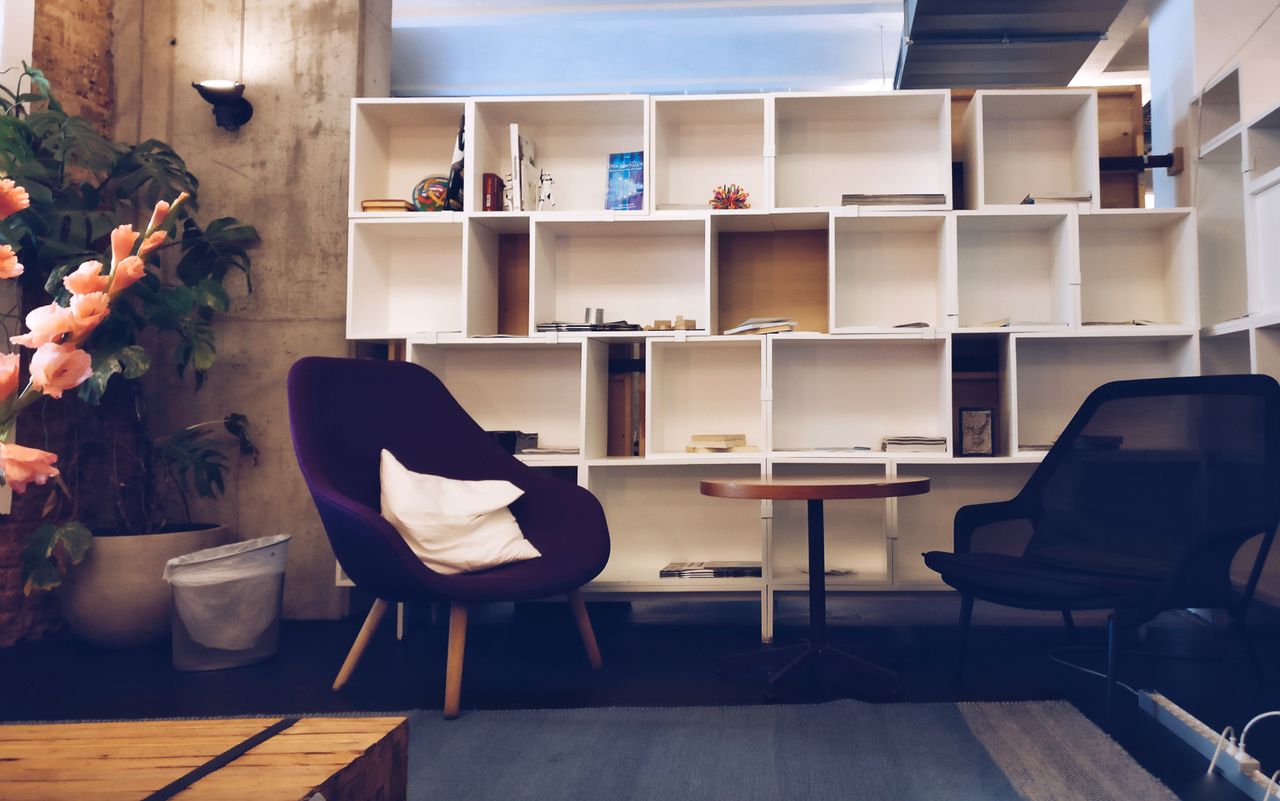
Stylish living room on a budget — Photo via Pexels
You do not need a big budget for a great table. Thrift stores are full of solid wood coffee tables for the price of a pizza, because wood does not go out of style and a coat of paint fixes almost anything. Look for dovetail joints and solid legs, not wobble; wobble is the one thing paint cannot fix.
Lift-top coffee tables are the budget multitasker. The top rises to eating or laptop height, and inside there is storage for blankets and chargers. One piece replaces a coffee table, a desk, and a storage box, which is real money saved in a small home.
And remember the designer trick from earlier: two small tables instead of one big one. Two thrifted side tables pushed together make a coffee table; pulled apart, they become side tables for guests. Flexible, cheap, and impossible to get wrong on size.
Final Thoughts
A great living room table is not the most expensive one or the prettiest one in the store. It is the one that fits your sofa, survives your daily life, and leaves room to walk. Measure first, choose the material for the life you actually live, and keep the styling simple. Get those three things right and the table disappears into the background of a room that just feels right. And if you are planning the whole room around it, this guide on choosing living room furniture walks through sofas, rugs, and lighting in the same plain words.
Start this weekend with the tape measure. Check your sofa length, your seat height, and your walking space. Write the three numbers down. From there, every table you look at will either fit the numbers or not, and shopping becomes easy. When autumn arrives, refresh the look for free: these cozy fall living room ideas show how a new tray and a candle change the whole table.
Frequently Asked Questions
What size coffee table should I get for my sofa?
Aim for about two-thirds the length of your sofa. On an 84-inch (213 cm) sofa, that means a table 48 to 60 inches (122 to 152 cm) long, at the same height as the seat cushions or 1 to 2 inches lower.
How far should the coffee table be from the couch?
Leave 14 to 18 inches (35 to 45 cm) between the sofa and the table edge. Closer bangs your knees; farther makes you lean forward for your drink.
Should a coffee table be lower than the sofa?
Keep it at the same height as the seat cushions or 1 to 2 inches (2.5 to 5 cm) lower. Much higher looks awkward and makes every reach uncomfortable.
Round or rectangular coffee table: which is better for a small living room?
Round or oval. No sharp corners means easier traffic flow, kinder shins, and safer play for toddlers, and curves soften a room full of straight furniture lines.
Coffee table or ottoman: which is better with kids?
An ottoman. It has no hard corners, doubles as extra seating, and with a tray on top it works as a table. Storage ottomans also swallow toys in seconds.
How high should side tables be next to a sofa?
No taller than the chair's arm and no lower than the seat. The sweet spot is about 3 inches (7.5 cm) below the armrest, close enough to set down a drink.
What size console table goes behind a sofa?
No taller than the sofa back, and from half to nearly the full length of the sofa, leaving at least 6 inches (15 cm) of space at each end.
How do I style a coffee table without making it look cluttered?
Use the 3-item rule: one tall thing, one flat thing, one living thing. Group small items on a tray and leave at least a third of the surface empty.
Gallery
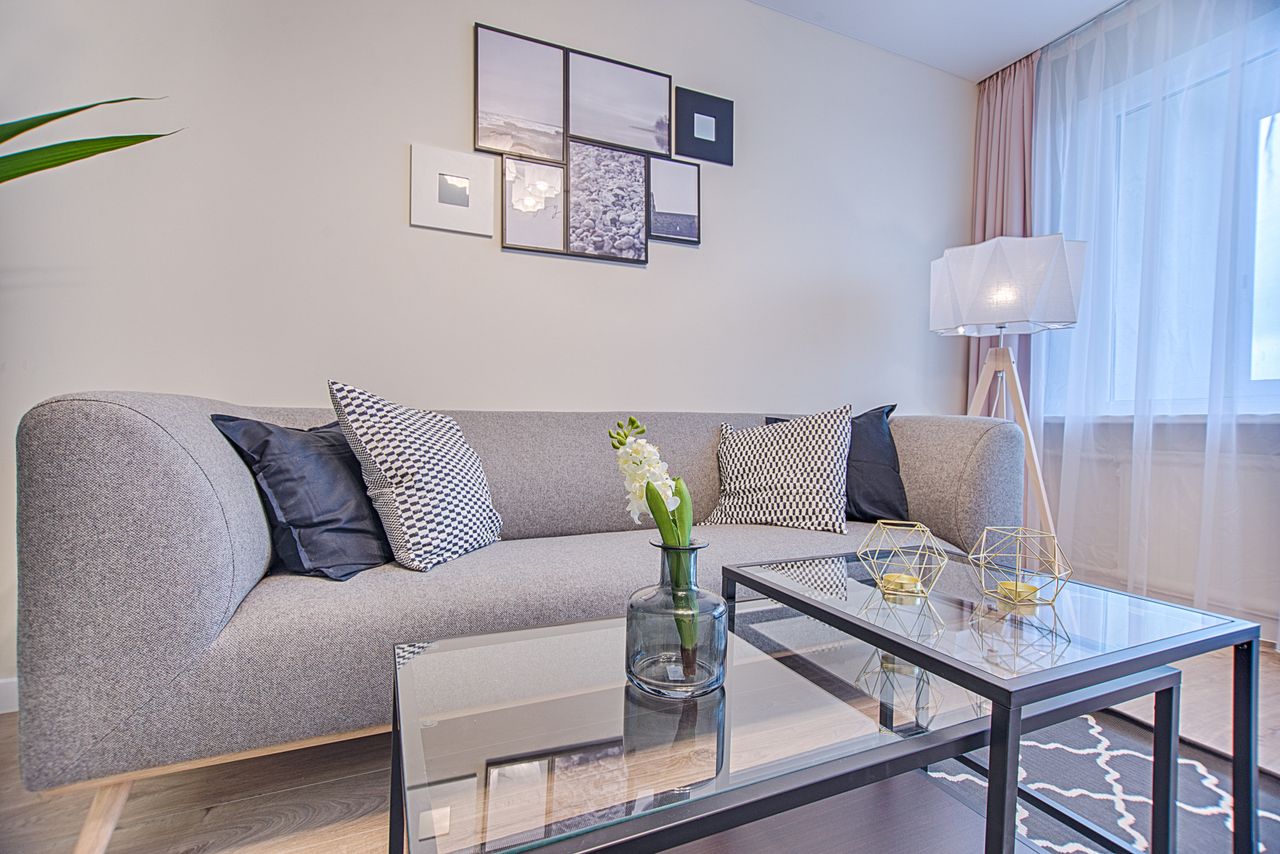
Gray sofa living room — Photo via Pexels
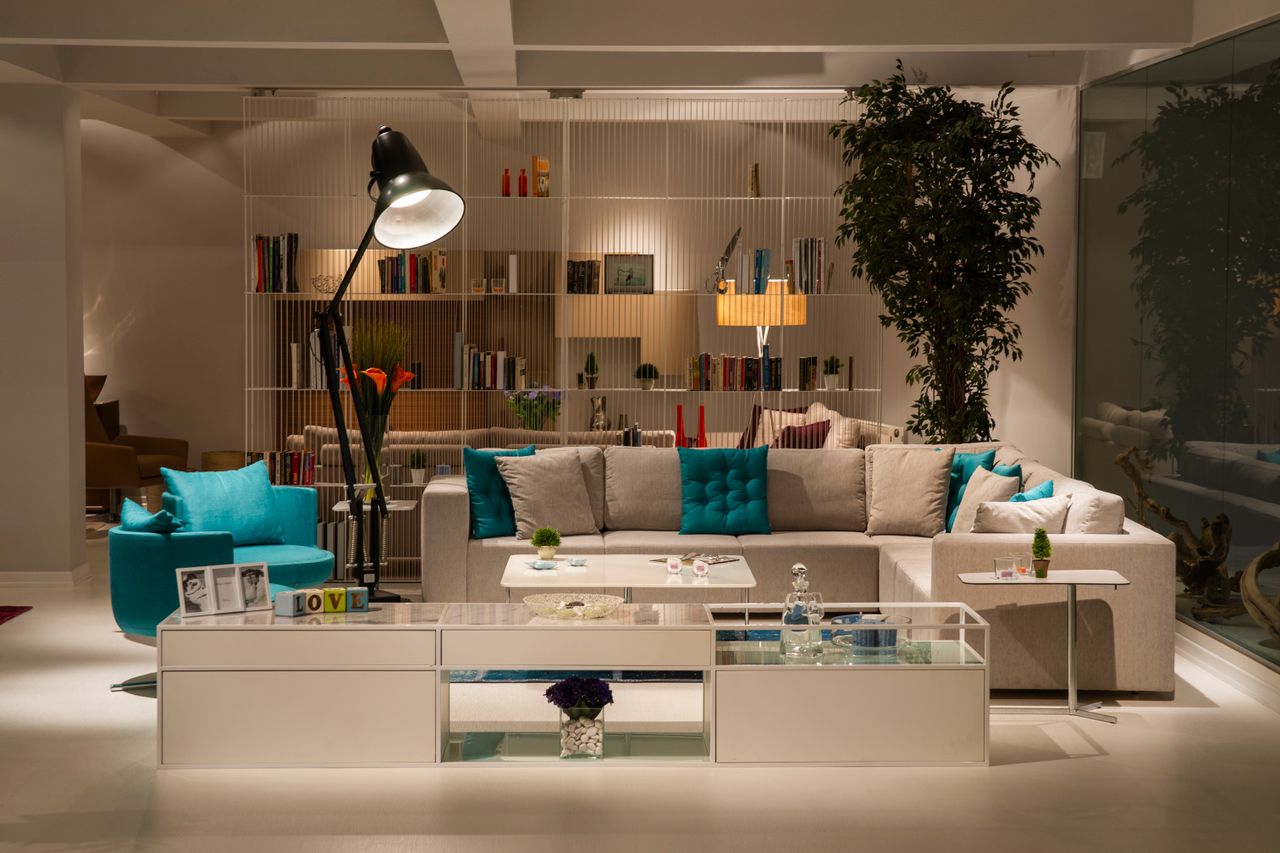
Spacious contemporary living room — Photo via Pexels
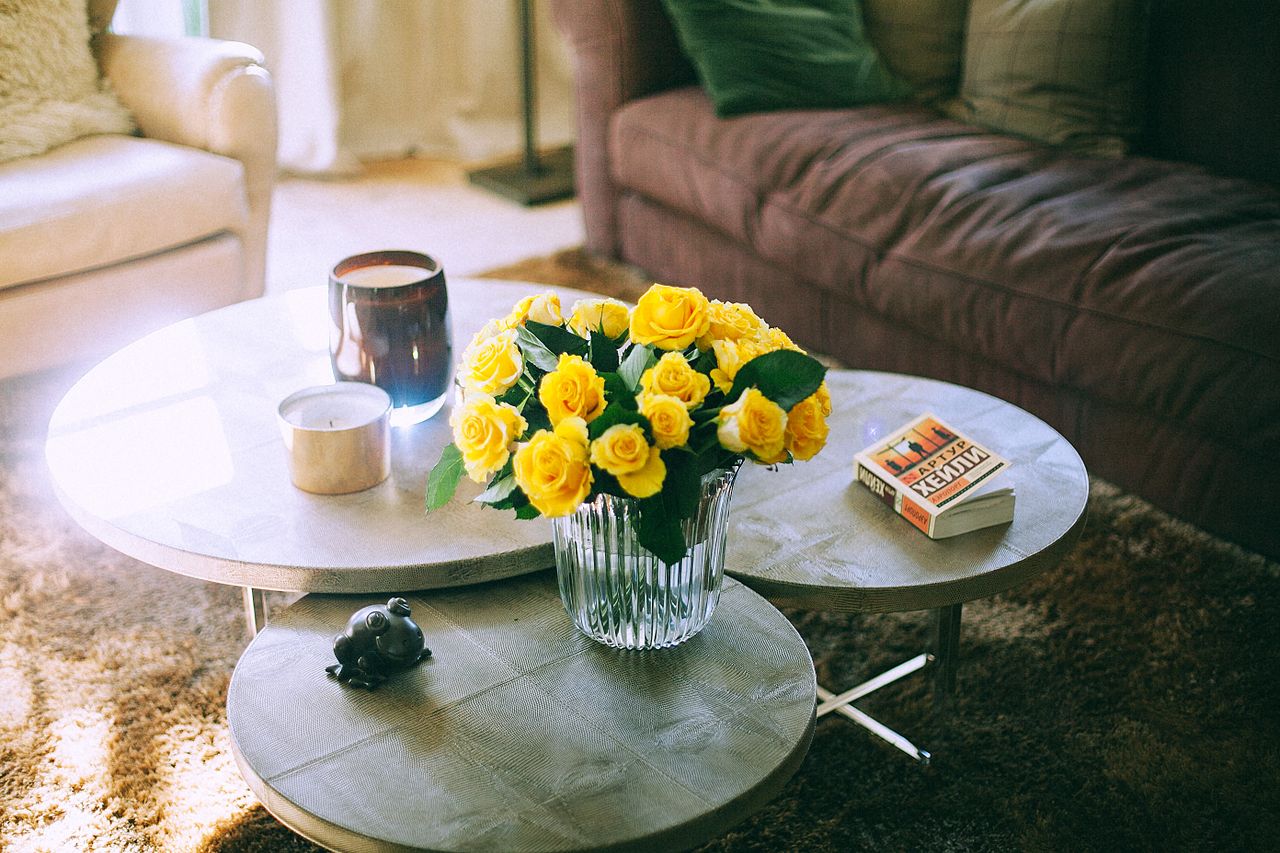
Living room with sofa and table — Photo via Pexels
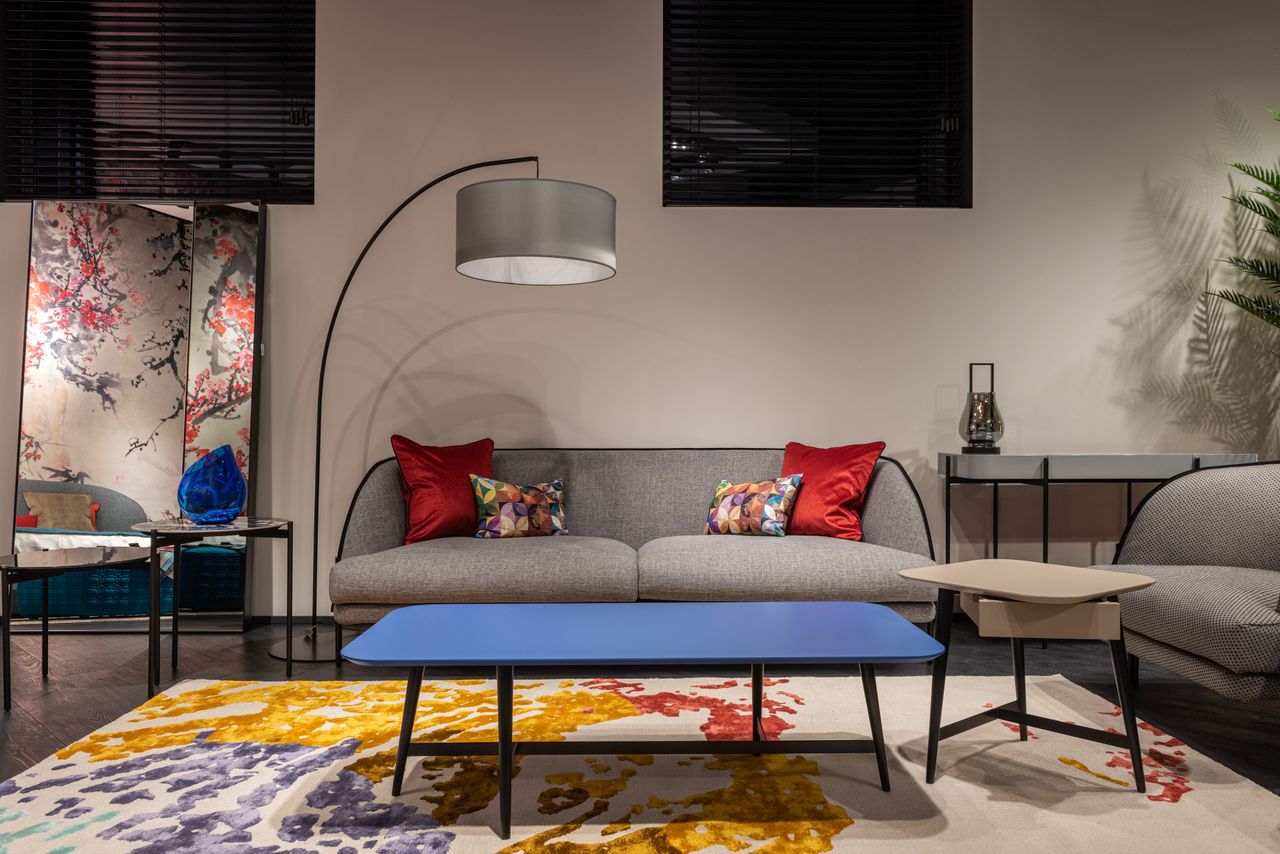
Colorful sofa and table corner — Photo via Pexels
Sources
The measurements, sizing rules, and table guidance in this article come from these reputable sources: Apartment Therapy's ideal living room measurements for coffee tables, side tables, and sofa tables (apartmenttherapy.com); Povison's small coffee table buying guide with size cheat sheets by room layout (povison.com); Livingetc's coffee table sizing advice from interior designers (livingetc.com); La-Z-Boy's coffee table size and shape guide with designer Zeina Badawi (stylemeetscomfort.ca); and Ideal Home's guidance on coffee table height with Swoon's head of design (idealhome.co.uk).

No comments:
Post a Comment