Clutter builds up slowly. One drawer at a time, one shelf at a time, until the whole house feels heavy. If you want to learn how to declutter your home without stress, this guide gives you a simple plan. You will learn where to start, the easy 5/7 method, and a room-by-room path that never feels too big. The steps are small on purpose. Each one takes 20 minutes or less, and every finished zone makes the next one easier. Let us begin.
In this guide:
- 1. Where to Start: One Small Zone at a Time
- 2. The 5/7 Method for Clear Surfaces
- 3. Start With the Entryway
- 4. Clear the Living Room Surfaces
- 5. Edit Your Wardrobe Like a Stylist
- 6. Tackle Kitchen Counters First, Then Cabinets
- 7. Sort the Pantry by Expiry Date
- 8. Reset the Bathroom in 20 Minutes
- 9. Calm the Bedroom
- 10. Clear Your Desk and Home Office
- 11. Tame the Toy Pile
- 12. Fold and Purge the Linen Closet
- 13. Edit Bookshelves and Media
- 14. Refresh the Laundry Room
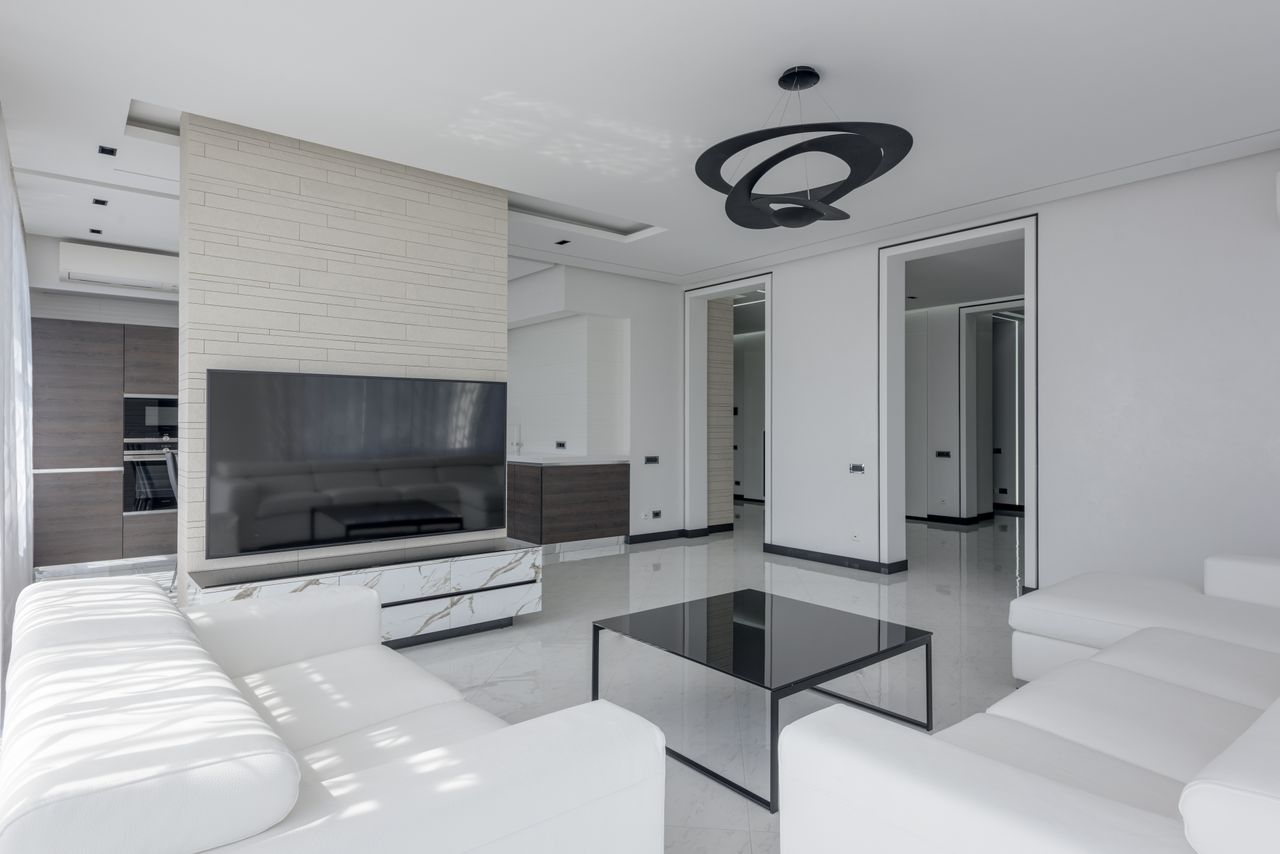
Bright clutter-free living room — Photo via Pexels
1. Where to Start: One Small Zone at a Time
Start where you see clutter first every day. For most people, that is the entryway, the kitchen counter, or the bedroom floor. Pick one small zone, not a whole room. A single drawer or one shelf is enough for day one. Do not start with the garage or the attic — those big zones drain your energy before you build momentum.
Set a timer for 20 minutes and stop when it rings. Small wins build trust with yourself. Grab three bags: keep, donate, and trash. Touch each item once and decide fast. If you have not used it in a year, it goes. Put on music you like and keep water nearby. When the timer rings, take the donate bag straight to your car so it leaves the house tomorrow.

Sorting household items — Photo via Pexels
2. The 5/7 Method for Clear Surfaces
The 5/7 method is a simple rule for clear surfaces. Keep an item out in the open only if you use it at least five days out of seven. Everything else goes into a drawer, a cabinet, or out of the house. Professional organizers use it to fight visual noise — the silent mess that makes a room feel busy even when it is clean. It works because it removes guessing. You do not ask if you love an item — you check if you actually use it.
Try it on one counter or shelf. Watch what you actually touch for a week. The coffee maker stays if you brew daily. The bread maker you use twice a month goes into a cabinet. Your habits make the decisions, so you never have to guess. The method is gentle, and it suits people who dislike sudden change — nothing leaves the house until your own routine proves you do not need it.
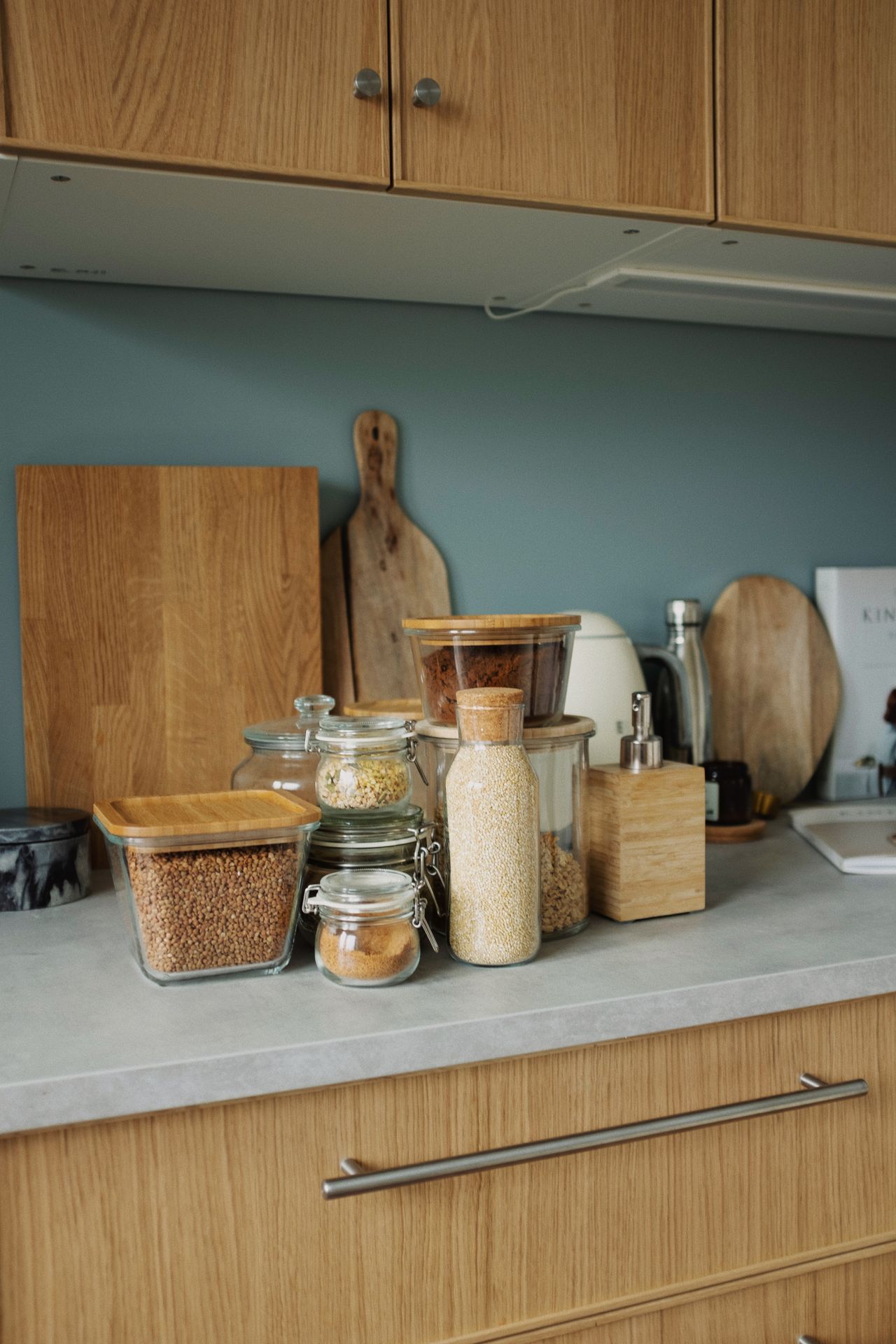
Clear kitchen counter — Photo via Pexels
3. Start With the Entryway
The entryway sets the tone for the whole house. It is also small, so you can finish it in 15 minutes. Take everything off the hooks and the shoe rack. Keep one pair of everyday shoes per person by the door. Store the rest in the closet.
Add one tray for keys and one basket for mail. Throw away old flyers and dead batteries on the spot. When this space stays clear, you feel the change every time you walk in.
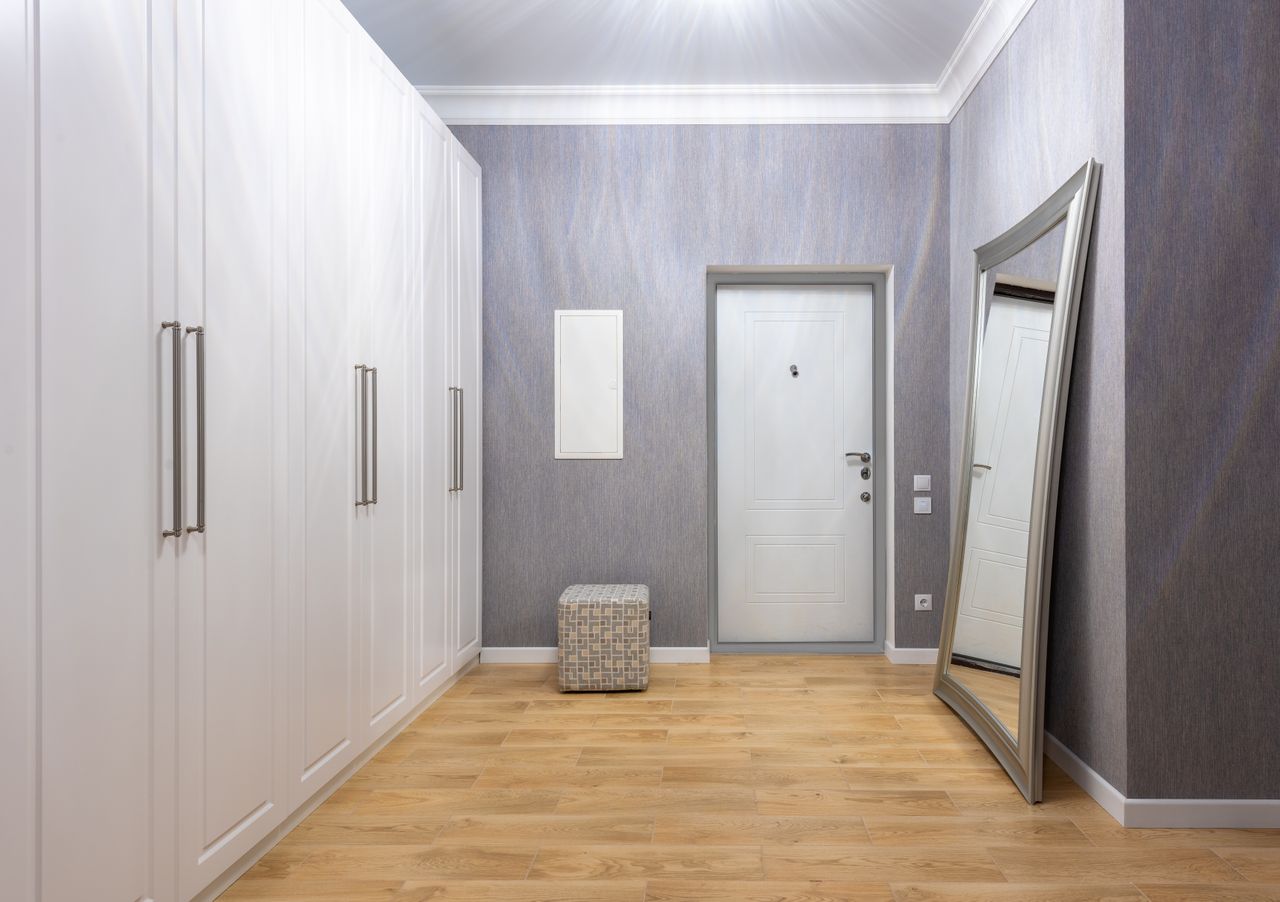
Tidy entryway — Photo via Pexels
4. Clear the Living Room Surfaces
Living rooms collect things: remote controls, magazines, chargers, toys. Start with flat surfaces only — the coffee table, side tables, and shelves. Put each item back where it truly belongs. If it has no home, it is clutter.
Keep only daily items in sight, following the 5/7 rule. Store chargers in one drawer and remotes in one tray. Once the room breathes again, choosing the right pieces gets easier — this guide to choosing living room furniture shows how the right sizes keep a room feeling open.
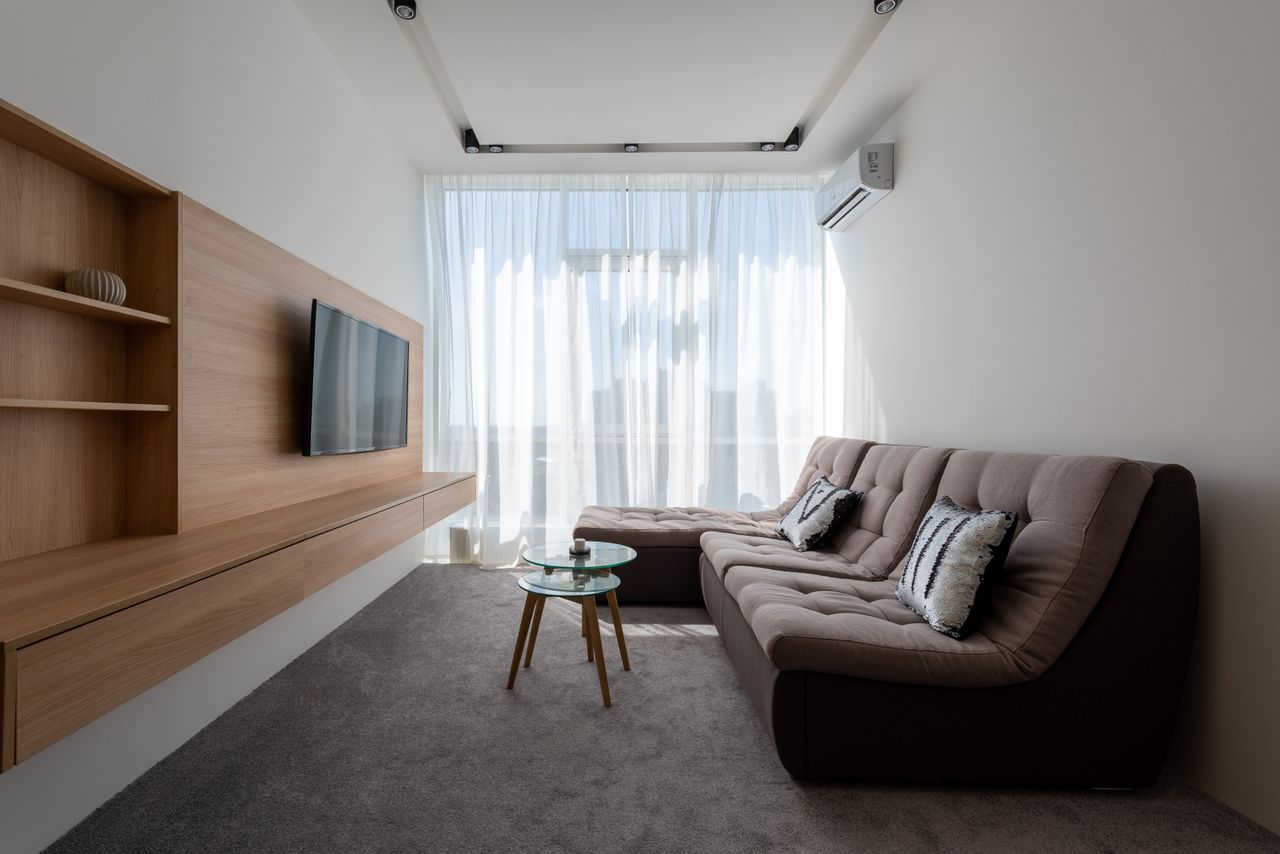
Minimalist living room — Photo via Pexels
5. Edit Your Wardrobe Like a Stylist
Your closet deserves the same care as your rooms. Pull out every piece and ask one question: would I buy this again today? Keep only clothes that fit well and that you actually wear. Most people wear 20 percent of their wardrobe 80 percent of the time.
Fold or hang what is left by type: tops with tops, trousers with trousers. Donate the rest within two days so the bags do not creep back inside. A clean closet makes getting dressed faster. If the bedroom is tight on storage too, these renter-friendly living room ideas show how to squeeze smart storage out of any small space.
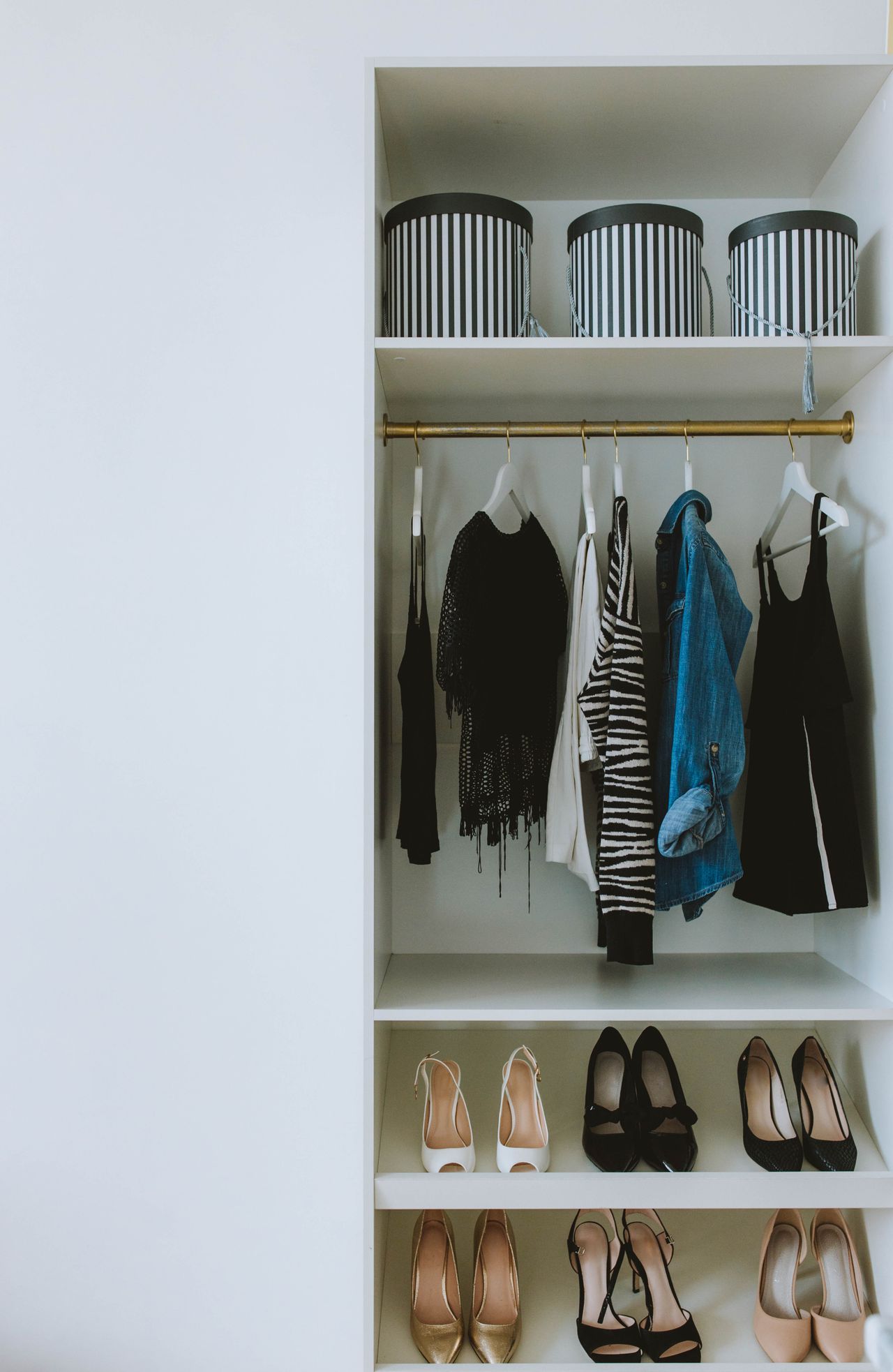
Organized wardrobe — Photo via Pexels
6. Tackle Kitchen Counters First, Then Cabinets
Clear counters change how the whole kitchen feels. Apply the 5/7 rule here first: the daily coffee maker stays, the rarely used juicer goes into a cabinet. Wipe each surface as you clear it.
Then open one cabinet per session. Toss expired spices and chipped mugs. Match every food container with its lid — lids without partners go straight to recycling. Group like with like: baking with baking, snacks with snacks. For more ways to make a small kitchen work harder, these small kitchen space-saving ideas pair perfectly with clear counters.
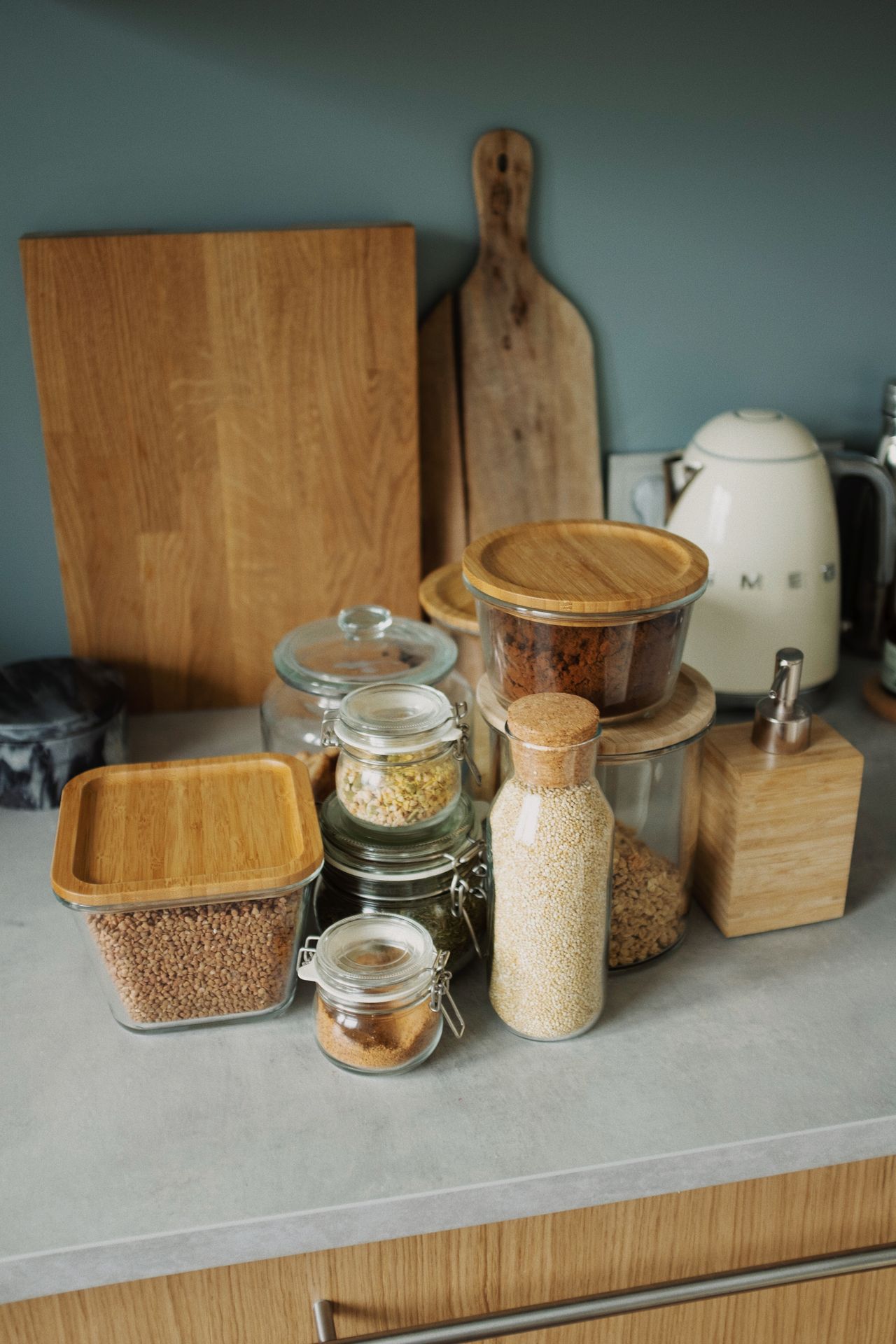
Organized kitchen — Photo via Pexels
7. Sort the Pantry by Expiry Date
Pull everything out onto the counter so you can see it all. Check every date. Throw away anything expired — old flour, stale crackers, cans from two years ago. This step alone can free up a third of your shelf space.
Put everyday items at eye level and heavy items low. Use clear jars for rice, pasta, and lentils so you can see what is running low. Keep the top shelf for backup stock only.
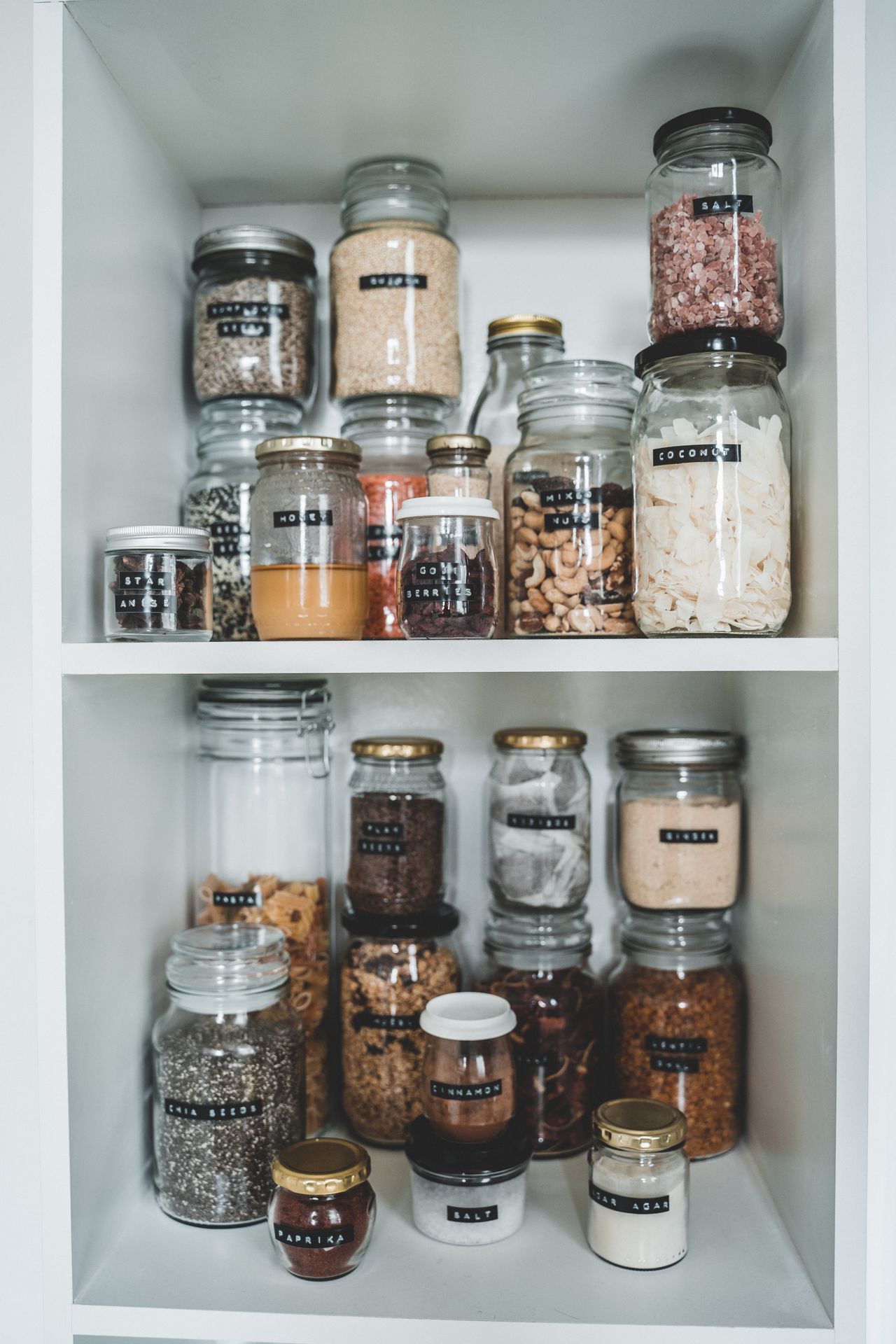
Organized pantry — Photo via Pexels
8. Reset the Bathroom in 20 Minutes
Bathrooms are small, so they reward you fast. Empty the medicine cabinet and one drawer. Toss expired medicines, dried-up nail polish, and free hotel samples you will never use. Keep only daily products on the counter.
Store the rest in a drawer or a small basket under the sink. Keep one towel per person on the hooks and fold the rest in the linen closet. Wipe the mirror and the sink, and the room feels new.
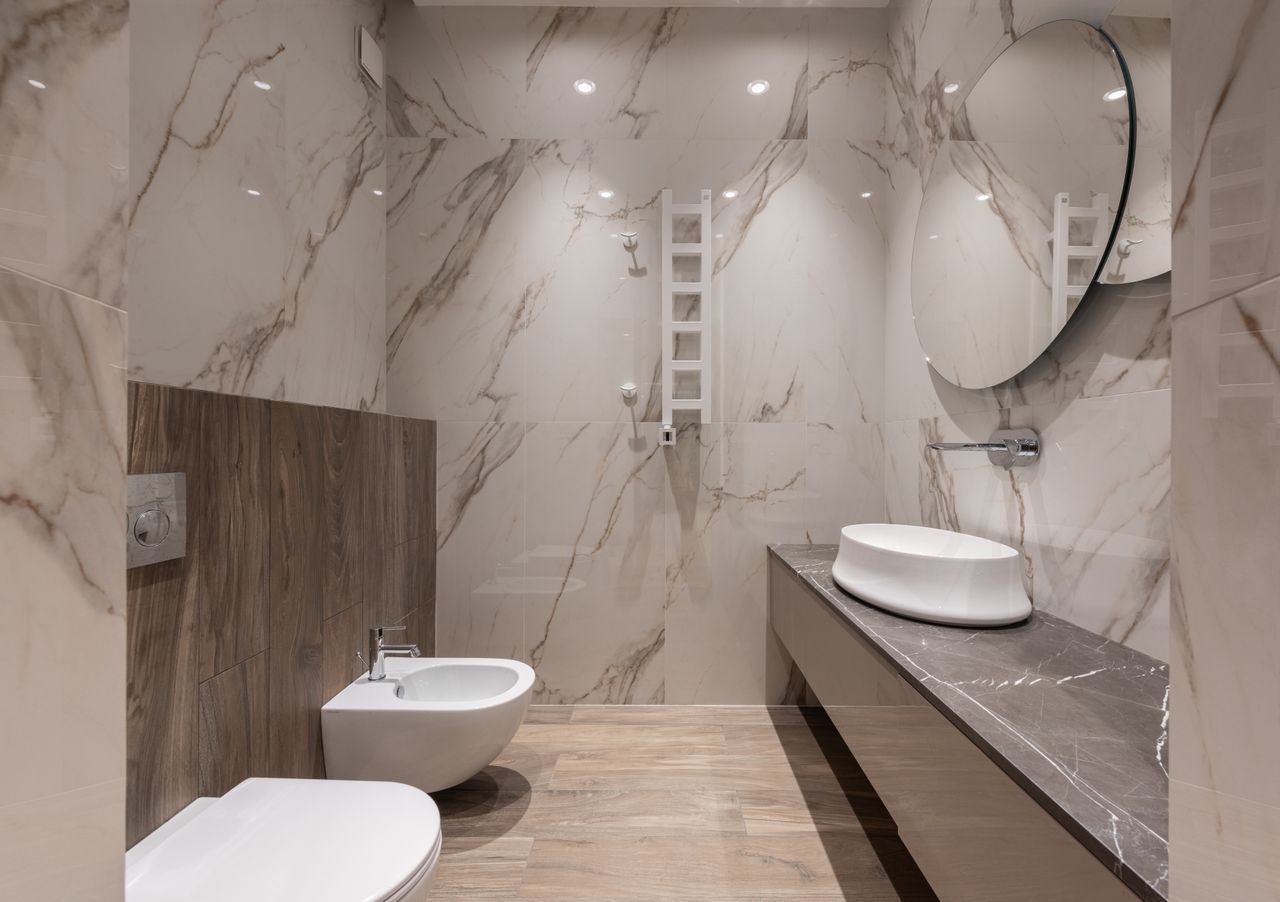
Minimal bathroom — Photo via Pexels
9. Calm the Bedroom
Your bedroom should help you rest, not remind you of chores. Start with the floor: clothes go in the hamper or back in the closet, nothing in between. Clear the nightstand down to a lamp, a book, and water.
Sort one dresser drawer per day. Old socks with holes and stretched-out tops go. Fold the rest standing up so you can see every item at a glance. Make the bed each morning — it makes the whole room look tidy in two minutes.
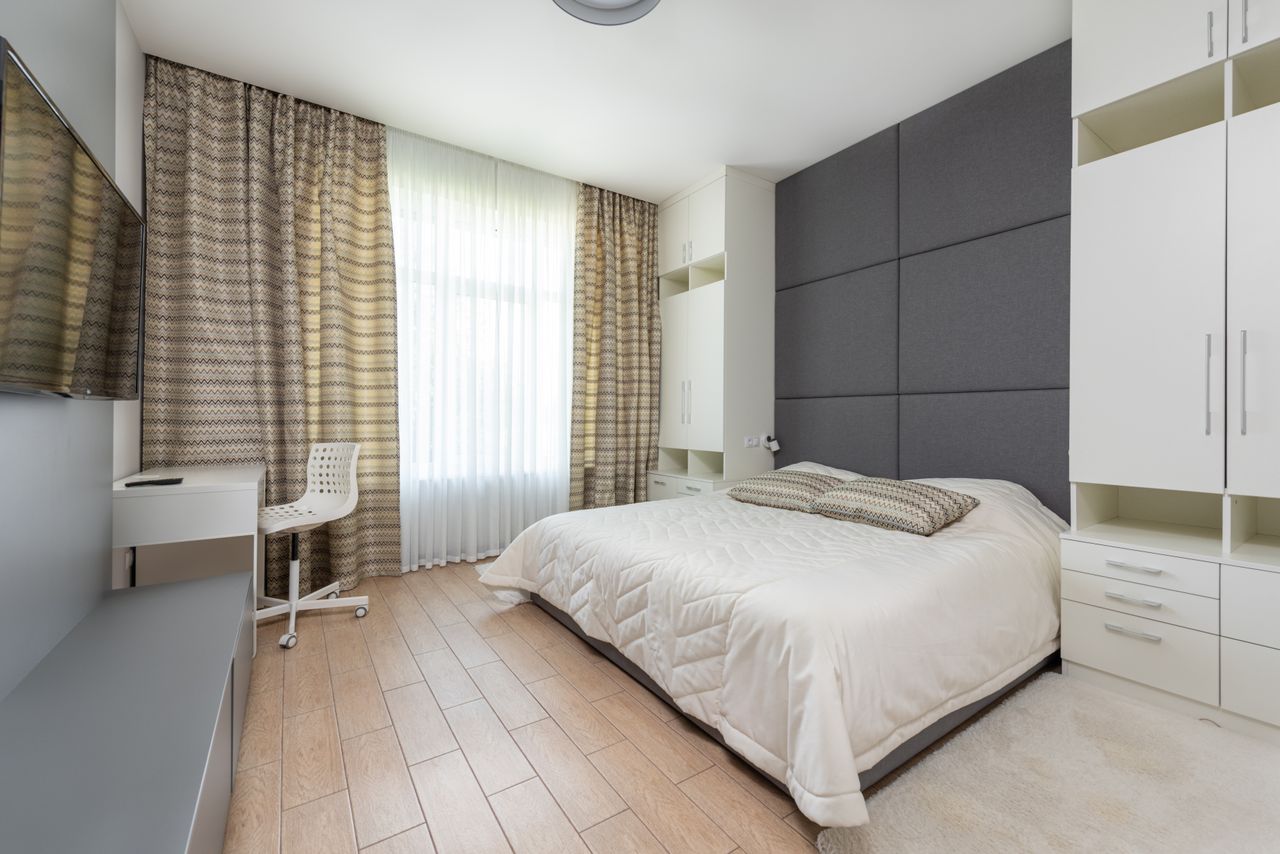
Serene bedroom — Photo via Pexels
10. Clear Your Desk and Home Office
Paper is the main enemy here. Sort mail into three piles: act now, file, recycle. Shred old bills you can find online. Keep only your computer, a lamp, and one pen holder on the desk.
Give every cable a clip or a tie so they stop tangling. Store office supplies in one drawer, sorted in small boxes. A clear desk helps you think clearly — you will feel it on the first workday.

Tidy home office desk — Photo via Pexels
11. Tame the Toy Pile
Involve the kids if they are old enough. Ask them to pick their ten favorite toys. Box the rest for two weeks. If nobody asks for a boxed toy, donate the box without opening it.
Keep one low shelf or one basket per child. Broken toys and pieces with missing parts go straight to trash. Fewer toys means longer play and faster cleanup — most parents see the difference in days.
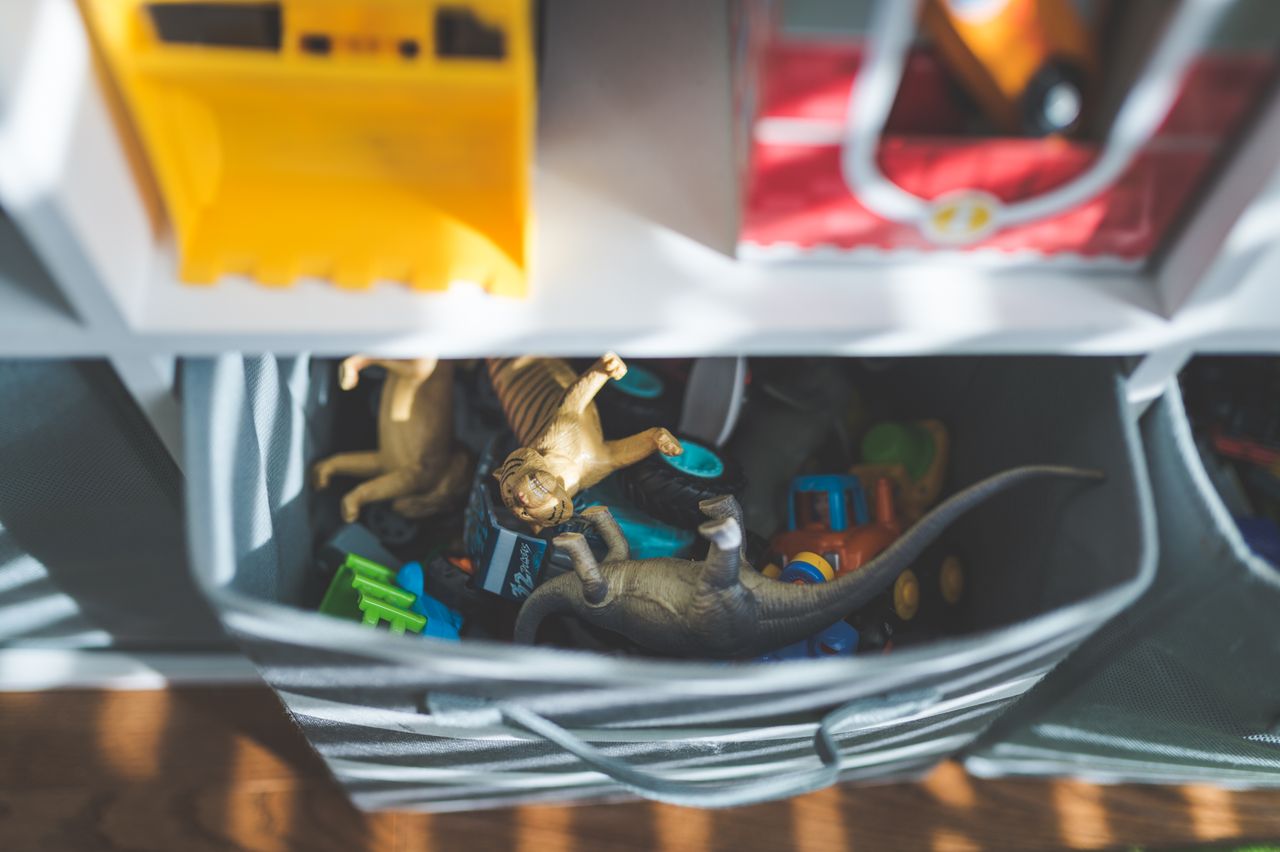
Organized toy storage — Photo via Pexels
12. Fold and Purge the Linen Closet
Pull out every towel and sheet. Keep two full sets of sheets per bed — one on the bed, one in the wash. Towels with thin spots or stains become cleaning rags or go to trash.
Fold everything the same size so stacks stay neat. Put the sets you use most at eye level. Store guest bedding on the top shelf in a labeled bag.
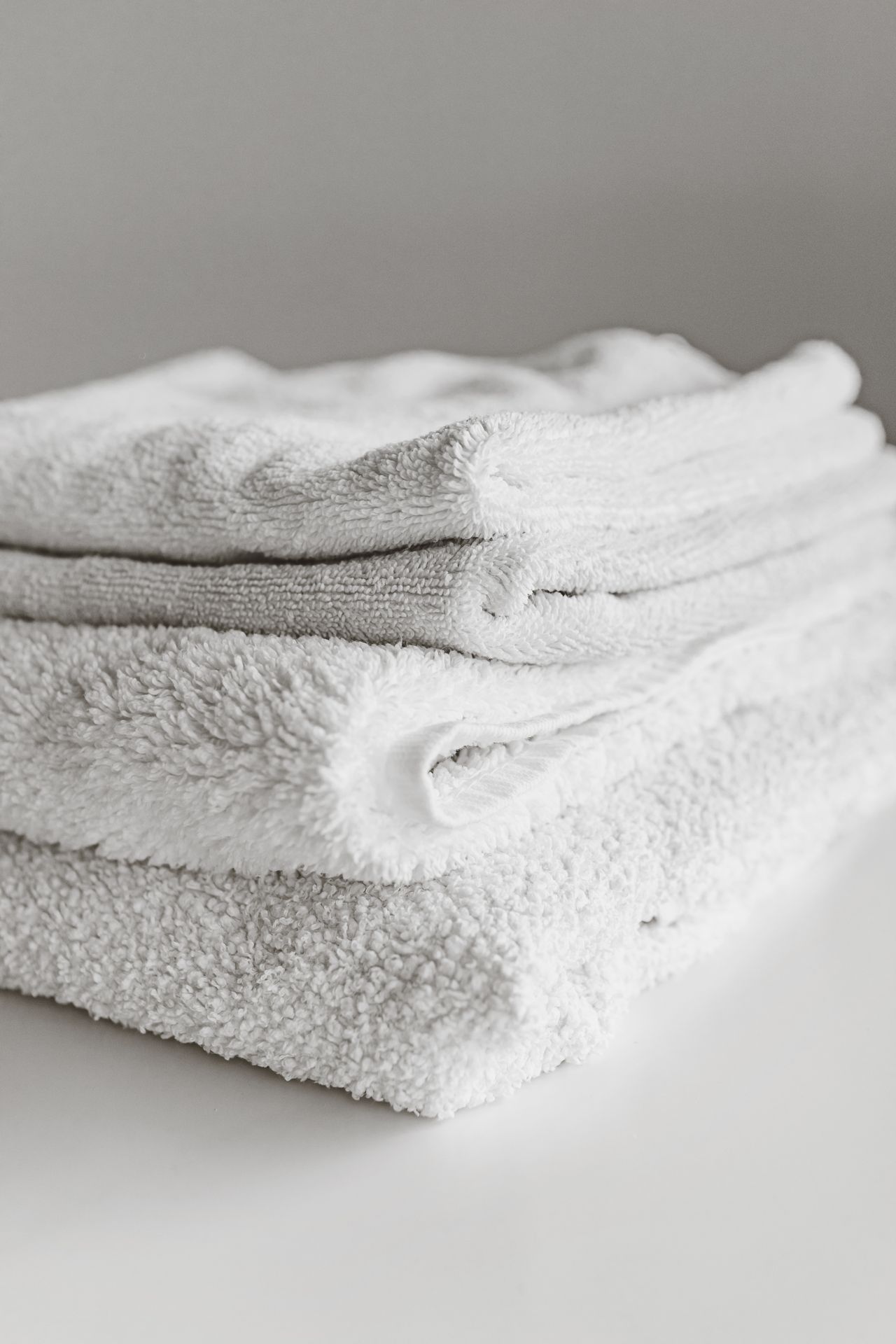
Neatly folded towels — Photo via Pexels
13. Edit Bookshelves and Media
Take every book off one shelf. Keep the ones you will read again or that you love to lend. Donate duplicates and books you finished years ago and never touched since. Libraries and charity shops welcome them.
Arrange what is left with some empty space — a shelf that is 80 percent full looks calm, a packed one looks noisy. Unplug old devices you no longer use and recycle dead cables.

Organized bookshelf — Photo via Pexels
14. Refresh the Laundry Room
This room often becomes a dumping ground. Clear the top of the washer and dryer first. Throw away empty detergent bottles and single socks with no partner. Keep only the products you actually use.
Hang a small bag for lint and lost items. Add one basket for clothes that need mending and deal with it once a month. A clear laundry room makes wash day feel lighter.
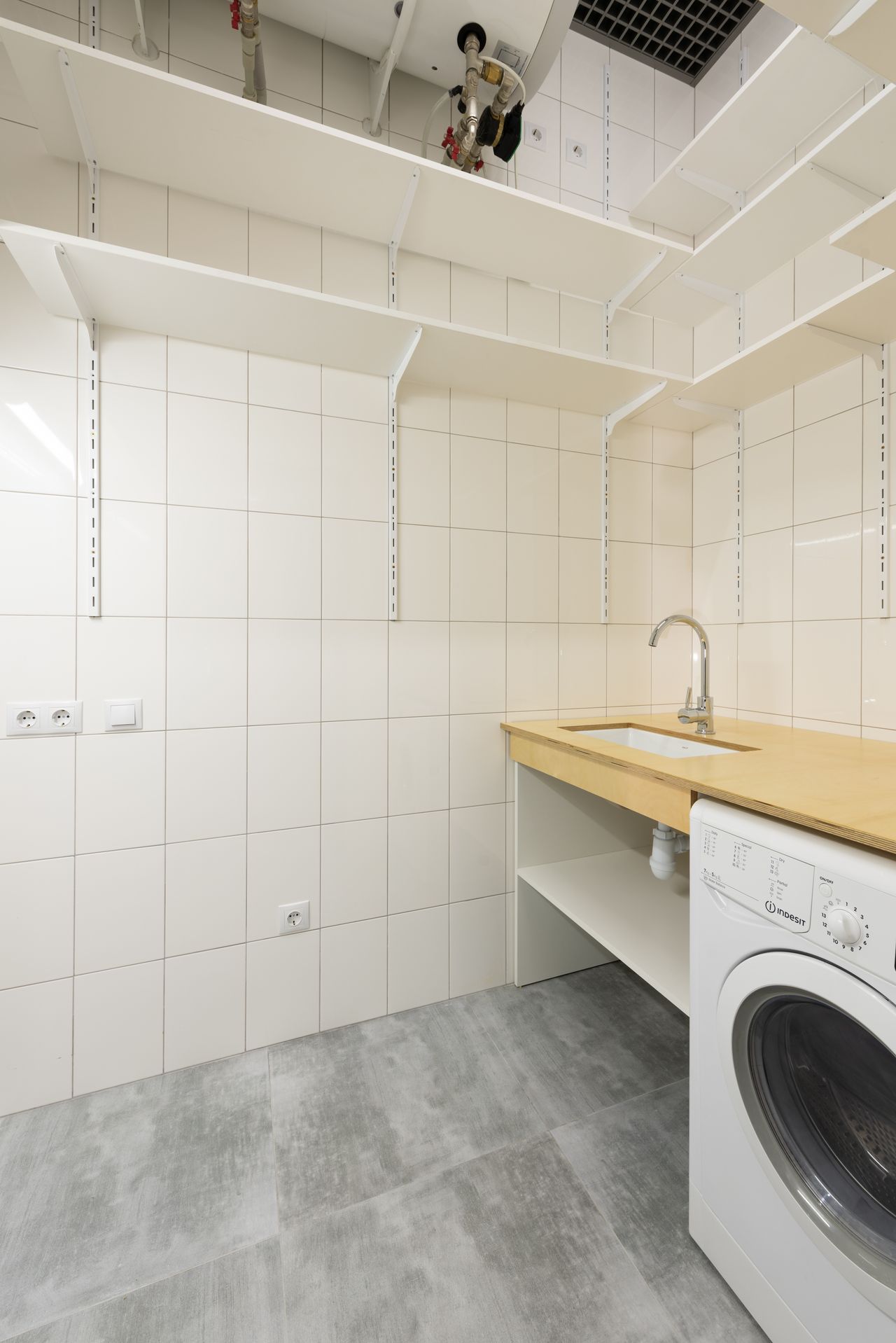
Clean laundry room — Photo via Pexels
Final Thoughts
Save sentimental items for last, since photos, letters, and keepsakes need slow decisions. Put anything you cannot decide on in a dated "maybe" box and revisit it in six months. Keep the best, not the most — ten favorite photos in a frame beat three boxes in the attic.
Clearing once is not enough; the secret is stopping new clutter. Use the one-in-one-out rule: every new item that enters means one old item leaves. Do a ten-minute reset each evening and check one drawer a month. Small daily effort beats a giant cleanup every year, and your home stays calm for good.
Frequently Asked Questions
Where should I start decluttering my house?
Start with the smallest, most visible zone — the entryway or one kitchen counter. A quick win in 15 to 20 minutes builds momentum for the bigger rooms.
How long does it take to declutter a whole home?
Most homes take 2 to 4 weeks at 20 to 30 minutes a day. Big storage areas like garages can add a few extra sessions. Slow and steady beats one exhausting weekend.
What is the 5/7 decluttering method in simple words?
Keep an item in plain sight only if you use it at least five days out of seven. Everything else goes in a drawer, a cabinet, or out of the house. It keeps surfaces calm.
Should I declutter room by room or by category?
Room by room works best for most people because you see results faster. Category sorting, like doing all books at once, suits small homes where items are spread across rooms.
What should I do with sentimental items I cannot throw away?
Put them in a dated "maybe" box and revisit it in six months. Keep the favorites you truly love and photograph the rest before letting them go.
Is it better to donate, sell, or throw away unwanted things?
Donate clean, working items within two days so the bags leave the house. Sell only valuable pieces worth your time. Throw away anything broken, stained, or expired.
How do I stop clutter from coming back?
Follow one-in-one-out: a new item in means an old item out. Do a ten-minute evening reset and check one drawer each month.
How often should I declutter my home?
Do a quick ten-minute reset daily and a deeper pass through one zone each season. Kitchens and closets benefit from a check every three months.
Gallery
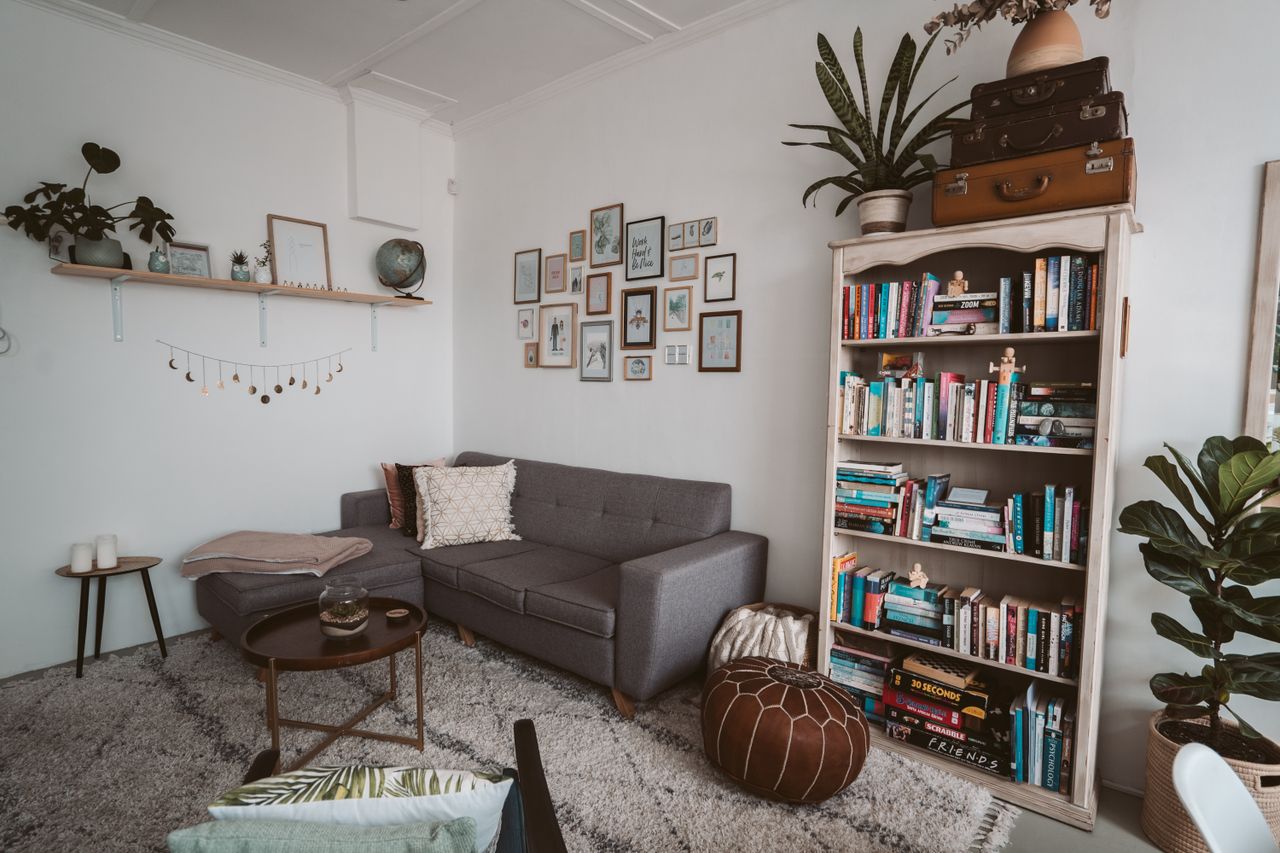
Cozy tidy living room — Photo via Pexels
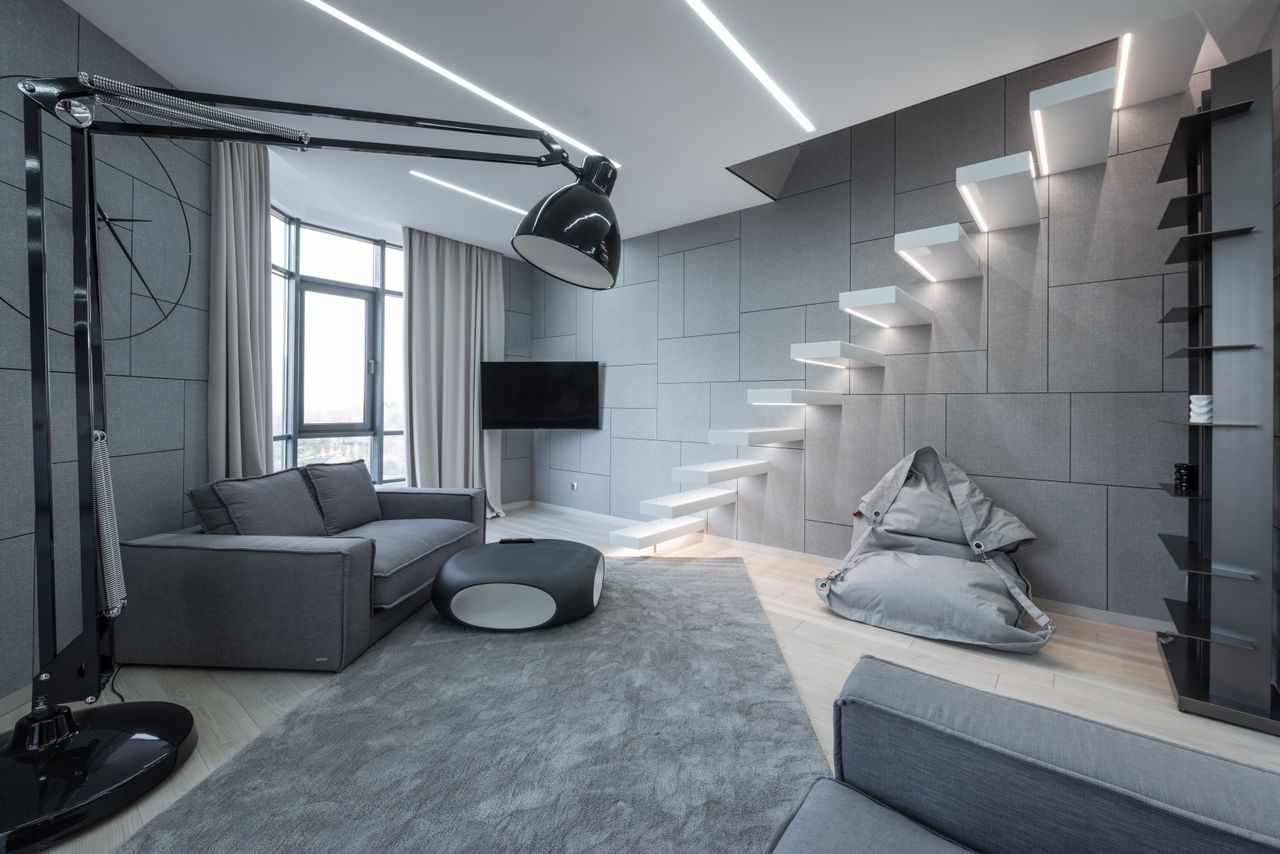
Bright minimalist living room — Photo via Pexels

Labeled storage boxes — Photo via Pexels
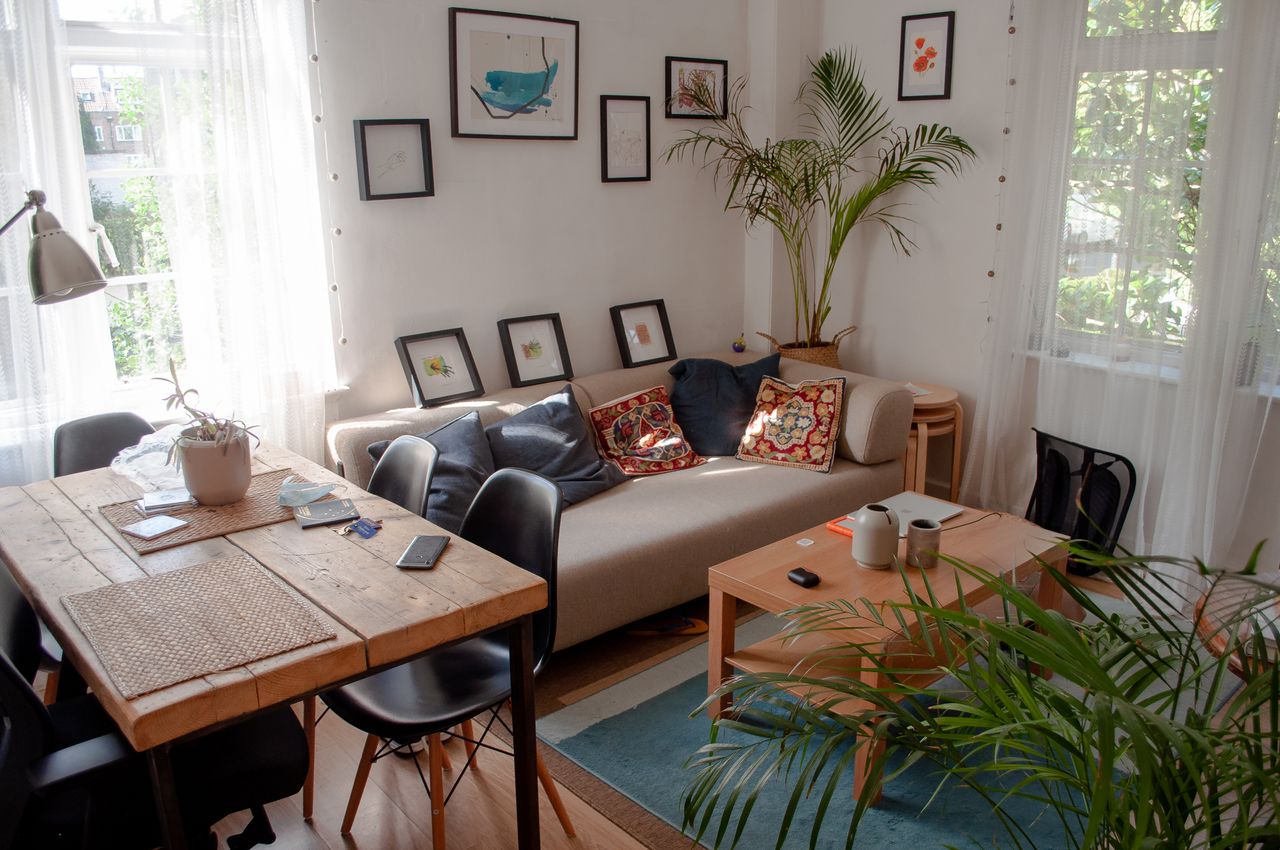
Calm clutter-free living space — Photo via Pexels
Sources
Livingetc — "The 5/7 Rule Is a Clever Organizing Hack Used in the Kitchen" (professional organizer Lauren Saltman of Living. Simplified. explains the rule): livingetc.com/advice/5-7-rule-for-decluttering
The Simplicity Habit — "How to Use the 5/7 Decluttering Method to Keep Flat Spaces Clear": thesimplicityhabit.com/5-7-decluttering-method
Spitogatos Blog — "Method 5/7: The simple trick to get rid of clutter": en.spitogatos.gr/blog/tips-declutter-method

No comments:
Post a Comment