When the air turns cool in Canada, one vegetable shows up in every grocery store and farmers market: the butternut squash. It is sweet, smooth, and a beautiful deep orange colour. One squash costs only about $3 to $5 in the fall, and it can feed a whole family. Even better, it keeps for weeks on your counter, so you can buy two or three when they are cheap and cook them when you are ready.
If you are looking for butternut squash recipes that are simple, warm, and full of flavour, this list is for you. Below you will find 10 cozy dishes, from a classic roasted side and a creamy soup to homemade ravioli, soft gnocchi, and crispy risotto cakes. Every dish uses easy steps and normal ingredients you can find in any Canadian store. Pick one for tonight, or cook a big squash on Sunday and use it in two or three dishes all week.
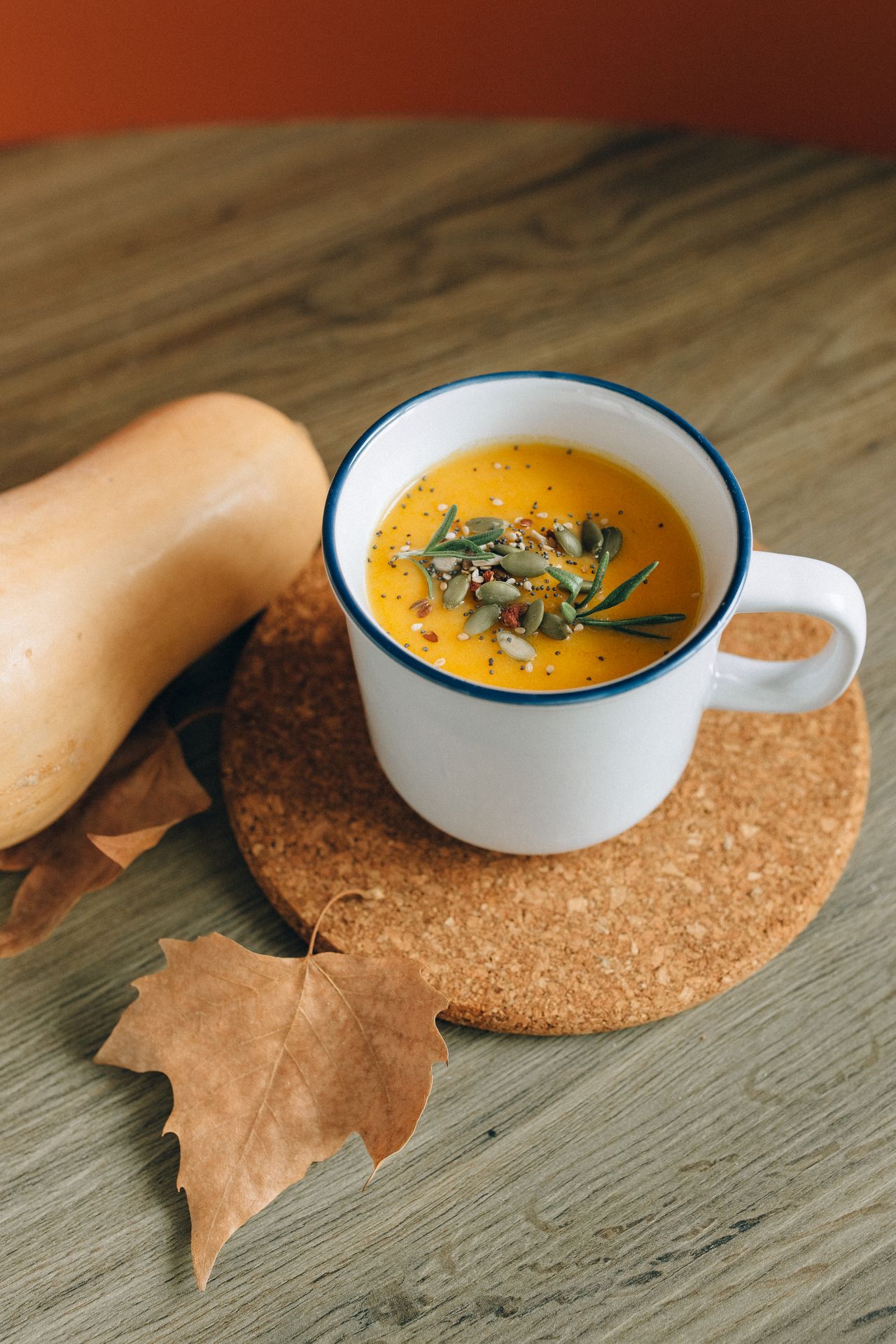
Photo via Pexels
Table of Contents
- 1. Classic Roasted Butternut Squash
- 2. Creamy Roasted Butternut Squash Soup
- 3. Butternut Squash Mac and Cheese
- 4. Stuffed Shells with Sage Brown Butter
- 5. Butternut Squash Ravioli with Brown Butter
- 6. Butternut Squash Gnocchi with Sage Butter
- 7. Creamy Butternut Squash Risotto
- 8. Crispy Butternut Squash Risotto Cakes
- 9. Maple Mashed Butternut Squash
- 10. Roasted Squash and Quinoa Salad
- Frequently Asked Questions
1. Classic Roasted Butternut Squash

Photo via Wikimedia Commons
This is the first dish every cook should learn, because roasted squash is the base for so many other meals. You need 1 medium butternut squash (about 1 to 1.2 kg), 30 mL (2 tablespoons) of olive oil, 5 mL (1 teaspoon) of salt, a little black pepper, and 5 mL (1 teaspoon) of maple syrup if you like extra sweetness. Peel the squash, cut it in half, scoop out the seeds, and cut the flesh into cubes of about 2 cm. Toss the cubes with the oil, salt, and pepper on a large baking sheet lined with parchment paper.
Roast at 200°C (400°F) for 25 to 30 minutes, turning the cubes once halfway, until the edges are golden and a little crispy. Do not crowd the pan — if the cubes touch too much, they steam and turn soft instead of roasting. Serve it hot as a side dish with chicken or pork, or let it cool and use it in salads, grain bowls, and pasta during the week. It keeps well in the fridge for up to 4 days, so it is perfect for meal prep.
2. Creamy Roasted Butternut Squash Soup

Photo via Wikimedia Commons
A warm bowl of this soup is pure comfort on a cold evening. Roasting the squash first gives the soup a deep, sweet flavour that boiling can never match. You need 1 large squash cut into cubes, 1 chopped onion, 2 cloves of garlic, 750 mL (3 cups) of vegetable or chicken stock, 125 mL (1/2 cup) of cream or coconut milk, a pinch of nutmeg, and salt and pepper. Roast the squash cubes at 200°C (400°F) for about 30 minutes while you soften the onion and garlic in a big pot with a little butter or oil.
Add the roasted squash and stock to the pot, simmer for 10 minutes, then blend everything until very smooth with a hand blender. Stir in the cream and nutmeg, warm it gently without boiling, and taste for salt. Serve with crusty bread, a swirl of cream, and toasted pumpkin seeds on top. If you love cozy bowls like this one, you will also enjoy our collection of winter soup recipes for the coldest months. The soup freezes very well, so make a double batch and save half for a busy night.
3. Butternut Squash Mac and Cheese

Photo via Wikimedia Commons
This family favourite hides a whole vegetable inside a creamy cheese sauce, and kids usually have no idea. Cook 500 g of small pasta shells or macaroni in salted water until just tender, and save 250 mL (1 cup) of the hot pasta water before you drain it. While the pasta cooks, blend about 500 g of cooked squash (roasted or steamed) with 250 mL (1 cup) of warm milk until it is smooth like a purée. Melt a knob of butter in the empty pasta pot, stir in the squash purée, and add 200 g of grated old cheddar cheese a handful at a time.
When the cheese melts into a smooth orange sauce, add a pinch of mustard powder, salt, and pepper — the mustard makes the cheese flavour stronger without tasting like mustard. Mix in the pasta and a splash of the saved pasta water until the sauce coats every shell. Serve it right away, or pour it into a baking dish, top with extra cheese and breadcrumbs, and bake at 190°C (375°F) for 15 minutes for a crispy top. Leftovers reheat well with a spoonful of milk to make the sauce creamy again.
4. Stuffed Shells with Sage Brown Butter

Photo via Wikimedia Commons
Jumbo pasta shells filled with sweet squash look fancy, but they are easy to make on a weekend afternoon. Cook about 24 jumbo shells until just soft, then lay them on a tray so they do not stick together. For the filling, mash 600 g of roasted squash with 250 g of ricotta cheese, 50 g of grated Parmesan, 1 beaten egg, a pinch of nutmeg, and salt and pepper. Spoon or pipe the filling into each shell and place them close together in a lightly oiled baking dish.
Bake the shells at 190°C (375°F) for about 20 minutes, until hot and lightly golden on top. While they bake, make the famous sage brown butter: melt 60 g of butter in a small pan with 8 to 10 fresh sage leaves and cook gently until the butter turns golden brown and smells nutty, about 3 to 4 minutes. Spoon the hot butter and crispy sage over the shells and finish with toasted chopped pecans and more Parmesan. This dish also freezes beautifully before baking, so it is a smart make-ahead dinner for guests.
5. Butternut Squash Ravioli with Brown Butter

Photo via Wikimedia Commons
Homemade ravioli sounds hard, but a simple trick makes it easy: use fresh pasta sheets or even wonton wrappers from the store. For the filling, mash 500 g of smooth roasted squash with 50 g of grated Parmesan, a pinch of nutmeg, salt, and pepper. Place small spoonfuls of filling on the pasta sheet, brush the edges with water, cover with a second sheet, press around each mound to seal, and cut into squares. Let the ravioli rest on a floured tray for 15 minutes so the seals dry a little and do not open in the water.
Cook the ravioli in gently boiling salted water for only 2 to 3 minutes — they are ready when they float to the top. Lift them out with a slotted spoon and drop them straight into a warm pan of brown butter with crispy sage leaves, the same sauce as the stuffed shells above. Serve on warm plates with shaved Parmesan and toasted sliced almonds. For a fuller fall plate, add a few roasted Brussels sprouts on the side, like in the photo. A green salad with a sharp dressing balances the rich butter nicely.
6. Butternut Squash Gnocchi with Sage Butter

Photo via Wikimedia Commons
These soft golden pillows are a lovely project for a quiet Sunday. You need about 500 g of very dry mashed squash, 1 egg yolk, 50 g of grated Parmesan, and 200 to 250 g of all-purpose flour, plus salt and a pinch of nutmeg. The secret is dry squash: roast the squash instead of boiling it, and let the mash cool and drain so the dough does not need too much flour. Mix everything into a soft dough, adding flour slowly until it just stops being sticky — too much flour makes heavy gnocchi.
Roll the dough into ropes as thick as your thumb, cut into 2 cm pieces, and press each piece lightly with a fork to make little ridges. Cook them in boiling salted water in small batches; they are done about 1 minute after they float. Scoop them into a pan of melted butter with sage leaves and a spoonful of the cooking water, and toss gently until glossy. Serve right away with extra Parmesan. Uncooked gnocchi freeze well on a floured tray, then go into a freezer bag for up to 3 months — cook them straight from frozen.
7. Creamy Butternut Squash Risotto

Photo via Wikimedia Commons
Risotto is slow food in the best way — about 30 quiet minutes of stirring for the creamiest rice you will ever eat. Soften 1 finely chopped onion in butter and olive oil, add 300 g of arborio rice, and stir for 1 minute until the grains shine. Add 250 g of small squash cubes, then start adding warm stock (about 1.25 L in total) one ladle at a time, stirring often and waiting for each ladle to be absorbed before adding the next. Keep the stock warm in a second pot so the rice never stops cooking.
After about 18 to 20 minutes the rice should be tender with a tiny bite in the centre, and the squash cubes will melt into the rice and turn it golden. Stir in a big spoonful of smooth squash purée, 50 g of grated Parmesan, and a knob of cold butter, then cover and rest for 2 minutes. The finished risotto should flow slowly like lava when you shake the plate. Serve it plain and cozy, or make it special with seared scallops on top, like the restaurant plate in the photo.
8. Crispy Butternut Squash Risotto Cakes

Photo via Wikimedia Commons
This clever dish turns leftover risotto into something new and exciting. Cold risotto from the fridge is firm, which makes it perfect for shaping. Stir 500 g of cold leftover risotto with 1 beaten egg and a handful of chopped fresh sage or parsley. With wet hands, press the mixture into round cakes about 8 cm wide and 2 cm thick. If the cakes feel soft, chill them on a tray for 20 minutes — cold cakes hold together much better in the pan.
Fry the cakes in a little olive oil over medium heat for 3 to 4 minutes per side, until deep golden and crispy. Do not move them too early; let a firm crust form first, then turn them once with a wide spatula. Serve two or three cakes per person with grated Parmesan and a simple green salad or garlic yogurt sauce. They make a great light supper, and kids love them as a snack with ketchup. This is the tastiest reason to always cook a little extra risotto on purpose.
9. Maple Mashed Butternut Squash

Photo via Wikimedia Commons
This sweet and silky side dish belongs on every Canadian fall table, right beside the roast chicken or turkey. The easy way to make it: cut 1 large squash in half lengthwise, scoop out the seeds, and roast the halves cut-side down at 200°C (400°F) for 40 to 50 minutes, until the flesh is completely soft. Roasting in the skin means no hard peeling, and the flavour stays rich and sweet instead of watery. Scoop the soft flesh into a bowl while it is still hot.
Mash the flesh with 30 g of butter, 30 mL (2 tablespoons) of real Canadian maple syrup, a pinch of cinnamon, and salt to taste. Use a potato masher for a rustic texture, or a hand blender for a very smooth purée. Taste before serving — some squash are sweeter than others, so you may want a little more salt to balance the maple. The mash keeps for 3 to 4 days in the fridge and reheats gently on the stove with a splash of milk. It is also a wonderful base for soups and sauces later in the week.
10. Roasted Squash and Quinoa Salad

Photo via Wikimedia Commons
Not every fall dish has to be hot and heavy. This warm salad is fresh, filling, and full of colour, and it works as a light lunch or a side for grilled meats. Cook 200 g of quinoa in 400 mL of water or stock for about 15 minutes, then let it stand, covered, for 5 minutes and fluff it with a fork. While it cooks, roast thin wedges or cubes of squash (about 500 g) at 200°C (400°F) for 20 to 25 minutes until tender with golden edges. Red quinoa looks beautiful here, but white quinoa works just as well.
Toss the warm quinoa and squash with 2 big handfuls of baby greens or kale, 50 g of dried cranberries, and 50 g of crumbled feta cheese. For the dressing, whisk 45 mL (3 tablespoons) of olive oil with 15 mL (1 tablespoon) each of maple syrup and apple cider vinegar, plus a little Dijon mustard, salt, and pepper. Pour it over while the squash is still warm so the greens soften just a little. If you enjoy salads like this, browse our easy salad recipes for more fresh ideas all year round.
Frequently Asked Questions
How do I cut a butternut squash safely?
Butternut skin is hard, so take your time. First, warm the whole squash in the microwave for 2 to 3 minutes to soften the skin a little. Cut off both ends so it stands flat and steady, peel it with a strong vegetable peeler, then cut it in half lengthwise and scoop out the seeds with a spoon. Cut the flesh into cubes on a board that does not slide — a damp cloth under the board helps. Always cut away from your fingers and keep the knife dry.
Do I need to peel the squash before roasting?
It depends on the dish. For cubes, peel first, because the skin does not soften nicely in a short roast. For halves, you can roast with the skin on and scoop out the soft flesh after cooking, which is much easier. In soups that get blended, some cooks leave the skin on, but peeling gives a smoother texture and a brighter colour, so peeling is the safer choice for guests.
How long does butternut squash keep?
A whole, uncut squash keeps for 1 to 3 months in a cool, dark, dry place, like a basement or a cool cupboard — do not store it in the fridge. Peeled raw cubes keep for 2 to 3 days in a sealed container in the fridge. Cooked squash and cooked dishes keep for 3 to 4 days in the fridge, and most of them freeze well for up to 3 months. Thaw overnight in the fridge before reheating.
Can I use frozen butternut squash cubes?
Yes, frozen cubes from the store are a real time saver and work in almost every dish here. For soup, risotto, and mash, add them straight from the bag, still frozen. For roasting, spread the frozen cubes on a hot pan with a little extra space between them and add about 5 to 10 minutes to the cooking time, because they release water as they thaw. The flavour is a little milder than fresh, so season them well.
What flavours go best with butternut squash?
Squash loves warm and earthy partners. The classic matches are sage and brown butter, maple syrup, cinnamon, nutmeg, and a little chili heat. Cheese is another great friend — Parmesan, old cheddar, goat cheese, and feta all work in different dishes. For a bigger change, try curry powder and coconut milk, or smoked paprika and garlic. A squeeze of lemon or a splash of vinegar at the end brightens the natural sweetness and keeps rich dishes from tasting heavy.
Final Thoughts
One humble squash can carry a whole week of fall cooking: roast it on Monday, blend it into soup on Tuesday, and turn the leftovers into crispy cakes by Friday. These butternut squash recipes prove that cozy food does not need to be hard or expensive — just good ingredients, a hot oven, and a little time. Start with the classic roast, learn the simple cutting and storage tips above, and soon this will be your favourite fall vegetable too. If you have extra squash, make a smooth purée the same way we show in our guide on how to make pumpkin purée, and save it for baking day — a slice of pumpkin pie with evaporated milk is the perfect sweet ending to a squash-filled week.
Sources
- Simply Recipes — Best Butternut Squash Dishes for Cozy Fall Dinners
- Ahead of Thyme — Easy Butternut Squash Ideas
- Delish Knowledge — Squash Recipe Collection
- EcoSalon — Roasted Butternut Squash Salad with Arugula and Cranberries
Gallery

Photo via Wikimedia Commons

Photo via Wikimedia Commons

Photo via Wikimedia Commons

No comments:
Post a Comment