Boston Apartment Decor Ideas: 10 Classic Looks
I helped a friend settle into a Beacon Hill walk-up last fall, and standing in that living room — twelve-foot ceilings, original crown molding, a marble fireplace that had seen two centuries — I understood Boston decorating in one glance. You do not decorate over this history. You decorate with it.
These boston apartment decor ideas are built for brownstones, triple-deckers, and Beacon Hill apartments: classic bones, layered warmth, and furniture that respects the architecture. Renter-friendly throughout, because most of us do not own the moldings.

Photo: Bomshanhochun via Wikimedia Commons
Table of Contents
- 1. Make the Fireplace the Star
- 2. Work With the Woodwork
- 3. Blue, White, and Timeless
- 4. The Chesterfield: Boston's Sofa
- 5. A Chinoiserie Moment
- 6. Gold Accents, Properly Done
- 7. Monochrome With Soul
- 8. Roman Shades for Tall Windows
- 9. A Gallery Wall With History
- 10. Curtains Tied Back Properly
1. Make the Fireplace the Star
Boston apartments often come with fireplaces — marble, wood, working or not — and they want to be the room's focal point. Arrange seating to face the mantel, not the TV. I moved a client's sofa six feet to angle toward her non-working fireplace and the room instantly had a center.
Style the mantel simply: one piece of art or a mirror above, two candlesticks, done. If the fireplace works, get the chimney inspected before the first fire — about $150 in the Boston area — and burn real wood on the coldest nights.

Photo: Jorge Royan via Wikimedia Commons
2. Work With the Woodwork
Crown molding, wainscoting, ceiling medallions — Boston's old buildings hand you the decoration for free. Keep walls simple and let the millwork show. I tell clients: if the room has original trim, your furniture should be quieter than the walls.
Paint is the one change worth making if your landlord allows it: warm white on the walls makes dark wood trim glow. Keep the trim itself untouched — painting over original woodwork is the fastest way to lose a Boston landlord's goodwill.

Photo: Crew crew via Wikimedia Commons
3. Blue, White, and Timeless
There is a reason blue and white never leaves New England: it reads classic without trying, and it flatters every wood tone from mahogany to oak. A blue-and-white palette in pillows, a rug, or a single upholstered chair gives instant Beacon Hill energy.
Mix the blues — navy, chambray, a little delft — rather than matching one shade. The layered look is what separates collected from catalog. A floral or chinoiserie print in these tones is practically a Boston birthright.
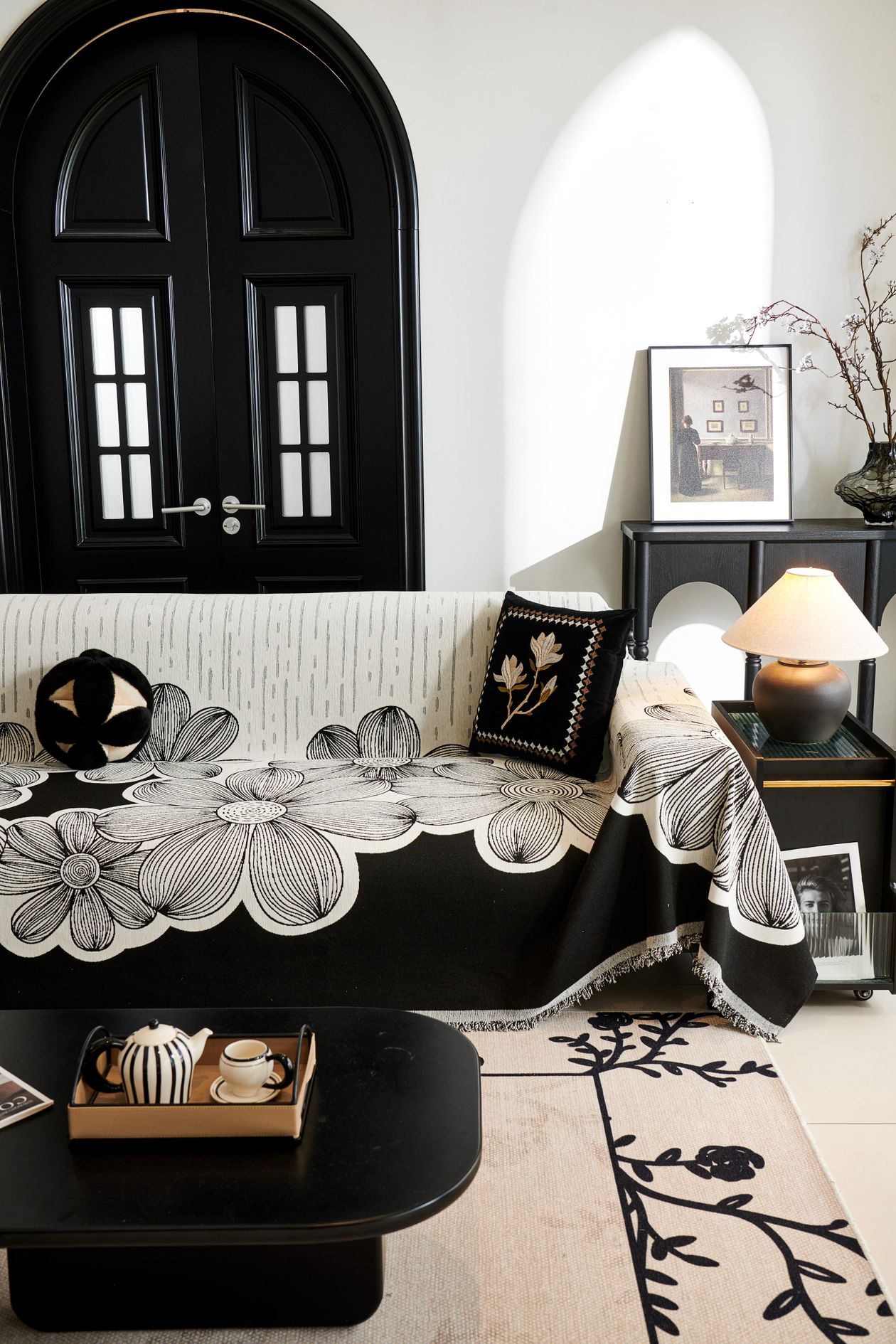
Photo via Pexels
4. The Chesterfield: Boston's Sofa
If any sofa belongs in a Boston brownstone, it is the chesterfield — deep-buttoned, rolled arms, leather or velvet. It has the same Victorian DNA as the buildings, and it only looks better as it wears. I have seen hundred-year-old chesterfields that outshine new sofas.
Buy vintage if you can; a broken-in leather chesterfield costs less than a new one and has ten times the character. Check the frame by lifting a corner — a good one feels solid and heavy, never wobbly.
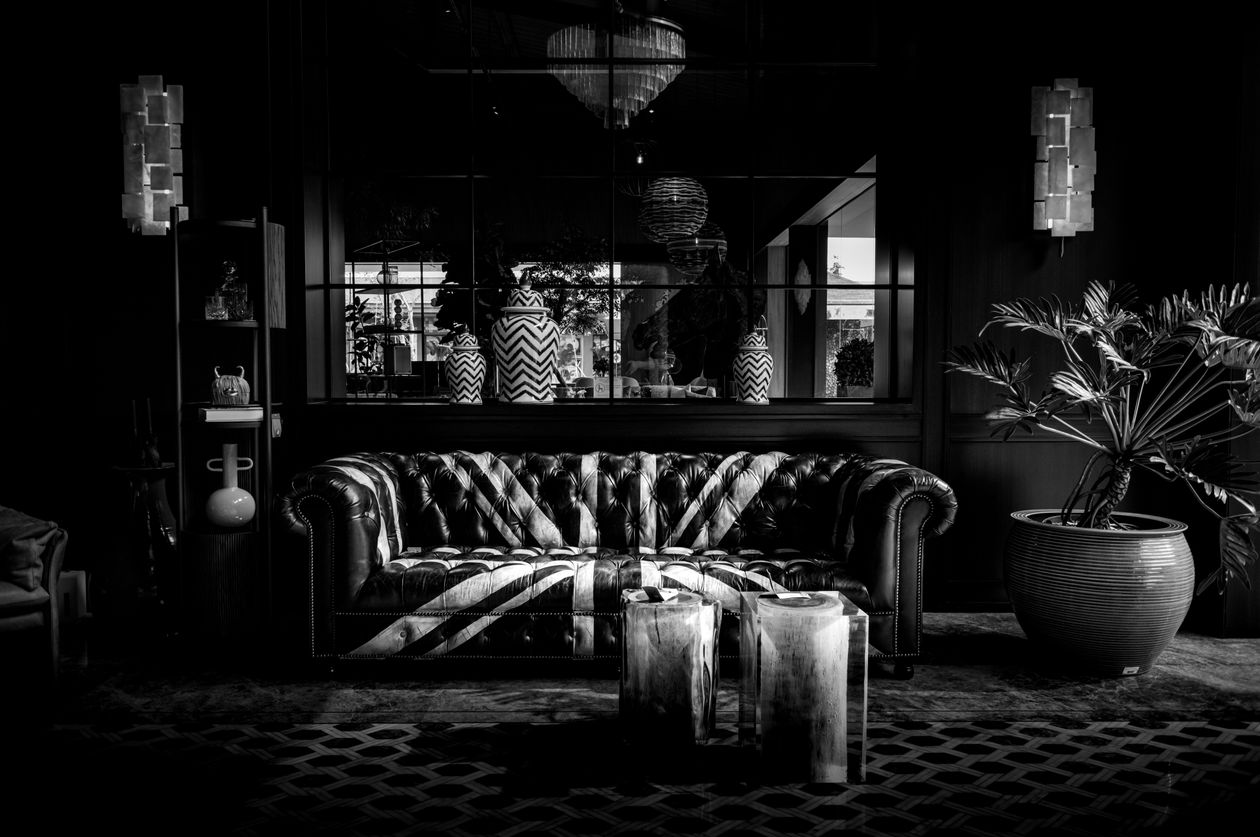
Photo via Pexels
5. A Chinoiserie Moment
Boston's merchant history brought Chinese porcelain and prints into these homes centuries ago, and the look still belongs here. One chinoiserie chair, a ginger jar on the mantel, or a hand-painted screen in the corner adds history without a museum vibe.
Thrift stores around Cambridge and Somerville turn up the real thing regularly. I found a pair of ginger jars for $18 that look like they cost ten times that. One or two pieces is the sweet spot.

Photo: Edsel Little via Wikimedia Commons
6. Gold Accents, Properly Done
Brass and gold are Boston's metals — picture lights, mirror frames, lamp bases, cabinet pulls. They warm up the cool grays and blues that dominate here, and they catch lamplight beautifully on dark winter evenings.
Keep it to one metal finish per room so it reads intentional. Aged brass is the safest choice; it works with both the 1890s trim and a 2020s coffee table. A $30 brass picture light above your art is the highest-impact small purchase I know.

Photo: PattayaPatrol via Wikimedia Commons
7. Monochrome With Soul
Black and white is the backbone of classic Boston style — it never dates, and it lets the architecture do the talking. The trick is texture: a cowhide rug, a linen slipcover, a lacquered tray. Flat black-and-white looks stark; textured black-and-white looks rich.
Ground it with one natural element — wood, wool, or a plant — so it does not feel cold. Our black-and-white area rugs roundup has the best pattern options for historic rooms.
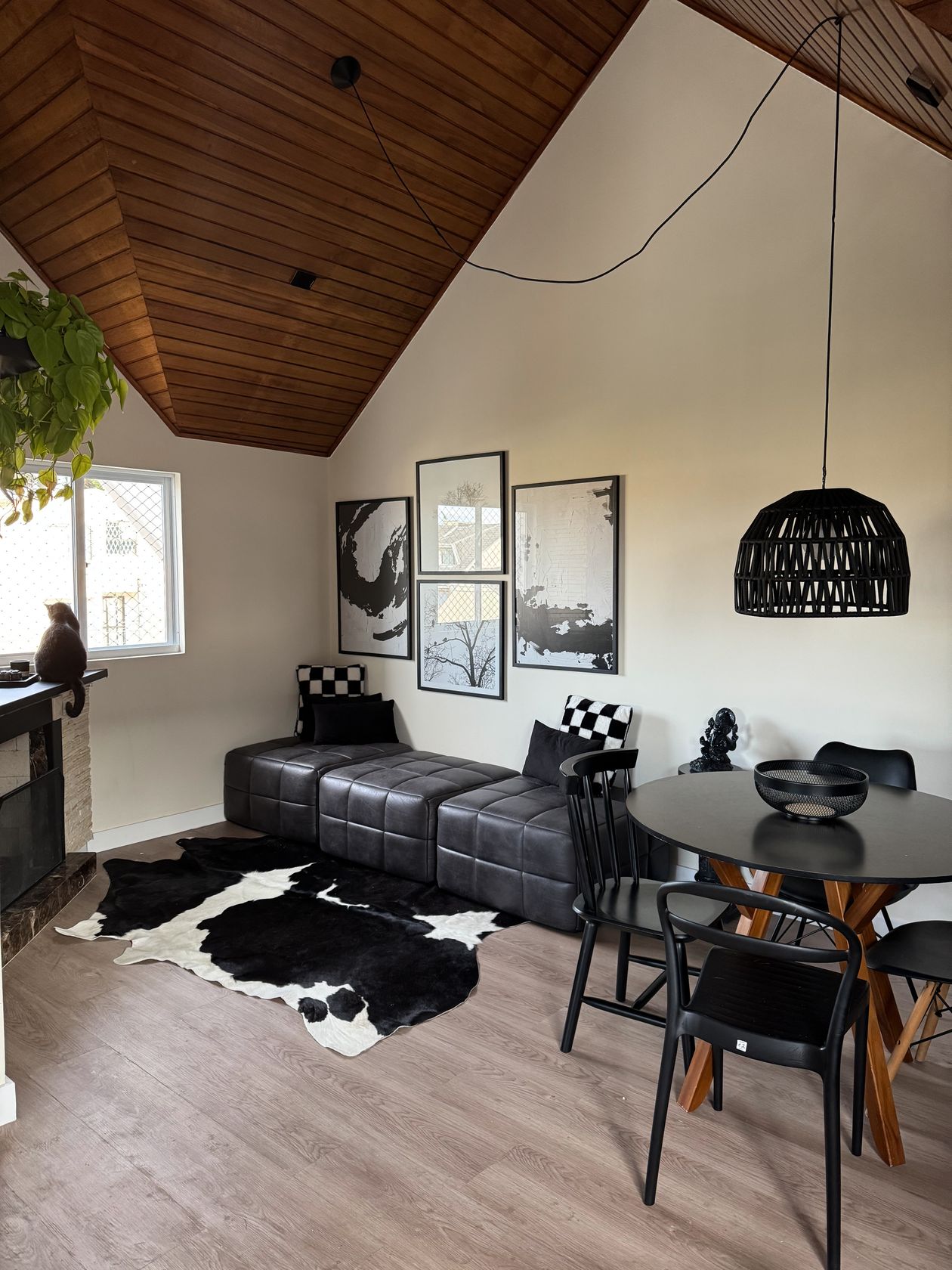
Photo via Pexels
8. Roman Shades for Tall Windows
Boston's tall double-hung windows deserve better than mini-blinds. Roman shades sit inside the frame, show off the trim, and give you clean lines with soft fabric. I put them in every historic apartment I touch.
Measure inside the frame for a tailored fit, and choose a lined fabric — it insulates against those February drafts. Custom shades run $80 to $150 per window; ready-made work fine for standard sizes.
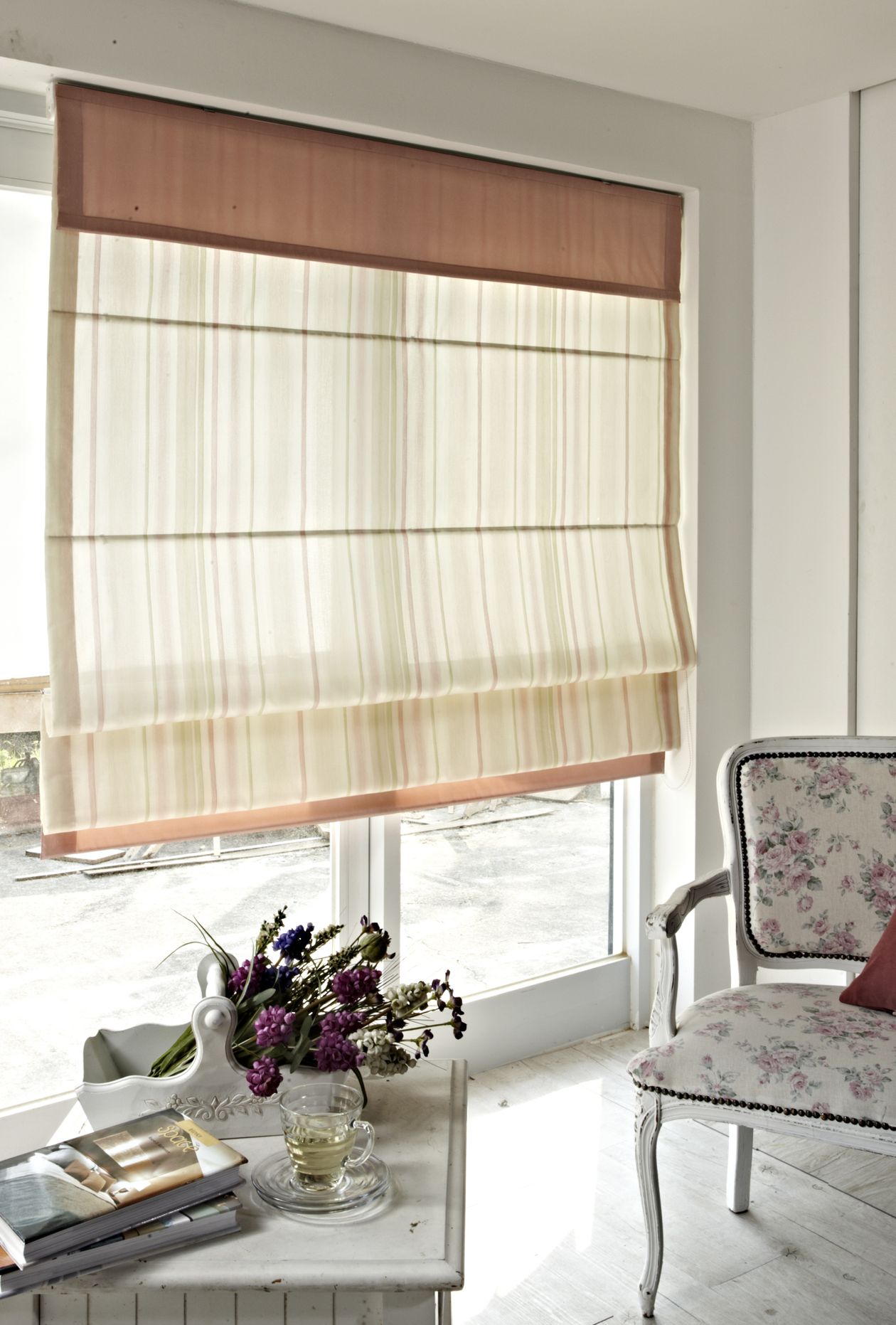
Photo via Pexels
9. A Gallery Wall With History
Old Boston walls were made for art — high ceilings and big empty stretches above the wainscoting. A gallery wall of black-and-white prints, maps of the city, and one family photo fills the space the way the original owners would have.
Keep frames consistent — all black or all brass — so mixed art looks curated. Hang the center of the arrangement at 57 inches, gallery standard. Our living room wall decorating guide covers the layout math.
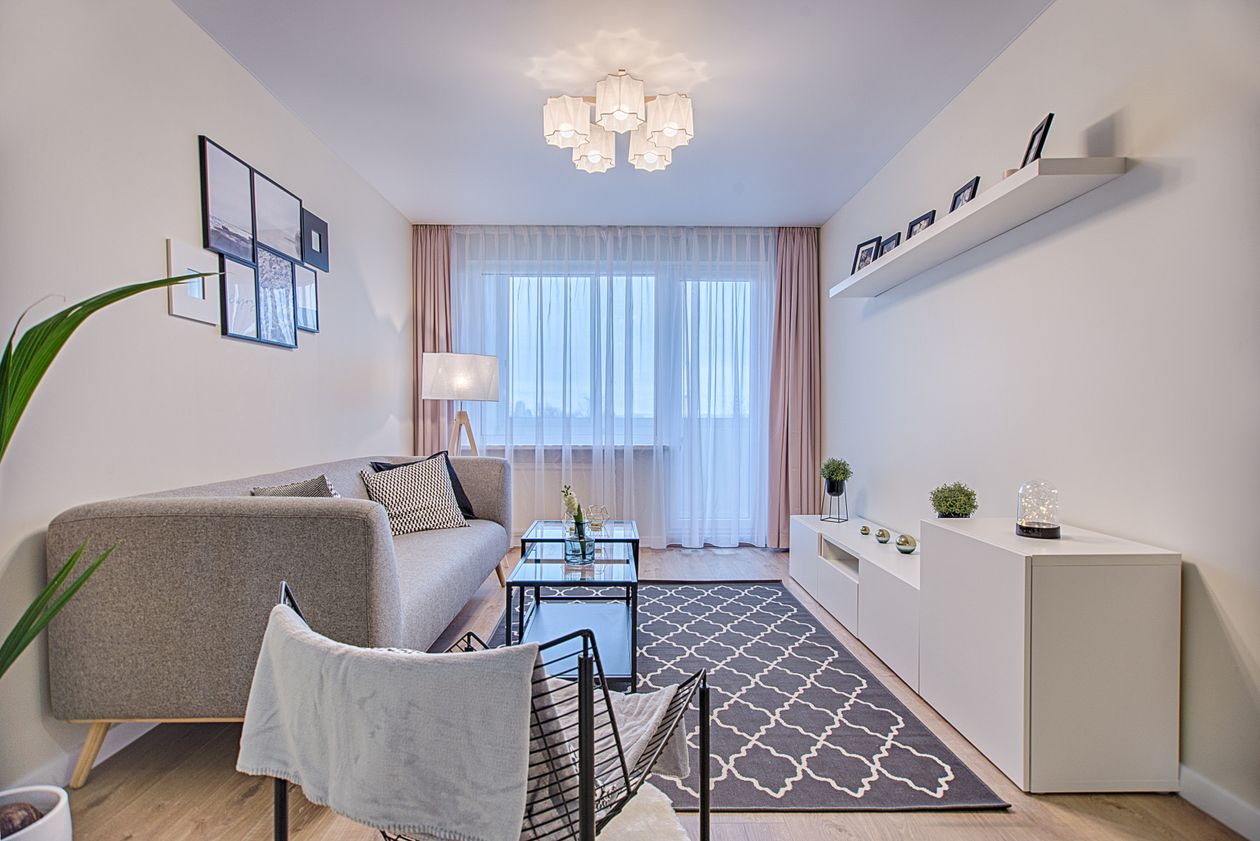
Photo via Pexels
10. Curtains Tied Back Properly
In a brownstone, curtains should frame the windows like they mean it: floor-length, hung high, and tied back with proper tassel tiebacks to show off the trim. The tied-back look is classic Boston — it says the windows are too beautiful to cover.
Mount the rod four to six inches above the frame and let panels kiss the floor — pooling fabric collects dust in old buildings. See our take on whether curtains should touch the floor and more in modern curtains for the living room.
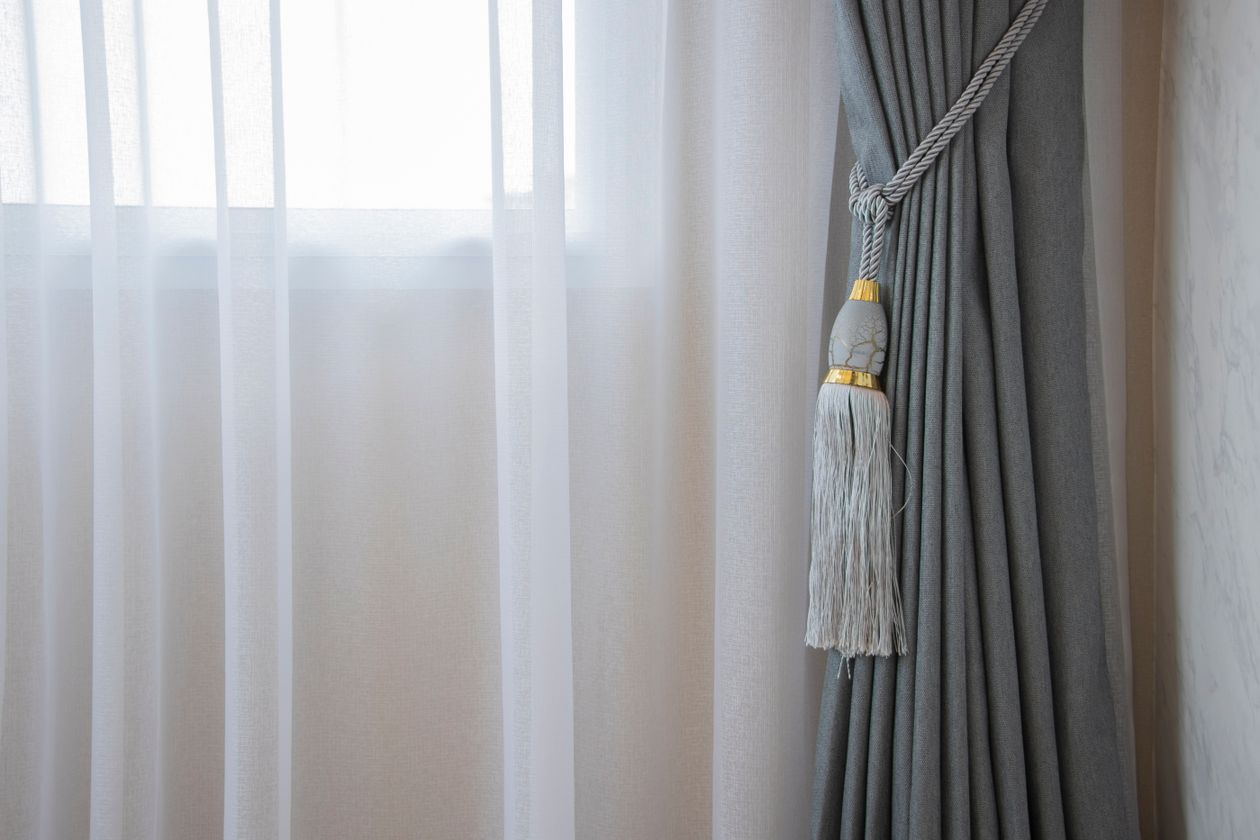
Photo via Pexels
Frequently Asked Questions
How do I decorate a Boston brownstone apartment?
Let the architecture lead: keep walls simple, face seating toward the fireplace, and mix classic pieces like chesterfields and chinoiserie with modern comfort. Brass accents and layered lighting finish it.
What colors suit historic Boston apartments?
Warm whites, navy, forest green, and earth tones flatter old woodwork and marble. Blue and white is the timeless New England combination.
Can I hang things on old plaster walls?
Yes, with care — use picture hooks or masonry anchors, never plain nails, and check your lease. Plaster crumbles easily, so drill pilot holes and go slow.
How do I keep a drafty brownstone warm?
Lined roman shades or heavy curtains, draft snakes at doors, and rugs over hardwood floors. Keep radiators clear of furniture so heat circulates. More in our guide to make a living room cozy for winter.
Where do I find classic furniture in Boston?
Cambridge and Somerville thrift stores, the SoWa market, and Facebook Marketplace are full of chesterfields, brass, and chinoiserie. Vintage pieces suit these buildings better than new.
Final Thoughts
Boston decorating is really about respect — for the moldings, the marble, the two centuries of people who lived there before you. Work with the bones, layer in warmth for the winters, and let the classics do what they have always done.
Start with the fireplace wall this weekend: rearrange the seating to face it, hang one good piece of art above the mantel. That single move makes the whole apartment feel intentional. These boston apartment decor ideas are just the beginning — the building itself will teach you the rest.
Sources
- Decor Hint — Massachusetts Brownstone Living Rooms
- Elms Interior Design — Marlborough Street Brownstone
- MiHome HQ — Modern Traditional Style
- Small Space Home — small living room layout ideas
- IKEA US — budget classic finds
Gallery

Photo: Deror_avi via Wikimedia Commons

Photo: Kognos via Wikimedia Commons

Photo: Fletcher via Wikimedia Commons

No comments:
Post a Comment