Looking for one piece that can pull your whole living room together? Few decor pieces do as much work as black and white area rugs. They hide everyday mess better than solid light colors, they work with almost any sofa color, and a good one costs around $100 to $300.
Below you will find 12 styling ideas for monochrome rugs, from bold geometrics to soft tribal patterns. Each idea comes with real sizing and placement tips, so you can pick the right size for your room and know exactly where your furniture should sit.
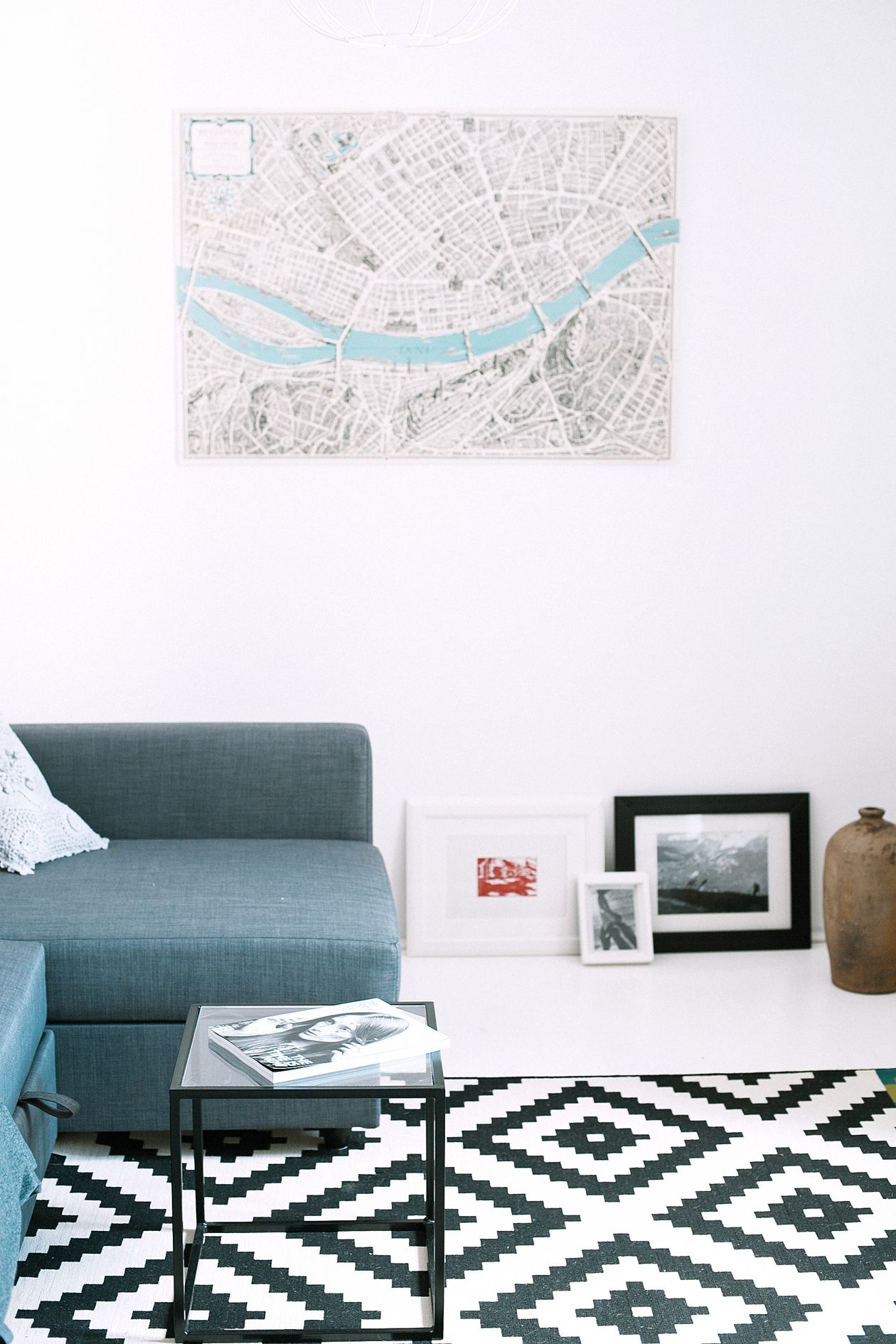
Photo via Pexels
Table of Contents
- 1. Bold Geometric Prints
- 2. Classic Stripes
- 3. Zebra Print Corners
- 4. Chevron in Moody Rooms
- 5. Cowhide Style
- 6. Quatrefoil Patterns
- 7. Houndstooth Checks
- 8. Small-Space Patterns
- 9. Abstract Gray Rugs
- 10. Zebra Under the Coffee Table
- 11. Botanical Black and White
- 12. Round Rugs with Black Borders
1. Bold Geometric Prints
A large geometric rug is the fastest way to make a living room feel designed. The sharp black shapes on a white base create instant energy, and they pair best with simple furniture so the pattern stays the star. Try it with a plain sofa in beige, gray, or navy. Look for a flatweave or low-pile design if the room gets heavy foot traffic — the pattern stays crisp and it vacuums in seconds.
Size matters here. For a standard sofa setup, go 8x10 feet, and let the rug extend 18 to 24 inches past each side of the sofa. Place the front two legs of the sofa and chairs on the rug so the whole seating area feels connected. If your budget is tight, a 6x9 geometric still works in front of a loveseat — just never leave all four chair legs floating off the rug.
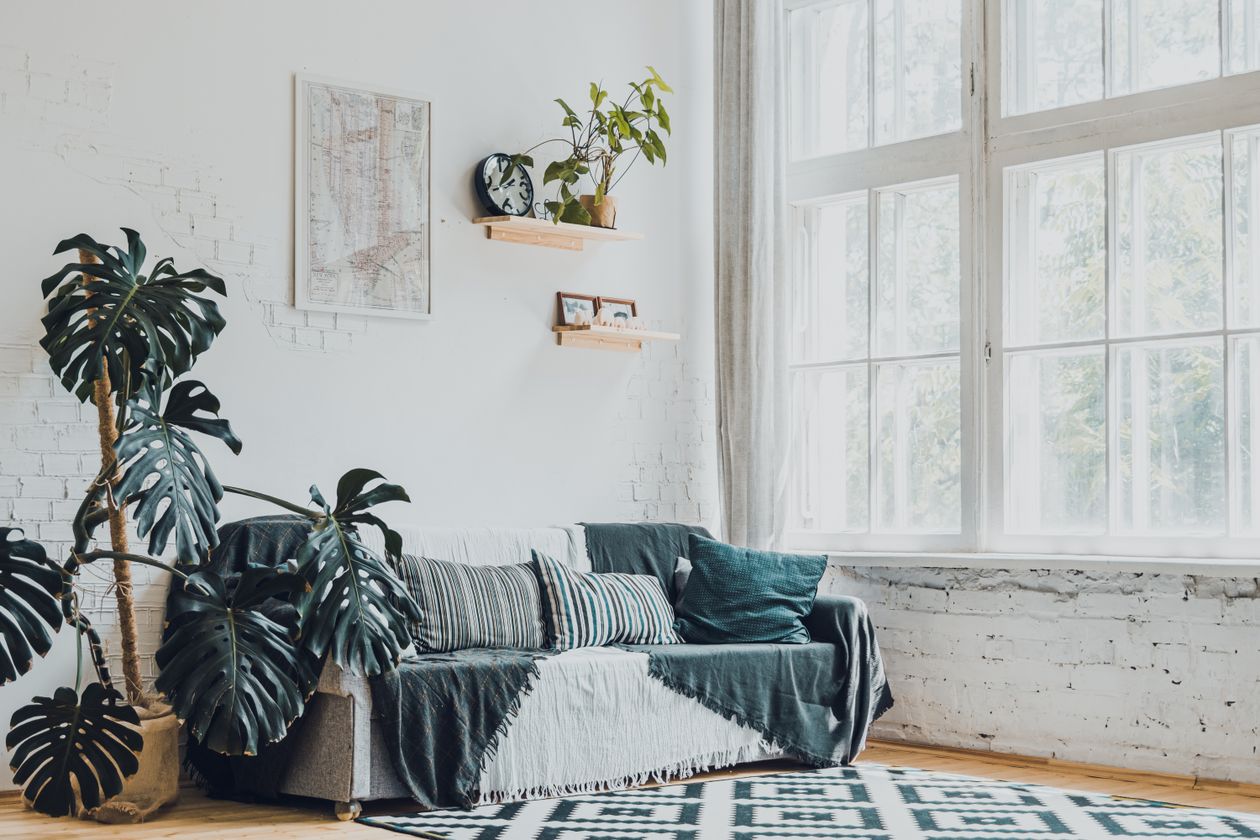
Photo via Pexels
2. Classic Stripes
Stripes never go out of style, and they do real work in a room. Horizontal stripes make a narrow living room look wider, while vertical stripes pull the eye down the length of the room. This is the easiest monochrome pattern to live with long term, and cotton flatweaves show stripes most sharply while usually costing less than wool.
Keep the scale honest: thin pinstripes feel calm and tailored, while wide bands look bold and modern. A 5x8 foot striped rug works in front of a loveseat, and an 8x10 fits a full three-seat sofa. Point the stripes in the direction you want the room to stretch, and consider a washable striped rug if you have kids — spills go straight in the machine.
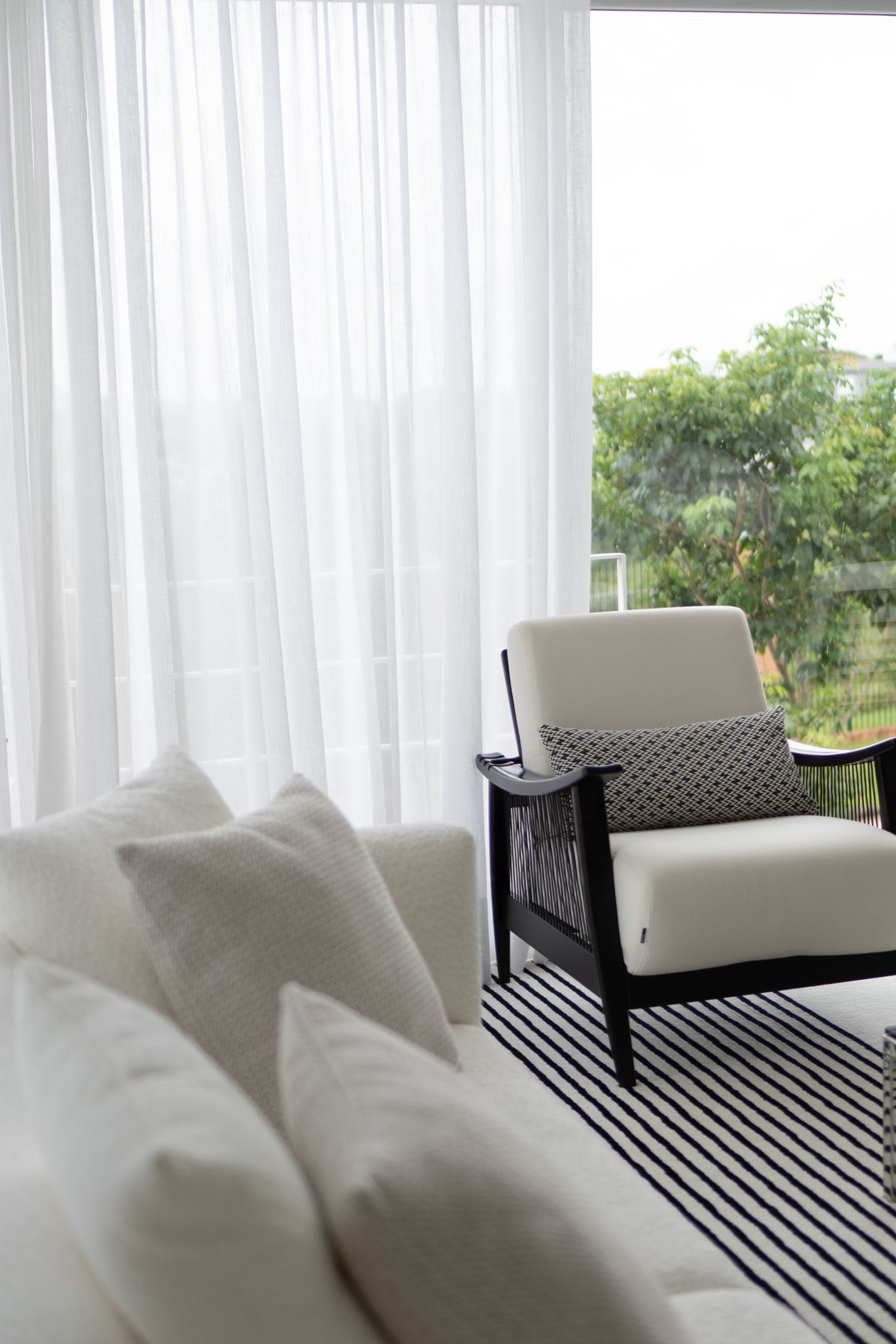
Photo via Pexels
3. Zebra Print Corners
You do not need a full room of pattern to enjoy zebra print. A small zebra rug under a reading chair or in an entryway corner adds drama without taking over. It works best against plain walls and solid furniture. Faux zebra prints in polyester are soft underfoot and resist fading near sunny windows.
A 4x6 foot accent rug is enough for a chair and a small side table. Leave about 6 inches of bare floor between the rug edge and the wall so it looks placed on purpose, not shoved into the corner. Low-pile zebra prints are easiest to vacuum, and a 2x5 runner version of the same print guides guests in while protecting an entryway floor.
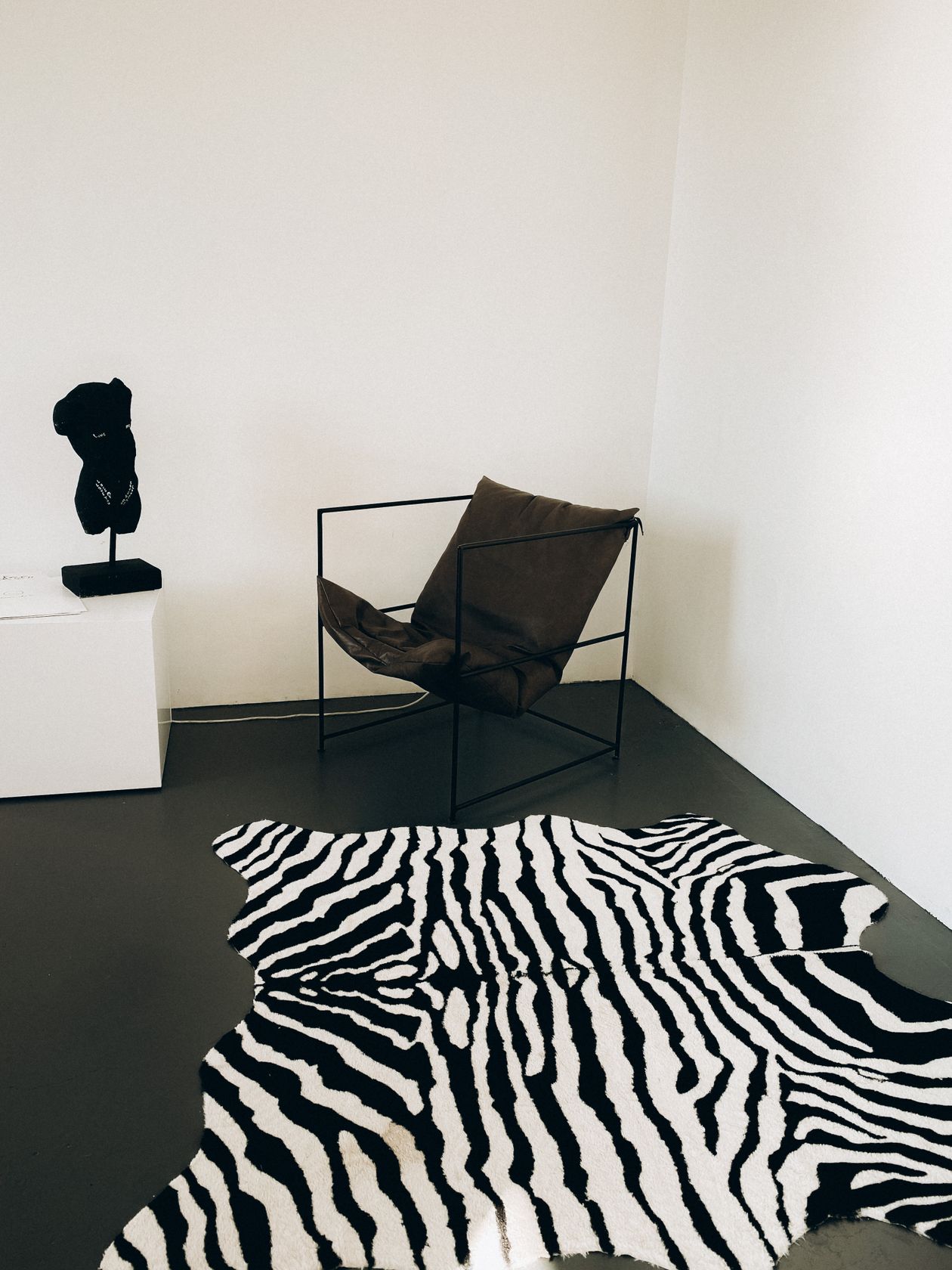
Photo via Pexels
4. Chevron in Moody Rooms
Chevron is a zigzag that adds movement to a room, and it looks fantastic in darker, moodier spaces. A black and white chevron rug stops a dark living room from feeling flat because the white lines bounce light around the floor. Balance the zigzag with one calm wall — plain paint or simple curtains lets the pattern breathe instead of competing with it.
Use one large chevron as the centerpiece and keep everything else quiet: dark sofa, plain curtains, one metal floor lamp. A 9x12 foot rug suits an open-plan living area; in a smaller room, a 6x9 still gives the pattern room to breathe. Rotate the rug every few months if one end gets more sunlight, so the white areas fade evenly.
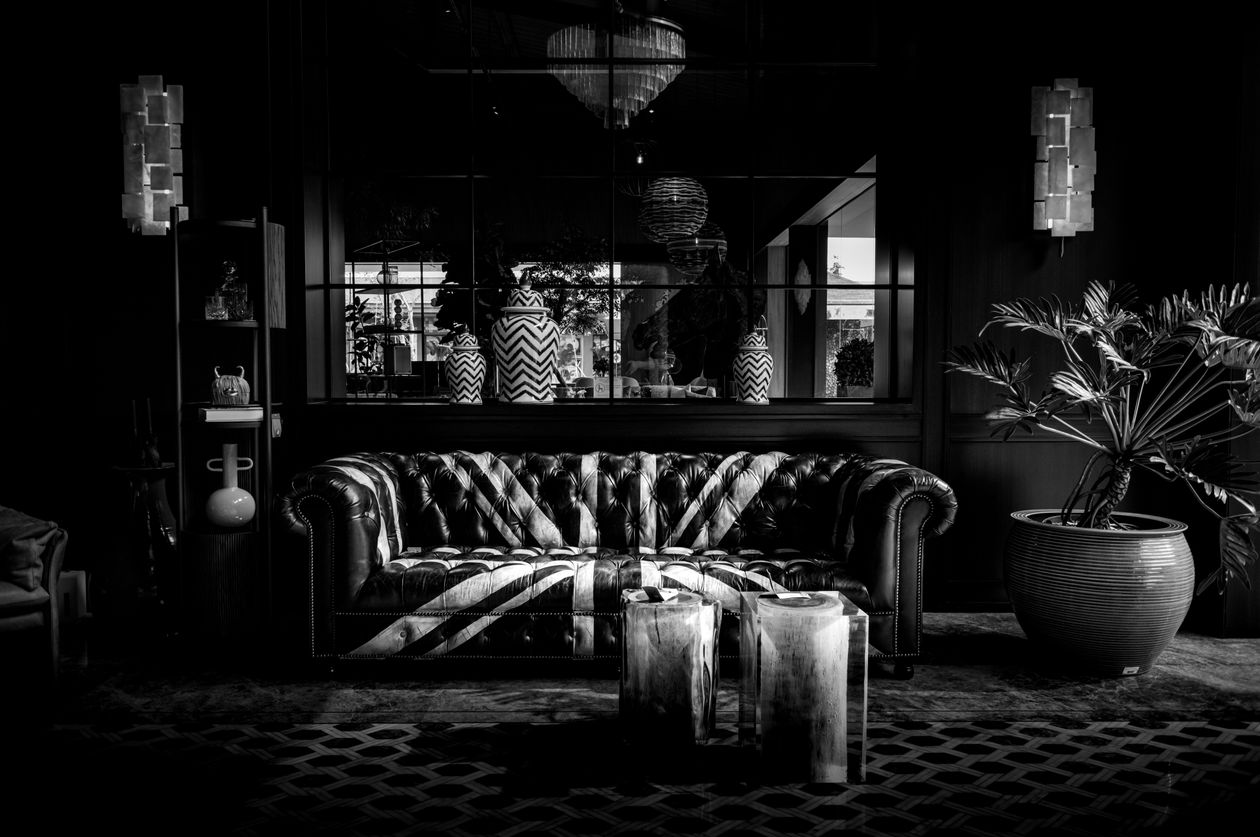
Photo via Pexels
5. Cowhide Style
Cowhide and faux cowhide rugs break up all the straight lines in a living room because of their organic shape. They look great layered over a larger plain rug, and they work in rustic, modern, and even traditional rooms. The irregular edge also hides scuffs and wear better than a straight-edged rectangle.
Real hides come in one-off shapes, usually around 6x8 feet at their widest points. Measure your seating zone first, then shop for a hide that covers at least the front legs of your main chairs. Faux versions cost far less and clean up with a simple wipe — just keep real hides away from direct radiator heat, which can dry out the leather.
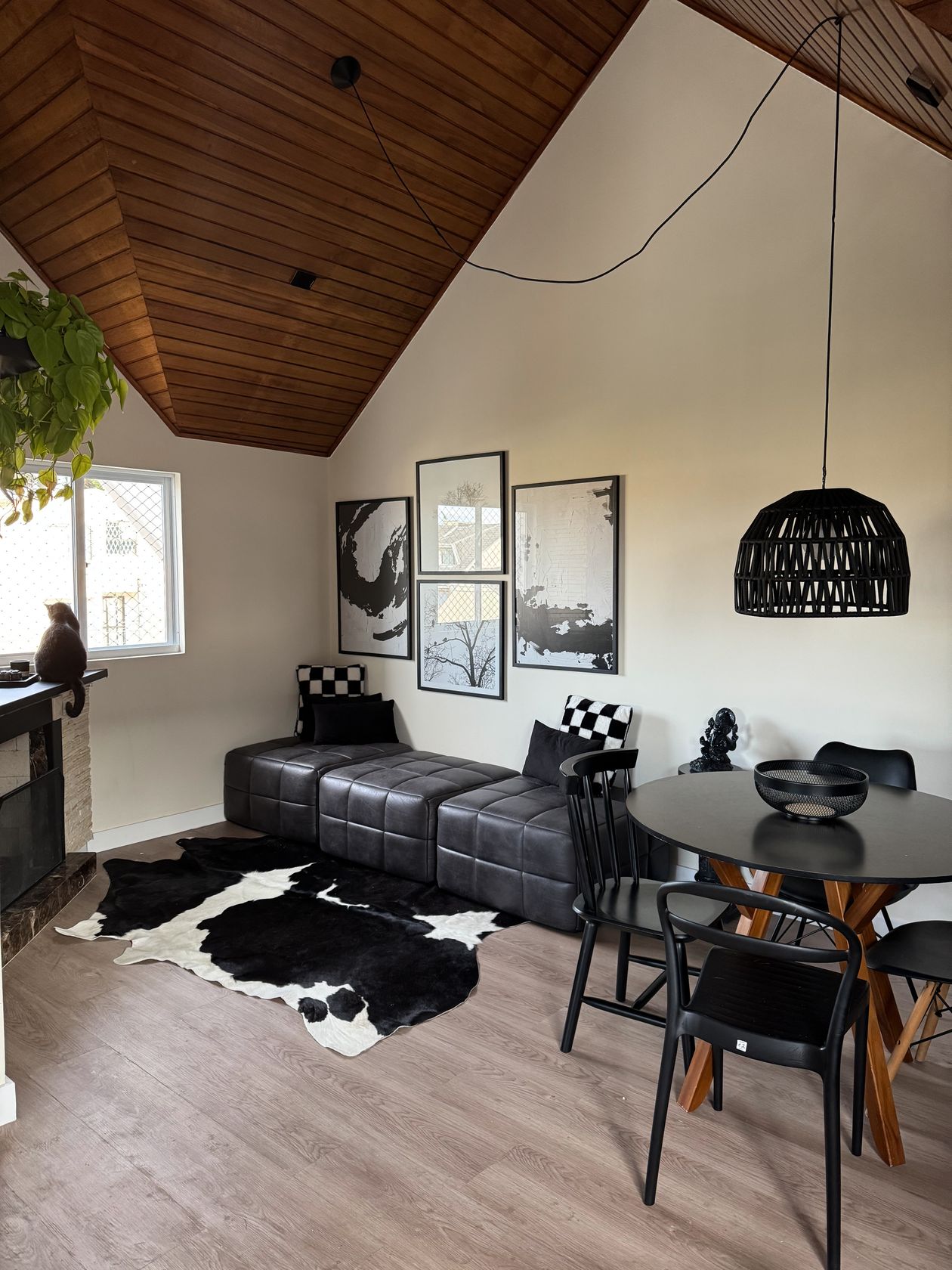
Photo via Pexels
6. Quatrefoil Patterns
If straight geometrics feel too harsh, try a quatrefoil — the rounded four-leaf shape that shows up on trellises and Moroccan tiles. It gives you the black and white contrast in a softer, friendlier way that suits mid-century and cottage rooms. It also plays nicely with brass and rattan, two materials that warm up any two-tone scheme.
Quatrefoil reads best at medium scale, so an 8x10 foot rug lets the motif repeat enough to look intentional. Pair it with rounded furniture, like a curved armchair, and warm wood tones to keep the palette cozy instead of stark. A rug pad underneath stops it sliding on hardwood and adds cushion — a quarter-inch felt pad is plenty.
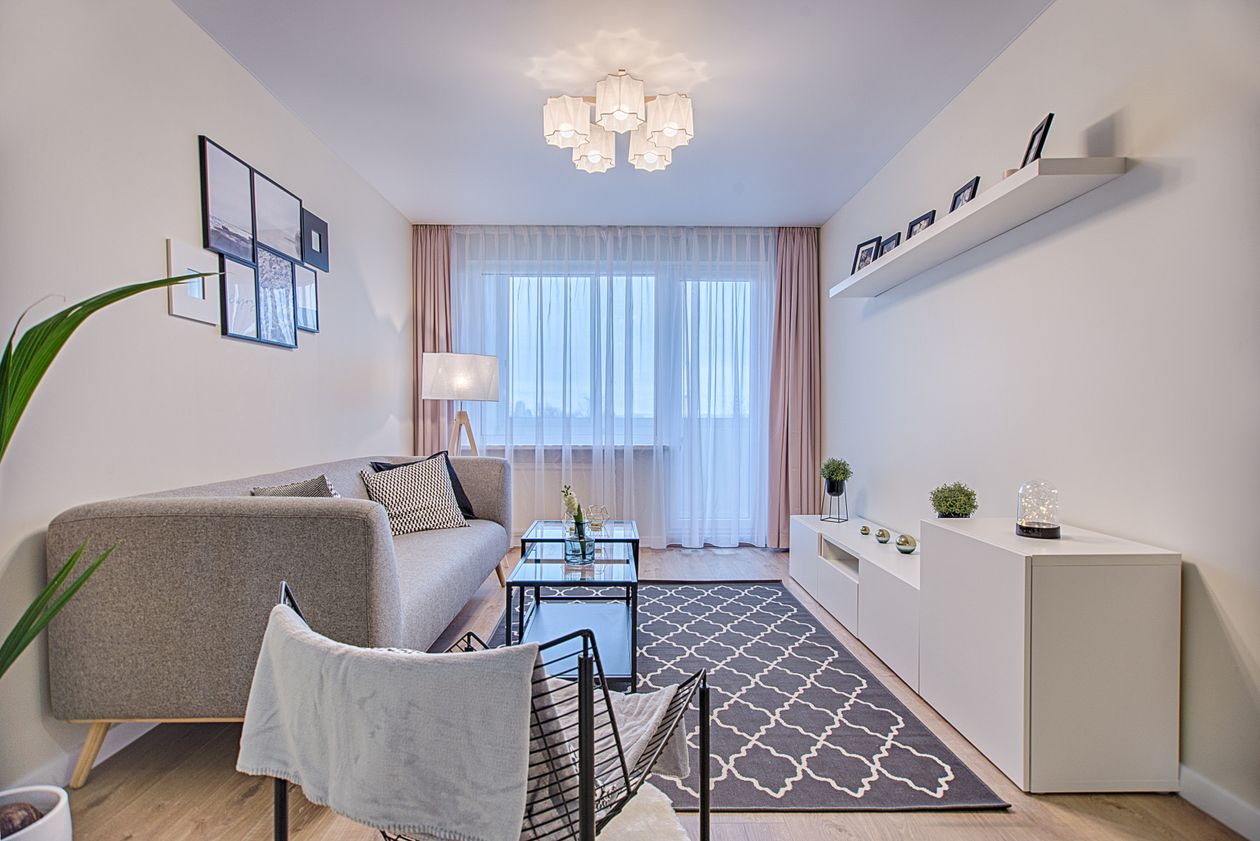
Photo via Pexels
7. Houndstooth Checks
Houndstooth is the menswear classic of rug patterns — sharp, tailored, and a little bit preppy. It looks especially good with leather sofas and dark wood, where the crisp check pattern echoes the furniture's structure. Small-scale houndstooth feels classic; oversized checks lean modern, so match the scale to your furniture.
Because the pattern is busy, keep the rest of the room calm: solid pillows, one or two books on the coffee table, no competing prints. A 5x8 foot houndstooth rug anchors a small seating group, while an 8x10 holds a full living room arrangement. Dark-based houndstooth also hides pet hair between vacuum days better than white-based patterns.
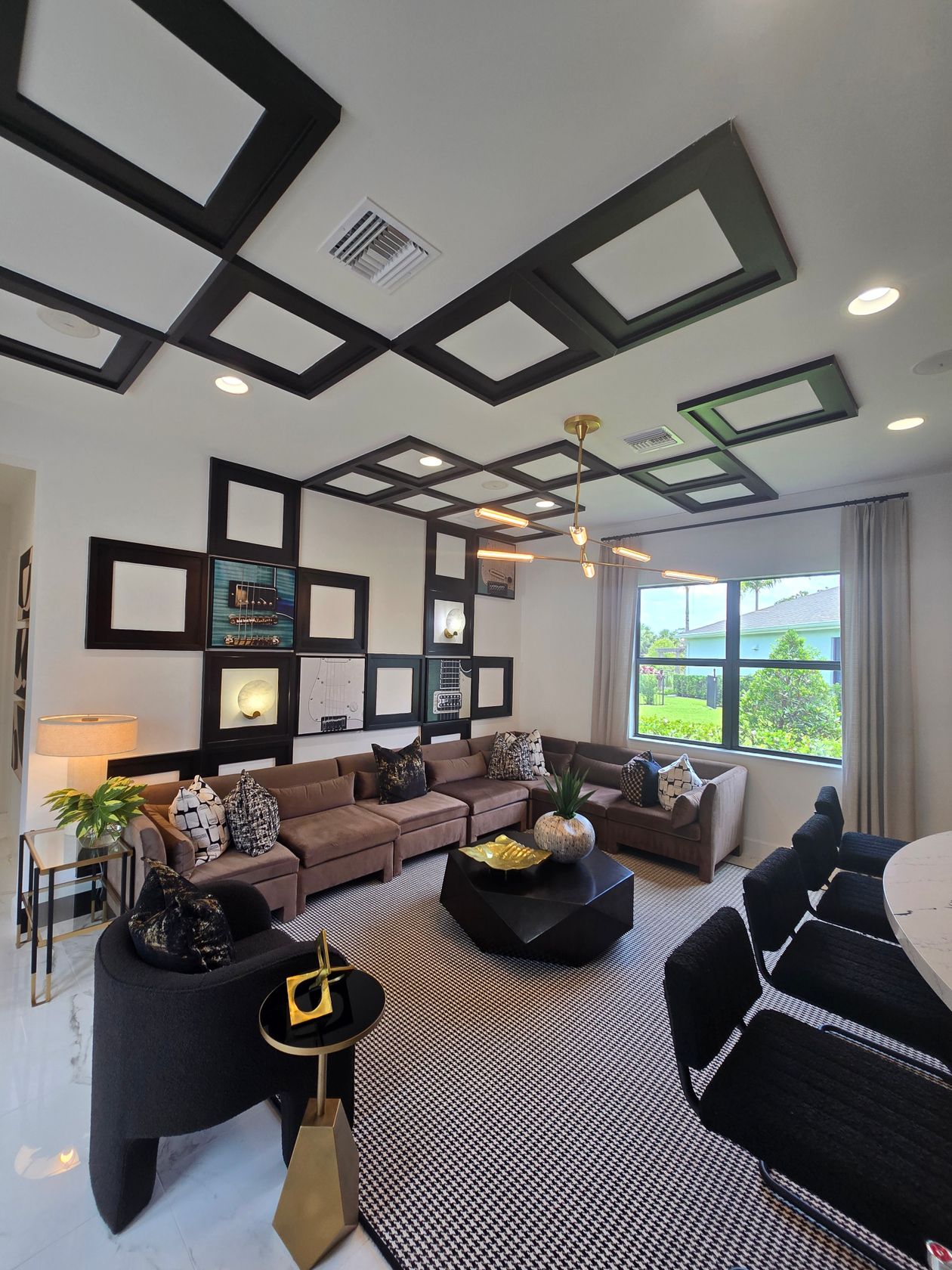
Photo via Pexels
8. Small-Space Patterns
Small living rooms and studios benefit the most from a monochrome rug, because the pattern defines the seating zone without adding color clutter. A cross or plus-sign pattern feels airy while still giving the floor some interest. Mount your curtains high and echo one curtain color in the rug to make the ceiling feel taller.
In a studio or small apartment, a 5x8 foot rug is usually the sweet spot. Leave 6 to 12 inches of bare floor between the rug edge and the walls so the room still feels open. Push the sofa's front legs onto the rug and keep the coffee table fully on it. A washable 5x8 is the renter's best friend — it rolls up small and survives moves.
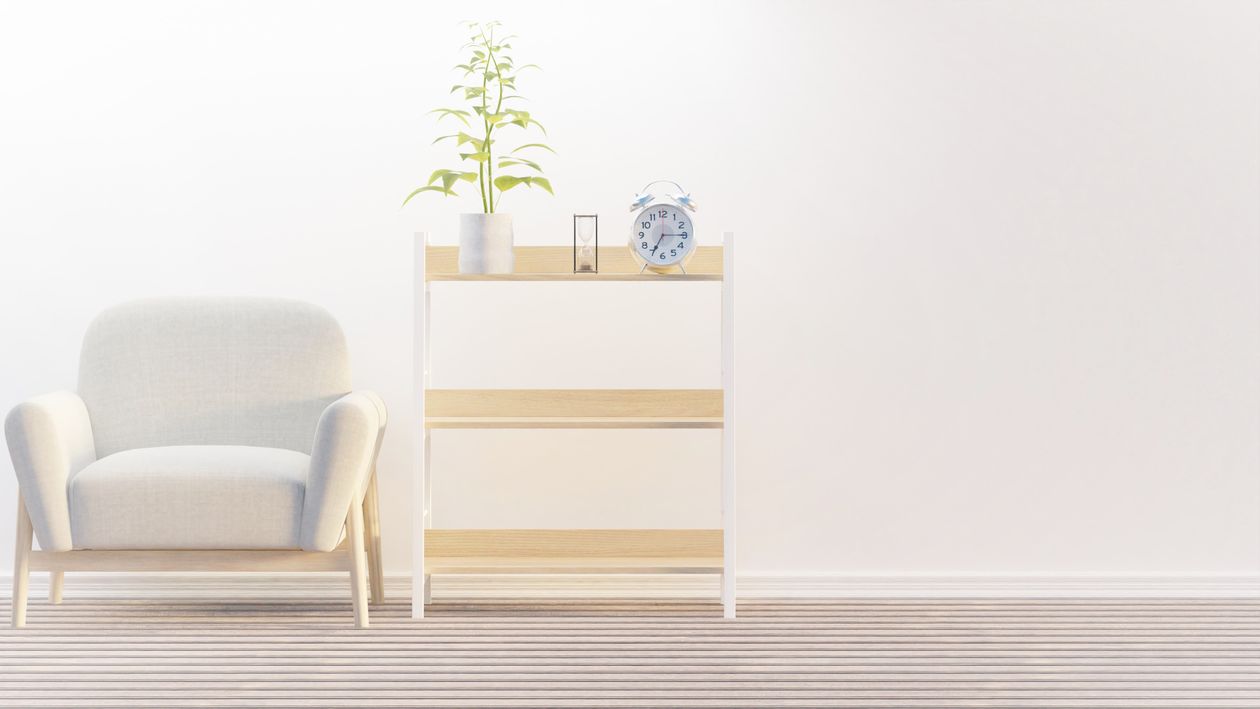
Photo via Pexels
9. Abstract Gray Rugs
Abstract monochrome rugs give you the black and white look with a softer edge. The blurred, painterly patterns hide wear beautifully and never fight with your wall art, which makes them ideal for gallery-style living rooms. They are also forgiving with mismatched furniture, since the blurred pattern does not demand a strict style.
Choose a gray-dominant abstract if your room gets lots of sun — it hides fading better than bright white. An 8x10 foot size works under most sectional sofas; just make sure the rug extends past the chaise end so the whole sectional sits on pattern. Vacuum with the beater bar off on high-pile abstracts to protect the fibers.
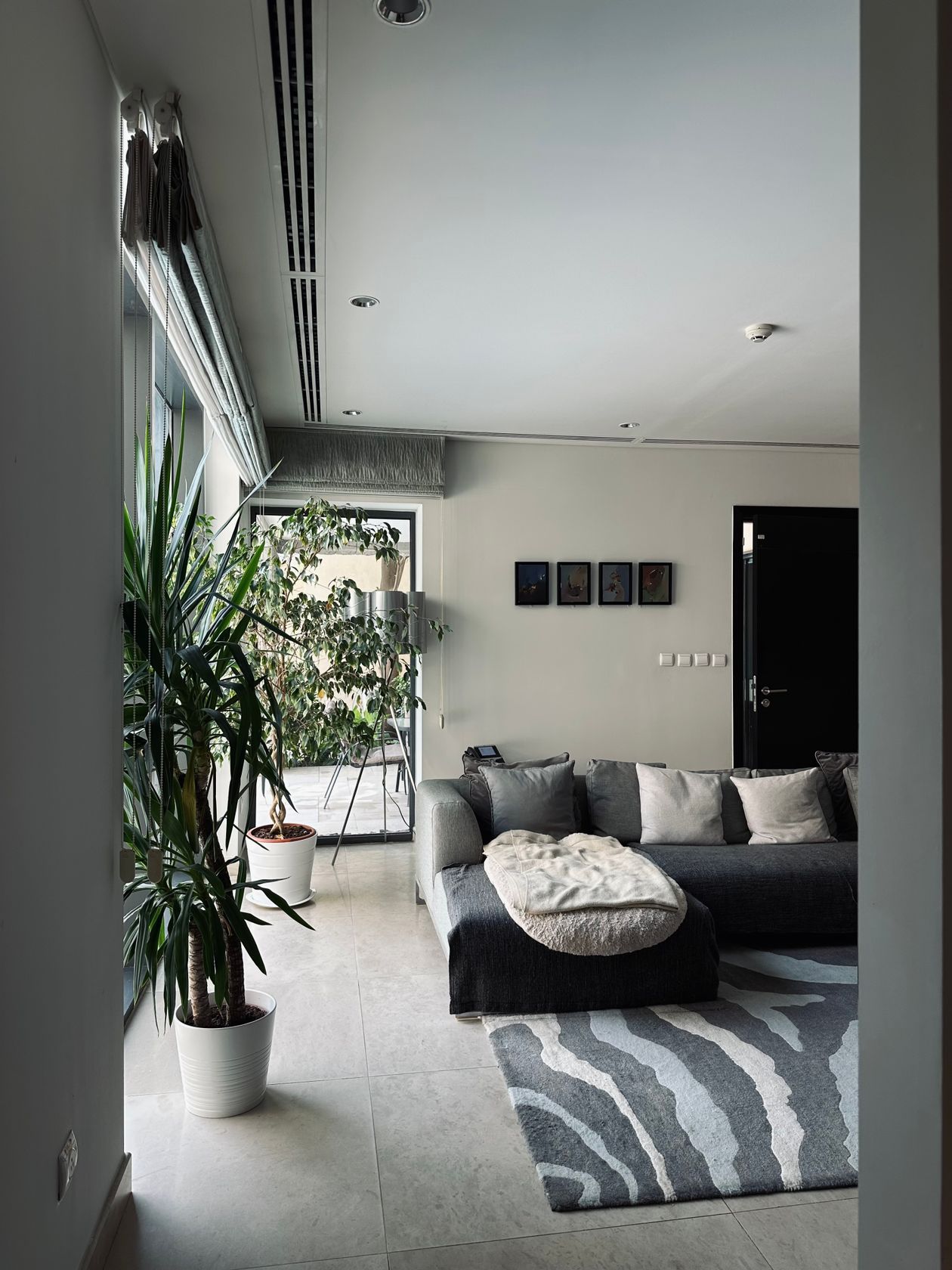
Photo via Pexels
10. Zebra Under the Coffee Table
Centering a zebra print directly under the coffee table turns it into the room's focal point. The organic stripes contrast nicely with hard surfaces like marble and glass, which keeps the look luxe instead of wild. A marble table on zebra print reads collected and intentional — as long as the rest of the room stays neutral.
The rug should be at least 6 inches wider than the coffee table on every side — a 4x6 foot zebra rug suits a standard 48-inch table. Add one solid throw pillow in a warm color, like camel or rust, to tie the animal print into the room. Use furniture coasters under heavy table legs to prevent dents in the pile.
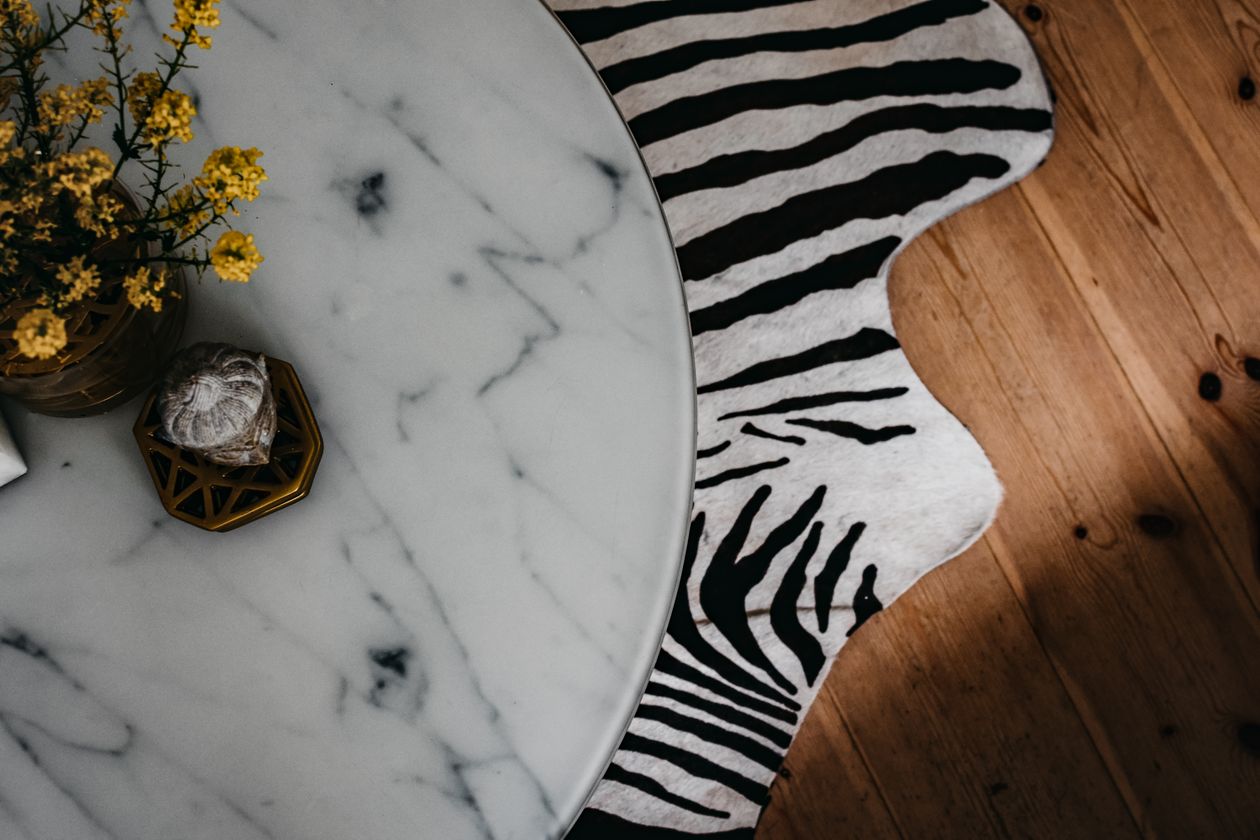
Photo via Pexels
11. Botanical Black and White
Botanical prints — vines, leaves, and oversized flowers in black on white — bring a garden feel indoors without any color commitment. They look wonderful in rooms that already have houseplants, since the rug echoes the greenery's shapes. Black and white botanicals also photograph beautifully, a bonus if you love sharing your home online.
A botanical rug pairs well with black furniture legs and brass accents, which pick up the line work in the print. Stick to one botanical piece per room: if the rug has large flowers, keep the sofa cover and curtains plain and let the rug carry the pattern load.
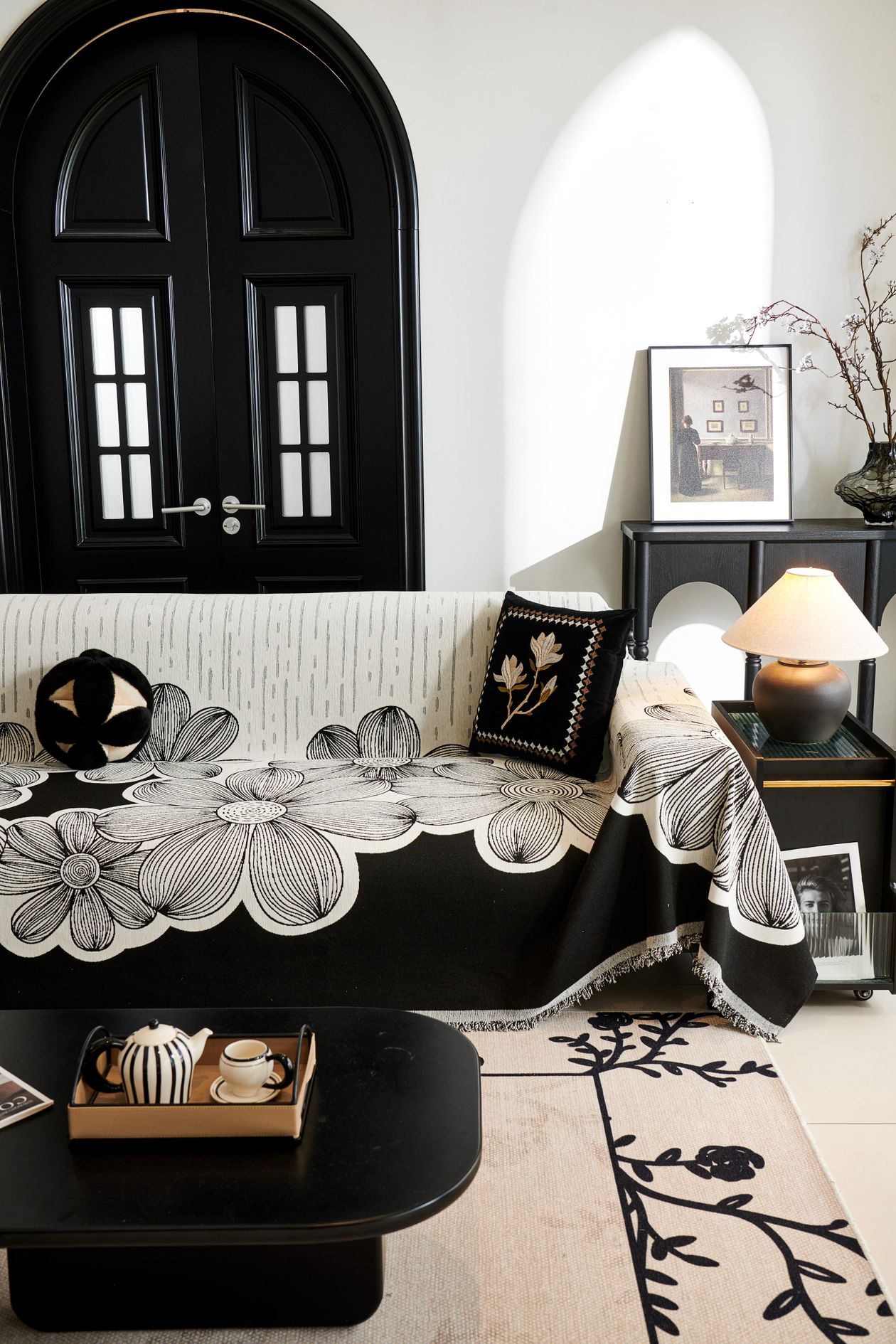
Photo via Pexels
12. Round Rugs with Black Borders
A round rug with a simple black border is the quietest idea on this list, and sometimes that is exactly what a room needs. The curved shape softens a room full of rectangles, and the dark edge frames the seating area neatly. A thin black edge also hides the dirt line where shoes scuff the border — a practical perk in entryways.
Round rugs shine under round coffee tables or in reading nooks. A 6-foot round rug fits a chair and side table, while an 8-foot round holds a small seating group. Center it carefully — an off-center round rug is very noticeable. You can also use a round rug to break up a long, narrow living room, since the curve interrupts the tunnel effect.
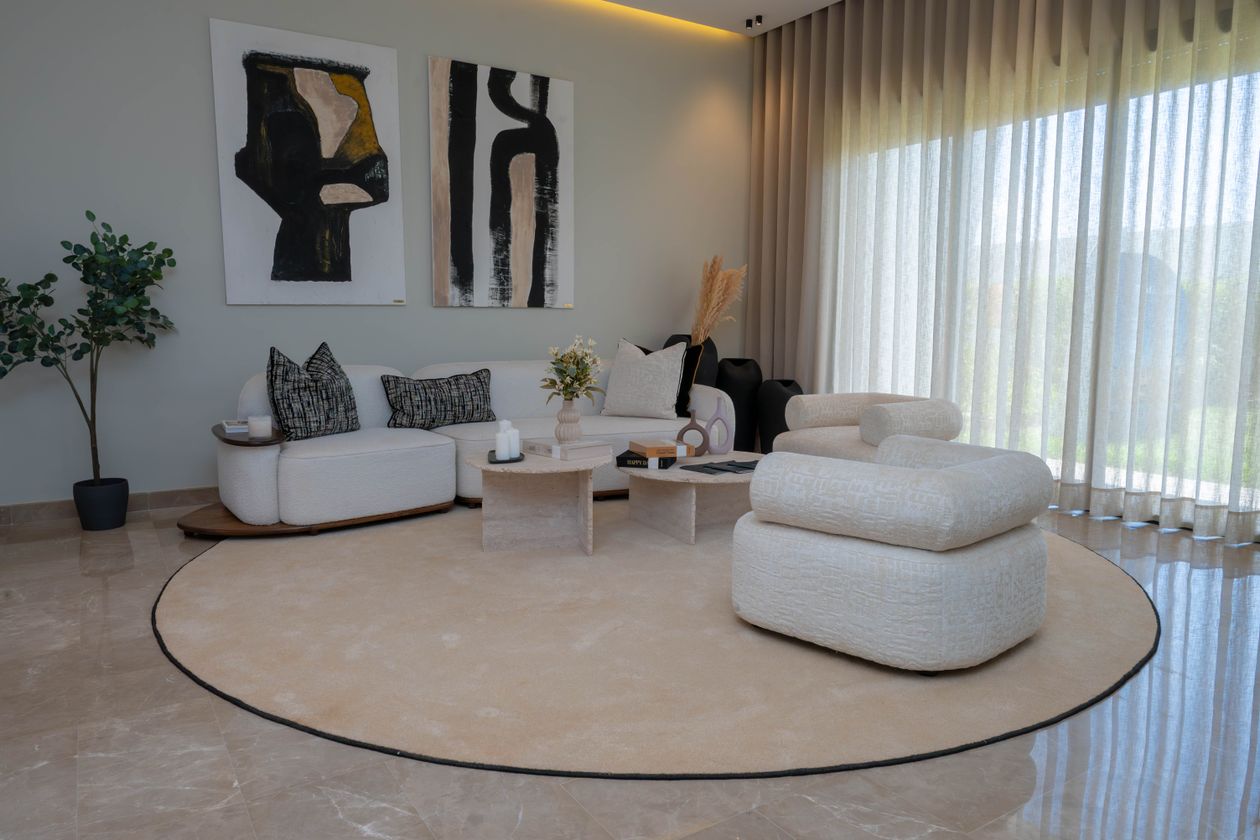
Photo via Pexels
FAQs
What size rug do I need for a standard living room?
An 8x10 foot rug fits most living rooms, with the sofa's front legs sitting on it. Go up to 9x12 in larger rooms, or down to 5x8 in small apartments as long as the front two sofa legs are on the rug.
Will a black rug make my room look smaller?
Not if you balance it. Choose a rug that is mostly white with black pattern, keep your walls light, and leave about 18 inches of bare floor around the rug so the room still feels open.
Do black and white rugs show dirt?
White fibers show stains and black fibers show dust and pet hair, but busy two-tone patterns hide both better than solid colors. Low-pile washable rugs are the easiest to keep clean with a weekly vacuum.
Are monochrome rugs good with kids and pets?
Yes — patterned rugs in two tones hide stains, muddy paw prints, and fur far better than plain beige. Pick a low-pile, washable design and keep a lint roller handy for the dark areas.
How do I style one with the furniture I already have?
Let the rug be the bridge: it already contains black and white, so just add one warm element like wood tones, brass, or a green plant. Avoid adding a second bold pattern nearby.
Final Thoughts
Pick one of the ideas above and start with a rug sample — the right black and white area rugs only make a room feel sharper, never busier.
Sources
- The Rugs: Living Room Rug Ideas: Sizes, Placement and Layouts
- MyMove: 11 Living Room Rug Ideas That Will Change Everything
- Rugs Direct: Living Room Rug Ideas
- Worth Explorer: Dark Living Room Rug Ideas That Bring Depth and Warmth to Any Space
Gallery
Photo via Pexels

Photo via Pexels
Photo via Pexels

No comments:
Post a Comment