Storage that looks good and works hard is tough to find on a budget. That is why black wire shelving has quietly become a favorite in living rooms, pantries, closets, and home offices across the US.
A simple four-tier unit costs around $30 to $60, holds hundreds of pounds, sets up in minutes with no tools, and the open wires keep air flowing so clothes and food stay fresh. It is also the fastest way to give every stray item a visible home when you are mid declutter. Below are ten real ways to use these racks at home, with sizes, weight limits, and styling tips included.
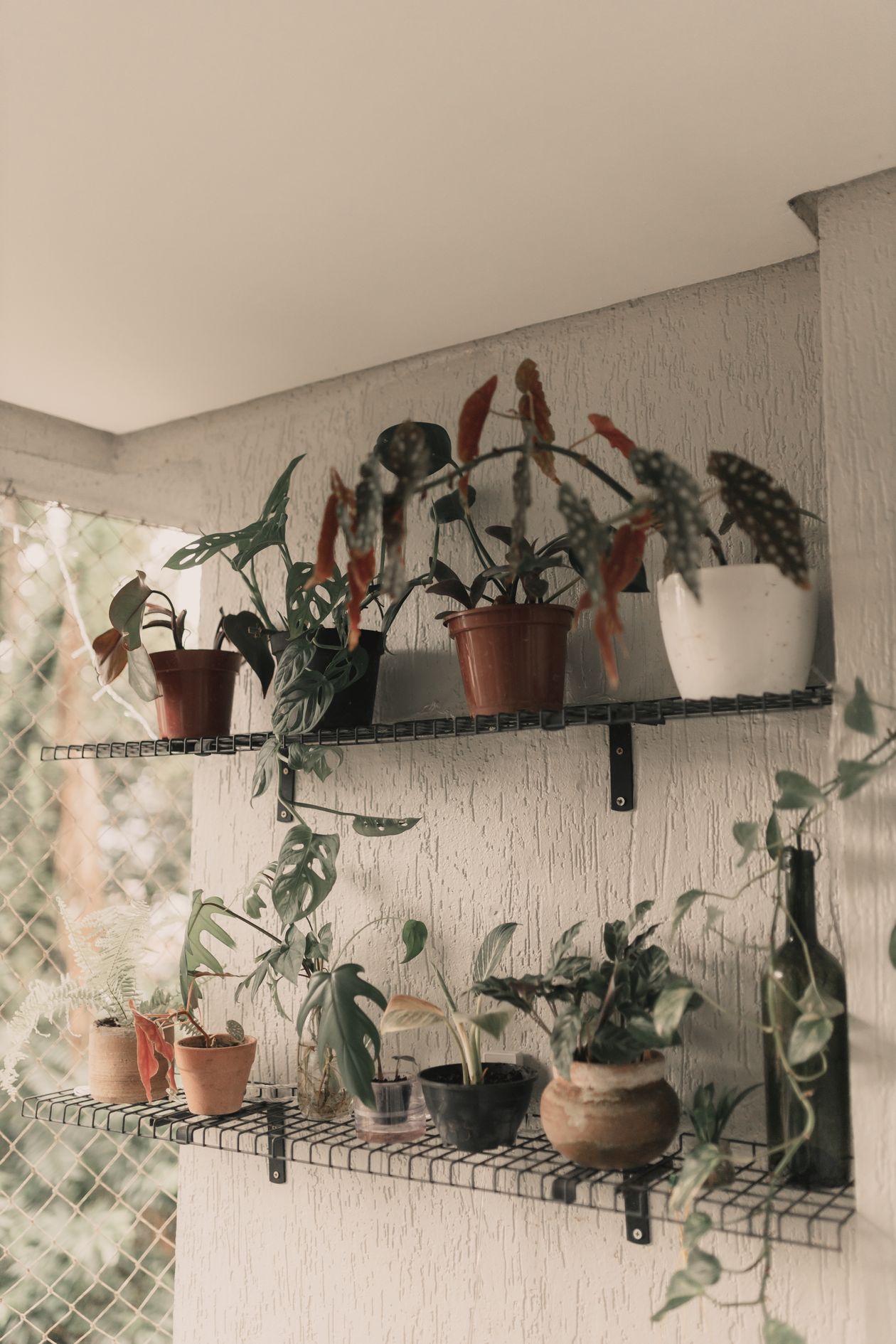
Photo via Pexels
Table of Contents
- 1. Living Room Open Display
- 2. Books and Reading Corner
- 3. Home Office Supply Tower
- 4. Pantry Snack Station
- 5. Closet Clothes and Shoes
- 6. Plant Display Wall
- 7. Stackable Wire Baskets
- 8. Minimalist Styling
- 9. Rental Closet Refresh
- 10. Bar Cart and Drink Station
1. Living Room Open Display
A five-tier unit around 60 inches tall and 36 inches wide turns a blank wall into a styled focal point. Mix books with a vase, a small lamp, and one sculptural object so the shelf reads like a bookcase, not a garage rack.
Keep heavy books low — a foot of paperbacks weighs 20 to 30 pounds — and leave about a third of each shelf empty. That breathing room is what makes wire shelving look styled instead of stuffed.

Photo via Pexels
2. Books and Reading Corner
A black metal-frame bookcase beside a chair and a plant creates an instant reading corner with zero carpentry. These bookshelf styling ideas work well here: sort books by size and leave the top shelf for a trailing plant, since books stacked high make the whole unit top-heavy.
Check the weight math: a 36-inch shelf of hardcovers can hit 40 pounds, so fill the bottom shelves first and work upward. If the posts wobble, tighten the leveling feet and anchor the top rail to a wall stud.
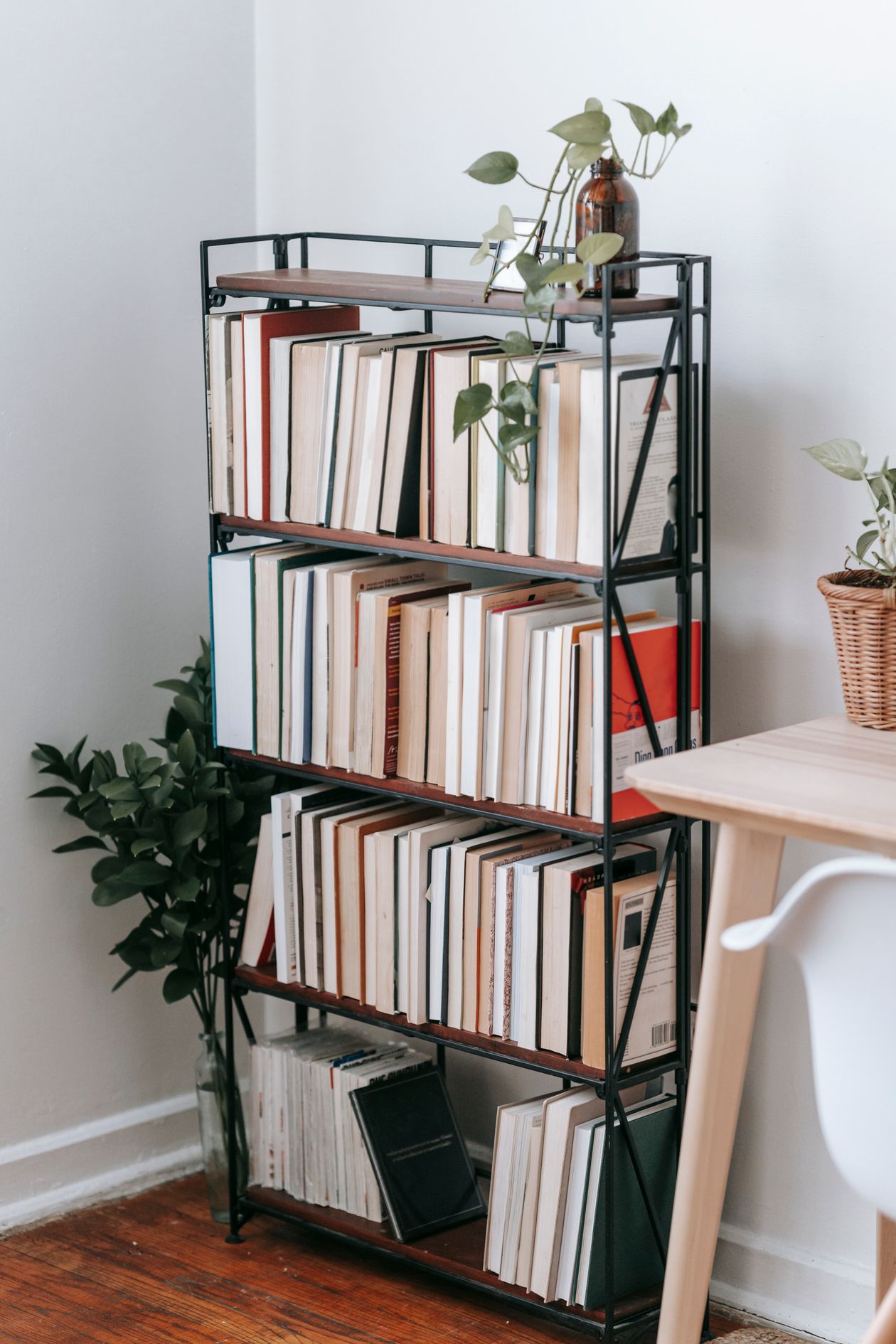
Photo via Pexels
3. Home Office Supply Tower
A slim 36-by-14-inch, four-tier unit slides into a corner of a functional home office and holds a printer, paper stacks, and labeled bins. Mid-range units carry about 250 pounds per shelf, so a 30-to-50-pound printer sits safely on a middle tier with cables dropping through the open wires.
Set shelf heights in 1-inch increments to fit reams of paper (about 11 inches) on one tier and tall file boxes on another. If you roll the unit on casters, remember wheels cut total capacity — keep it stationary for the heaviest loads.

Photo via Pexels
4. Pantry Snack Station
Stackable black wire baskets turn deep pantry shelves into grab-and-go zones for snacks, granola bars, and spice jars. The open mesh keeps everything visible, which means snacks actually get eaten before they expire.
Organize by person or by meal — one basket per family member, roughly 12 inches tall each — and decant chips into clips so nothing spills through the gaps. Organizers warn against wide-mesh baskets for small boxes and bottles, so pick fine mesh or add liners for wobbly items.
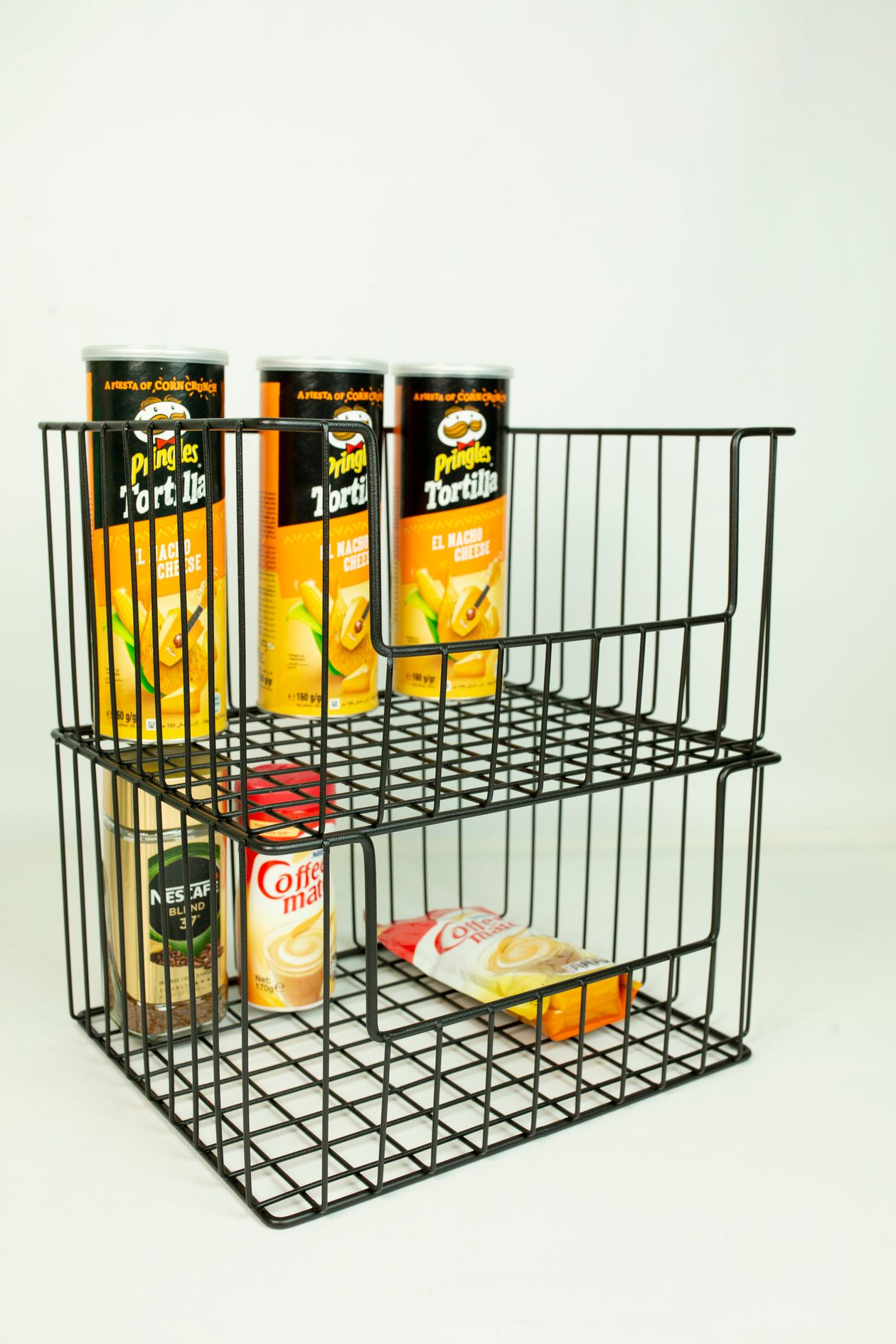
Photo via Pexels
5. Closet Clothes and Shoes
A wire unit inside a closet beats a pile on the floor: folded jeans and sweaters stay visible in wire baskets while air circulates around them. An 18-inch-deep shelf fits standard shoe boxes, and a 48-inch-wide tier holds six to eight pairs.
One caution from real closets: folded knits can pick up wire marks, and small bottles tip through the gaps. Line the shelf with a cut-to-fit mat for delicate fabrics, and keep shoes on the bottom tier where weight belongs.
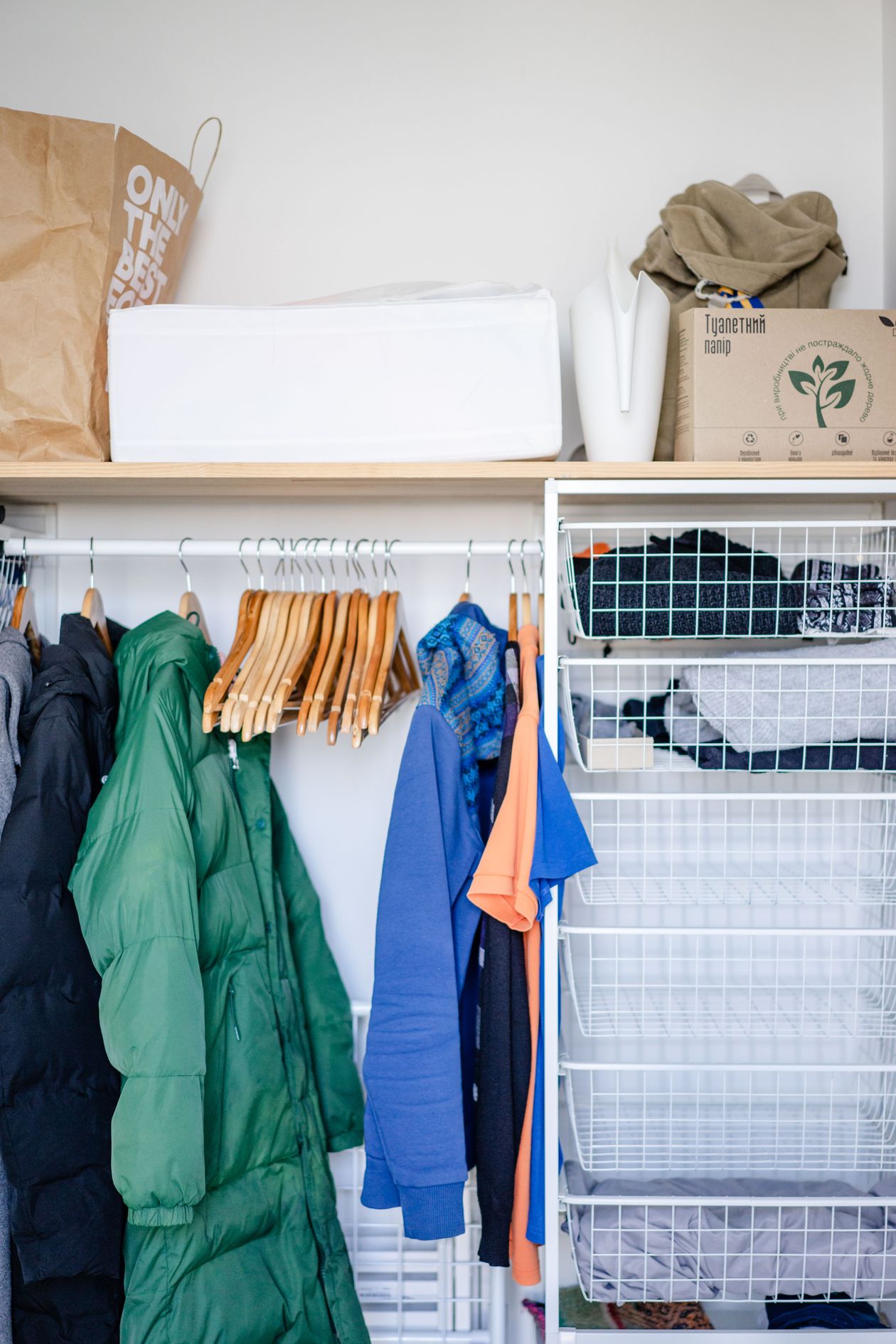
Photo via Pexels
6. Plant Display Wall
Wire shelves are a plant lover’s friend because air flows around pots and water drains instead of pooling. Group trailing pothos up top and heavier terracotta pots low, sliding drip trays under each one.
Keep plants about 6 inches below the next shelf so leaves have room to grow, and skip the sunniest window if the black metal gets hot to the touch. A slim framed unit takes just 12 inches of floor depth but turns a blank wall into a living display.
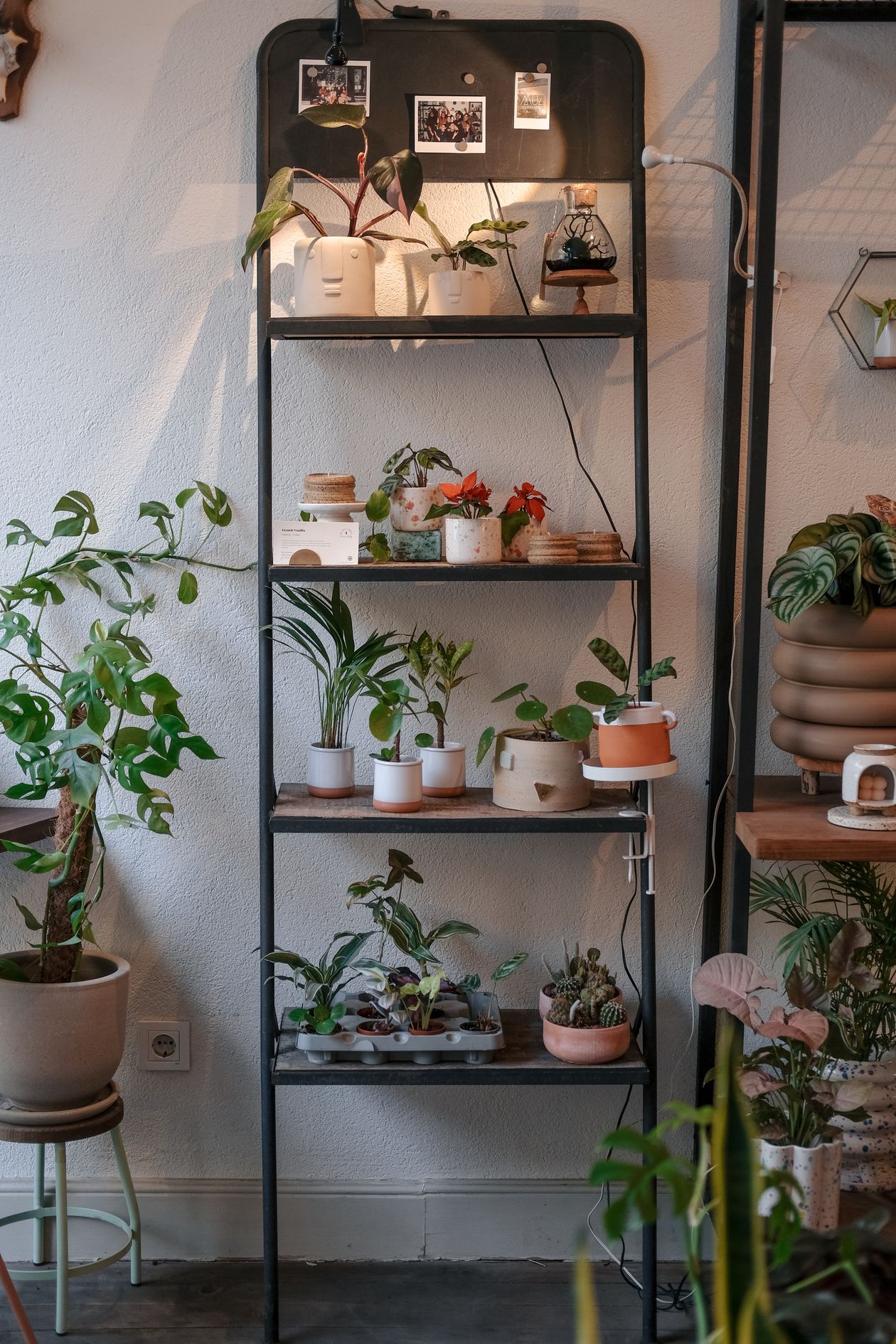
Photo via Pexels
7. Stackable Wire Baskets
If you are new to black wire shelving, start with a pair of stackable wire baskets before committing to a full unit. At roughly $10 to $15 each, these bins corral remotes, chargers, and craft supplies on any shelf, desk, or closet floor.
They stack two or three high without sliding, and the open front lets you reach in without unstacking. Add small labels on the front rail so the whole family puts things back in the right bin.
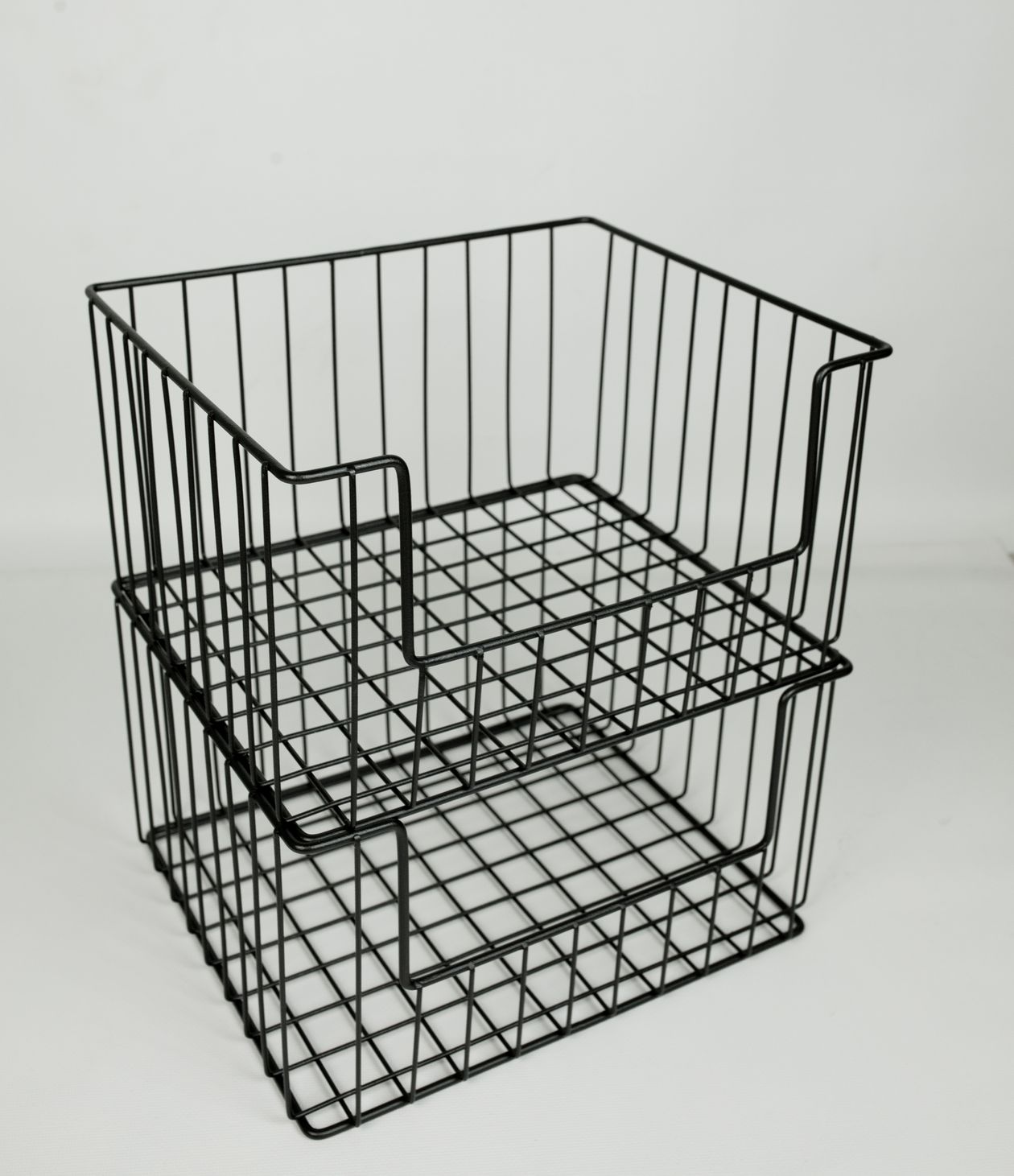
Photo via Pexels
8. Minimalist Styling
Not every shelf needs to be full. A black metal unit styled sparsely — three to five objects per tier, in odd-numbered groups — looks calm and gallery-like in a living room. These bookcase makeover ideas show how a patterned backdrop can make minimal shelves look intentional.
Choose a tight color story: white ceramics, one green plant, and a single wood-toned bowl. Leave at least half of each shelf empty so the black lines read as design, not clutter.

Photo via Pexels
9. Rental Closet Refresh
Renters often inherit plain white wire closet shelves that feel cheap but work fine. Instead of replacing them, line the shelves with dark shelf liners so the surface reads solid and matches your black decor.
A pack of four 24-by-12-inch liners runs about $15 and trims with scissors to fit. Liners stop folded sweaters from printing the wire pattern into the fabric and give bottles a stable base — both classic complaints about bare wire.
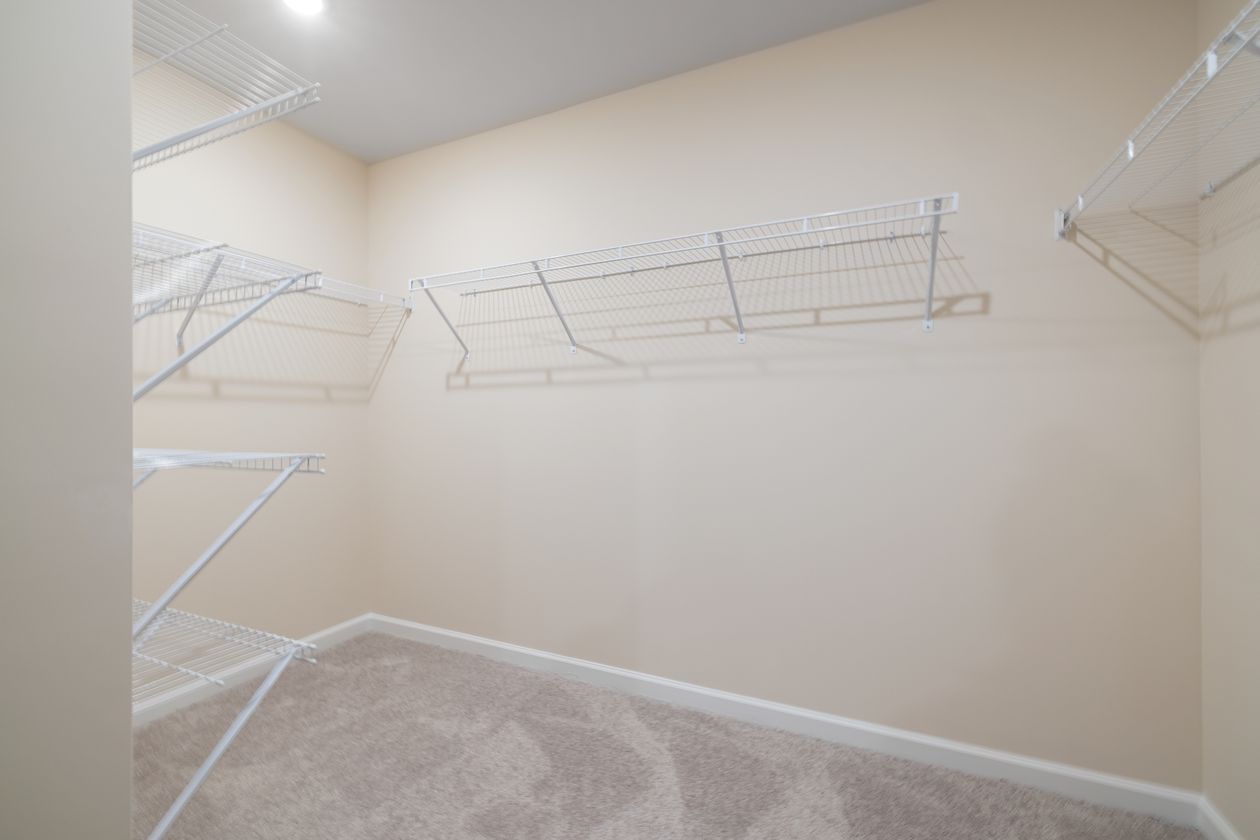
Photo via Pexels
10. Bar Cart and Drink Station
A wire unit pulls double duty as a bar station: stemware lines the upper shelves, bottles sit mid-height, and a hanging wire basket holds lemons and cocktail tools. Glassware on an open shelf dries faster and stays fresh with the airflow.
Mind the weight — a case of six wine bottles weighs about 10 pounds, and full liquor bottles add up fast. Keep the heaviest bottles on the lowest tier and within arm’s reach, with pretty decanters on top for the look.
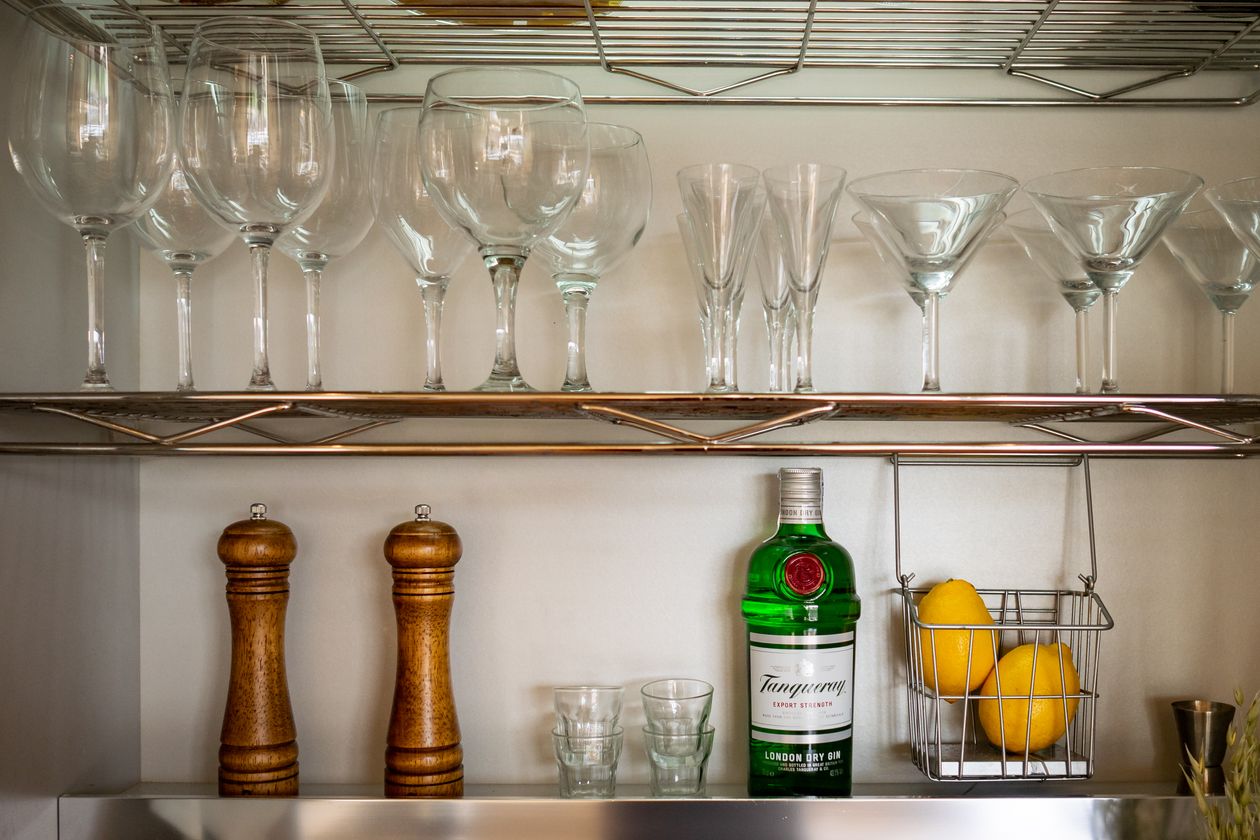
Photo via Pexels
Frequently Asked Questions
What size wire shelf unit should I buy for a home?
Most homes fit 18-by-36-inch or 18-by-48-inch units, 54 to 72 inches tall. Measure your space first and leave about 2 inches of clearance on each side for airflow and cleaning.
How much weight can each shelf hold?
A typical home unit holds about 250 pounds per shelf and 800 to 1,000 pounds total on leveling feet; rolling on casters can cut total capacity to 300 to 600 pounds. Always put the heaviest items on the lowest shelf.
Will small items fall through the wire gaps?
Yes — bottle necks and small boxes tip through bare wires. Fix it with cut-to-fit shelf liners (a 4-pack costs around $15), fine-mesh baskets, or by storing small things in bins on the wire tiers.
Will the black finish rust?
The black powder coat is decorative and fine for dry indoor rooms, but manufacturers do not recommend it for wet environments. Wipe spills quickly, keep it out of bathroom steam, and it will stay clean for years.
Is assembly really tool-free?
Yes. Snap the split sleeves around the posts (keep the TOP mark facing up), slide each shelf down onto them, and adjust in 1-inch increments. One person can do a 54-inch unit in about 15 minutes; grab a helper for tall ones.
Final Thoughts
Start with one unit and one purpose — a pantry, a closet corner, or that pile of books by the chair. Once you see how hard black wire shelving works for the money, you will wonder why you waited. Pick a size that fits your space, keep the heavy things low, and let the open wires do the rest.
Sources
- TheStreet – 4-tier wire shelf specs and review (36×14×54 in, 250 lb per shelf, 1,000 lb total)
- Uline Wire Shelving Guide – black powder-coated finish guidance and recommended environments
- Thirsty Bear – wire shelving load ratings, sizing, and 1-inch adjustability guide
- Homes and Gardens – why wide-mesh wire baskets fail in pantries, per professional organizers
Gallery
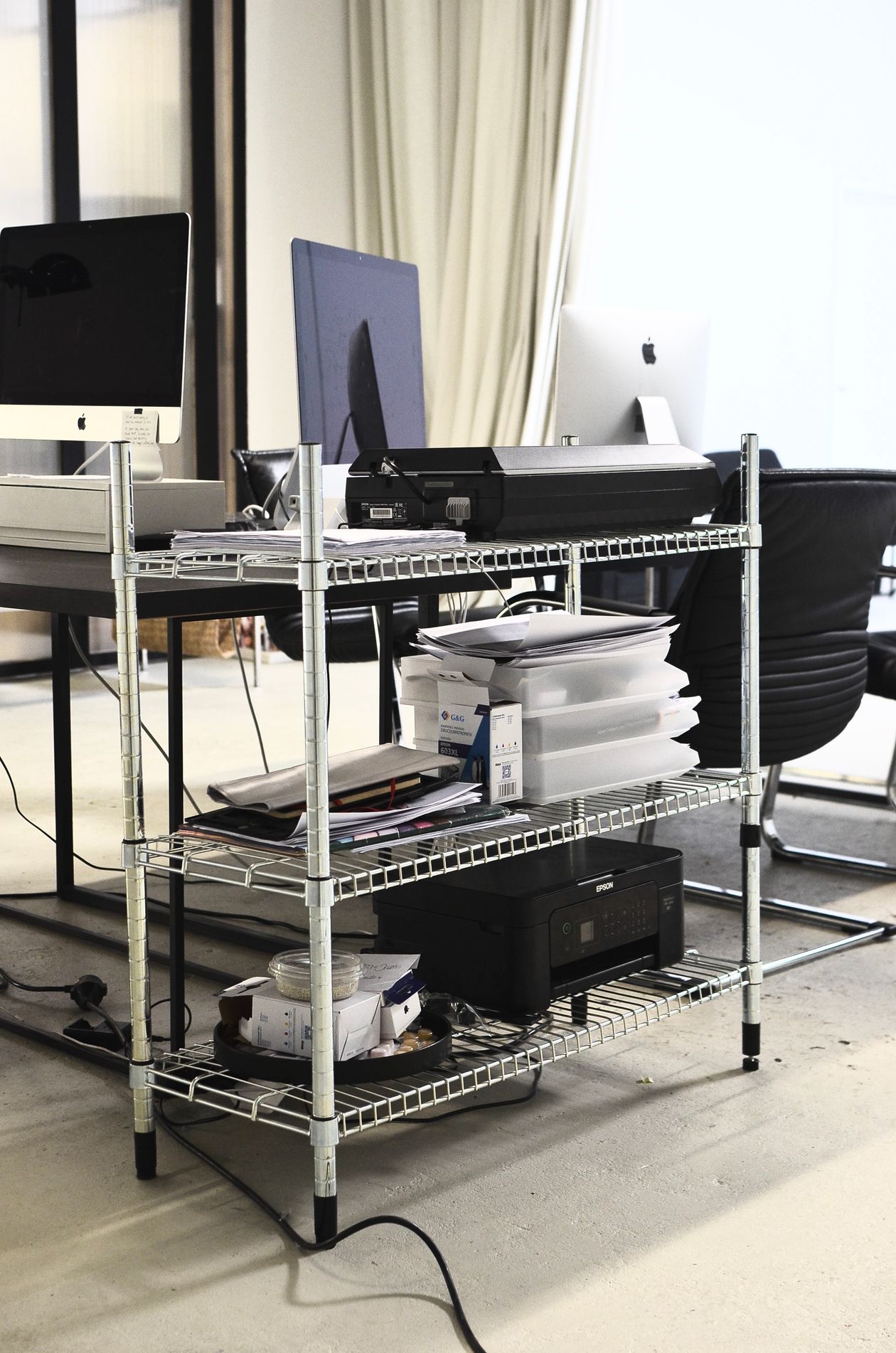
Photo via Pexels

Photo via Pexels

Photo via Pexels

No comments:
Post a Comment