Cold feet can ruin the best winter day, and most of the time the boots are not the problem — the socks are. When people ask about the best socks to wear with winter boots, the honest answer is that material matters more than thickness, and the right pair changes everything.
This guide walks through 12 practical picks and lessons, from merino wool to the plain-cotton mistake that leaves feet damp by noon. No fluff, just what actually keeps feet warm, dry, and blister-free all season.
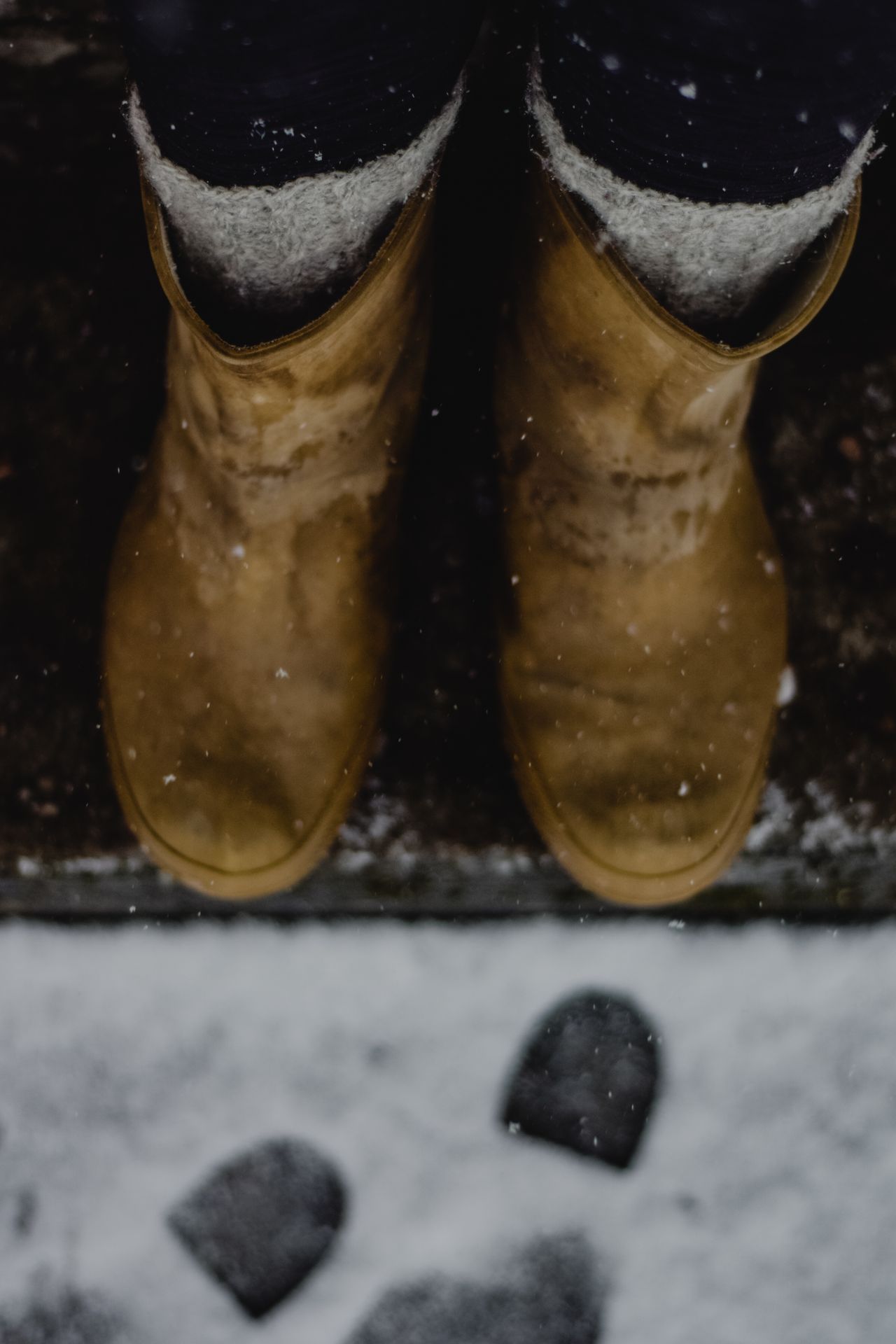
Photo: Pexels
Table of Contents
- 1. Merino Wool Boot Socks: The Gold Standard
- 2. Wool-Blend Hiking Socks for Tall Winter Boots
- 3. Cushioned Ski Socks for Snow Boots
- 4. The Plain-Cotton Mistake
- 5. Moisture-Wicking Synthetics for Sweaty Feet
- 6. Liner Socks: The Two-Sock Trick
- 7. Crew Length That Sits Above the Boot Shaft
- 8. Compression Socks for Work Boots and Long Days
- 9. Heavy Thermal Socks for Subzero Days
- 10. Seamless Toes to Prevent Blisters
- 11. Over-the-Calf Socks for Knee-High Boots
- 12. Socks as Style: The Visible Cuff
1. Merino Wool Boot Socks: The Gold Standard
Merino wool is the fabric most winter walkers swear by, and for good reason. It stays warm even when damp, pulls sweat away from the skin, and resists odor far longer than cotton or plain synthetics.
The question that comes up constantly online is whether pricey merino pairs are really worth it. For daily winter wear they are — a good pair lasts for seasons and keeps feet comfortable from a 20°F commute to a long Saturday walk.
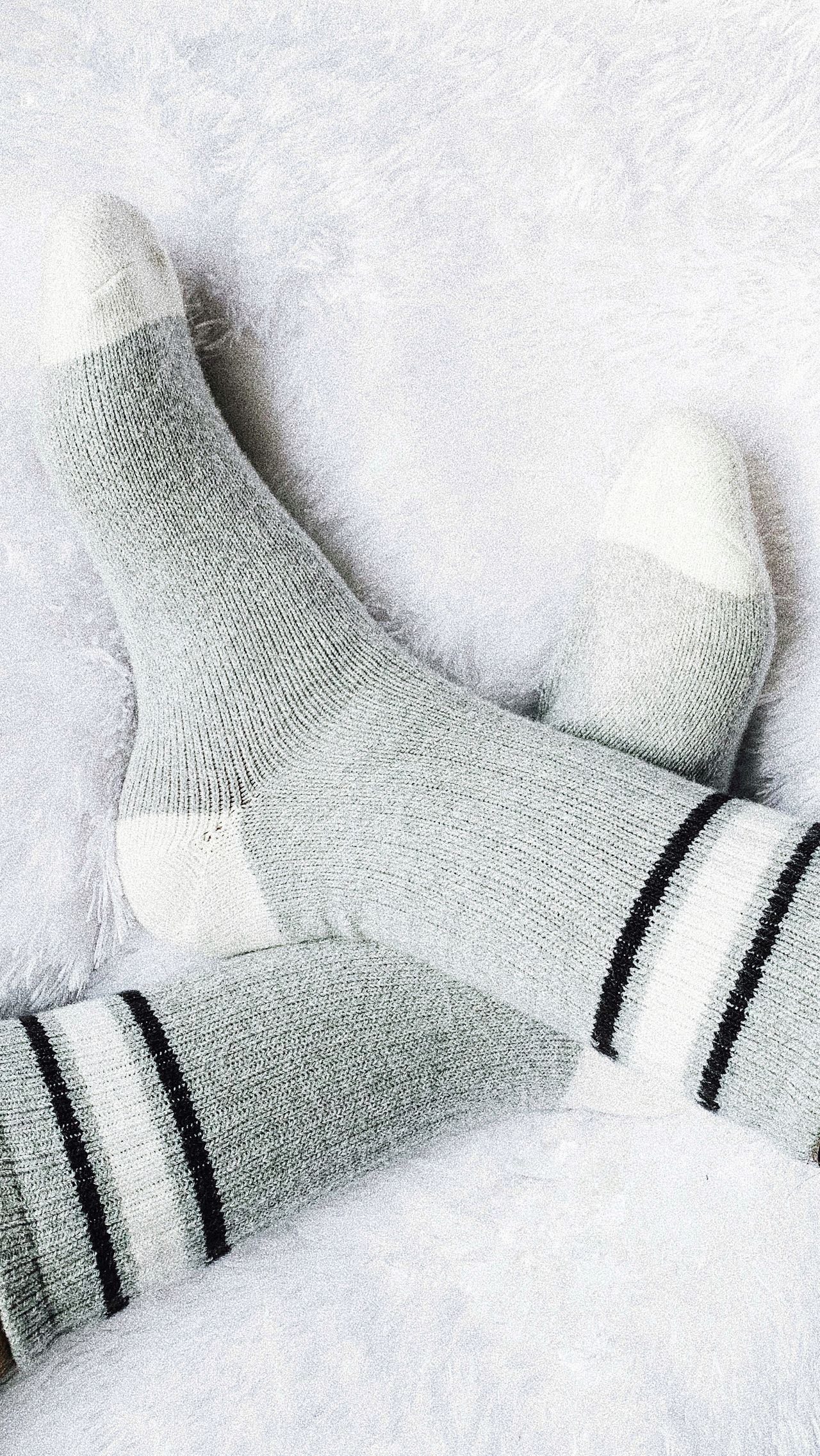
Photo: Pexels
2. Wool-Blend Hiking Socks for Tall Winter Boots
Tall boots leave a lot of leg exposed to cold air, so a mid-calf or knee-length wool blend is the smart match. The small amount of nylon or spandex in the blend helps the sock keep its shape and stay up all day.
One complaint that comes up again and again is socks sliding down inside tall boots. A snug wool blend with real elastic at the cuff solves it — if a pair has no stretch left after a few washes, it is done.
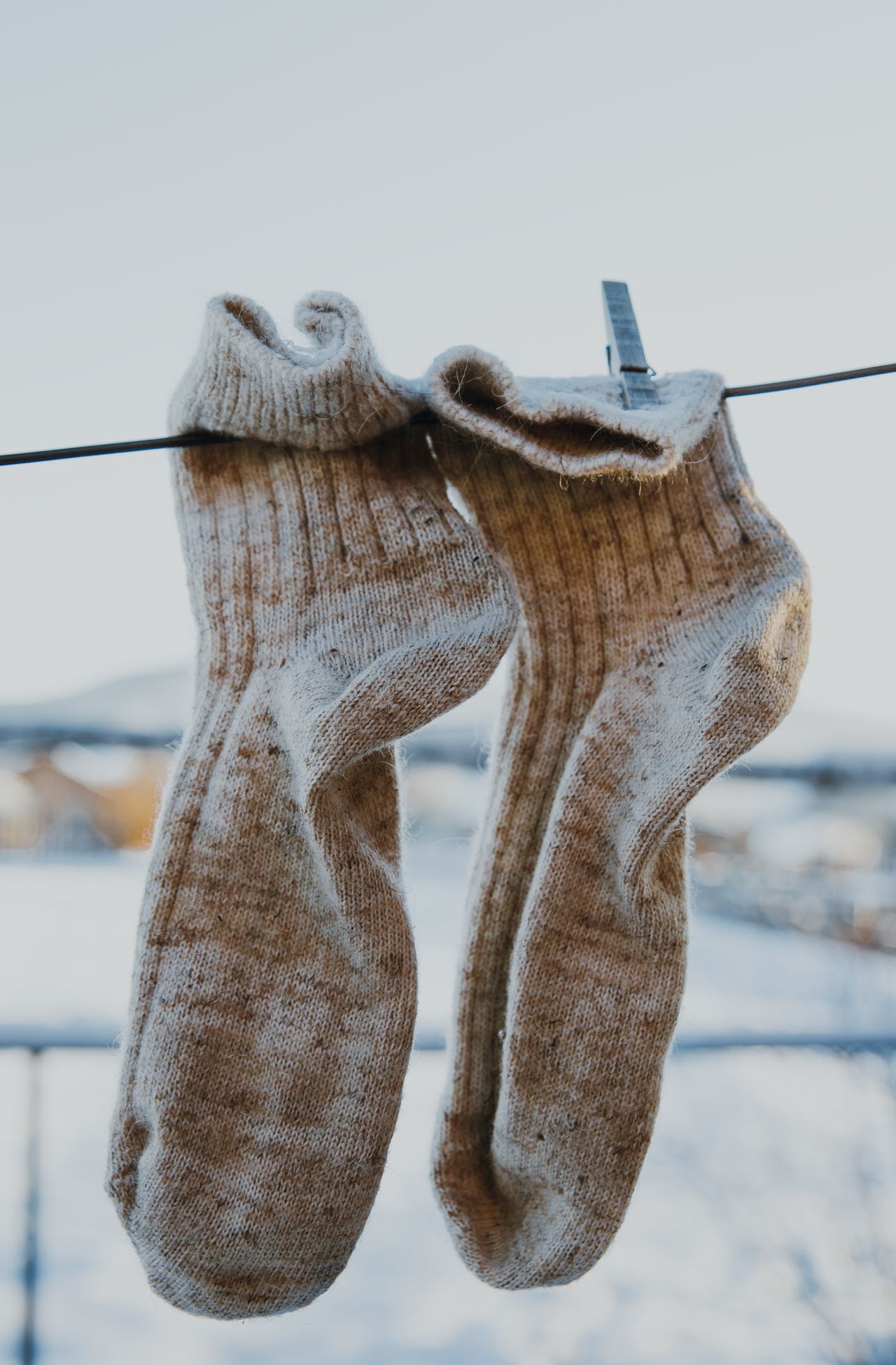
Photo: Pexels
3. Cushioned Ski Socks for Snow Boots
Ski socks are built for long hours in stiff boots: padded shins, reinforced heels, and a tall cut that prevents rubbing at the calf. Those same features make them excellent inside roomy snow boots.
They do run warm, so save them for the coldest days or for hours spent outside. In a heated office they will make feet sweat, which defeats the purpose entirely.
Photo: Pexels
4. The Plain-Cotton Mistake
The biggest mistake is pulling on everyday cotton socks under winter boots. Cotton soaks up sweat and holds it against the skin, and once it is damp it stops insulating — that is the classic cold-feet-by-lunchtime story.
This is the single most-asked question on sock forums: why do my feet get cold even in good boots? Nine times out of ten, cotton is the culprit. Keep cotton for summer, not for January.
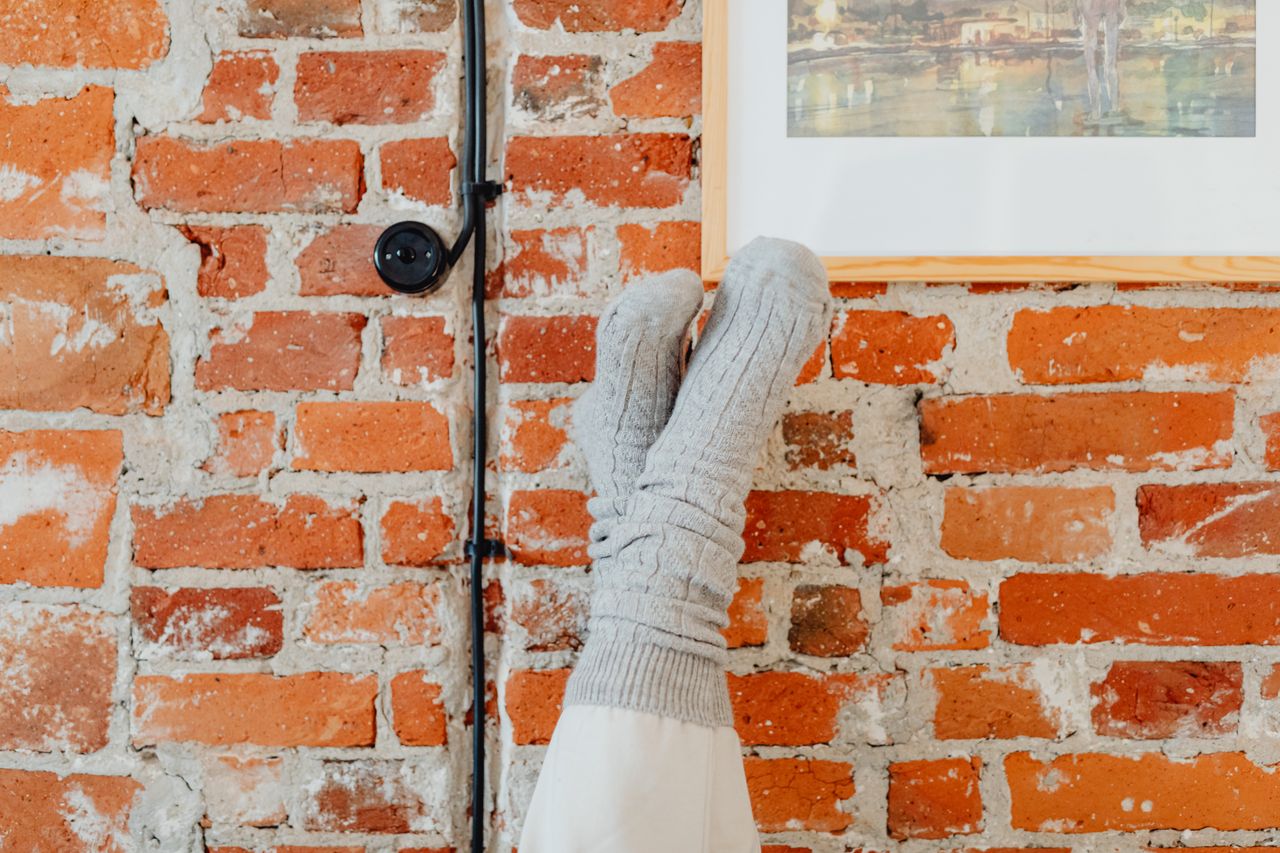
Photo: Pexels
5. Moisture-Wicking Synthetics for Sweaty Feet
Some people simply run hot, and their feet sweat even in freezing weather. For them, synthetic blends with polyester or similar performance fibers can outperform wool by moving moisture outward faster.
The trade-off is odor — synthetics can smell after a single wear, while wool forgives. If sweaty feet are your main problem, rotate two pairs and let each one dry fully between wears.
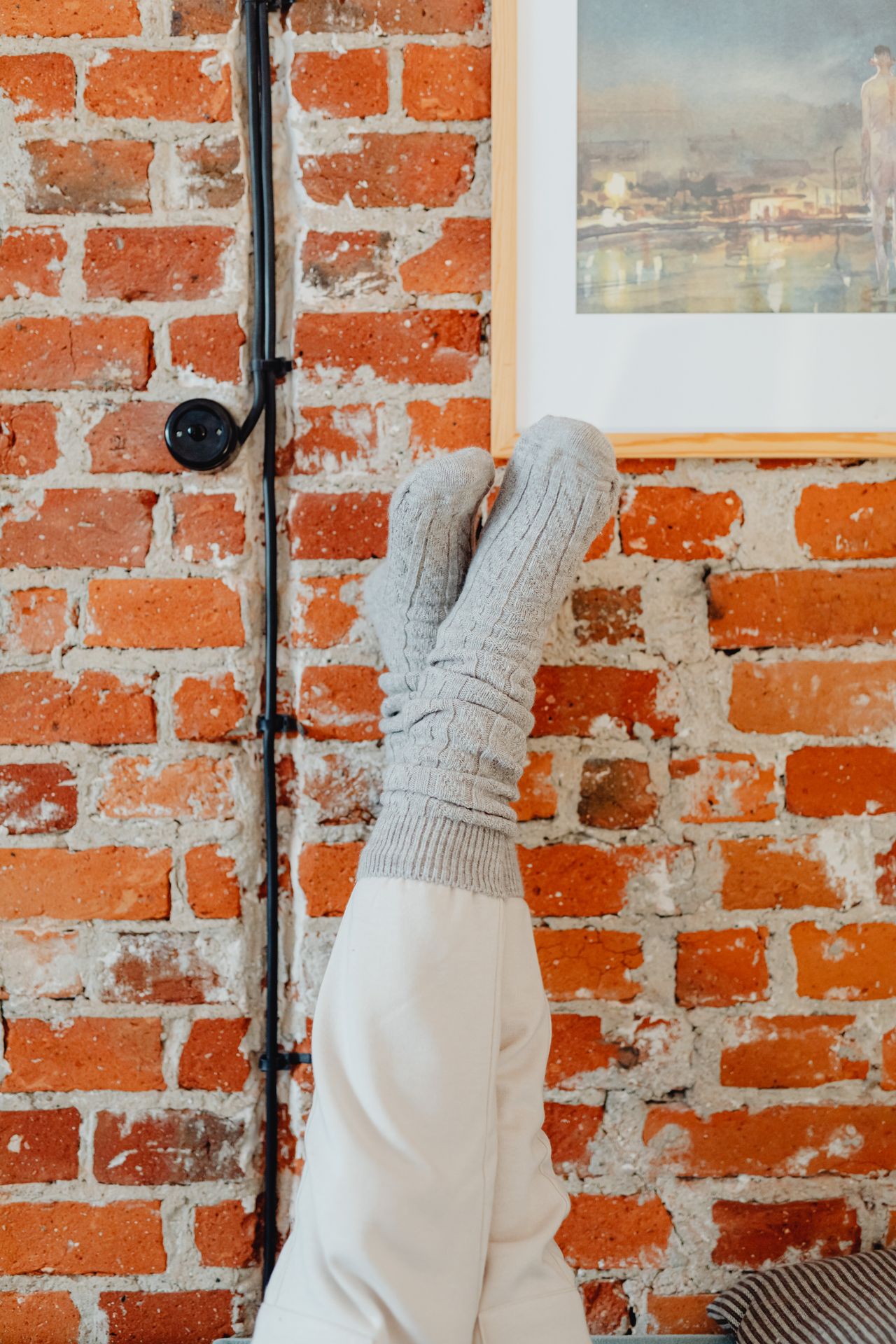
Photo: Pexels
6. Liner Socks: The Two-Sock Trick
A thin liner sock under a thicker outer sock is an old hiker trick that works in winter boots too. The liner wicks moisture and cuts friction, while the outer sock provides the insulation.
This combo shines on long days — shoveling, sightseeing, or standing through a parade. Just make sure the boot has room; cramming two socks into a snug boot cuts circulation and makes feet colder.
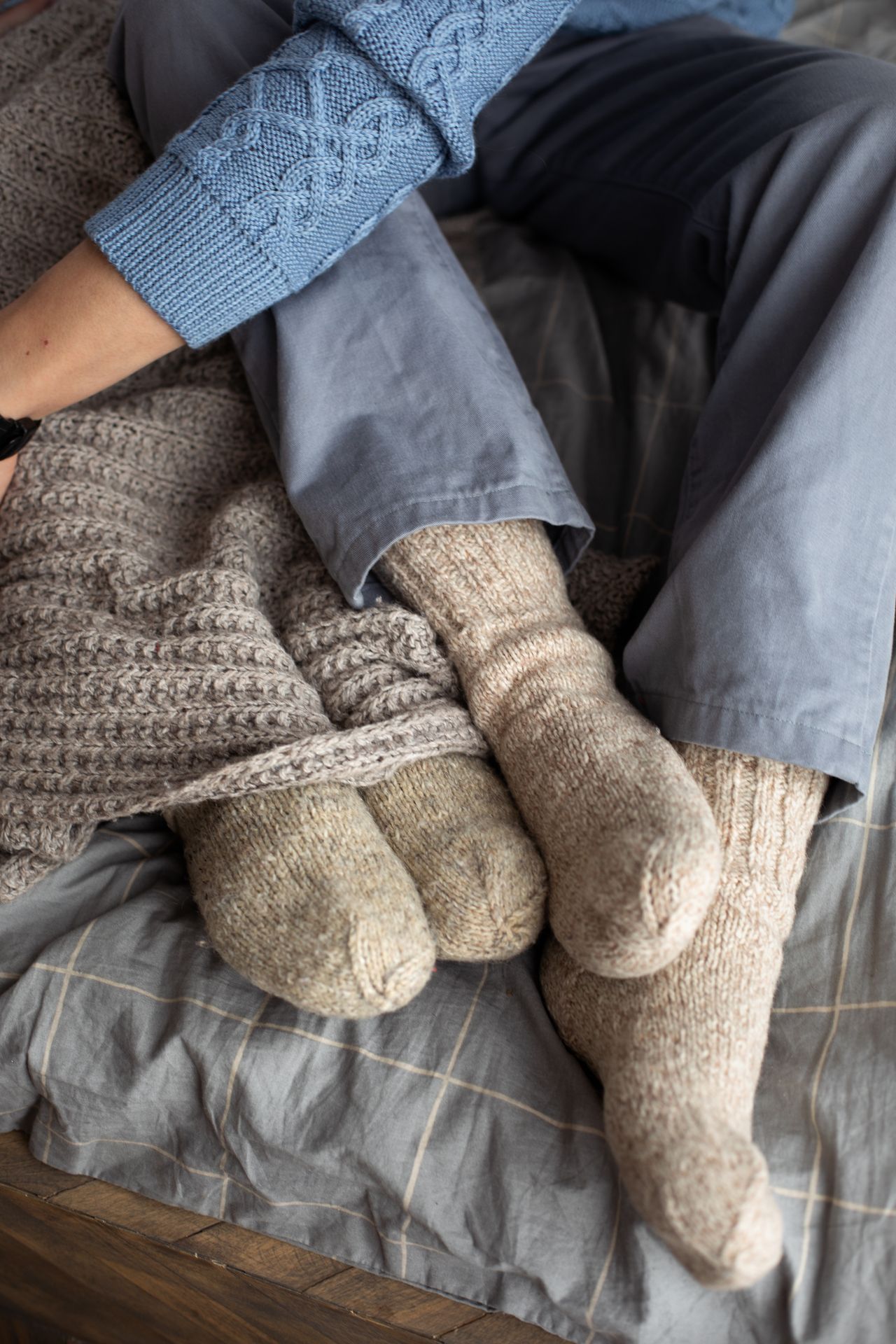
Photo: Pexels
7. Crew Length That Sits Above the Boot Shaft
Socks should always rise above the top of the boot. A cuff peeking out is not just a style choice — it stops the boot's edge from rubbing bare skin raw on long walks.
Ankle socks with mid-calf boots are a recipe for blisters. Match the sock height to the boot: crew for ankle boots, mid-calf or taller for anything higher, and your casual fall outfits will feel better too.
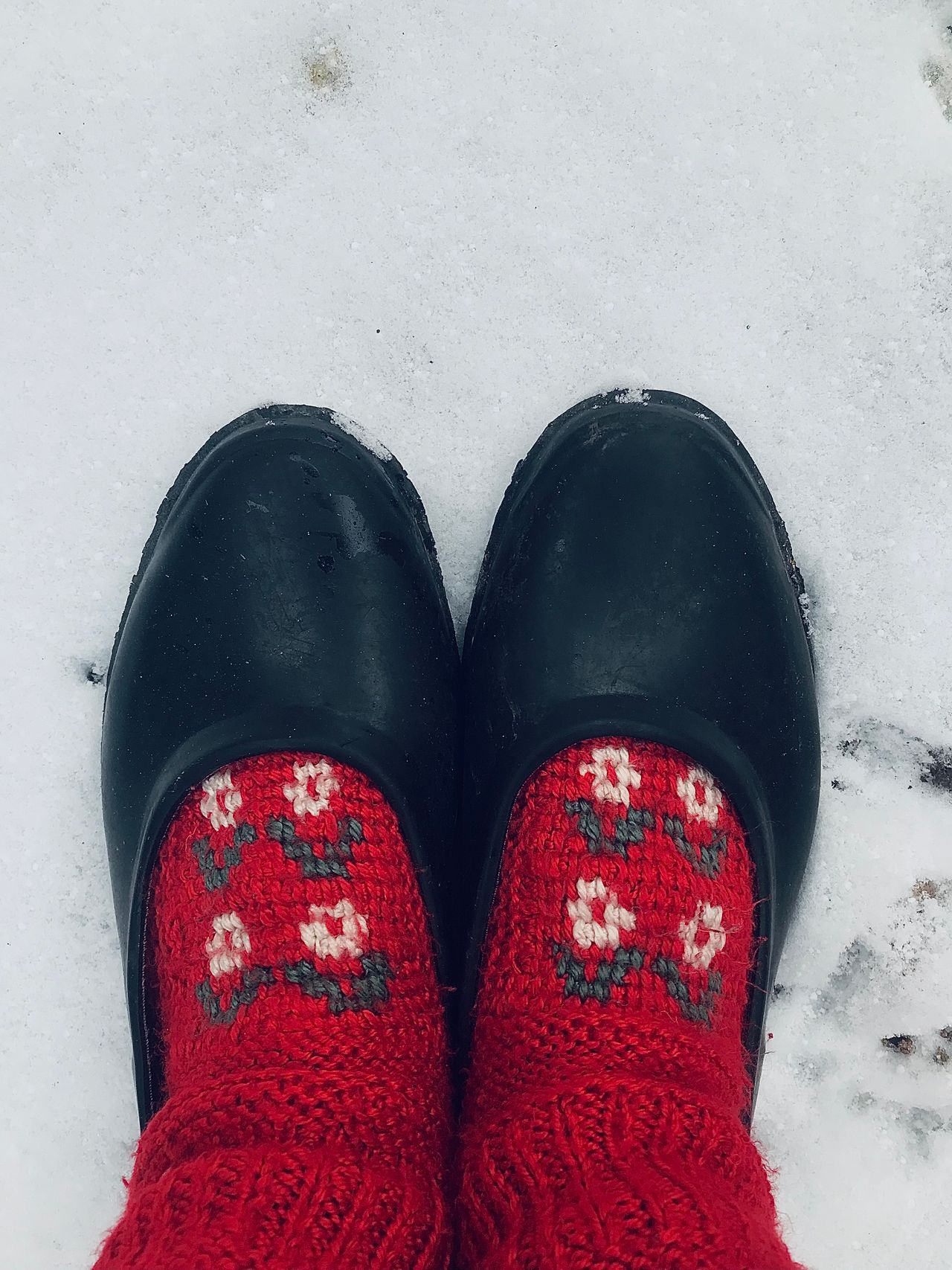
Photo: Pexels
8. Compression Socks for Work Boots and Long Days
Anyone on their feet all day — nurses, retail workers, warehouse crews — knows the heavy-leg feeling by evening. Graduated compression socks support circulation and ease that end-of-day ache.
They also stay put better than regular socks, which means less adjusting inside work boots. Pick a medium compression level for all-day wear; the firmest grades are meant for medical use.
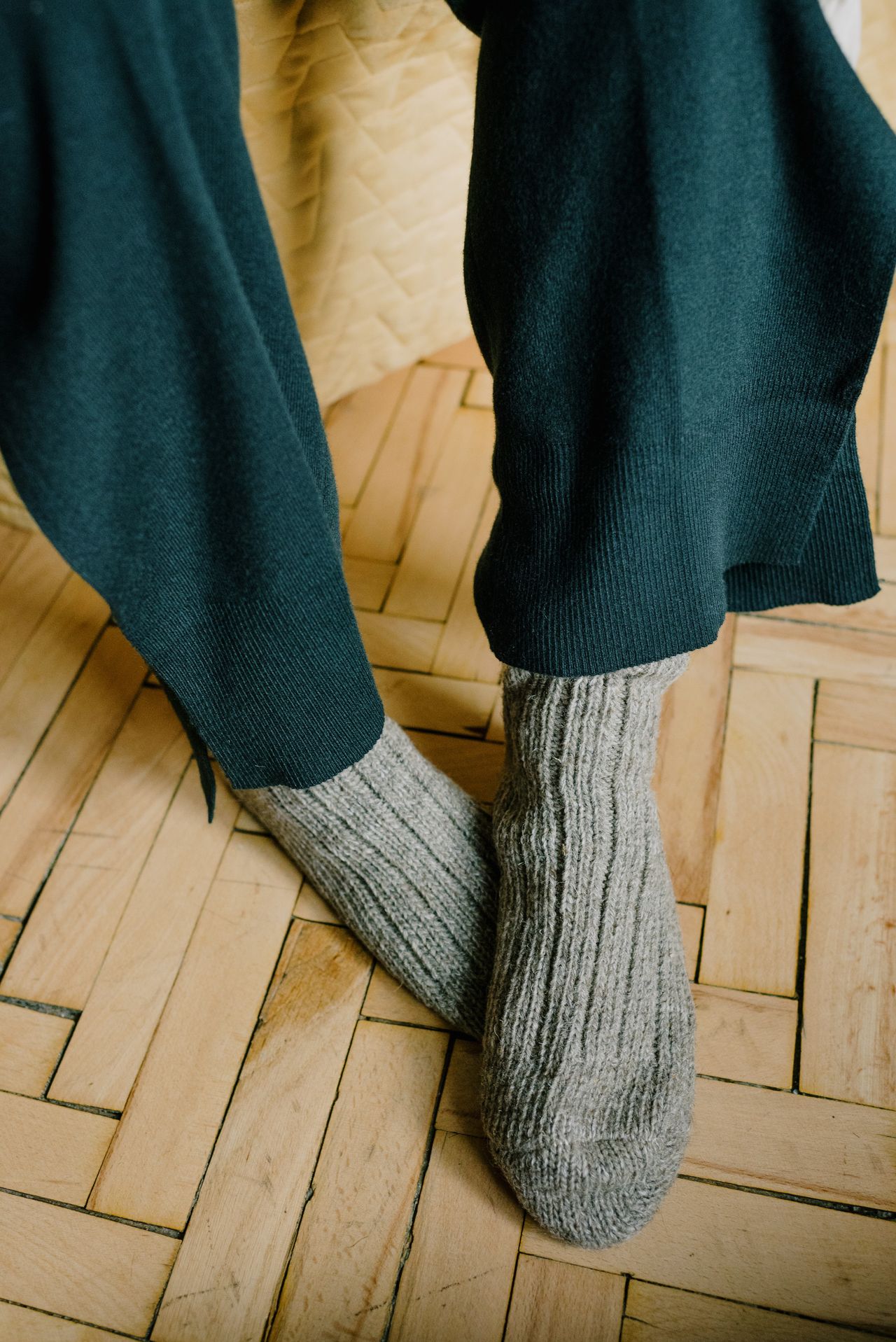
Photo: Pexels
9. Heavy Thermal Socks for Subzero Days
When the thermometer drops below 0°F, normal socks give up. Heavy thermal socks with brushed or fleece-like interiors trap far more warm air around the foot.
Reserve these for real cold — they are too warm for mild days and can make boots feel tight. Pair them with boots that leave wiggle room for your toes, like the ones in our winter coat outfit ideas.
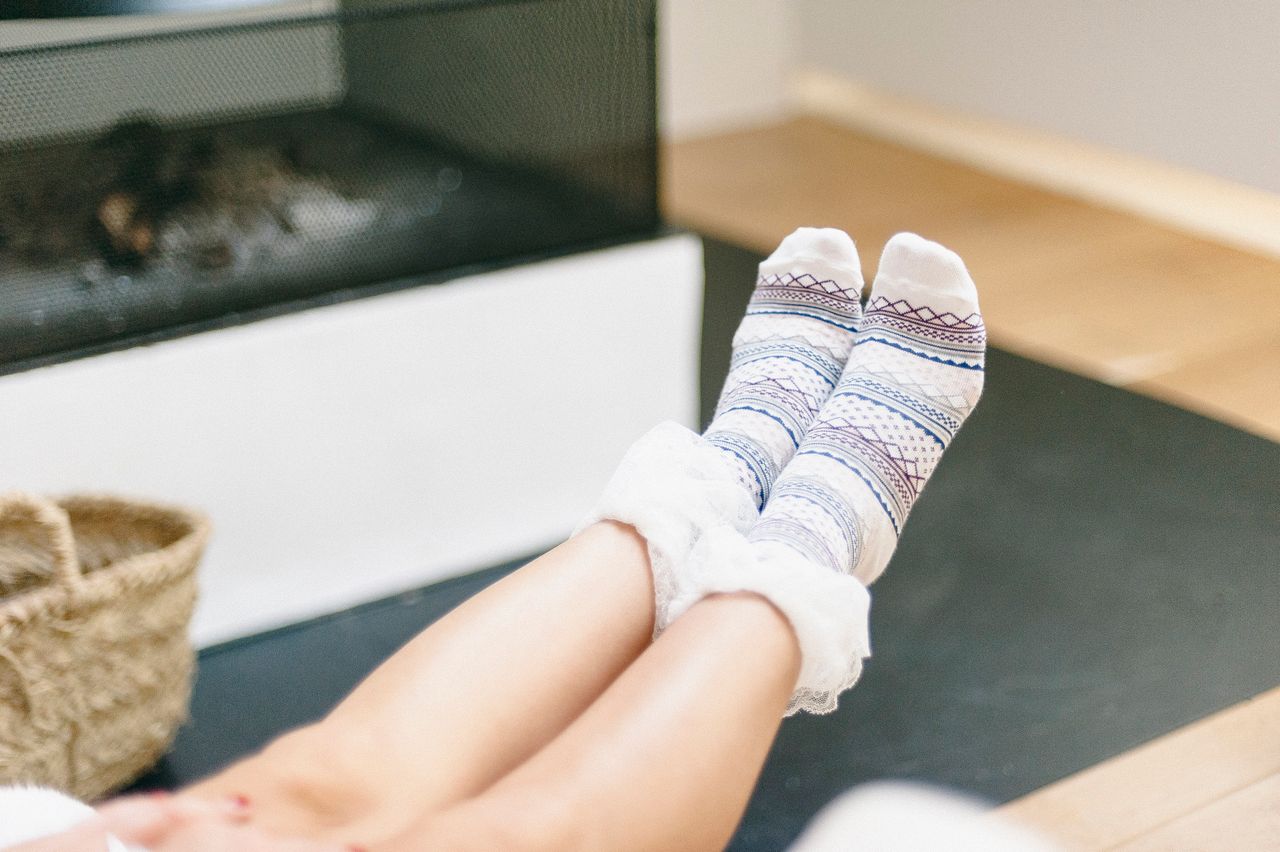
Photo: Pexels
10. Seamless Toes to Prevent Blisters
A raised seam across the toes is a blister waiting to happen, especially on long walks when feet swell slightly. Seamless-toe designs remove that friction point entirely.
This is the fix for the classic "my boots are fine but my toes hurt" complaint. If new boots are giving you hot spots, try seamless socks before blaming the boots.
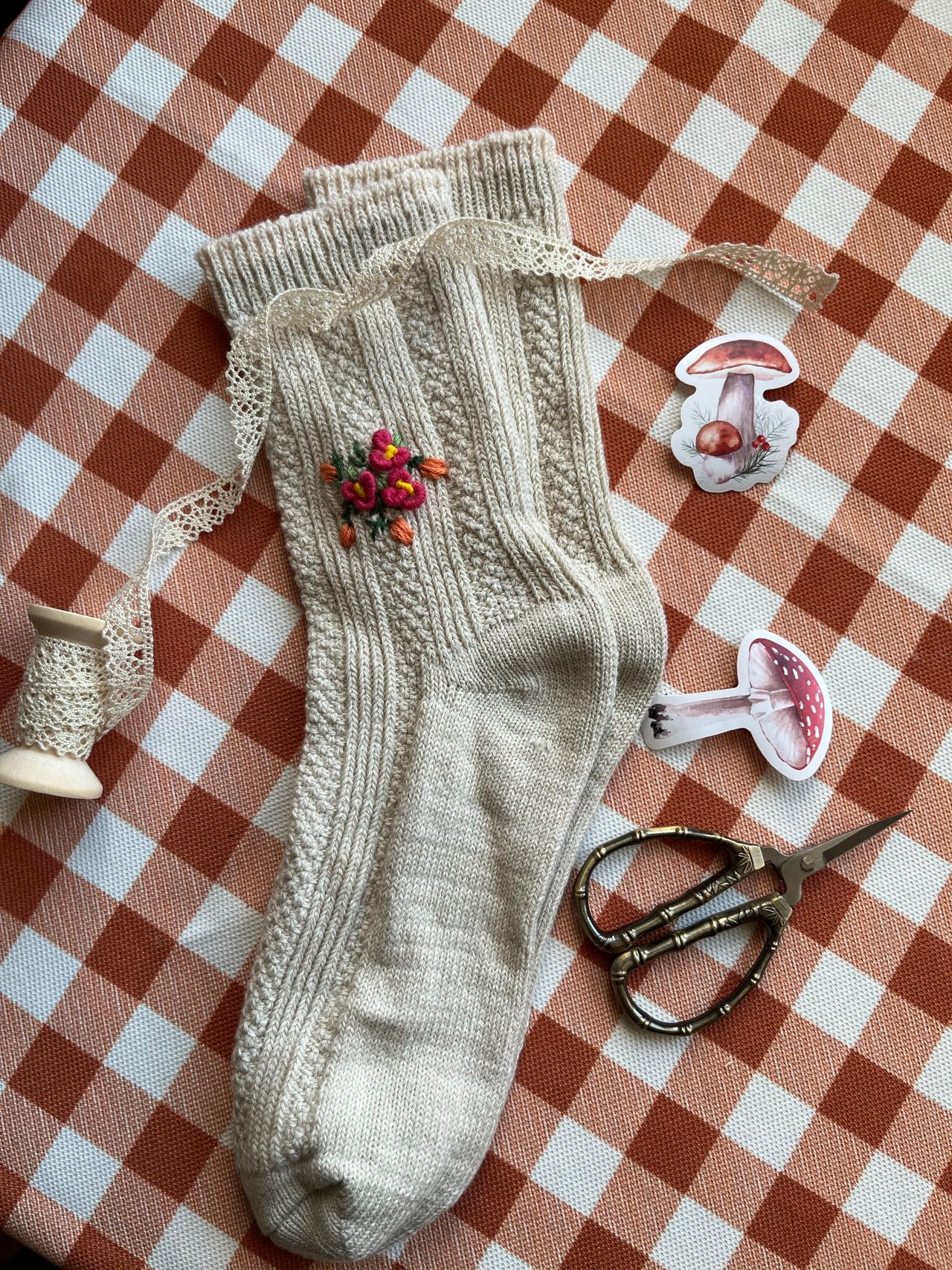
Photo: Pexels
11. Over-the-Calf Socks for Knee-High Boots
Knee-high boots look great with leggings and sweater dresses, but they need a sock that goes the distance. Over-the-calf socks protect the whole leg and stop the boot from slipping down.
They also let you wear a tall boot without tights in milder cold. Look for a reinforced heel and toe so the extra length does not wear through quickly.
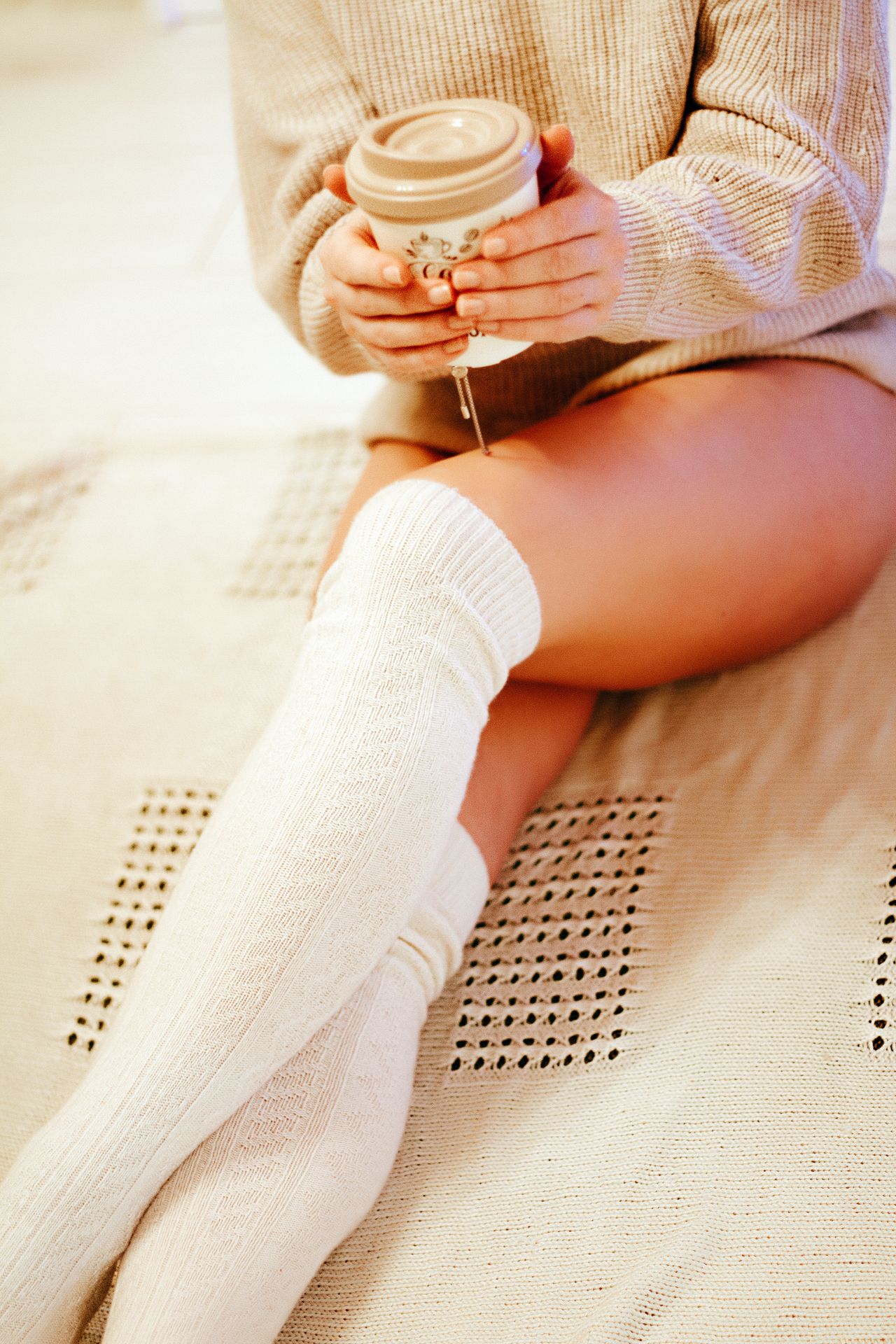
Photo: Pexels
12. Socks as Style: The Visible Cuff
A flash of patterned sock above a boot is one of winter's easiest style moves. Stripes, fair isle, or a simple ribbed cuff in a contrasting color adds personality to jeans-and-boots days.
Keep the rest of the outfit simple and let the socks do the talking. It is a small detail that makes an everyday look feel intentional — see our guide on how to wear ankle boots with jeans for more pairings.
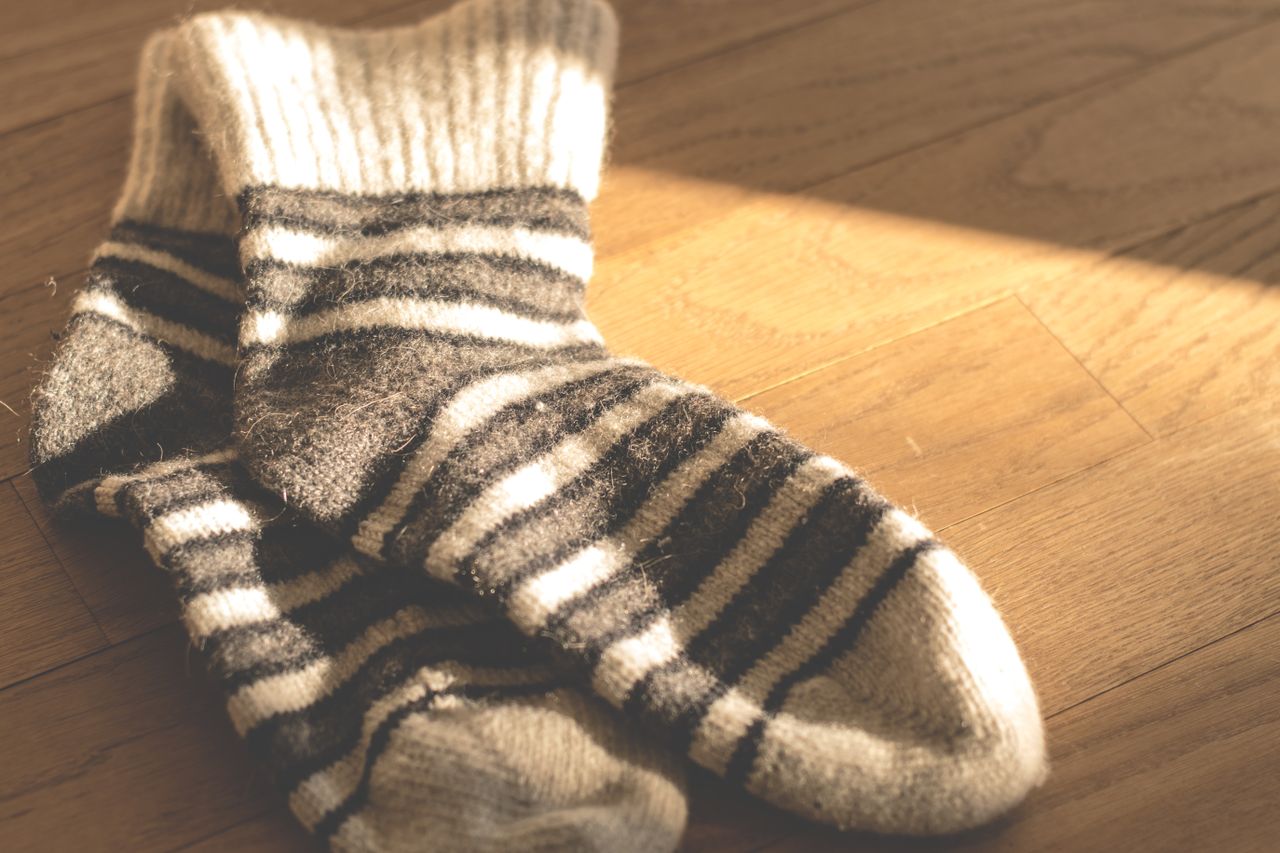
Photo: Pexels
Frequently Asked Questions
What are the best socks to wear with winter boots for sweaty feet?
Moisture-wicking synthetics or merino wool blends work best, since both pull sweat away from the skin. Avoid cotton completely, and rotate pairs so each one dries fully between wears.
Can I wear regular cotton socks with winter boots?
You can, but your feet will likely get cold and damp. Cotton holds sweat against the skin instead of wicking it away, so wool or synthetic blends are far better in winter.
Are thicker socks always warmer?
Not always. A medium-weight merino sock often outperforms a thick cotton one because the material matters more than bulk. Overly thick socks can also make boots tight, which cuts circulation.
How do I stop my socks from sliding down inside tall boots?
Choose socks with strong elastic cuffs and a wool or synthetic blend that keeps its shape. Worn-out elastic is the usual cause — replace pairs that have gone baggy.
Should socks be longer than my boots?
Yes. Socks should rise at least an inch above the boot's top edge to prevent rubbing and to seal out cold air and snow.
Final Thoughts
The best socks to wear with winter boots are the ones matched to your feet, your boots, and your day — merino or wool blends for most people, synthetics for sweaty feet, and never plain cotton in January. Get the socks right and even an average pair of boots feels like an upgrade. For more cold-weather layering help, browse our guide to layering dresses for winter.
Sources
- SloWeather — Best Socks for Winter Boots
- KitchenSty — Best Socks for Boots: FAQ and Guide
- Treeline Review — Best Men's Winter Boots (sock advice)
- Nordic Socks — Warm Socks to Wear with Boots
Gallery

Photo: freestocks.org via Wikimedia Commons (CC0)
Photo: Pexels

Photo: Oto Zapletal via Wikimedia Commons (CC BY 4.0)

No comments:
Post a Comment