New York apartments are tough on plants. Between north-facing windows, airshaft views, bone-dry radiator heat in winter, and windowsills barely wide enough for a coffee mug, most houseplants give up fast. I have killed my share of ferns learning this the hard way. The good news: the best houseplants for New York apartments are not rare or expensive — they are the tough, forgiving classics that thrive on neglect.
These 10 picks all survive low light, dry air, and busy schedules, and I have noted which ones are safe around cats and dogs (a must in small spaces). For more on matching plants to dim rooms, see our guide to low-light indoor plants, and our primer on how to water houseplants without drowning them.
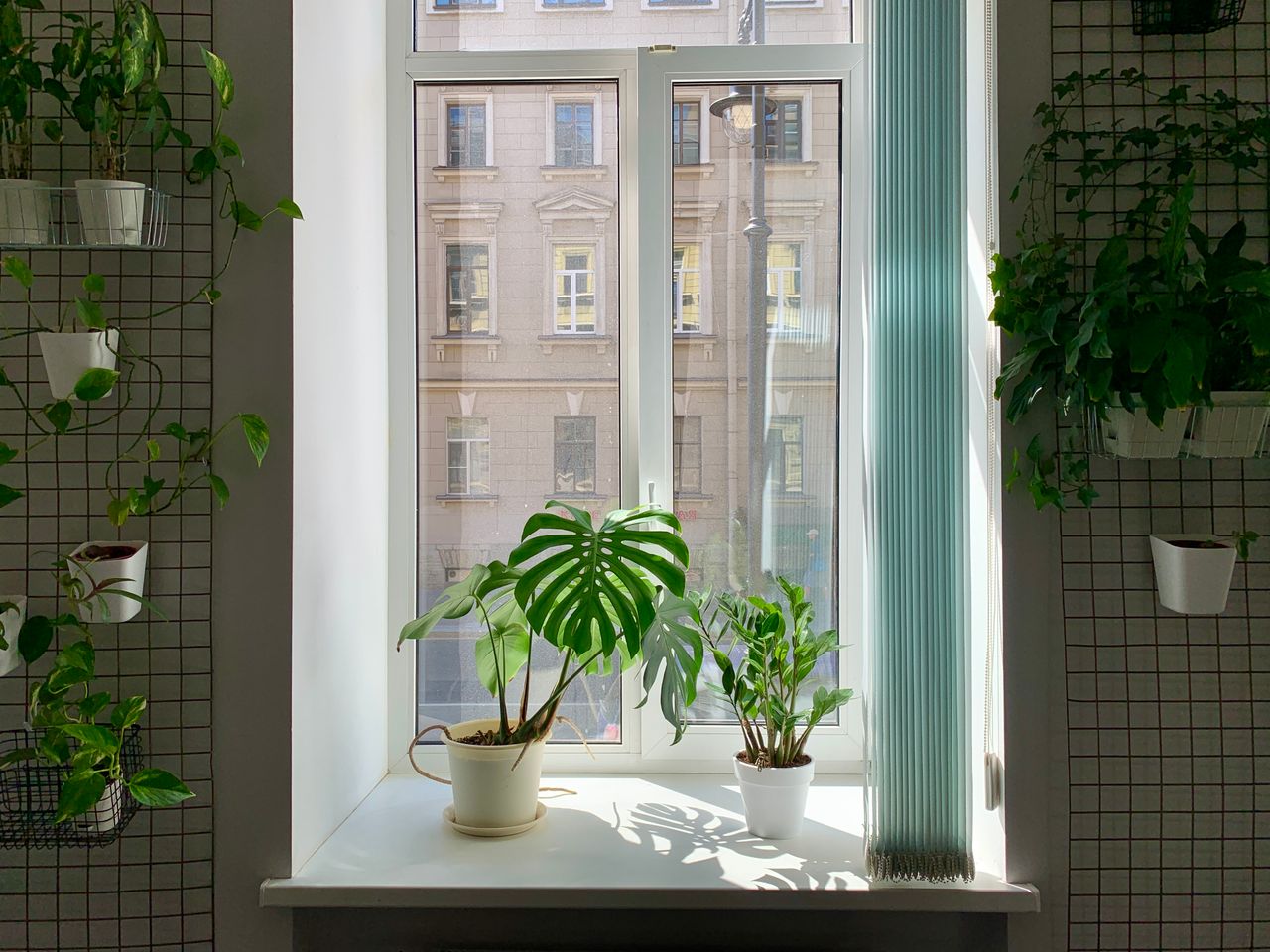
Photo: elgolovchenko via Pexels
Table of Contents
- 1. Snake Plant
- 2. ZZ Plant
- 3. Pothos
- 4. Peace Lily
- 5. Cast Iron Plant
- 6. Spider Plant
- 7. Parlor Palm
- 8. Chinese Evergreen
- 9. Heartleaf Philodendron
- 10. Lucky Bamboo
1. Snake Plant
The snake plant is the undisputed king of dark NYC apartments. Its stiff, upright leaves tolerate the dimmest corners — I have kept one alive for two years in a hallway with no window at all — and it stores water in its leaves, so missing a watering (or three) is no crisis.
Give it a 6-inch pot with drainage holes and water only when the soil is bone dry, roughly every 2 to 3 weeks. A healthy starter plant costs $15 to $25 at Home Depot or Trader Joe's. One honest warning: it is toxic to cats and dogs, so keep it out of reach of curious pets.

Photo: Enzo Rippa via Wikimedia Commons
2. ZZ Plant
If you travel for work or simply forget plants exist, the ZZ plant is your match. Its glossy, dark green leaflets grow from thick underground rhizomes that store water for weeks, and it shrugs off the dry air blasting from radiators all winter.
It does best in low to medium indirect light — a few feet from any window works. Water deeply, then let the soil dry out completely before watering again. Expect to pay $20 to $35 for a full 6-inch plant. Like the snake plant, it is toxic to pets, so place it on a high shelf.

Photo: WeFt via Wikimedia Commons
3. Pothos
Pothos is the classic trailing plant for a reason: it grows fast, forgives everything, and looks great cascading off a bookshelf or kitchen cabinet. The Marble Queen variety in the photo adds white-splashed leaves that brighten a dim room without needing extra light.
It handles low to bright indirect light and tells you when it is thirsty — the leaves droop slightly, then perk up within hours of watering. Snip a stem below a node, stick it in water, and you get a free plant in two weeks. A 6-inch hanging basket runs $12 to $20. Note: toxic to pets if chewed.

Photo: Spnq via Wikimedia Commons
4. Peace Lily
The peace lily is one of the few apartment plants that actually flowers in low light, sending up elegant white blooms even a few feet from a north-facing window. It is also famously communicative: when the leaves droop, it wants water — no guesswork needed.
Keep the soil lightly moist (not soggy) and wipe the broad leaves with a damp cloth every month or two so they can catch what little light there is. A blooming 6-inch plant costs $15 to $25. It is toxic to cats and dogs, so this one belongs on a plant stand, not the floor.

Photo: Laksh9 via Wikimedia Commons
5. Cast Iron Plant
The cast iron plant earned its name in Victorian parlors with coal heat and gaslight — conditions basically identical to a pre-war NYC apartment with clanking radiators. It tolerates deep shade, temperature swings, and air so dry it crackles.
Plant it in a heavy pot (its arching leaves get top-heavy), water when the top 2 inches of soil dry out, and otherwise leave it alone. It grows slowly, so buy the size you want: a full plant runs $25 to $40. Unlike most of this list, it is non-toxic to pets. For taming that dry winter air, our tips on how to keep house warm in winter help plants too.

Photo: Frank C. Müller via Wikimedia Commons
6. Spider Plant
The spider plant is the best pick on this list for pet owners: it is completely non-toxic to cats and dogs, and cats seem to love batting at its dangling baby plantlets. Hang it in a bright-ish window and it will reward you with a fountain of striped leaves.
It likes evenly moist soil and does fine in the low humidity of heated apartments, though brown leaf tips mean the air is very dry or your tap water has too much fluoride — switch to filtered water if tips brown badly. A 6-inch hanging plant costs $10 to $18, and each "baby" it makes is a free gift plant.

Photo: Umasoyee via Wikimedia Commons
7. Parlor Palm
The parlor palm has been the classic apartment palm since Victorian times because it stays compact (about 2 to 3 feet indoors) and tolerates low light far better than most palms. Its soft, feathery fronds add a tropical feel without taking over a small room.
It is non-toxic to pets, which makes it one of the safest statement plants for a studio with a cat. Keep it a few feet from a window, water when the top inch of soil dries, and mist occasionally in winter. A 6-inch plant costs $15 to $25 at most NYC plant shops.

Photo: ImanFakhri via Wikimedia Commons
8. Chinese Evergreen
If you want color without flowers, the Chinese evergreen delivers: its broad leaves come splashed with silver, cream, pink, or red, and it keeps those patterns even in the dim light that washes the color out of other variegated plants.
It wants low to medium indirect light and consistently moist (never soggy) soil — the one plant on this list that dislikes drying out completely. A 6-inch plant runs $18 to $30. It is toxic to pets, so keep it on a shelf or table away from chewing.

Photo: Sigit Jati via Wikimedia Commons
9. Heartleaf Philodendron
The heartleaf philodendron is the trailing plant I recommend to total beginners: heart-shaped leaves, vines that grow several feet long, and a tolerance for dark corners that borders on heroic. Train it up a small trellis or let it spill off a high shelf.
Water when the top inch of soil dries out, and trim long vines to keep it bushy — the cuttings root easily in water. A 6-inch pot costs $10 to $18. Like pothos, it is toxic to pets, so hang it high if you have a cat that chews leaves.

Photo: Krzysztof Ziarnek, Kenraiz via Wikimedia Commons
10. Lucky Bamboo
Lucky bamboo is the ultimate tiny-apartment plant: it grows in water, needs no soil, and a 4-inch vase fits on the narrowest windowsill. It is not true bamboo but a dracaena, and it is perfectly happy in the low light of a bathroom or hallway.
Keep the roots submerged in an inch or two of water, changing it every two weeks, and keep it out of direct sun (the leaves scorch). A stalk arrangement costs $8 to $15 at IKEA or Trader Joe's. Note: it is toxic to cats and dogs despite the cute name.

Photo: Cataleirxs via Wikimedia Commons
Frequently Asked Questions
What is the easiest houseplant for a dark New York apartment?
A snake plant or ZZ plant. Both survive with almost no natural light and forgive missed waterings for weeks — ideal for north-facing rooms and busy schedules.
Which houseplants are safe for cats and dogs?
Spider plant, parlor palm, and cast iron plant are non-toxic to pets. Avoid snake plant, ZZ plant, pothos, peace lily, Chinese evergreen, philodendron, and lucky bamboo if your pet chews leaves — check the ASPCA's toxic plant list before buying.
How often should I water houseplants in winter when radiators are on?
Less than you think. Dry heated air means the soil surface dries fast, but roots stay wet below — always check 2 inches down with your finger before watering. Most of these plants want water every 2 to 3 weeks in winter.
Where can I buy houseplants in New York City?
The Union Square Greenmarket, The Sill (Manhattan and Brooklyn), IKEA Brooklyn, Trader Joe's, and Home Depot all sell healthy starter plants from $8 to $35. For small-space display ideas, see our small apartment balcony decor guide.
Do I need a grow light for these plants?
No. Every plant on this list was chosen because it thrives in typical NYC apartment light. A grow light helps only if your room has literally zero natural light.
Final Thoughts
Start with two or three of these — a snake plant for the dark corner, a pothos for the shelf, a spider plant if you have pets — and learn their rhythms before buying more. The best houseplants for New York apartments are the ones that fit your light, your schedule, and your pets, not the trendiest ones at the shop.
Once you see that first new leaf unfurl in February, while the radiators clank and the slush piles up outside, you will understand why New Yorkers pack their windowsills with green. Start small, water less than you think, and enjoy it.
Sources
- https://www.aspca.org/pet-care/animal-poison-control/toxic-and-non-toxic-plants
- https://www.rhs.org.uk/plants
- https://www.gardeningknowhow.com/houseplants/
- https://www.almanac.com/
Gallery

Photo: W.carter via Wikimedia Commons

Photo: Mokkie via Wikimedia Commons

Photo: Maxknoll1 via Wikimedia Commons

No comments:
Post a Comment