Heating bills climb every year, and for anyone on a fixed income, winter can feel like a choice between comfort and cost. It does not have to be. A few smart habits and cheap fixes can keep your home genuinely warm while keeping the bill under control.
This guide to how to keep house warm in winter is written with older readers in mind. Every tip below is low-cost, low-effort, and senior-safe, with honest notes on where to spend a little and where to get help if the bill still feels too big.
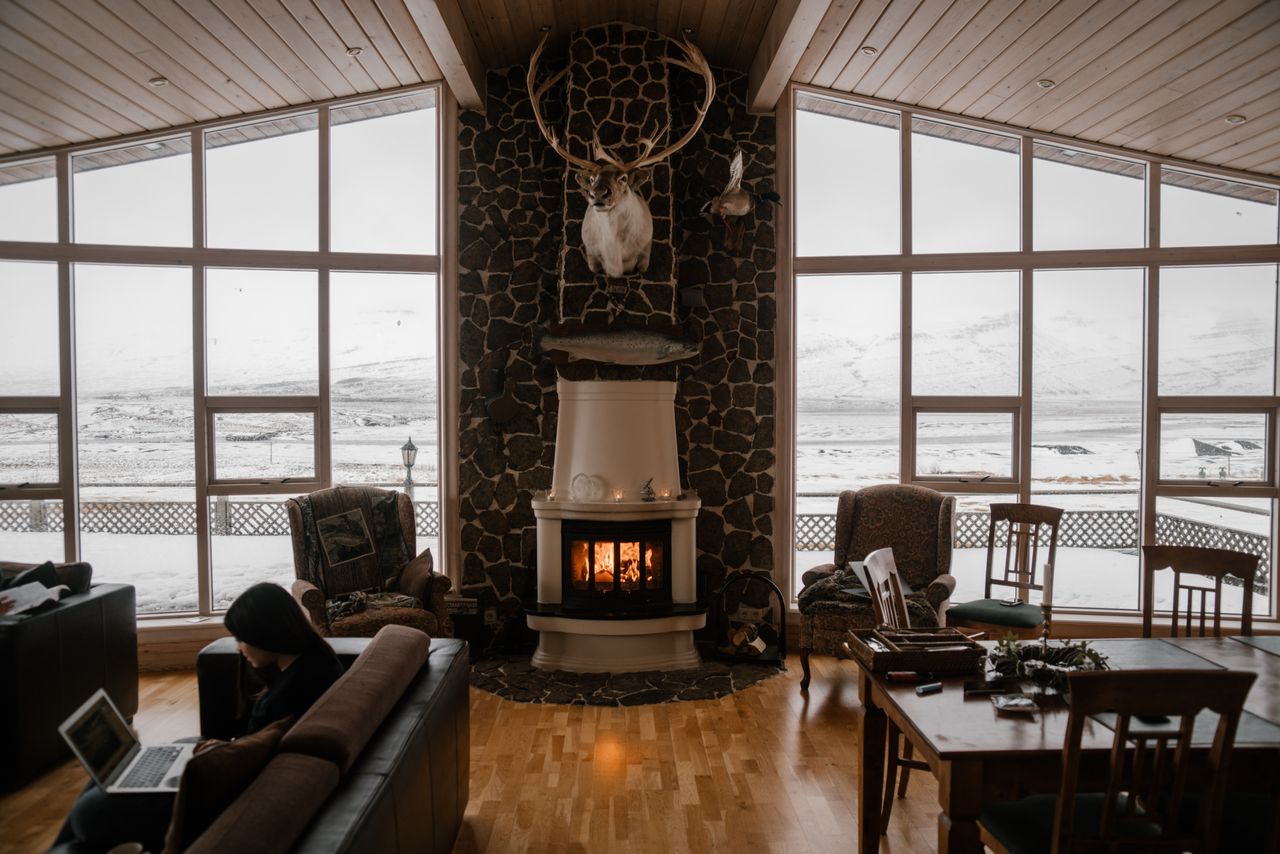
Image: Pexels
Table of Contents
- 1. Set the Thermostat to 68°F and Leave It Alone
- 2. Close Curtains at Night, Open Them to the Sun
- 3. Caulk the Gaps You Can See and Feel
- 4. Press Rope Caulk Into Rattling Window Frames
- 5. Heat Yourself, Not the Whole House
- 6. Let the Oven Do Double Duty
- 7. Lay Rugs Over Bare Floors
- 8. Flip the Ceiling Fan to Push Warm Air Down
- 9. Shrink-Film Your Draftiest Windows
- 10. Ask About Energy Assistance Programs
- Frequently Asked Questions
- Final Thoughts
1. Set the Thermostat to 68°F and Leave It Alone

Image: Wikimedia Commons
For older adults, 68 to 70°F is the sweet spot. Home-care experts warn that indoor temperatures below 65°F raise the risk of hypothermia in seniors, whose bodies do not regulate heat as well as they used to. Saving money matters, but not at the cost of safety.
If you do not have one, a programmable thermostat pays for itself fast. Dropping the setting by 7 to 10 degrees for eight hours while you sleep can trim about 10 percent off yearly heating costs, and you never have to remember to do it.
2. Close Curtains at Night, Open Them to the Sun
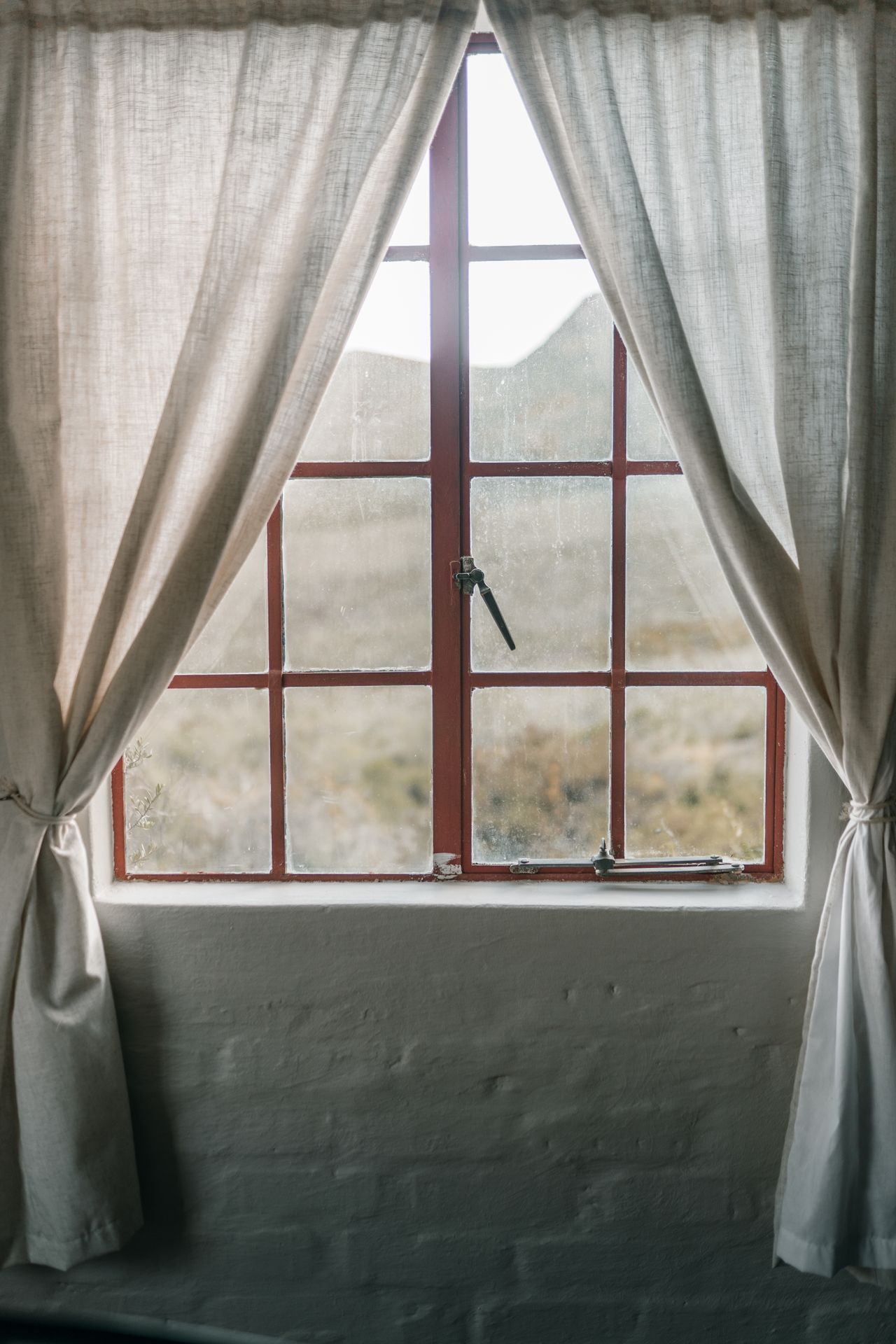
Image: Pexels
Windows are heat sieves after dark. Closing curtains or drapes as soon as the sun goes down traps a layer of still air against the glass and can cut heat loss from a room by up to 10 percent, according to the U.S. Department of Energy. Heavy or thermal curtains work best, but any curtain beats bare glass.
By day, do the opposite. Open curtains on sun-facing windows and let free solar heat pour in. It is the oldest heating trick there is, and it costs nothing. For more curtain know-how, see our guide on whether curtains should touch the floor.
3. Caulk the Gaps You Can See and Feel

Image: Wikimedia Commons
Air leaks around doors, windows, and baseboards can waste a shocking share of your heat. A tube of caulk costs a few dollars and seals the stationary cracks, the ones that never move, around window frames and trim. Foam weatherstripping tape handles the moving parts, like the edges of doors.
Find the leaks on a windy day by slowly moving a lit incense stick or candle around frames and watching the smoke waver. Seal what you find, and the furnace runs less often all winter. If caulking feels like too much ladder or kneeling work, this is a perfect small job to ask a handy neighbor or family member to help with.
4. Press Rope Caulk Into Rattling Window Frames

Image: Wikimedia Commons
Rope caulk is the senior-friendly secret weapon for old windows. It comes as a soft cord you simply press into gaps with your fingers, no gun, no mess, no skill needed. A roll costs under five dollars and can nearly seal a rattly double-hung window for the season.
The best part is that it peels right back off in spring, so renters can use it freely and windows still open when warm weather returns. Pair it with locked sashes, since an unlocked window can creep open a crack and undo all your work.
5. Heat Yourself, Not the Whole House
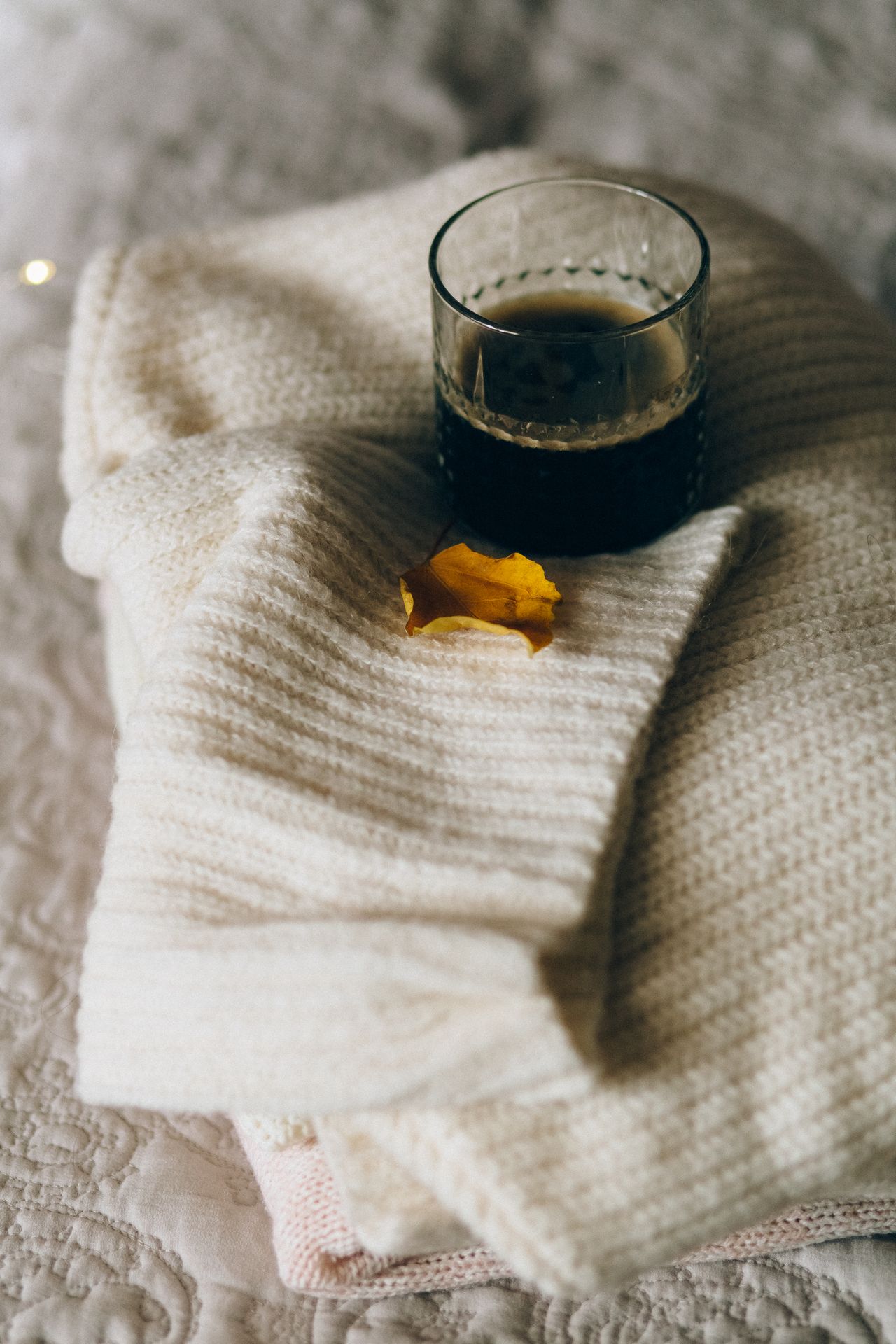
Image: Pexels
Thousands of frugal homeowners swear by the same rule: warm the person, not the space. A heated mattress pad turned on thirty minutes before bed, an electric throw on the couch, or simply a good wool blanket and warm socks lets you keep the thermostat a few degrees lower without feeling it.
If you use a space heater, treat it with respect. Keep three feet of clearance on all sides, plug it straight into the wall outlet, never into an extension cord, choose one with tip-over shutoff, and never leave it running unattended or while you sleep.
6. Let the Oven Do Double Duty

Image: Wikimedia Commons
Cooking dinner a little earlier in the evening puts real heat into your home right when temperatures start dropping. A batch of soup, a roasted chicken, or a loaf of bread warms the kitchen and nearby rooms for hours, and you get dinner out of the deal.
For smaller meals, a slow cooker or toaster oven uses far less energy than a full-size oven. And when the cooking is done, leave the oven door cracked after you turn it off so the leftover warmth drifts into the room instead of staying trapped inside.
7. Lay Rugs Over Bare Floors

Image: Wikimedia Commons
Bare wood, tile, and laminate floors suck heat straight out of your feet and the room. A thick area rug adds a layer of insulation exactly where you feel the cold most, and it makes the whole room feel warmer even at the same thermostat setting.
You do not need wall-to-wall carpet. Focus on the spots where you sit and walk barefoot: beside the bed, in front of the couch, and in the hallway. Thrift stores and end-of-season sales are great places to find sturdy rugs cheap.
8. Flip the Ceiling Fan to Push Warm Air Down
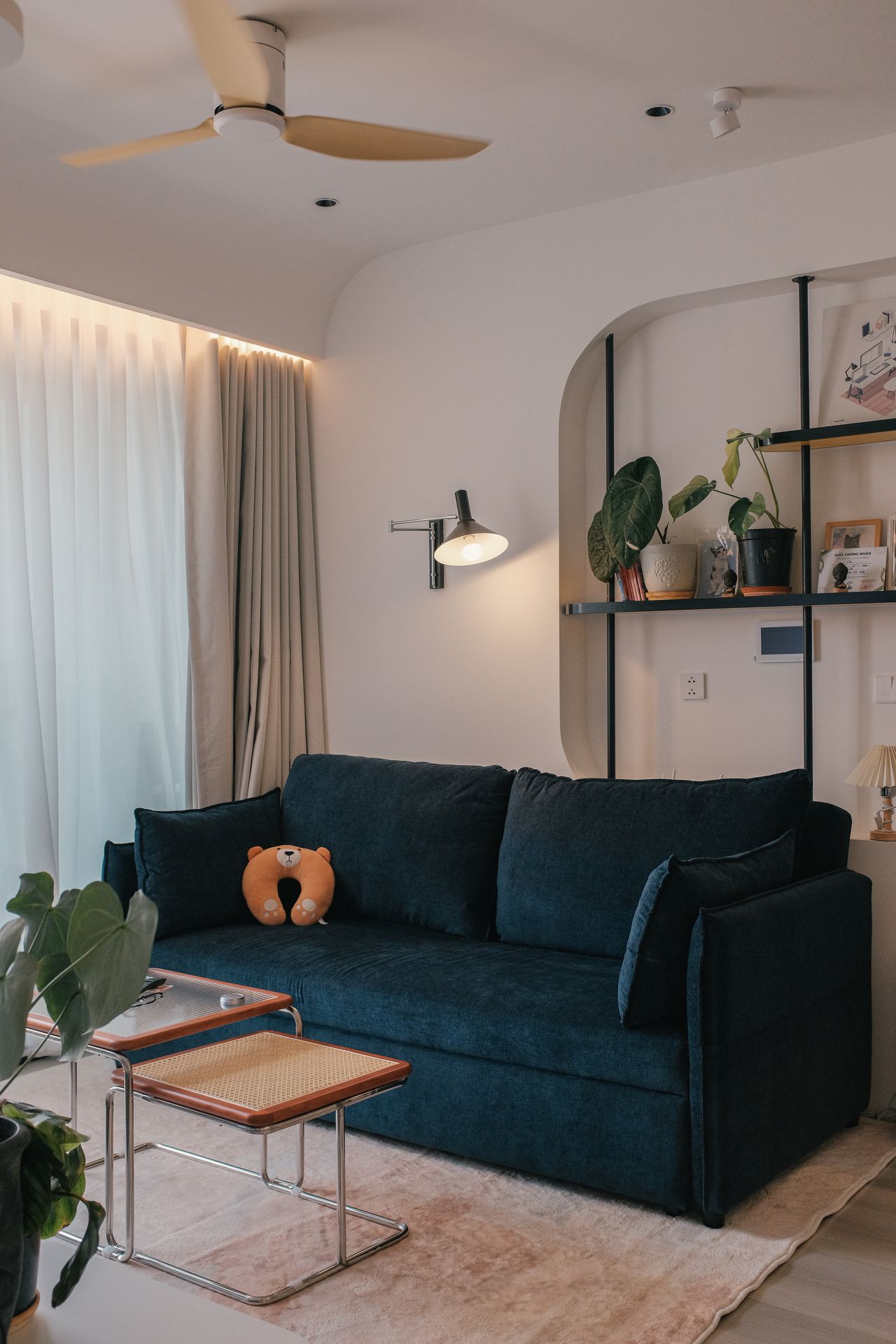
Image: Pexels
Warm air rises, which means the toastiest air in your house is doing nothing useful up by the ceiling. Most ceiling fans have a small reverse switch on the motor housing. Flip it so the fan runs clockwise on low speed, and it gently pushes that trapped warm air back down to where you live.
Run it on the lowest setting so you do not feel a draft, which would defeat the purpose. In summer, flip the switch back to counterclockwise for the cooling breeze. It takes ten seconds twice a year.
9. Shrink-Film Your Draftiest Windows

Image: Wikimedia Commons
If frost blooms on the inside of your windows, that pane is leaking money. A window insulation kit, double-sided tape plus clear shrink film, costs around eight dollars per window and creates a sealed pocket of still air that insulates almost like a storm window.
Apply the tape around the frame, press on the film, and shrink it taut with a hair dryer. The film comes off in spring with no damage, so it is renter-safe. Start with the windiest side of the house, where you will feel the biggest difference.
10. Ask About Energy Assistance Programs
Image: Pexels
No one should have to choose between staying warm and paying the bills. The federal Low Income Home Energy Assistance Program, LIHEAP, helps eligible households with heating costs every winter, and many states run their own versions with similar names.
Your local Area Agency on Aging can point you to LIHEAP, free weatherization help, and utility discount programs in one phone call. Some utilities also offer budget billing that spreads winter costs across the year. Asking for help is not charity; these programs exist exactly for this.
Frequently Asked Questions
What temperature should seniors keep their house in winter?
Keep living areas at 68 to 70°F. Below 65°F, the risk of hypothermia climbs for older adults, so never chase savings past that floor.
Does turning the thermostat down at night really save money?
Yes. Dropping it 7 to 10 degrees for eight hours while you sleep can cut yearly heating costs by about 10 percent, according to Energy Department estimates.
Are space heaters safe for older adults?
They can be, with rules: three feet of clearance, plugged directly into the wall, tip-over shutoff, and never left running unattended or overnight.
What is the cheapest way to insulate drafty windows?
Rope caulk at under five dollars per window, or a shrink-film insulation kit at around eight dollars. Both are removable in spring.
Where can seniors get help with heating bills?
Start with LIHEAP, your state energy assistance office, or your local Area Agency on Aging, which can connect you to several programs at once.
Final Thoughts
Keeping your house warm in winter on a fixed income comes down to stopping the leaks, using the heat you already pay for wisely, and warming yourself as much as the rooms. Seal the drafts, work the curtains and thermostat like a team, and do not be shy about the assistance programs built for exactly this. A warm home is a health essential, not a luxury, so treat it like one. For more seasonal comfort, see our ideas for making your living room cozy for winter.
Sources
- UW-Madison Extension: Energy-Saving Tips Help Older Adults Save Money During Winter Months
- Home Instead: 7 Tips to Keep Older Adults Safe This Winter
- Duke Energy: How to Keep Your Home Warm This Winter Without Driving Up Your Heating Bill
- The Cooldown: Homeowner Cuts Heating Costs With Frugal Winter Tips
- CNHI: Staying Warm This Winter on a Fixed Income
Gallery

Image: Wikimedia Commons

Image: Wikimedia Commons

Image: Wikimedia Commons

No comments:
Post a Comment