Ask any experienced gardener their cheapest trick for healthier plants and most will say the same thing: mulch. A good layer of bark keeps soil moist through dry spells, smothers weeds before they start, and feeds the earth as it slowly breaks down. It is the hardest-working few centimetres in your garden.
This guide covers the three main bark types sold in Canada — pine, cedar, and hardwood — plus exactly how deep to spread, how to mulch trees properly, and how to calculate how many bags you need. No guesswork, just practical numbers.

Photo: Wikimedia Commons
Table of Contents
- 1. What Bark Mulch Actually Does
- 2. Pine Bark: The Affordable All-Rounder
- 3. Cedar Bark: Aromatic and Long-Lasting
- 4. Hardwood Bark: Rich and Moisture-Holding
- 5. How Deep Should You Spread It?
- 6. Mulching Trees the Right Way
- 7. Using Bark in Flower Beds
- 8. Using It in Vegetable Gardens
- 9. Paths and Play Areas
- 10. How Much to Buy: The Bag Math
1. What Bark Mulch Actually Does
Bark mulch is simply the outer bark of trees, shredded or chipped into pieces. Once spread on soil, it does four jobs at once: it blocks sunlight so weed seeds cannot germinate, it slows evaporation so soil stays moist longer, it cushions the soil surface against pounding rain, and it gradually decomposes into humus that feeds soil life.
In Canadian gardens this matters more than you might think. A 7 cm layer can cut watering needs by a third in July and August, and it protects roots from the rapid freeze-thaw cycles of March and April. Unlike stone or rubber mulches, bark improves the soil instead of just sitting on it. That is why it remains the default choice for thoughtful landscape design across the country.

Photo: Wikimedia Commons
2. Pine Bark: The Affordable All-Rounder
Pine bark is usually the cheapest bagged mulch in Canada at $4 to $6 per 42.5-litre bag. It comes as nuggets (chunky, 2 to 5 cm pieces) or shredded fines. The nuggets look tidy and stay put on slopes; the fines knit together into a mat that blocks weeds better but can crust over in heavy rain.
Pine bark is slightly acidic as it breaks down, which suits rhododendrons, blueberries, and evergreens. It decomposes faster than cedar — expect to top up every year or two. One caution: fresh pine bark can temporarily tie up nitrogen at the soil surface, so sprinkle a handful of balanced fertilizer under it when mulching hungry plants like roses.
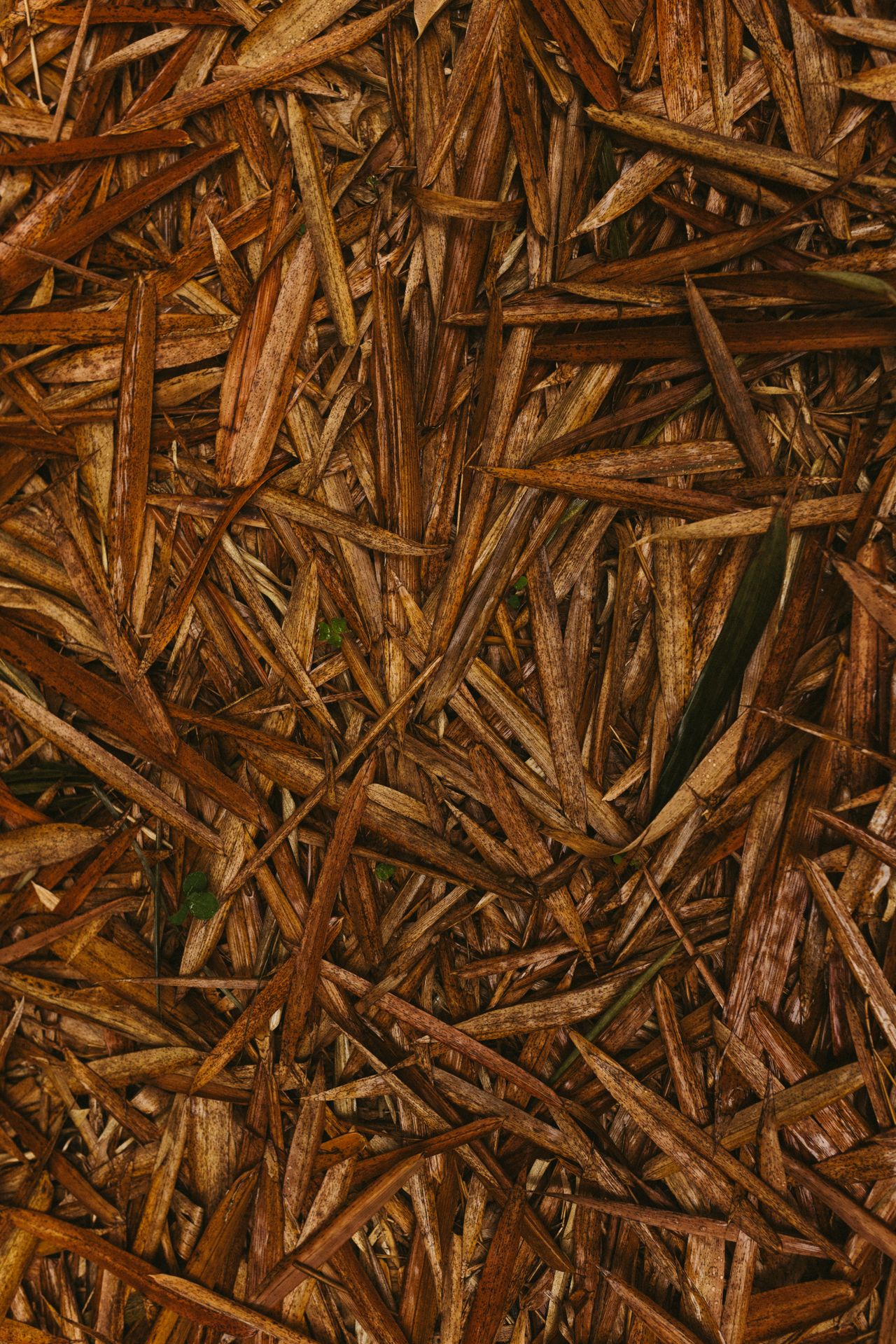
Photo: Pexels
3. Cedar Bark: Aromatic and Long-Lasting
Cedar is the premium pick and the most Canadian of mulches — much of it comes from BC mills. It costs $7 to $10 a bag but lasts two to three years because cedar's natural oils resist decay. The reddish-brown colour is attractive, and the scent when fresh is genuinely lovely.
Those same oils make cedar mildly insect-repellent, which is a bonus around patios. Shredded cedar knits together well and resists washing away on slopes, making it ideal for hillside beds. It is the best choice for high-visibility front beds where you want the mulch to look good for multiple seasons without topping up.
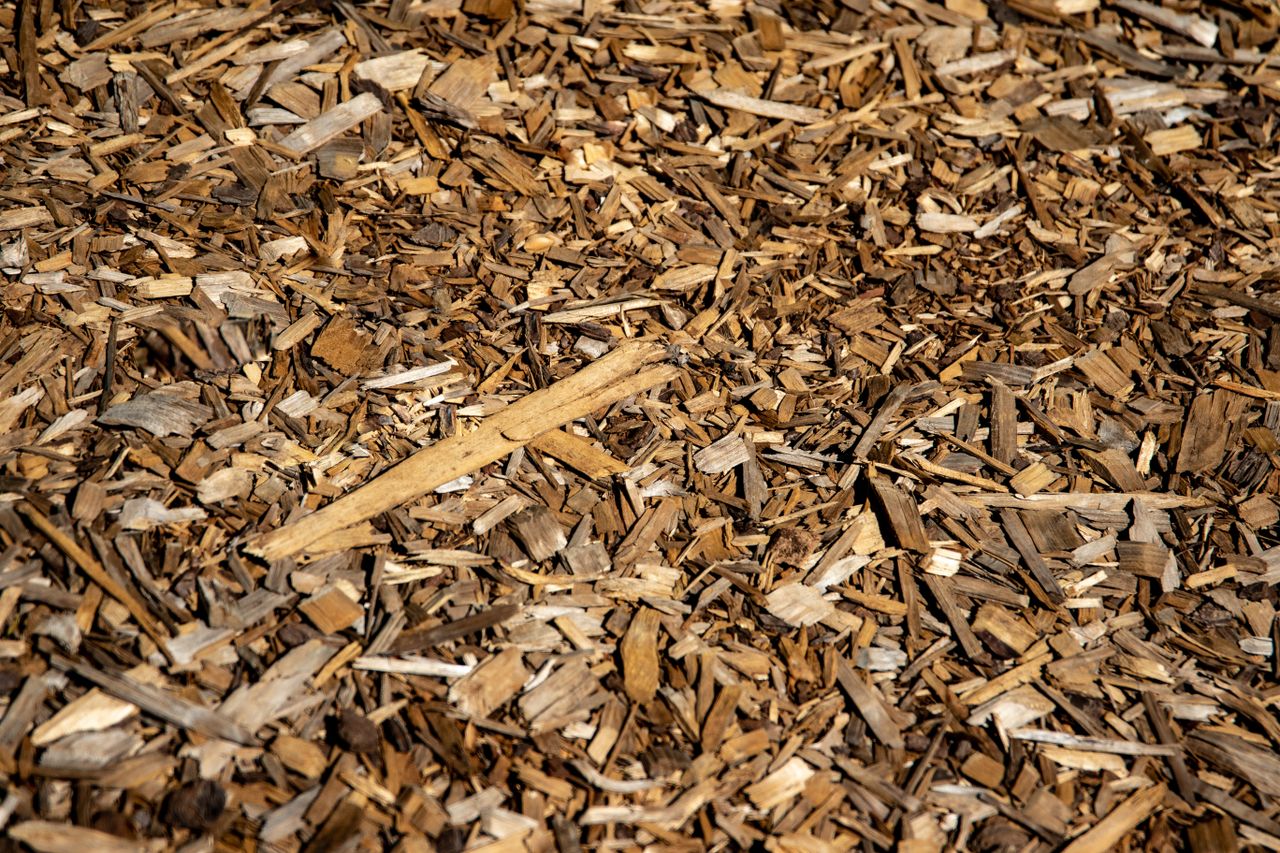
Photo: Pexels
4. Hardwood Bark: Rich and Moisture-Holding
Hardwood bark — usually from maple, oak, or birch — is the dark horse. It holds moisture better than pine, breaks down into rich humus that earthworms love, and its deep brown colour looks natural in woodland-style gardens. Bags run $5 to $8, sitting between pine and cedar on price.
The main drawback is that hardwood decomposes fastest, sometimes within a single season in wet climates like coastal BC. That is not all bad — fast breakdown means fast soil improvement. Just budget for annual top-ups. Avoid hardwood mulch of unknown origin near vegetable gardens, since it can occasionally come from treated wood sources.
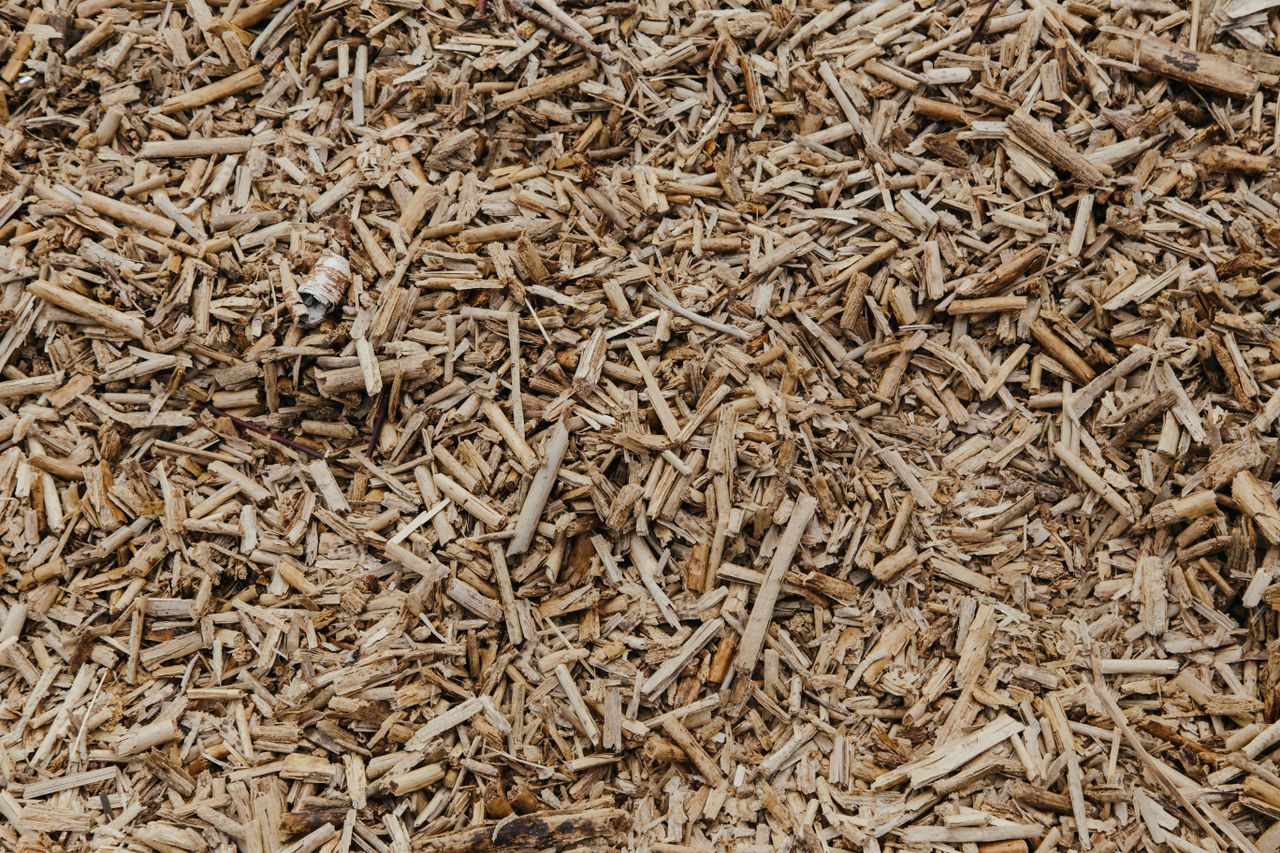
Photo: Pexels
5. How Deep Should You Spread It?
The magic number is 5 to 8 cm. Less than 5 cm and sunlight reaches the soil, letting weeds through. More than 10 cm and you risk suffocating roots and creating a soggy layer where fungi thrive. For most flower beds, 7 cm is the sweet spot — deep enough to work, shallow enough to breathe.
Always pull mulch back 5 to 8 cm from plant stems and tree trunks. Bark piled against stems holds moisture where it causes rot, a problem called collar rot that kills more perennials than winter does. When topping up each spring, rake the old layer first to break any crust, then add just 2 to 3 cm of fresh material.
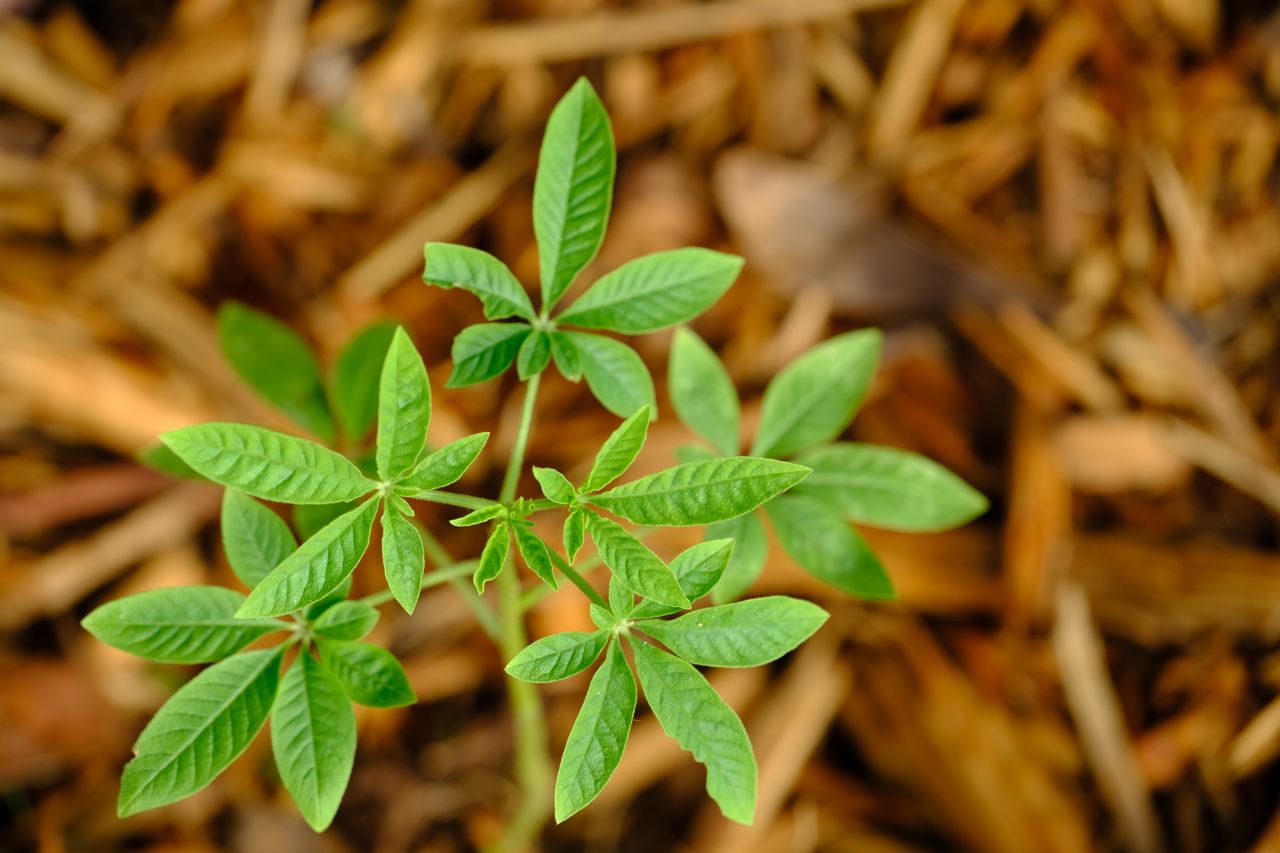
Photo: Pexels
6. Mulching Trees the Right Way
Trees benefit enormously from mulch — it keeps mowers away from bark, conserves moisture, and moderates soil temperature. Make the mulched ring at least 1 metre in diameter for a young tree, wider as it grows. Roots extend far beyond the trunk, so bigger is always better.
The cardinal rule: donut, never volcano. Piling mulch against the trunk traps moisture and invites disease, insects, and girdling roots. Keep a 10 to 15 cm clear gap around the trunk flare, with the mulch 5 to 8 cm deep across the ring. Your tree will establish faster and live longer for this one simple habit.

Photo: Wikimedia Commons
7. Using Bark in Flower Beds
In perennial and annual beds, bark is transformative. It keeps soil from splashing onto flowers during rain — which reduces fungal disease — and it gives beds a finished, professional look. Water the bed deeply before mulching so you lock moisture in rather than sealing dryness out.
For beds you replant each year, shredded bark is easier to work with than chunky nuggets, since you can push transplants through it. Expect to refresh the layer each spring after winter heaving. Pair your mulching routine with flower bed ideas that elevate the whole planting for a garden that looks designed, not just maintained.
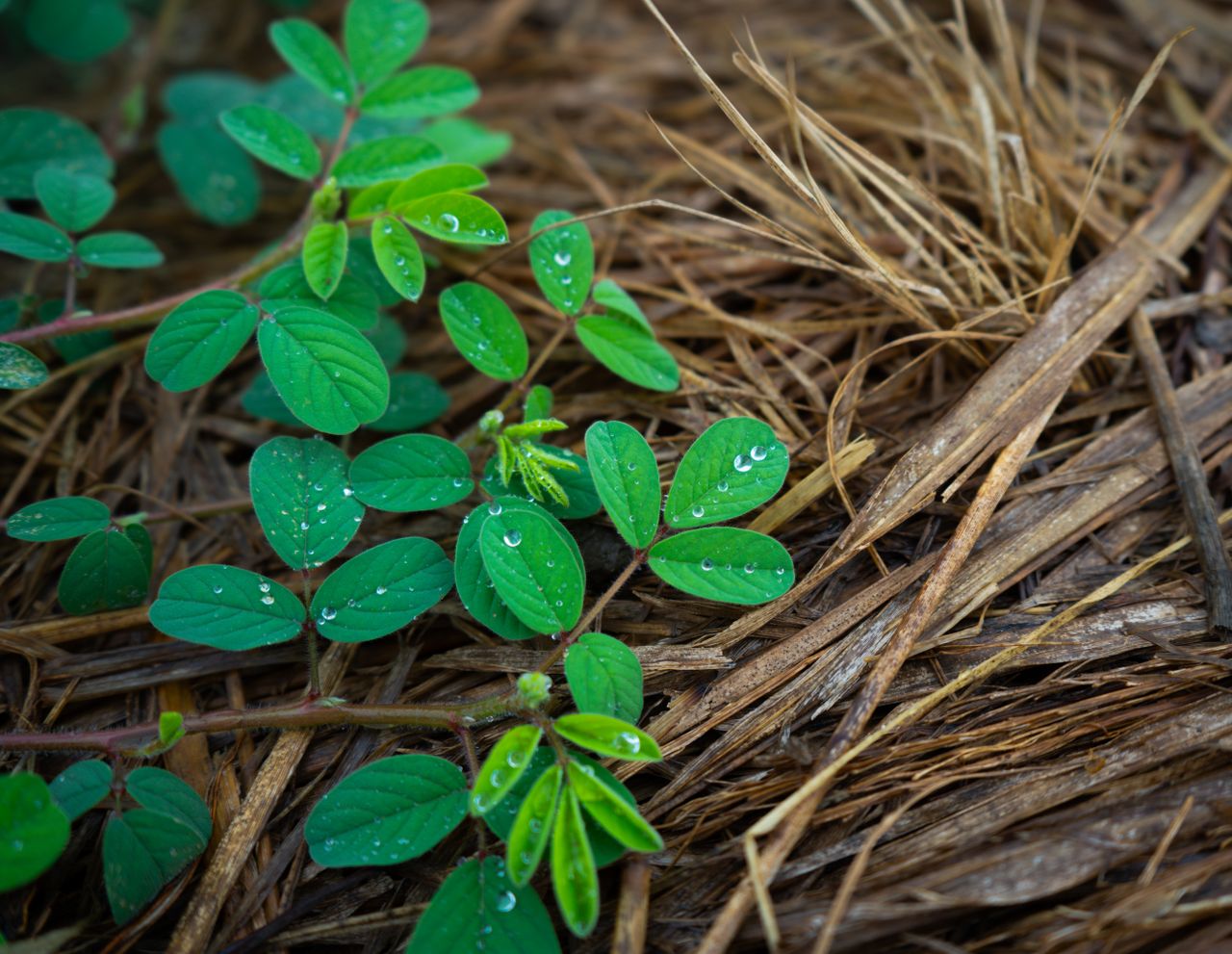
Photo: Pexels
8. Using It in Vegetable Gardens
Mulch works in veggie gardens too, with the right material. Straw is the classic vegetable mulch, but bark fines work well around established tomatoes, peppers, and brassicas. Keep bark away from direct contact with stems and never till it into the soil, where it will rob nitrogen as it decomposes.
One smart approach: mulch the paths between raised beds with bark and the beds themselves with straw or compost. The bark paths stay weed-free and mud-free all season. If you are building new beds, read our raised garden construction guide first, then plan your mulching around the finished layout.

Photo: Wikimedia Commons
9. Paths and Play Areas
Wood chips are the standard surface for playgrounds for good reason — a 20 to 30 cm layer cushions falls far better than grass or bare soil. Use playground-certified chips (not bark nuggets, which can have sharp edges) and top up yearly as they compact. Most municipalities specify engineered wood fibre for public playgrounds.
For garden paths, bark is comfortable, quiet, and cheap. Lay it 8 to 10 cm deep over cardboard to smother weeds first, and expect to refresh every two years. On slopes, shredded bark holds better than chips. Edge paths with a simple trench or boards to keep the material from migrating onto the lawn.

Photo: Wikimedia Commons
10. How Much to Buy: The Bag Math
Here is the formula: length × width × depth gives cubic metres. A bed 3 m × 2 m at 0.07 m deep needs 0.42 cubic metres. A standard 42.5-litre bag is 0.0425 cubic metres, so that bed needs 10 bags. Round up — it is better to have one spare bag than to run short mid-job.
For beds over 10 square metres, bulk is far cheaper. A cubic yard (0.76 cubic metres, about 18 bags) costs $35 to $60 delivered in most Canadian cities, versus $90 to $150 in bags. Many yards let you pick up with a trailer for less. And remember winter protection: a fresh autumn layer also insulates roots through freeze-thaw.

Photo: Wikimedia Commons
FAQs
Will bark attract termites to my house?
Termites prefer buried wood in contact with soil near foundations. Keep mulch 15 cm away from siding and below the siding line, and termite risk is negligible. Cedar mulch is naturally more resistant.
Can I make my own bark from tree pruning?
Yes, if you have a chipper. Fresh chips should age in a pile for 2 to 3 months before use, turning occasionally. Never use black walnut chips — they contain juglone, which harms many plants.
Does mulch change soil pH?
Pine bark is mildly acidic but the effect on soil pH is small and temporary. Hardwood and cedar are roughly neutral. No bark will meaningfully change your soil pH in one season.
Should I remove old mulch before adding new?
Usually not. Rake it to fluff and break crust, then top up with 2 to 3 cm. Only remove old mulch if it is matted, mouldy, or more than 10 cm deep.
When is the best time to mulch in Canada?
Late spring after soil warms (mid-May to June in most regions) is ideal. A second application in October protects roots through winter. Avoid mulching waterlogged spring soil.
Final Thoughts
Bark is the rare garden product that is cheap, natural, and genuinely effective. Choose pine for value, cedar for longevity, hardwood for soil-building — then spread it 7 cm deep, keep it off stems, and enjoy the difference. Your plants, your water bill, and your weekends will all benefit.
Sources
- Wikipedia — Mulch
- University of Minnesota Extension — Mulching Trees and Shrubs
- Garden Myths — Robert Pavlis
Gallery

Photo: Wikimedia Commons
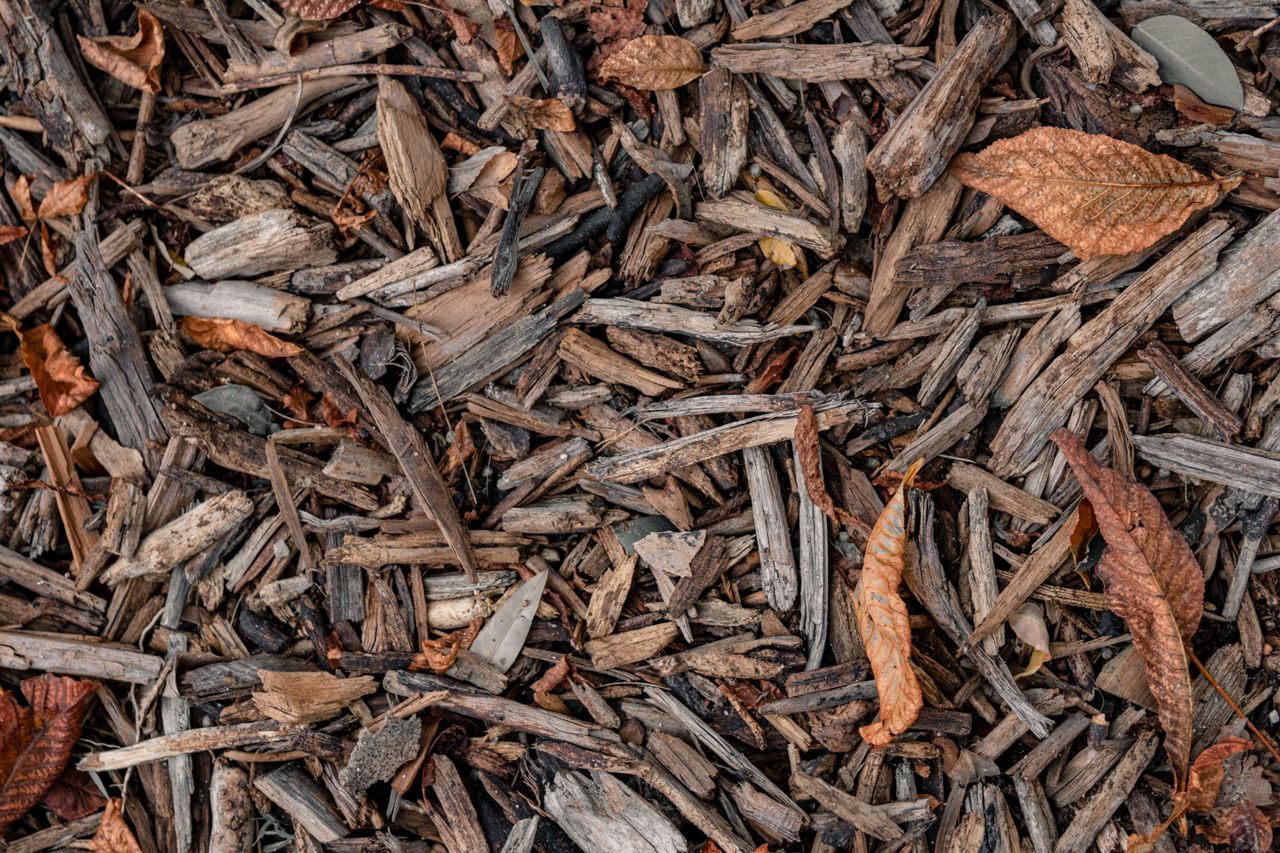
Photo: Pexels

Photo: Wikimedia Commons

No comments:
Post a Comment