Few materials say "home" like brick around a fireplace. It holds heat, ages gracefully, and works with everything from farmhouse to modern. But not all fireside brick is the same — the bricks inside the firebox are a different product from the ones on the face, and each finish from paint to limewash behaves differently.
This guide walks through the types, finishes, and care that matter for Canadian homes. Whether you are restoring a century home in Toronto or updating a builder-basic fireplace in Calgary, you will find practical measurements, costs, and techniques here.
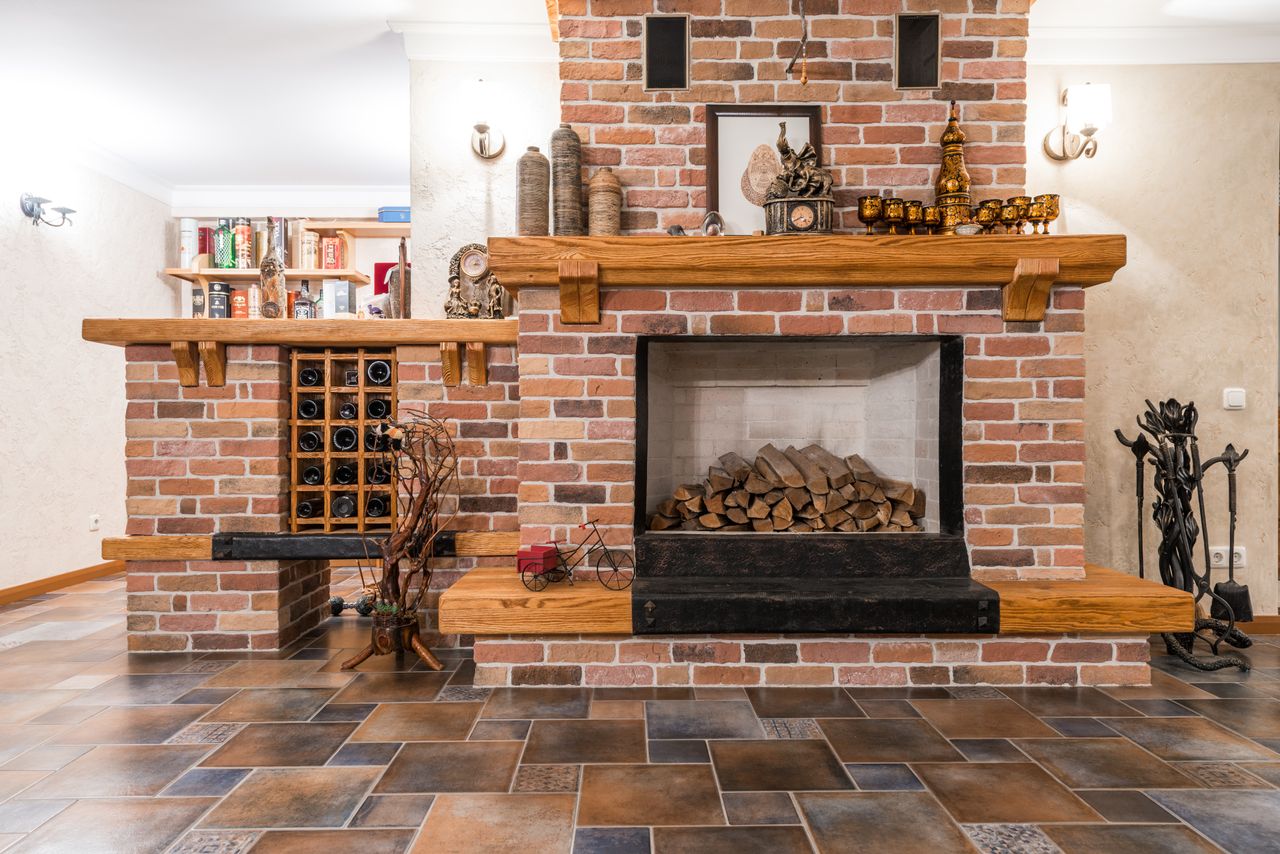
Photo: Pexels
Table of Contents
- 1. Firebrick vs Face Brick: Know the Difference
- 2. Classic Red Clay Brick
- 3. Painted Brick Fireplaces
- 4. Whitewash and Limewash
- 5. Dark Stains and Smoked Finishes
- 6. Thin Brick Veneer
- 7. Pairing Brick with a Wood Mantel
- 8. Hearth Extensions
- 9. Mortar Colour Matters
- 10. Cleaning and Sealing Brick
1. Firebrick vs Face Brick: Know the Difference
The bricks you see on the outside of a fireplace are face brick — chosen for looks. The bricks lining the inside of the firebox are firebrick, a dense refractory product that withstands temperatures above 1,400°C without cracking. Regular clay brick would spall and crumble under direct flame within a season or two.
If you are building or relining, firebrick costs about $4 to $7 per brick in Canada, and a standard firebox needs 40 to 60 of them laid in refractory mortar, not regular mortar. Never paint the inside of a firebox — paint cannot survive the heat and the fumes are dangerous. Leave firebrick its natural buff colour.
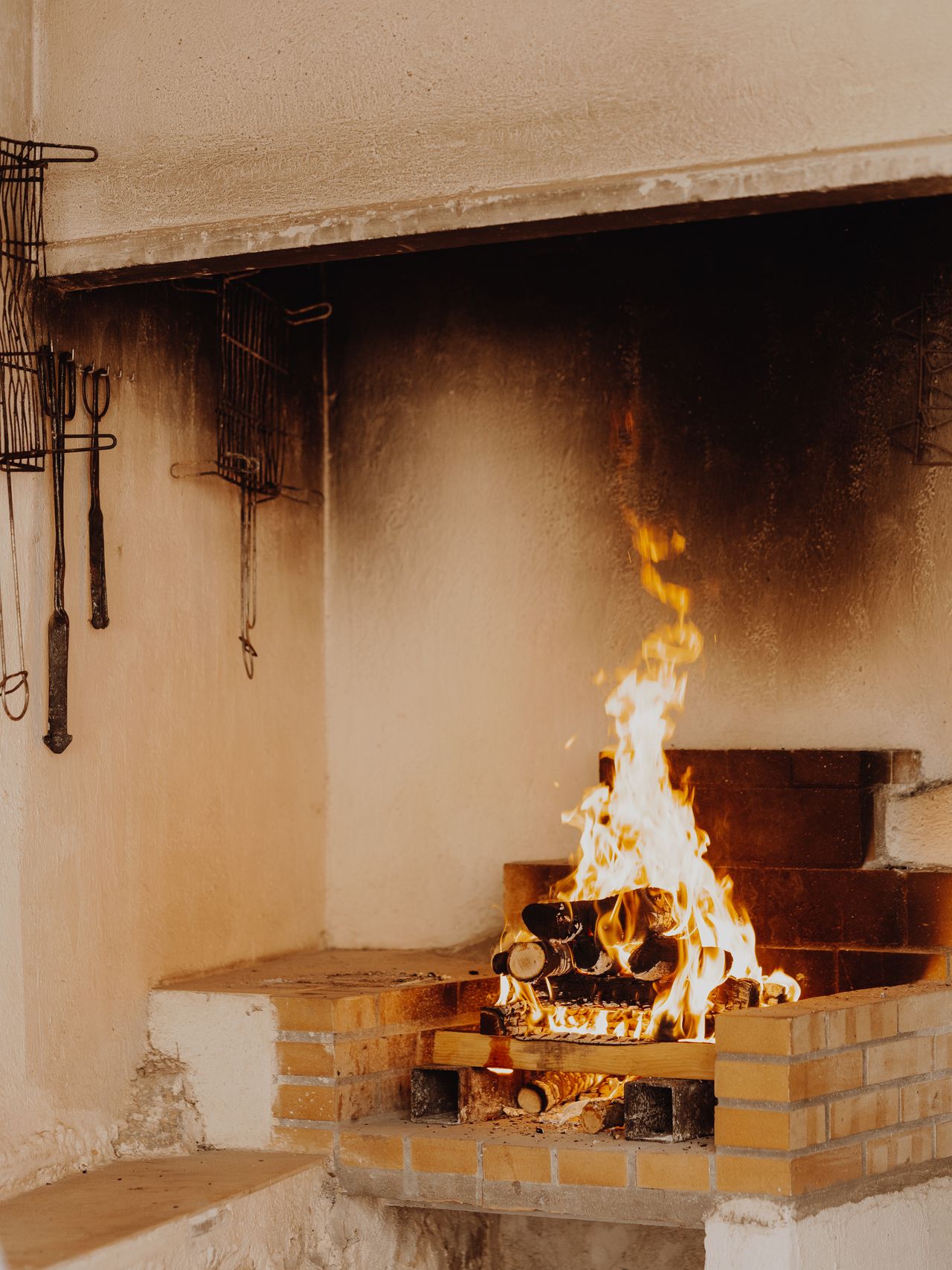
Photo: Pexels
2. Classic Red Clay Brick
Red clay brick is the timeless choice, and it suits Canadian homes from Victorian semis to suburban family rooms. The warm reds and oranges come from iron in the clay firing to different tones. Look for brick with subtle variation rather than a flat uniform red — variation reads as authentic, uniformity reads as new.
A full brick fireplace surround uses standard 57 × 90 × 190 mm bricks at roughly $0.80 to $1.50 each, plus mortar and labour. If your existing red brick feels too orange or too dark, remember that mortar colour and lighting change the read dramatically — try a new mantel or lighter mortar before committing to paint. See our open fireplace ideas for living rooms for styling that lets red brick shine.
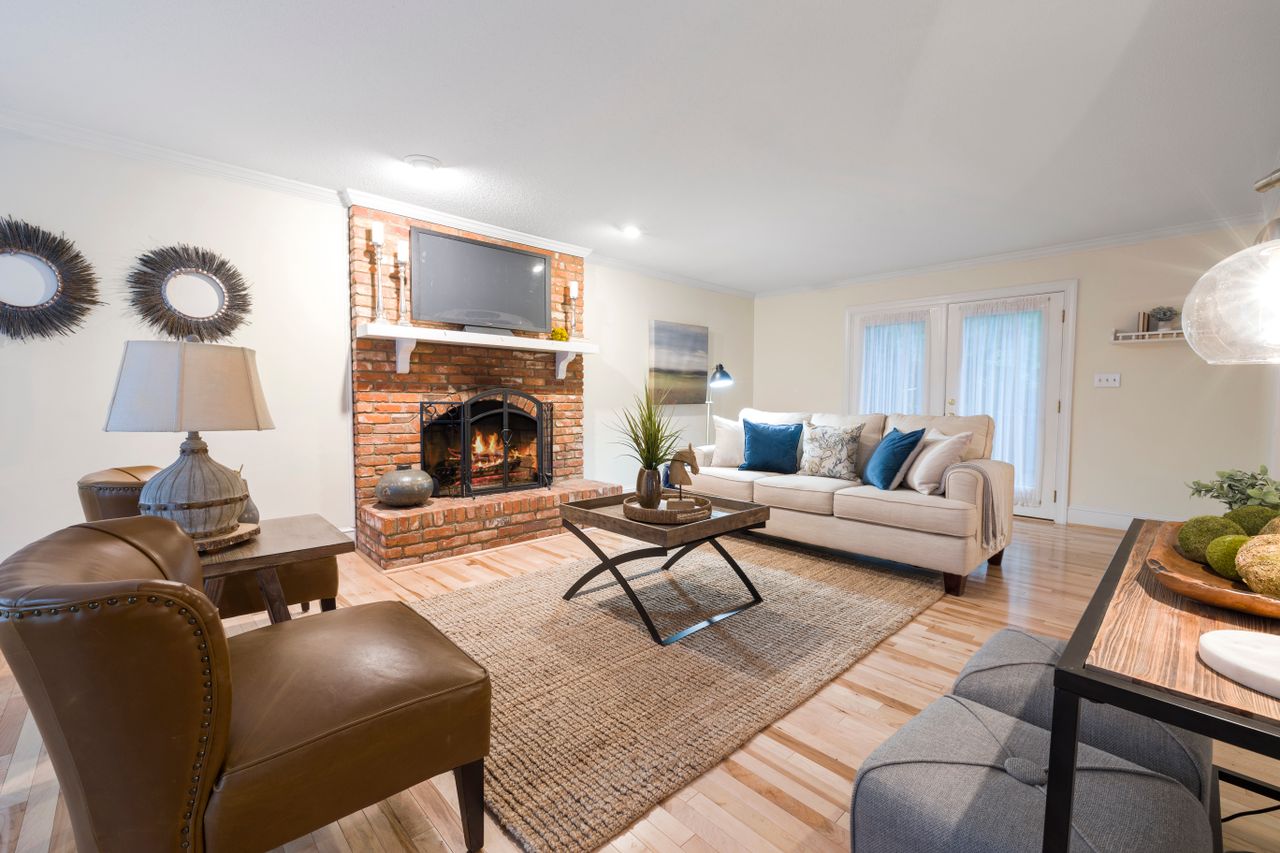
Photo: Pexels
3. Painted Brick Fireplaces
Painting brick is the fastest way to modernize a dated fireplace, and white or soft black are the most popular choices in Canada. Use a mineral-based masonry paint or a high-quality latex primer followed by latex topcoat — standard wall paint peels off brick within a year because brick breathes and moves moisture.
Preparation is everything. Scrub the brick with a wire brush and TSP substitute, rinse, and let it dry for at least 48 hours. Apply two thin coats rather than one thick one, working the paint into the mortar joints with a brush. Expect to use 4 litres for an average fireplace surround, costing $60 to $100 in materials. The job is reversible only by more paint, so be sure.
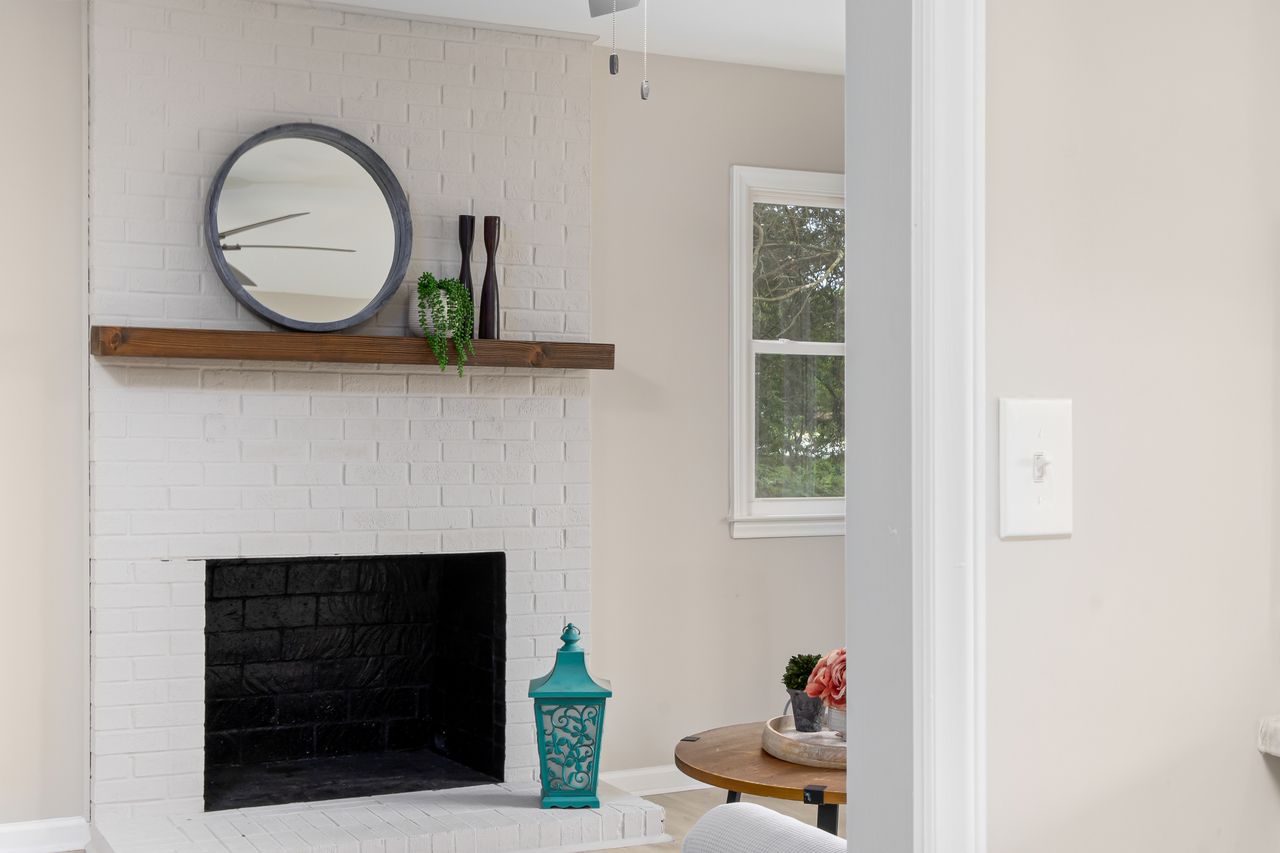
Photo: Pexels
4. Whitewash and Limewash
If full paint feels too flat, whitewash lets the brick texture show through. Mix white latex paint 50/50 with water, brush it on, then wipe back with a rag before it dries. The result is a soft, cloudy finish that lightens red brick without hiding it completely. It is very forgiving for beginners.
True limewash — slaked lime mixed with water — is the old-world version. It calcifies into the brick surface, is naturally antibacterial, and can be washed off with vinegar if you change your mind within the first few days. A 10 kg bag of lime costs about $20 and covers several fireplaces. Both finishes suit the winter mantel decor looks popular across Canada.

Photo: Wikimedia Commons
5. Dark Stains and Smoked Finishes
On the other end of the spectrum, staining brick charcoal or deep brown gives a moody, modern look that hides soot and ages well. Use a masonry stain rather than paint — stain soaks into the brick instead of sitting on top, so it will not peel and it keeps the texture visible.
Dark finishes absorb light, so they work best in rooms with good natural light or strong lamps. In a small north-facing room, a black fireplace can feel heavy; in a bright open-plan space, it anchors the room beautifully. Test a 30 cm square section first and live with it for a week before committing — dark is dramatic and hard to undo.
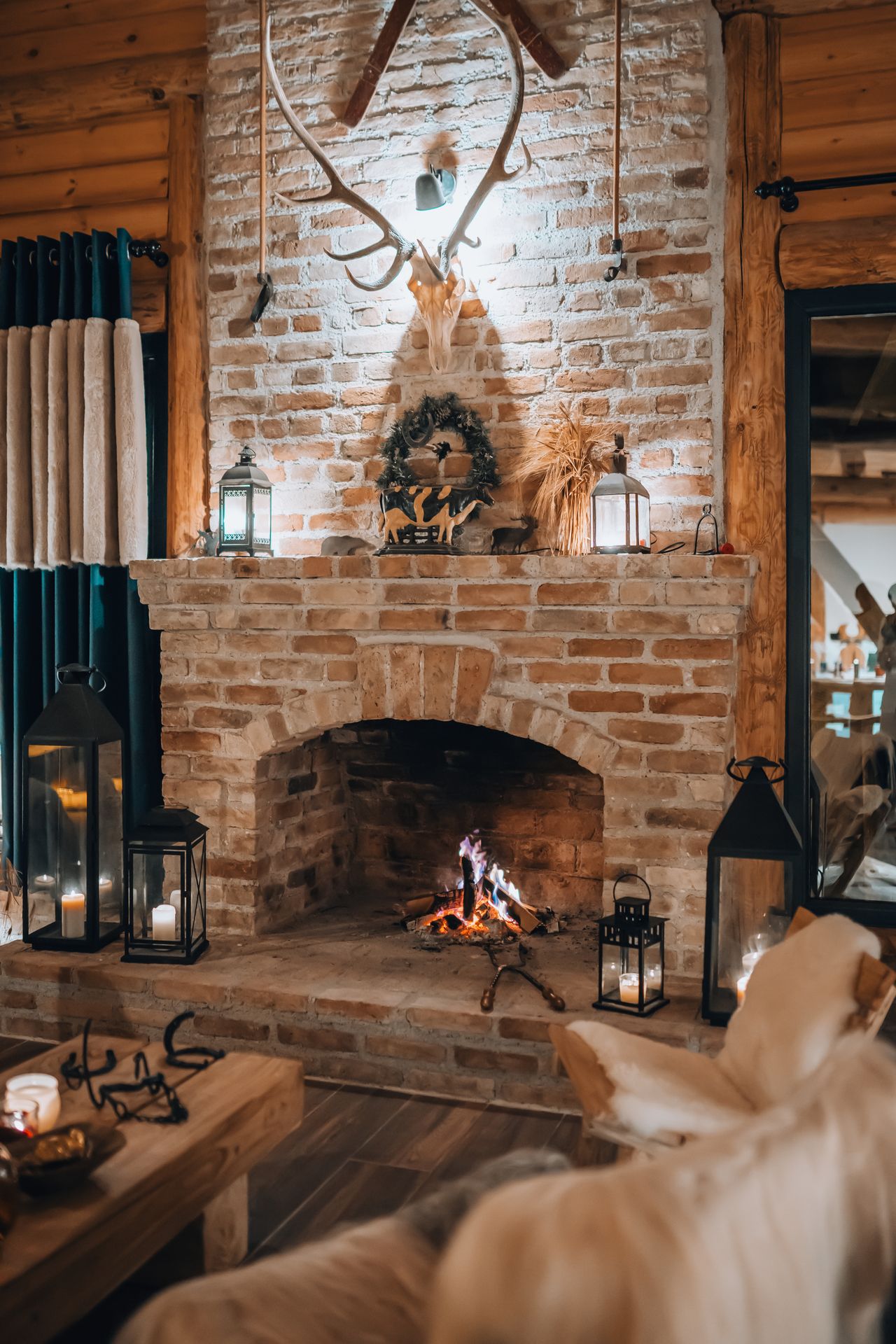
Photo: Pexels
6. Thin Brick Veneer
Love the brick look but have a drywall fireplace? Thin brick veneer — real clay brick sliced 15 to 20 mm thick — installs like tile with mortar or adhesive. It weighs a fraction of full brick, so no structural reinforcement is needed, and from 2 metres away it is indistinguishable from the real thing.
Expect to pay $12 to $20 per square foot for materials in Canada, plus adhesive and grout. A typical fireplace face of 3 square metres runs $400 to $650 in veneer. Cut pieces with a wet tile saw, keep joints at 10 mm to match traditional brickwork, and seal with a matte masonry sealer when done. It is a weekend project for a confident DIYer.
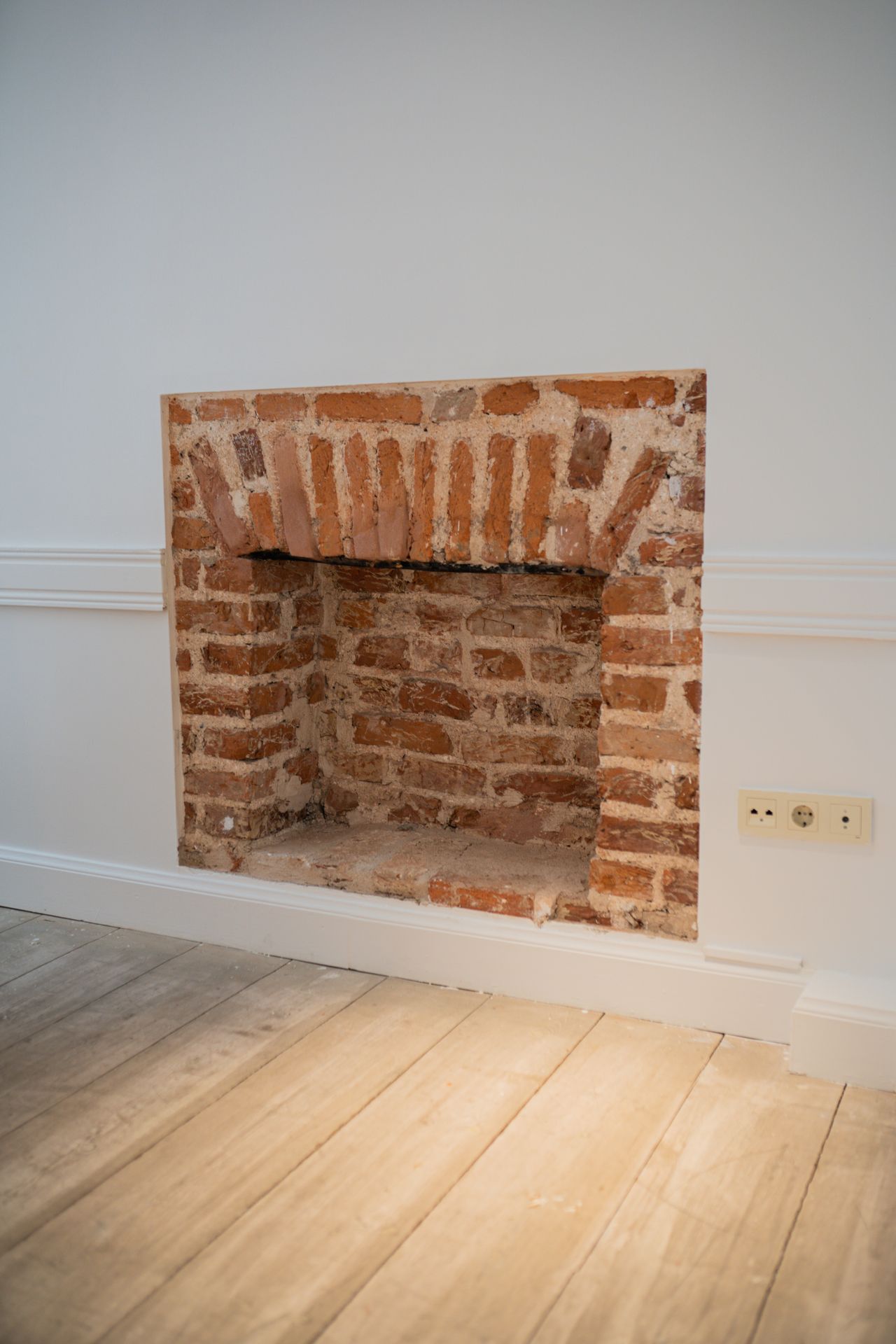
Photo: Pexels
7. Pairing Brick with a Wood Mantel
A chunky wood mantel is brick's best friend. The warm wood softens the hard masonry and gives you a shelf for decor. For a standard fireplace, a mantel beam 15 to 20 cm deep and 10 to 15 cm tall looks proportional; length should exceed the firebox opening by at least 30 cm on each side.
Reclaimed barn beam is the classic choice in Canada and runs $150 to $400 depending on length. Mount it with a hidden steel bracket or lag bolts into studs — a solid beam can weigh 30 kg. Keep the mantel at least 30 cm above the firebox opening to meet clearance codes, and check out fall mantel decorating ideas once it is up.
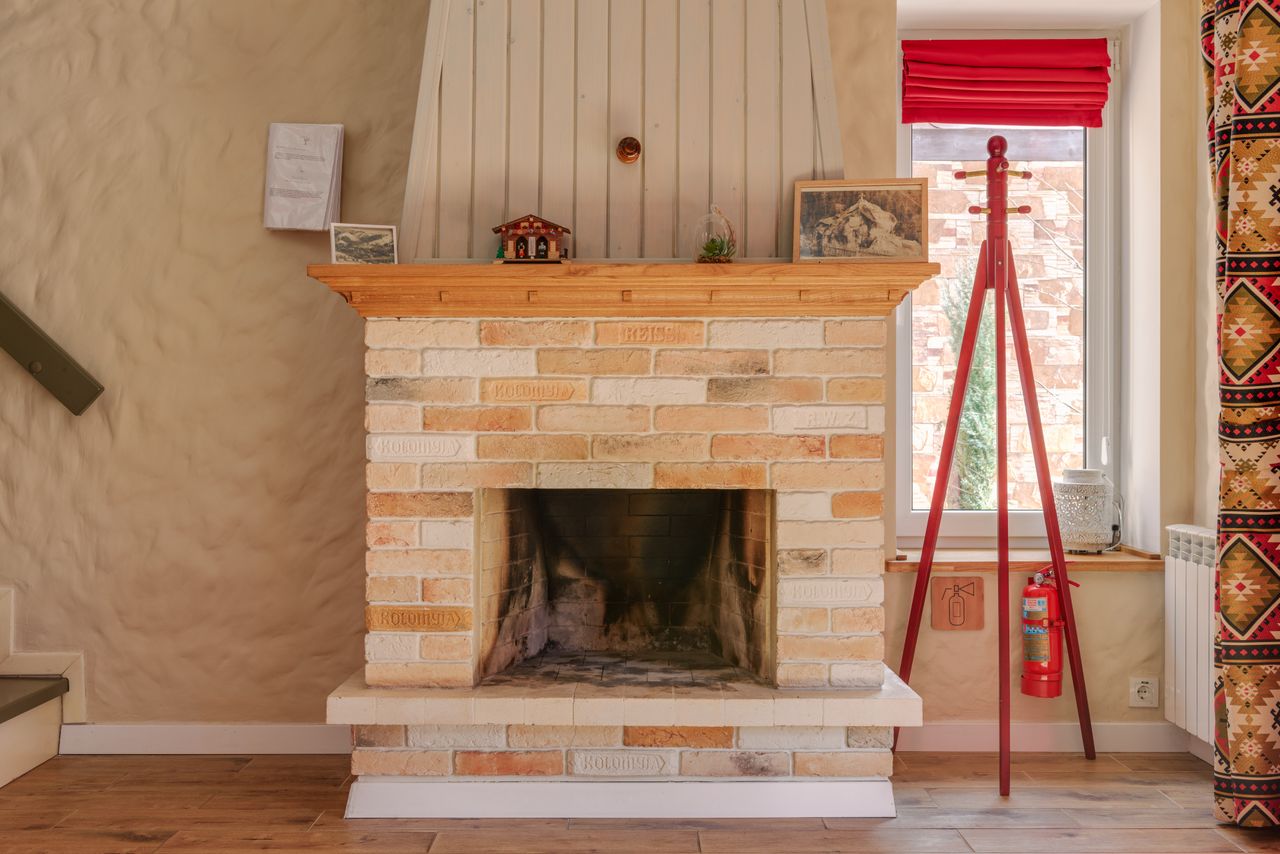
Photo: Pexels
8. Hearth Extensions
The hearth — the brick or stone pad in front of the firebox — is both safety equipment and design opportunity. Building code in Canada requires a non-combustible hearth extending at least 40 cm in front of the opening and 20 cm to each side for smaller fireplaces. It catches sparks and protects flooring.
Many homeowners extend the hearth into a full raised platform 20 to 30 cm high, which doubles as extra seating and a display ledge. Brick hearths can be laid over a concrete base; allow the mortar to cure 7 days before building a fire. If your hearth brick is stained, a poultice of baking soda and water left overnight lifts most soot marks.

Photo: Wikimedia Commons
9. Mortar Colour Matters
Mortar makes up about 20 percent of a brick wall's visible surface, yet most people ignore it. Standard grey mortar gives a traditional look; white or light mortar brightens red brick and suits farmhouse styles; dark mortar creates a dramatic, modern grid that makes each brick pop.
If you are repointing, a 10 kg bag of mortar mix costs about $12 and covers roughly 2 square metres of joints. Rake out loose mortar to 15 mm deep, dampen the joints, and press in fresh mortar with a pointing trowel. For a purely cosmetic change, mortar tint applied with a small brush can shift the colour without full repointing — tedious but effective on a single fireplace.
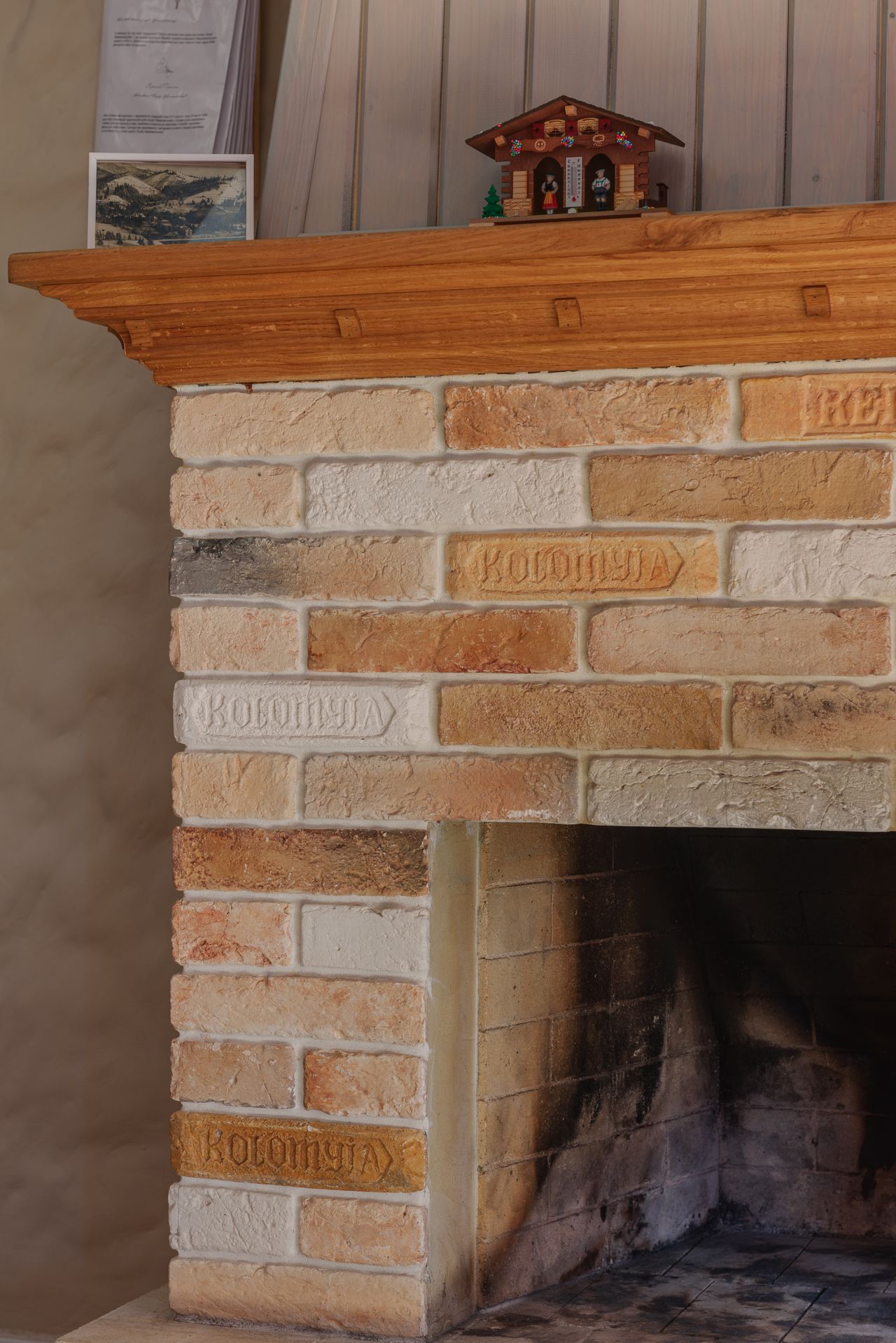
Photo: Pexels
10. Cleaning and Sealing Brick
Soot and dust dull brick over time. For routine cleaning, vacuum with a brush attachment, then scrub with warm water and a stiff brush — no soap needed for light soil. For soot stains, make a paste of cream of tartar and water, apply for 10 minutes, then scrub off. Avoid muriatic acid indoors; the fumes are harsh and it can etch the brick.
Sealing is optional but smart in homes with kids or pets. A penetrating silane-siloxane sealer soaks in without changing the look and makes future cleaning easier — about $40 per litre, covering 8 to 10 square metres. Skip film-forming sealers that leave a glossy coat; they yellow and peel. Reseal every 5 to 7 years.

Photo: Wikimedia Commons
FAQs
Can I paint the inside of my firebox?
No. The firebox lining must be firebrick in refractory mortar, and no paint survives those temperatures. Paint fumes in a firebox are also a health hazard. Only the outer face brick should ever be painted.
How much does it cost to reface a fireplace with thin brick?
Materials run $400 to $650 for a typical 3-square-metre face in Canada. Professional installation adds $800 to $1,500. DIY with adhesive veneer is very doable over a weekend.
Will painted brick peel?
It will if you use the wrong paint or skip prep. Mineral masonry paint or proper primer plus latex, applied to clean dry brick in two thin coats, lasts many years. Thick single coats and damp brick are the main causes of peeling.
Is whitewash permanent?
Paint-based whitewash is effectively permanent. True limewash can be removed with vinegar and scrubbing within the first few days, but after it carbonates — about a month — it is there to stay.
Do I need a permit to change my fireplace facing?
Cosmetic changes like paint, whitewash, or veneer over an existing sound fireplace generally do not need a permit. Any change to the firebox, flue, or clearances does — check with your municipality before starting.
Final Thoughts
Brick is one of the few fireplace materials that looks better with age, and it forgives a lot of decorating mistakes. Whether you keep the classic red, soften it with whitewash, or go bold with a dark stain, the key is respecting what fireside brick needs: the right product in the firebox, proper prep before paint, and gentle cleaning after. Get those right and your fireplace will outlast every trend.
Sources
- Wikipedia — Fire Brick
- Family Handyman — How to Whitewash Brick
- National Fire Protection Association
Gallery

Photo: Wikimedia Commons
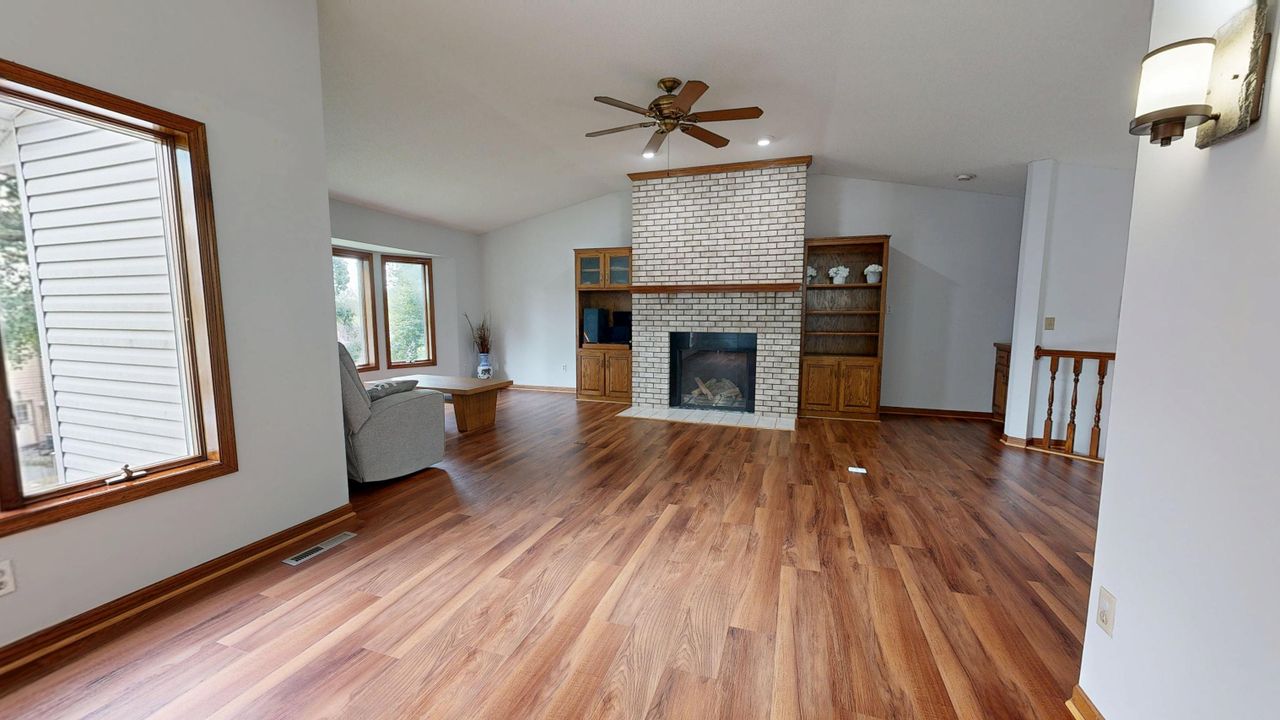
Photo: Pexels
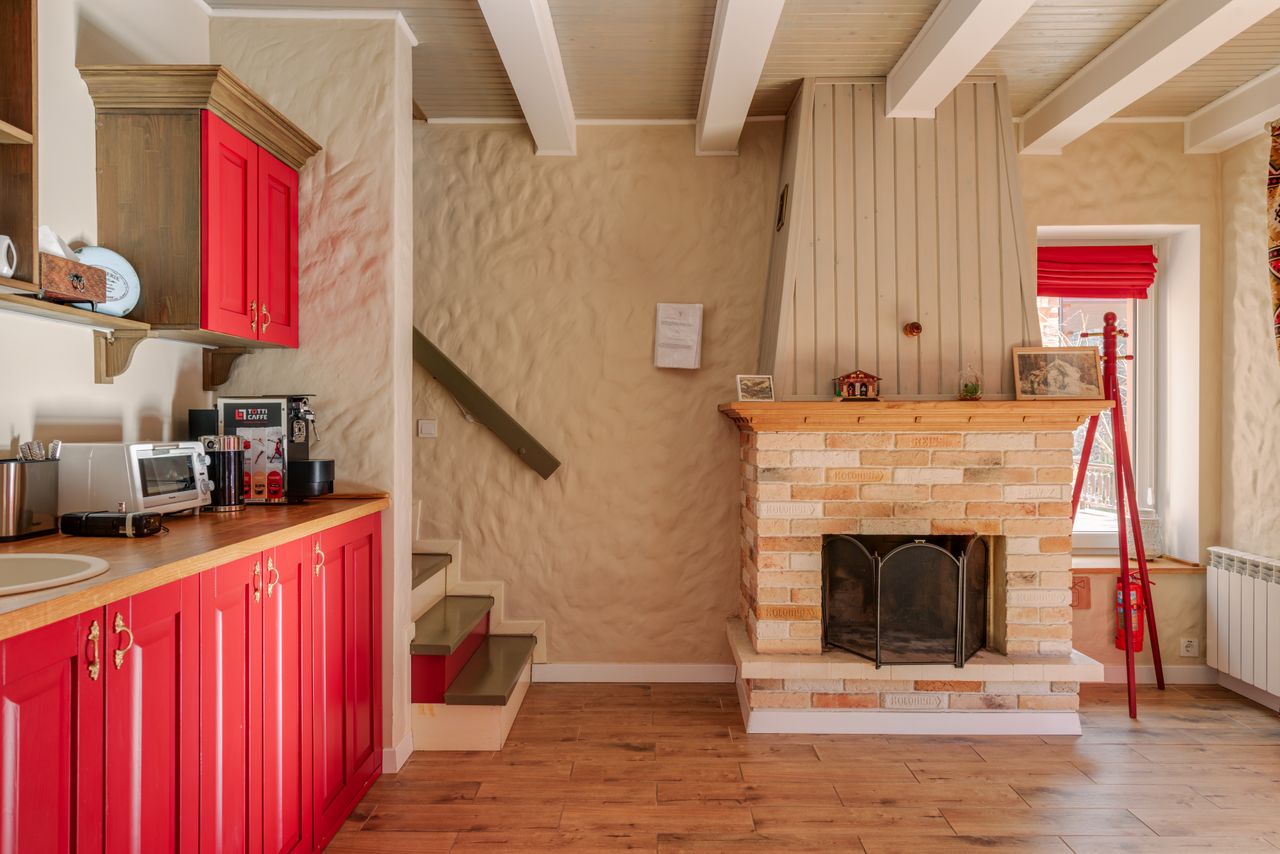
Photo: Pexels

No comments:
Post a Comment