A small bathroom fixture can make a big difference to how easy a room is to use every day, and this guide starts with the simplest choice of all: a white toilet roll holder for an Australian home. White works because it blends with almost every toilet suite, tile and vanity sold in Australia, so the holder quietly disappears into the room instead of fighting with chrome taps, timber vanities or patterned tiles. It also suits rentals, new builds and older homes alike, because white reads as clean and fresh rather than as a fashion statement that will date quickly.
Below you will find ten practical ideas, from a classic wall-mounted holder to a freestanding stand, a timber rack and a double holder for a busy family bathroom. Each idea explains who it suits, what to check before you buy, and how to place it so you can reach the paper without twisting, stretching or knocking the holder with your knee. Prices are in Australian dollars, measurements are in centimetres, and every option includes a renter-friendly alternative where one exists.

Table of Contents
- 1. The Classic White Wall Holder
- 2. The Simple Open-Arm Holder
- 3. The Freestanding Stand for Renters
- 4. The Timber Stand with Spare Rolls
- 5. The Covered Holder for a Tidy Look
- 6. The Door-Mounted Holder for Tiny Bathrooms
- 7. The Basket for Spare Rolls
- 8. The Double Holder for Family Bathrooms
- 9. The Bulk Spare-Roll Store
- 10. Getting the Height and Position Right
- FAQs
- Final Thoughts
- Sources
1. The Classic White Wall Holder
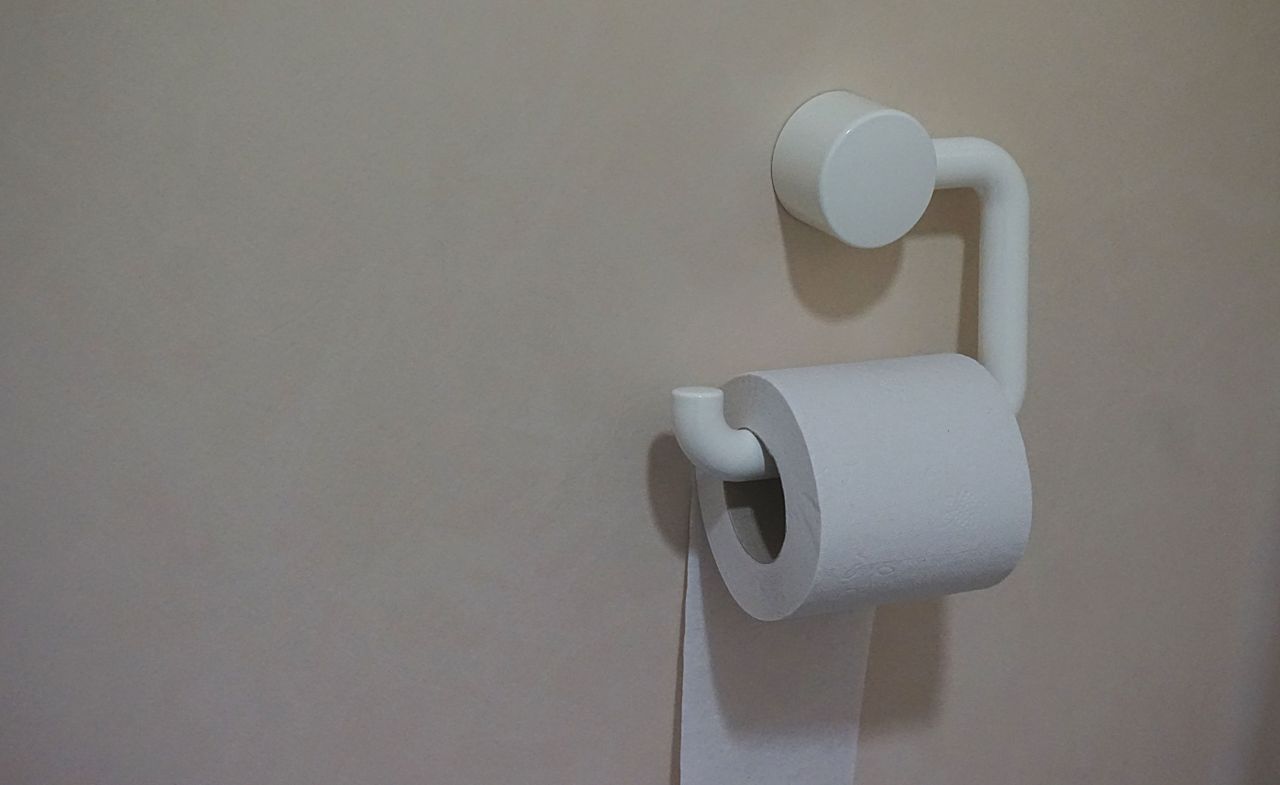
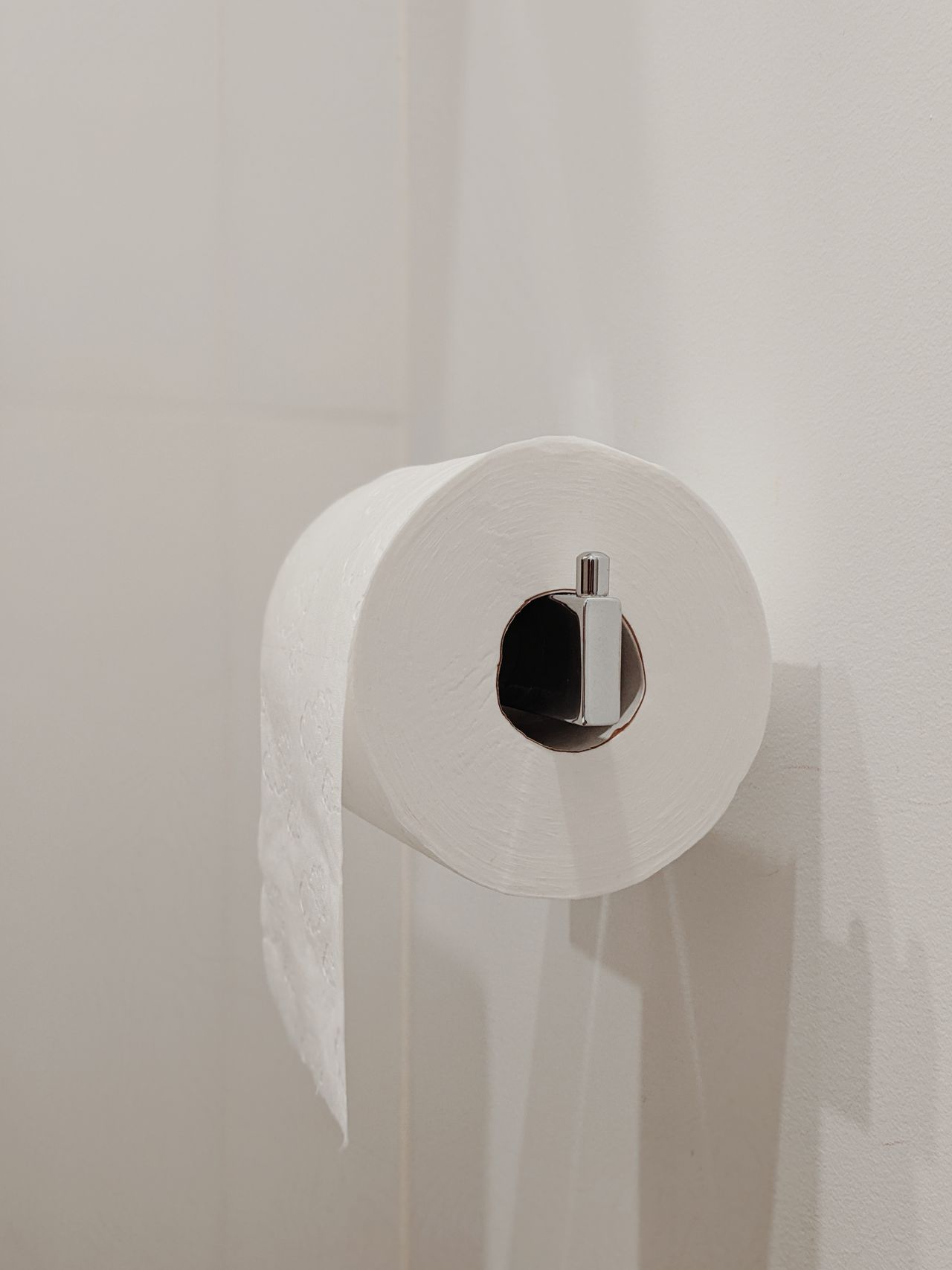
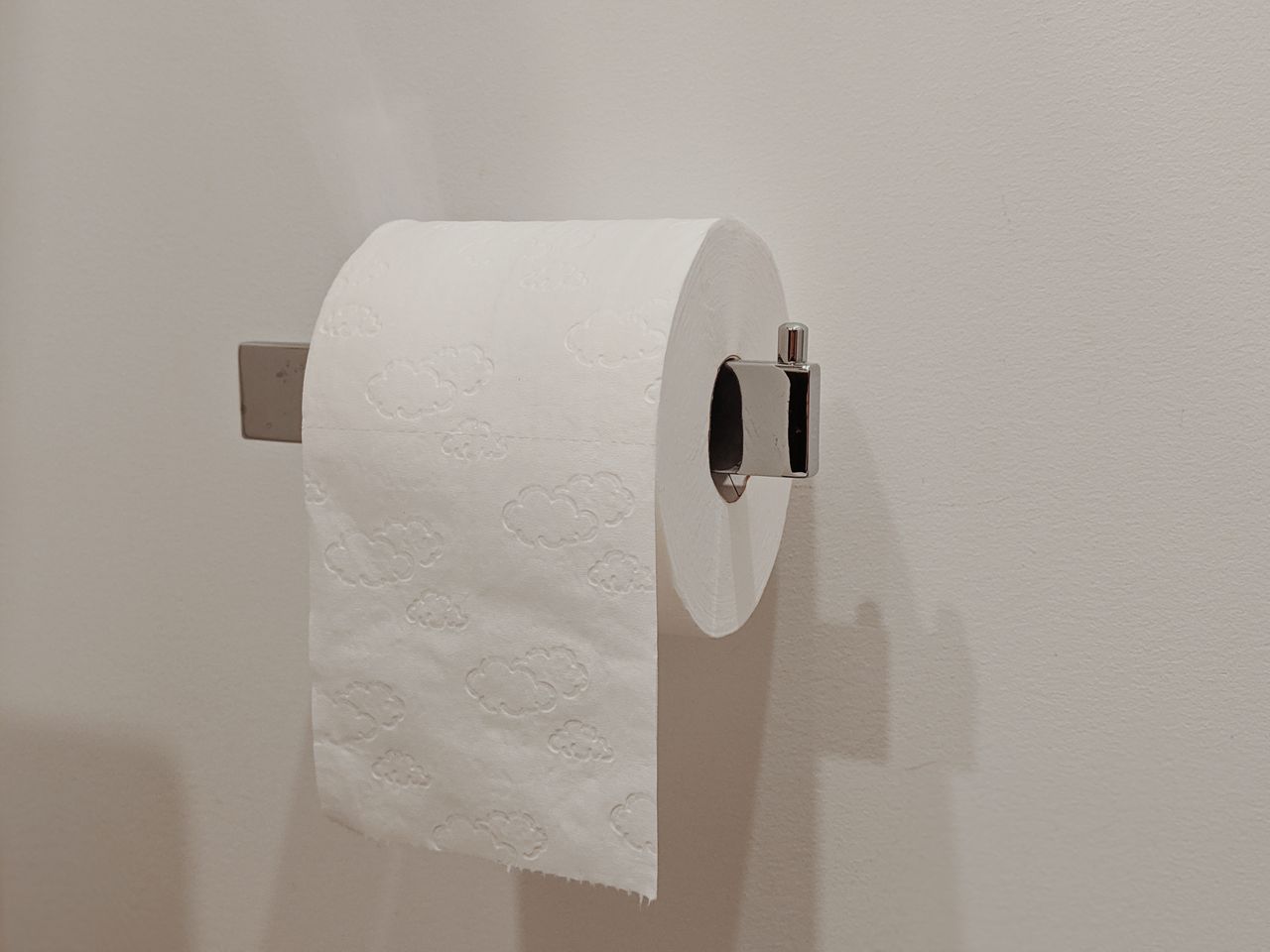
The classic white wall holder is the safest starting point, and it is the style most Australian bathrooms already have in some form. A short arm fixes to the wall, the roll slides on, and a small end stop keeps it in place. Because the fitting is white, it sits calmly against painted plaster, white tiles or a pale stone-look wall, and it does not demand matching tapware in the same finish. Budget versions start at around $15 to $25 AUD, while a solid powder-coated metal version with a proper wall plate usually costs $30 to $60 AUD and feels far more secure when you tear the paper.
Choose a holder with a spring-loaded or lift-off arm if you change rolls often, because a fixed spindle can be fiddly for children and older hands. Before you drill, sit on the toilet and reach to your side with a relaxed arm: the spot where your hand naturally lands is a better guide than any diagram. If you are renting, the same look is available with a strong adhesive mount, but check the weight rating and the wall surface first, since adhesive pads grip painted plaster far better than they grip textured tiles or a dusty surface.
2. The Simple Open-Arm Holder

An open-arm holder, sometimes called a hook or pivot holder, holds the roll on a curved arm with no end cap to unscrew. Changing the roll takes seconds: you lift the old cardboard tube off and drop a fresh roll on. That speed matters in a guest bathroom, a holiday rental or any home where the roll always seems to run out at the worst moment. The open design also suits larger Australian mega rolls, which can jam in a tight enclosed holder, so measure your usual roll width, usually around 10 to 11 cm, and compare it with the arm length before you buy.
The trade-off is that a very light roll can slip off if the arm is bumped, so this style suits a calm adult bathroom better than a busy kids bathroom where the holder gets knocked daily. Look for an arm with a gentle upward curve at the tip, which holds the roll in place while still letting it spin freely. Wipe the arm with a damp cloth once a week, because dust and bathroom humidity can make the roll stick and tear unevenly, and a smooth arm is what keeps the paper tearing cleanly along the perforations.
3. The Freestanding Stand for Renters

A freestanding stand is the best answer when you cannot drill, do not want to drill, or simply cannot decide on a wall position yet. The stand sits on the floor beside the toilet, usually with a weighted base, a tall post and a holder arm near the top. Many stands also include a lower section for spare rolls, so you solve two problems with one purchase. Expect to pay around $35 to $90 AUD for a stable metal stand, and be wary of very cheap, light stands, because a stand that tips over every time you pull the paper will annoy you far more than the money you saved.
Stability comes from the base, not the height, so check the base diameter and weight in the product details and read reviews that mention tipping. A base of at least 20 cm across, with a rubber ring underneath, grips tiles well and protects the floor from scratches. Place the stand on your dominant-hand side, close enough to reach without leaning, but clear of the door swing and the path to the shower. In a small ensuite, measure the gap beside the toilet first: if you have less than 25 cm of clear floor, a wall holder will serve you better than a stand squeezed into a gap.
4. The Timber Stand with Spare Rolls
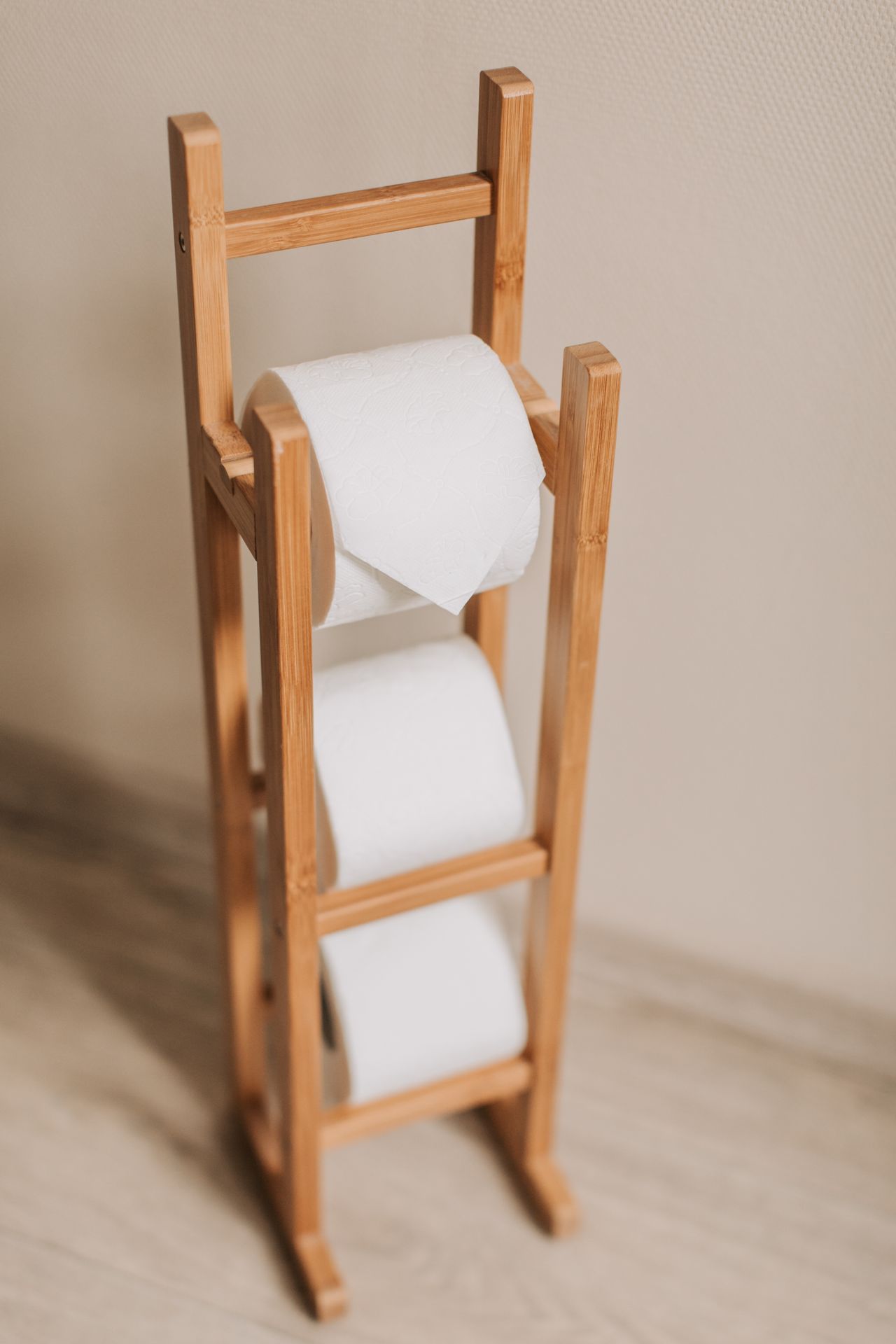
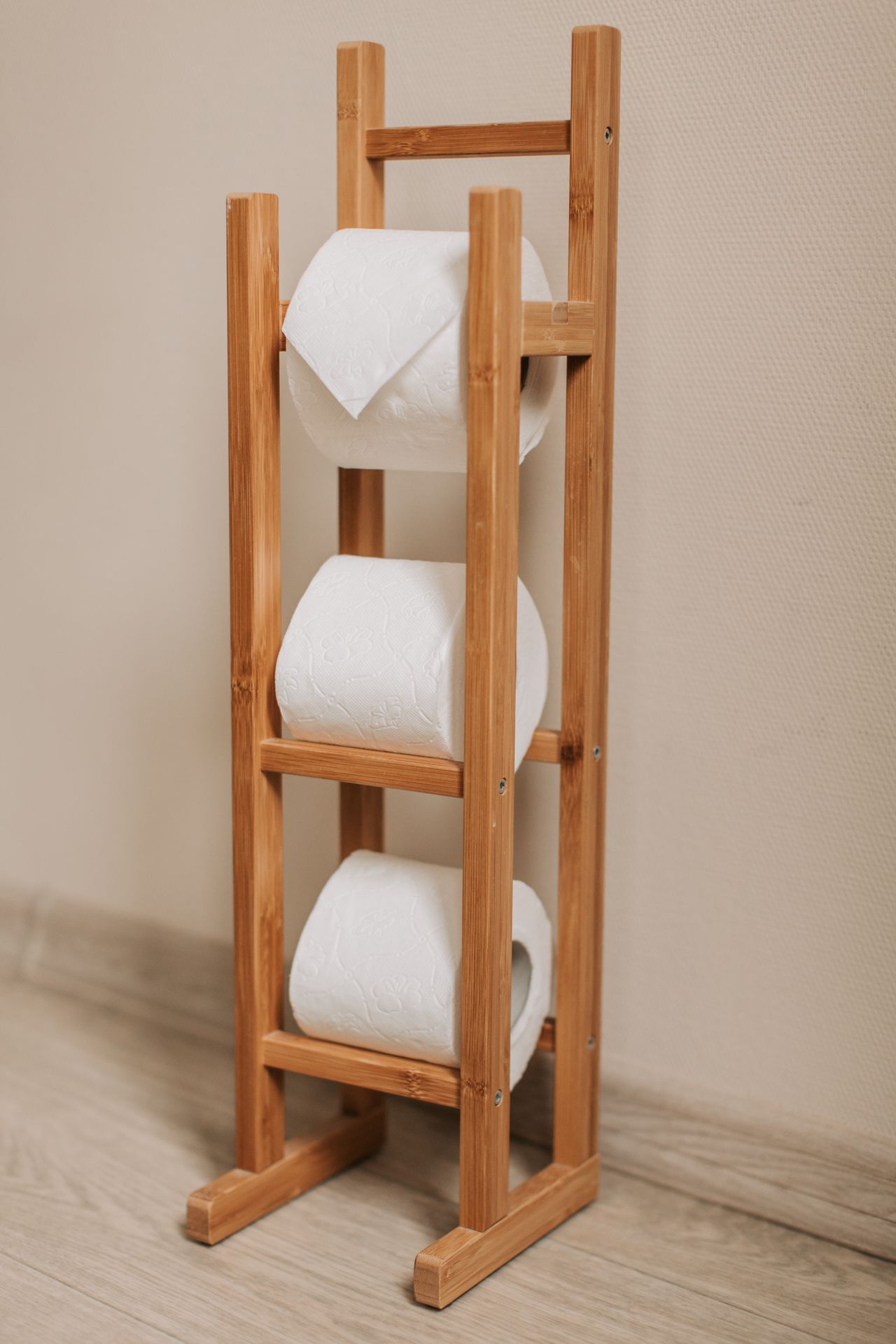
A timber stand warms up a white bathroom in a way that metal alone cannot, and it suits coastal, Hamptons and Scandinavian-style Australian homes beautifully. Bamboo is the most common choice because it is light, resists bathroom humidity better than untreated pine, and matches timber vanities, oak-look tiles and woven baskets. The upright rack style shown here holds one roll ready to use and two spares below it, so you are never caught out, and the open frame lets you see at a glance when it is time to restock from the linen cupboard.
Timber needs a little more care than metal in a steamy room, so keep the stand out of direct splash from the shower and wipe it dry if it gets wet. A sealed or oiled finish lasts much longer than raw timber, and you can re-oil a bamboo stand once a year in a few minutes. Check that the roll slots are wide enough for your usual brand, because some timber racks are made for slim European rolls and can pinch a chunky Australian 3-ply roll. If your bathroom has no window and stays damp, run the exhaust fan for 20 minutes after showers and the timber will stay in good shape for years.
5. The Covered Holder for a Tidy Look

A covered holder hides the top of the roll behind a small flap or shell, which gives a tidier, more hotel-like look and protects the paper from splashes. This matters in a bathroom where the toilet sits close to the shower or where children love to splash at bath time, because a damp roll is unpleasant and wasteful. Covered holders also stop curious toddlers unrolling the whole roll onto the floor, a small mercy every parent will understand. White and chrome covers are the easiest to find in Australia, and a white cover blends into a white wall far better than a shiny cover that draws the eye.
Before you choose a covered style, test how the paper feeds: the sheet should pull down smoothly with one hand and tear cleanly, without you having to lift the cover each time. Some covers press too tightly on thick rolls, so if you buy plush 3-ply paper, check the internal clearance or try the holder with your usual brand during the return window. Keep the hinge clean, because soap scum and dust collect there, and a cover that sticks half-open looks worse than no cover at all. A quick wipe during your weekly bathroom clean is all it takes.
6. The Door-Mounted Holder for Tiny Bathrooms

Some Australian powder rooms and older apartments have almost no usable wall beside the toilet: one side is the door frame, the other is the vanity, and the wall behind is too far to reach comfortably. In that case, a holder fixed to the inside of the door, or to a narrow side panel, can be a clever rescue. The roll stays within arm's reach when the door is closed, and you have not sacrificed any floor space. This is also a useful trick in a separate toilet room, where the walls are often tiled floor to ceiling and drilling into tiles feels risky.
Think through the door swing before you commit, because a holder on a door that opens inward can bang against the toilet or the vanity, and a roll on a door that is left open is no use to anyone seated. Fix the holder at the same height you would use on a wall, around 66 cm from the floor to the centre of the roll, and test it with the door closed while you are seated. If the door is hollow, use hollow-door anchors rather than short screws, which will pull out, and if you rent, ask first: a door is easier to repair than a tiled wall, but a landlord still deserves a say.
7. The Basket for Spare Rolls
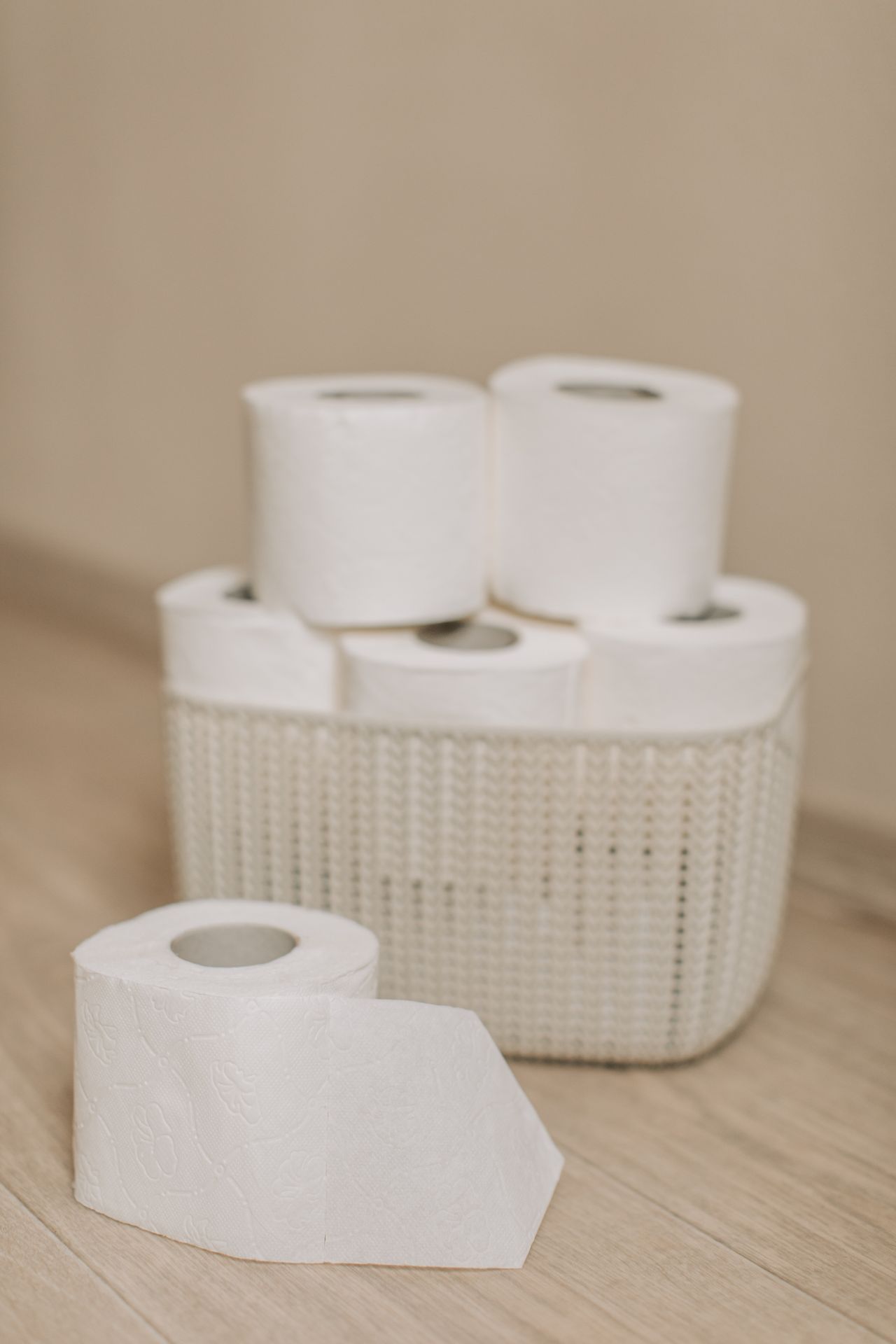
A basket does not replace your wall holder, but it is the kindest companion to it, because it keeps spare rolls visible, tidy and within reach instead of hidden in a cupboard down the hall. A woven or fabric basket in white, natural or soft grey suits almost every bathroom, costs around $20 to $45 AUD, and can be moved for cleaning in seconds. It also solves the classic guest-bathroom worry: visitors should never have to hunt for paper or ask an awkward question, and a basket with three or four rolls says you have thought of them.
Keep the basket on the floor beside the toilet or on a low shelf, never on top of the cistern, where a roll can fall into the toilet or get splashed during flushing. If floor space is tight, a slim basket that slides between the toilet and the vanity works better than a wide round one, and the same small-space storage thinking in our guide to small bedroom ideas for couples applies here: use vertical space and narrow gaps rather than adding bulky furniture. Replace the basket liner or wipe the basket monthly, because bathroom humidity and dust settle into woven fibres, and store only as many rolls as you will use in a fortnight so they stay fresh and dry.
8. The Double Holder for Family Bathrooms

A double holder carries two rolls side by side, so when one runs out, the second is already there, and nobody has to shout for help or dash to the cupboard mid-visit. For a family bathroom used by four or five people, that second roll is not a luxury, it is peace of mind, and it also suits a busy household where the bathroom is shared with guests. Recessed double holders, set into the wall, look the neatest because they do not stick out into the room, but they need a wall cavity deep enough to hold them, so they are best planned during a renovation rather than added to a finished tiled wall.
Surface-mounted double holders are the easier retrofit and cost around $40 to $80 AUD in white or chrome. They are wider than a single holder, usually 30 to 40 cm across, so measure the wall before you buy and check that the second roll will not block a towel rail or a light switch. Teach children to use the roll closest to them first, and keep both rolls the same brand and ply, because mixing a slim roll with a fat roll makes the holder look lopsided and can confuse the feed on some double designs. In a rental, a double freestanding stand gives the same backup without any drilling at all.
9. The Bulk Spare-Roll Store

Buying toilet paper in bulk saves money in Australia, especially when supermarkets run half-price specials, but a 24-pack or 48-pack needs a home that keeps the rolls clean, dry and easy to grab. A dedicated shelf, a tall narrow cabinet or a lidded box in the bathroom or the adjoining laundry works well, provided it stays away from the shower splash zone and any leaking pipe. Stack rolls upright rather than squashing them flat, because a squashed roll feeds badly and looks messy, and keep the oldest packs at the front so you use them first.
Do not store bulk paper on the bathroom floor in a home with a damp subfloor or a history of leaks, and never store it directly under a sink, where a slow drip can ruin a whole pack before you notice. A simple rule helps: keep two or three rolls in the bathroom itself, in a basket or on a stand, and keep the bulk supply in a dry cupboard nearby. That way a burst of guests or a busy weekend never leaves you short, and you are not tripping over a tower of rolls every morning. Check your stash once a month and top it up when you drop below a week's supply for your household.
10. Getting the Height and Position Right
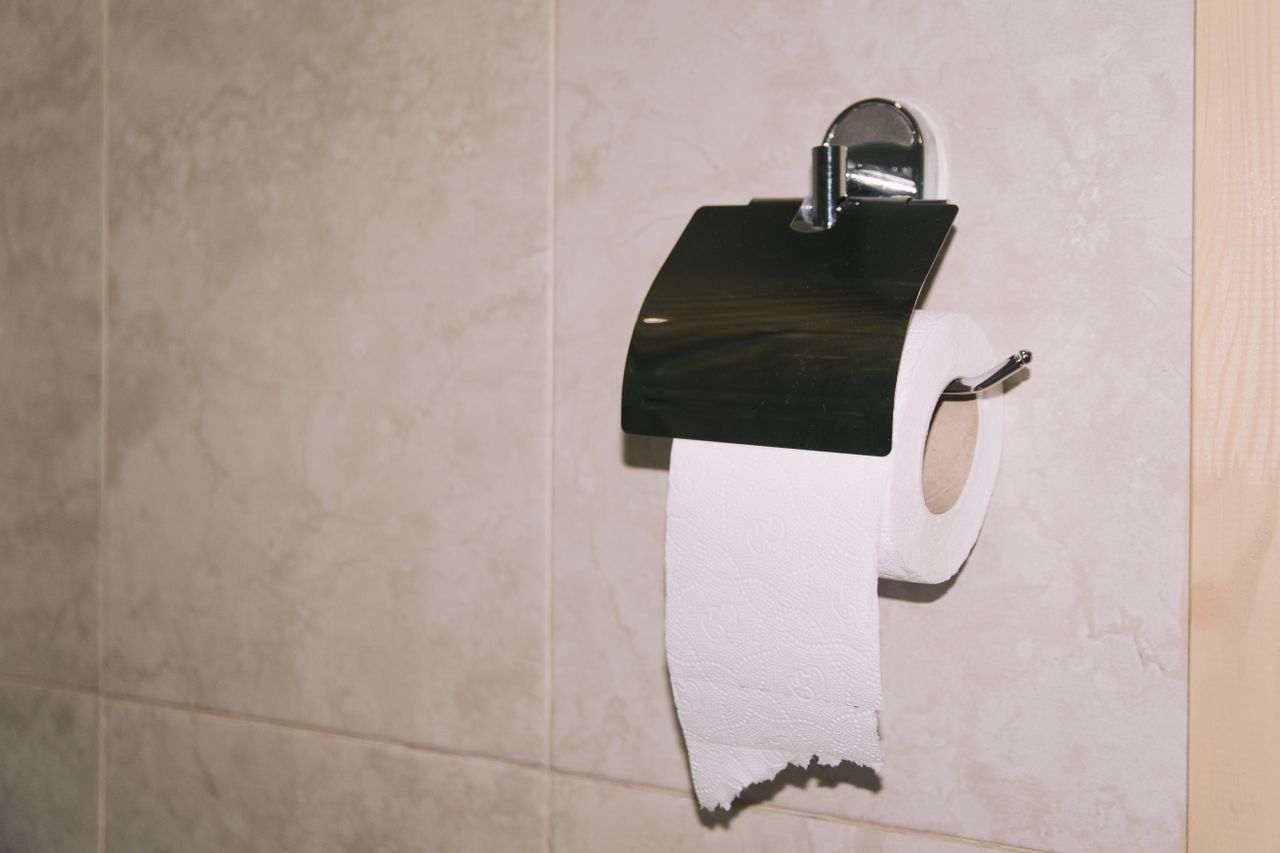
Placement matters more than the holder itself, and it is the question readers ask most often: how high should it go, and how far from the toilet? The widely used starting point is about 66 cm from the finished floor to the centre of the roll, and about 20 to 30 cm forward from the front edge of the toilet bowl, on the side wall. That position lets a seated adult reach the paper with a relaxed arm, without twisting the body or leaning far forward, which is also kinder on older knees, backs and anyone with limited mobility.
Treat that measurement as a starting point, not a law, and adjust it for your household. For a comfort-height toilet, raise the holder by a few centimetres; for a bathroom used mainly by young children, lower it to around 50 to 56 cm so small hands can reach it. Before you drill, tape a roll to the wall at the planned spot and sit down to test it: can you reach it, tear a sheet with one hand, and stand up without bumping it? If the answer is yes, mark the spot, check for pipes and wires with a stud finder, drill slowly into tiles with a masonry bit, and use the right wall anchors so the holder stays firm for years.
FAQs
What is the best height for a holder in an Australian bathroom?
Start at about 66 cm from the floor to the centre of the roll, and about 20 to 30 cm forward from the front of the toilet bowl. Then adjust for your toilet height and the people who use the room most, testing the spot while seated before you drill.
Should the paper hang over or under the roll?
Most people find over the top easier to grab and tear, and it also keeps the loose end away from the wall, which is cleaner. Under can suit a home with a playful toddler or a curious pet, because it is a little harder to unroll in one pull, so choose the option your household actually lives with best.
Can I fit a holder without drilling in a rental?
Yes. A freestanding stand needs no holes at all, and a good adhesive holder works on smooth painted walls and glossy tiles if the surface is clean, dry and within the weight rating. Avoid adhesive mounts on rough, dusty or freshly painted surfaces, and always ask your property manager before drilling.
What material lasts longest in a humid bathroom?
Powder-coated metal and stainless steel last longest, because they resist rust and wipe clean easily. Sealed bamboo and quality plastic also do well, while raw timber and cheap uncoated metal can stain or rust in a steamy bathroom without an exhaust fan.
How do I stop the holder coming loose from the wall?
Use wall anchors matched to your wall type: plasterboard anchors for plasterboard, masonry plugs for brick and tile, and a stud fixing where a stud is available. Tighten firmly without over-tightening, which can crack tiles, and re-check the screws every few months in a busy family bathroom.
Final Thoughts
The best holder for your bathroom is the one you barely notice: white enough to blend in, sturdy enough to stay put, and placed where your hand naturally lands. Start with the classic wall style if you own your home, choose a freestanding or adhesive option if you rent, and add a basket or a double holder if your household burns through rolls quickly. If you are refreshing the whole room, our guide to modern luxury bathroom ideas shows how small white fittings sit within a larger, calm bathroom scheme. Measure once, test the position while seated, and buy a holder rated for the roll size you actually use, and this small fixture will quietly do its job for years.
Sources
- Buildmat: Toilet Roll Holders
- ArchiPro: Toilet Roll Holders
- House of Isabella: Bathroom Tissue Holder
- Shower Decor: Toilet Paper Holder Height and Placement
- CLU Living: Tower Toilet Paper Holder, White
Gallery

No comments:
Post a Comment