An outdoor hockey game is not like watching the game on TV, and it is not like playing it either. You will stand or sit almost still for close to three hours while the cold creeps up from the ice and the wind finds every gap in your clothes. Anyone wondering what to wear to an outdoor hockey game in Canada needs to understand one thing first: standing still is far colder than walking.
These ten tips will get you through a full game warm, from frozen bleachers to the final horn. They cover the layering, the gear, and the little extras — blankets, warmers, a good thermos — that separate the fans who stay to the end from the ones who leave after the second period.

Photo: Spencer Gillis via Wikimedia Commons
Table of Contents
- 1. Dress for Standing, Not for Skating
- 2. Assume the Bleachers Are Frozen Solid
- 3. Your Parka Should Cover Your Thighs
- 4. Bring a Seat Pad and a Blanket
- 5. Chemical Warmers for Hands and Toes
- 6. Pack a Thermos of Something Hot
- 7. Wear Real Winter Boots With Traction
- 8. Cover Your Face Against the Wind
- 9. Take a Page From the Jets Whiteout
- 10. Plan Your Warm-Ups Before You Go
1. Dress for Standing, Not for Skating
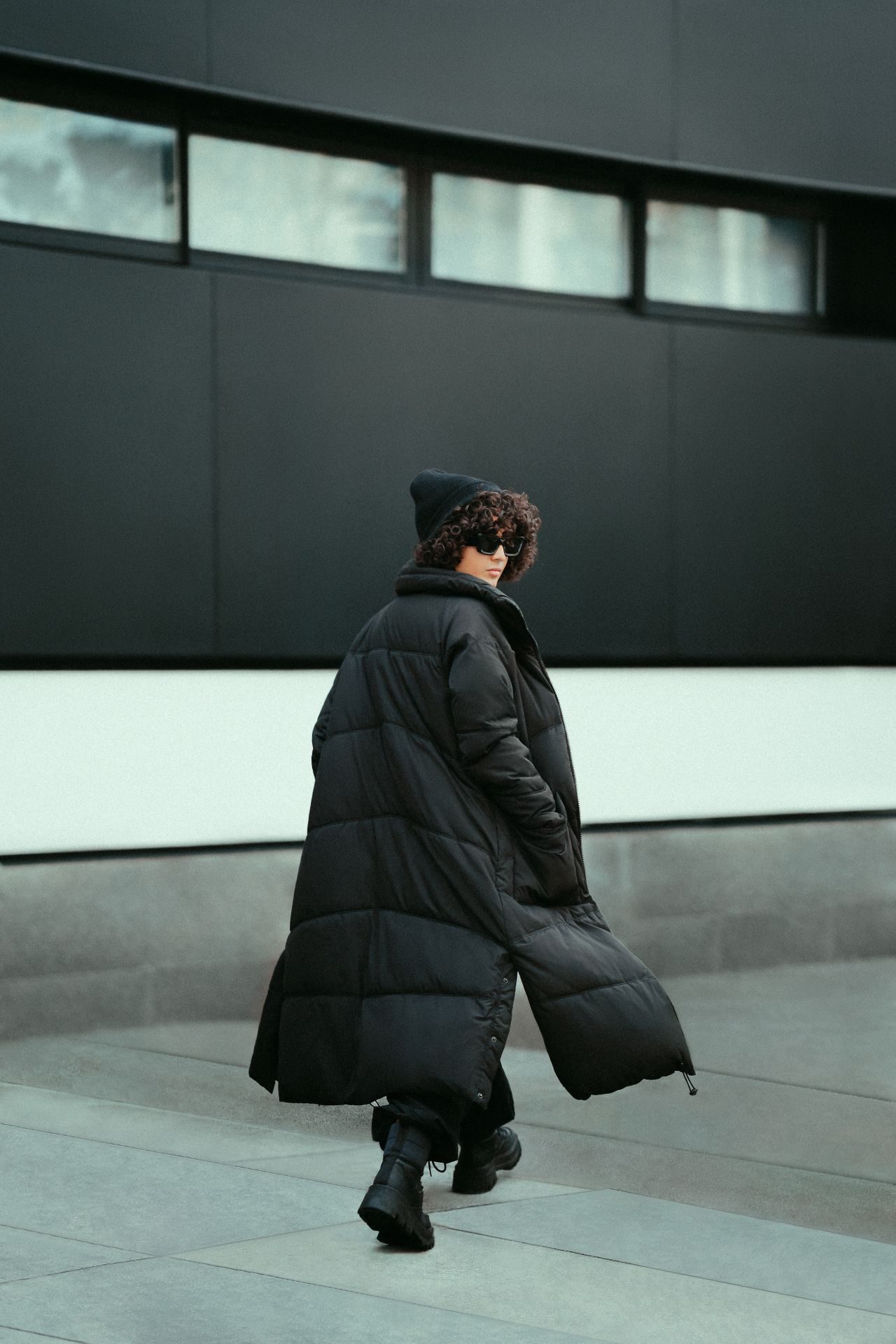
Photo via Pexels
Your body makes almost no heat when you are standing on cold concrete watching hockey. Dress one full level warmer than you would for a winter walk: if you would wear a medium coat for errands, bring the big parka for the game. The wind chill at an open-air rink can easily push −15°C to feeling like −25°C.
Think in three layers: a merino or synthetic base, a fleece or puffy mid-layer, and a windproof shell or heavy parka on top. Long underwear under your jeans or snow pants is not optional here; it is the difference between enjoying the third period and counting the minutes.
2. Assume the Bleachers Are Frozen Solid

Photo: Matthew Bellemare via Wikimedia Commons
Metal bleachers are heat thieves. They pull warmth straight out of your body through your snow pants, and after an hour your legs will feel like blocks of wood. Even wooden benches at a community rink freeze hard by game time.
Brush the snow off before you sit, and never sit directly on the metal. A foam seat pad, a folded blanket, or even a flattened cardboard box from the concession stand puts insulation between you and the cold. Standing fans have it slightly easier, but the concrete underfoot is just as cold.
3. Your Parka Should Cover Your Thighs

Photo: Dmitrimagine via Wikimedia Commons
A hip-length jacket leaves your thighs exposed to the wind for three hours, and cold thighs make your whole body feel cold. A parka that covers your seat and thighs, with a windproof shell, is the single best garment choice for an outdoor game.
Down or synthetic fill both work; what matters most is the windproof outer and a hood that actually stays up. If your warmest coat is a shorter one, add a long fleece or a blanket wrapped around your legs to make up for it.
4. Bring a Seat Pad and a Blanket

Photo: Pete Markham via Wikimedia Commons
This is the tip experienced outdoor-game fans swear by. A cheap foam pad from Canadian Tire, about $10 to $15, folds up small and saves your seat for the whole game. Stadium cushions with a waterproof bottom are even better if you go often.
Drape a fleece blanket over your legs on top of that, and you have built yourself a little warm zone. Share it with the person next to you and you will make a friend for life. Nobody has ever regretted bringing a blanket to an outdoor rink.
5. Chemical Warmers for Hands and Toes

Photo: PantheraLeo1359531 via Wikimedia Commons
Hand and toe warmers are the secret weapon of outdoor hockey fans. The air-activated packets, sold in multi-packs at Mark's, Sport Chek and Canadian Tire for a few dollars, give steady heat for five to seven hours. Toss hand warmers in your mittens and stick toe warmers on top of your socks.
Activate them about fifteen minutes before puck drop so they are warm when the game starts. Reusable click-type warmers like the one above also work and are kinder to your wallet if you go to a lot of games.
6. Pack a Thermos of Something Hot

Photo: Migmoug via Wikimedia Commons
A thermos of tea, coffee, or hot chocolate does double duty: it warms your hands and your insides. A good vacuum bottle keeps drinks hot for six hours or more, easily covering a full game plus the skate home. Fill it right before you leave.
Soup works too — a thermos food jar of tomato soup at the second intermission is elite-level fan behaviour. Check the venue's rules on outside drinks first, but most community rinks are fine with a personal thermos.
7. Wear Real Winter Boots With Traction

Photo: Oto Zapletal via Wikimedia Commons
Fashion boots will betray you at an outdoor game. You need insulated, waterproof winter boots rated to at least −25°C, with real tread for icy ramps and parking lots. Cold feet will ruin your night faster than anything else on this list.
Pair them with one pair of wool socks, not two — tight boots cut off circulation and make feet colder. If your boots are older, check that the insulation is not packed flat; worn-out boots can lose half their warmth without looking any different.
8. Cover Your Face Against the Wind

Photo: Tobias ToMar Maier via Wikimedia Commons
Open-air rinks are windy, and exposed cheeks go numb fast. A neck warmer pulled up over your nose, or a balaclava under your toque, protects the skin that your parka hood does not cover. Frostnip on cheeks is no joke at −20°C with wind.
This is also where a lot of first-timers get caught out: they dress their body well and forget their face. A simple fleece buff costs under $20 and lives in your coat pocket all winter for moments exactly like this.
9. Take a Page From the Jets Whiteout

Photo: Theonlysilentbob via Wikimedia Commons
In Winnipeg, "whiteout" means two things: the famous Jets playoff tradition where the whole arena wears white, and the actual weather. Dress for both. White and light-coloured outer layers are easy to spot in a crowd, and they show you are part of the tradition.
More practically, the whiteout photo above is a reminder to check the forecast before you drive anywhere for an outdoor game. If blowing snow is coming, leave early, keep your gas tank full, and have a backup plan. The game is not worth a dangerous drive home.
10. Plan Your Warm-Ups Before You Go

Photo via Wikimedia Commons
Know where you will warm up before you need it. Most outdoor venues have a heated lobby, a concession area, or warming tents; community rinks usually have a heated change room. Plan to duck inside for five minutes between periods rather than toughing it out.
Eat a proper meal before the game, too. Your body burns real fuel staying warm, and skating on an empty stomach is a recipe for shivering. A tailgate-style warm-up with friends around a fire pit before heading to the rink, like the one above, is the Canadian way to start. For more Winnipeg-specific cold tips, see our Winnipeg winter outfits guide.
Frequently Asked Questions
How long does an outdoor hockey game last?
About two and a half to three hours with stoppages and intermissions. That is a long time to stand still in the cold, which is why the tips above matter.
Can I bring a blanket to an outdoor hockey game?
At community rinks and pond tournaments, almost always yes. At big stadium events like the Heritage Classic, check the venue's bag policy first, but blankets are usually welcome.
Do they cancel outdoor games for cold?
It takes a lot — games have been played below −20°C. Leagues watch the wind chill and may delay puck drop, but cancellations for cold alone are rare.
Are hand warmers worth it for one game?
Absolutely. A few dollars for warm hands and toes across three hours is the best value in winter. Buy a multi-pack so you always have spares.
What is the one thing first-timers forget when figuring out what to wear to an outdoor hockey game in Canada?
A seat pad or blanket. Everyone remembers the parka and boots, but sitting on frozen metal for three hours is what actually breaks people.
Final Thoughts
The fans who love outdoor hockey in this country are the ones who dress for it properly. When you know what to wear to an outdoor hockey game in Canada, the cold stops being the story and the game becomes the story, which is exactly how it should be.
Layer up, pack the thermos, throw warmers in your mittens, and get there early for the best spot. Few things beat a crisp night, a frozen rink, and a game that matters. Our Ottawa winter outfits guide has more ideas for the rest of the season.
Sources
- Winnipeg Jets — Official Site
- National Hockey League
- The Weather Network
- Mountain Equipment Company
- Sport Chek
Gallery

Photo: shcostello via Wikimedia Commons

Photo: Laslovarga via Wikimedia Commons

Photo: Sven Wanke via Wikimedia Commons

No comments:
Post a Comment