Winnipeg is the coldest major city in Canada, and it is not close. When the wind chill hits −40°C, exposed skin can frostbite in under ten minutes, which turns getting dressed into a genuine safety exercise. If you are figuring out what to wear in Winnipeg in winter — for bus-stop commutes, campus walks or just daily life — this guide is for you.
These ten outfit ideas are built for extreme cold: serious layering, parkas rated for the real thing, and full face coverage for the wind. Every look assumes you will be standing outside waiting, because in Winnipeg, you will be.

Photo: Ccyyrree via Wikimedia Commons
Table of Contents
- 1. The Extreme-Cold Layering Formula
- 2. A −40°C-Rated Parka
- 3. Balaclava and Face Protection
- 4. Expedition Mittens, Not Gloves
- 5. Serious Winter Boots
- 6. Merino Base Layers Head to Toe
- 7. Insulated Snow Pants
- 8. The Bus-Stop Survival Kit
- 9. Trapper Hat vs. Toque
- 10. Warm Socks and Foot Warmers
1. The Extreme-Cold Layering Formula

Photo via Pexels
In Winnipeg, layering is not about comfort — it is about survival. The formula is four deep on the coldest days: a moisture-wicking base, a warm mid-layer, an insulating layer like a fleece or light down vest, and a windproof shell or parka. Trapped air between layers is what keeps you warm, so each layer should be slightly roomy, never tight.
Do not skip the legs: thermal leggings under insulated trousers are mandatory below −25°C. And remember that overheating is the enemy — sweat that freezes in your layers will chill you fast, so vent before you start perspiring on a long walk.
2. A −40°C-Rated Parka
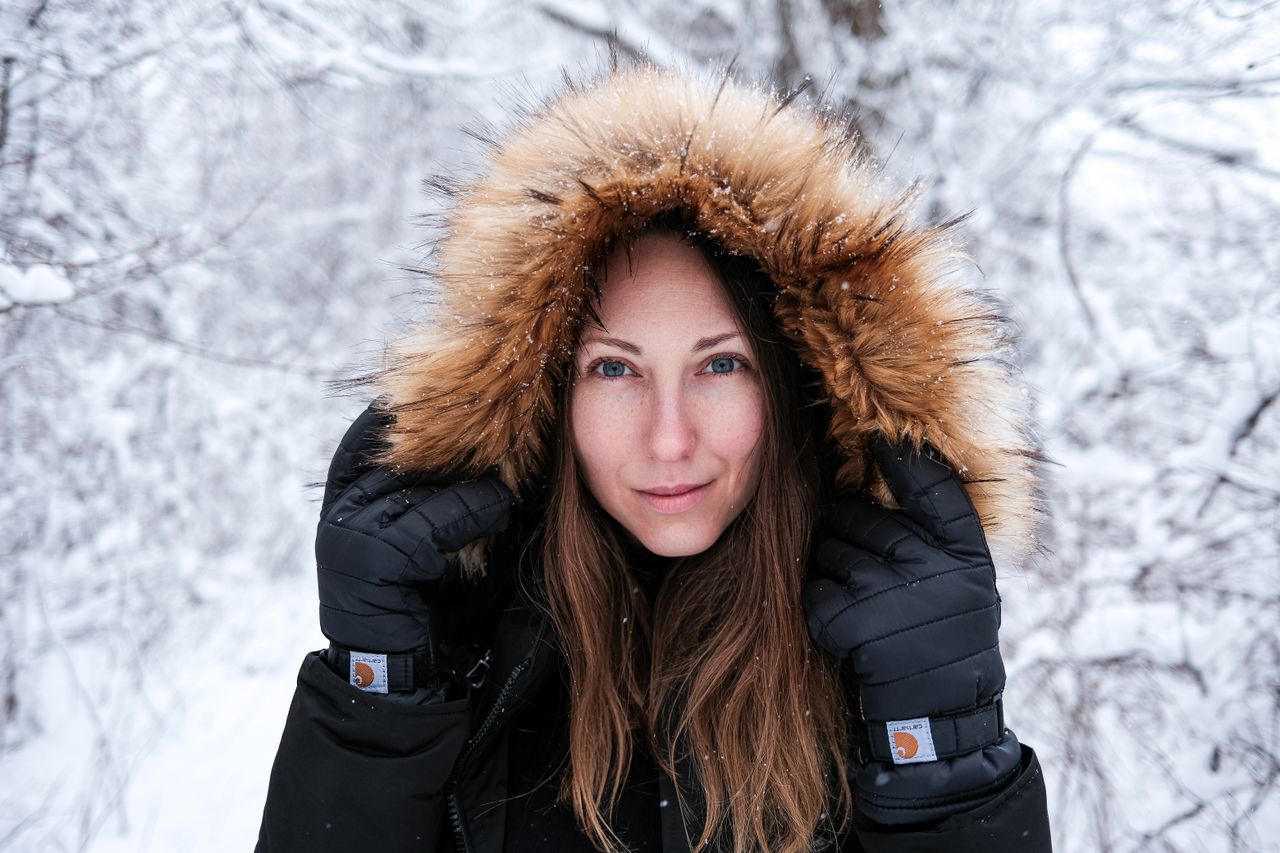
Photo via Pexels
Winnipeg is one of the few cities where a genuinely expedition-rated parka makes sense. Look for a comfort rating of −35°C or lower, a windproof shell, storm cuffs inside the sleeves, and a hood with a deep faux-fur ruff that shields your cheeks from the wind. Thigh-length or longer is noticeably warmer than hip-length at a bus stop.
Canadian brands like Canada Goose, Nobis and Quartz Co. all make coats for exactly this climate, but solid −40°C parkas also exist at Sport Chek and Mark's for $300–$550. Try the hood on in-store — if you cannot turn your head, it is the wrong hood.
3. Balaclava and Face Protection

Photo: Tobias ToMar Maier via Wikimedia Commons
At −40°C wind chill, your face needs the same protection as your hands. A balaclava covers everything except your eyes, and unlike a scarf it cannot slip down or come unwrapped in a gust. Fleece-lined or merino balaclavas are the most comfortable for daily wear; save the thin ski-mask styles for active outings.
Pair it with ski goggles or large sunglasses on the worst days — your eyes water, the tears freeze on your lashes, and goggles stop the whole miserable cycle. Keep a spare balaclava at work; they collect frost from your breath by midday.
4. Expedition Mittens, Not Gloves

Photo via Pexels
Gloves are a fair-weather choice in Winnipeg. Below −20°C, switch to insulated mittens — fingers kept together stay dramatically warmer than fingers kept apart. Look for mittens with a waterproof shell, a removable fleece liner, and a long gauntlet cuff that tucks into your parka sleeve.
The liner system matters: wear a thin liner glove inside the mitten so you can pull your hand out for your phone or bus pass without going bare. Good expedition mittens cost $50–$90 at MEC, and they are the difference between a tolerable commute and a painful one.
5. Serious Winter Boots
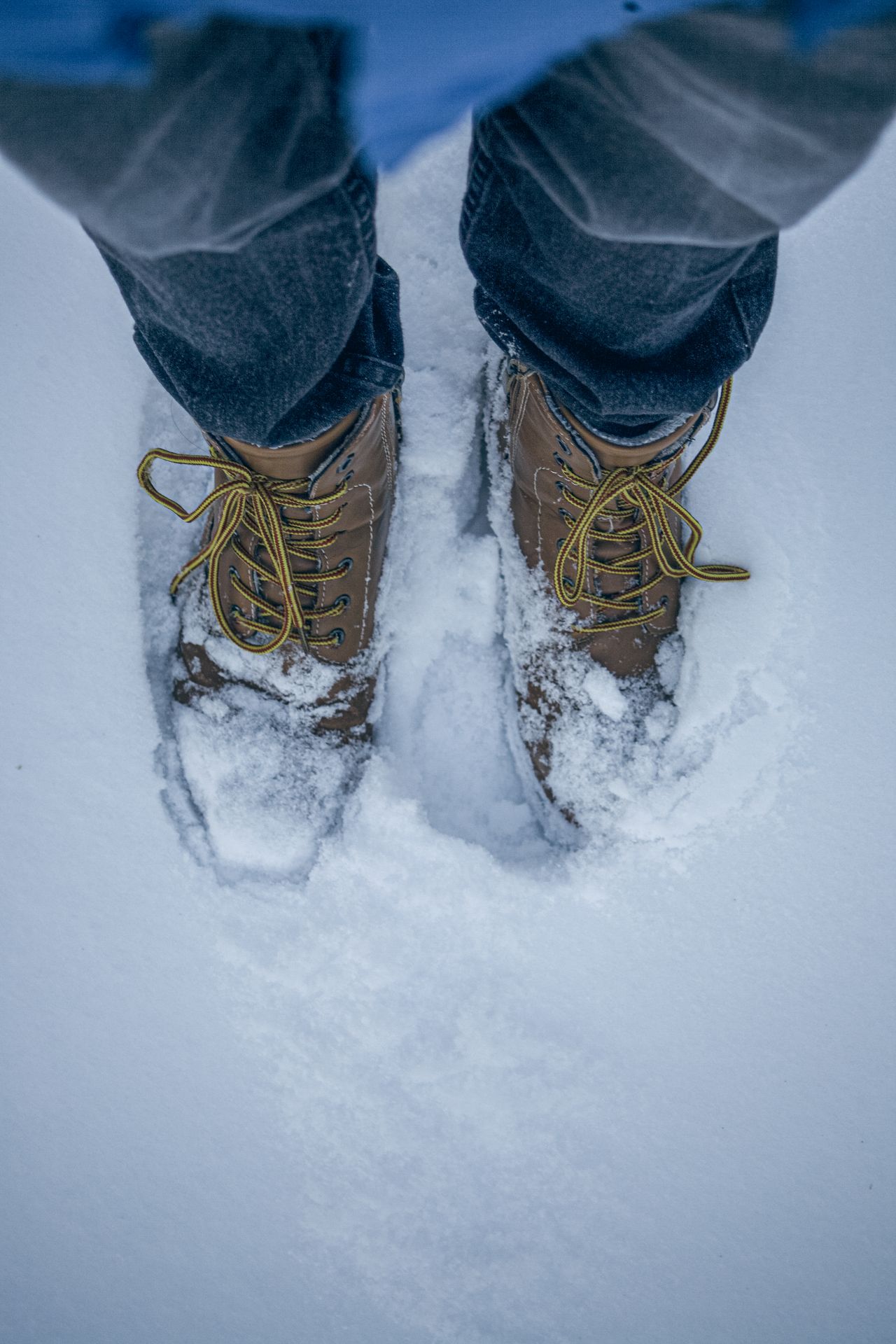
Photo via Pexels
Your boots need a comfort rating of −40°C or better, full stop. Pac boots with removable felt liners are the Winnipeg classic for a reason: the liners dry overnight by the radiator, and you can double up socks without crushing your toes. Rubber lowers keep out the slush of a milder −10°C day.
Buy boots a half size up to leave air space around thick socks — tight boots mean cold feet no matter the rating. Sorel and Kamik dominate here, both available at Canadian Tire and Sport Chek for $180–$280. Break them in before the first −30°C week.
6. Merino Base Layers Head to Toe

Photo via Pexels
A full merino base layer — top and bottom — is non-negotiable for Winnipeg winters. Merino wicks sweat, resists odour for multi-day wear, and stays warm even when damp, which matters when you go from a −30°C walk into an overheated lecture hall. Go for midweight (200 gsm) as your daily driver.
Two full sets in rotation will carry you through the season; hand-wash or use a gentle cycle and they last for years. Expect $90–$140 per set at MEC or Mark's. It sounds like a lot until your first week of −35°C mornings.
7. Insulated Snow Pants

Photo: Emma Frances Logan via Wikimedia Commons
Jeans alone are a liability in a Winnipeg January — denim holds cold and wind cuts straight through. Insulated snow pants or ski pants over your base layer are the answer for commutes, dog walks and anything outdoors longer than fifteen minutes. Side zips let you vent on the bus without a full change.
For office workers, pull the snow pants on over work trousers and strip them at your desk; nobody needs to know. A $100–$180 pair from Sport Chek pays for itself the first week the wind chill drops past −40°C.
8. The Bus-Stop Survival Kit
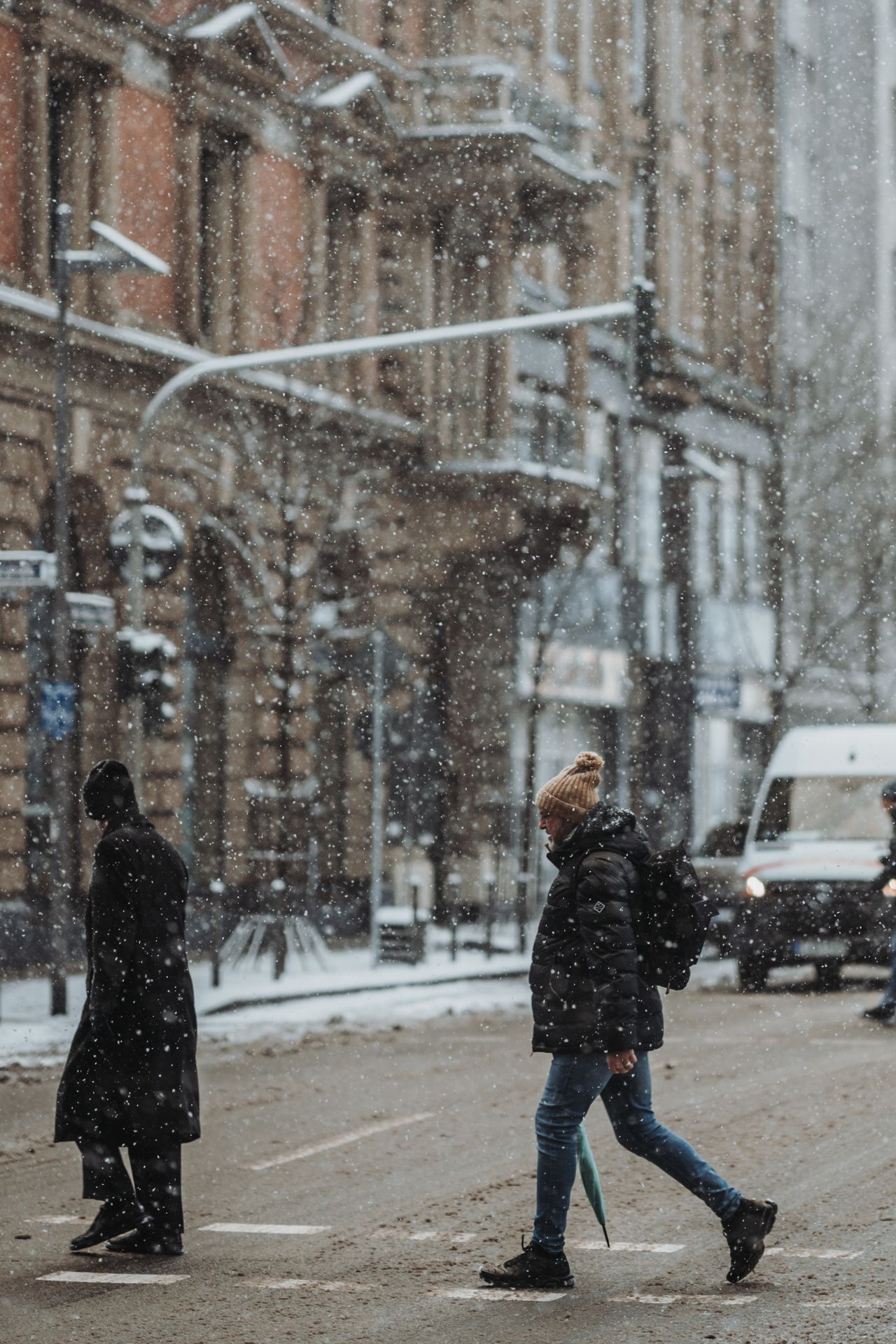
Photo via Pexels
Winnipeg Transit riders face the city's worst exposure: standing still in the wind for ten to twenty minutes. Dress for standing, not walking — that means the warmest boots, the longest parka, full face coverage, and hand warmers in your mittens. Movement generates heat; waiting generates none.
Time your layers so you can vent on the heated bus, then seal everything back up before your stop. Keep a pair of disposable hand warmers ($1 each at Canadian Tire) in every coat pocket from December to March. Your future self will thank you at the Osborne Street stop.
9. Trapper Hat vs. Toque
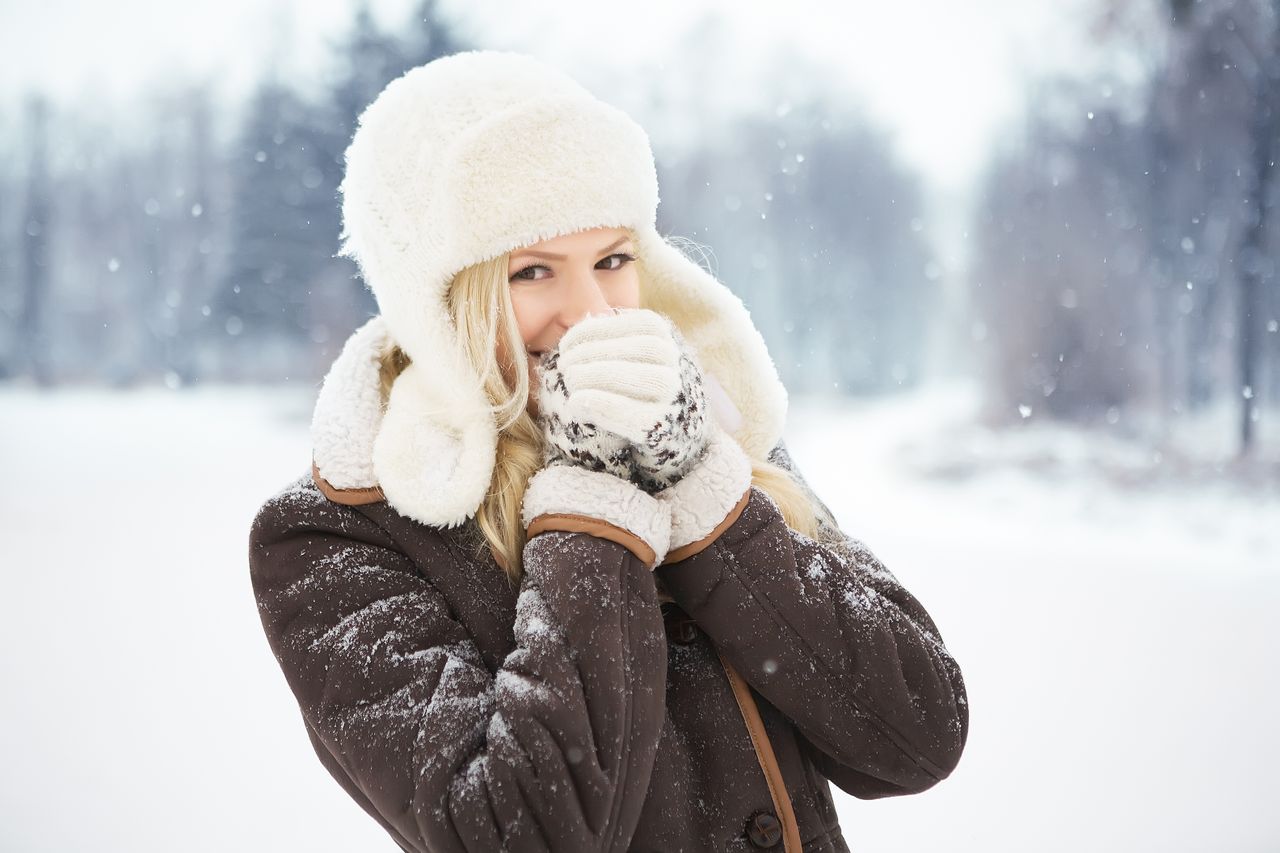
Photo via Pexels
A standard toque leaves your ears and neck exposed to wind that can bite in seconds. A trapper hat — with ear flaps and a fur or fleece lining — is the Winnipeg upgrade, and it looks great doing it. Wear the flaps down below −20°C and tie them up on milder days.
If you run hot or wear glasses that fog, a fleece-lined toque with a windproof front panel is the compromise pick. Either way, cover your ears fully; frostnipped earlobes are a rite of passage nobody wants twice. Budget $35–$60.
10. Warm Socks and Foot Warmers
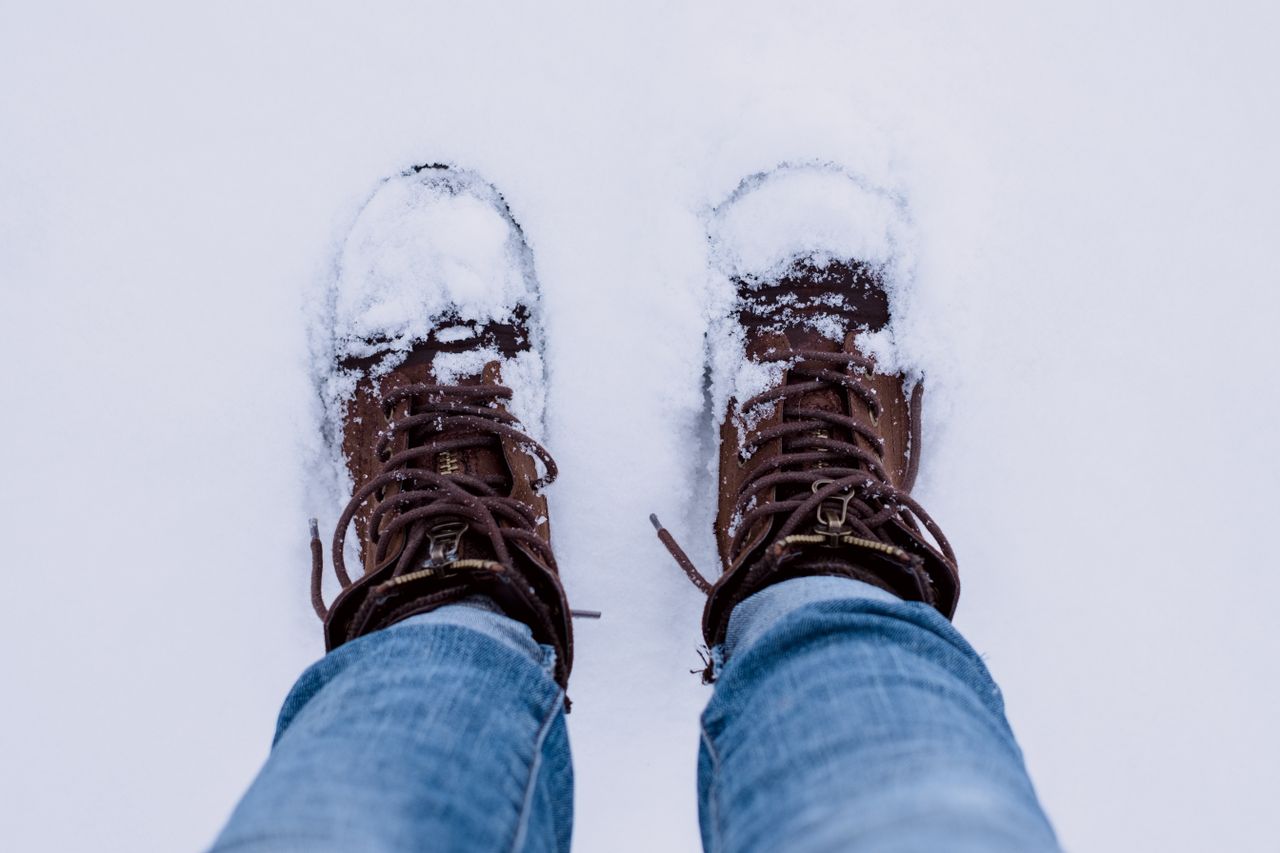
Photo via Pexels
Cold feet will ruin the best outfit in Winnipeg, so the sock system matters as much as the boots. Wear a thin moisture-wicking liner sock under a thick merino hiking sock — the liner prevents blisters and the merino traps heat. Never wear cotton socks in winter boots.
On −35°C days, add adhesive toe warmers stuck to the top of your socks inside the boot. Carry a spare pair of dry socks in your bag; changing into dry socks at midday is the oldest Winnipeg commuter trick there is. A 3-pack of merino socks runs $30–$45 at Mark's.
Frequently Asked Questions
How cold does Winnipeg actually get?
Daytime highs sit around −15°C to −20°C in January, with wind chills regularly dropping to −35°C or −40°C. Dress for the wind chill, not the thermometer — that is the number your skin actually feels.
Can I wear a regular winter coat in Winnipeg?
Not for daily winter life. You need a parka rated to at least −30°C, and −40°C is better. A stylish wool coat is fine for a quick dash from a heated parkade, but not for waiting outside.
What do you wear waiting for the bus at −40°C?
Everything: −40°C parka, balaclava, ski goggles, expedition mittens with hand warmers, insulated snow pants, and −40°C boots with toe warmers. No exposed skin, no exceptions.
How do Winnipeggers keep their faces from freezing?
A balaclava plus a parka hood with a fur ruff is the standard. On the worst days add ski goggles, and pull the hood's drawcords snug so only your eyes show. Frost on your balaclava is normal — bring a spare.
What should I wear in Winnipeg in winter if I am just visiting?
Rent or borrow the big pieces if you can: a −40°C parka and proper boots. Definitely buy merino base layers, a balaclava and expedition mittens — they pack small and you will use them for years.
Final Thoughts
Winnipeg winter dressing is a system, not a single purchase. Base layers, a serious parka, full face coverage and −40°C boots work together — skip any one piece and the cold finds the gap within minutes.
Buy the warmest version of everything you can afford, break it all in before January, and never feel silly for overdressing. That is the honest answer to what to wear in Winnipeg in winter: the warmest version of every layer, worn together. In Winnipeg, there is no such thing as overdressed — only prepared. For a milder prairie challenge, our Calgary winter outfits guide covers Chinook-swing dressing.
Sources
- https://www.tourismwinnipeg.com/
- https://weather.gc.ca/
- https://www.mec.ca/
- https://www.sportchek.ca/
- https://www.canadiantire.ca/
Gallery

Photo: Krazytea via Wikimedia Commons

Photo: freestocks via Wikimedia Commons
Photo via Pexels

No comments:
Post a Comment