Shopping for winter boots gets confusing fast, because waterproof vs water-resistant boots sound almost identical on the box. They are not — and picking the wrong one is how feet end up soaked in February.
This plain-English guide explains what each label really means for rain, slush, and snow, and how it should change what you buy. No jargon, just the practical difference that keeps feet dry.
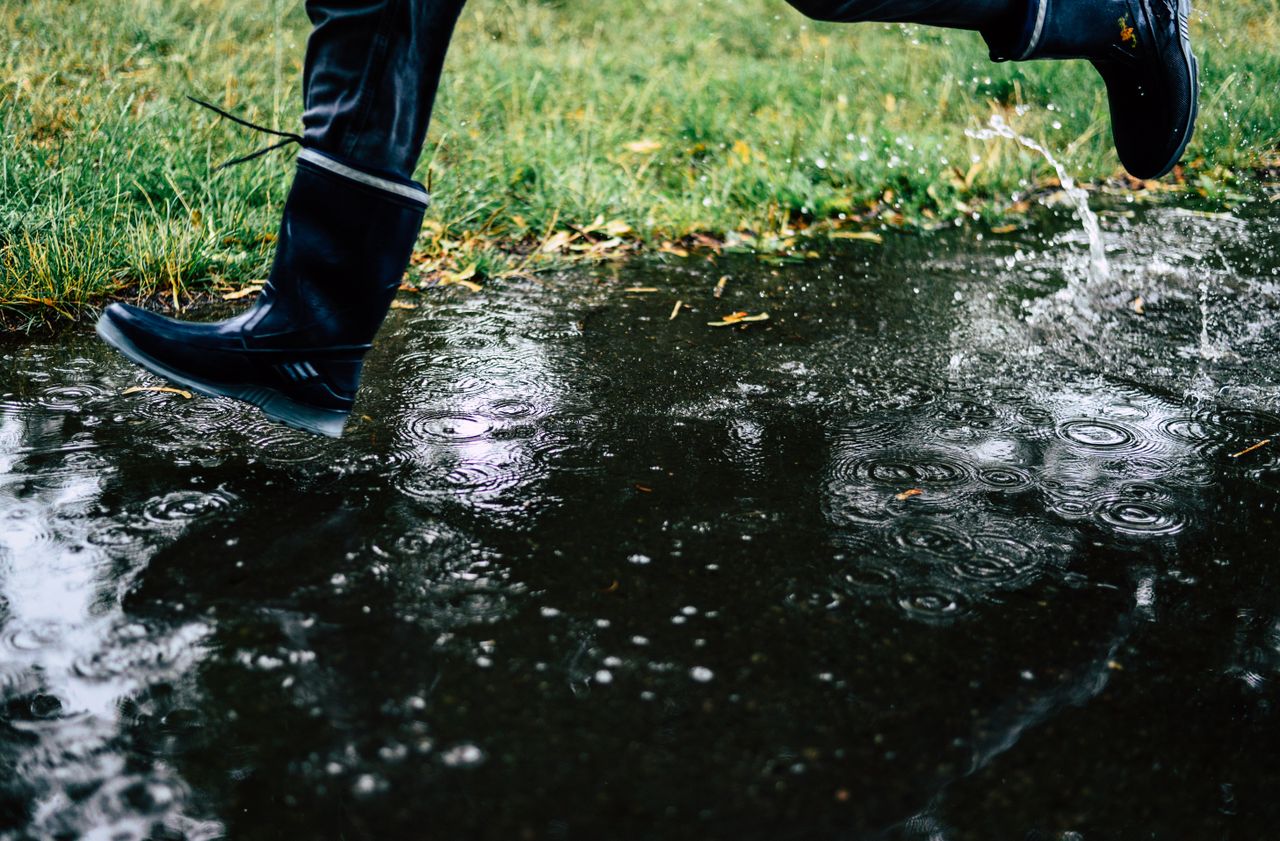
Photo: Pexels
Table of Contents
- 1. What "Waterproof" Actually Means
- 2. What "Water-Resistant" Really Means
- 3. The Label Test: Read Before You Buy
- 4. The Rain Test: Which Survives a Downpour
- 5. The Slush and Snow Test
- 6. The Breathability Trade-Off
- 7. Why Waterproof Costs More
- 8. Re-Waterproofing at Home
- 9. Marketing Traps to Watch For
- 10. The Verdict: Match the Label to Your Weather
1. What "Waterproof" Actually Means
A truly waterproof boot can be submerged without letting water in. The protection is built into the construction — sealed seams, waterproof membranes, and rubber or treated leather — not just sprayed on top.
Some makers test to standards like withstanding 1,000 mm of water pressure. In real life that means standing in puddles, walking through slush, and getting caught in downpours with dry feet.
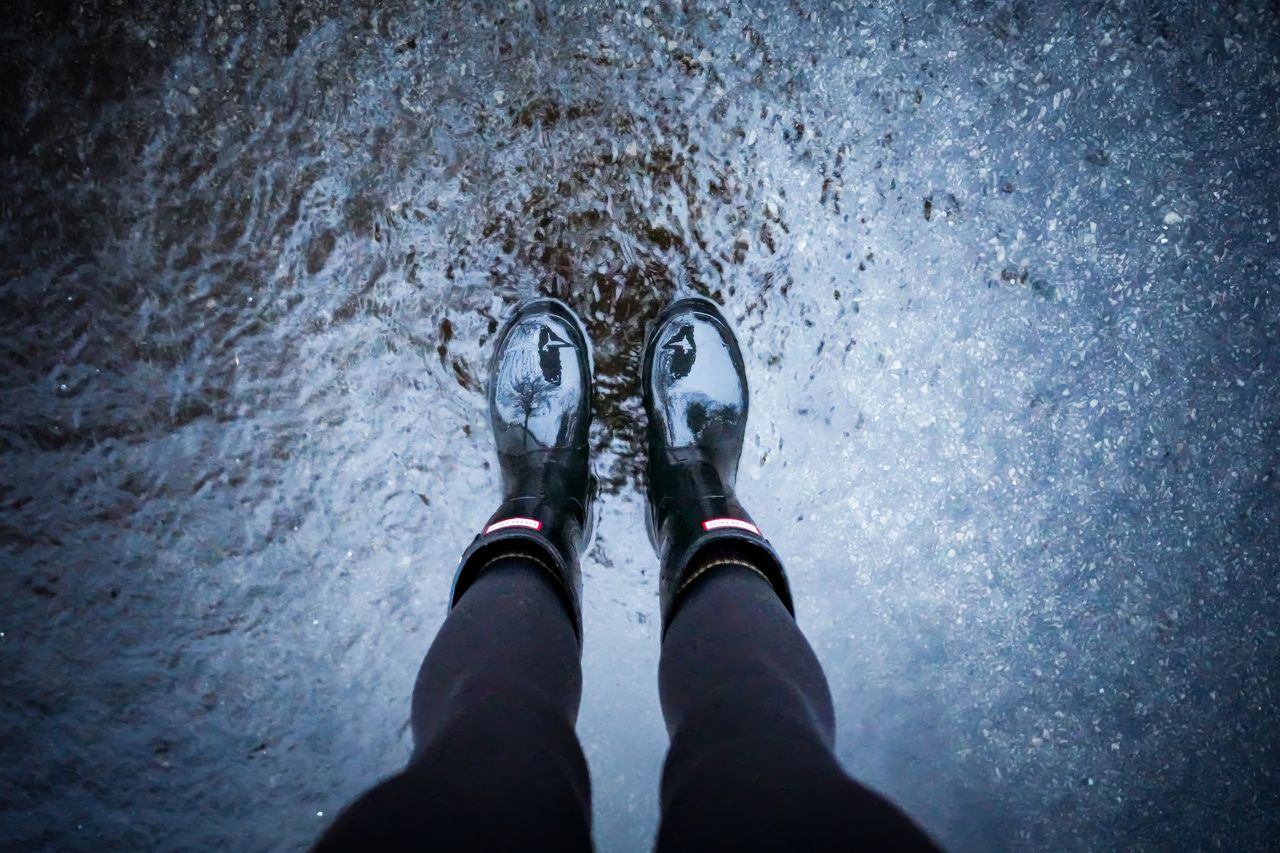
Photo: Pexels
2. What "Water-Resistant" Really Means
Water-resistant means the boot sheds light rain and splashes for a while, then gives up. The protection is usually a surface coating that wears off with use and time.
These boots are fine for a drizzly commute or damp sidewalks. They are not fine for standing water, deep slush, or hours in steady rain — and that is the line most shoppers miss.
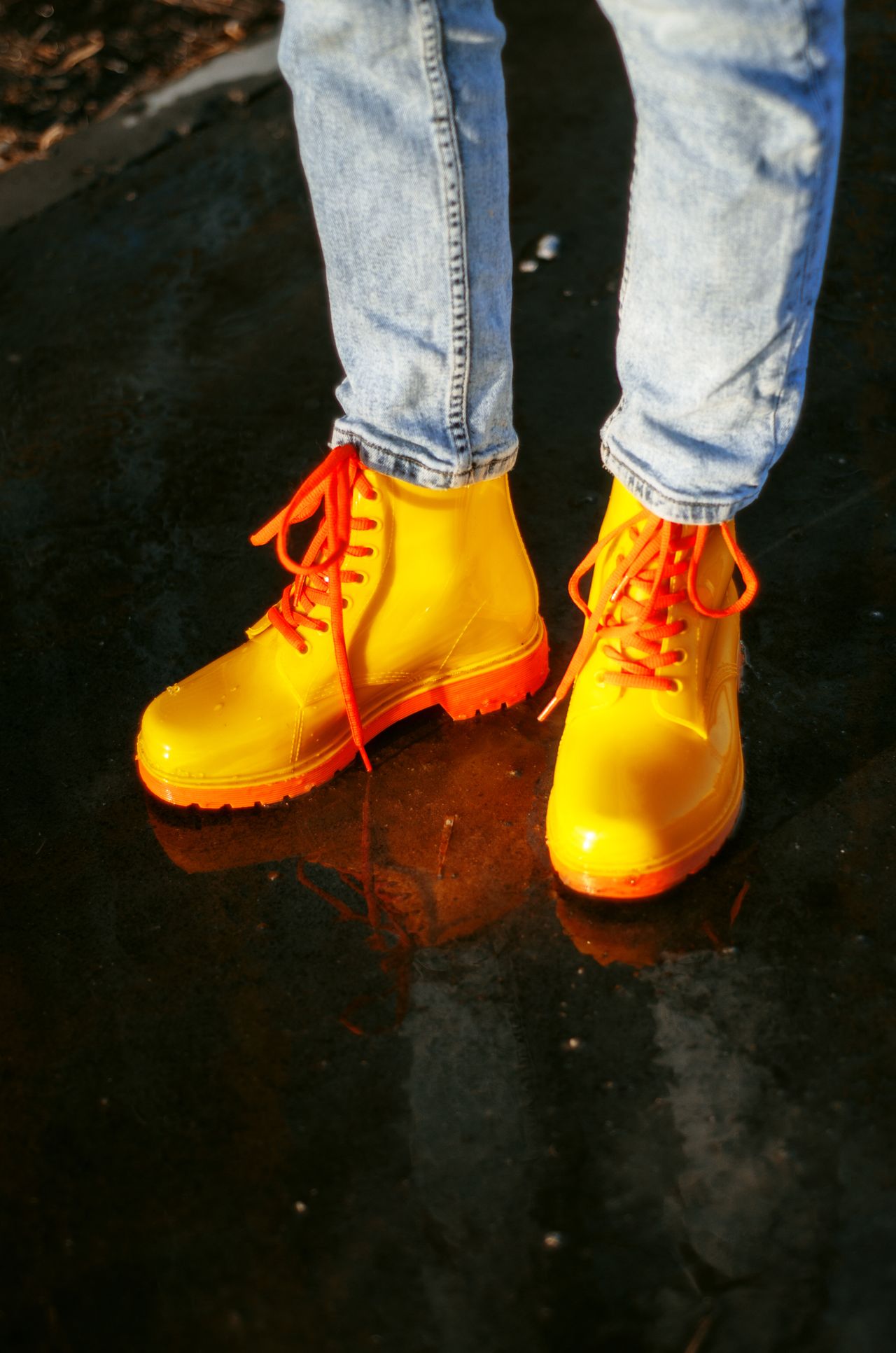
Photo: Pexels
3. The Label Test: Read Before You Buy
Here is the uncomfortable truth: there is no single legal standard behind these words, and every brand sets its own bar. One company's waterproof is another company's water-resistant.
So read the details, not just the headline. Look for phrases like waterproof membrane, sealed seams, or gusseted tongue — and check reviews from people who wore the boots in real rain. Our winter shoes guide has more tips on decoding boot labels.
Photo: Pexels
4. The Rain Test: Which Survives a Downpour
In steady rain, waterproof boots win by a mile. The membrane keeps working hour after hour while a water-resistant coating slowly wets through.
If your fall and winter mean real rainstorms rather than drizzle, this is the scenario that justifies paying for waterproof. Your socks will thank you — and so will the rest of your casual fall outfits.
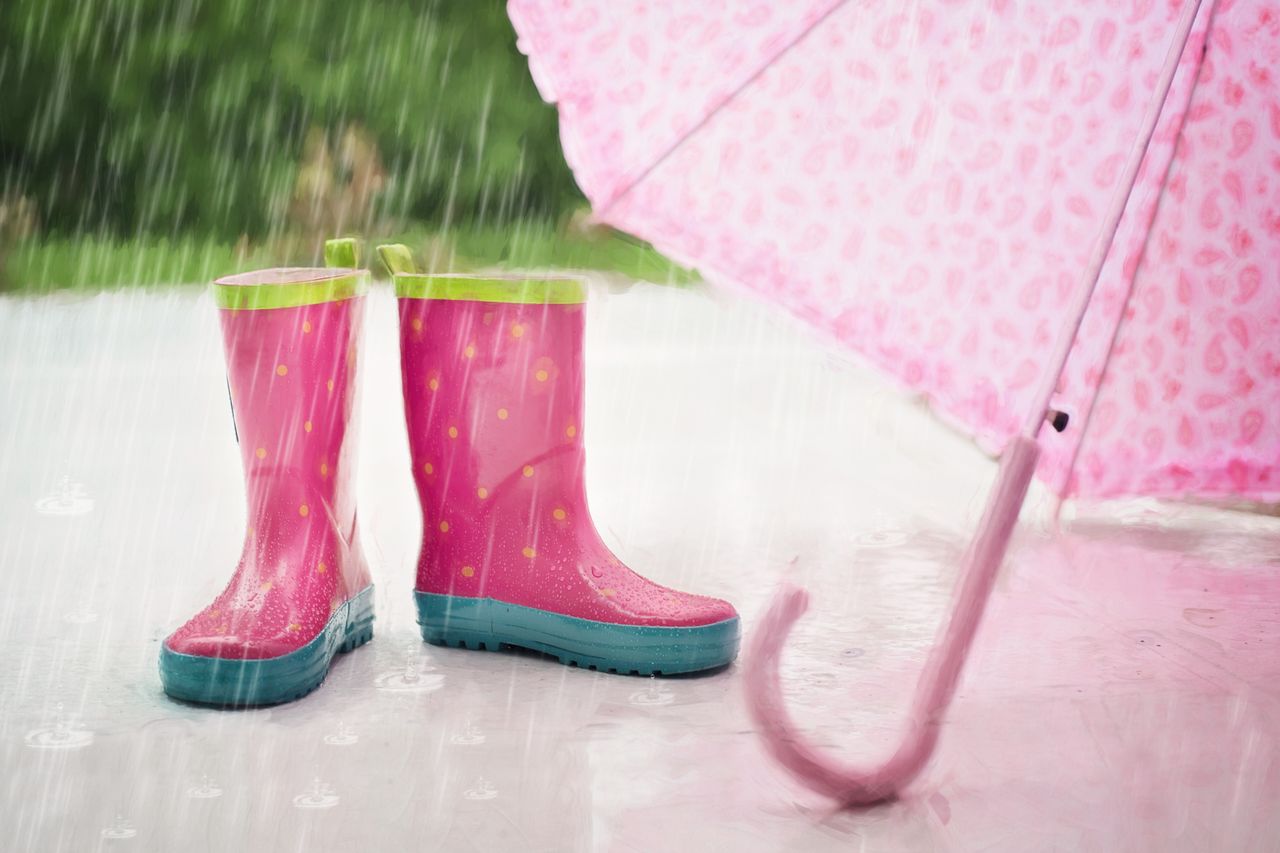
Photo: Pexels
5. The Slush and Snow Test
Slush is the ultimate boot test — it is water, cold, and road salt all at once. Waterproof boots with sealed seams handle it; water-resistant boots soak through at the seams first.
For snowy climates, waterproof is the safer default. Salt stains are also easier to wipe off sealed leather and rubber than off absorbent materials.
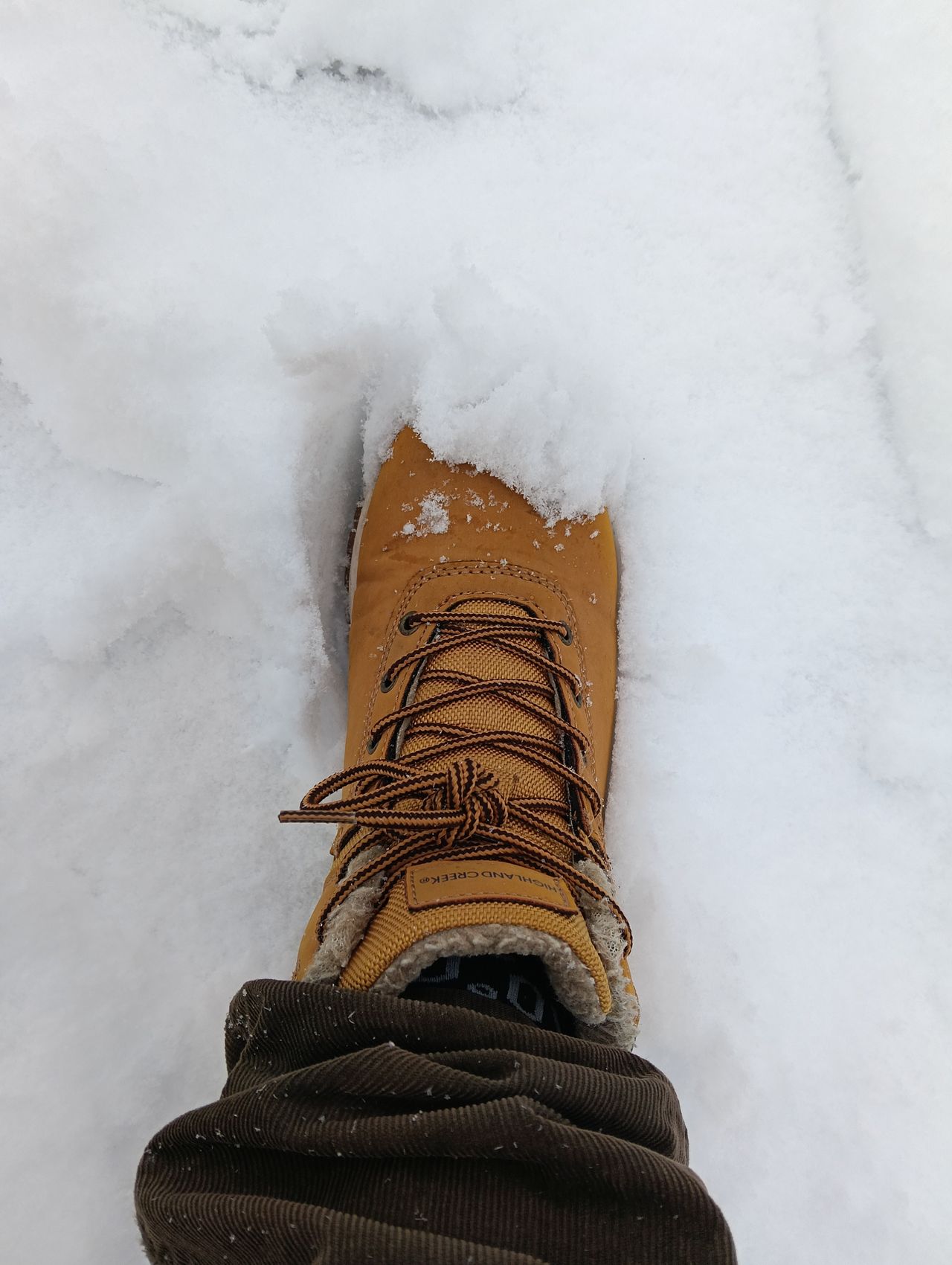
Photo: Pexels
6. The Breathability Trade-Off
Full waterproofing comes at a cost: less airflow. Sealed boots trap heat and sweat, which is why feet can feel clammy in waterproof boots on mild days or indoors all afternoon.
Water-resistant boots breathe better, so feet stay drier from the inside during light activity. If your feet run hot and sweaty — a top complaint in boot forums — this trade-off matters as much as rain protection. It is also worth considering for travel days; see our airport outfit ideas for comfortable all-day picks.
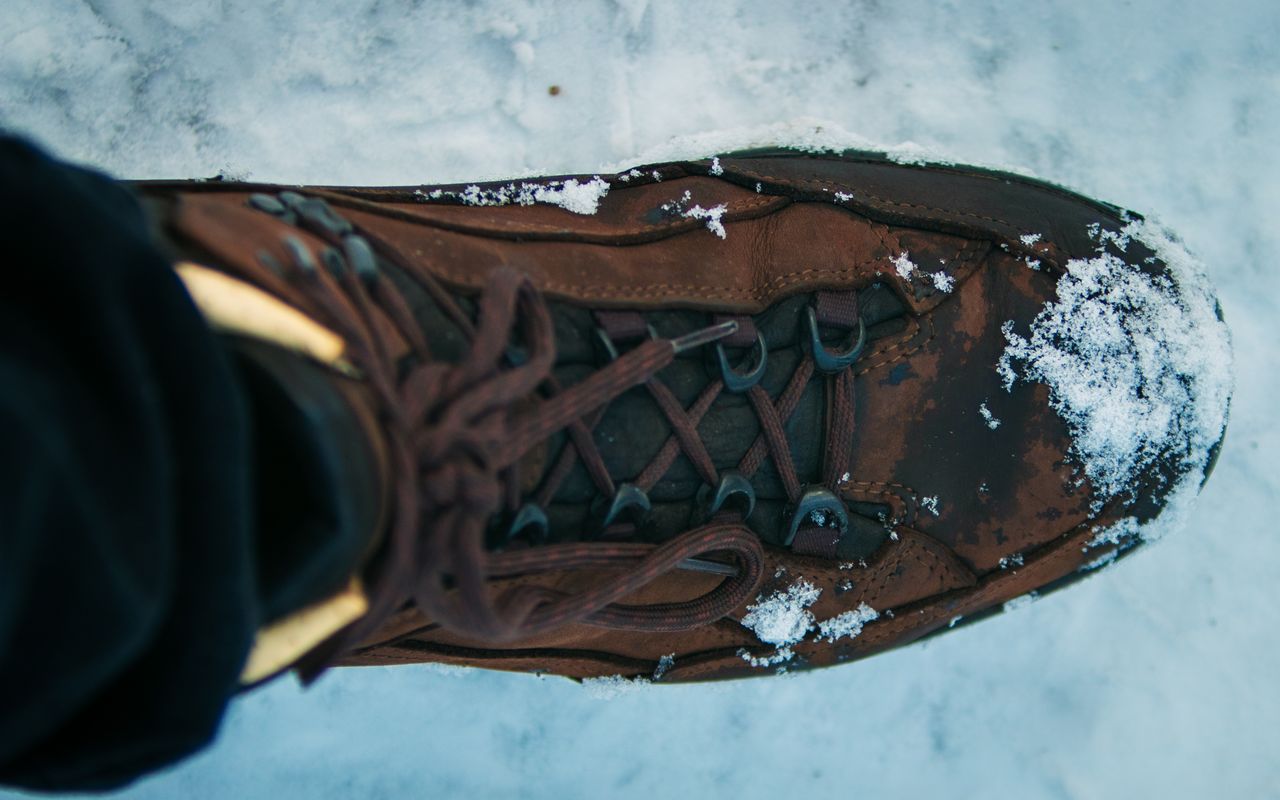
Photo: Pexels
7. Why Waterproof Costs More
Waterproof construction is genuinely more expensive — membranes, seam taping, and pressure testing all add cost. That is why a true waterproof boot often runs $30 to $80 more than a similar water-resistant one.
Whether the premium is worth it depends on your weather. Paying for waterproof you never need is wasted money; skipping it when you do need it is a wet-foot tax.
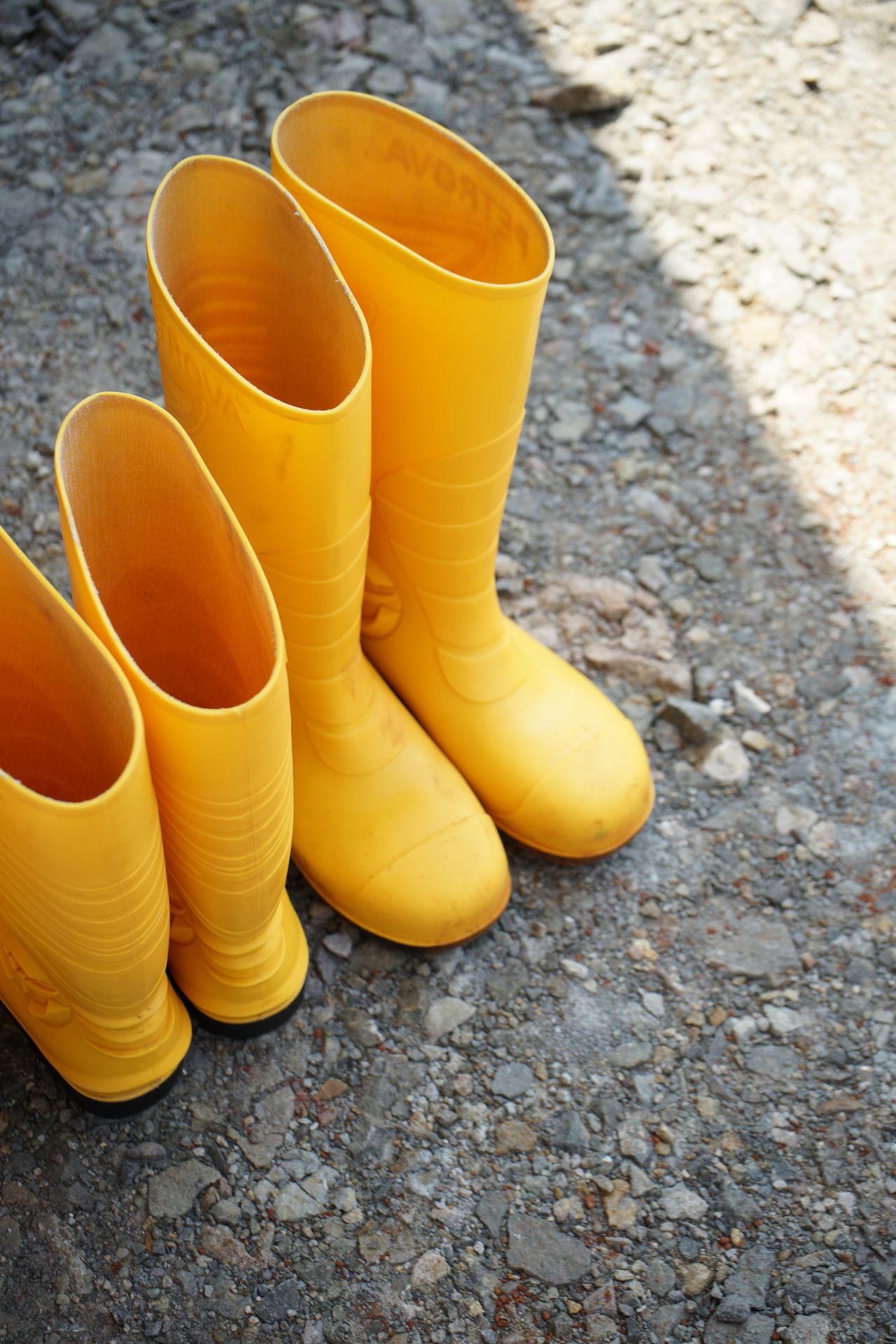
Photo: Pexels
8. Re-Waterproofing at Home
Water-resistant boots can be upgraded with sprays and waxes, and even waterproof boots need their outer coating refreshed. A quick spray treatment once a season keeps water beading instead of soaking in.
Match the product to the material — silicone sprays for smooth leather, gentler formulas for suede and nubuck. Clean the boots first, or you will seal the dirt in.

Photo: Pexels
9. Marketing Traps to Watch For
Fashion boots love the word water-resistant because it sounds protective without promising much. A stylish ankle boot with a light coating will not survive a real storm no matter what the tag implies.
Also watch for "water-repellent" — it is roughly the same as water-resistant, just a different word for the coating. When in doubt, assume the weaker meaning until reviews prove otherwise. Our guide on how to wear ankle boots with jeans sticks to styles that earn their keep.

Photo: Pexels
10. The Verdict: Match the Label to Your Weather
Choose waterproof if you face downpours, slush, standing water, or long hours outside in wet cold. Choose water-resistant if your worst case is drizzle and damp pavement — and enjoy the lower price and better breathability.
The right buy is the one that matches your actual winter, not the toughest winter imaginable. Be honest about your weather and the label stops being confusing.

Photo: Pexels
Frequently Asked Questions
What is the difference between waterproof vs water-resistant boots?
Waterproof boots can be submerged without leaking thanks to membranes and sealed seams. Water-resistant boots only shed light rain and splashes through a surface coating that wears off over time.
Are water-resistant boots enough for snow?
For light, dry snow, usually yes. For wet slush, melting snow, or road salt, you want fully waterproof boots with sealed seams.
Do waterproof boots make feet sweat?
They can, since sealed construction breathes less. Moisture-wicking socks help a lot, and on mild days a breathable water-resistant boot may actually keep feet drier.
How long does a water-resistant coating last?
A factory coating typically lasts about a season of regular wear. Reapply a spray treatment when water stops beading on the surface.
Can I make water-resistant boots waterproof?
You can improve them a lot with the right sprays or wax, but you cannot add sealed seams or a membrane at home. Treat them as upgraded water resistance, not true waterproofing.
Final Thoughts
The waterproof vs water-resistant choice stops being confusing once you match it to your weather: standing water and slush demand waterproof, while drizzle and damp sidewalks are fine with water-resistant. Buy the label your winter actually needs and your feet stay dry all season.
Sources
- Overlook Boots — Waterproof vs. Water-Resistant vs. Water-Repellent Boots
- IUE Mag — Waterproof vs Water-Resistant: What's the Difference
- Top Factory Shoes — What Is the Difference Between Waterproof and Water-Resistant?
- Vocal Media — Waterproof Work Boots: Worth It?
Gallery
Photo: Pexels
Photo: Pexels

Photo: Robert Nelson via Unsplash / Wikimedia Commons (CC0)

No comments:
Post a Comment