Duck boots have been around since 1912, when L.L. Bean stitched a rubber bottom to a leather top and created an instant classic. But if you are wondering, are duck boots worth it for your winter, the answer depends on where you live and what you expect from a boot.
This is an honest 10-point breakdown — the real pros, the real cons, and exactly who should skip them. No brand worship, just practical truth from people who have worn them for years.

Photo: Tom Fish via Wikimedia Commons (CC BY-SA 4.0)
Table of Contents
- 1. What Duck Boots Actually Are
- 2. Pro: They Last for Decades
- 3. Pro: The Waterproof Rubber Foot
- 4. Con: The Ice-Traction Problem
- 5. Insulated vs Non-Insulated: Pick Your Version
- 6. Con: The Stiff Break-In
- 7. Perfect For: Slushy Commutes and Wet Fall Days
- 8. Who Should Skip Them
- 9. Sizing: Leave Room for Thick Socks
- 10. The Verdict: Cost Per Winter
1. What Duck Boots Actually Are
A duck boot pairs a waterproof rubber lower with a leather or fabric upper, laced up the front. That two-part build is the whole concept: rubber keeps water out at the bottom, leather gives structure and style on top.
The original Bean Boot was made for Maine hunting trips, and the design has barely changed in a century. Modern versions add insulation, better treads, and new colors — but the formula is the same. For styling ideas, see our guide on how to wear ankle boots.

Photo: Pexels
2. Pro: They Last for Decades
Ask around and you will find people wearing the same pair for 20 or even 25 years. The rubber bottom barely wears, the leather can be conditioned, and the simple construction is easy to resole or repair.
That longevity changes the math. A pair in the $150 to $200 range worn for a decade costs less per winter than replacing cheap boots every other year.

Photo: Pexels
3. Pro: The Waterproof Rubber Foot
The rubber lower is genuinely waterproof — puddles, slush, and wet snow simply bead off. For rainy fall days and slushy city streets, that sealed foot is the boot's greatest strength.
One caveat from testers: on lace-up styles, water can eventually seep through the tongue and laces in a real downpour. They are waterproof at the foot, not scuba gear.

Photo: Pexels
4. Con: The Ice-Traction Problem
Here is the most common complaint, and it is a fair one: classic duck boots can be slippery on ice. The traditional chain-tread sole was designed for mud and wet ground, not glare ice.
One well-known review even called some versions rain boots masquerading as snow boots, which stung because it is partly true. If your winter means icy sidewalks, budget for traction cleats or choose a boot with a winter-rated sole.

Photo: Pexels
5. Insulated vs Non-Insulated: Pick Your Version
Duck boots come both ways, and the choice matters. Non-insulated pairs are lighter and work for wet fall weather or mild winters, especially with room for thick socks underneath.
Insulated versions add fleece or synthetic lining for real cold. But remember that rubber does not breathe — an insulated pair worn above freezing can turn into a foot sauna.

Photo: Pexels
6. Con: The Stiff Break-In
New duck boots are famously stiff. The leather upper and rubber base need days of wear to flex with your stride, and the first week can feel clunky and awkward.
Wear them around the house with thick socks before any long day out. Once broken in they mold to your feet — but if you need comfort on day one, this is not your boot.

Photo: Pexels
7. Perfect For: Slushy Commutes and Wet Fall Days
This is where duck boots earn their keep: the 35 to 45°F slush season, rainy commutes, and dog walks on wet paths. They shrug off the exact conditions that ruin suede boots and sneakers.
Paired with jeans and a puffer jacket, they also nail the classic casual winter look. Few boots handle both a downpour and a dinner reservation.

Photo: Pexels
8. Who Should Skip Them
Skip duck boots if your winter runs below 0°F for weeks, if you walk on ice daily, or if you need serious arch support — the flat footbed is basic. Deep-snow country deserves a taller insulated snow boot.
Also skip them if you have wide feet and hate lace-fiddling, since the narrow rubber toe box runs snug. There is no shame in choosing the right tool for your climate — our winter coat outfit ideas pair well with sturdier boots too.
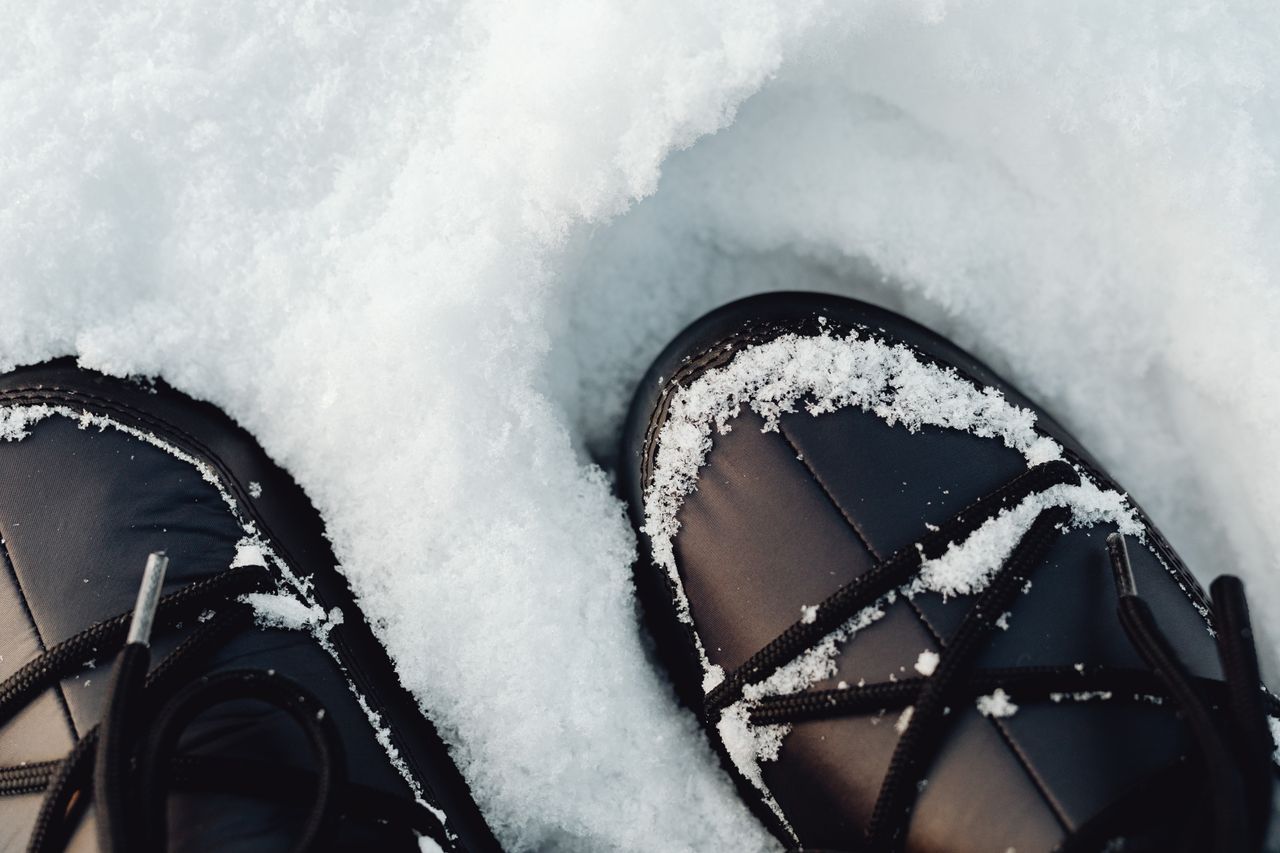
Photo: Pexels
9. Sizing: Leave Room for Thick Socks
The most repeated sizing advice from longtime wearers: buy with thick socks in mind. Duck boots pair best with heavy wool socks, and a snug fit plus thick socks equals cold, cramped feet.
Many people go up half a size or choose the wide width. Your toes should wiggle freely — the air space around your toes is insulation, not wasted room.

Photo: Pexels
10. The Verdict: Cost Per Winter
If you face wet, slushy, above-zero winters and want one boot that lasts a decade, few purchases pay off like a good pair of duck boots. The cost per winter ends up tiny.
If you need ice grip, deep-cold insulation, or all-day support, spend the money on a purpose-built winter boot instead. Buy for your real weather, not the catalog photo — and a cozy turtleneck outfit will keep the rest of you just as happy.
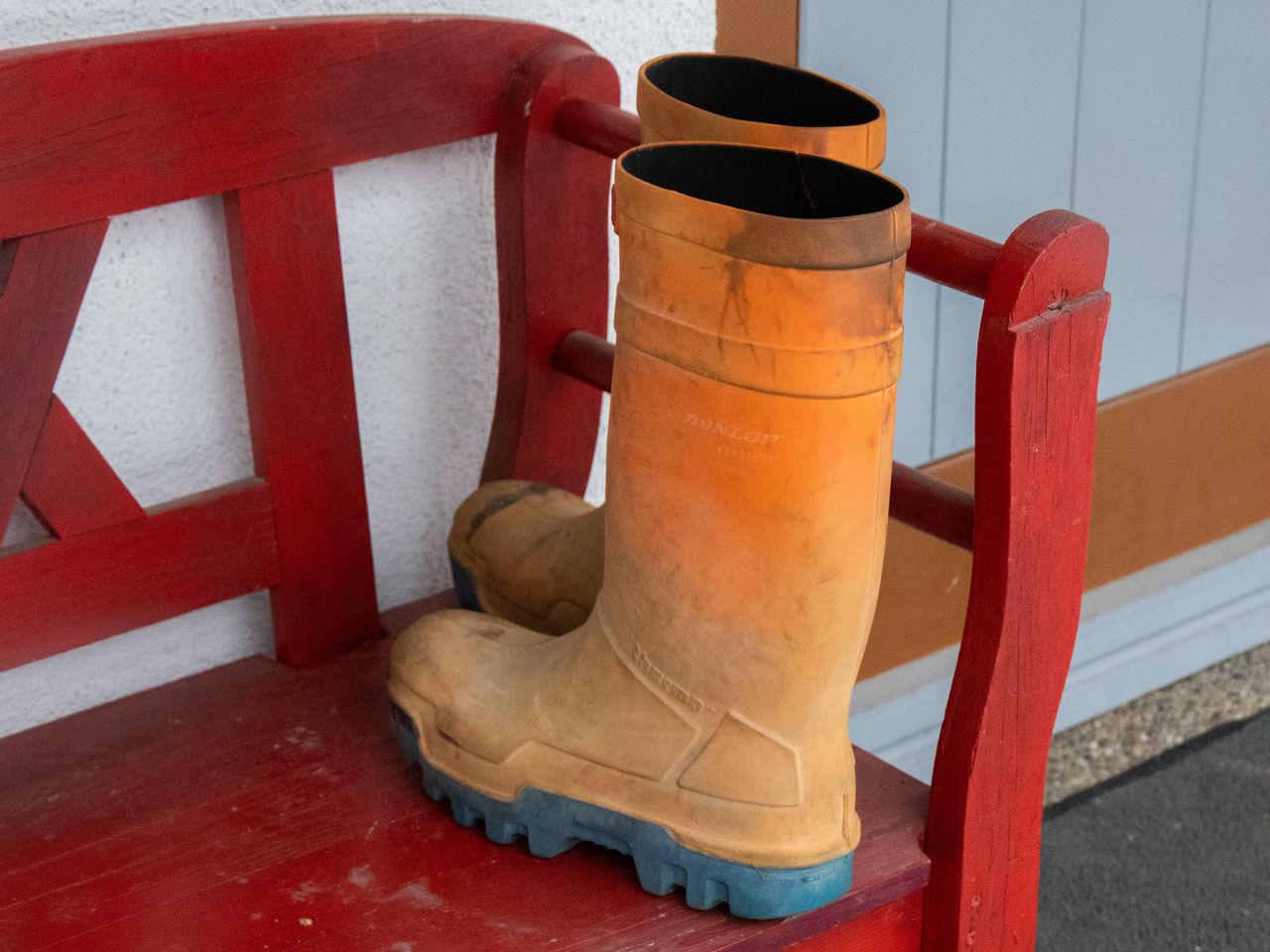
Photo: Pexels
Frequently Asked Questions
Are duck boots worth it for a college student?
For a campus with slushy walkways, yes — they handle wet paths, look fine with jeans, and can last all four years. For an icy campus, add traction cleats or pick a winter-rated boot.
Are duck boots good in snow?
They handle light snow and slush well, but deep snow and ice are not their strength. For serious winter conditions, an insulated snow boot with aggressive tread is the safer pick.
Are duck boots waterproof?
The rubber foot is fully waterproof, but water can seep through the laces and tongue on lace-up styles in heavy rain. They are best described as highly water-resistant overall.
Should I get insulated or non-insulated duck boots?
Choose insulated for below-freezing winters and non-insulated for wet fall weather or mild climates. Non-insulated pairs with thick socks are the most versatile option.
How long do duck boots last?
With basic care, quality pairs last 10 to 25 years. Conditioning the leather and storing them dry between seasons keeps them going strong.
Final Thoughts
Duck boots are worth it for the right person in the right climate — a wet, slushy winter warrior that can last decades. They are not an ice boot or a deep-freeze boot, and pretending otherwise is how disappointment happens. Match the boot to your winter and you will understand the century of loyalty.
Sources
- The Manual — Do You Know What Duck Boots Really Are?
- Treeline Review — Best Women's Rain Boots (Bean Boot testing notes)
- DC Urban Mom — Boot for College Student in Winter Climate (forum)
- L.L.Bean — Bean Boots (official product page)
Gallery
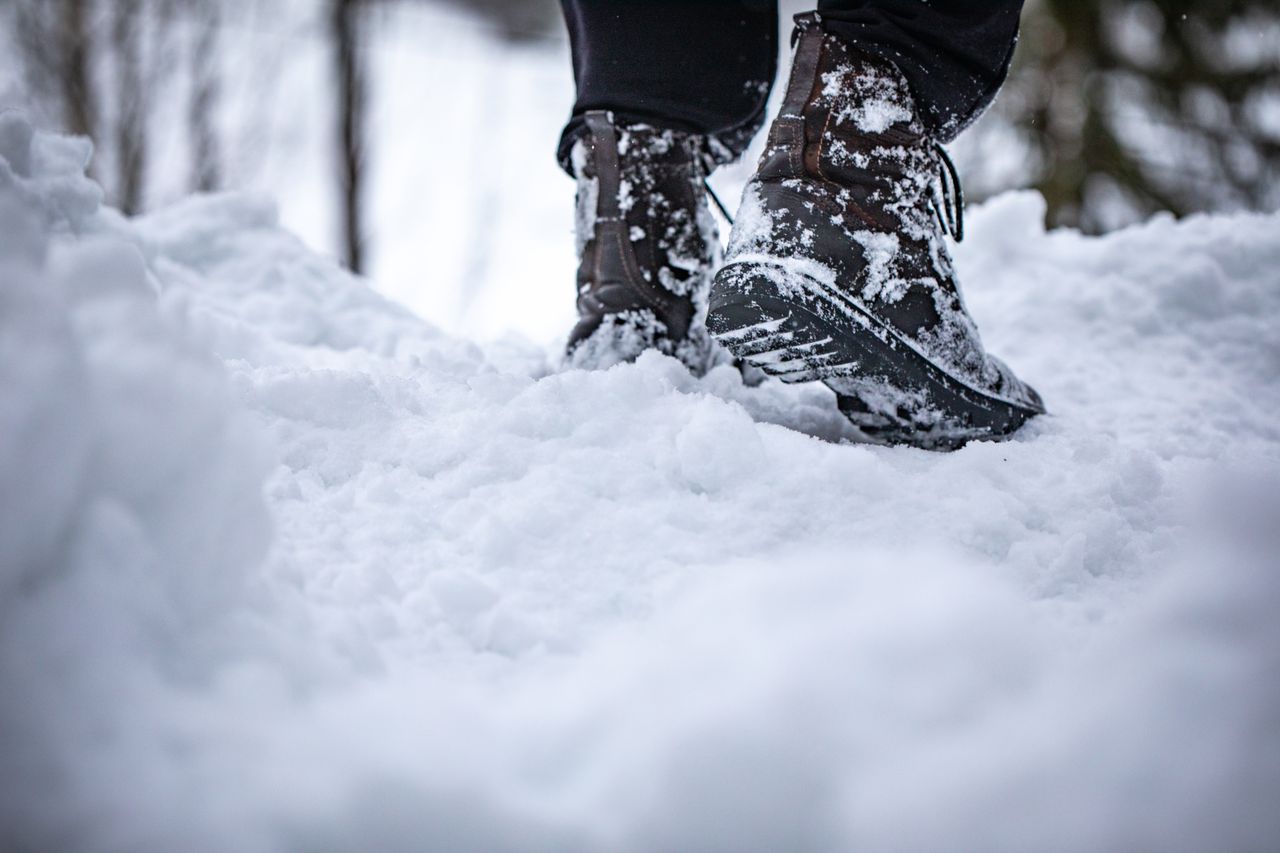
Photo: Pexels

Photo: Pexels

Photo: Pexels

No comments:
Post a Comment