Winter with a toddler means one thing: getting dressed takes longer than the walk itself. One missing mitten can end the whole outing before it starts. This toddler winter clothes checklist covers every category, head to toe, so you can shop once and stop guessing in the store aisle.
Everything below follows the layering system that actually works: a thin base layer to move sweat away from the skin, a fluffy mid-layer to trap warm air, and a windproof shell on top. Pediatric nurses and cold-climate parents agree on the method. The details here come from real-world trial and error, including which pieces toddlers rip off first and what survives a full season of daycare.
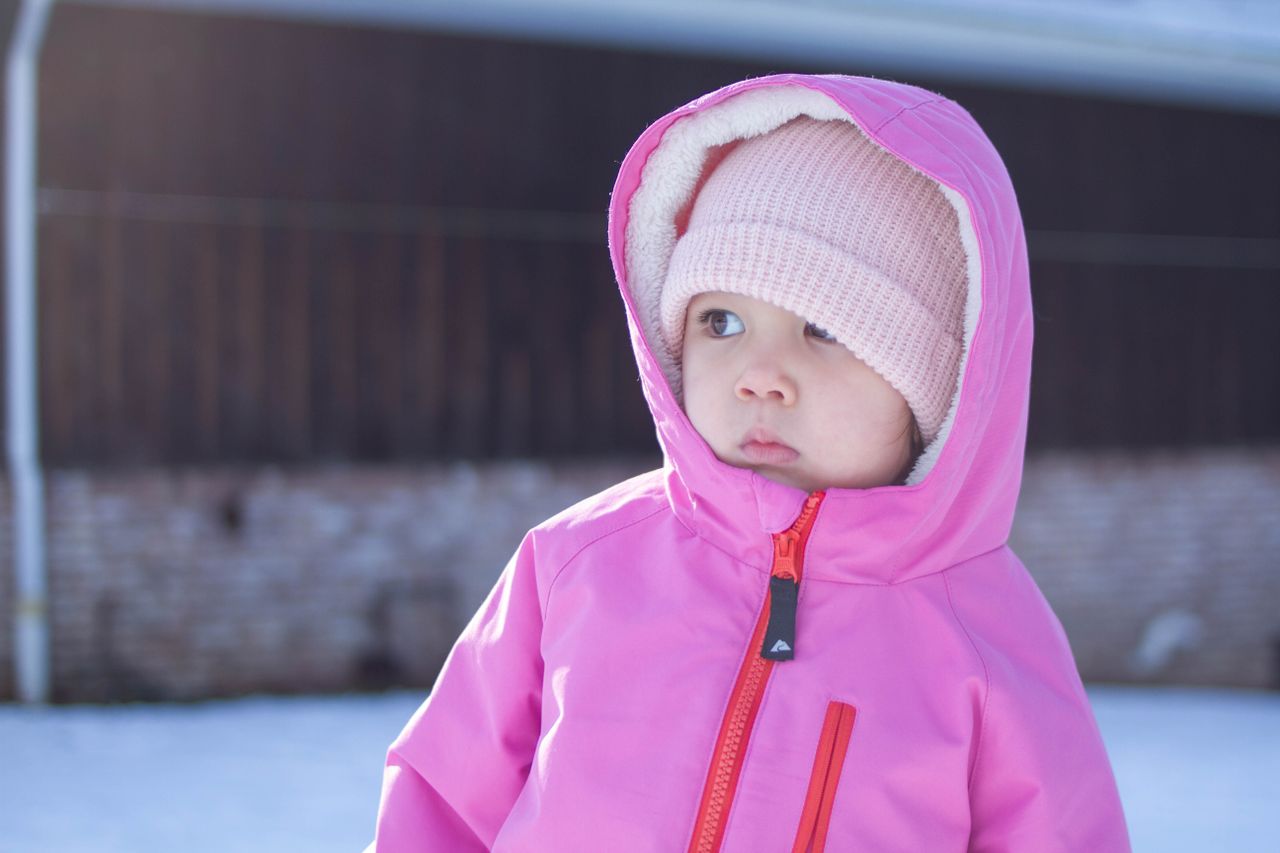
Photo: Pexels
Table of Contents
- 1. Start With Thermal Base Layers
- 2. Add a Fleece Mid-Layer
- 3. Pick a One-Piece Snowsuit for Deep Cold
- 4. Snowsuit vs. Separates: Choose Your Shell
- 5. Get a Hat That Actually Stays On
- 6. Choose Mittens, Not Gloves
- 7. Pack Warm Socks, Plus Spares
- 8. Size Boots With Growing Room
- 9. Build a Daycare Spare Bag
- 10. Dress Thin for the Car Seat
- Frequently Asked Questions
1. Start With Thermal Base Layers

Photo: Wikimedia Commons
The base layer sits against the skin, and its job is moving sweat away so your toddler does not get cold and clammy. Merino wool or synthetic thermal sets do this best. Plain cotton holds moisture and turns cold fast, which is why cotton long johns disappoint on real winter days. A simple long-sleeve thermal top plus thermal leggings under everything else is the standard cold-day uniform.
Buy base layers snug but stretchy. If the fabric gaps away from the skin, it cannot wick moisture. Two or three sets per child covers a week of daycare, since these go in the wash often. They double as pajamas on very cold nights, which saves you from buying separate heavy sleepwear.
2. Add a Fleece Mid-Layer
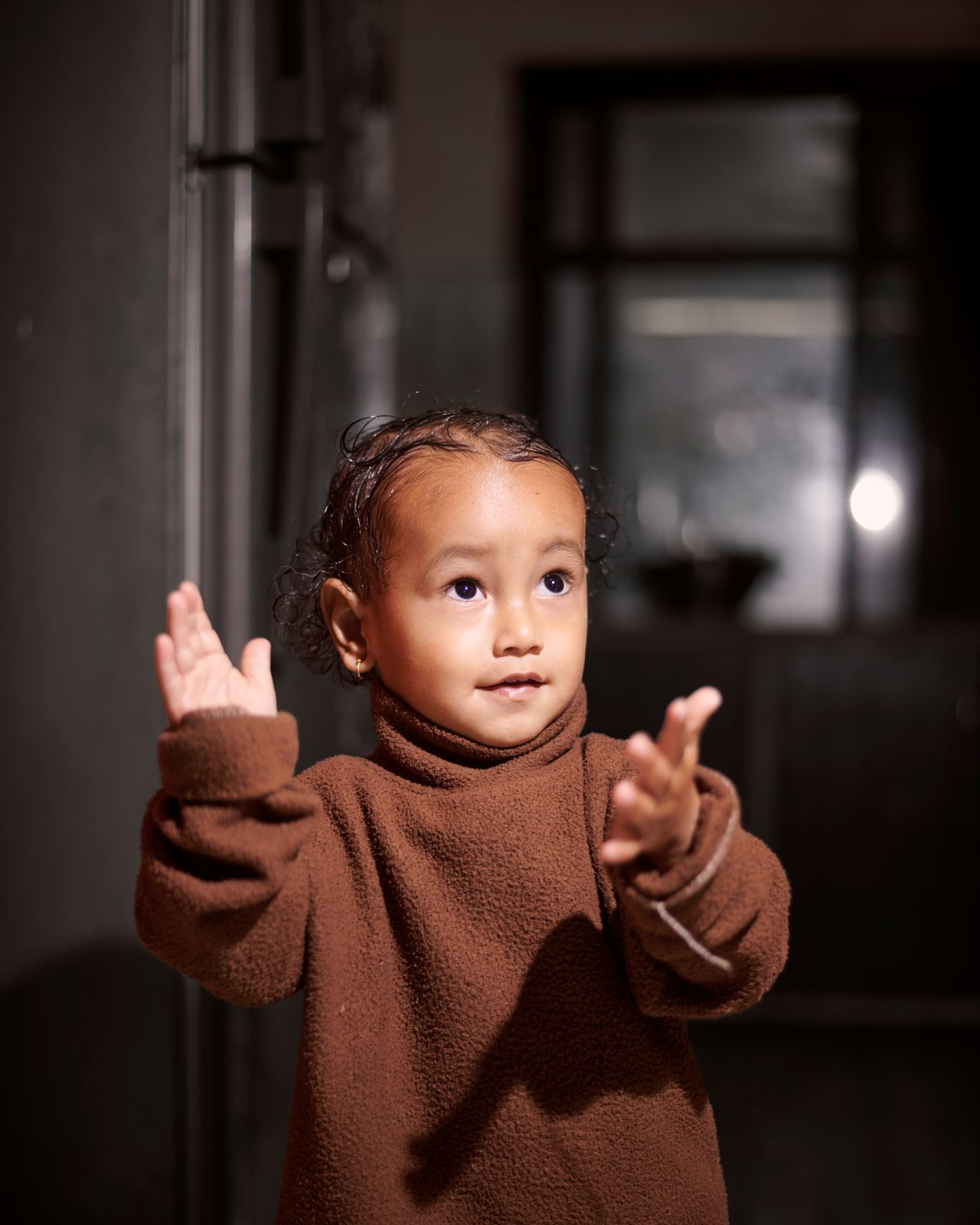
Photo: Pexels
The mid-layer traps warm air, and fleece is the toddler parent's best friend: light, soft, washable, and warm even when slightly damp. A fleece pullover or zip-up over the base layer handles most winter days in the 30s and 40s Fahrenheit. Skip bulky knit sweaters as the main mid-layer. They restrict arm movement and make the outer shell fit badly.
Fleece pants or fleece-lined leggings do the same job for legs on colder days. Keep one mid-weight fleece and one heavy fleece per child, and layer both when temperatures drop into the teens. Because fleece dries fast, one set can air-dry overnight when laundry falls behind.
3. Pick a One-Piece Snowsuit for Deep Cold
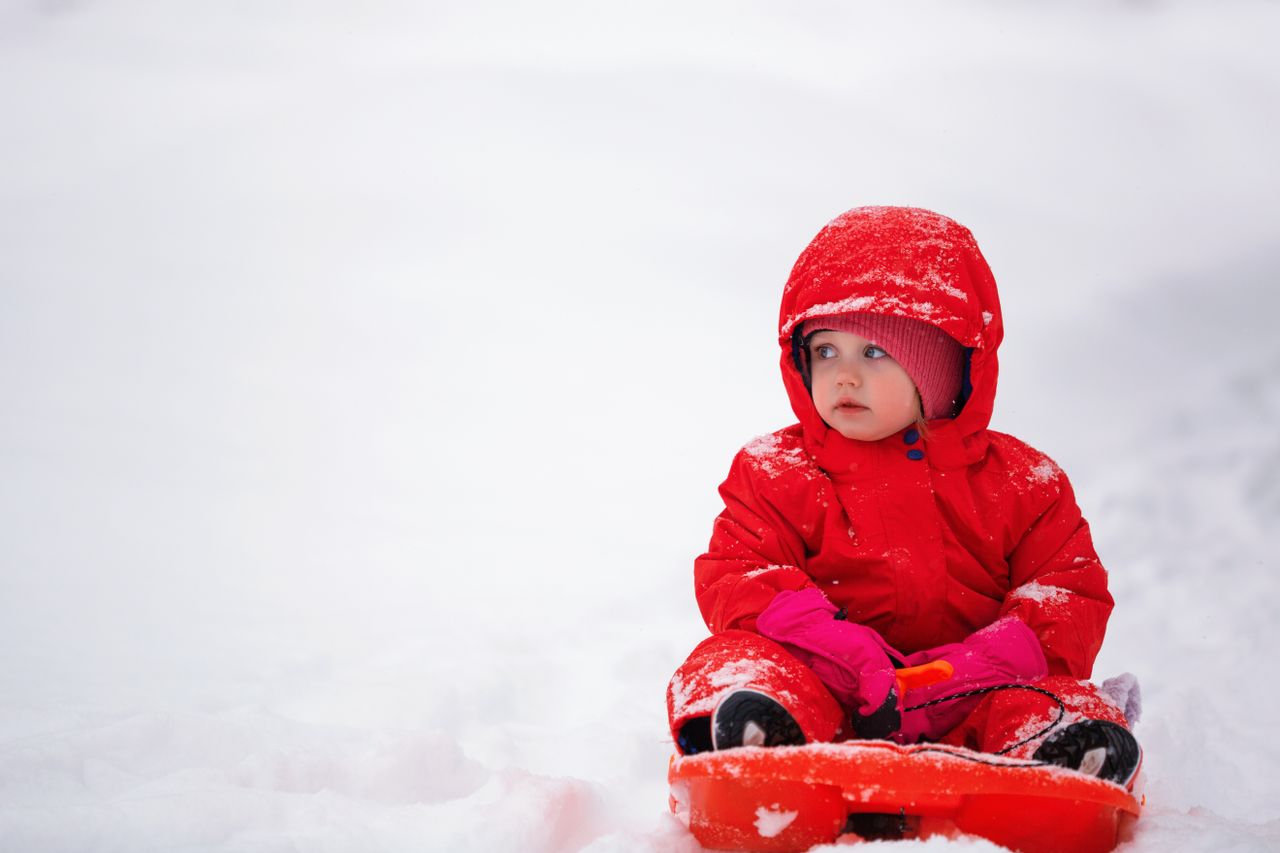
Photo: Pexels
A one-piece snowsuit is the simplest answer for toddlers under three. There are no gaps at the waist for snow to sneak in, just one zipper and you are done. Look for a wind- and water-resistant nylon shell with down or synthetic insulation inside, and a zipper that runs down to the knee or ankle so diaper changes stay manageable.
Check the cuffs before you buy. Elastic or adjustable Velcro tabs at the wrists and ankles keep snow out far better than loose openings. Size up slightly so the base and mid layers fit underneath without compressing, since a skin-tight snowsuit loses insulation. Fold-over cuffs on the sleeves are a bonus for the youngest toddlers.
4. Snowsuit vs. Separates: Choose Your Shell
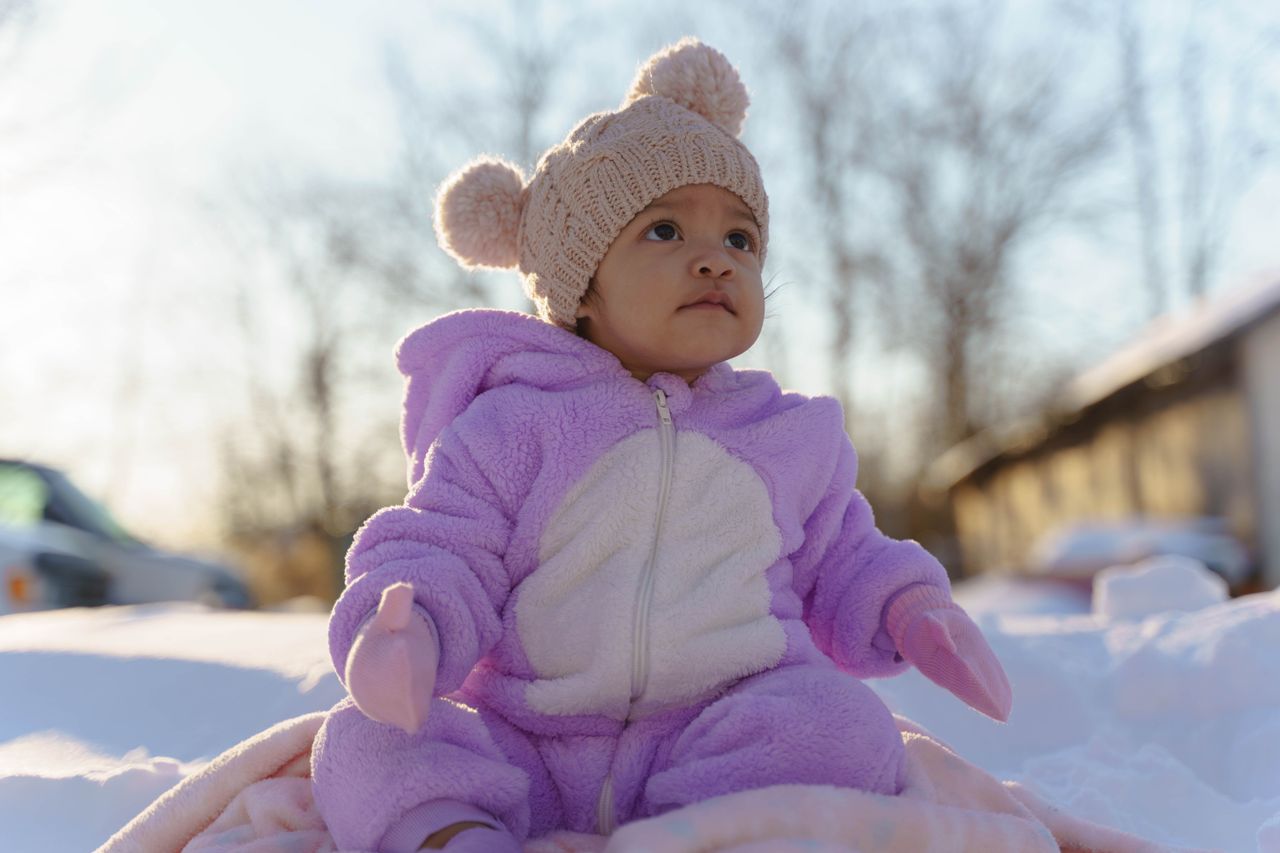
Photo: Pexels
Separates, meaning a winter jacket plus bib-style snow pants, win for potty-training toddlers and kids who overheat easily. You can peel off one piece indoors without a full undressing session. Bibs stay up without a tight waistband and add an extra insulated layer over the belly. This is also the cheaper route when hand-me-downs arrive in mismatched sizes.
The trade-off is the waist gap. Snow finds its way in when toddlers tumble. If you go with separates, choose a jacket with a long cut and snow pants with a high back. Many families end up owning both: the one-piece for blizzards and sledding days, separates for milder weather and car trips.
5. Get a Hat That Actually Stays On

Photo: Pexels
Toddlers are professional hat-removers, so the design matters more than the cuteness. A fleece-lined knit cap with ear flaps that ties or fastens under the chin survives playground wrestling. Even if the snowsuit has a hood, wear the hat underneath. A close-fitting hat holds heat better, and the hood pulls over the top for wind.
Buy two identical hats, because one will get lost or soaked at daycare. Wool or wool-blend knits stay warm when damp, while pure acrylic gets cold and clammy once wet. If your toddler fights every hat, try a balaclava-style hat. With nothing to grab and pull off, many toddlers simply give up and keep it on.
6. Choose Mittens, Not Gloves
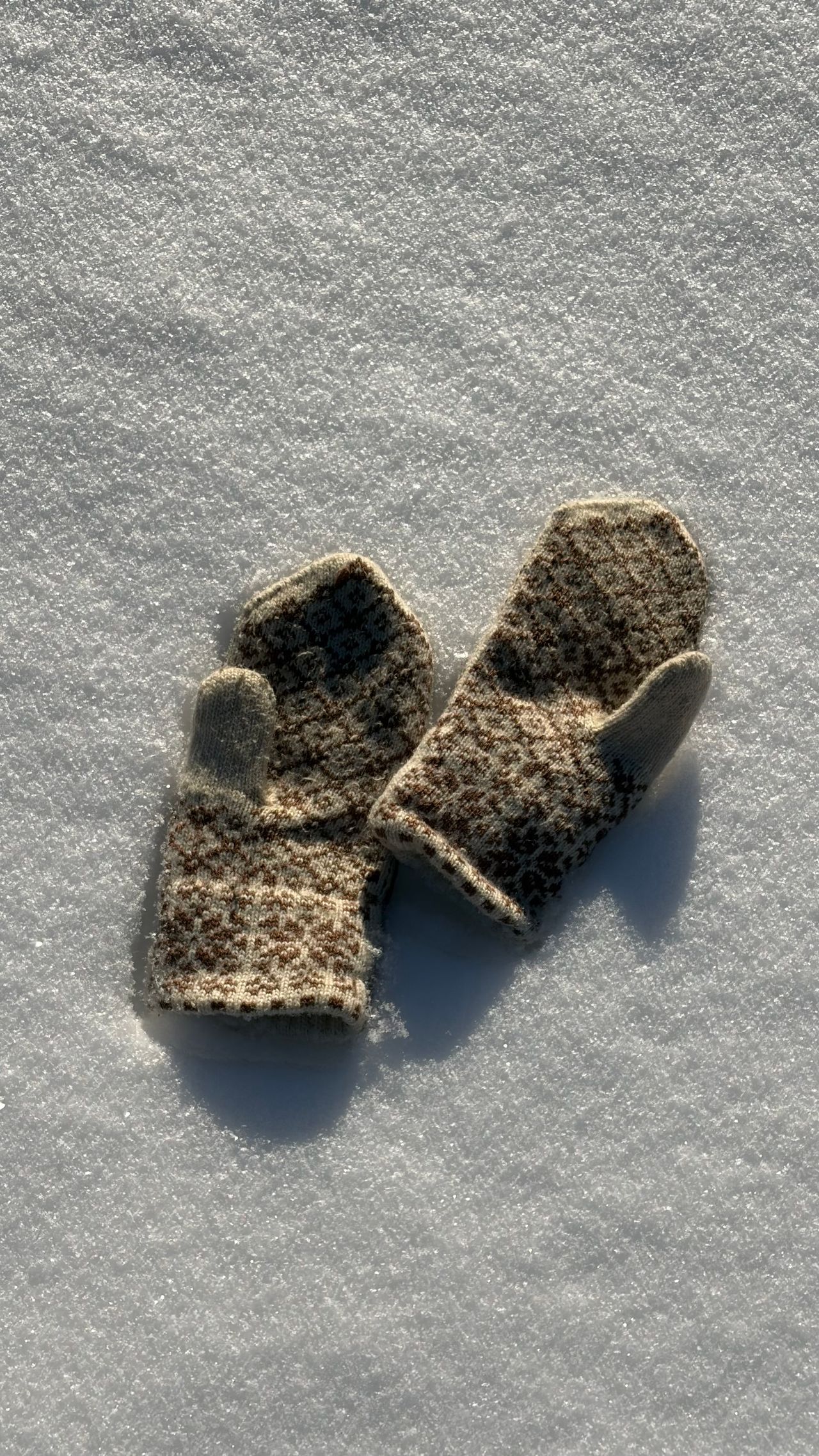
Photo: Pexels
Putting gloves on a toddler means matching every finger to its slot, which is a battle nobody wins. Mittens beat gloves on every count: faster to put on, harder to lose, and warmer because the fingers share heat. Look for a soft warm lining inside and a water-resistant shell outside.
The number one parent trick is putting the mittens on before the snowsuit, so the suit cuffs overlap the mitten cuffs and hold them in place. Long-cuffed mittens that reach halfway up the forearm almost never fall off. Buy at least two pairs, since mittens get wet fastest, and add cheap mitten clips that tether them to the sleeves.
7. Pack Warm Socks, Plus Spares

Photo: Wikimedia Commons
Wool or wool-blend socks keep little feet warm even when damp, which matters because toddler boots always find the puddle. Make sure the socks are not so thick that the boots will not fit over them. A too-tight boot squeezes out the warm air and cuts circulation, which makes feet colder, not warmer.
Skip cotton socks for outdoor play since they hold sweat against the skin. Buy socks slightly long so they do not slide down inside the boot, and keep two spare pairs in the daycare bag. Toddlers step in slush at pickup time with impressive consistency.
8. Size Boots With Growing Room

Photo: Wikimedia Commons
Winter boots need about a half inch of space past the longest toe, roughly a thumb's width. That leaves room for thick socks and a layer of warm air, without so much space that your toddler trips. Choose insulated, waterproof boots with a real tread for snow and ice, and avoid fashion boots with smooth soles.
Easy-on features matter at this age. Wide openings, simple Velcro straps, or toggle laces let a toddler manage with mittens on. Measure feet in the afternoon when they are slightly bigger, and re-check monthly, since toddler feet can jump a full size in one winter. One quality pair beats two cheap pairs that soak through.
9. Build a Daycare Spare Bag

Photo: Wikimedia Commons
Daycares require a full spare set, and winter doubles it. Pack a complete second outfit with a base layer, pants, socks, and underwear, plus a spare hat, spare mittens, and extra socks in a labeled zip bag. Snow play soaks everything, and a toddler in wet clothes at pickup makes for a miserable ride home.
Label every single item with your child's name. Hats and mittens all look alike in the cubby bin. Refresh the bag monthly as sizes change, and toss in a plastic bag for the wet stuff coming home. Parents who pack the spare bag on Sunday night never scramble on weekday mornings.
10. Dress Thin for the Car Seat
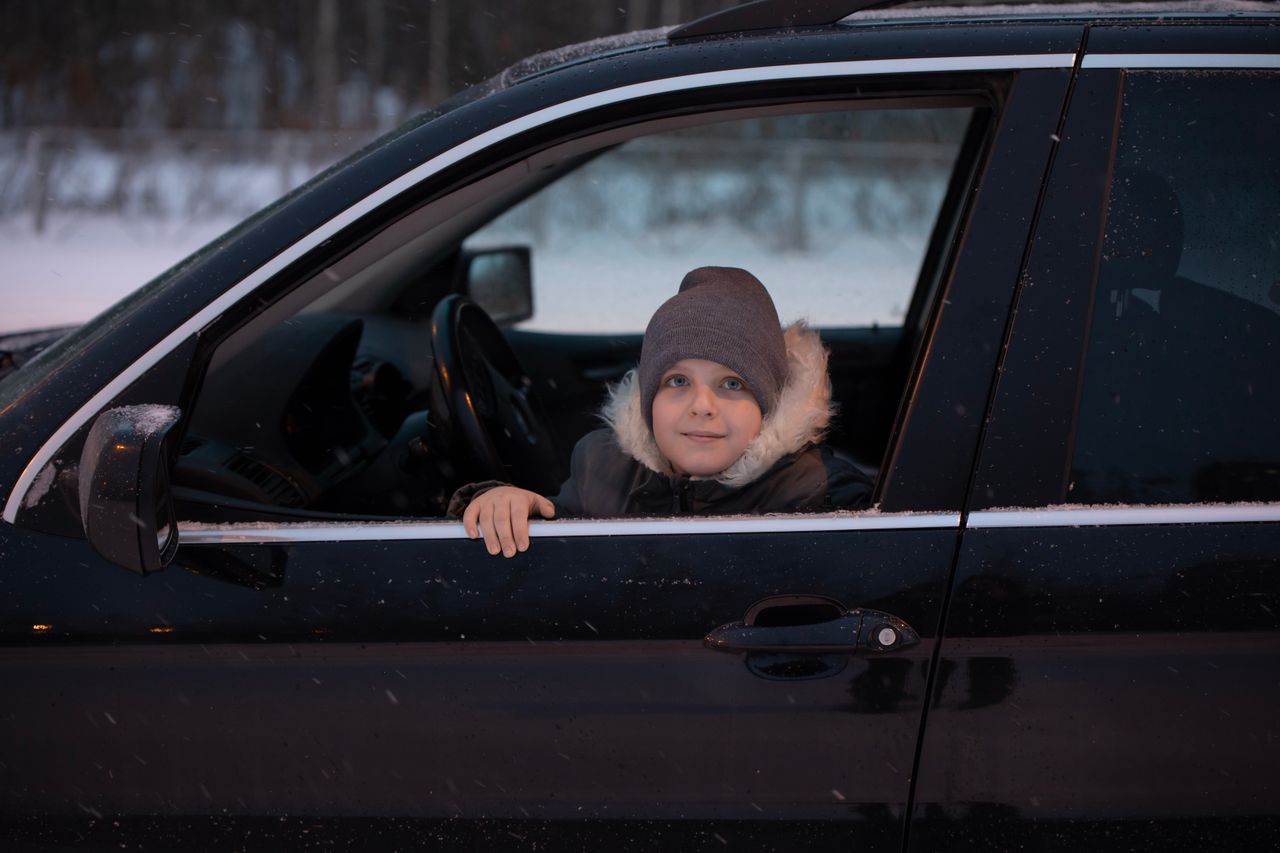
Photo: Pexels
Never buckle a toddler into a car seat wearing a puffy coat or snowsuit. In a crash the loft compresses, leaving the harness dangerously loose. Dress them in thin, warm layers for the ride instead. A thermal base plus fleece is plenty. Buckle snugly, then lay the coat over the top like a blanket.
Hats and mittens are safe in the car seat and keep extremities warm without affecting the harness. Do the pinch test: if you can pinch the harness strap fabric at the collarbone, it is too loose, so remove a layer. Warm the car up a few minutes before loading up on bitter days.
Frequently Asked Questions
How many layers does a toddler need in winter?
Three: a moisture-wicking base layer, an insulating mid-layer like fleece, and a windproof outer shell. Add or remove the mid-layer as temperatures change, and check the neck. Dry and warm means you got it right.
Are mittens or gloves better for toddlers?
Mittens, by a mile. They are faster to put on, stay on better, and keep tiny fingers warmer by sharing heat. Choose waterproof mittens with long cuffs, and buy at least two pairs.
Can my toddler wear a winter coat in the car seat?
No. Puffy coats compress in a crash and make the harness too loose. Buckle your toddler in wearing thin layers, then place the coat or a blanket over the harness.
How should toddler winter boots fit?
Leave about a half inch past the longest toe for socks and warm air. Measure feet in the afternoon and re-check monthly, since toddler feet can grow a full size in one winter.
How do I know if my toddler is too cold or too hot?
Feel the neck or chest, not the hands, since hands run cold naturally. Flushed cheeks and a sweaty neck mean too hot. Pale skin, cold fingers, and fussiness mean it is time to go inside.
Final Thoughts
Shopping from this toddler winter clothes checklist once, before the first cold snap, saves you from mid-January panic buying at full price. Focus your money on the pieces that touch snow: the shell, the boots, and the mittens. Base layers and fleece can be budget-friendly without losing warmth.
One last habit to build: check the forecast and lay out the layers the night before. A toddler who walks out the door warm, dry, and comfortable will actually enjoy winter, and so will you.
Sources
- PROPER WINTER ATTIRE FOR TODDLER | Best Toddler Snowsuit 2020 — YouTube (Love Mommy Koko)
- Dress Up for Babies In Winter | Below 0℃ | Head-to-Toe Clothing Checklist — YouTube
- How To Dress A Baby In Winter — Boston Baby Nurse & Nanny
- How to Dress a Toddler for the Weather — What to Expect
- Winter Family Packing Checklist for Kids (4 Years & Under) — Milk x Whiskey
Gallery

Photo: Wikimedia Commons

Photo: Wikimedia Commons
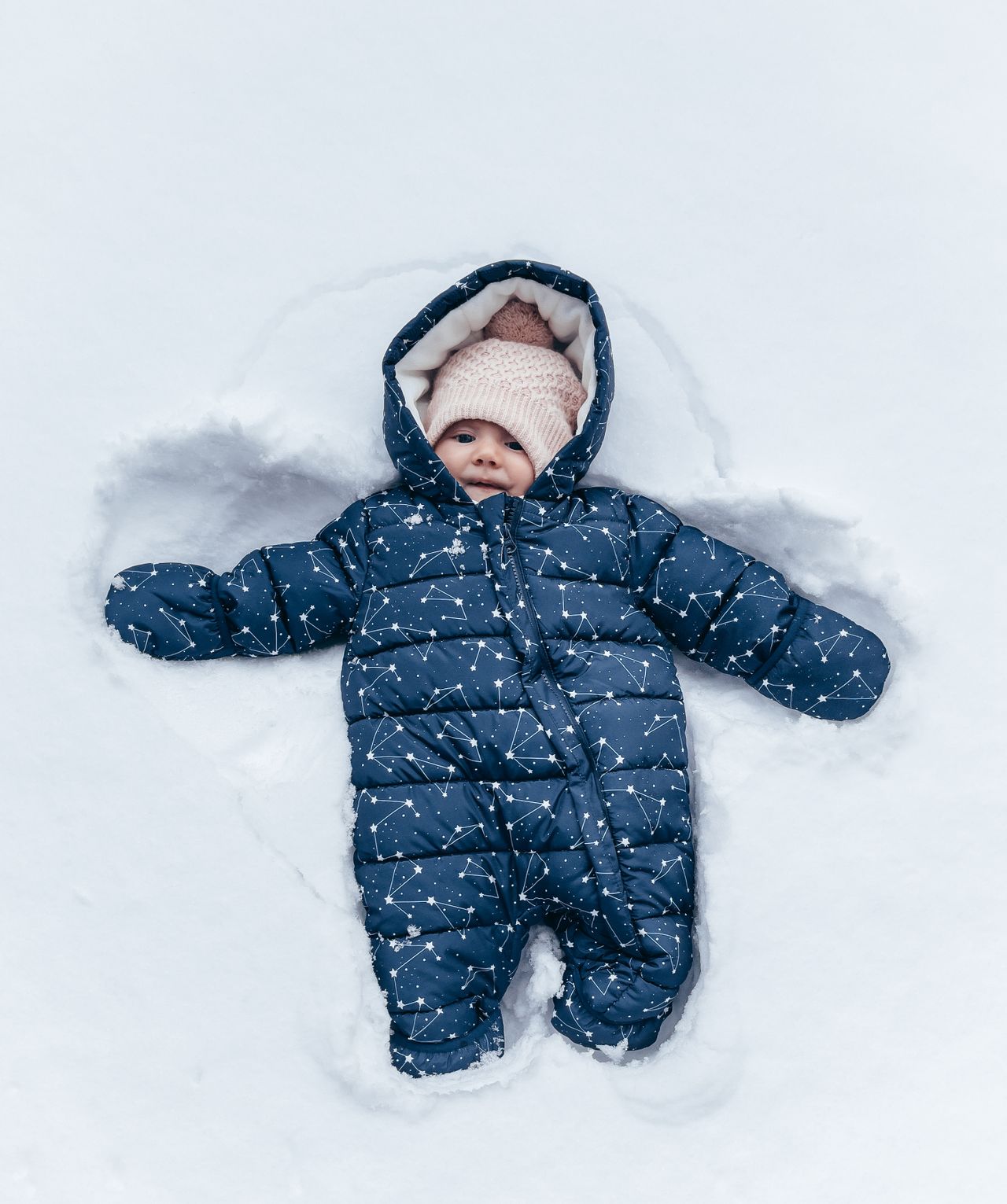
Photo: Pexels

No comments:
Post a Comment