There is a special kind of parent guilt that hits when your child comes inside from the snow ten minutes into playtime, cheeks red, socks damp, announcing that their toes hurt. The boots looked warm in the store, they cost real money, and still they failed at the one job they had. Buying winter boots for kids is not like buying them for yourself — children's feet grow fast, kids play harder and wetter than adults, and they cannot always tell you what is wrong until it is too late.
This kids winter boots buying guide walks you through the ten things that actually matter: measuring growing feet at home, how much room to leave, what temperature ratings really promise, why waterproof beats water-resistant for children, and which closures let a five-year-old get out the door without your help.

Photo: MIKI Yoshihito via Wikimedia Commons
Table of Contents
- 1. Measure First, Buy Second
- 2. Leave a Thumb's Width of Growing Room
- 3. Decode the Temperature Rating
- 4. Waterproof Beats Water-Resistant for Kids
- 5. Pick Closures Your Child Can Manage Alone
- 6. Keep Them Light
- 7. Check the Grip Before You Buy
- 8. Socks Do Half the Warming
- 9. Beware the Hand-Me-Down Trap
- 10. Break Them In Before the First Snow
- Frequently Asked Questions
- Final Thoughts
- Sources
- Gallery
1. Measure First, Buy Second
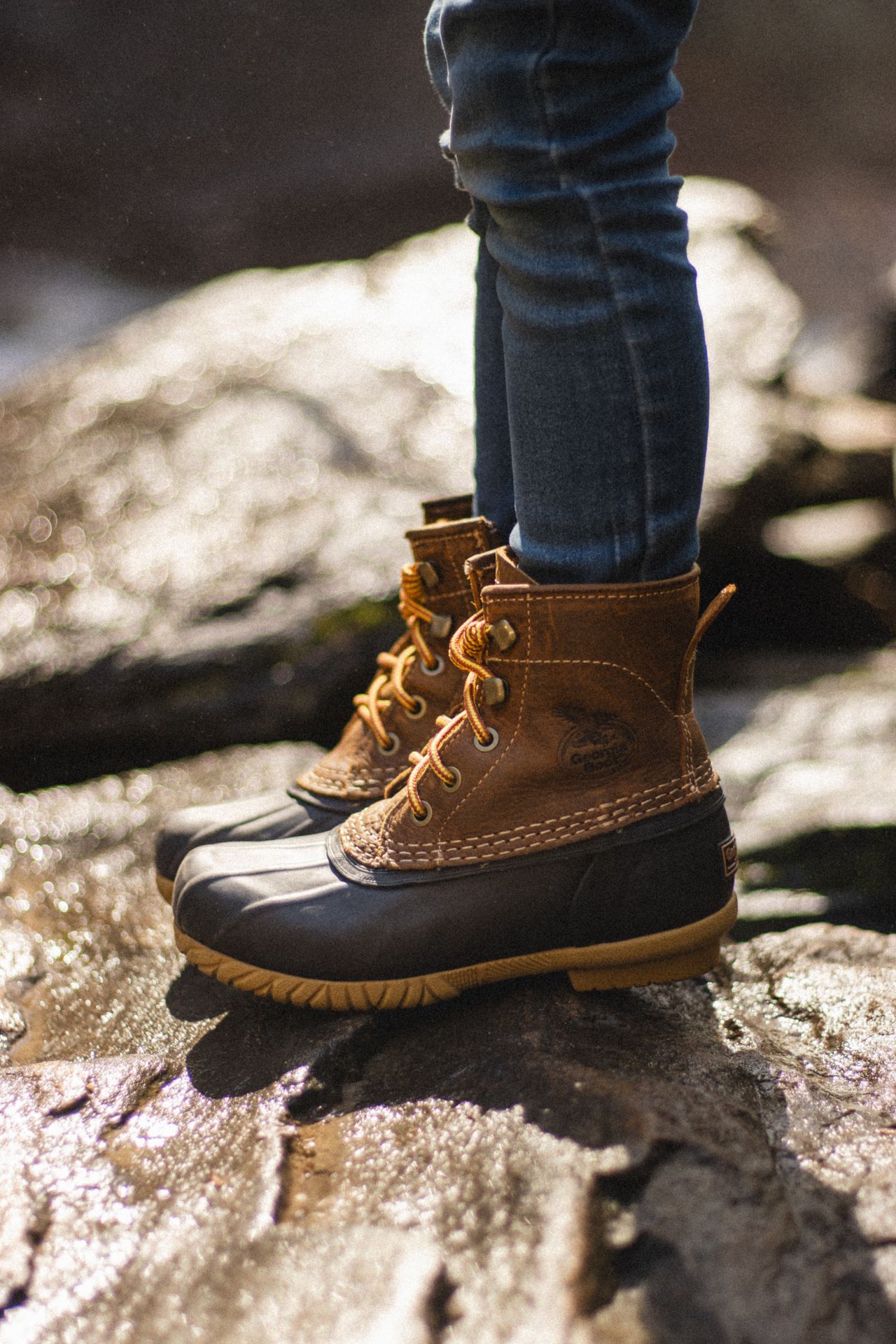
Photo: Pexels
Kids' feet grow about half a shoe size every three months, so never guess — measure. Have your child stand on a piece of paper with their heel against a wall, mark the longest toe with a pencil, and measure from the wall to the mark. Do it in the afternoon, in the thick socks they will wear in winter, and measure both feet — then buy for the larger one and add about half an inch for sock room.
Here is a sizing trick from a children's shoe store: pull the removable liner out, put it on your child's foot like a slipper, and check the toe room directly. Winter boots look enormous from the outside but are surprisingly snug inside, so never judge size by holding the boot against the foot — that shortcut almost always ends with boots that are too small.
2. Leave a Thumb's Width of Growing Room

Photo: Oto Zapletal via Wikimedia Commons
With winter socks on, leave about a thumb's width — roughly half an inch — between the longest toe and the front of the boot. That gap keeps blood moving: tight boots squeeze circulation, and tight boots are cold boots no matter how thick the insulation.
If the boots need to last from October to March, most parents buy one full size up from the measured size, and kids walk, run, and play just fine in them. Two full sizes up is only for families trying to stretch one pair across a whole long season — and even then, toes should wiggle while heels stay put, because boots that are truly too big cause blisters and tripping.
3. Decode the Temperature Rating
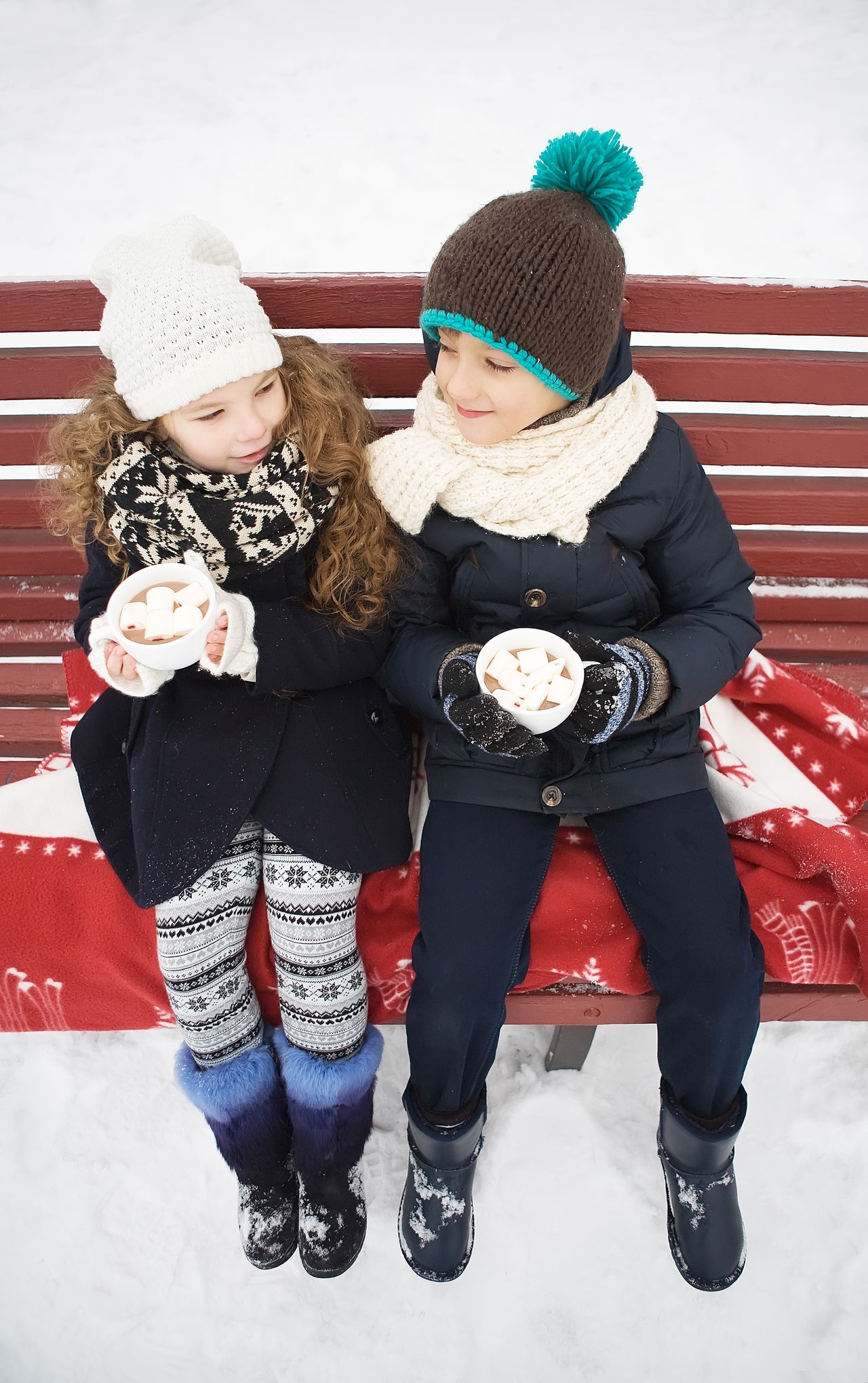
Photo: Aleks via Pexels
That "-25°F" on the box assumes an active, moving child. If your kid will be standing at the bus stop or sitting on a sled, choose boots rated 20 to 30 degrees colder than your real temperatures. The grams tell the story: around 200g suits 30–40°F active play, 400g covers 10–30°F, 600g handles -10 to 10°F, and 800g-plus is for deep cold.
More insulation is not automatically better, because overdressed feet sweat — and damp feet get cold fast. Match the boot to your actual winters, not the coldest day of the decade. One mom in a mild climate asked whether $80 insulated boots were overkill for her area, and the honest answer is a mid-weight waterproof pair that also works for rainy fall days — more wear per dollar than a heavy boot that sits in the closet.
4. Waterproof Beats Water-Resistant for Kids

Photo: Erikamthompson via Wikimedia Commons
Waterproof means sealed seams and a membrane that keeps water out even when a boot is standing in a puddle. Water-resistant just shrugs off light moisture for a while before it gives up. Children kneel in snow, jump in slush, and find every puddle on the block — for real winter play, waterproof is the only honest choice.
Look for a one-piece rubber or rubberized lower, a gusseted tongue that blocks snow from sneaking in, and sealed seams throughout. A parent reviewer on YouTube swears by pull-handle waterproof boots her kids wear from fall to spring — proof the right pair earns its keep long after January.
5. Pick Closures Your Child Can Manage Alone
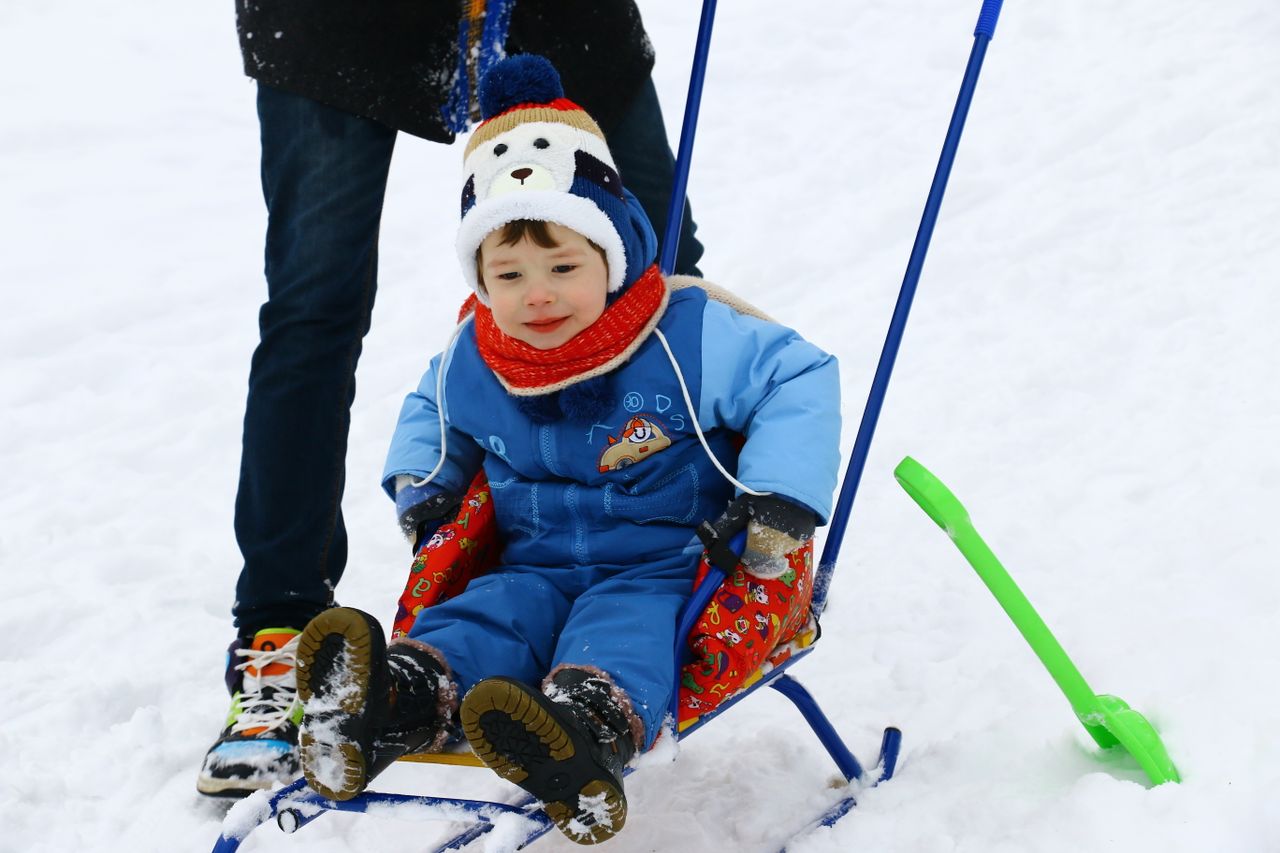
Photo: Vika Glitter via Pexels
School mornings go much smoother when your child can get boots on and off without your help. For toddlers and preschoolers, Velcro straps and side zippers win — and pull handles on the sides are gold. One mom realized the "holes" on her kids' boots were really pull handles, and called them a game-changer for easy mornings.
Wide openings matter as much as the closure: a boot that is a wrestling match at 7 a.m. will end up "lost" under the bed. Let your child practice in the store — independence builds confidence and saves your sanity.
6. Keep Them Light
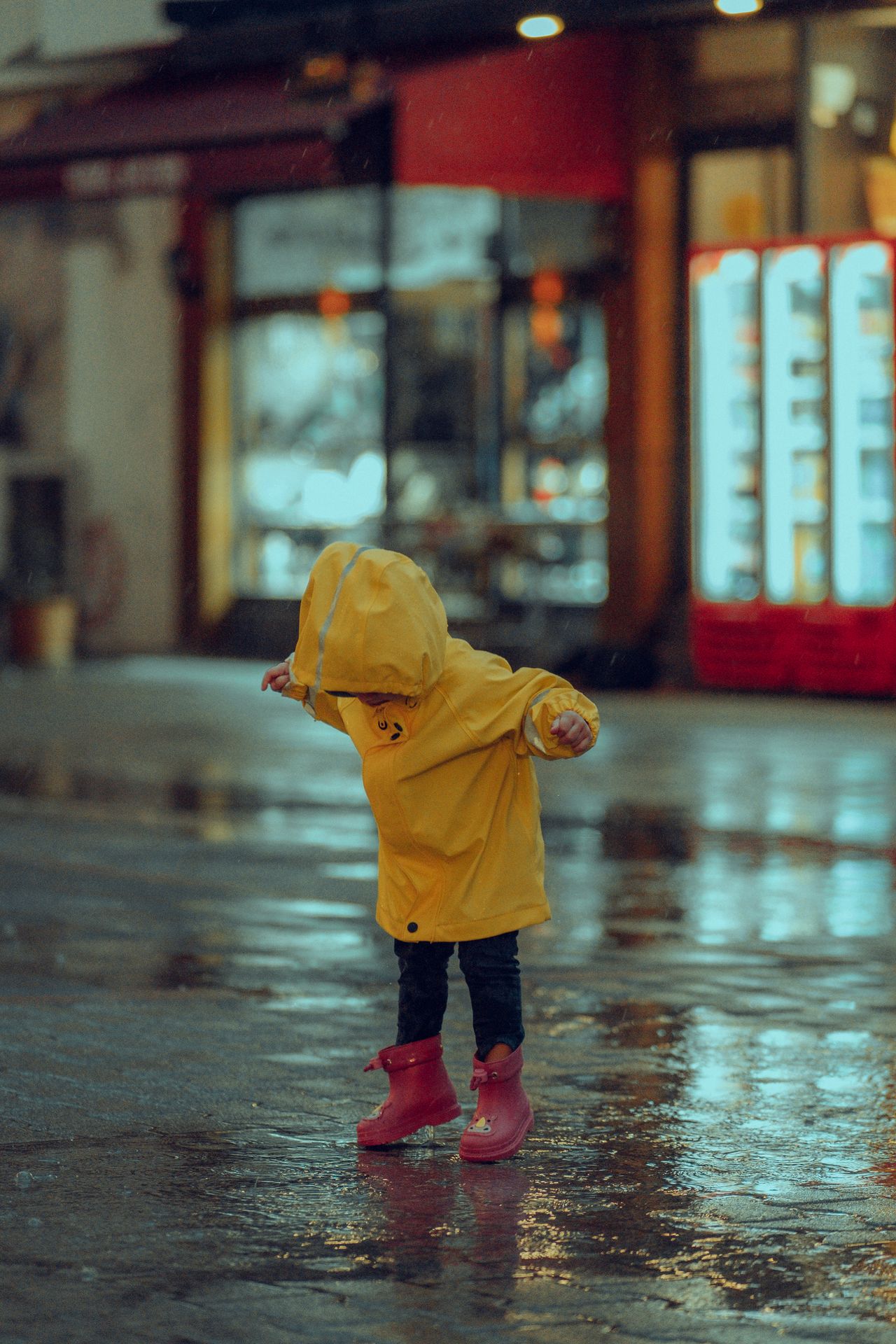
Photo: atahandemir via Pexels
Heavy boots turn little legs to lead: kids tire faster, trip more, and ask to go inside sooner. Look for lightweight EVA or molded rubber lowers and a sole that flexes at the toe.
Have your child walk, jump, and climb stairs in the store. If they move like a robot, keep shopping — a boot that feels like nothing lets them play like themselves.
7. Check the Grip Before You Buy

Photo: HopsonRoad via Wikimedia Commons
Flip the boot over in the store and study the tread like a tire: deep, multi-directional lugs on a rubber outsole grip packed snow and ice, while smooth fashion soles do not.
Reflective details help on dark winter afternoons, and worn-smooth soles are one of the clearest signals a boot is finished, even if the uppers still look fine.
8. Socks Do Half the Warming
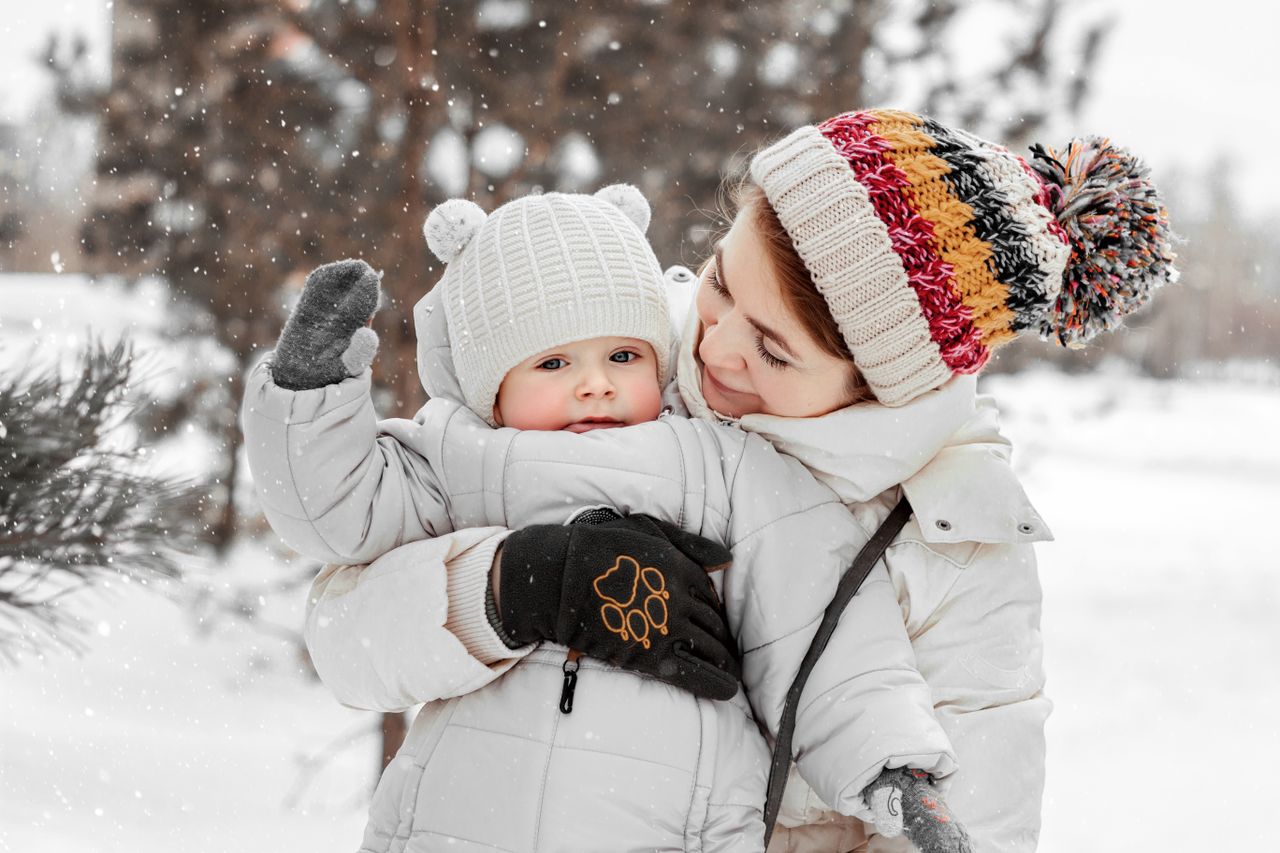
Photo: Pexels
The best boot loses to the wrong socks: cotton soaks up sweat and stays wet, and wet feet get cold and blister fast. Wool or wool-blend socks pull moisture away, dry faster, and resist odor.
Always try boots on with the winter socks your child will wear — it changes the fit by half a size or more. Pack a spare pair in a zip-top bag in the backpack, a trick real moms swear by, so damp socks get swapped after recess.
9. Beware the Hand-Me-Down Trap

Photo: Erikamthompson via Wikimedia Commons
Used boots are tempting, but insulation compresses with wear — a pair that kept the first child warm can leave the second one shivering. Flex the sole for cracks, check every seam, and press the lining: if it feels flat instead of lofty, the warmth is gone.
Fit them to YOUR child's foot, not the size stamped inside — every foot shapes a boot differently. And sniff them: sour, musty boots signal trapped moisture that never dried. Those go straight to the reject pile.
10. Break Them In Before the First Snow

Photo: dave_7 via Wikimedia Commons
Do not let the first wear be a freezing school morning. Have your child wear new boots around the house and on dry, cold days first — you will spot rubbing or heel slip while the receipt is still fresh.
It also lets the insulation loft and the materials flex. A ten-minute living-room test drive now prevents a mid-January "my feet hurt" crisis at the bus stop.
Frequently Asked Questions
Should I size up in kids' winter boots?
Yes — leave about a thumb's width (half an inch) past the longest toe, measured in winter socks. For boots that must last a full season, buying one size up from the measured size is what most parents do.
What does a −25°F temperature rating really mean?
It assumes an active, moving child. For sledding, bus stops, or standing around, pick boots rated 20–30°F colder than your typical weather.
Waterproof or water-resistant for kids?
Waterproof for snow play, slush, and puddles. Water-resistant only handles brief, light moisture and will leak during real play.
What socks work best in kids' winter boots?
Wool or wool-blend socks — never cotton. Pack a spare pair in a zip bag so damp socks can be swapped after recess.
Are expensive winter boots worth it for kids?
Match the boot to your climate and how your child plays. Premium pairs insulate better and last longer, and gently used boots in good shape are a smart middle ground.
Final Thoughts
The perfect pair is not the most expensive one — it is the one that fits a growing foot, matches your real winters, keeps water out, and goes on without a morning meltdown. Measure carefully, leave that thumb's width, read the temperature rating honestly, and never let cotton socks undo your good work. Warm, dry feet turn a snow day into a memory your kids will talk about for years.
Sources
- YouTube — "Only Boots I Will Ever Buy for My Kids" (parent product review): https://www.youtube.com/watch?v=mlxoCPNKfJg
- YouTube — Winner's Lineup, "The Top 5 Best Dinosaur Snow Boots in 2026": https://www.youtube.com/watch?v=6JQj4q_FpyI
- ParentCalc — "Kids Winter Boots Guide 2026": https://www.parentcalc.com/guides/kids-winter-boots
- SloWeather — "Best Winter Boots for Kids – 2026 Reviews" (buyer's guide section): https://www.sloweather.com/best-winter-boots-for-kids/
- Kiddie Kobbler — "What Size Winter Boots to Buy Your Child": https://www.kiddiekobblerstlaurent.ca/blogs/howto/winter/
- Windsor Peak forums — "What size boots to get?": https://www.windsorpeak.com/vbulletin/showthread.php?152392-What-size-boots-to-get
- DC Urban Mom — "Winter boots" thread: https://www.dcurbanmom.com/jforum/posts/list/15/1091625.page
- Fitting Children's Shoes — "Breathable Boots for Kids with Sweaty Feet": https://fittingchildrenshoes.com/best-boots-for-kids-with-sweaty-feet-waterproof-and-breathable-at-the-same-time/
Gallery

Photo: Robert Nelson via Wikimedia Commons
Photo: kaboompics via Pexels
Photo: Alena via Pexels

No comments:
Post a Comment