A gazebo turns an ordinary corner of the yard into a destination. Even a small one — 2.4 by 2.4 m — gives you shade, rain cover, and a sense of occasion that an open patio never quite manages. In Canada, a small gazebo works hard: it stretches the outdoor season, shelters the barbecue, and gives the hot tub somewhere to hide.
These small gazebo ideas cover styles from classic white to Japanese-inspired, plus practical notes on cost, permits, and winter care. For the rest of the yard, pair your gazebo with our covered patio ideas attached to the house. Most small gazebos cost $1,500 to $5,000 CAD as kits, and a handy homeowner can assemble one in a weekend.

Photo: PumpkinSky via Wikimedia Commons
Table of Contents
- 1. The Classic White Hexagon
- 2. An Open Pergola-Style Gazebo
- 3. A Domed Roof Gazebo
- 4. A Brick and Tile Gazebo
- 5. A Japanese-Inspired Gazebo
- 6. A Hot Tub Shelter
- 7. A Screened-In Gazebo
- 8. A Fire Pit Under a Wooden Shelter
- 9. A Patio Heater for Shoulder Season
- 10. A Stone Pavilion Retreat
1. The Classic White Hexagon
The white hexagon is the gazebo most people picture: six posts, a peaked roof, and railings on every side. It suits traditional yards and cottages, and white paint reflects summer heat so the structure stays cooler inside. A 2.4 m kit gives room for four chairs around a small table.
Paint before you assemble, not after — it is far easier to coat every face of each board on sawhorses than to paint around railings later. Use exterior acrylic over a proper primer, and plan to touch up the railings every three to four years where hands and weather wear the finish.

Photo: PumpkinSky via Wikimedia Commons
2. An Open Pergola-Style Gazebo
If you want the structure of a gazebo but the airiness of a pergola, choose an open design with columns and an open-lattice roof. It frames a seating area beautifully without darkening the yard, and climbing plants like clematis turn it into a green room within two seasons.
Column-style kits in vinyl or fibreglass cost more than wood but never need painting — a real plus in a climate with freeze-thaw cycles. Anchor the posts properly: even a small open structure catches wind, so set each post in concrete footings at least 60 cm deep.
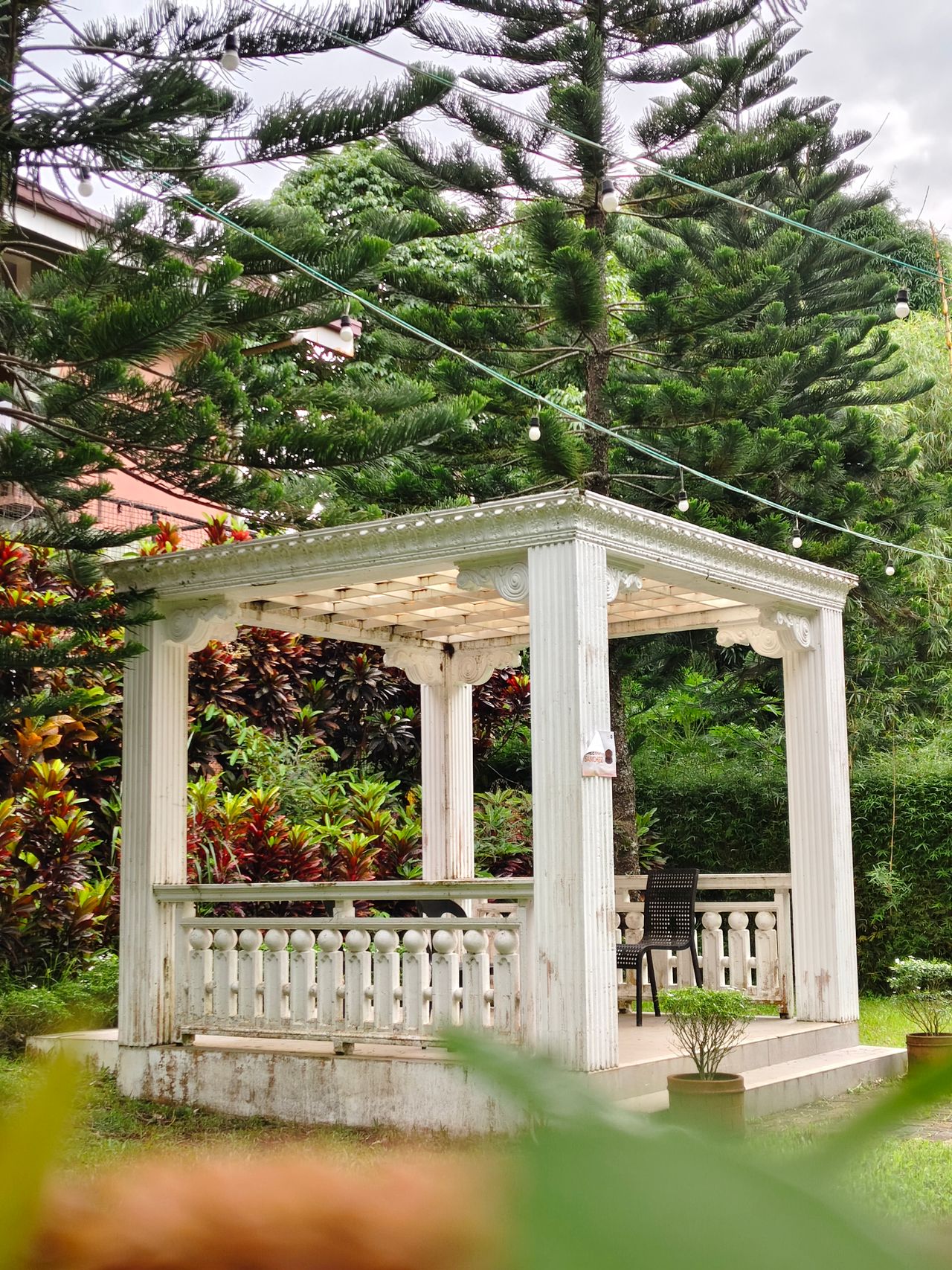
Photo: Ka Rei via Pexels
3. A Domed Roof Gazebo
A domed roof gives a small gazebo real presence — the curve draws the eye and makes the structure feel larger than its footprint. Domed and cupola-topped designs also vent hot air naturally, which keeps the interior comfortable on still July afternoons.
Check the snow-load rating before you buy. Many decorative kits are designed for milder climates and need extra bracing to handle a Canadian winter. A metal dome or a shingled dome over plywood sheathing handles snow far better than a fabric or thin-resin cap.

Photo: daryl_mitchell via Wikimedia Commons
4. A Brick and Tile Gazebo
Brick piers with a tile roof make a gazebo that feels permanent — more garden pavilion than kit. It is a bigger project, but the result shrugs off decades of weather and looks right beside a brick house. A 3 by 3 m footprint fits a table for six with room to walk around it.
This is a job for a mason rather than a weekend DIYer, so get three quotes and ask to see previous garden structures. A concrete slab foundation with a slight slope for drainage keeps the floor dry, and clay tiles rated for freeze-thaw cycles will not spall in winter.
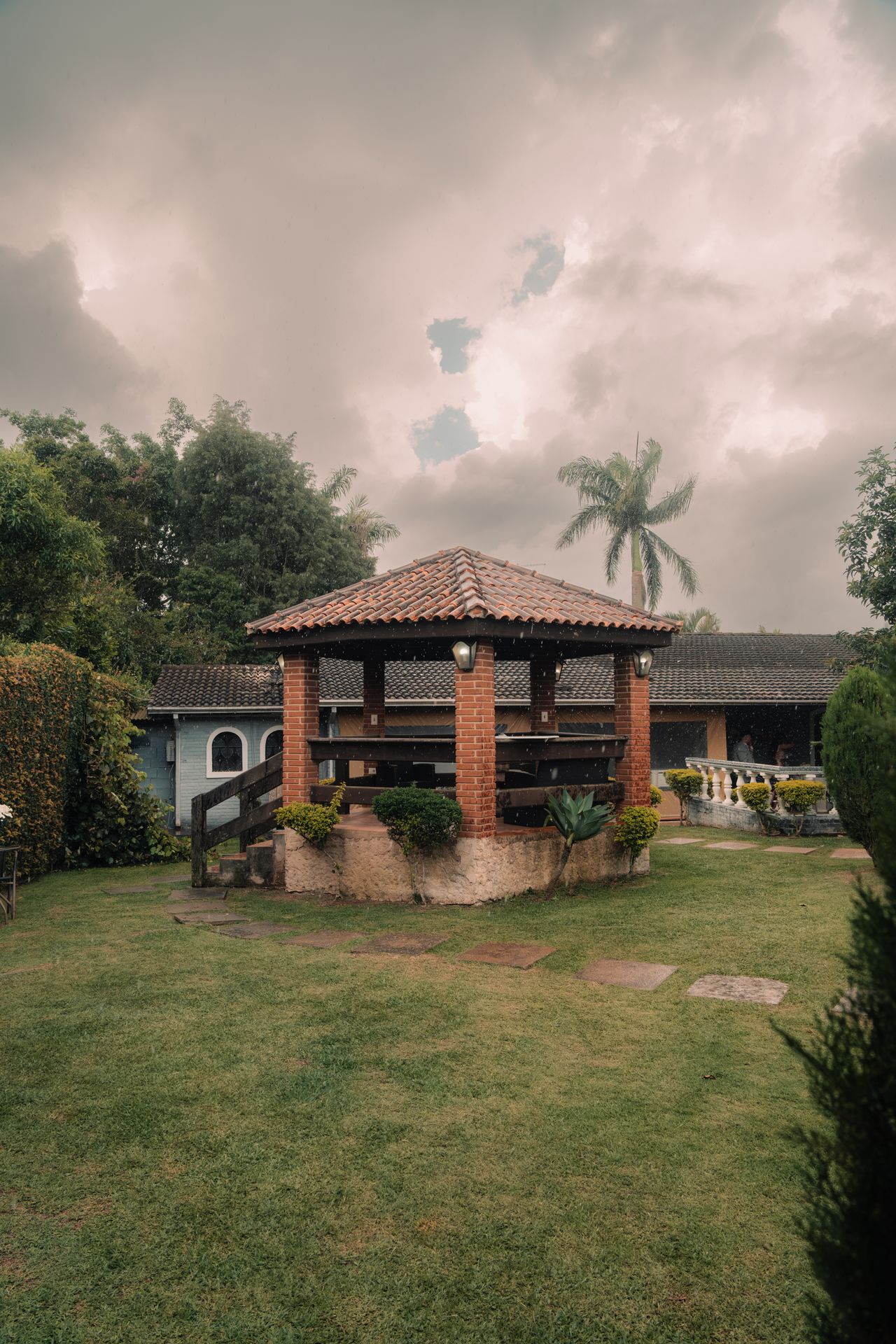
Photo: Jr Satilite via Pexels
5. A Japanese-Inspired Gazebo
A Japanese-inspired gazebo — dark-stained posts, a gently curved roof, and simple proportions — brings calm to a busy yard. It pairs naturally with maples, ornamental grasses, and a gravel or stone floor rather than a wooden deck. Even a small 2 by 2 m version makes a perfect tea-sipping spot.
Keep the detailing simple: the style depends on clean lines, not ornament. Use a dark penetrating stain rather than paint so the wood grain shows, and leave the roof overhang generous — 30 to 40 cm — to protect the posts from rain and give the structure its characteristic silhouette.

Photo: Andrey Korzun via Wikimedia Commons
6. A Hot Tub Shelter
A small gazebo is the perfect hot tub shelter: the roof keeps snow and leaves out of the water, and walls or curtains give you privacy from the neighbours. A 3 by 3 m structure fits most four-person tubs with steps and a towel hook to spare.
Ventilation matters — trap steam under a low roof and the wood will rot. Leave a gap under the eaves or add a small cupola vent so moist air escapes. In Canada this idea shines in January: stepping from a steaming tub into crisp air is the whole point, and the shelter makes it civilized.
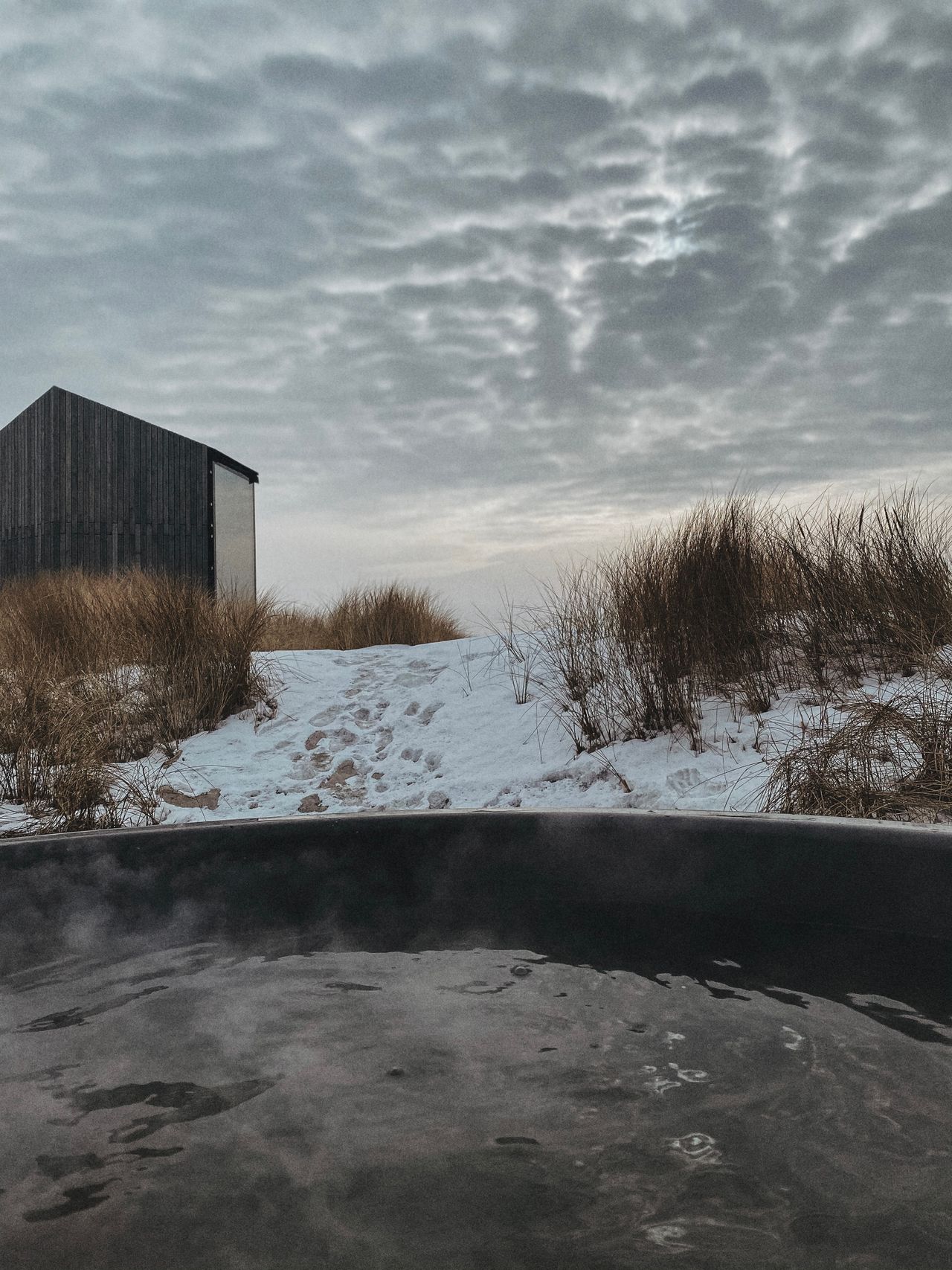
Photo: Ника Алексеева via Pexels
7. A Screened-In Gazebo
Blackflies and mosquitoes can ruin a June evening, but a screened gazebo lets you dine outside in peace. Screen kits cost a few hundred dollars and attach to most wooden gazebos with hook-and-loop strips or spline channels — no carpentry needed.
Choose fibreglass mesh over aluminium: it does not dent, it is easier to handle, and it resists corrosion near the hot tub or pool. Take the screens down each autumn, brush them clean, and store them rolled in the garage — they will last a decade instead of three seasons.
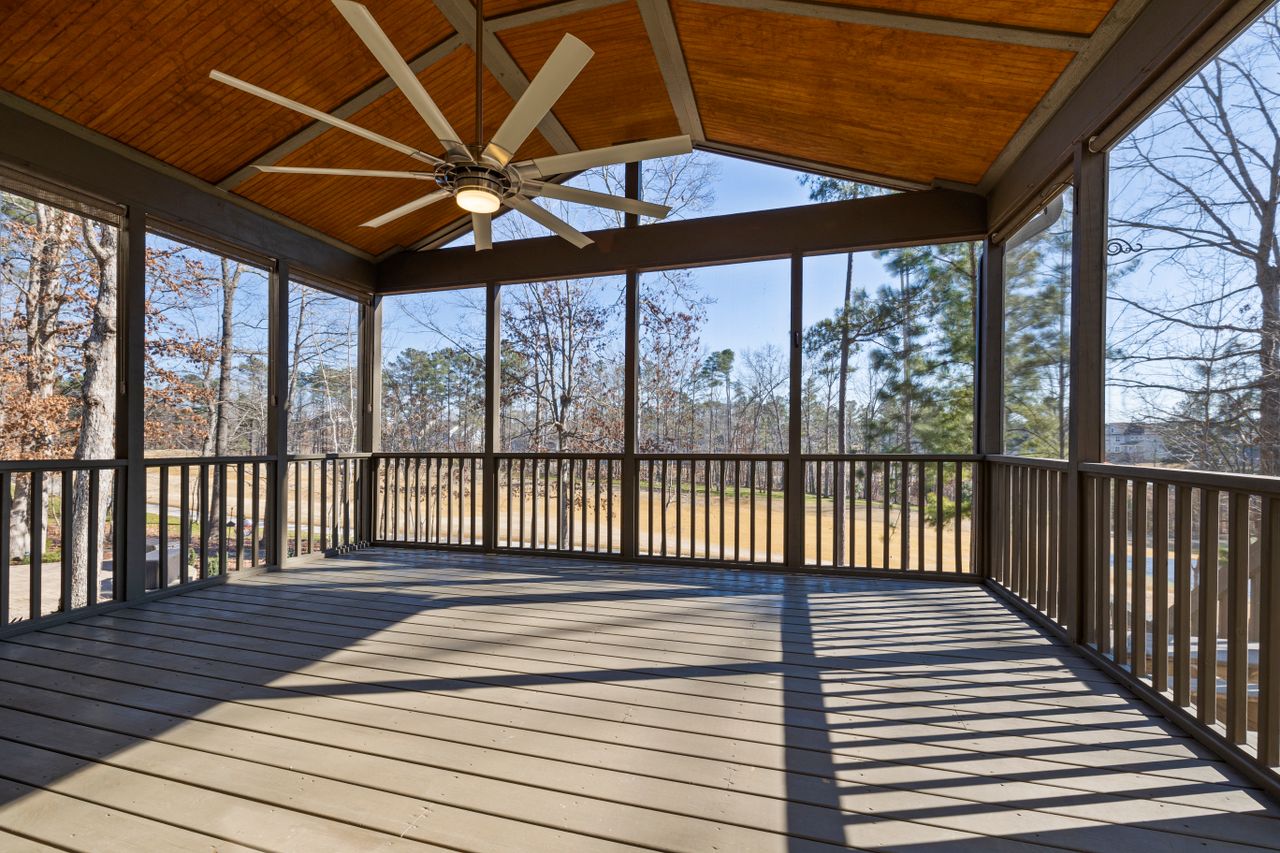
Photo: Curtis Adams via Pexels
8. A Fire Pit Under a Wooden Shelter
Put a fire pit under an open wooden shelter and you get a campfire that never gets rained out. Keep the fire pit at least 1.5 m from any post and 3 m from the house, and use a spark screen — embers and timber roofs are a bad combination without one.
Our rustic garden ideas show how this setup anchors a whole yard. A simple pergola-style frame with a metal roof is ideal: the metal will not catch, it sheds sparks' heat, and rain drums on it satisfyingly. Gravel underfoot instead of decking removes the last fire worry.

Photo: Matheus Bertelli via Pexels
9. A Patio Heater for Shoulder Season
A patio heater adds a month to each end of the gazebo season in Canada. Propane mushroom heaters put out around 40,000 BTU and warm a 3 m circle nicely; electric infrared models are cheaper to run if you have an outlet nearby. Either one turns a crisp October evening into prime gazebo time.
Keep any heater at least 1 m from fabric curtains, screens, and the roof — check the manual, as clearances vary by model. Store propane tanks outside the gazebo, never inside, and bring the heater itself under cover for winter to protect the burner from moisture.
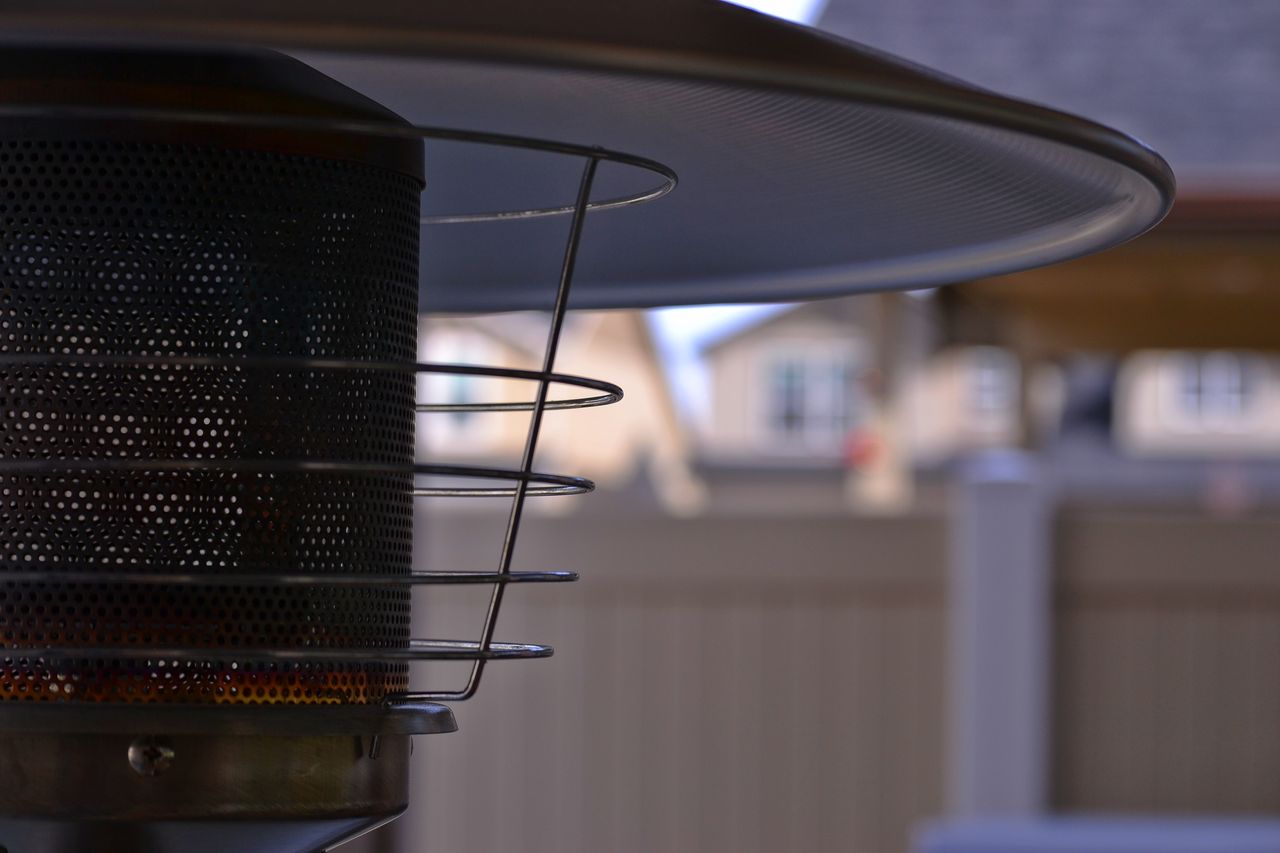
Photo: Brett Sayles via Pexels
10. A Stone Pavilion Retreat
For the ultimate in permanence, a stone or masonry pavilion outlasts every other gazebo style. Stone piers, a solid roof, and built-in benches create a garden room that needs almost no maintenance and looks better with every passing year as it weathers in.
This is the most expensive option — budget $8,000 CAD and up for a small masonry pavilion built by a contractor. The payoff is a structure that adds genuine value to the property and shrugs off Canadian winters without a second thought. Site it where you will see it from the house in winter, when the garden needs the interest most.

Photo: Larry D. Moore via Wikimedia Commons
FAQs
Do I need a permit for a small gazebo in Canada?
Often not for small ones. Most municipalities allow accessory structures under about 10 square metres without a permit, but rules vary — Toronto, Vancouver, and Calgary all differ. A quick call to your local building department settles it before you buy the kit.
How much does a small gazebo cost?
Soft-top pop-up gazebos start around $200 CAD. Wooden kits in the 2.4 to 3 m range run $1,500 to $5,000, and a custom-built or masonry gazebo starts around $8,000. Assembly is usually a one-weekend DIY job for kits.
Can a gazebo survive a Canadian winter?
Yes if you prepare it. Remove fabric canopies and curtains before the snow, clear heavy snow off hard roofs, and check the snow-load rating when you buy. Cedar and pressure-treated structures handle winter well; cheap steel frames may bend under snow.
What size gazebo fits a small yard?
A 2.4 by 2.4 m gazebo seats four comfortably and fits most urban yards. Leave at least 1 m of clearance on all sides for maintenance and airflow — measure twice, because a gazebo that crowds the fence looks cramped rather than cosy.
What should I put under my gazebo?
A level base is essential: a gravel pad, patio stones, or a concrete slab all work. For dining, our fun outdoor picnic food ideas will give you plenty of menu inspiration once the table is in place. Avoid setting posts directly on soil — they will rot.
Final Thoughts
These small gazebo ideas prove you do not need a big yard or a big budget to get the magic of a garden shelter. Whether you choose a classic white hexagon, a screened bug-free zone, or a simple shelter over the hot tub, the pattern is the same: define the space, protect it from the elements, and furnish it for lingering.
Start with the job the gazebo must do — shade, privacy, bug protection, or winter shelter — and let that choose the style. Get the footings and the roof right, and your small gazebo will be the best-used corner of the yard for decades.
Sources
- Family Handyman — How to Build a Modern Gazebo
- Family Handyman — How to Make a DIY Grill Gazebo
- Family Handyman — How to Build a DIY Cedar Screen House
- Family Handyman — 11 Ways to Create Shade for Your Deck or Patio
Gallery
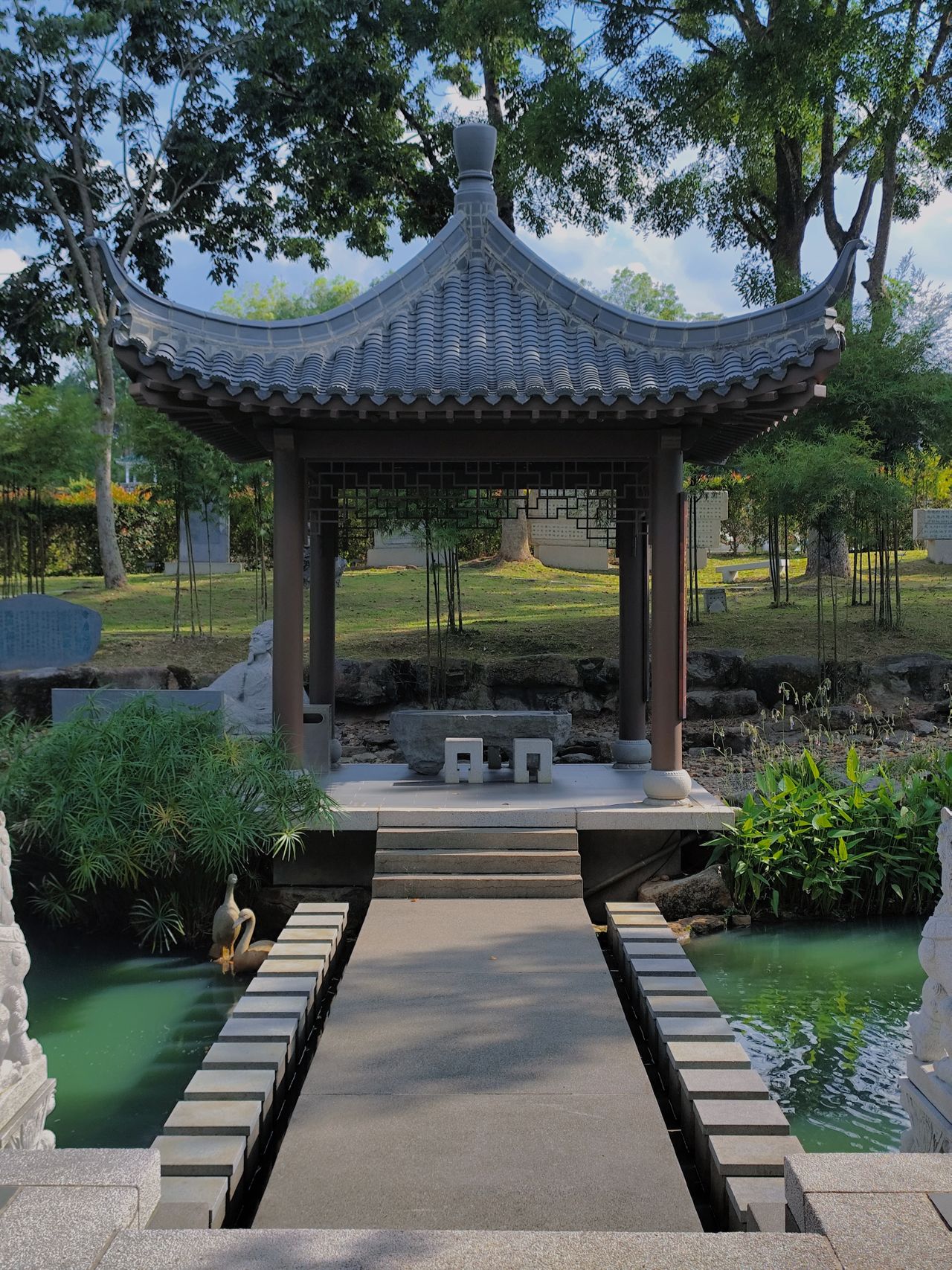
Photo: Toh Yu Xuan via Pexels

Photo: Colin Smith via Wikimedia Commons

Photo: Fry72 (Karel Frydrýšek) via Wikimedia Commons

No comments:
Post a Comment